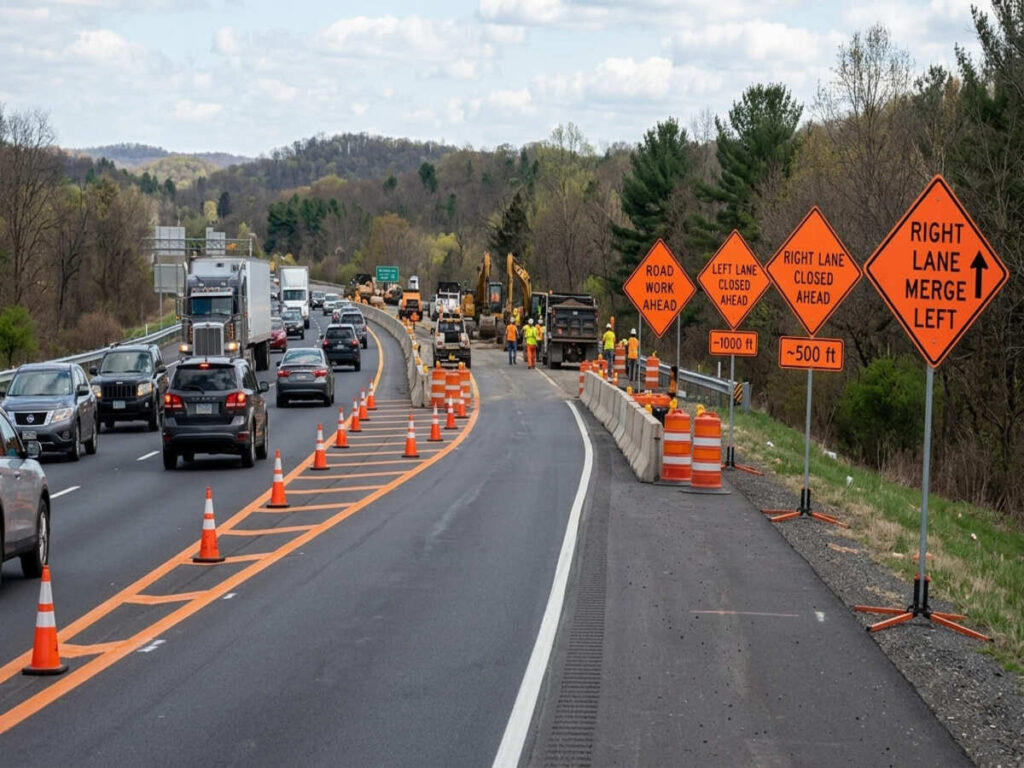
Por qué los bolardos de tráfico modernos son más que simples postes en el suelo
Las ciudades se están desplegando bollos de tráfico a tasas récord, y los equipos de adquisiciones están pagando el precio por hardware no especificado. La publicación correcta en la ubicación correcta separa un activo a 10 años de una partida de reemplazo trimestral.
Bolardos de tráfico hacer tres cosas a la vez. Canalizan vehículos. Los peatones dependen de ellos para su protección.. Los conductores los leen como instrucciones silenciosas sobre la intención del carril.. Los polímeros de ingeniería modernos ahora ofrecen un rendimiento de impacto que rivaliza con el acero a una fracción del costo de vida útil..
La magnitud del problema es real.. Según la Administración Nacional de Seguridad del Tráfico en Carreteras, 39,345 personas murieron en estados unidos. accidentes de tráfico en 2024, el recuento más bajo desde 2020 pero aún por encima de los promedios prepandémicos (Fuente: https://www.nhtsa.gov/press-releases/nhtsa-estimates-39345-traffic-fatalities-2024). Muertes de peatones contabilizadas 7,148 de esas muertes, según la Asociación de Gobernadores de Seguridad en las Carreteras (Fuente: https://www.ghsa.org/resource-hub/pedestrian-traffic-fatalities-2024-data).
Los bolardos no son una solución milagrosa. son probados, capa reconocida por código en el enfoque de sistema seguro. Esta guía recorre todos los tipos principales., Los materiales que predicen la vida útil., y los códigos de cumplimiento que rigen la colocación. Un marco de adquisiciones los une al final.
Cómo funcionan los bolardos de control de tráfico en la jerarquía de seguridad vial
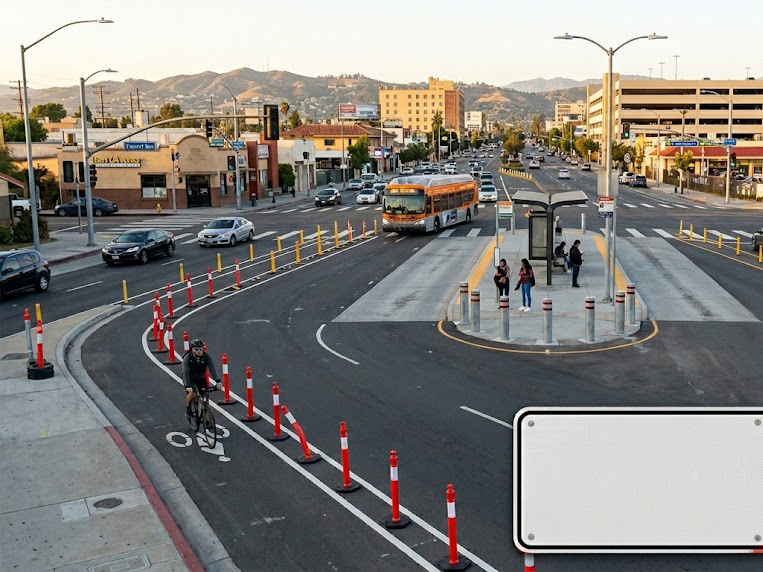
Los bolardos de control de tráfico se ubican entre marcas de pavimento de alta visibilidad y barreras rígidas.. Hacen un trabajo que la pintura no puede hacer., sin el costo o el impacto visual de un muro de concreto.
Los tres trabajos principales: Delineación, Disuasión, y canalización
La delineación es visual.. El bolardo marca los bordes de los carriles., zonas de prohibición de entrada, y límites peatonales en altura que los conductores no pueden pasar por alto. La disuasión es conductual.. Un puesto flexible no detendrá a un camión decidido, pero cambia absolutamente la forma en que los conductores abordan una curva., un paso de peatones, o un muelle de carga. La canalización es geométrica.. Espaciado correctamente, postes guían a los peatones, ciclistas, y vehículos a través de intersecciones complejas sin forzarlos a transitar por corredores rígidos.
Dónde encajan los bolardos de control de tráfico junto con otros dispositivos de seguridad
Los equipos de adquisiciones a menudo confunden estas publicaciones con marcadores delineadores., Barreras, y barandillas peatonales. La siguiente tabla compara los cuatro dispositivos de seguridad vial más comunes según los criterios que importan para la especificación..
| Dispositivo | Función principal | Recuperación de impacto | Impacto en la línea de visión |
| Bolardos de tráfico | Canalización + delineación | autorrecuperación (flexible) | Bajo |
| Publicaciones de delineator | Sólo señal visual | Limitado | Muy bajo |
| Barreras | Redirección de vehículos | Ninguno | Alto |
| Barandillas peatonales | Separación peatonal | Ninguno | Medio |
Fuente: Sintetizado a partir de FHWA MUTCD 11.ª edición, parte 6
La pila de cumplimiento que todo comprador de adquisiciones debe conocer
Tres marcos federales gobiernan la mayoría de las implementaciones en los Estados Unidos. El manual de dispositivos de control de tráfico uniformes (Muescato), 11décima edición, fue publicado por la Administración Federal de Carreteras en diciembre 2023 y sigue siendo el estándar nacional. Los estándares de la ADA para diseño accesible requieren un ancho libre continuo mínimo de 36 pulgadas entre bolardos a lo largo de cualquier ruta accesible (Fuente: https://www.access-board.gov/ada/guides/chapter-4-accessible-routes/). OSHA 29 CFR 1926 La subparte G regula el control del tráfico en las zonas de obras de construcción., incorporando la parte MUTCD 6 por referencia.
La diferencia entre bolardos de carretera y bolardos de tráfico
bolardos de carretera y bollos de tráfico A menudo son el mismo producto físico con dos términos de búsqueda.. La distinción vive en el contexto de la aplicación., no en el propio bolardo.
Terminología Cruce de peatones: Camino, Calle, Tráfico, y bolardos de seguridad
Los bolardos de carretera generalmente se refieren a aplicaciones en el borde de la carretera y en la mediana.. Los bolardos de seguridad vial son un paraguas de adquisición para cualquier poste diseñado para separar vehículos de personas o propiedades.. La mayoría de los bolardos de seguridad vial en el mercado hoy en día sirven para casos de uso tanto en carretera como fuera de carretera cuando se especifican correctamente..
Superposición de aplicaciones y 80/20 Regla
Apenas 80% de los productos en el mercado funcionan tanto en aplicaciones de carretera como fuera de carretera. El 20% las excepciones importan, aunque: sistemas de anclaje específicos para medianas, Aplicaciones en carreteras con clasificación de colisión, y herrajes especiales para corredores quitanieves, todos exigen diseños especialmente diseñados.
Para los municipios que instalan bolardos en las carreteras para separar los carriles de las carreteras, el bolardos reflectantes rojos y blancos guía de separación de carreteras cubre en detalle los estándares de visibilidad y espaciado alineados con MUTCD.
Los cinco tipos principales de bolardos de tráfico (y qué caso de uso resuelve cada uno)
La mayoría de los errores de adquisición ocurren en esta sección.. Los compradores eligen un tipo por apariencia en lugar de por desempeño. Las cinco categorías siguientes cubren aproximadamente 95% de modernas instalaciones.
Bolardos de tráfico flexibles: Gestión de impactos autorrecuperable
Flexible bollos de tráfico doblarse ante el impacto y volver a colocarse en posición vertical. El polímero de elección suele ser TPU o elastómero de poliuretano., normalmente clasificado 85 a 95 Dureza Shore A. Las unidades de calidad sobreviven más de 100,000 Ciclos de impacto en pruebas de laboratorio antes de mostrar deformación permanente..
- alturas típicas: 28 a 42 pulgadas
- Diámetro estándar: 3.5 a 4.5 pulgadas
- Mejor para: delineación del carril, autoservicio, calmar el tráfico a baja velocidad, estacionamiento
- no para: Protección anti-ram con clasificación K
Bolardos apilables con tapa en T: Diseño logístico primero
Los diseños con tapa en T utilizan una geometría de tapa cónica que permite que las unidades se aniden. De ocho a doce bolardos se apilan en el espacio que ocupa una sola unidad. Esto importa más de lo que los compradores creen. Cincuenta unidades apilables ocupan aproximadamente 6 pies cuadrados de espacio de almacén. Los mismos cincuenta en forma estándar se acercan más a 45 pies cuadrados.
Contratistas, yardas de alquiler, y las empresas de servicios para eventos construyen sus flotas de bolardos en torno a diseños apilables porque los costos de almacenamiento aumentan en toda la cartera de proyectos.. Las matemáticas son simples. Menos pies cuadrados equivalen a menores gastos generales por unidad desplegable.
Bolardos de tráfico reflectantes: Visibilidad sin cableado
Pensativo bollos de tráfico Confíe en láminas retrorreflectantes que cumplan con ASTM D4956., la especificación estándar para láminas retrorreflectantes para control de tráfico (ASTM D4956). entre los nueve, El tipo IV es el grado más común en instalaciones permanentes., mientras que el Tipo IX ofrece una mayor retrorreflectancia a distancias de observación cortas y se prefiere en zonas de construcción.
Las bandas rojas y blancas siguen las convenciones de color de MUTCD para la delineación. Las modernas láminas Tipo IV sobre un bolardo de calidad permanecen visibles en 400 a 700 pies bajo la iluminación estándar de los faros. Los diseños reflectantes no requieren infraestructura eléctrica, es por eso que superan a muchas alternativas iluminadas en cuanto al costo total de propiedad en un horizonte de 10 años..
Bolardos de tráfico extraíbles: Acceso controlado sin hardware permanente
Los diseños removibles vienen en tres subtipos: sistemas de elevación montados en manguitos, postes asegurados con candado, y configuraciones de toma de tierra. Los operadores capacitados pueden desplegar o guardar una sola unidad en 30 a 90 artículos de segunda clase.
Las aplicaciones comunes incluyen carriles de acceso para vehículos de emergencia., Cierres de carreteras el fin de semana para los agricultores.’ mercados y ferias callejeras, entradas de servicio de muelle de carga, y perímetros de eventos urgentes. Los diseños extraíbles permiten que un sitio cumpla dos funciones sin cambios permanentes de hardware.
Bolardos de tráfico de plástico: El nivel de rendimiento que la mayoría de los compradores subestiman
Plástico bollos de tráfico Es donde ocurren los mayores errores de especificación.. La frase plástico es igual a débil está desactualizada desde hace unas dos décadas. Polímeros de ingeniería moderna, principalmente compuestos de HDPE y poliuretano, Ofrecen una absorción de impactos que el acero rígido no puede igualar a velocidades bajas a moderadas..
El acero transmite la fuerza de colisión directamente a los puntos de anclaje y a los ocupantes del vehículo.. Los polímeros diseñados se deforman, recuperar, y disipar energía a través de la estructura.. Para zonas peatonales y aplicaciones de estacionamiento, este comportamiento es el resultado más seguro. Los postes de plástico de calidad corren 70 a 85 por ciento más ligero que sus equivalentes de acero, lo que reduce drásticamente los costos de envío y las horas de mano de obra durante la instalación.
El T-Top vs bolardos de tráfico estándar: maletín de almacenamiento y logística analiza con más detalle el argumento de la economía del almacén.
Especificaciones de materiales que realmente predicen la vida útil del bolardo
La mayoría de las cotizaciones de proveedores ocultan las especificaciones que determinan si un producto dura tres o quince años.. Los equipos de adquisiciones que aprenden las preguntas correctas dejan de pagar de más por hardware que no cumple con las especificaciones.
Especificaciones de polímeros a demanda de cualquier proveedor
- Resistencia a la tracción: mínimo 2,500 PSI para servicio de grado de tráfico
- Concentración de estabilizador UV: Porcentaje de aditivo HALS claramente indicado
- Rango de temperatura de funcionamiento: -40°F a +160°F para uso en exteriores en América del Norte
- Grosor de la pared: mínimo 4 mm para aplicaciones con clasificación de tráfico
Grados de láminas reflectantes y visibilidad nocturna
ASTM D4956 define nueve tipos de láminas, pero tres son los más importantes para la delimitación exterior. Tipo I (grado de ingeniero) normalmente ofrece de cinco a siete años de retrorreflectividad utilizable. Actualización al Tipo IV (prismático de alta intensidad) amplía el servicio a aproximadamente diez años. La opción premium, Tipo IX (grado de diamante), mantiene el rendimiento durante doce años o más en condiciones de exposición estándar.
Sumérgete profundamente: Leer más para aprender Cómo elegir el mejor material de bolardo de tráfico para su proyecto.
Especificaciones de base y anclaje
Los sistemas de base de servicio pesado deben pesar al menos 8 libras para estabilidad de montaje en superficie en 25 vientos de mph. La profundidad del anclaje enterrado para instalaciones permanentes generalmente cae entre 12 y 18 pulgadas, con variaciones de código local. Las bases de montaje adhesivo funcionan para implementaciones temporales, pero pierden estabilidad en asfalto texturizado y necesitan verificación por sustrato..
Dónde cada tipo de bolardo vial gana su sustento: Matriz de aplicaciones
El bolardo adecuado depende enteramente de lo que intenta pasar y de la velocidad con la que. Los equipos de adquisiciones deben asignar el caso de uso al alcance del desempeño antes de solicitar cotizaciones..
Paisajes urbanos y zonas de prioridad peatonal
Las separaciones accesibles según la ADA requieren 36 pulgadas de ancho libre mínimo entre bolardos. La práctica industrial para el espaciamiento de las tapas de protección de vehículos es 5 pies, con 4 a 5 Los pies son el punto óptimo para la mayoría de las instalaciones con prioridad para los peatones.. Las combinaciones flexibles y reflectantes dominan esta categoría porque manejan el contacto accidental con gracia y permanecen visibles después del anochecer..
Instalaciones de estacionamiento, Autoservicio, y zonas de carga
Los vehículos de flota chocan contra los bolardos entre cuatro y siete veces más a menudo que el tráfico minorista. Esa única estadística debería impulsar la especificación. Los diseños flexibles de autorrecuperación eliminan el ciclo de quitar y reemplazar que castiga los presupuestos de los estacionamientos.. Las variantes extraíbles sirven para muelles de carga y acceso de vehículos de servicio, donde el bolardo debe salir de forma predecible y frecuente..
El guía de instalación de bolardo de estacionamiento para el espaciado, altura, y requisitos del código Cubre los detalles operativos para la implementación de instalaciones de estacionamiento..
Zonas de Construcción y Control Temporal de Tráfico
OSHA 29 CFR 1926 La subparte G incorpora la parte MUTCD 6 por referencia para zonas de obras de construcción (DOL OSHA). Los diseños apilables dominan esta categoría porque los equipos los despliegan y recuperan diariamente. Los requisitos de láminas reflectantes generalmente son de tipo IV o superior para operaciones nocturnas..
El marco de decisión sobre adquisiciones: Hacer coincidir el tipo de bolardo con la realidad del proyecto
La mayoría de los equipos de adquisiciones acortan el proceso de especificación y pagan por ello más tarde.. Seis preguntas, preguntó temprano, eliminar aproximadamente 90 porcentaje de arrepentimiento posterior a la compra.
Las seis preguntas que deciden la especificación del bolardo
- ¿Cuál es la expectativa de frecuencia de impacto?? La alta frecuencia favorece los diseños flexibles.
- ¿La instalación es permanente?, semi-permanente, o recurrente? Victorias removibles para no permanentes.
- ¿Cuál es el entorno de visibilidad?? Las zonas oscuras o sin iluminación exigen un mínimo de láminas Tipo IV.
- ¿Cuál es la restricción de la huella de almacenamiento?? Las tapas en T apilables reducen drásticamente los costos de almacén.
- ¿Qué régimen de cumplimiento rige?? Muescato, ADA, OSHA, o internacional (Como/nzs, EN).
- ¿Cuál es el horizonte del costo total de propiedad?? Las matemáticas de cinco y 15 años difieren significativamente.
Banderas rojas en cotizaciones de proveedores que indican productos de subespecificación
Proveedores que no pueden producir la resistencia a la tracción publicada, Datos del estabilizador UV, o las referencias de cumplimiento de ASTM a pedido no venden hardware apto para tráfico.. Las afirmaciones de aplicación universal sin especificidad de casos de uso son una señal casi segura de una importación genérica disfrazada para la audiencia de adquisiciones..
Cuando comprar, Cuando alquilar, y cuándo especificar una flota híbrida
La duración del proyecto es la variable de decisión más limpia. Implementaciones más cortas que 120 Los días suelen favorecer el alquiler.. Proyectos de más de 120 días o recurrentes en múltiples sitios generalmente favorecen la compra. Flotas híbridas, donde se posee el inventario principal, y se alquila capacidad de sobretensión, coincidir con la forma en que realmente operan los contratistas maduros.
Juntando las piezas: Cómo desarrollar su estrategia de bolardos de tráfico
Elegir lo correcto bollos de tráfico es una decisión de adquisición con consecuencias de 10 años, no es una compra de hardware. Las especificaciones que predicen la vida útil, los códigos que rigen la colocación, y los tipos que coinciden con cada caso de uso se pueden conocer desde el principio.
El camino más rápido hacia una especificación defendible es una comparación estructurada.. Asigne el caso de uso al ámbito de rendimiento. Solicitar datos de material publicado. Confirmar el cumplimiento con la pila de códigos gobernante. Luego compare el costo total de propiedad con el precio inicial..
Para equipos de adquisiciones listos para pasar de la investigación a la especificación, una lista de verificación de la etapa de negociación ayuda, como el 10 Preguntas que todo comprador debe hacerse antes de firmar una orden de compra de bolardos de tráfico..
Preguntas frecuentes sobre bolardos de tráfico
¿Cuál es la diferencia entre bolardos de tráfico y bolardos de control de tráfico??
Los términos describen la misma clase de producto físico en la mayoría de los contextos de adquisiciones.. Los bolardos de control de tráfico suelen implicar una función reguladora o de canalización ligada al cumplimiento del MUTCD.. Bolardos de tráfico Son el paraguas más amplio que cubre cualquier poste vertical utilizado para separar vehículos de personas o propiedades.. Presupuesto, materiales, y los métodos de instalación son intercambiables en ambos términos.
¿A qué distancia deben estar los bolardos de tráfico??
Los estándares de la ADA para diseño accesible requieren un ancho libre continuo mínimo de 36 pulgadas entre bolardos en cualquier ruta accesible. (A NOSOTROS. Tablero de acceso). La práctica de la industria limita el espaciamiento de protección de vehículos a 5 pies, con 4 Los pies son óptimos para aplicaciones de mayor riesgo.. Los códigos de construcción locales y las directrices de las autoridades competentes siempre tienen prioridad.
¿Son los bolardos de tráfico flexibles lo suficientemente fuertes como para una protección real contra impactos??
Sí para eventos de velocidad baja a moderada bajo aproximadamente 30 mph. Los diseños flexibles no tienen clasificación de choques y no deben reemplazar el hardware anti-ram. Para aplicaciones con clasificación ASTM F2656 K, incluidos perímetros de alta amenaza o infraestructura crítica, Los bolardos resistentes a accidentes siguen siendo la especificación correcta..
¿Cuánto tiempo permanecen visibles los bolardos reflectantes de tráfico por la noche??
El grado de la lámina determina la longevidad. El grado de ingeniería generalmente ofrece de cinco a siete años de retrorreflectividad utilizable.. Prismático de alta intensidad (Tipo IV) extiende la vida útil a unos diez años. Grado de diamante (Tipo IX) mantiene el rendimiento durante doce años o más en condiciones de exposición estándar.
¿Se pueden bloquear los bolardos de tráfico extraíbles por motivos de seguridad??
La mayoría de los sistemas extraíbles ofrecen fundas aseguradas con candado o diseños de casquillos con llave.. La especificación de bloqueo debe coincidir con el modelo de amenaza. Las cerraduras antivandalismo no son lo mismo que los sistemas resistentes a la entrada forzada, y el precio difiere en consecuencia.
¿Cuál es la vida útil de los bolardos de tráfico de plástico en comparación con los de acero??
Los postes de plástico adecuadamente estabilizados contra los rayos UV brindan 8 a 15 años de vida útil. Los equivalentes de acero en condiciones exteriores similares suelen necesitar una nueva capa cada 3 a 5 años y reemplazo completo en 10 a 12 años, especialmente en entornos costeros o de sal deshielo. El costo total de propiedad a menudo favorece al plástico a pesar de un precio inicial por unidad similar o más alto..
Referencia
Administración Federal de Carreteras (2023). Manual en dispositivos de control de tráfico uniformes, 11décima edición.
A NOSOTROS. Tablero de acceso. Capítulo 4: Rutas accesibles.
ASTM International. Especificación estándar D4956 para láminas retrorreflectantes para control de tráfico.
A NOSOTROS. Departamento de Trabajo / OSHA (2024). Semana Nacional de Concientización sobre Zonas de Trabajo.