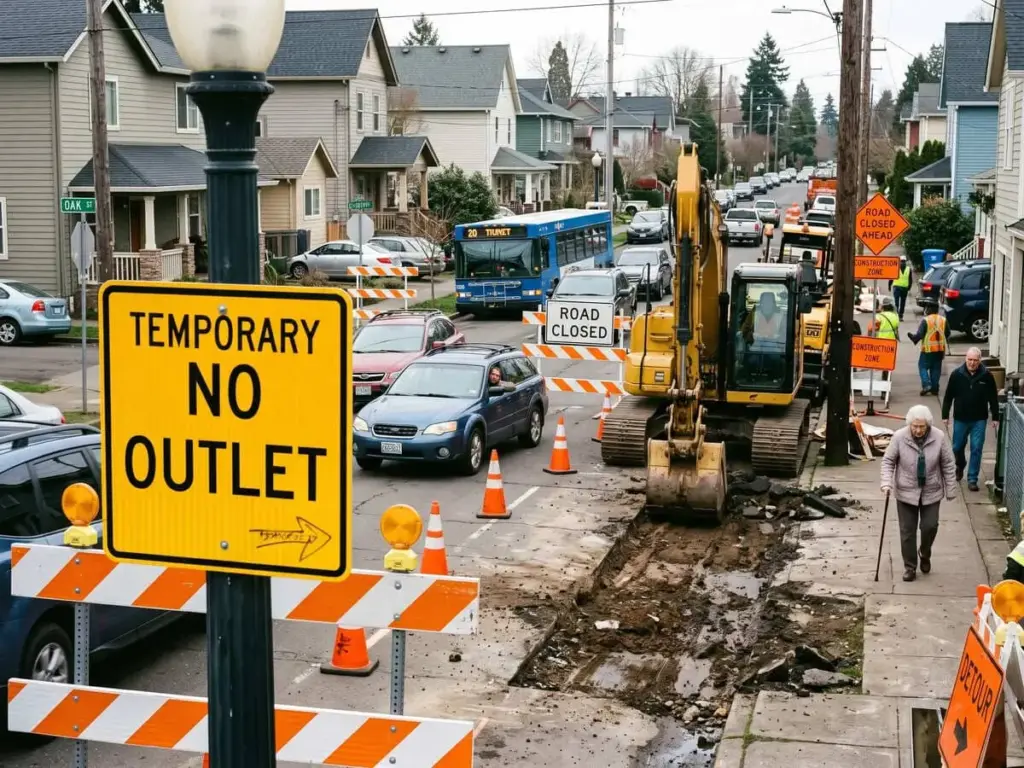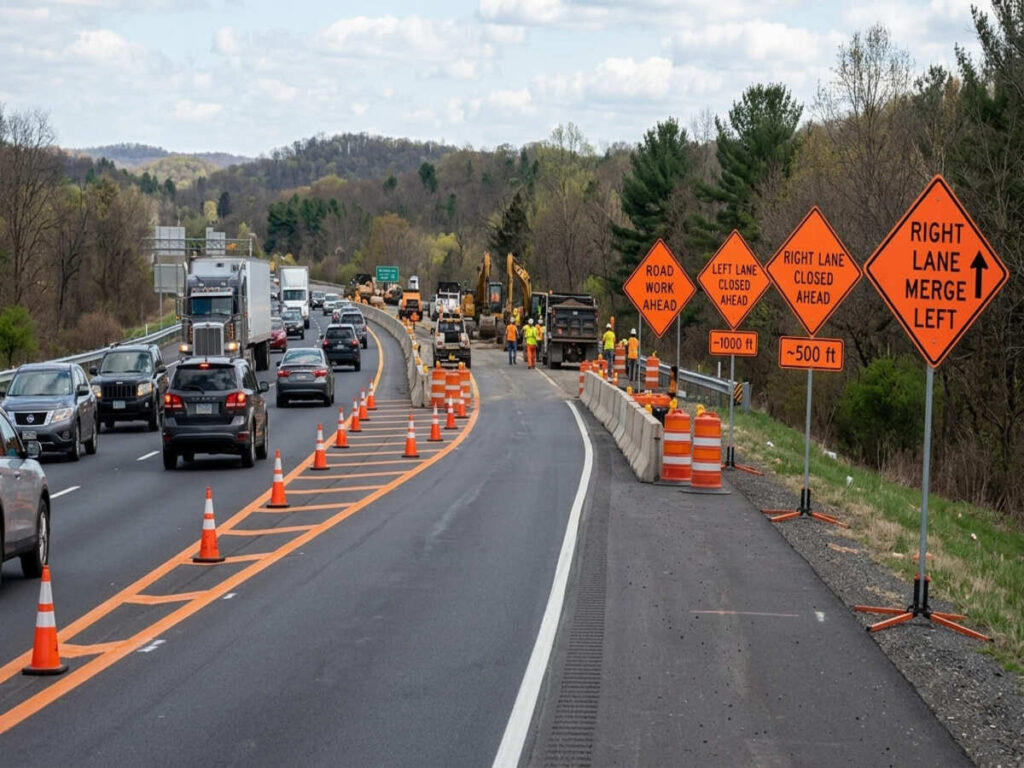
Introducción: Navegando por el cumplimiento del desvío de tráfico moderno
Cada año, Los accidentes en zonas de trabajo matan a más de 800 trabajadores y automovilistas en todo Estados Unidos. La Administración Federal de Carreteras 2024 Informes de datos de seguridad de la zona de trabajo 956 muertes en zonas de trabajo en 2022, el total más alto en 15 años (https://Highways.dot.gov/safety/hazard-elimination/work-zone-safety/work-zones). Inadecuada o no conforme señales de desvío del camino Contribuir directamente a la confusión del conductor., entradas en sentido contrario, y salidas de carriles de alta velocidad en los límites de la construcción.
Para contratistas, agencias gubernamentales, y empresas de gestión del tráfico, señales de desvío del camino no son simplemente hardware. Representan una obligación de cumplimiento documentada según la ley federal., un escudo de responsabilidad cuando ocurren accidentes, y una decisión de adquisición que conlleva consecuencias financieras a varios años. Seleccionar el grado de sustrato incorrecto, implementar soportes portátiles más allá del límite legal de 3 días, u omitir una señal de fin de desvío puede exponer a los equipos del proyecto a citaciones de OSHA según 29 CFR 1926.200(gramo) y litigios civiles de partes perjudicadas.
Este centro cubre todo el espectro del cumplimiento de las señales de desvío de carreteras, desde los estándares dimensionales MUTCD y los grados de materiales ASTM hasta la estrategia de adquisiciones a granel y los requisitos de contratación gubernamental..
Tabla de cumplimiento de referencia rápida: Especificaciones de un vistazo
Consultas de búsqueda de gran volumen sobre el color de las señales, forma, y el tamaño reflejan decisiones de adquisición reales. La siguiente tabla consolida las especificaciones técnicas básicas que los oficiales e ingenieros de adquisiciones necesitan en la etapa de licitación..
Matriz maestra de cumplimiento de señales de desvío de carreteras
| Contexto de aplicación | Referencia MUTCD | Dimensiones estándar | Grado de láminas | Duración máxima portátil |
| Zona de trabajo TTC - Autopista / Carretera (≥35 mph) | §6G.02, §6F.52, Tabla 6F-1 | 48″ × 48″ | ASTM D4956 Tipo VIII+ Naranja fluorescente | 3 días; se requiere montaje posterior más allá |
| Zona de trabajo TTC — Recolector / Arterial (25–35 mph) | §6F.52, Tabla 6F-1 | 36″ × 36″ | ASTM D4956 Tipo III mín.; Tipo VIII recomendado | 3 días |
| TTC de zona de trabajo: local / Municipal (≤25 mph) | §6F.52, Tabla 6F-1 | 30″ × 30″ | ASTM D4956 Tipo I mín.; Tipo III recomendado | 3 días |
| Gestión de incidentes / Desvío de emergencia | §6I.03; NIMS ICS | 48″ × 48″ (autopista) | Fondo rosa fluorescente; leyenda negra | Duración del incidente |
| Peatonal / Ruta de desvío ADA | §6D.01–6D.03; PROWAG R306 | 24″ × 24″ mínimo. | ASTM D4956 Tipo I mín.. | Duración del cierre |
| Señales de flecha direccionales serie M4 | §6F.52, M4-5/M4-6/M4-8 | 48″ × 24″ avance; 30″ × 30″ local | ASTM D4956 Tipo VIII Naranja fluorescente | Coincide con el plan TTC principal |
Fuente: MUTCD 11.ª edición §6F.52, Tabla 6F-1; Norma ASTM D4956-20; Manual de dispositivos de control de tráfico de la FHWA
Marco de cumplimiento de la 11.ª edición de MUTCD para señales de desvío de carreteras
El manual de dispositivos de control de tráfico uniformes (Muescato), 11décima edición, gobierna el diseño, colocación, y mantenimiento de todos señales de desvío del camino en vías públicas en los Estados Unidos bajo 23 Parte CFR 655. La sección clave para los equipos de adquisiciones es §6F.52, que define la leyenda obligatoria, dimensiones, color, y requisitos de láminas para toda la familia de señales de desvío, incluida la W20-2 (Desviar por delante), M4-5 (Desvío a la derecha), M4-6 (Desvío a la izquierda), M4-7 (Desvío recto), y M4-8 (Fin del desvío).
El MUTCD utiliza una jerarquía lingüística de tres niveles que conlleva implicaciones directas en materia de adquisiciones.. 'Deber’ denota un requisito obligatorio: el incumplimiento desencadena la aplicación de la reglamentación. 'Debería’ indica una práctica recomendada con un fuerte apoyo de ingeniería. 'Puede’ señala una opción permitida. Los oficiales de adquisiciones que redactan las especificaciones de la oferta deben identificar en qué nivel se encuentra cada requisito antes de redactar el lenguaje de cumplimiento..
Todo 50 los estados deben cumplir con el MUTCD u obtener la aprobación de la FHWA para suplementos específicos del estado. Suplementos de PennDOT (Serie RC-58M), MasaDOT, FDOT, y MDOT imponen requisitos más estrictos o adicionales por encima del piso federal. Los contratistas nacionales que operan en múltiples jurisdicciones deben verificar el suplemento que rige para cada proyecto antes de finalizar su pedido de firma.. El Programa Nacional de Evaluación de Productos de Transporte de la AASHTO (NTPEP) Proporciona evaluaciones de láminas independientes que muchos DOT estatales exigen como precalificación.
Estándar de dimensiones de la señal de desvío: Dimensionamiento por clase de velocidad
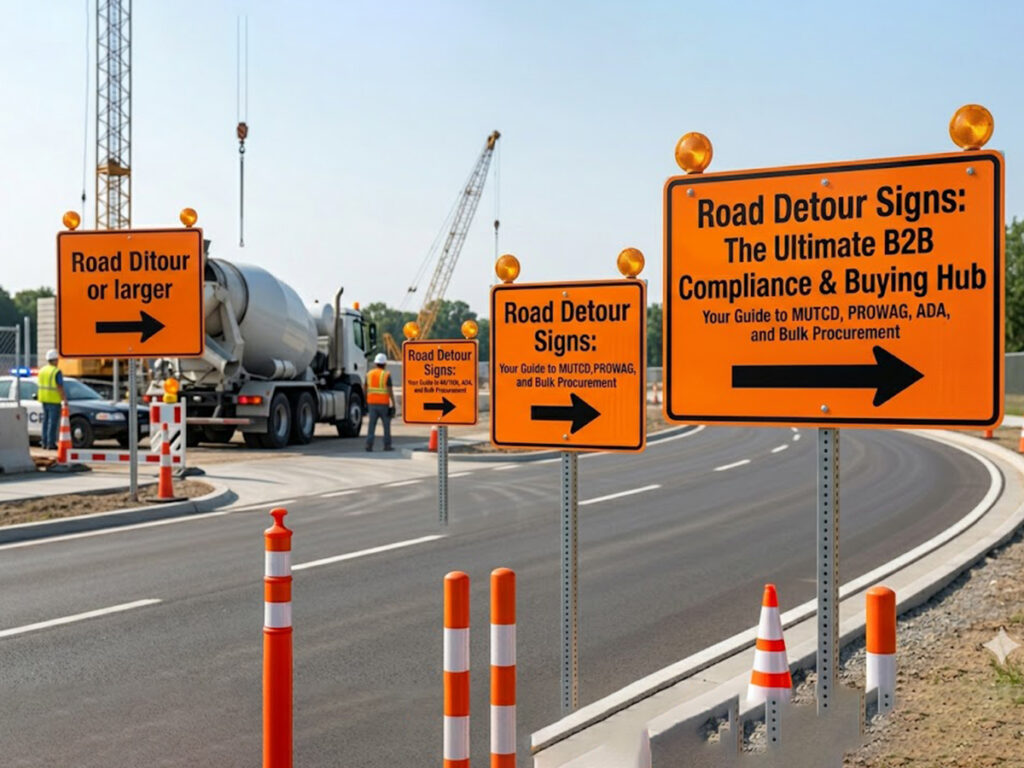
La Tabla 6F-1 del MUTCD establece las dimensiones mínimas para las señales de tránsito de desvío que cumplen con las normas según la velocidad indicada en la carretera.. Carreteras de alta velocidad en 35 mph y más requieren un panel de 48 x 48 pulgadas. Calles colectoras y arteriales entre 25 y 35 mph llame para paneles de 36 por 36 pulgadas. Calles municipales y locales de baja velocidad en 25 mph y menos permiten paneles de 30 x 30 pulgadas como mínimo.
Los suplementos estatales del DOT con frecuencia anulan los mínimos federales. Varios estados exigen paneles de 36 pulgadas como piso absoluto en todas las vías públicas, independientemente de la velocidad indicada.. Los funcionarios de adquisiciones deben hacer una referencia cruzada del suplemento estatal aplicable antes de especificar las dimensiones de las señales de desvío en los documentos de licitación del proyecto..
Tipos de señales de desvío direccional: Flecha, Distancia de avance & Configuraciones de desvío final
El despliegue de una señal de desvío de carretera que cumple con las normas nunca es una sola señal: es una serie secuenciada. La señal de flecha de desvío ancla la secuencia direccional, apoyado por señales de advertencia anticipadas y terminado por un panel de fin de desvío. Cada elemento de la serie lleva su propia especificación MUTCD., y omitir cualquier elemento constituye una laguna de documentación y responsabilidad.
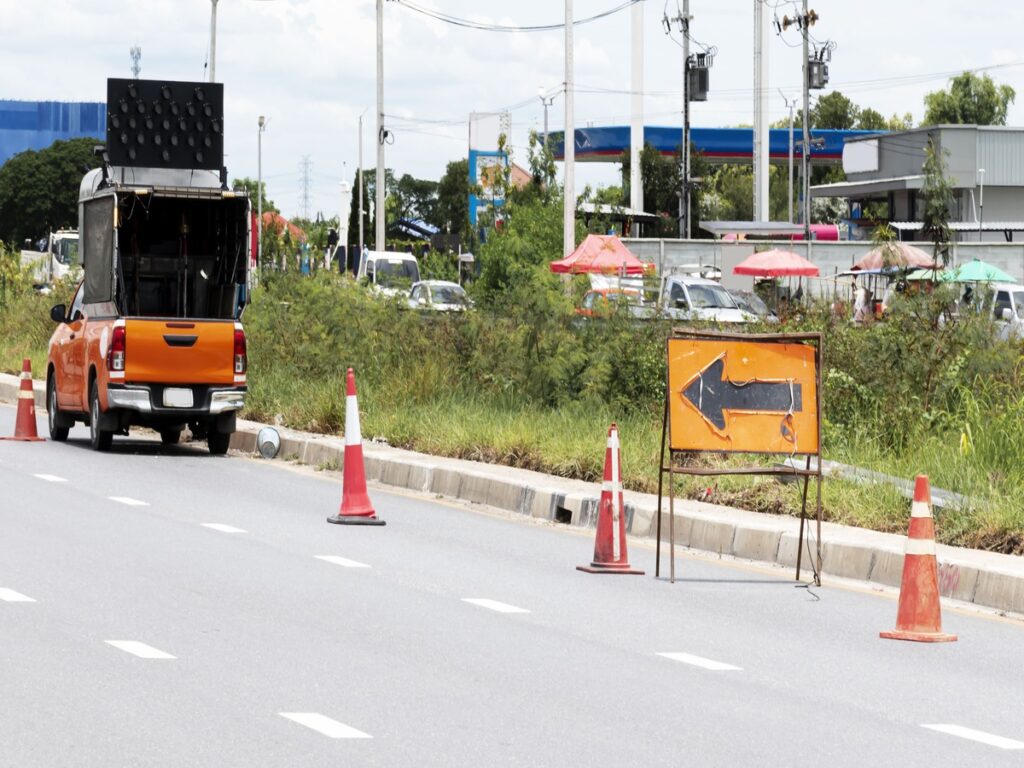
Señales de desvío direccionales de la serie M4: M4-5 (Desvío a la derecha), M4-6 (Desvío a la izquierda), M4-7 (Desvío recto), y variantes de doble flecha: use paneles de 48 por 24 pulgadas en las arterias y placas suplementarias de 30 por 18 pulgadas en las calles locales.. Cada panel de señal de flecha de desvío debe utilizar láminas retrorreflectantes de color naranja fluorescente según ASTM D4956 Tipo VIII o superior.. La orientación de la flecha no es intercambiable: el MUTCD prescribe configuraciones de leyenda específicas para cada variante direccional.
Señales de distancia avanzadas: Ingeniería del 1000 PJ y 100 Colocación FT
El sistema de señalización de distancia anticipada sitúa W20-2 (Desviar por delante) paneles con placas distanciadoras suplementarias a intervalos calculados aguas arriba del punto de desvío. MUTCD §6C.03, La Tabla 6C-1 define la fórmula de colocación basada en la velocidad.: a 45 La aproximación de mph requiere el primer panel de avance en 1,500 pies; 35 mph requiere 1,000 pies; 25 mph requiere 500 pies.
Desvío 1000 Las señales del FT utilizan placas suplementarias de 48 por 24 pulgadas en carreteras de alta velocidad y placas de 36 por 18 pulgadas en colectores.. Cada placa se monta debajo del panel principal W20-2 y lleva láminas de color naranja fluorescente Tipo VIII a juego.. Equipos de adquisiciones realizando pedidos señales de desvío del camino para un cierre de carril estándar, se debe tratar la serie de señales avanzadas como un kit obligatorio, no como un complemento opcional..
Señales de fin de desvío: El elemento de cumplimiento más comúnmente omitido
Las auditorías de campo de la FHWA identifican consistentemente la señal de fin de desvío (M4-8) La colocación como deficiencia más frecuente en los planes temporales de control de tráfico.. La señal debe aparecer en el punto exacto donde el tráfico desviado vuelve a entrar en la ruta normal, no más allá., y no aproximado. Las láminas retrorreflectantes en el panel M4-8 deben coincidir con el estándar Tipo VIII utilizado en toda la serie de desvíos para mantener la continuidad de la visibilidad nocturna.. Cada dibujo del plano TTC aprobado debe mostrar la ubicación de M4-8 por coordenadas.
Despliegue de señales de desvío en la construcción de carreteras: Planes TTC, Reglas de duración & Requisitos posteriores al montaje
Las señales de desvío de control de tráfico temporal operan dentro de un marco legal preciso que vincula la selección de hardware directamente con la duración del proyecto.. MUTCD §6G. Cualquier instalación de señales de desvío en construcción de carreteras que se extienda más allá 72 horas (Corto plazo) es, bajo estándares MUTCD, clasificado como de plazo intermedio y requiere hardware montado en postes: postes de acero con canal en U que cumplen con un espesor mínimo de calibre 14 con especificaciones de separación AASHTO según la Guía de diseño en carreteras para soportes flexibles de señales de uso liviano. (RDFLRT).
La regla de los tres días conlleva importantes implicaciones en materia de adquisiciones. Un contratista que instala soportes portátiles con estructura en A en un corte de servicios públicos de siete días enfrenta OSHA simultánea 29 CFR 1926.200(gramo) citaciones y riesgo de descertificación de proyectos del DOT. La distinción entre hardware portátil y montado en un poste debe aparecer explícitamente en la documentación del plan de TTC que el ingeniero registrado o el supervisor certificado de TTC apruebe antes de que comience el trabajo..
Los datos de cumplimiento más recientes de OSHA muestran violaciones de zonas de trabajo bajo 1926.200 generado 412 citaciones en el año fiscal 2023, con una pena promedio de $4,280 por cita (https://www.osha.gov/data/commonstats). Para contratistas de infraestructura a gran escala, El costo del hardware de señales de desvío de carreteras que no cumple con las normas excede habitualmente el costo de la instalación adecuada montada en un poste en un orden de magnitud cuando se citan citaciones., órdenes de parada de trabajo, y los retrasos en los proyectos se tienen en cuenta.
Mantenimiento de retrorreflectividad: ASTM Tipo VIII y el presupuesto de vida útil
ASTM D4956 Tipo VIII (Prismático de alta intensidad) Las láminas retrorreflectantes tienen una vida útil garantizada por el fabricante de 10 años en condiciones estándar. Las láminas de color naranja fluorescente se degradan de manera diferente que el naranja estándar: el componente de tinte fluorescente que ofrece un rendimiento de alta visibilidad durante el día se desvanece al naranja convencional dentro de tres a cinco años de exposición a los rayos UV.. Programa de gestión de retrorreflectividad de la FHWA (RPM) orientación bajo MUTCD §2A.08 requiere que las agencias mantengan registros de inspección nocturna y cronogramas de reemplazo de láminas de documentos.
Para funcionarios de adquisiciones que elaboran planes de inventario de señales de desvío de carreteras para varios años, El modelo de presupuesto práctico tiene en cuenta el reemplazo de láminas al séptimo año en instalaciones con alta radiación UV., no el año diez. Especificación del tipo IX (prismático fluorescente) Las láminas, clasificadas para un rendimiento fluorescente mínimo de 7 años, cierran esta brecha y reducen el costo total del ciclo de vida en proyectos de corredores de larga duración..
Peatonal, Ciclista & Señales de desvío de carreteras especiales: ADA, Emergencia & Cumplimiento de carga
Las señales de desvío para peatones representan la categoría de mayor riesgo de litigio en el control temporal del tráfico. No proporcionar rutas alternativas accesibles puede provocar el rechazo de materiales, aplicación de los derechos civiles, y responsabilidad institucional grave.
ADA & Mandatos de cumplimiento de PROWAG para desvíos de aceras peatonales
La Ley de Americanos con Discapacidades (Título II) y las Pautas de Accesibilidad a los Derechos de Vía Pública (PROWAG R306) Requerir continuidad ininterrumpida de rutas peatonales accesibles a través de cada zona TTC en las vías públicas.. MUTCD §6D.01 hasta §6D.03 exige un ancho de camino libre mínimo de 60 pulgadas, Continuidad de la superficie de advertencia detectable, y señal peatonal accesible compatible (APS) Coordinación dondequiera que haya señales presentes..
A 2023 acuerdo entre EE.UU.. El Departamento de Justicia y un departamento de carreteras del condado del Atlántico Medio reciben premios $375,000 en daños después de que un usuario de silla de ruedas resultó herido al navegar por una ruta de desvío para peatones que no cumplía con las normas alrededor de una excavación de servicios públicos (https://www.justice.gov/archives/opa/pr). El incumplimiento de PROWAG en proyectos financiados con fondos federales desencadena la aplicación de los derechos civiles de la FHWA: una vía separada y paralela a las citaciones de zonas de trabajo de OSHA.
Logística de gestión de incidentes: Codificación de colores & Hardware para desvíos de emergencia
Las señales de ruta de desvío de emergencia operan bajo una base regulatoria distinta. Los protocolos MUTCD §6I y NIMS ICS rigen la firma de gestión de incidentes, Requerir leyendas negras sobre fondos de color rosa fluorescente en lugar del naranja fluorescente de la zona de trabajo estándar. señales de desvío del camino. Las agencias estatales de manejo de emergencias generalmente mantienen cachés de letreros previamente ubicados bajo la financiación del programa SEMA; los funcionarios de adquisiciones que obtienen inventarios de emergencia deben especificar hardware montable por dos personas de rápido despliegue clasificado para su instalación en cinco minutos según la guía de Operaciones de Emergencia de la FHWA..
Enrutamiento del corredor de carga: Desvíos de camiones & Liquidación geométrica AASHTO
Las señales de desvío para camiones se aplican cuando una ruta de desvío estándar no puede acomodar los movimientos de giro de un vehículo de diseño WB-67 según el Libro Verde de AASHTO.. La coordinación con la oficina de permisos del DOT estatal es obligatoria para la ruta de vehículos de gran tamaño o peso.. Adquisición de paneles de gran tamaño. (60-pulgada por 60 pulgadas o más) con leyendas de designación de clases de peso debe ocurrir al menos cuatro semanas antes de la movilización del proyecto en el cierre de corredores de carga.
Adquisición de señales de desvío a granel: Contratación Gubernamental, Horarios de GSA & comprar america
Estrategia de adquisiciones para señales de desvío del camino en proyectos financiados con fondos federales implica tres vías de cumplimiento paralelas: Estándares de diseño y materiales de MUTCD., Compre los requisitos de hardware de la Ley Americana en 23 USC 313, y calificación de láminas NTPEP para la aprobación previa del DOT estatal. Fallar en cualquiera de estas pistas puede provocar un rechazo material., bodega de construcción, o recuperación de fondos federales.
Comprar mandatos de hardware de la Ley Americana & Exenciones materiales
La Ley Buy America exige que todo el acero y el hierro utilizados en proyectos de carreteras financiados con fondos federales se produzcan en el país.. Esto se aplica directamente a los postes de señalización del canal U., hardware separable, y bases de anclaje. Los sustratos de aluminio para letreros actualmente están sujetos a una exención general de la FHWA, pero los funcionarios de adquisiciones deben verificar el estado actual de la exención en https://www.fhwa.dot.gov/construction/contracts/buyamerica/ antes de especificar paneles de aluminio importados.
Aprovechando la ventaja de GSA & Horarios de suministro de compras cooperativas
Los programas de suministro federal de GSA Advantage proporcionan vehículos contractuales a los que las agencias estatales y locales pueden acceder bajo la autoridad de compra cooperativa sin realizar una licitación competitiva completa.. Los dispositivos de control de tráfico, incluidos los paneles de señales de tráfico de desvío masivo y los kits de hardware, aparecen en el Programa GSA 84 (Soluciones totales para el cumplimiento de la ley, Seguridad, Gestión de instalaciones) y horario 71 (Muebles y Mobiliario). Los funcionarios de adquisiciones que deseen realizar pedidos de señales de desvío de carreteras según los cronogramas de GSA deben solicitar una hoja de datos del producto compatible que confirme la referencia a la sección MUTCD., Grado ASTM D4956, medidor de sustrato, y el número de suplemento estatal DOT correspondiente del proveedor.
Los umbrales de precios por volumen para pedidos masivos de señales de tráfico de desvío generalmente se activan en 50 unidades, 100 unidades, y 500 unidades. Los paneles estándar con especificación MUTCD tienen un plazo de producción de 5 a 10 días hábiles. Leyendas personalizadas, orientaciones de flecha no estándar, o paneles suplementarios bilingües en español requieren 15 a 20 días hábiles. Los cronogramas de aprobación del plan TTC frecuentemente dictan los tiempos de entrega de adquisiciones: los gerentes de proyecto deben iniciar las órdenes de firma un mínimo de cuatro a seis semanas antes de la movilización planificada en instalaciones montadas en postes..
Señales de desvío de carreteras personalizadas: Qué permite y qué prohíbe MUTCD
MUTCD §1A.09 define el límite entre la personalización permitida y la modificación no conforme. Se permiten paneles de identificación de agencias suplementarios montados debajo de la cara del letrero retrorreflectante principal.. Están prohibidos los logotipos de contratistas o municipales colocados en la cara del letrero retrorreflectante: corrompen el área de la leyenda y anulan el cumplimiento de MUTCD.. Se permiten placas con leyendas bilingües en español como elementos complementarios según la guía de la FHWA sobre dominio limitado del inglés. (LEP) señalización comunitaria, siempre que la leyenda inglesa siga siendo el elemento principal.
Estilos de fuente no estándar, paneles sin bordes, y colores de fondo distintos del naranja fluorescente (para TTC) y rosa fluorescente (para la gestión de incidentes) representan errores comunes en pedidos personalizados que provocan el rechazo en las inspecciones estatales del DOT. Proveedores de señales de desvío del camino para la venta en proyectos federales o estatales deben confirmar el cumplimiento de MUTCD para cada especificación personalizada antes de que comience la producción..
Preguntas frecuentes
¿Existen exenciones de tamaño para las señales de desvío en calles urbanas de baja velocidad??
Sí. La Tabla 6F-1 de MUTCD permite paneles de 30 por 30 pulgadas en calles locales clasificadas como de baja velocidad (velocidades iguales o inferiores 25 mph).. Sin embargo, Muchos suplementos estatales del DOT imponen mínimos de 36 pulgadas en todas las vías públicas, independientemente de la clase de velocidad.. Los funcionarios de adquisiciones deben hacer referencia cruzada al suplemento del estado gobernante antes de especificar las dimensiones de las señales de desvío en los documentos de licitación del proyecto..
¿Cuánto tiempo duran las láminas retrorreflectantes ASTM D4956 Tipo VIII en las señales de desvío de carreteras implementadas en el campo??
Garantías del fabricante para cubiertas de láminas Tipo VIII 10 años de rendimiento retrorreflectante. El componente de tinte fluorescente, que ofrece alta visibilidad durante el día, se degrada a naranja convencional en un plazo de tres a cinco años bajo exposición a los rayos UV.. Para el presupuesto de costos del ciclo de vida, Los oficiales de adquisiciones deben planificar el reemplazo de láminas en el séptimo año en instalaciones con alta radiación UV..
¿Qué documentación de adquisición se requiere al comprar señales de desvío de carreteras para proyectos financiados con fondos federales??
La documentación requerida incluye: Citación de cumplimiento de MUTCD (sección y edición); Certificación de grado de lámina ASTM D4956 del fabricante; Compre la certificación de cumplimiento estadounidense para todos los herrajes de acero y hierro.; Número de evaluación NTPEP si lo requiere el DOT del estado gobernante; y el plan TTC aprobado que hace referencia a las especificaciones de la señal..
¿Cuándo la instalación de una señal de desvío en la construcción de una carretera requiere hardware montado en un poste en lugar de soportes portátiles??
MUTCD §6G.02 requiere hardware montado en el poste para cualquier instalación que exceda los tres días de duración. Los proyectos que utilizan soportes portátiles con estructura en A o enrollables más allá del umbral de 72 horas se enfrentan a OSHA 29 CFR 1926.200(gramo) citaciones y riesgo de descertificación de proyectos del DOT. El hardware del poste debe cumplir con las especificaciones de separación AASHTO RDFLRT..
¿Puede un contratista utilizar señales de desvío de carreteras con marcas personalizadas en un proyecto estatal del DOT??
MUTCD §1A.09 permite montar paneles de identificación de agencias suplementarios debajo de la cara principal del letrero. Los logotipos de contratistas o marcas compartidas en la propia cara retrorreflectante están prohibidos y no cumplen con MUTCD.. Se permiten paneles suplementarios bilingües en español según la guía LEP de FHWA., siempre que la leyenda inglesa siga siendo el elemento principal.
¿Las señales de desvío de carreteras deben cumplir con las regulaciones MUTCD y OSHA en proyectos de construcción??
Sí, ambos marcos se aplican simultáneamente. Parte MUTCD 6 rige el diseño y colocación de letreros bajo 23 Parte CFR 655. OSHA 29 CFR 1926.200 rige el deber del empleador de instalar y mantener señales protectoras en todas las áreas de trabajo, incluidos proyectos privados no financiados por el gobierno federal. Adquisición compatible con MUTCD señales de desvío del camino satisface ambos marcos al mismo tiempo.
Referencias
- Administración Federal de Carreteras. (2024). Datos de fatalidades en la zona de trabajo 2022. A NOSOTROS. Departamento de Transporte.
- Administración Federal de Carreteras. (2023). Manual en dispositivos de control de tráfico uniformes (Muescato), 11décima edición. A NOSOTROS. Departamento de Transporte.
- Administración de Seguridad y Salud Ocupacional. (2023). Estadísticas comunes de OSHA — Citaciones de zonas de trabajo para el año fiscal 2023. A NOSOTROS. Departamento de Trabajo.
- Administración Federal de Carreteras. (2023). Requisitos de Buy America para proyectos de carreteras. A NOSOTROS. Departamento de Transporte.
- A NOSOTROS. Tablero de acceso. (2023). Pautas de accesibilidad a los derechos de paso públicos (Prowag).