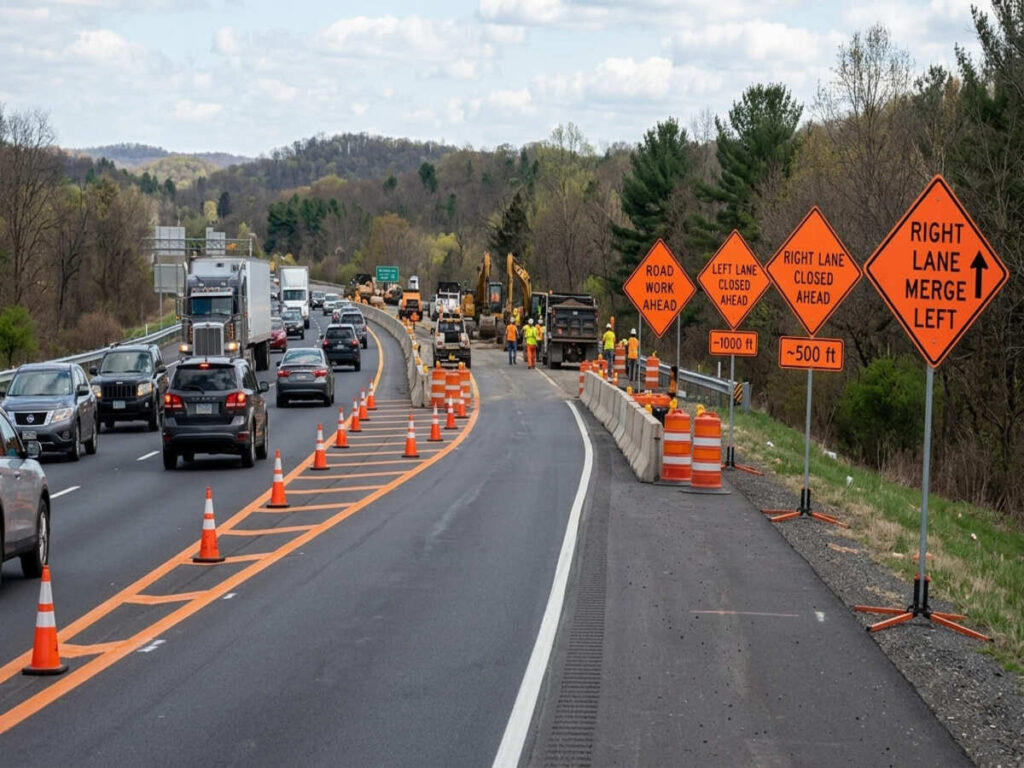
لماذا تعد حواجز المرور الحديثة أكثر من مجرد أعمدة مثبتة على الأرض؟
المدن تنتشر بوولاردز حركة المرور بمعدلات قياسية, وتدفع فرق المشتريات ثمن الأجهزة غير المحددة. يفصل المنشور الصحيح في الموقع المناسب أصلًا مدته 10 سنوات عن بند استبدال ربع سنوي.
حواجز المرور افعل ثلاثة أشياء في وقت واحد. يقومون بتوجيه المركبات. ويعتمد عليها المشاة لحمايتهم. يقرأها السائقون على أنها تعليمات صامتة حول نية المسار. توفر البوليمرات الهندسية الحديثة الآن أداءً مؤثرًا ينافس الفولاذ بجزء بسيط من تكلفة العمر الافتراضي.
حجم المشكلة حقيقي. وفقا للإدارة الوطنية للسلامة المرورية على الطرق السريعة, 39,345 مات الناس في الولايات المتحدة. تعطل حركة المرور في 2024, أدنى عدد منذ ذلك الحين 2020 لكنها لا تزال أعلى من متوسطات ما قبل الوباء (مصدر: https://www.nhtsa.gov/press-releases/nhtsa-estiments-39345-traffic-fatalities-2024). تم تسجيل وفيات المشاة 7,148 من تلك الوفيات, وفقا لجمعية المحافظين للسلامة على الطرق السريعة (مصدر: https://www.ghsa.org/resource-hub/pedestrian-traffic-fatalities-2024-data).
الشمعات ليست رصاصة فضية. وهم اختبار, طبقة معترف بها بالكود في نهج النظام الآمن. يتنقل هذا الدليل عبر كل نوع رئيسي, المواد التي تتنبأ بالعمر, ورموز الامتثال التي تحكم التنسيب. ويربطهم إطار المشتريات معًا في النهاية.
كيف تعمل أعمدة التحكم في حركة المرور في التسلسل الهرمي للسلامة على الطرق
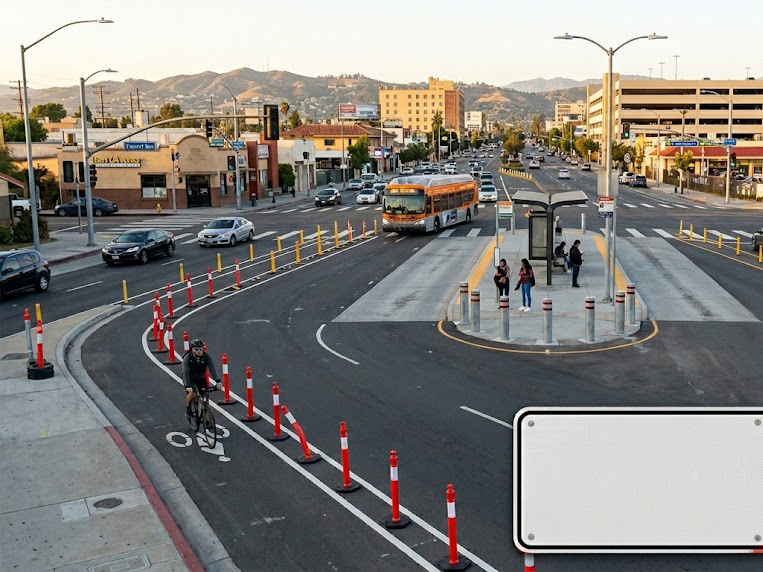
توجد أعمدة التحكم في حركة المرور بين علامات الرصيف عالية الوضوح والحواجز الصلبة. إنهم يقومون بعمل لا يستطيع الطلاء القيام به, دون تكلفة أو تأثير خط البصر لجدار خرساني.
الوظائف الثلاث الأساسية: ترسيم, الردع, والتوجيه
التحديد مرئي. يشير الحاجز إلى حواف الممرات, مناطق عدم الدخول, وحدود المشاة على ارتفاع لا يمكن للسائقين تفويته. الردع سلوكي. لن يوقف المنشور المرن شاحنة مصممة, لكنه يغير تمامًا كيفية اقتراب السائقين من المنحنى, معبر مشاة, أو منطقة التحميل. القناة هندسية. متباعدة بشكل صحيح, المشاركات إرشاد المشاة, راكبي الدراجات, والمركبات عبر التقاطعات المعقدة دون إجبارها على الدخول في ممرات صلبة.
حيث تتناسب أعمدة التحكم في حركة المرور مع أجهزة السلامة الأخرى
غالبًا ما تخلط فرق المشتريات بين هذه المشاركات والعلامات المحددة, الحواجز جيرسي, ودرابزين المشاة. يقارن الجدول أدناه بين أجهزة السلامة على الطرق الأربعة الأكثر شيوعًا وفقًا للمعايير المهمة للمواصفات.
| جهاز | الوظيفة الأساسية | استعادة التأثير | تأثير خط البصر |
| بوولاردز حركة المرور | توجيه + ترسيم | التعافي الذاتي (مرن) | قليل |
| مراسلة المشاركات | إشارة مرئية فقط | محدود | منخفض جدا |
| الحواجز جيرسي | إعادة توجيه المركبة | لا أحد | عالي |
| درابزين المشاة | فصل المشاة | لا أحد | واسطة |
مصدر: تم توليفها من الجزء الحادي عشر من FHWA MUTCD 6
حزمة الامتثال التي يجب أن يعرفها كل مشتري مشتريات
هناك ثلاثة أطر عمل فيدرالية تحكم معظم عمليات النشر في الولايات المتحدة. الدليل على أجهزة مراقبة حركة المرور الموحدة (Mutcd), 11الطبعة الرابعة, تم إصداره من قبل الإدارة الفيدرالية للطرق السريعة في ديسمبر 2023 ويبقى المعيار الوطني. تتطلب معايير ADA للتصميم الذي يسهل الوصول إليه عرضًا واضحًا مستمرًا يبلغ 36 بوصة على الأقل بين الحواجز على طول أي طريق يمكن الوصول إليه (مصدر: https://www.access-board.gov/ada/guides/chapter-4-accessible-routes/). إدارة السلامة والصحة المهنية 29 CFR 1926 يحكم الجزء الفرعي G التحكم في حركة المرور في مناطق أعمال البناء, دمج جزء MUTCD 6 بالإشارة.
الفرق بين حواجز الطرق وحواجز المرور
حواجز الطرق و بوولاردز حركة المرور غالبًا ما تكون نفس المنتج المادي مع مصطلحي بحث. التمييز يعيش في سياق التطبيق, وليس في الحاجز نفسه.
مصطلحات معبر المشاة: طريق, شارع, مرور, وأعمدة السلامة
تشير حواجز الطرق عادة إلى تطبيقات حافة الطريق والوسطى. أعمدة السلامة المرورية هي مظلة مشتريات لأي عمود مصمم لفصل المركبات عن الأشخاص أو الممتلكات. تخدم معظم أعمدة السلامة المرورية الموجودة في السوق اليوم حالات الاستخدام على الطرق وغير الطرق عند تحديدها بشكل صحيح.
تداخل التطبيق و 80/20 قاعدة
تقريبا 80% من المنتجات المتوفرة في السوق تعمل في تطبيقات الطرق وغير الطرق. ال 20% الاستثناءات مهمة, رغم ذلك: أنظمة مرساة محددة للوسيط, تطبيقات الطرق السريعة المصنفة للتصادمات, وتتطلب الأجهزة المتخصصة لممرات إزالة الثلوج تصميمات مصممة خصيصًا لهذا الغرض.
للبلديات التي تنشر حواجز الطرق لفصل حارات الطرق السريعة, ال دليل فصل الطريق السريع لحواجز الطريق العاكسة باللونين الأحمر والأبيض يغطي معايير التباعد والرؤية المحاذاة لـ MUTCD بالتفصيل.
الأنواع الخمسة الأساسية لحواجز المرور (وما هي حالة الاستخدام التي يحلها كل منها)
تحدث معظم أخطاء الشراء في هذا القسم. يختار المشترون النوع حسب المظهر بدلاً من مظروف الأداء. تغطي الفئات الخمس أدناه تقريبًا 95% من المنشآت الحديثة.
حواجز مرورية مرنة: إدارة التأثير ذاتي التعافي
مرن بوولاردز حركة المرور ينحني عند الاصطدام ويستقر مرة أخرى في وضع مستقيم. عادة ما يكون البوليمر المفضل هو مادة TPU أو مادة البولي يوريثين المرنة, تصنيفها عادة 85 ل 95 شور. صلابة. وحدات الجودة تبقى على قيد الحياة أكثر من 100,000 دورات التأثير في الاختبارات المعملية قبل إظهار التشوه الدائم.
- الارتفاعات النموذجية: 28 ل 42 بوصة
- القطر القياسي: 3.5 ل 4.5 بوصة
- الأفضل ل: ترسيم الحارة, عمليات المرور, تهدئة حركة المرور منخفضة السرعة, مواقف السيارات
- ليس من أجل: حماية ضد الكبش بتصنيف K
حواجز قابلة للتكديس على شكل حرف T: الخدمات اللوجستية-التصميم الأول
تستخدم تصميمات T-top هندسة غطاء مدببة تسمح للوحدات بالتداخل. يتم تكديس ثمانية إلى اثني عشر عمودًا في مساحة وحدة واحدة. وهذا مهم أكثر مما يدركه المشترون. خمسون وحدة قابلة للتكديس تشغل تقريبًا 6 قدم مربع من مساحة المستودع. نفس الخمسين في النموذج القياسي تقترب من 45 قدم مربع.
المقاولون, ساحات الإيجار, وتقوم شركات خدمات الأحداث ببناء أساطيلها من الحواجز حول تصميمات قابلة للتكديس لأن تكلفة التخزين مركبة عبر محفظة المشاريع. الرياضيات بسيطة. تساوي اللقطات المربعة السفلية انخفاضًا في النفقات العامة لكل وحدة قابلة للنشر.
حواجز المرور العاكسة: الرؤية بدون أسلاك
عاكس بوولاردز حركة المرور تعتمد على الأغطية العاكسة التي تتوافق مع ASTM D4956, المواصفة القياسية للألواح العاكسة للضوء للتحكم في حركة المرور (ASTM D4956). من بين التسعة, النوع الرابع هو النوع الأكثر شيوعًا في التركيبات الدائمة, بينما يوفر النوع IX انعكاسًا رجعيًا أعلى على مسافات المراقبة القصيرة وهو مفضل في مناطق البناء.
يتبع النطاق الأحمر والأبيض اصطلاحات الألوان MUTCD للترسيم. تظل الأغطية الحديثة من النوع الرابع على حاجز الجودة مرئية في 400 ل 700 قدم تحت إضاءة المصباح القياسية. تتطلب التصميمات العاكسة بنية تحتية كهربائية صفر, وهذا هو السبب في أنها تتفوق على العديد من البدائل المضيئة من حيث التكلفة الإجمالية للملكية على مدى 10 سنوات.
حواجز المرور القابلة للإزالة: إمكانية التحكم في الوصول بدون أجهزة دائمة
التصاميم القابلة للإزالة تأتي في ثلاثة أنواع فرعية: أنظمة الرفع المثبتة على الأكمام, المشاركات المؤمنة بالقفل, وتكوينات المقبس الأرضي. يمكن للمشغلين المدربين نشر وحدة واحدة أو تخزينها 30 ل 90 ثوان.
وتشمل التطبيقات الشائعة ممرات الوصول إلى مركبات الطوارئ, إغلاق الطرق نهاية الأسبوع أمام المزارعين’ الأسواق ومعارض الشوارع, إدخالات خدمة قفص الاتهام التحميل, ومحيط الحدث الحساسة للوقت. تتيح التصميمات القابلة للإزالة لموقع واحد أن يخدم وظيفتين دون إجراء تغييرات دائمة على الأجهزة.
حواجز المرور البلاستيكية: مستوى الأداء الذي يستهين به معظم المشترين
البلاستيك بوولاردز حركة المرور هي المكان الذي تحدث فيه أكبر أخطاء المواصفات. إن عبارة البلاستيك يساوي الضعيف قد عفا عليها الزمن بحوالي عقدين من الزمن. البوليمرات الهندسية الحديثة, في المقام الأول مركبات HDPE والبولي يوريثين, يوفر امتصاصًا للصدمات لا يمكن للفولاذ الصلب مطابقته بسرعات منخفضة إلى متوسطة.
ينقل الفولاذ قوة الاصطدام مباشرة إلى نقاط التثبيت وركاب السيارة. تشوه البوليمرات الهندسية, يتعافى, وتبديد الطاقة عبر الهيكل. لمناطق المشاة وتطبيقات مواقف السيارات, هذا السلوك هو النتيجة الأكثر أمانًا. تشغيل المشاركات البلاستيكية عالية الجودة 70 ل 85 في المئة أخف من معادلات الفولاذ, مما يقلل تكلفة الشحن وساعات العمل أثناء التثبيت.
ال T-Top مقابل حواجز المرور القياسية: حالة التخزين والخدمات اللوجستية يمشي من خلال حجة اقتصاديات المستودعات بتفاصيل أعمق.
مواصفات المواد التي تتنبأ فعليًا بعمر بولارد
تخفي معظم عروض أسعار الموردين المواصفات التي تحدد ما إذا كان المنتج سيستمر لمدة ثلاث سنوات أو خمسة عشر عامًا. تتوقف فرق المشتريات التي تتعلم الأسئلة الصحيحة عن دفع مبالغ زائدة مقابل الأجهزة ذات المواصفات المنخفضة.
مواصفات البوليمر للطلب من أي مورد
- قوة الشد: الحد الأدنى 2,500 PSI للواجب على مستوى حركة المرور
- تركيز مثبت للأشعة فوق البنفسجية: نسبة HALS المضافة مذكورة بوضوح
- نطاق درجة حرارة التشغيل: -40درجة فهرنهايت إلى +160 درجة فهرنهايت للاستخدام الخارجي في أمريكا الشمالية
- سمك الجدار: الحد الأدنى 4 مم للتطبيقات ذات تصنيف حركة المرور
درجات الأغطية العاكسة والرؤية الليلية
يحدد ASTM D4956 تسعة أنواع من الأغطية, لكن ثلاثة منها هي الأهم بالنسبة للترسيم الخارجي. النوع الأول (درجة مهندس) عادةً ما يوفر من خمس إلى سبع سنوات من الانعكاس الرجعي القابل للاستخدام. الترقية إلى النوع الرابع (المنشورية عالية الكثافة) تمتد الخدمة إلى ما يقرب من عشر سنوات. الخيار المتميز, النوع التاسع (درجة الماس), يحمل الأداء لمدة اثني عشر عامًا أو أكثر في ظروف التعرض القياسية.
الغوص العميق: اقرأ المزيد لتتعلم كيفية اختيار أفضل مادة بولارد لحركة المرور لمشروعك.
مواصفات القاعدة والرسو
يجب أن تزن الأنظمة الأساسية للخدمة الشاقة على الأقل 8 رطل من أجل ثبات التثبيت على السطح 25 رياح ميلا في الساعة. عادة ما يقع عمق المرساة في الأرض للتركيبات الدائمة بين 12 و 18 بوصة, مع اختلافات التعليمات البرمجية المحلية. تعمل القواعد اللاصقة في عمليات النشر المؤقتة ولكنها تفقد الاستقرار على الأسفلت المحكم وتحتاج إلى التحقق لكل ركيزة.
حيث يحصل كل نوع من حواجز الطرق على مكانته: مصفوفة التطبيق
يعتمد الحاجز الصحيح كليًا على ما يحاول المرور من خلاله ومدى سرعته. يجب على فرق المشتريات تعيين حالة الاستخدام لمغلف الأداء قبل طلب عروض الأسعار.
مناظر الشوارع الحضرية والمناطق ذات الأولوية للمشاة
تتطلب عمليات الفصل التي يمكن الوصول إليها من قبل ADA 36 بوصة الحد الأدنى للعرض الواضح بين الشمعات. ممارسة الصناعة لتباعد قبعات حماية المركبات في 5 قدم, مع 4 ل 5 تعتبر الأقدام هي المكان المناسب لمعظم المنشآت ذات الأولوية للمشاة. تهيمن المجموعات المرنة والعاكسة على هذه الفئة لأنها تتعامل مع الاتصال العرضي برشاقة وتظل مرئية بعد الغسق.
مرافق وقوف السيارات, المرور عبر السيارة, ومناطق التحميل
تصطدم مركبات الأسطول بالحواجز بمعدل أربع إلى سبع مرات أكثر من حركة المرور بالتجزئة. يجب أن تقود هذه الإحصائية الفردية المواصفات. تعمل التصميمات المرنة ذاتية الاسترداد على التخلص من دورة النسخ والاستبدال التي تعاقب ميزانيات مواقف السيارات. تخدم المتغيرات القابلة للإزالة أرصفة التحميل والوصول إلى مركبات الخدمة حيث يجب أن يخرج الحاجز بشكل متوقع وفي كثير من الأحيان.
ال دليل تركيب حاجز مواقف السيارات للتباعد, ارتفاع, ومتطلبات الكود يغطي التفاصيل التشغيلية لعمليات نشر مرافق وقوف السيارات.
مناطق البناء والتحكم المؤقت في حركة المرور
إدارة السلامة والصحة المهنية 29 CFR 1926 يتضمن الجزء الفرعي G جزء MUTCD 6 بالرجوع إلى مناطق أعمال البناء (دول أوشا). تهيمن التصميمات القابلة للتكديس على هذه الفئة لأن أطقم العمل تنشرها وتستعيدها يوميًا. عادةً ما تكون متطلبات الأغطية العاكسة هي النوع IV أو أعلى للعمليات الليلية.
إطار قرار الشراء: مطابقة نوع بولارد لواقع المشروع
تختصر معظم فرق المشتريات عملية المواصفات وتدفع ثمنها لاحقًا. ستة أسئلة, سأل في وقت مبكر, القضاء تقريبا 90 في المئة من الندم بعد الشراء.
الأسئلة الستة التي تحدد مواصفات بولارد
- ما هو توقع تردد التأثير? التردد العالي يفضل التصاميم المرنة.
- هل التثبيت دائم, شبه دائمة, أو متكررة? الانتصارات القابلة للإزالة لغير الدائمة.
- ما هي بيئة الرؤية? تتطلب المناطق المظلمة أو غير المضاءة الحد الأدنى من الأغطية من النوع الرابع.
- ما هو قيد بصمة التخزين? تعمل قمصان T-tops القابلة للتكديس على خفض تكلفة المستودعات بشكل كبير.
- ما هو نظام الامتثال الذي يحكم? Mutcd, أدا, إدارة السلامة والصحة المهنية, أو الدولية (AS/NZS, في).
- ما هي التكلفة الإجمالية لأفق الملكية? تختلف الرياضيات لمدة خمس سنوات و 15 سنة بشكل كبير.
العلامات الحمراء في عروض أسعار الموردين التي تشير إلى المنتج ذي المواصفات الفرعية
الموردين الذين لا يستطيعون إنتاج قوة الشد المنشورة, بيانات استقرار الأشعة فوق البنفسجية, أو مراجع الامتثال ASTM عند الطلب لا تبيع أجهزة من فئة حركة المرور. تعد مطالبات التطبيق الشاملة دون تحديد حالة الاستخدام علامة شبه مؤكدة على استيراد عام مُصمم خصيصًا لجمهور المشتريات.
متى تشتري, متى الإيجار, ومتى يتم تحديد أسطول هجين
مدة المشروع هي أنظف متغير للقرار. عمليات النشر أقصر من 120 أيام عادة ما تفضل الإيجار. مشاريع أطول من 120 عادةً ما تفضل الأيام أو المتكررة عبر مواقع متعددة الشراء. الأساطيل الهجينة, حيث يمتلك المخزون الأساسي, ويتم استئجار القدرة على زيادة الطلب, تطابق كيفية عمل المقاولين الناضجين فعليًا.
وضع القطع معا: بناء استراتيجية حاجز المرور الخاص بك
اختيار الحق بوولاردز حركة المرور هو قرار شراء له عواقب لمدة 10 سنوات, ليس شراء الأجهزة. المواصفات التي تتنبأ بالعمر, الرموز التي تحكم التنسيب, والأنواع التي تتوافق مع كل حالة استخدام كلها معروفة مقدمًا.
أسرع طريق إلى مواصفات يمكن الدفاع عنها هو المقارنة المنظمة. قم بتعيين حالة الاستخدام إلى مظروف الأداء. طلب بيانات المواد المنشورة. تأكيد الامتثال ضد مكدس التعليمات البرمجية الحاكمة. ثم قم بوزن التكلفة الإجمالية للملكية مقابل السعر المقدم.
لفرق المشتريات الجاهزة للانتقال من البحث إلى المواصفات, تساعد القائمة المرجعية لمرحلة الصفقة, مثل ال 10 الأسئلة التي يجب على كل مشتري طرحها قبل التوقيع على أمر شراء حاجز المرور.
الأسئلة المتداولة حول حواجز المرور
ما هو الفرق بين أعمدة المرور وأعمدة التحكم في حركة المرور؟?
تصف المصطلحات نفس فئة المنتج المادي في معظم سياقات المشتريات. تتضمن أعمدة التحكم في حركة المرور عادةً دورًا تنظيميًا أو توجيهيًا مرتبطًا بامتثال MUTCD. حواجز المرور هي المظلة الأوسع التي تغطي أي عمود رأسي يستخدم لفصل المركبات عن الأشخاص أو الممتلكات. تحديد, مواد, وطرق التثبيت قابلة للتبديل عبر كلا المصطلحين.
إلى أي مدى يجب أن تكون حواجز المرور متباعدة?
تتطلب معايير ADA للتصميم الذي يسهل الوصول إليه عرضًا واضحًا مستمرًا يبلغ 36 بوصة على الأقل بين الحواجز على أي طريق يمكن الوصول إليه (نحن. لوحة الوصول). تحدد ممارسات الصناعة تباعد حماية المركبات عند 5 قدم, مع 4 تعتبر القدم مثالية للتطبيقات عالية المخاطر. دائمًا ما تكون لقوانين البناء المحلية وتوجيهات AHJ الأولوية.
هل حواجز المرور المرنة قوية بما يكفي لتوفير حماية حقيقية من الصدمات?
نعم للأحداث ذات السرعة المنخفضة إلى المتوسطة تقريبًا 30 ميلا في الساعة. التصميمات المرنة ليست معرضة للتعطل ولا ينبغي أن تحل محل الأجهزة المضادة لذاكرة الوصول العشوائي. للتطبيقات ذات التصنيف ASTM F2656 K, بما في ذلك المناطق عالية التهديد أو البنية التحتية الحيوية, تظل الحواجز المقاومة للصدمات هي المواصفات الصحيحة.
كم من الوقت تبقى أعمدة المرور العاكسة مرئية في الليل؟?
درجة الأغطية تحدد طول العمر. عادةً ما توفر درجة المهندس ما بين خمس إلى سبع سنوات من الانعكاس الرجعي القابل للاستخدام. المنشورية عالية الكثافة (النوع الرابع) يمتد العمر الصالح للاستخدام إلى حوالي عشر سنوات. درجة الماس (النوع التاسع) يحمل الأداء لمدة اثني عشر عامًا أو أكثر في ظروف التعرض القياسية.
هل يمكن قفل حواجز المرور القابلة للإزالة للأمان?
توفر معظم الأنظمة القابلة للإزالة أكمامًا مؤمنة بالقفل أو تصميمات ذات مقابس ذات مفاتيح. يجب أن تتطابق مواصفات القفل مع نموذج التهديد. أقفال الردع التخريبية ليست مثل الأنظمة المقاومة للدخول القسري, ويختلف السعر وفقًا لذلك.
ما هو العمر الافتراضي لأعمدة المرور البلاستيكية مقارنة بالفولاذ?
يتم توصيل الأعمدة البلاستيكية المثبتة بالأشعة فوق البنفسجية بشكل صحيح 8 ل 15 سنوات من خدمة الحياة. عادةً ما تحتاج معادلات الفولاذ في الظروف الخارجية المماثلة إلى إعادة طلاء كل مرة 3 ل 5 سنوات والاستبدال الكامل في 10 ل 12 سنين, خاصة في البيئات الساحلية أو البيئات الملحية لإزالة الجليد. غالبًا ما تفضل التكلفة الإجمالية للملكية البلاستيك على الرغم من السعر المسبق المماثل أو الأعلى لكل وحدة.
مرجع
الإدارة الفيدرالية للطرق السريعة (2023). دليل على أجهزة مراقبة حركة المرور الموحدة, 11الطبعة الرابعة.
نحن. لوحة الوصول. الفصل 4: طرق يمكن الوصول إليها.
ASTM الدولية. المواصفات القياسية D4956 للألواح العاكسة للضوء للتحكم في حركة المرور.
نحن. وزارة العمل / إدارة السلامة والصحة المهنية (2024). أسبوع التوعية بمنطقة العمل الوطنية.