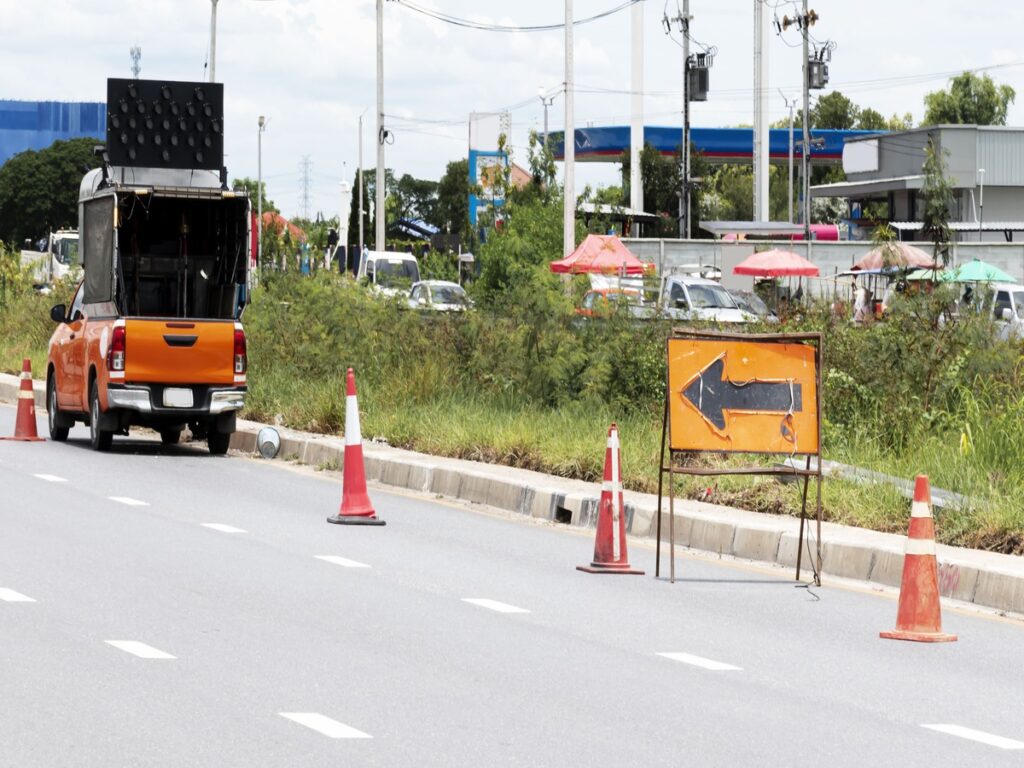
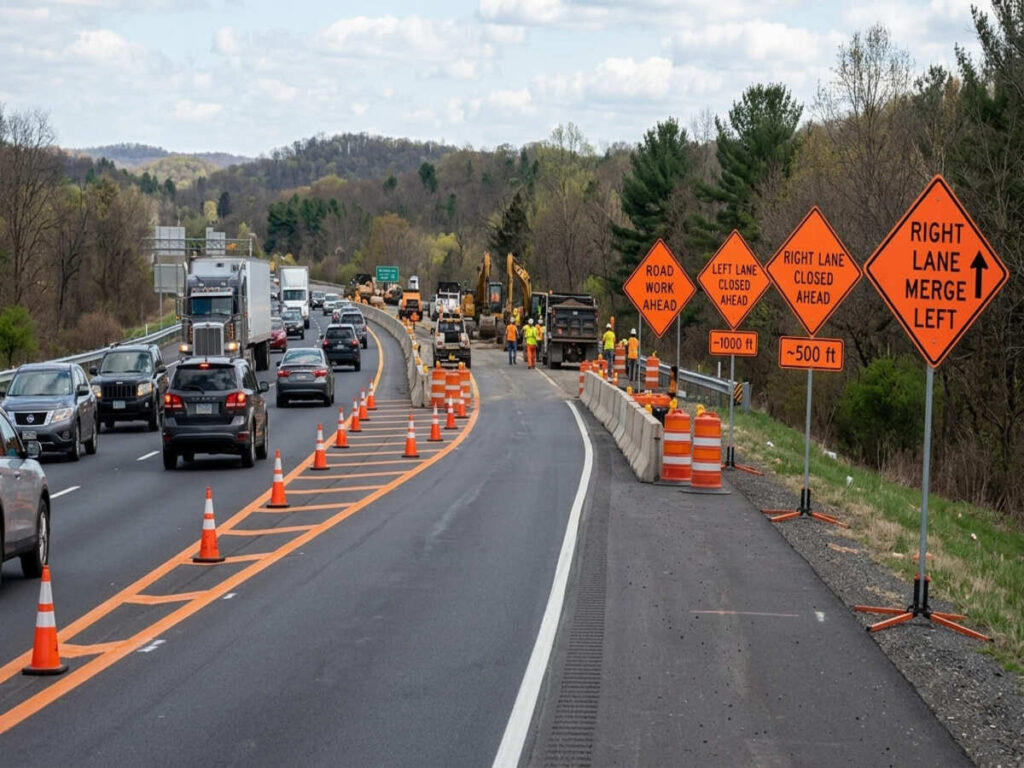
현대식 교통 볼라드는 지상의 기둥 그 이상인 이유
도시들이 배치되고 있다 교통 볼라드 기록적인 속도로, 조달팀은 사양이 부족한 하드웨어에 대한 비용을 지불하고 있습니다.. 올바른 위치에 있는 올바른 포스트는 10년 자산을 분기별 교체 항목과 분리합니다..
교통 볼라드 세 가지 일을 동시에 하라. 그들은 차량을 채널링합니다. 보행자는 보호를 위해 보행자에 의존합니다.. 운전자는 이를 차선 의도에 대한 자동 지침으로 읽습니다.. 현대 엔지니어링 폴리머는 이제 수명 비용의 일부만으로 강철에 필적하는 충격 성능을 제공합니다..
문제의 규모는 현실이다. 미국 도로교통안전청에 따르면, 39,345 사람들은 미국에서 사망했습니다. 교통사고가 난다 2024, 이후 최저치 2020 하지만 여전히 팬데믹 이전 평균보다 높습니다 (원천: https://www.nhtsa.gov/press-releases/nhtsa-estimates-39345-traffic-fatalities-2024). 보행자 사망자 수 7,148 그 죽음들 중, 주지사 고속도로 안전 협회에 따르면 (원천: https://www.ghsa.org/resource-hub/pedestrian-traffic-fatalities-2024-data).
볼라드는 만능이 아니다. 그들은 테스트를 거쳤습니다, 안전 시스템 접근 방식의 코드 인식 계층. 이 가이드는 모든 주요 유형을 안내합니다., 수명을 예측하는 재료, 배치를 관리하는 규정 준수 코드. 조달 프레임워크는 결국 이들을 하나로 묶습니다..
도로 안전 계층 구조에서 교통 통제 볼라드가 작동하는 방식
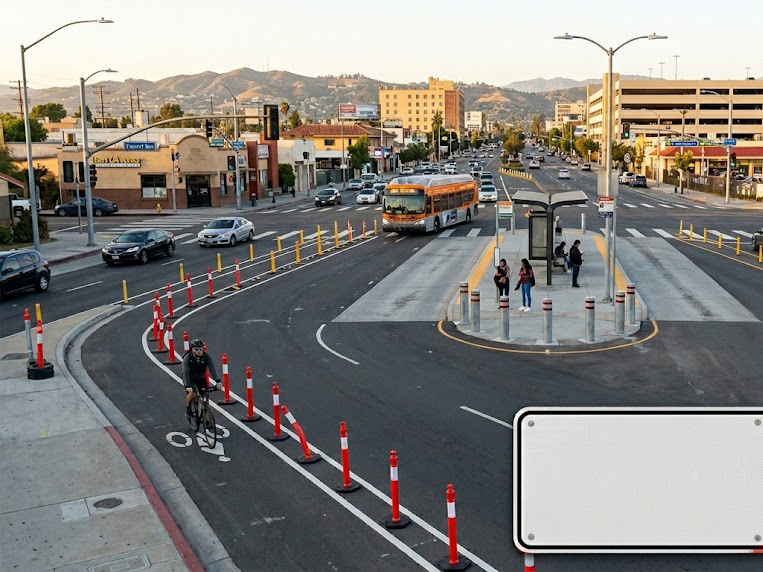
교통 통제 볼라드는 가시성이 높은 도로 표시와 견고한 장벽 사이에 위치합니다.. 그들은 페인트가 할 수 없는 일을 합니다, 콘크리트 벽의 비용이나 시선 영향 없이.
세 가지 핵심 직업: 묘사, 제지, 및 채널화
묘사는 시각적이다. 볼라드는 차선 가장자리를 표시합니다., 출입 금지 구역, 운전자가 놓칠 수 없는 높이의 보행자 경계. 억제는 행동이다. 유연한 기둥은 단호한 트럭을 멈추지 않습니다., 하지만 운전자가 커브에 접근하는 방식이 완전히 바뀌었습니다., 횡단보도, 아니면 로딩 베이. 채널화는 기하학적이다. 올바른 간격, 보행자를 안내하는 기둥, 자전거 타는 사람, 차량을 복잡한 복도로 강제로 진입시키지 않고 복잡한 교차로를 통과합니다..
교통 통제 볼라드가 다른 안전 장치와 함께 설치되는 위치
조달 팀은 종종 이러한 게시물을 구분 기호와 혼동합니다., 저지 장벽, 그리고 보행자 난간. 아래 표는 사양에 중요한 기준에 따라 가장 일반적인 도로 안전 장치 4가지를 비교합니다..
| 장치 | 주요 기능 | 충격복구 | 시선 영향 |
| 교통 볼라드 | 채널화 + 묘사 | 자가 회복 (유연한) | 낮은 |
| 묘사자 게시물 | 시각적 신호만 | 제한된 | 매우 낮음 |
| 저지 장벽 | 차량 방향 전환 | 없음 | 높은 |
| 보행자 난간 | 보행자 분리 | 없음 | 중간 |
원천: FHWA MUTCD 11판 부분에서 합성됨 6
모든 조달 구매자가 알아야 할 규정 준수 스택
세 가지 연방 프레임워크가 미국 내 대부분의 배포를 관리합니다.. 균일 한 교통 통제 장치 매뉴얼 (mutcd), 11제1판, 12월에 연방고속도로국(Federal Highway Administration)에서 발표했습니다. 2023 그리고 여전히 국가 표준으로 남아있습니다. 접근 가능한 디자인에 대한 ADA 표준은 모든 접근 가능한 경로를 따라 볼라드 사이에 최소 36인치의 연속적인 공간 너비를 요구합니다. (원천: https://www.access-board.gov/ada/guides/chapter-4-accessible-routes/). OSHA 29 CFR 1926 서브파트 G는 건설 작업 구역의 교통 통제를 관리합니다., MUTCD 부분 통합 6 참고로.
도로 볼라드와 교통 볼라드의 차이점
도로 볼라드 및 교통 볼라드 두 개의 검색어를 사용하는 동일한 실제 제품인 경우가 많습니다.. 차이점은 애플리케이션 컨텍스트에 있습니다., 볼라드 자체가 아니라.
용어 횡단보도: 도로, 거리, 교통, 및 안전 볼라드
도로 볼라드는 일반적으로 도로 가장자리 및 중앙분리대 적용을 나타냅니다.. 교통 안전 볼라드는 차량을 사람이나 재산과 분리하도록 설계된 모든 게시물에 대한 조달 우산입니다.. 오늘날 시장에 나와 있는 대부분의 교통 안전 볼라드는 올바르게 지정되면 도로 및 비도로 사용 사례 모두에 사용됩니다..
애플리케이션 중복 및 80/20 규칙
대충 80% 도로 및 비도로 응용 분야 모두에서 작동하는 시장 제품의 비율. 그만큼 20% 예외가 중요하다, 그렇지만: 중앙값별 앵커 시스템, 충돌 등급 고속도로 애플리케이션, 제설 통로를 위한 특수 하드웨어는 모두 특수 목적 설계를 요구합니다..
고속도로 차선 분리를 위해 도로 볼라드를 배치하는 지방자치단체의 경우, 그만큼 빨간색과 흰색 반사 도로 볼라드 고속도로 분리 가이드 MUTCD 정렬 간격 및 가시성 표준을 자세히 다룹니다..
교통 볼라드의 5가지 핵심 유형 (그리고 각각이 해결하는 사용 사례)
대부분의 조달 실수는 이 섹션에서 발생합니다.. 구매자는 성능 한계 대신 외관을 기준으로 유형을 선택합니다.. 아래의 다섯 가지 범주는 대략적으로 다룹니다. 95% 현대 설비의.
유연한 교통 볼라드: 자가회복 영향관리
유연한 교통 볼라드 충격을 받으면 구부러지고 똑바로 세워집니다.. 선택한 폴리머는 일반적으로 TPU 또는 폴리우레탄 엘라스토머입니다., 일반적으로 평가됨 85 에게 95 쇼어 A 경도. 품질이 뛰어난 장치는 다음보다 더 오래 살아남습니다. 100,000 영구 변형이 나타나기 전 실험실 테스트에서 충격 주기.
- 일반적인 높이: 28 에게 42 신장
- 표준 직경: 3.5 에게 4.5 신장
- 다음에 가장 적합: 차선 묘사, 드라이브스루, 저속 교통 진정, 주차장
- 다음을 위한 것이 아닙니다: K 등급 안티램 보호
T-상단 쌓을 수 있는 볼라드: 물류 우선 디자인
T-톱 디자인은 장치를 중첩할 수 있는 테이퍼형 캡 형상을 사용합니다.. 8~12개의 볼라드가 단일 장치의 설치 공간에 쌓입니다.. 이는 구매자가 인식하는 것보다 더 중요합니다.. 50개의 쌓을 수 있는 유닛이 대략적으로 차지합니다. 6 평방 피트의 창고 공간. 표준 형식의 동일한 50개는 다음과 같습니다. 45 평방피트.
계약자, 임대 야드, 및 이벤트 서비스 회사는 프로젝트 포트폴리오 전반에 걸쳐 스토리지 비용이 증가하기 때문에 스택 가능한 설계를 중심으로 볼라드 함대를 구축합니다.. 수학은 간단하다. 더 낮은 면적은 배포 가능한 단위당 더 낮은 간접비와 같습니다..
반사 교통 볼라드: 배선 없는 가시성
반사 교통 볼라드 ASTM D4956을 준수하는 재귀반사 시트 사용, 교통통제용 재귀반사시트 표준규격 (ASTM D4956). 9개 중, 유형 IV는 영구 설치에서 가장 일반적인 등급입니다., Type IX는 짧은 관찰 거리에서 더 높은 역반사율을 제공하며 건설 구역에서 선호됩니다..
빨간색과 흰색 밴딩은 묘사를 위한 MUTCD 색상 규칙을 따릅니다.. 고품질 볼라드의 현대적인 Type IV 시트는 여전히 눈에 띕니다. 400 에게 700 표준 헤드라이트 조명 아래의 피트. 반사 설계에는 전기 인프라가 전혀 필요하지 않습니다., 이것이 바로 10년 동안 총 소유 비용 측면에서 많은 조명 대안보다 뛰어난 성능을 보이는 이유입니다..
이동식 교통 볼라드: 영구 하드웨어 없이 액세스 제어
제거 가능한 디자인은 세 가지 하위 유형으로 제공됩니다.: 슬리브 장착형 리프트아웃 시스템, 자물쇠로 고정된 기둥, 및 접지 소켓 구성. 숙련된 운영자는 단일 장치를 배치하거나 보관할 수 있습니다. 30 에게 90 초.
일반적인 응용 분야에는 긴급 차량 접근 차선이 포함됩니다., 농민을 위한 주말 도로 폐쇄’ 시장과 거리 박람회, 로딩 도크 서비스 항목, 시간에 민감한 이벤트 경계. 제거 가능한 디자인으로 영구적인 하드웨어 변경 없이 하나의 사이트에서 두 가지 기능을 수행할 수 있습니다..
플라스틱 교통 볼라드: 대부분의 구매자가 과소평가하는 성능 계층
플라스틱 교통 볼라드 가장 큰 사양 실수가 발생하는 곳. 플라스틱이 약하다는 말은 약 20년 정도는 구식입니다. 현대 공학 폴리머, 주로 HDPE 및 폴리우레탄 복합재, 중저속 속도에서는 견고한 강철이 따라올 수 없는 충격 흡수 기능을 제공합니다..
강철은 충돌력을 앵커 포인트와 차량 탑승자에게 직접 전달합니다.. 엔지니어링 폴리머가 변형됨, 다시 덮다, 구조 전체에 에너지를 분산시킵니다.. 보행자 구역 및 주차 용도, 이 행동은 더 안전한 결과입니다. 고품질 플라스틱 포스트 실행 70 에게 85 강철 등가물보다 퍼센트 더 가볍습니다., 설치 중 운송 비용과 노동 시간이 단축됩니다..
그만큼 T-Top과 표준 교통 볼라드: 보관 및 물류 케이스 창고 경제학에 대한 논의를 더 자세히 살펴봅니다..
볼라드 수명을 실제로 예측하는 재료 사양
대부분의 공급업체 견적에는 제품의 수명이 3년인지 15년인지 결정하는 사양이 숨겨져 있습니다.. 올바른 질문을 학습한 조달팀은 사양이 부족한 하드웨어에 대한 초과 지불을 중단합니다..
모든 공급업체가 요구하는 폴리머 사양
- 인장강도: 최저한의 2,500 교통 등급 의무를 위한 PSI
- 자외선 안정제 농도: HALS 첨가제 비율이 명확하게 명시됨
- 작동 온도 범위: -40북미 실외 사용의 경우 °F ~ +160°F
- 벽 두께: 트래픽 정격 애플리케이션의 경우 최소 4mm
반사 시트 등급 및 야간 가시성
ASTM D4956은 9가지 시트 유형을 정의합니다., 하지만 야외 묘사에는 세 가지가 가장 중요합니다.. I 형 I (엔지니어 등급) 일반적으로 5~7년 동안 사용 가능한 재귀반사성을 제공합니다.. 유형 IV로 업그레이드 (고강도 프리즘) 약 10년으로 서비스 연장. 프리미엄 옵션, IX형 (다이아몬드 등급), 표준 노출 조건에서 12년 이상 성능 유지.
딥 다이빙: 더 알아보기 프로젝트에 가장 적합한 트래픽 볼라드 자료를 선택하는 방법.
베이스 및 앵커링 사양
견고한 기본 시스템의 무게는 최소한이어야 합니다. 8 표면 실장 안정성을 위한 파운드 25 시속 바람. 영구 설치를 위한 지하 앵커 깊이는 일반적으로 다음 사이에 해당합니다. 12 그리고 18 신장, 지역 코드 변형 포함. 접착 마운트 베이스는 임시 배치에 적합하지만 질감이 있는 아스팔트에서는 안정성을 잃고 기판별로 확인이 필요합니다..
각 유형의 도로 볼라드가 유지되는 곳: 애플리케이션 매트릭스
올바른 볼라드는 통과하려는 대상과 속도에 전적으로 달려 있습니다.. 조달 팀은 견적을 요청하기 전에 사용 사례를 성능 범위에 매핑해야 합니다..
도시 거리 풍경 및 보행자 우선 구역
ADA 접근 가능 분리에는 다음이 필요합니다. 36 인치 볼라드 사이의 최소 공간 너비. 차량 보호 캡 간격에 대한 업계 관행은 다음과 같습니다. 5 피트, ~와 함께 4 에게 5 발은 대부분의 보행자 우선 설치에 가장 적합한 장소입니다.. 우발적인 접촉을 우아하게 처리하고 해가 진 후에도 눈에 잘 띄기 때문에 유연하고 반사적인 조합이 이 카테고리를 지배합니다..
주차시설, 드라이브스루, 및 로딩 구역
차량은 소매 차량보다 볼라드를 4~7배 더 자주 공격합니다.. 단일 통계가 사양을 결정해야 합니다.. 자체 복구가 가능한 유연한 설계로 주차장 예산을 낭비하는 전면 교체 주기가 필요하지 않습니다.. 탈착식 변형은 볼라드가 예측 가능하고 자주 나와야 하는 하역장 및 서비스 차량 접근을 제공합니다..
그만큼 간격 유지를 위한 주차장 볼라드 설치 가이드, 키, 및 코드 요구 사항 주차 시설 배포에 대한 운영 세부 사항을 다룹니다..
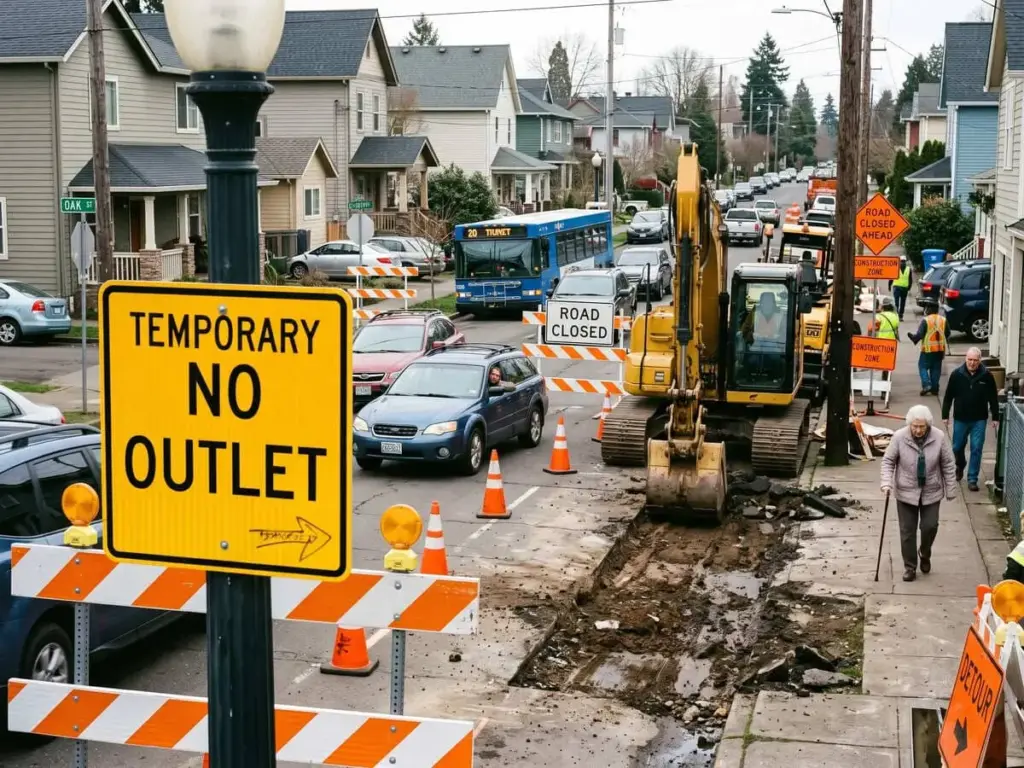
건설 구역 및 임시 교통 통제
OSHA 29 CFR 1926 서브파트 G에는 MUTCD 파트가 포함되어 있습니다. 6 건설 작업 구역에 대한 참고 자료 (돌 OSHA). 직원들이 매일 배치하고 복구하기 때문에 쌓을 수 있는 디자인이 이 카테고리를 지배합니다.. 반사 시트 요구 사항은 일반적으로 야간 작업의 경우 유형 IV 이상으로 기본 설정됩니다..
조달 결정 프레임워크: 볼라드 유형을 프로젝트 현실에 맞추기
대부분의 조달 팀은 사양 프로세스를 단축하고 나중에 비용을 지불합니다.. 여섯 가지 질문, 일찍 물었다, 대충 없애다 90 구매 후 후회 비율.
볼라드 사양을 결정하는 6가지 질문
- 영향 빈도 기대치는 무엇입니까? 고주파수는 유연한 설계를 선호합니다..
- 설치가 영구적인가요?, 반영구적, 또는 반복? 비영구적으로 제거 가능한 승리.
- 가시성 환경이란 무엇입니까?? 어둡거나 조명이 없는 구역에는 최소 Type IV 시트가 필요합니다..
- 스토리지 공간 제약은 무엇입니까? 쌓을 수 있는 티셔츠로 창고 비용을 대폭 절감.
- 어떤 규정 준수 체제가 적용됩니까?? mutcd, 아다, OSHA, 또는 국제 (/nzs, 안에).
- 총 소유 비용 범위는 얼마입니까?? 5년제 수학과 15년제 수학은 크게 다릅니다.
하위 사양 제품을 나타내는 공급업체 견적의 위험 신호
공개된 인장 강도를 생산할 수 없는 공급업체, 자외선 안정제 데이터, 또는 요청 시 ASTM 규정 준수 참고 자료가 트래픽 등급 하드웨어를 판매하지 않습니다.. 사용 사례 특이성이 없는 범용 애플리케이션 주장은 조달 대상을 위해 차려입은 일반 가져오기의 거의 확실한 신호입니다..
구매시기, 임대 시기, 하이브리드 차량을 지정하는 시기
프로젝트 기간이 가장 명확한 결정 변수입니다.. 다음보다 짧은 배포 120 보통 임대를 선호하는 날. 다음보다 긴 프로젝트 120 며칠 또는 여러 사이트에 걸쳐 반복적으로 구매하는 것이 일반적입니다.. 하이브리드 차량, 핵심 재고가 소유된 곳, 서지 용량을 임대합니다., 성숙한 계약자가 실제로 운영하는 방식과 일치.
조각들을 하나로 모으기: 교통 볼라드 전략 구축
권리를 선택합니다 교통 볼라드 10년 후의 결과를 가져오는 조달 결정입니다., 하드웨어 구매가 아닌. 수명을 예측하는 사양, 배치를 관리하는 코드, 각 사용 사례와 일치하는 유형을 모두 미리 알 수 있습니다..
방어 가능한 사양을 얻는 가장 빠른 경로는 구조화된 비교입니다.. 사용 사례를 성능 범위에 매핑. 공개된 자료 데이터를 요구합니다.. 관리 코드 스택에 대한 규정 준수 확인. 그런 다음 선불 가격과 총 소유 비용을 비교해보세요..
연구에서 사양으로 이동할 준비가 된 조달 팀용, 거래 단계 체크리스트가 도움이 됩니다., ~와 같은 그만큼 10 모든 구매자가 교통 기둥 구매 주문서에 서명하기 전에 물어봐야 할 질문.
교통 볼라드에 관해 자주 묻는 질문
교통 볼라드와 교통 통제 볼라드의 차이점은 무엇입니까?
이 용어는 대부분의 조달 상황에서 동일한 물리적 제품 클래스를 설명합니다.. 교통 통제 볼라드는 일반적으로 MUTCD 준수와 관련된 규제 또는 채널화 역할을 의미합니다.. 교통 볼라드 사람이나 재산으로부터 차량을 분리하는 데 사용되는 수직 기둥을 덮는 더 넓은 우산입니다.. 명세서, 재료, 설치 방법은 두 용어 모두에서 상호 교환 가능합니다..
교통용 볼라드는 얼마나 멀리 떨어져 있어야 합니까??
접근 가능한 디자인에 대한 ADA 표준은 모든 접근 가능한 경로의 볼라드 사이에 최소 36인치의 연속적인 공간 너비를 요구합니다. (우리를. 액세스 보드). 업계 관행에서는 차량 보호 간격을 다음으로 제한합니다. 5 피트, ~와 함께 4 발은 위험도가 높은 용도에 최적입니다.. 지역 건축법과 AHJ 지침이 항상 우선 적용됩니다..
유연한 교통 볼라드는 실제 충격 보호를 위해 충분히 강력합니까??
예, 대략 저속에서 중간 속도 이벤트에 대해 30 MPH. 유연한 설계는 충돌 등급이 아니며 안티램 하드웨어를 대체해서는 안 됩니다.. ASTM F2656 K 등급 응용 분야용, 위협이 높은 경계 또는 중요 인프라 포함, 충돌 등급 볼라드는 올바른 사양을 유지합니다..
반사형 교통 볼라드는 밤에도 얼마나 오래 보이나요??
시트 등급이 수명을 결정합니다. 엔지니어 등급은 일반적으로 5~7년 동안 사용 가능한 재귀반사성을 제공합니다.. 고강도 프리즘 (IV 형) 사용 수명을 약 10년으로 연장. 다이아몬드 등급 (IX형) 표준 노출 조건에서 12년 이상 성능 유지.
보안을 위해 이동식 교통 볼라드를 잠글 수 있습니까??
대부분의 탈착식 시스템은 자물쇠로 고정된 슬리브 또는 열쇠형 소켓 설계를 제공합니다.. 잠금 사양은 위협 모델과 일치해야 합니다.. 파손 방지 잠금 장치는 강제 진입 방지 시스템과 동일하지 않습니다., 그리고 가격도 그에 따라 다르죠.
강철에 비해 플라스틱 교통 볼라드의 수명은 얼마나 됩니까??
적절하게 UV 안정화된 플라스틱 포스트는 8 에게 15 수년간의 서비스 수명. 유사한 실외 조건에서 강철 등가물은 일반적으로 매회 재코팅이 필요합니다. 3 에게 5 년 및 전체 교체 10 에게 12 연령, 특히 해안 또는 제빙 소금 환경에서. 단위당 초기 가격이 비슷하거나 높음에도 불구하고 총 소유 비용은 플라스틱을 선호하는 경우가 많습니다..
참조
연방 고속도로 관리 (2023). 균일 한 교통 통제 장치 매뉴얼, 11제1판.
우리를. 액세스 보드. 장 4: 접근 가능한 경로.
ASTM 인터내셔널. D4956 교통 통제용 재귀반사 시트 표준 규격.
우리를. 노동부 / OSHA (2024). 전국 작업 구역 인식 주간.