Шевронный знак является одним из самых механически простых, но в то же время критически важных устройств во всем комплексе средств управления дорожным движением.. В форме смелого, указывающая стрелка, он определяет направление кривизны на горизонтальных изгибах, развязочные пандусы, и перекрестки, где сама по себе геометрия дороги не может указать правильный путь.. Федеральное управление шоссе (FHWA) Данные о дорожно-транспортных происшествиях показывают, что аварии при выезде с дороги — события, когда транспортное средство покидает намеченную полосу движения на повороте — составляют примерно 32% всех дорожно-транспортных происшествий со смертельным исходом ежегодно в США (FHWA, 2023).
Правильное развертывание Chevron Знаки напрямую снижает этот риск. Однако неправильное применение, несоответствующая спецификациям, и упущения в обслуживании остаются широко распространенными. В этом руководстве объединены все требования соответствия, инженерная формула, и спецификации закупок, необходимые специалистам по трафику в одном авторитетном справочнике.
Что такое знак шеврона?
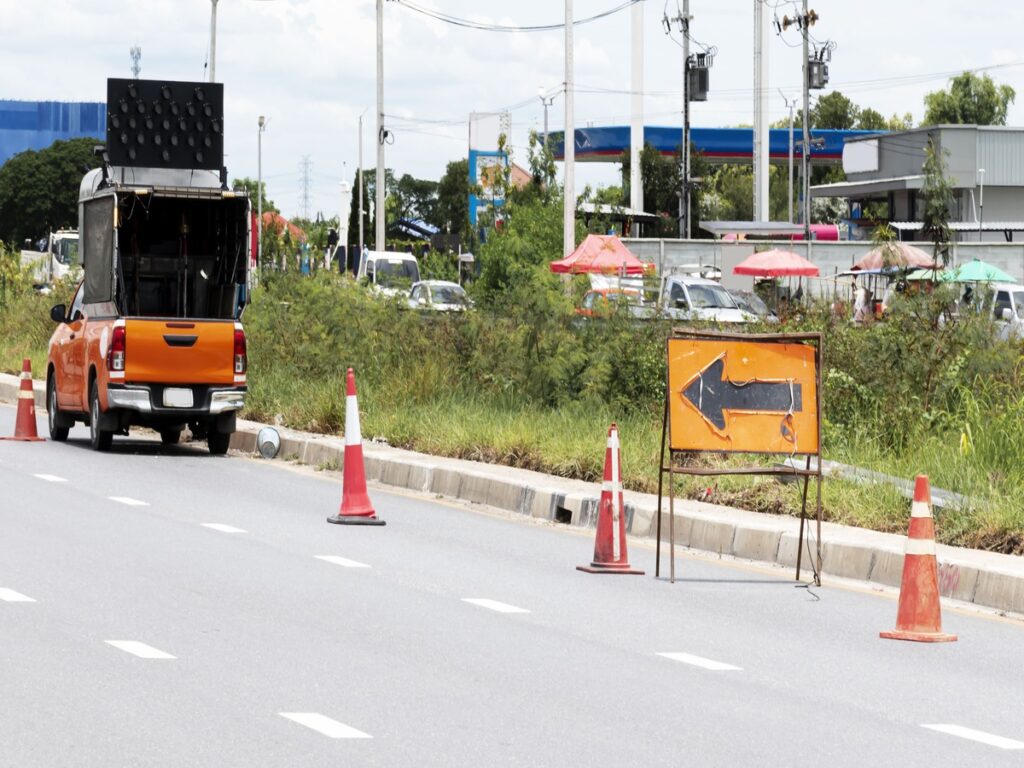
Знак шеврона - это разграничивающее устройство, отображающее один шеврон. (наконечник стрелы) символ, указывающий направление предстоящего поворота или поворота. Руководство по однородным устройствам управления движением (Mutcd), 11е издание (2023), формально определяет его как знак шеврона и присваивает ему обозначение W1-8.. Инженеры размещают эти знаки снаружи кривой, чтобы дополнить, а иногда и заменить стандартные предупреждающие знаки кривизны, где разграничение трассы недостаточно..
В отличие от стандартного дорожного знака шеврона, используемого в городских каналах., шоссейный W1-8 специально предназначен для устранения горизонтальной кривизны. Подробное описание значений, связанных с выравниванием, и исследований по предотвращению несчастных случаев., см. существующий ресурс на шевронные знаки выравнивания и как они предотвращают несчастные случаи.
Знак Шеврона против. Предупреждающий знак кривой
Инженеры-дорожники часто сталкиваются с выбором между знаком шеврона (П1-8) и стандартный знак предупреждения о повороте (П1-1 или П1-2). MUTCD не считает их взаимозаменяемыми.. Предупреждающие знаки о повороте информируют водителей о том, что впереди находится поворот.; Chevron Знаки направляйте водителей на поворот в режиме реального времени. На практике, оба устройства часто появляются вместе в одном подходе. Специальное сравнение, в том числе в тех случаях, когда замена разрешена в соответствии с дополнениями DOT штата.- обратитесь к шеврон против. предупреждающие знаки поворота.
MUTCD Раздел 2C.12: Федеральные требования соответствия
Раздел 2C.12 MUTCD регулирует все MUTCD. Chevron Знаки на дорогах общего пользования в США. Стандарт устанавливает условия обязательного применения., пороги световозвращения, и критерии размещения, которым должен удовлетворять каждый план подписания. Несоблюдение требований подвергает агентства риску получения федеральной помощи и гражданской ответственности в соответствии с доктриной дефектов шоссе..
Ключевые обязательные положения раздела 2C.12 включают::
- Знаки Шеврона ДОЛЖЕН использоваться на поворотах, где рекомендованная скорость 15 миль в час или более ниже установленного ограничения скорости.
- Расстояние ДОЛЖНО соответствовать формуле S = C × R. (см. раздел «Интервал» ниже.).
- Световозвращающее листовое покрытие ДОЛЖНО соответствовать ASTM D4956 Type III. (Высокоинтенсивные призматические) минимум на дорогах с ограничением скорости ≥ 45 миль в час.
- Высота стойки ДОЛЖНА располагаться не ниже нижней части знака. 4 футов над поверхностью дороги на сельских автомагистралях.
Полный анализ раздела 2C.12 по каждому пункту, включая дополнения к DOT штата и прецедент ответственности, см. MUTCD Раздел 2C.12 Требования к знакам выравнивания шеврона.
Стандарты световозвращения: ASTM D4956 Марки листового материала
Правило световозвращения FHWA (23 Часть CFR 655) требует от агентств поддерживать световозвращающую способность знаков до минимально поддерживаемого уровня. Для рефлексивного Chevron Знаки на скоростных сельских дорогах, практический минимум - листовое покрытие типа III. Тип IV (Призматический сверхвысокой интенсивности) и Тип XI (Алмазный класс) продлить срок службы сверх 12 лет и сохранять достаточную световозвращающую способность в экстремальных погодных условиях..
| Класс листового покрытия ASTM | Обозначение типа | Мин. Коэффициент (РА) | Типичный срок службы | Рекомендуемое применение |
| Инженерный класс | Тип i | 70 CD/LX/M² | 7 годы | Низкая скорость, дороги с низкой интенсивностью движения |
| Высокоинтенсивные призматические | Тип III | 250 CD/LX/M² | 10 годы | MUTCD дороги со скоростью не менее 45 миль в час |
| Сверхвысокая интенсивность | Тип IV | 380 CD/LX/M² | 12 годы | Высокоскоростные сельские дороги |
| Алмазный класс | Тип XI | 700+ CD/LX/M² | 12+ годы | Межгосударственный / критические кривые |
Источник: АСТМ Д4956-23
Типы знаков шеврона по цвету и юрисдикции
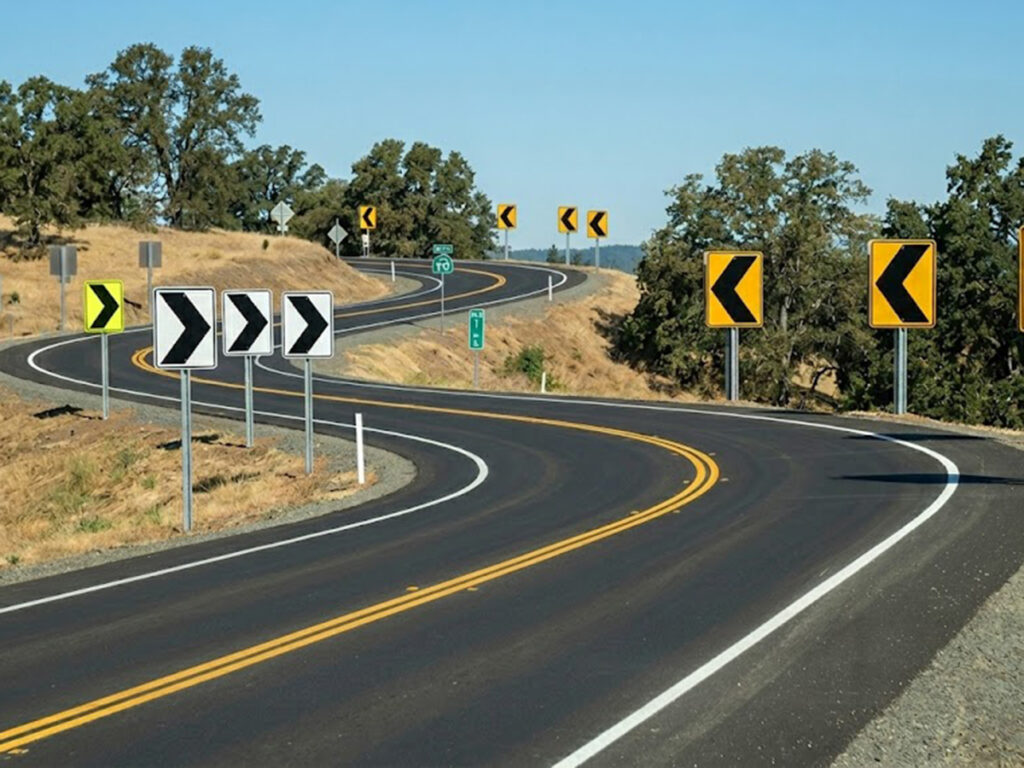
Цветовая кодировка шевронных дорожных знаков не является произвольной — она сообщает о юрисдикции., класс дороги, и нормативный контекст. Ошибки при закупках часто возникают, когда покупатели указывают неправильную комбинацию фона и символов для своего приложения..
| Цветовое сочетание | Юрисдикция / Стандартный | Типичное применение | Mutcd / Нормативная ссылка. |
| Черный символ на желтом | Соединенные Штаты (Mutcd) | Внимание — очертания кривых на дорогах общего пользования. | П1-8, Раздел 2C.12 |
| Черный символ на белом | Великобритания (TSRGD) / Автомагистраль | Обязательное направление на съездах/поворотах с автострады | Диаграмма ЦРГД 610 |
| Белый символ на красном | Предписанная Великобританией дорожная разметка | Уступи дорогу / Запретные зоны подхода | Диаграмма ЦРГД 614 |
| Белый символ на синем | Информационный / Консультативный (НАС) | Частные дороги, стоянка, только консультативный | Нет федерального мандата |
| Оранжевый символ на черном | Временное управление движением (НАС) | Рабочие зоны, переулок сдвигается | Часть MUTCD 6 |
Для получения полной информации о цветах для каждой юрисдикции, обратитесь к нашему руководству по что означает цвет каждого знака шеврона.
Размеры знака шеврона, Размеры & Характеристики материала
Для выбора правильного размера шевронного знака необходимо соответствие установленного ограничения скорости и крутизны поворотов таблице MUTCD 2C-4.. Знаки меньшего размера на высокоскоростных подходах создают документально подтвержденный эффект ложной безопасности.; водители регистрируют присутствие знака, но не могут вовремя определить его направленность.
| Знак знака (Ш × В) | Установленное ограничение скорости | Минимальное покрытие | Варианты подложек | Ссылка на таблицу MUTCD. |
| 18″ × 24″ | ≤ 35 миль в час | Тип i (ASTM D4956) | Алюминий .080 / ПВХ | Таблица 2C-4, Ряд А |
| 24″ × 30″ | 36–45 миль в час | Тип III (ASTM D4956) | Алюминий .100 / Алюминий .080 | Таблица 2C-4, Ряд Б |
| 30″ × 36″ | 46–55 миль в час | Тип III (ASTM D4956) | Алюминий .100 | Таблица 2C-4, Ряд С |
| 36″ × 48″ | 56–65 миль в час | Тип IV (ASTM D4956) | Алюминий .125 | Таблица 2C-4, Ряд Д |
| 48″ × 60″ | ≥ 66 миль в час / Межгосударственный | Тип XI / Алмазный класс | Алюминий .125 | Таблица 2C-4, Ряд Е |
Источник: MUTCD, 11-е издание, Таблица 2C-4
Выбор подложки и оборудования
Алюминиевый сплав 5052-H38 при 0,080″ до 0,125″ Калибр остается стандартным основанием для шоссейных дорог. Chevron Знаки благодаря своей коррозионной стойкости и стабильности размеров. Полиэтилен высокой плотности (ПНД) Подложки из поликарбоната подходят для использования на частных дорогах с низкой скоростью, где требования к ветровой нагрузке и высоте столбов менее строгие.. Все монтажное оборудование должно соответствовать требованиям к отрывным стойкам согласно AASHTO MASH. 2016 стандарты краш-тестов на любой дороге, открытой для общественного движения.
Формула расстояния и размещения знаков шеврона
Правильное расстояние между знаками шеврона является наиболее важным параметром установки.. MUTCD предоставляет детерминированную формулу, которую инженеры должны применять и документировать для каждого подхода к кривой.. Расстояние, превышающее максимальные значения MUTCD, фигурировало в судебных разбирательствах после аварий на выезде с дороги., с судами, проверяющими план подписания на предмет соответствия стандартам оказания медицинской помощи.
Формула расстояния MUTCD: С = С × Р
Раздел 2C.12 MUTCD определяет максимальный интервал. (С) между последовательными Chevron Знаки как:
С (ноги) = С × Р
где С = 3.0 (деревенский), 2.0 (городской); R = радиус кривой в футах
Рабочий пример: На повороте сельской дороги радиусом 400 футов знаки должны располагаться не дальше друг от друга, чем 3.0 × 400 = 1,200 ноги. Инженеры часто уменьшают это расстояние вдвое при подходе к точке кривизны. (ПК) постепенно строить мысленную модель водителя.
| Расчетная скорость (миль в час) | Типичный радиус (футов) | Максимум. Расстояние S (футов) - Деревенский | Максимум. Расстояние S (футов) - Городской | Мин. Знаки на кривой |
| 25 | 150 | 450 | 300 | 2 |
| 35 | 300 | 900 | 600 | 3 |
| 45 | 500 | 1500 | 1000 | 3–4 |
| 55 | 800 | 2400 | 1600 | 4–5 |
| 65 | 1200 | 3600 | — | 5+ |
Источник: MUTCD, 11-е издание, Раздел 2C.12
Погрузитесь глубоко в Расстояние между знаками шеврона & формула размещения, пошаговое руководство по установке, включая методы измерения на месте и справочную таблицу интервалов для печати..
Специальные сценарии установки: Кольцевые развязки, Т-соединения & Автомагистрали
Стандартные правила расстояния для сельских кривых не переносятся непосредственно на геометрию перекрестков.. Острова-разделители кольцевой развязки, Завершение подхода к Т-образному перекрестку, и съезды с автомагистралей требуют конфигураций шевронных знаков с учетом геометрии.. Выбор неправильного направления стрелки — влево или. правильно - на кольцевом острове - это указанная причина ошибочных записей в отчете NCHRP. 672 (2010).
- Острова-разделители кольцевой развязки: Один или два знака, обращенные к приближающемуся транспортному средству, размер соответствует скорости подхода. Стрелка указывает направление движения по острову..
- Завершение подхода к Т-образному перекрестку: Одиночный знак шеврона, установленный на конечной остановке проезжей части.. Стрелка указывает на преобладающее направление поворота..
- Съезды с автострады (Великобритания): Черно-белое Chevron Знаки размещается с шагом 45° на выходном носовом выступе, регулируется диаграммой TSRGD 610 а не MUTCD.
Полные схемы установки для приложений MUTCD и TSRGD., обратитесь к нашему руководству по кольцевая развязка & Установка знака Т-образный шеврон.
Знаки Chevron за пределами дорог общего пользования: Промышленный, Склад & Частные приложения
Менеджеры объектов, портовые операторы, и разработчикам логистики часто нужны Chevron Знаки в частной инфраструктуре, где соблюдение MUTCD не является обязательным по закону, но остается признанным стандартом обслуживания. Оша 29 CFR 1910.144 требуются знаки безопасности с цветовой кодировкой в промышленных условиях, и многие риск-менеджеры выбирают материалы класса MUTCD, чтобы соответствовать требованиям страховщиков.’ требования по контролю потерь.
Ключевые соображения по закупкам частных дорог и промышленных предприятий:
- Материал: 0.080″ алюминия с листовым покрытием типа I достаточно для дворовых дорог со скоростью менее 15 миль в час; подъездные пути к внешнему складу в г. 25 ордер на миль/ч минимум типа III.
- Альтернативы субстрату: Гофрированные панели из полиэтилена высокой плотности уменьшают вес для временного разграничения проходов, но имеют срок службы 3–5 лет по сравнению с. 10+ лет для алюминия.
- Пользовательские цвета: Комбинации красного/белого или синего/белого шеврона OSHA разрешены на частной территории, где цветовые коды MUTCD неприменимы..
- Объемные цены: Приказы 25+ вывески обычно открывают 15–25% скидки за объем.; 100+ вывески соответствуют требованиям для программ индивидуальной высечки подложек.
Получите доступ к нашим полным ресурсам по закупкам, включая таблицы технических спецификаций., таблицы сравнения субстратов, и уровни оптовых цен — в специализированном руководстве.: Шевронные знаки для частных дорог, Склады & Промышленные объекты.
2026 Контекст безопасности: Почему соблюдение знаков Chevron никогда не имело большего значения
Инвестиции в инфраструктуру усилили контроль над подписанием стандартов во всех странах. 50 государства. Закон об инвестициях и рабочих местах инфраструктуры (Iija, 2021) выделено $350 миллиардов на повышение безопасности дорожного движения за счет 2026, при этом FHWA выделяет часть средств агентствам, демонстрирующим текущее соответствие MUTCD в своих планах безопасности дорожного движения. (TSP). Агентства, которые не могут документально подтвердить соответствие требованиям шевронного знака, возвращают возмещение за риск развертывания по проектам, финансируемым HSIP..
Программа безопасности при выезде с дороги FHWA, обновленная в 2024 году, конкретно определяет ненадлежащее разграничение горизонтальных кривых как системный фактор, способствующий гибели людей при выезде с дороги.. The 2023 Записан отчет NHTSA о фактах безопасности дорожного движения 11,700+ смертельные случаи при выезде с дороги, из которых отклонения, связанные с кривой, представляли собой крупнейшую геометрическую подкатегорию (NHTSA, 2023).
Государственные DOT в Грузии, Техас, и Калифорния выпустили обновленные инструкции по подписанию знаков в 2024–2025 годах, требующие использования защитного покрытия типа III или выше на всех устройствах для обозначения кривых маршрутов штата., непосредственное расширение базового уровня соответствия дорожным знакам с шевронами в этих сетях.
Контрольный список соответствия закупок
Прежде чем размещать заказ на шевронный знак для проекта дороги общего пользования., проверьте следующее на соответствие плану подписания проекта:
- Подтвердите, что обозначение W1-8 соответствует версии MUTCD, принятой DOT штата..
- Укажите тип листового покрытия ASTM D4956 в заказе на поставку — никогда не полагайтесь на стандартные «отражающие свойства» поставщика.’ описание.
- Подтвердите толщину носителя: 0.080″ минимум алюминий для установленных знаков; 0.100″ для знаков на скоростных сельских дорогах.
- Проверьте радиус угла: Знаки, соответствующие MUTCD, используют размер 3/8.″ угловой радиус; несоответствующие углы могут привести к отклонению рабочего чертежа.
- Проверьте сертификаты: Проекты федеральной помощи требуют соблюдения требований Buy America (изделия из стали/железа) и может потребоваться соответствие TAA для листовых материалов..
- Запросите у поставщика сертификат соответствия, подтверждающий марку ASTM D4956 и отслеживаемость партии..
Часто задаваемые вопросы
В чем точная разница между “Должен” и “Должен” условие согласно разделу 2C.12 MUTCD для установки шевронных знаков?
В соответствии с разделом 2C.12 MUTCD, а “Должен” условие обозначает обязательную юридическую гарантию. Наличие знака шеврона строго требуется на горизонтальных поворотах, где рекомендуемая скорость составляет 15 миль в час или более ниже установленного нормативного ограничения скорости.
Наоборот, а “Должен” состояние является сильной инженерной рекомендацией. Это применимо, когда рекомендательная скорость 10 миль в час ниже установленного ограничения скорости, или когда инженерные исследования указывают на высокую частоту аварий при выезде с дороги в ночное время, несмотря на стандартные предупреждающие знаки при повороте (П1-1 или П1-2) присутствие.
Может ли знак шеврона с одной стрелкой (П1-8) быть заменен двойным (W1-8a) или знак тройного шеврона на дорогах общего пользования?
Нет. По федеральным стандартам MUTCD, W1-8 стандартного класса имеет одиночный шевронный наконечник и является единственным одобренным устройством для постепенного разграничения горизонтального выравнивания..
Двойной или тройной шеврон. (часто классифицируется в соответствии с дополнениями DOT для конкретного штата или международными стандартами, такими как британские маркеры резких отклонений TSRGD.) обычно ограничиваются высокоэффективными координаторами, например, прямая конечная остановка Т-образного перекрестка или бетонный нос съезда с шоссе.. Их нельзя использовать в качестве серии прокатки по стандартной горизонтальной кривой..
Соответствует ли формула расстояния MUTCD (С = С х Р) применяются ко всей длине горизонтальной кривой?
Стандартная формула расстояния определяет максимальное расстояние между последовательными отражающими Chevron Знаки внутри основной части кривой. Однако, Передовые методы организации дорожного движения требуют корректировки интервалов на подходе.
Помочь водителям постепенно построить мысленную модель поворота., первый знак обычно размещается в точке кривизны. (ПК), с последующими знаками, установленными на половине расчетного расстояния (0.5С) для первых двух интервалов до перехода на полную расчетную дистанцию (С) через вершину.
Соответствуют ли световозвращающие листы инженерного класса I типа шевронным дорожным знакам на дорогах общего пользования??
В 2026, Защитное покрытие типа I практически устарело для использования на дорогах общего пользования.. Хотя FHWA допускает тип I для низкоскоростных, малолюдные городские улицы (скорости 35 миль в час), Федеральные правила поддержания световозвращающей способности (23 Часть CFR 655) и спецификации Министерства транспорта штата обычно требуют минимум Типа III. (Высокоинтенсивные призматические) или защитное покрытие типа IV для всех устройств горизонтального выравнивания на дорогах с ограничением скорости 45 миль в час или выше, чтобы обеспечить достаточную видимость в ночное время и долговечность.
Когда шевронные знаки по закону освобождаются от поворота, который соответствует требованиям разницы в скорости??
Техническое исключение может быть предоставлено в соответствии с разделом 2C.12, если непрерывное придорожное бетонное ограждение или стальное ограждение проходит по всей внешней стороне горизонтальной кривой., а сам шлагбаум полностью оборудован системой непрерывного действия, системы линейного разграничения высокой видимости (СПД). Кроме того, шевроны можно не использовать в густонаселенных жилых или городских районах, где низкие расчетные скорости, структурные ограничения полосы отвода, или обширное уличное освещение снижает риски выезда с проезжей части.
Делаем частные промышленные площадки, порты, и логистические склады должны использовать толстую колею 0,100.″ алюминиевые подложки для установки шеврона?
Управляющие частными объектами не связаны юридическими правилами субстрата MUTCD., имеется в виду светлее 0,080″ алюминий или полиэтилен высокой плотности (ПНД) панели допустимы для тихоходных дворовых дорог (15 миль в час).
Однако, если дороги частной собственности напрямую связаны с общественной инфраструктурой или пропускают движение тяжелых коммерческих грузовиков со скоростью, превышающей 25 миль в час, риск-менеджеры настоятельно рекомендуют использовать стандарт 0,100.″ алюминиевый сплав 5052-H38 для смягчения последствий ветровых нагрузок и обеспечения соответствия аудиту безопасности страховой компании по контролю за потерями..
Ссылки
- Федеральное управление шоссе. (2023). Безопасность выезда на проезжую часть.
- FHWA. (2023). Руководство по однородным устройствам управления движением (Mutcd), 11е издание, Раздел 2C.12.
- NHTSA. (2023). Факты безопасности дорожного движения 2023: Сбор данных о дорожно-транспортных происшествиях.
- ASTM International. (2023). АСТМ Д4956-23: Стандартные спецификации на световозвращающую пленку для контроля дорожного движения.
- Аашто. (2016). МАШ 2016: Руководство по оценке защитного оборудования.
- NCHRP. (2010). Отчет НЦРП 672: Кольцевые развязки: Информационное руководство, 2второе издание.
- Закон (Iija). (2021). Паб. Л. 117-58.