シェブロン標識は、交通管制のインベントリ全体の中で、機械的には最もシンプルでありながら運用上重要なデバイスの 1 つです。. 太字の形をした, 指示矢印, 水平方向の曲がりの曲率の方向を示します。, インターチェンジランプ, 道路形状だけでは正しい経路を伝えることができない交差点. 連邦高速道路局 (fhwa) 衝突データによると、車道逸脱事故(車両がカーブで意図した車線から逸脱する事故)が約 32% 米国で年間に発生する高速道路での死亡事故のうち、 (fhwa, 2023).
適切な展開 シェブロンのサイン そのリスクを直接カットします. まだ誤用, アンダースペック, メンテナンスの遅れが依然として蔓延している. このガイドには、あらゆるコンプライアンス要件がまとめられています, 工学的公式, 交通専門家が必要とする調達仕様書を 1 冊の信頼できる参考資料にまとめます.
シェブロンサインとは?
シェブロン サインは、単一のシェブロンを表示する描写デバイスです。 (矢じり) 今後のカーブまたは曲がり角の方向を示す記号. 均一な交通制御装置に関するマニュアル (mutcd), 11第 3 版 (2023), 正式にこれをシェブロン線形標識として定義し、W1-8 という指定を割り当てます。. エンジニアはこれらの標識を曲線の外側に配置して、線形の描写が不十分な場合に標準曲線の警告標識を補足したり、場合によってはそれを置き換えたりします。.
都市部のチャネル化で使用される標準的な山形の道路標識とは異なります。, 高速道路グレードの W1-8 は特に水平方向の曲率に対応しています. アライメント特有の意味や事故防止の研究を詳しく解説, の既存のリソースを参照してください 山形の整列標識とそれが事故を防ぐ方法.
シェブロンサイン vs. 曲線警告サイン
交通技術者は、山形の線形標識を使用するかどうかの決定を頻繁に迫られます。 (W1-8) 標準的なカーブ警告標識 (W1-1またはW1-2). MUTCD はこれらを交換可能なものとして扱いません。. カーブ警告標識は、前方にカーブがあることをドライバーに通知します; シェブロンのサイン ドライバーをリアルタイムでカーブを通過させます. 実際に, 両方のデバイスが同じアプローチで一緒に表示されることがよくあります. 専用の比較 - 州の DOT 補足に基づいて代替が許可されている場合を含む- 参照 シェブロン vs. カーブ警告標識.
MUTCD セクション 2C.12: 連邦コンプライアンス要件
MUTCD のセクション 2C.12 がすべての MUTCD を規定します シェブロンのサイン アメリカの公道で. この規格は必須の使用条件を定めています, 再帰反射率の閾値, すべての署名プランが満たさなければならない配置基準. コンプライアンス違反により政府機関は連邦援助の適格性リスクにさらされ、高速道路の瑕疵法理に基づく民事責任のリスクにさらされる.
セクション 2C.12 に基づく主な必須規定には以下が含まれます。:
- 山形の標識 推奨速度が定められているカーブで使用するものとします。 15 公示の制限速度を時速以上下回る.
- 間隔は、S = C × R の式に従うものとします。 (以下の「間隔」セクションを参照してください).
- 再帰反射シートは ASTM D4956 Type III に適合するものとします (高強度プリズム) 制限速度のある道路では最低速度 ≥ 45 MPH.
- ポストの高さは少なくとも標識の下部に位置するものとします 4 田舎の幹線道路では路面から数フィート上.
州 DOT 補足および責任判例を含むセクション 2C.12 の完全な条項ごとの分析については、次のウェブサイトを参照してください。 MUTCD セクション 2C.12 シェブロン整列標識に関する要件.
再帰反射率の規格: ASTM D4956 シートのグレード
FHWA の再帰反射ルール (23 CFRパート 655) 政府機関は標識の再帰反射性を維持する最低限のレベルに管理することを義務付けています. 反射用 シェブロンのサイン 田舎の高速道路で, 実際の最小値はタイプ III のシートです. タイプIV (超高輝度プリズム) およびタイプXI (ダイヤモンドグレード) 耐用年数を超えて延長する 12 長年使用でき、極端な気象条件下でも十分な再帰反射性を維持します。.
| ASTM シートグレード | 型式指定 | 分. 係数 (RA) | 標準的な耐用年数 | 推奨アプリケーション |
| エンジニアグレード | タイプI | 70 CD/LX/M² | 7 年 | 低速, 交通量の少ない道路 |
| 高強度プリズム | タイプIII | 250 CD/LX/M² | 10 年 | MUTCD 最小時速 45 マイル以上の道路 |
| 超高輝度 | タイプIV | 380 CD/LX/M² | 12 年 | 田舎の高速高速道路 |
| ダイヤモンドグレード | タイプXI | 700+ CD/LX/M² | 12+ 年 | 州間高速道路 / 臨界曲線 |
ソース: ASTM D4956-23
色と管轄区域ごとのシェブロン標識の種類
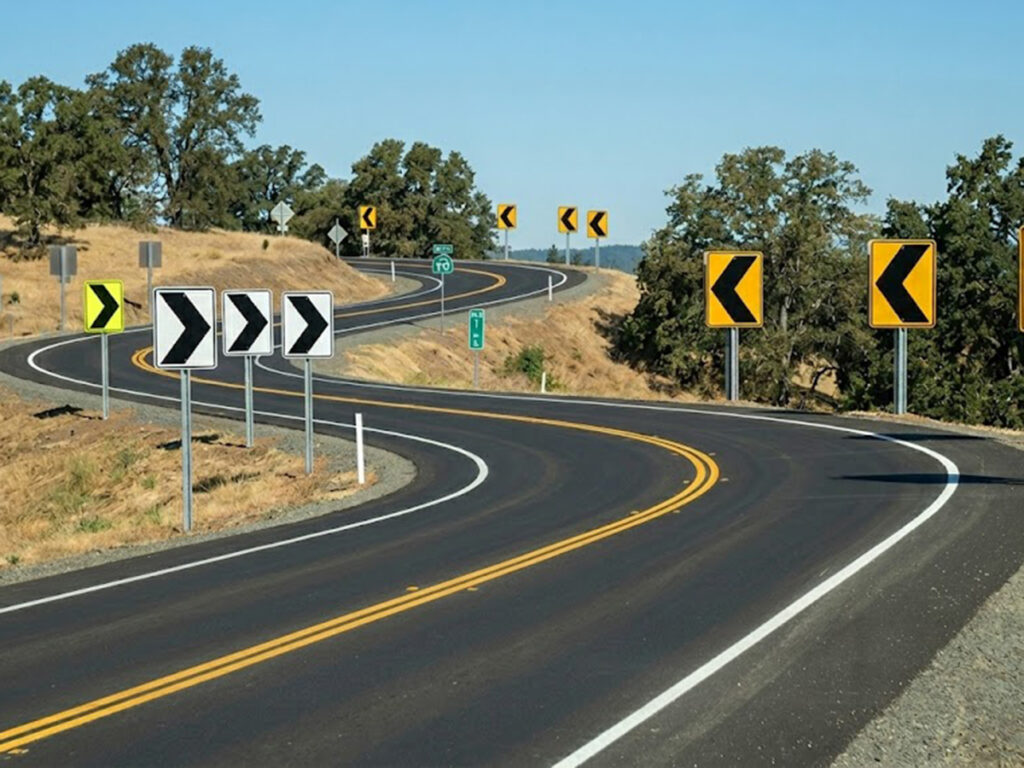
シェブロン交通標識の色分けは任意ではなく、管轄区域を伝えるものです, 道路クラス, および規制の背景. 購入者がアプリケーションに間違った背景/シンボルの組み合わせを指定すると、調達エラーが頻繁に発生します。.
| 色の組み合わせ | 管轄 / 標準 | 代表的な用途 | mutcd / 規制参照. |
| 黄色地に黒のシンボル | 米国 (mutcd) | 警告 - 公道上のカーブの境界線 | W1-8, セクション2C.12 |
| 白地に黒のシンボル | 英国 (tsrgd) / 高速道路 | 高速道路の出口/カーブでの方向指示の義務化 | TSRGD図 610 |
| 赤地に白のシンボル | 英国規定の道路標示 | 道を譲る / 進入禁止区域 | TSRGD図 614 |
| 青に白のシンボル | 情報提供 / アドバイザリー (私たち) | 私道, 駐車場, 勧告のみ | 連邦政府の権限はない |
| 黒地にオレンジ色のシンボル | 一時的な交通規制 (私たち) | 作業ゾーン, 車線シフト | MUTCD パート 6 |
管轄区域ごとの完全な色のリファレンスについては、, に関するガイドを参照してください シェブロン記号の各色が意味するもの.
シェブロンサインの寸法, サイズ & 材質仕様
正しいシェブロン標識のサイズを選択するには、掲示されている制限速度とカーブの重大度を MUTCD 表 2C-4 に一致させる必要があります。. 高速進入路上の過小標識は、文書化された誤った安全効果を生み出します; ドライバーは標識の存在を登録しますが、その指示メッセージを時間内に解決できません.
| サインサイズ (幅×高さ) | 公示速度制限 | 最小シート数 | 基板オプション | MUTCD テーブル参照. |
| 18″ ×24″ | ≤ 35 MPH | タイプI (ASTM D4956) | アルミニウム .080 / PVC | 表2C-4, A列 |
| 24″ ×30″ | 36–45マイル/時 | タイプIII (ASTM D4956) | アルミニウム .100 / アルミニウム .080 | 表2C-4, B列 |
| 30″ ×36″ | 46–55マイル/時 | タイプIII (ASTM D4956) | アルミニウム .100 | 表2C-4, C列 |
| 36″ ×48″ | 56–65マイル/時 | タイプIV (ASTM D4956) | アルミニウム .125 | 表2C-4, D列 |
| 48″ ×60″ | ≥ 66 MPH / 州間高速道路 | タイプXI / ダイヤモンドグレード | アルミニウム .125 | 表2C-4, E列 |
ソース: MUTCD 第 11 版, 表2C-4
基板とハードウェアの選択
アルミニウム合金 5052-H38 0.080″ 0.125まで″ ゲージは引き続き高速道路グレードの業界標準の基板です シェブロンのサイン 耐食性と寸法安定性により. 高密度ポリエチレン (HDPE) ポリカーボネート基板は、風荷重や支柱の高さの要件がそれほど厳しくない低速私道用途に適しています。. すべての取り付けハードウェアは、AASHTO MASH に基づく分離ポスト要件に準拠する必要があります。 2016 公共交通が公開されているあらゆる道路における衝突試験基準.
シェブロン記号の間隔と配置の式
シェブロン記号の正しい間隔は、最も重要な設置環境変数です。. MUTCD は、エンジニアがあらゆる曲線アプローチに適用し、文書化する必要がある決定論的な公式を提供します。. MUTCD の最大値を超える車間距離が路外衝突後の訴訟で取り上げられている, 裁判所は標準治療に照らして署名計画を調査する.
MUTCD 間隔の公式: S = C × R
MUTCD セクション 2C.12 で最大間隔が定義されています (S) 連続した間 シェブロンのサイン として:
S (足) = C × R
ここで、C = 3.0 (田舎), 2.0 (都会的な); R = カーブ半径 (フィート)
作業例: 半径 400 フィートの田舎の道路のカーブでは、標識の間隔が 400 フィート以内である必要があります。 3.0 × 400 = 1,200 足. エンジニアは曲率点へのアプローチでこの間隔を半分にすることがよくあります。 (PC) ドライバーのメンタルモデルを段階的に構築する.
| 設計速度 (MPH) | 一般的な半径 (ft) | マックス. 間隔S (ft) - 田舎 | マックス. 間隔S (ft) - 都会的な | 分. カーブ上の標識 |
| 25 | 150 | 450 | 300 | 2 |
| 35 | 300 | 900 | 600 | 3 |
| 45 | 500 | 1500 | 1000 | 3–4 |
| 55 | 800 | 2400 | 1600 | 4–5 |
| 65 | 1200 | 3600 | — | 5+ |
ソース: MUTCD 第 11 版, セクション2C.12
深く掘り下げる シェブロン記号の間隔 & 配置式, 現場での測定手法や印刷可能な間隔参照表を含む、段階的な設置手順.
特別なインストール シナリオ: ラウンドアバウト, T字路 & 高速道路
標準的な田舎の曲線の間隔ルールは、交差点ジオメトリに直接適用されません。. ラウンドアバウトのスプリッターアイランド, T字路アプローチ終了, および高速道路の出口ノーズにはそれぞれ、ジオメトリ固有のシェブロン標識構成が必要です. 間違った矢印の方向を選択する (左と左). そうです - NCHRP レポートでは、環状交差点の島が逆進入の原因として挙げられています 672 (2010).
- ラウンドアバウトのスプリッターアイランド: 接近する交通に面した 1 つまたは 2 つの標識, アプローチ速度に合わせたサイズ. 矢印は島の周りの進行方向を指します.
- T字路アプローチ終了: 貫通道路分岐点の終点に設置された 1 つの山形の標識. 矢印は主な回転方向を指します.
- 高速道路出口ノーズ (英国): 白地に黒 シェブロンのサイン 出口ノーズゴアに 45 度ずつ配置, TSRGD ダイアグラムによって管理される 610 MUTCD ではなく.
MUTCD と TSRGD アプリケーションの両方の完全なインストール図については、, に関するガイドを参照してください ラウンドアバウト & T字路山形看板設置.
公道を越えたシェブロン標識: 産業, 倉庫 & プライベートアプリケーション
施設管理者, 港湾管理者, 物流開発者は頻繁に必要とする シェブロンのサイン MUTCD への準拠が法的に義務付けられていないものの、標準的なケアとして認められている民間インフラストラクチャ上での使用. OSHA 29 CFR 1910.144 産業環境では色分けされた安全標識が必要です, そして多くのリスク管理者は保険会社と連携するために MUTCD グレードの資料を選択しています’ 損失管理要件.
私道および産業用調達に関する主な考慮事項:
- 材料: 0.080″ タイプ I シートを備えたアルミニウムは、時速 15 マイル以下のヤード道路には十分です; 外部倉庫アクセス道路 25 マイル保証タイプ III 最低値.
- 基材の代替品: HDPE 波形パネルは一時的な通路の境界線のために重量を軽減しますが、耐用年数は 3 ~ 5 年です。. 10+ アルミニウムの場合は何年も.
- カスタムカラー: MUTCD カラーコードが適用されない私有地では、OSHA 赤/白または青/白のシェブロンの組み合わせが許可されます。.
- バルク価格: の注文 25+ 通常、看板は 15 ~ 25% のボリューム ディスカウントを利用できます; 100+ 看板はカスタム ダイカット素材プログラムの対象となります.
技術仕様マトリックスを備えた当社の完全な調達リソースにアクセスしてください, 基板比較表, およびボリューム価格階層 - 専門ガイド内: 私道用シェブロン標識, 倉庫 & 工業用地.
2026 安全性に関するコンテキスト: Chevron Sign のコンプライアンスがかつてないほど重要になっている理由
インフラ投資により、あらゆる分野で署名基準に対する監視が強化されている 50 状態. インフラ投資と雇用法 (iija, 2021) 割り当てられます $350 10億億円を高速道路の安全性向上に貢献 2026, FHWA は、交通安全計画における現在の MUTCD 遵守を実証する機関に対して資金の一部を条件付けしています。 (TSP). 準拠したシェブロン署名の導入を文書化できない政府機関は、HSIP 資金提供プロジェクトに対する償還の取り消しのリスクを負う.
2024 年に更新された FHWA の道路逸脱安全プログラムでは、道路逸脱死亡事故の体系的な要因として水平カーブの不適切な描写が特に特定されています. The 2023 NHTSA 交通安全事実報告書が記録されました 11,700+ 道路逸脱死亡事故, そのうち、曲線関連の出発が最大の幾何学的サブカテゴリーを表しました (nhtsa, 2023).
ジョージア州の州運輸省, テキサス, カリフォルニア州とカリフォルニア州はそれぞれ、2024年から2025年にかけて、すべての州道曲線描写装置にタイプIII以上のシートを義務付ける最新の署名ガイドラインを発行した。, これらのネットワーク上のシェブロン交通標識のコンプライアンス ベースラインを直接拡張します。.
調達コンプライアンスチェックリスト
公道プロジェクトの山形看板を注文する前に, プロジェクトの署名計画と照らし合わせて以下を検証します:
- W1-8 の指定が州 DOT によって採用された MUTCD エディションと一致していることを確認します。.
- 発注書で ASTM D4956 シートのタイプを指定します。ベンダーの一般的な「反射材」に依存しないでください。’ 説明.
- 基板ゲージの確認: 0.080″ 取り付けられた看板には最小限のアルミニウム; 0.100″ 田舎の高速道路の標識用.
- コーナー半径を確認する: MUTCD 準拠の標識は 3/8 を使用します。″ コーナー半径; 不適合なコーナーは製造図面の拒否を引き起こす可能性があります.
- 認定を確認する: 連邦援助プロジェクトにはBuy Americaのコンプライアンスが必要です (鋼材・鉄製品) シート材料には TAA 準拠が必要な場合があります.
- ASTM D4956 グレードとロットのトレーサビリティを文書化した適合証明書をサプライヤーに要求します。.
よくある質問
の正確な違いは何ですか “するものとします” そして “すべき” シェブロン標識の設置に関する MUTCD セクション 2C.12 に基づく条件?
MUTCD セクション 2C.12 に基づく, a “するものとします” 条件は強制的な法的令状を意味します. 推奨速度が定められている水平カーブではシェブロン標識が厳密に義務付けられています。 15 法定速度を時速以上下回る.
逆に, a “すべき” 状態は工学的に強く推奨されています. アドバイザリー速度が次の場合に適用されます。 10 公示速度制限を下回るマイル/時, または標準曲線の警告標識にもかかわらず、夜間の車道逸脱事故が高頻度に発生していることが工学研究で示されている場合 (W1-1またはW1-2) 存在する.
単一矢印山形記号はできますか (W1-8) double に置き換えられる (W1-8a) または公道上の三重山形標識?
いいえ. 連邦 MUTCD 標準に基づく, 標準グレードの W1-8 は、単一の山型矢印を備えており、漸進的な水平位置合わせ描写用に唯一承認されたデバイスです.
二重または三重の山形パターン (多くの場合、州固有の DOT 補足または英国の TSRGD 急激な逸脱マーカーなどの国際枠組みに分類されます。) 通常、影響の大きい焦点に限定されます, T 字路の直接の終点や高速道路の出口のコンクリートのノーズなど. 標準的な水平曲線に沿ったローリング シリーズとしては使用できません。.
MUTCD 間隔の式を実行しますか (S = C x R) 水平曲線の全長に適用?
標準の間隔公式は、連続する反射間の最大距離を決定します。 シェブロンのサイン 曲線の本体内. しかし, 交通工学のベスト プラクティスでは、アプローチ上の調整された間隔が必要です.
ドライバーがカーブのメンタル モデルを段階的に構築できるようにするため, 最初の標識は通常、曲率点に配置されます。 (PC), その後の標識は計算された間隔の半分で設置されます (0.5S) 計算された完全な距離に移行する前の最初の 2 つの間隔 (S) 頂点を通って.
タイプ I エンジニア グレードの再帰反射シートは、公道のシェブロン交通標識に法的に準拠していますか?
で 2026, タイプ I シートは公道用途では事実上廃止されています. FHWA では低速のタイプ I が許可されていますが、, 交通量の少ない都市部の道路 (速度 35 MPH), 連邦再帰反射性維持規則 (23 CFRパート 655) 州の DOT 仕様では、通常、最小限のタイプ III が義務付けられています。 (高強度プリズム) または制限速度が 100 メートルの道路上のすべての水平線形装置用のタイプ IV シート 45 適切な夜間視認性と寿命を確保するには時速マイル以上.
シェブロン標識が速度差の保証を満たすカーブから法的に免除されるのはいつですか?
連続的な道路脇のコンクリート障壁または鋼製ガードレールが水平曲線の外側全体に沿って走っている場合、セクション 2C.12 に基づいて工学的例外が認められる場合があります。, そしてバリア自体も継続的な機能を完備しています。, 視認性の高い直線描写システム (LDS). さらに, 住宅密集地や設計速度が遅い都市部では山形を省略できる場合があります, 構造的な通行用地制限, または広範囲の街路照明により、車道逸脱のリスクが軽減されます。.
民間の工業用地をやる, ポート, 物流倉庫では厚ゲージ 0.100 を使用する必要があります。″ シェブロン設置用のアルミニウム基板?
民間施設の管理者は MUTCD 基板規則に法的に拘束されない, 軽いという意味 0.080″ アルミニウムまたは高密度ポリエチレン (HDPE) パネルは低速の構内道路では許容されます (15 MPH).
しかし, 私有地の道路が公共インフラに直接つながっている場合、または商用大型トラックの交通を超過する速度で通行できる場合 25 MPH, リスク管理者は、標準の 0.100 を使用することを強く推奨します。″ アルミニウム合金 5052-H38 により風荷重による故障を軽減し、保険会社の損失管理安全監査への準拠を確保.
参照
- 連邦高速道路局. (2023). 車道逸脱安全性.
- fhwa. (2023). 均一な交通制御装置のマニュアル (mutcd), 11第 3 版, セクション2C.12.
- nhtsa. (2023). 交通安全に関する事実 2023: 自動車事故データの編集.
- ASTMインターナショナル. (2023). ASTM D4956-23: 交通規制用再帰反射シートの標準仕様.
- aashto. (2016). マッシュ 2016: 安全金具評価マニュアル.
- NCHRP. (2010). NCHRPレポート 672: ラウンドアバウト: 情報ガイド, 2第 2 版.
- インフラ投資および雇用法 (iija). (2021). パブ. l. 117-58.