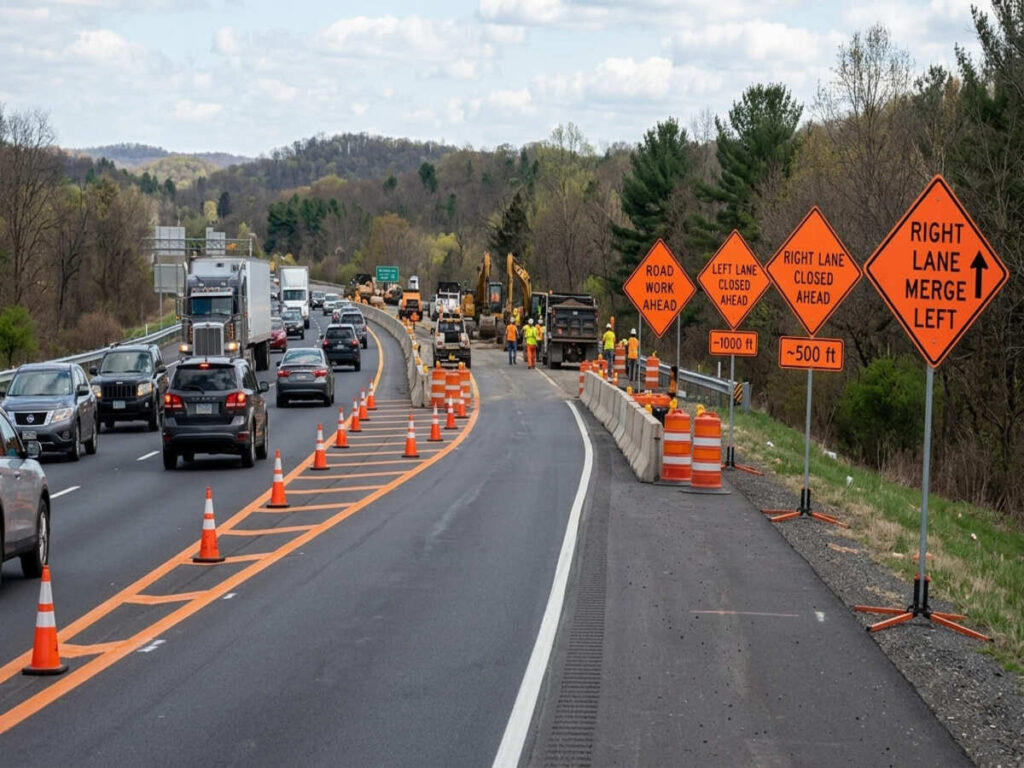
Perché la sostituzione della segnaletica DPI è una priorità in termini di conformità, Non un ripensamento di manutenzione
Ogni responsabile EHS si è imbattuto nello scenario in cui un'ispezione di routine dell'OSHA identifica un deterioramento, sbiadito, o segnaletica DPI strutturalmente compromessa in una zona di pericolo attivo. Lo stesso programma del PPE è valido. I registri della formazione sono completi. Ma il Sostituzione segnaletica DPI Il ciclo non è mai stato formalizzato – e ora c’è una citazione sul tavolo. Comprendere come il degrado della segnaletica innesca direttamente l'applicazione dell'OSHA è fondamentale per qualsiasi programma di sicurezza conforme. Per un quadro più ampio di segnaletica DPI, I responsabili EHS possono fare riferimento al guida completa materiali di copertura, posizionamento, e appalti.
La segnaletica degradata non è un problema marginale. Lo riferisce il Bureau of Labor Statistics 2023, circa 2.6 Nel settore privato sono stati registrati milioni di infortuni e malattie non mortali sul lavoro, con una comunicazione del pericolo inadeguata, compresi i guasti alla segnaletica, citato come un fattore che contribuisce in più settori industriali. Un segnale di sicurezza che i lavoratori non riescono più a leggere non avverte. Occupa semplicemente lo spazio mentre il pericolo che avrebbe dovuto segnalare rimane invisibile.
La posizione di applicazione dell’OSHA considera le condizioni della segnaletica come una misura diretta dell’integrità della comunicazione del pericolo di una struttura. Un ciclo proattivo di sostituzione della segnaletica di sicurezza dimostra diligenza. Un approccio reattivo – sostituire i segnali solo dopo che hanno visibilmente fallito – invita ad un esame che va ben oltre i segni stessi.
Cosa richiede effettivamente l'OSHA per la manutenzione della segnaletica di sicurezza
I requisiti OSHA per la manutenzione della segnaletica di sicurezza derivano da due fonti principali: la norma codificata a 29 Cfr 1910.145 e lo standard di consenso volontario ANSI Z535, che l'OSHA fa riferimento come punto di riferimento tecnico per la progettazione e la leggibilità della segnaletica.
29 Cfr 1910.145(UN)(1) impone che i segnali di pericolo vengano visualizzati solo dove esiste un pericolo immediato, che richiede implicitamente che i segni rimangano accurati e attuali. Un segnale lasciato sul posto dopo che un pericolo è stato risolto, o uno che non può più comunicare il suo avvertimento originario, diventa una responsabilità di conformità. 29 Cfr 1910.145(C)(1) richiede che i segnali siano conformi alle specifiche di progettazione dello standard. Quando il contrasto del colore o la leggibilità della legenda scendono al di sotto delle soglie ANSI Z535.1, il segno non è conforme.
Istruzioni OSHA CPL 02-01-058 afferma esplicitamente che i segni devono essere “mantenuto sempre in condizioni pulite e leggibili.” Questo linguaggio conferisce agli ispettori OSHA la chiara autorità di citare qualsiasi segnale, indipendentemente dall'età, che non supera il test di leggibilità il giorno dell'ispezione. Inoltre, dove uno standard specifico non affronta direttamente il degrado della segnaletica, L'OSHA invoca la clausola sui doveri generali (Sezione 5(UN)(1)) quando i segnali deteriorati creano un pericolo riconosciuto.
La tabella seguente illustra i principali requisiti normativi che determinano quando la sostituzione della segnaletica DPI diventa obbligatoria:
| Standard | Requisito | Meccanismo di applicazione |
| 29 Cfr 1910.145(UN)(1) | I segnali devono riflettere accuratamente in ogni momento i pericoli esistenti | Citazione sotto 1910.145 + Clausola di dovere generale |
| 29 Cfr 1910.145(C)(1) | I segnali devono essere conformi alle specifiche di progettazione per colore e legenda | Citazione diretta; segno non conforme = violazione |
| ANSI Z535.1 (2017) | Specifiche del colore: Rosso di sicurezza = Munsell 7.5R 4/14; Avvertimento = 5 anni 7/12 | Incorporato tramite riferimento; Strumento di applicazione dell'OSHA |
| ANSI Z535.4 (2017) | Altezza lettera min. 0.5″ per 5 ft distanza di visione | Norma di leggibilità; il testo degradato attiva la citazione |
| OSHA CPL 02-01-058 | I segni devono essere “mantenuto sempre in condizioni pulite e leggibili” | Documento guida per l'applicazione |
Durata della segnaletica di sicurezza per materiale: cosa mostrano i dati
La selezione del materiale al momento dell'approvvigionamento determina direttamente il ciclo di sostituzione della segnaletica di sicurezza. I responsabili EHS che comprendono le caratteristiche di durata di ciascun substrato possono costruire strutture difendibili, programmi di sostituzione basati sui dati invece di basarsi solo sull’ispezione visiva.
I seguenti parametri di riferimento sulla durata rappresentano la vita utile nel mondo reale in condizioni operative standard. La durata dichiarata dal produttore presuppone in genere ambienti controllati: la durata effettiva in ambienti industriali è inferiore del 20-30% a causa dell'esposizione ai raggi UV, contatto chimico, e usura fisica.
| Materiale | Durata della vita interna | Durata della vita all'aperto | Modalità di errore tipica |
| Vinile adesivo | 2–5 anni | 1–3 anni | Sollevamento dei bordi, Scolorimento UV |
| Alluminio (.040″) | 7–10 anni | 5–7 anni | Ossidazione superficiale, sbiadimento della stampa |
| Alluminio (.080″) | 10–15 anni | 7–10 anni | Danno fisico (ammaccature/impatto) |
| Polistirolo / PVC | 3–5 anni | 1–2 anni | Fragilità UV, deformazione |
| Fibra di vetro / FRP | 10–15 anni | 10–15 anni | Delaminazione sotto calore estremo |
| Fogli riflettenti | 7–10 anni | 5–7 anni | Perdita di retroriflettenza |
| Fotoluminescente | 5–7 anni | Non consigliato | Prestazioni di luminanza ridotte |
Gli intervalli di durata si basano sui dati prestazionali tipici del settore, comprese le linee guida della Federal Highway Administration e standard sui materiali come ASTM D4956. La durata effettiva può variare a seconda delle condizioni ambientali, Esposizione ai raggi UV, qualità dell'installazione, e pratiche di manutenzione.
I moltiplicatori ambientali influenzano in modo significativo queste cifre. Strutture con esposizione all'indice UV superiore 6, zone di schizzi di sostanze chimiche, cicli di temperatura inferiori a -20°F o superiori a 140°F, o ambienti con lavaggio ad alta pressione – comuni nella lavorazione alimentare – dovrebbero applicare una riduzione del 30-40% ai parametri di riferimento della durata di vita all’aperto. I cantieri edili presentano le condizioni di usura più aggressive; Sostituzione segnaletica DPI a intervalli di 1–2 anni è una pratica standard indipendentemente dal substrato.
Per un'analisi dettagliata di quali materiali offrono le migliori prestazioni in specifici ambienti industriali, Questo panoramica delle opzioni relative ai materiali per la segnaletica DPI fornisce le informazioni comparative di cui i manager EHS hanno bisogno nella fase di approvvigionamento.
Creazione di un programma di sostituzione della segnaletica di sicurezza: un quadro pratico
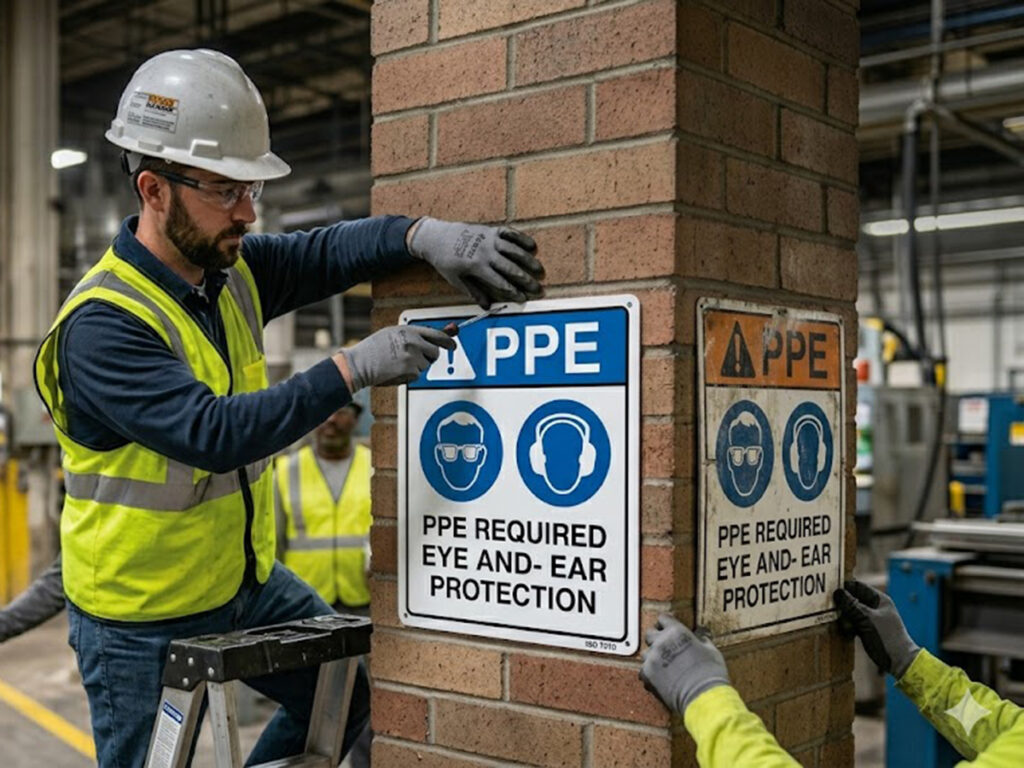
Un programma di sostituzione della segnaletica di sicurezza difendibile combina intervalli di ispezione programmati con dati sulla durata di vita basati sui materiali e criteri di sostituzione attivati dagli eventi. Il seguente quadro offre ai gestori EHS una struttura replicabile per qualsiasi tipo di struttura.
Fare un passo 1: Condurre una verifica dell'inventario completo dei segni
Catalogare ogni segnaletica DPI per ubicazione, materiale del substrato, data di installazione (se noto), e la condizione attuale su una scala da 1 a 5: 5 = pienamente conforme; 4 = lieve usura, nessuna azione richiesta; 3 = degrado moderato, sostituzione del programma; 2 = degrado significativo, sostituire all'interno 30 giorni; 1 = sostituzione immediata richiesta.
Fare un passo 2: Segni di livello per criticità
- Livello 1 (Critico): Zone di pericolo attivo: spazi confinati, quadri elettrici, stoccaggio chimico. Ispeziona ogni 30 giorni. Sostituire alla condizione nominale 3 o sotto.
- Livello 2 (Alto): Aree produttive ad alto traffico, Caricamento di dock, perimetri del magazzino. Ispezionare trimestralmente. Sostituire alla condizione nominale 2 o sotto.
- Livello 3 (Standard): Aree amministrative, zone a basso rischio. Ispezionare semestralmente. Sostituire alla condizione nominale 2 o sotto.
Fare un passo 3: Mappa la durata dei materiali sulle finestre sostitutive
Fare un riferimento incrociato alla tabella della durata nella sezione 3 con il substrato di ciascun segno. Pianificare la sostituzione in blocco prima della finestra di fine vita anziché dopo che il degrado sia visibile. Per segnaletica vinilica in ambienti esterni, è appropriata una finestra di sostituzione di 2 anni. Per .080″ alluminio negli ambienti interni, una finestra di 12 anni è difendibile.
Fare un passo 4: Definire la sostituzione attivata da eventi non negoziabile
- Qualsiasi segno in cui si trova la parola chiave (PERICOLO/AVVERTENZA/ATTENZIONE) è illeggibile
- Qualsiasi segnale in cui un pittogramma DPI obbligatorio sia mancante o irriconoscibile
- Nessun segno fisicamente distaccato, deformato, o a rischio di caduta
- Qualsiasi segnale che non riflette più le attuali condizioni di pericolo dopo una modifica del processo
- Qualsiasi segno danneggiato dall'esposizione chimica, fuoco, o alluvione
Fare un passo 5: Mantenere un registro di sostituzione per la preparazione all'audit
Ogni azione di ispezione e sostituzione richiede documentazione: firmare la posizione/l'ID, substrato e specifiche, data di ispezione, valutazione delle condizioni, azione intrapresa, data di sostituzione, e il nome dell'ispettore. Gli ispettori OSHA richiedono questi record durante la revisione dei documenti. Dimostrazione di strutture con registri strutturati “ragionevole diligenza” — un fattore che l'OSHA considera nell'attenuazione della sanzione (fino a 25% riduzione ai sensi delle linee guida OSHA sulle sanzioni in buona fede). (Fonte: https://www.osha.gov/penalties)
La lista di controllo per l'ispezione della segnaletica DPI: cosa cercare prima che lo faccia l'OSHA
La seguente lista di controllo in 12 punti rende operativi i criteri di conformità OSHA e ANSI Z535 in uno strumento pratico sul campo. Ogni articolo corrisponde a uno standard specifico.
- Controllo di leggibilità: È possibile leggere la legenda completa alla distanza di visione richiesta?? ANSI Z535.4 richiede un'altezza minima delle lettere pari a 0,5″ per 5 piedi di distanza di visione.
- Integrità del colore: Lo sfondo della parola di segnalazione soddisfa le specifiche Munsell? Pericolo: 7.5R 4/14 (Rosso di sicurezza); Avvertimento/Attenzione: 5Y 7/12 (Sicurezza Arancione/Giallo).
- Rapporto di contrasto: Il contrasto di luminanza tra testo e sfondo soddisfa il minimo ANSI Z535 di 3:1
- Integrità dei simboli: I simboli di sicurezza conformi alla norma ISO 7010 sono completamente intatti, non oscurato, e senza distorsioni?
- Condizione fisica: Ispezionare eventuali crepe, deformazione, delaminazione, ammaccature, forature, o segni di bruciatura.
- Condizioni dei bordi e degli angoli: Verificare la presenza di bordi staccati o sollevati (vinile); corrosione nei fori di montaggio (alluminio).
- Sicurezza del montaggio: Il segnale è montato saldamente a 60–65″ linea centrale al pavimento? (Altezza standard OSHA/ANSI all'altezza degli occhi)
- Visibilità/Ostruzioni: Nessuna attrezzatura, scaffalature, tubi, o materiali temporanei bloccano la facciata del cartello.
- Retroreflettività (se applicabile): ASTM D4956 Tipo I minimo = 70 cd/lux/m2 con angolo di osservazione di 0,2°.
- Prestazioni fotoluminescenti (se applicabile): Il cartello si carica adeguatamente in condizioni di illuminazione standard e mantiene la visibilità 90+ minuti post-illuminazione per ISO 17398.
- Precisione dei contenuti: Il segnale riflette accuratamente i pericoli attuali, Requisiti PPE, e formati di parole di segnalazione ANSI Z535 successivi al 2017?
- Documentazione: È la data dell'ispezione, valutazione delle condizioni, e il nome dell'ispettore registrati nel registro di manutenzione della struttura?
Vere violazioni OSHA che coinvolgono segnali di sicurezza degradati: strutture di penalità e modelli di rischio
L'OSHA classifica le violazioni dei segnali di sicurezza in base alla gravità, e la struttura delle sanzioni riflette il potenziale di danno. Comprendere i modelli di citazione aiuta i responsabili EHS a quantificare il rischio finanziario del differito Sostituzione segnaletica DPI decisioni.
Attuali soglie di sanzione OSHA (2026)
- Violazione non grave: Fino a $16,550 per violazione: generalmente applicato nelle aree a basso rischio
- Violazione grave: Fino a $16,550 per violazione: maggiore probabilità del massimo quando il segnale si trova in una zona di pericolo attivo
- Violazione intenzionale o ripetuta: Fino a $165,514 per violazione: attivato quando un modello di degrado del segno segue una citazione precedente senza un'azione correttiva
Fonte: https://www.osha.gov/penalties
Modelli di citazione comuni
Gli ispettori OSHA citano più frequentemente 29 Cfr 1910.145(C) quando i segnali non soddisfano più le soglie di colore o leggibilità. Negli ambienti di lavorazione chimica, la clausola sui doveri generali si applica quando la protezione degli occhi dei DPI o i segnali di pericolo chimico si degradano nelle zone di schizzi attivi. Criticamente, una violazione della segnaletica raramente è isolata: gli ispettori che segnalano segnali DPI degradati in genere espandono l'ambito dell'intero programma DPI nell'ambito 29 Cfr 1910.132, moltiplicando significativamente il potenziale conteggio delle citazioni.
Un modello di applicazione rappresentativo: un impianto di lavorazione alimentare ha ricevuto una citazione ai sensi della clausola sui doveri generali dopo che i segnali di protezione degli occhi DPI sono diventati illeggibili a causa dei ripetuti spray disinfettanti. Il costo di Sostituzione segnaletica DPI per la zona interessata: Sotto $300. La sanzione OSHA risultante: $11,625. Il rapporto - approssimativamente 39:1 — illustra il costo sproporzionato della manutenzione differita. I dati delle ispezioni di OSHA.gov confermano che questo modello si ripete in tutta la produzione alimentare, manipolazione chimica, e settori dell'edilizia.
Fonte: https://www.osha.gov/ords/imis/establishment.html
Decisioni di approvvigionamento che estendono il ciclo di sostituzione e riducono il costo totale di conformità
Il più conveniente Sostituzione segnaletica DPI la strategia inizia dall’approvvigionamento. Selezione del substrato, specifica dell'inchiostro, e la qualificazione del fornitore nel punto di acquisto determinano direttamente la durata di ciascun segnale prima che la sostituzione diventi obbligatoria.
Criteri di specifica che prolungano la durata della segnaletica
La selezione dei materiali e gli standard di specifica svolgono un ruolo fondamentale nel determinare la durata di servizio della segnaletica stradale e di sicurezza. Le linee guida del settore fornite dalla Federal Highway Administration e gli standard sui materiali come ASTM D4956 evidenziano diversi fattori chiave:
Sistemi di inchiostri resistenti ai raggi UV
Le radiazioni UV sono una delle cause principali dello sbiadimento dei colori e del degrado dei materiali nella segnaletica esterna. La documentazione tecnica di produttori come 3M e Avery Dennison indica che i sistemi di inchiostri stabili ai raggi UV migliorano significativamente la ritenzione del colore e la resistenza agli agenti atmosferici rispetto ai metodi di stampa digitale standard.
Sovrapposizioni protettive in laminato
Le pellicole sovralaminate forniscono un'ulteriore barriera contro l'esposizione ai raggi UV, umidità, e abrasione. Prodotti come la serie di laminati 3M Scotchcal 8518 sono valutati fino a 7 anni di durabilità all'esterno in condizioni di esposizione verticale, supportando una durata di servizio estesa in ambienti difficili.
Spessore del substrato in alluminio
In conformità con i principi di durabilità a cui fa riferimento la Federal Highway Administration, l'aumento dello spessore dell'alluminio migliora la resistenza alla deformazione, sollecitazione del carico del vento, e impatto fisico. I substrati di spessore maggiore sono generalmente specificati per installazioni a lungo termine o ad alta esposizione.
Conformità con ANSI Z535
Lo standard ANSI Z535 definisce requisiti coerenti per i colori di sicurezza, simboli, e formati di firma. La segnaletica precertificata supporta la conformità normativa, riduce il rischio di revisione, e garantisce l’allineamento ai requisiti di sicurezza sul lavoro.
Costo totale della conformità: 10-Confronto degli anni
Un approccio basato sui costi del ciclo di vita, in linea con i principi di gestione delle risorse dell'ISO (PER ESEMPIO., Iso 15686) e la Federal Highway Administration, dimostra che la durabilità dei materiali ha un impatto diretto sul costo totale di proprietà.
I materiali a basso costo come il vinile richiedono in genere cicli di sostituzione più frequenti a causa della durata limitata all'esterno. Al contrario, i sistemi di segnaletica a base di alluminio offrono una maggiore durata, riducendo la frequenza delle sostituzioni e il fabbisogno di manodopera associato.
Durante un periodo di valutazione di 10 anni, i progetti che utilizzano substrati durevoli generalmente ne traggono vantaggio:
- Ridotta frequenza di sostituzione dei materiali
- Minore manodopera di installazione cumulativa
- Maggiore coerenza nella conformità e nella visibilità
Questo approccio basato sul ciclo di vita favorisce costantemente l’alluminio per le installazioni fisse permanenti, mentre il vinile rimane appropriato per applicazioni temporanee, ambienti affittati, o luoghi che richiedono aggiornamenti frequenti dei messaggi.
Trasformare la sostituzione della segnaletica DPI in un programma di conformità proattivo
Sostituzione segnaletica DPI non è un compito di manutenzione che i responsabili EHS eseguono quando la segnaletica appare usurata. Si tratta di un programma di compliance strutturato con tre pilastri fondamentali: cicli di ispezione programmati, tempistiche di sostituzione corrispondenti ai materiali, e registrazioni documentate che dimostrano la diligenza organizzativa.
Il caso finanziario è chiaro. Una singola citazione OSHA seria per un segnale DPI degradato costa fino a $16,550. Un programma completo di sostituzione della segnaletica per la maggior parte delle strutture di medie dimensioni costa una frazione di quel costo annuo e genera prove documentate di buona fede che le linee guida sanzionatorie dell’OSHA premiano fino a 25% riduzioni. Può giungere una violazione intenzionale o ripetuta a seguito di una citazione precedente $165,514 per istanza. Nessun budget sostitutivo giustifica tale esposizione.
Il caso operativo è altrettanto chiaro. I lavoratori che non sanno leggere un segnale DPI non ricevono la comunicazione di pericolo che il segnale è stato progettato per fornire. La segnaletica degradata non crea solo rischi normativi, ma rappresenta un fallimento diretto del dovere della struttura di proteggere la propria forza lavoro.
Iniziare con la lista di controllo nella Sezione 5. Condurre un controllo dell'inventario di base all'interno 30 giorni. Assegnare valutazioni delle condizioni. Stabilire programmi di sostituzione a più livelli utilizzando i dati sulla durata di vita nella Sezione 3. Documenta ogni azione. Quella sequenza – ripetuta con coerenza – converte Sostituzione segnaletica DPI da onere reattivo a risorsa di conformità difendibile.
Domande frequenti: Sostituzione segnaletica DPI
Con quale frequenza l'OSHA richiede la sostituzione della segnaletica di sicurezza?
L'OSHA non prescrive un intervallo di sostituzione fisso. 29 Cfr 1910.145 richiede che la segnaletica rimanga sempre leggibile e mantenuta. La frequenza di sostituzione è determinata dalle condizioni. Le migliori pratiche combinano cicli di ispezione pianificati: mensili per livello 1 aree di pericolo, trimestralmente per le zone ad alto traffico, con parametri di riferimento sulla durata di vita basati sui materiali per stabilire un programma proattivo di sostituzione della segnaletica di sicurezza.
Cosa costituisce un segnale di sicurezza sbiadito: violazione dell'OSHA?
Un segnale che non soddisfa più le specifiche cromatiche ANSI Z535.1 Munsell, o la cui legenda è illeggibile alla distanza di visione richiesta, non è conforme ai sensi 29 Cfr 1910.145(C). L'OSHA può fare riferimento allo standard specifico o invocare la clausola generale sui doveri quando il segnale degradato crea un pericolo riconosciuto. Una violazione sbiadita del segnale di sicurezza OSHA può comportare sanzioni fino a $16,550 per segno nella classificazione seria.
Qual è la durata prevista della segnaletica di sicurezza DPI??
La durata della vita varia in base al substrato e all'ambiente. Vinile adesivo: 2–5 anni al coperto, 1–3 anni all’aperto. Alluminio standard (.040″): 7–10 anni al coperto, 5–7 anni all’aperto. Alluminio resistente (.080″): 10–15 anni al chiuso, 7–10 anni all’aperto. Fibra di vetro/FRP: 10–15 anni in ambienti difficili. La vita utile nel mondo reale è inferiore del 20-30% alle specifiche del produttore in ambienti industriali.
Può una struttura ricevere una citazione OSHA per un singolo segnale sbiadito??
SÌ. L'OSHA valuta ciascun segnale come un elemento di conformità distinto. Un singolo segnale non conforme in una zona di pericolo attiva in genere attiva una citazione grave. In modo ancora più significativo, un segnale segnalato di solito richiede una revisione più ampia dell’intero programma di segnaletica della struttura e della posizione di conformità dei DPI 29 Cfr 1910.132.
Cosa dovrebbe includere una lista di controllo per l'ispezione della segnaletica DPI?
Una lista di controllo conforme copre: leggibilità alla distanza di visione richiesta, integrità del colore rispetto alle specifiche Munsell, rapporto di contrasto, integrità del simbolo, condizione fisica, stato del bordo e dell'angolo, sicurezza crescente a 60-65″ altezza della linea centrale, visibilità/ostruzioni, retroreflettività (ove applicabile), prestazioni fotoluminescenti (ove applicabile), accuratezza del contenuto, e la documentazione dell'evento ispettivo.
In che modo il tipo di struttura influisce sul programma di sostituzione della segnaletica di sicurezza?
I cantieri edili richiedono una sostituzione aggressiva – cicli di 1-2 anni indipendentemente dal materiale – a causa dei raggi UV, polvere, e impatto fisico. Gli impianti di lavorazione chimica richiedono substrati resistenti agli agenti chimici e ispezioni più frequenti. Gli ambienti di lavorazione degli alimenti richiedono substrati idonei al lavaggio ad alta pressione. Gli ambienti amministrativi possono sostenere finestre di sostituzione più lunghe con un'adeguata selezione del substrato.
Qual è la differenza tra OSHA 29 Cfr 1910.145 e Ansi Z535?
29 Cfr 1910.145 è lo standard OSHA applicabile. ANSI Z535 è uno standard di consenso volontario che stabilisce le specifiche tecniche: valori di colore, soglie di leggibilità, requisiti dei simboli: che l'OSHA utilizza per valutare la conformità dei segnali. Un segnale che non rispetta le specifiche di colore ANSI Z535 è in genere non conforme alle norme 1910.145, fornire all'OSHA l'autorità di citazione attraverso la dottrina incorporata per riferimento.
Articoli correlati in questa serie
Pillole:
Segnali DPI: La guida completa alla conformità OSHA, Materiali, Posizionamento & Approvvigionamento
Grappolo:
Segnaletica di sicurezza DPI da costruzione resistente alle intemperie: Alluminio vs Corflute
Come scegliere i materiali giusti per la segnaletica dei DPI richiesti sul posto di lavoro