Партия кронштейнов приземляется на вашем причале с сертификатом, который гласит: “оцинкованный по ASTM A123” — нет оценки, нет года выпуска, нет данных измеренной толщины. Вы должны одобрить или отклонить его до того, как в понедельник мобилизуется монтажная бригада..
Угадайте неправильно, и следствие не бумажная волокита. Это коридор скобок, истекающих ржавчиной в течение года 8 вместо года 40, позиция с незапланированной заменой, и знак отказа, который превращает недостаток покрытия в иск о правонарушении, с вашей подписью на рассмотрении заявки..
В этом руководстве подробно описано, как оцинкованные кронштейны для вывесок и анодированный алюминий защищают от воздействия хлоридов на металлургическом уровне и соответствуют таблицам классов ASTM., тесты в солевых туманах, и контрольные точки сертификации для защиты любого решения в ходе аудита..
Почему химия поверхности, а не объем металла, определяет срок службы кронштейна
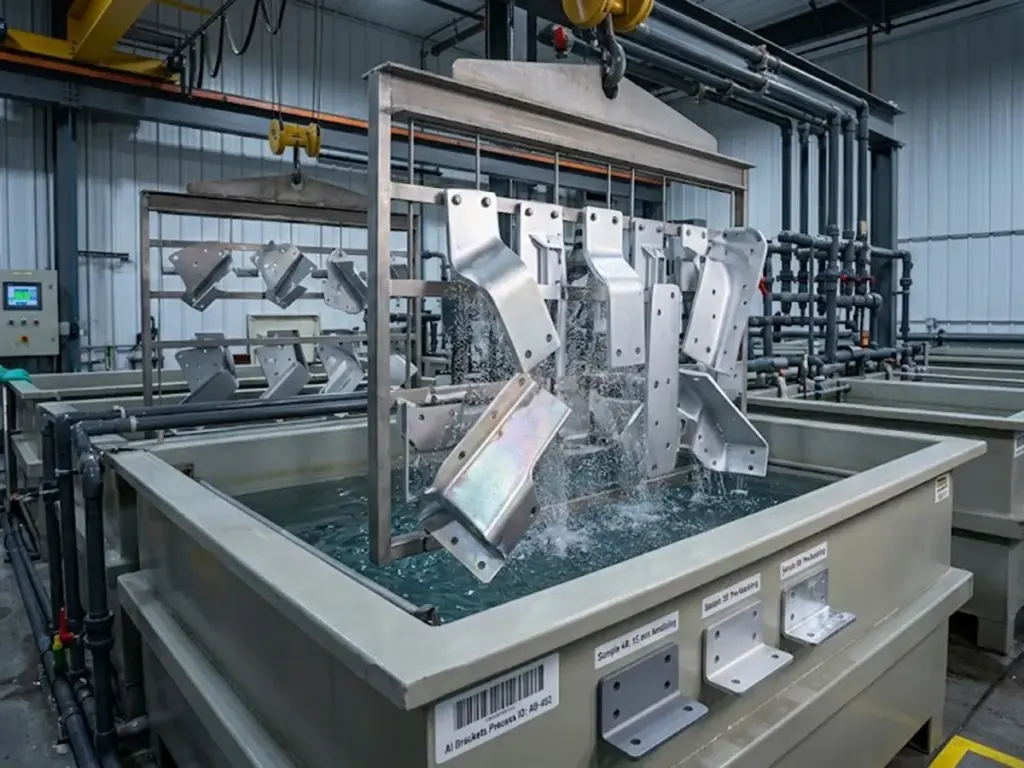
Жертвенные цинковые аноды против. Пассивные оксидные барьеры
Оцинкованные кронштейны для вывесок и кронштейны из анодированного алюминия не выходят из строя одинаково, потому что они по-разному защищают.
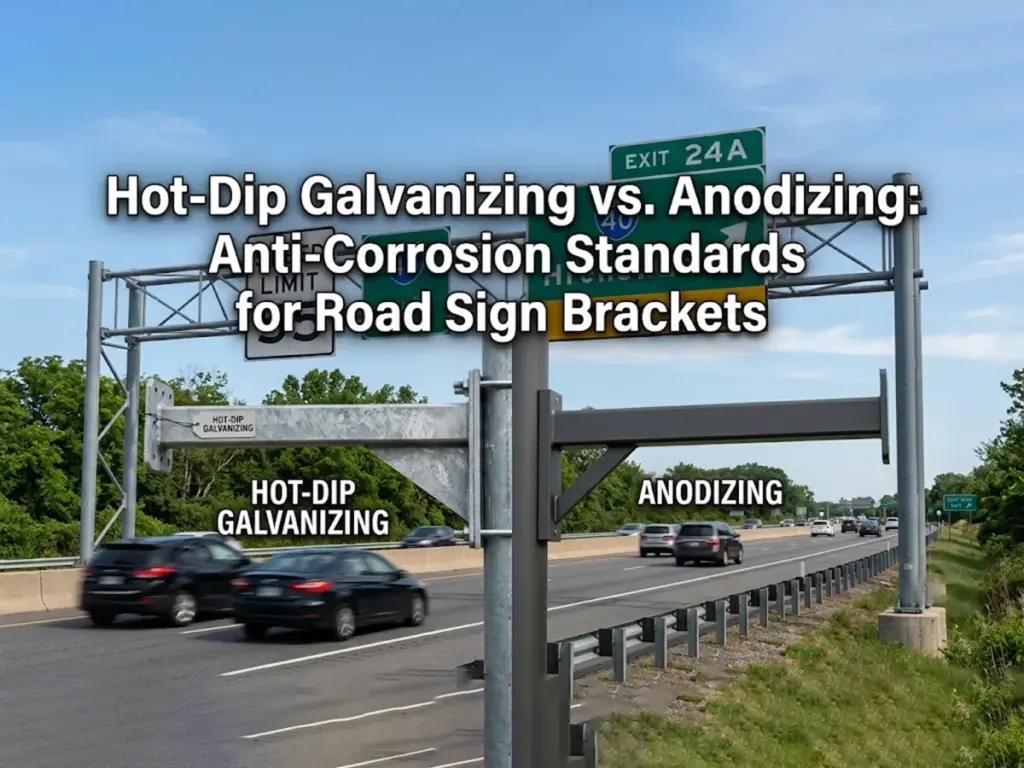
Горячее цинкование (HDG) создает электрохимически активную систему. В гальваническом ряду цинк находится выше железа., поэтому он преимущественно корродирует и защищает открытую сталь, к которой даже не прикасается.. Анодирование создает пассивный диэлектрический барьер — преобразованную пленку оксида алюминия, которая работает только там, где она остается неповрежденной..
Это различие определяет каждое последующее решение в этой статье.: жертвенные системы выдерживают нарушения покрытия; барьерные системы не.
Классификация придорожной коррозии по ISO 9223 Категория
Знаковое оборудование США сталкивается с тремя различными механизмами атаки:
- Всплеск рассола (0Зона –8 футов) — прямая загрузка хлоридов из опрыскивателя плуга
- Прибрежный аэрозоль — осаждение хлоридов из воздуха на морских коридорах
- Влажная-сухая езда на велосипеде — концентрация остаточных солей при замораживании-оттаивании в углублениях крепежа.
Согласно сводкам минерального сырья Геологической службы США, на противообледенительную обработку шоссе расходуется примерно 40% спроса на соль в США — порядка 17–20 млн тонн в год. Современные рассолы MgCl₂ и CaCl₂ усугубляют проблему.: они гигроскопичны, удерживает поверхностную влагу и продлевает время влажности намного дольше того, что производит одна каменная соль.
Что на самом деле проверяют специалисты по проверке соответствия
Ваша задача во время оценки предложений — сверка документов., не материаловедение. Большинство отказов обусловлено тремя недостатками в подаче заявок:
- Стандарт, цитируемый без оценки или класса.
- Вес покрытия (унция/фут²) заменен на указанную толщину (мил)
- Часы работы в солевом тумане указаны без каких-либо руководящих методов испытаний или подготовки образцов.
Внутри металлургической связи цинк-железо
Четырехслойный сплав и почему диффузионная сварка устойчива к истиранию
Горячее погружение оцинкованные кронштейны для вывесок без покрытия — они металлургически легированы. Погружение в расплавленный цинк при температуре примерно 830–850 ° F позволяет получить четыре отдельных слоя.:
| Слой | Композиция | Содержание железа | Твердость (ДПН) |
| Гамма | Fe₃Zn₁₀ | 21–28% | 250 |
| Дельта | FeZn₇ | 7–11,5% | 244 |
| Зета | FeZn₁₃ | 5–6% | 179 |
| И (свободный цинк) | Зн | — | 70 |
Слои сплава тверже, чем основная сталь. (базовая сталь ≈ 159 ДПН). Вот почему оцинкованные кронштейны для вывесок выжить, транспорт, и крутящий момент при установке вместо сколов, как при нанесенной лакокрасочной пленке. Цинк с гальваническим или механическим покрытием не имеет диффузионного слоя — отмечайте любую попытку замены в предложении..
Анодный оксидный рост на алюминиевых брекетах
Тип II против. Тип III: Архитектура и толщина пор
При анодировании алюминиевый кронштейн используется как анод в кислотном электролите., преобразование поверхности в гексагональный пористый оксид поверх тонкого барьерного слоя.
- Тип II (серная кислота): 0.1–1,0 мил типично
- Тип III (жесткое пальто): 0.5–4,5 млн, работать при более высокой плотности тока и более низкой температуре ванны
Одномерное примечание для механически обработанных кронштейнов: примерно половина фильма вырастает наружу, что смещает допуски отверстий и пазов.
Герметизирующая химия — настоящие ворота коррозии
Незапечатанная анодная пленка представляет собой губку с открытыми порами.. Коррозионная стойкость создается на этапе герметизации., не этап анодирования.
| Метод уплотнения | Механизм | Относительная стойкость к хлоридам |
| гидротермальный (кипящая вода/пар) | Гидратация бемита | Хороший |
| Ацетат никеля (среднетемпературный) | Закупоривание пор | Очень хороший |
| дихромат | Ингибирование хромата | Самый высокий (экологически ограниченный) |
Указание типа и класса в заявлении, но без указания пломбирования, является функционально неполным для эксплуатации, подвергающейся воздействию хлоридов..
Где пассивные барьеры разрушаются – без самовосстановления
Ионы хлорида вызывают точечную коррозию в порах., включения, и микротрещины при постоянной влажности. Щелевая коррозия развивается в местах соединения кронштейна со стойкой., шайбы лица, и зоны контакта ленточных зажимов, где обедняется кислород и концентрируются хлориды..
Решающая асимметрия: поцарапанный или просверленный анодный слой навсегда обнажает голый алюминий. Нет гальванического механизма компенсации..
Расшифровка спецификаций ASTM на цинкование: А123 и А153
В спецификациях ASTM по цинкованию толщина покрытия определяется по категории материала и толщине стали, а не по названию продукта.. Рецензенты должны подтвердить оценку, не просто стандарт.
ASTM A123 Категории материалов и классы покрытия
В таблице ниже сравниваются требования A123 по толщине стали., минимальная средняя толщина покрытия, и примерный вес покрытия.
| Толщина стали (Структурные формы/пластина) | Класс покрытия | Мин. Среднее. Толщина | Приблизительно. Вес покрытия |
| ≥ 1/4 в. | Оценка 100 | 3.9 мил (100 мкм) | 2.3 унция/фут² |
| ≥ 3/16 к < 1/4 в. | Оценка 75 | 3.0 мил (75 мкм) | 1.75 унция/фут² |
| ≥ 1/8 к < 3/16 в. | Оценка 65 | 2.6 мил (65 мкм) | 1.5 унция/фут² |
| < 1/8 в. | Оценка 45 | 1.8 мил (45 мкм) | 1.0 унция/фут² |
Две приемочные цифры постоянно путаются: минимальное среднее значение для образца по сравнению с минимумом для любого отдельного измерения. Оба должны быть выполнены.
Классы ASTM A153 для центрифугированного оборудования
Болты, ореховой, U-образные болты, шайбы, и ленточные зажимы подпадают под категорию A153., который определяет вес покрытия по классам — класс C охватывает крепеж более 3/8 в. диаметр (1.25 унции/фут² в среднем), Крышки класса D 3/8 в. и под (1.00 унции/фут² в среднем). Центрифугирование обеспечивает более низкие минимальные значения, чем элементы конструкции..
По резьбе подходит: нарезайте гайки после оцинковки, никогда не сдирайте покрытие с резьбы болтов. И следите за подачами материалов смешанного стандарта — кронштейны A123, собранные с несертифицированными крепежными деталями, делают крепеж вашей точкой отказа..
Перекрестные ссылки AASHTO и одобренный DOT язык жестового оборудования
В большинстве государственных спецификаций указаны обозначения AASHTO.:
ААШТО М111 ↔ ASTM A123
ААШТО М232 ↔ ASTM A153
Полный пакет также ссылается на A385. (дизайн), А780 (ремонт), А143 (охрупчивание), и А239 (Тест на однородность Preece). Язык позиции модели:
“Кронштейны должны быть оцинкованы горячим способом после изготовления в соответствии с ASTM A123/A123M-17., Оценка 100 минимум, проверено по ASTM E376. Крепежи согласно ASTM A153/A153M, Класс С. Сертификат гальванизатора с указанием измеренной толщины, необходимой при доставке.”
Как полностью интегрированный производитель дорожных знаков, выполняющий сквозную цепочку поставок — от необработанной подложки и покрытия до печати на заказ — мы выдаем сертификацию покрытия вместе с партией., не через несколько недель после. Запросите образцы сейчас!
Чтение обозначений MIL-A-8625 на кронштейнах для знаков из анодированного алюминия
Выбор типа и класса для наружного применения хлоридов
MIL-A-8625F регулирует кронштейны для знаков из анодированного алюминия в спецификациях США.:
| Тип | Электролит | Типичная толщина | Внешняя придорожная пригодность |
| я / ИБ | Хромовая кислота | 0.02–0,1 мил | Бедный (краска/аэрокосмическая промышленность) |
| IC | Нехромный | Тонкий | Ограничен |
| II | Серная кислота | 0.1–1,0 млн | Приемлемо, если запечатано |
| Iii | Жесткий анодный | 0.5–4,5 млн | Лучшее из доступных |
MIL-A-8625 требует герметичных покрытий, чтобы выдерживать 336 часы нейтрального соляного тумана ASTM B117 с точечной коррозией, ограниченной указанным количеством.
Сорт 1 против. Сорт 2: Коррозионная стоимость красителя
Сорт 1 не окрашен; Сорт 2 окрашен. Органические красители занимают объем пор, который в противном случае был бы закрыт., и системы окраски на оборудовании, обращенном к вывескам, выцветают под воздействием ультрафиолета. Эстетические требования могут незаметно ухудшить требования к коррозии..
Поддерживающий набор тестов ASTM
| Метод | Функция |
| АСТМ Б244 | Толщина вихревых токов на немагнитной подложке |
| АСТМ Б137 | Вес покрытия при снятии |
| АСТМ Б136 | Качество уплотнения красителей и пятен |
| АСТМ Б680 | Качество уплотнения, растворяемого кислотой |
Пройденный тест на герметичность предсказывает устойчивость к хлоридам лучше, чем просто толщина. Также обратите внимание, что анодирование дает сертификат соответствия процессора., не MTR на основе термообработки — отслеживание партии работает по-другому.
Совмещение времени, проведенного в условиях солевого тумана, с производительностью в полевых условиях
Результаты ASTM B117 и пределы их корреляции
В таблице ниже сравниваются системы покрытия по действующим стандартам., толщина, заявленная производительность B117, и наблюдаемый режим отказа.
| Система | Стандартный | Толщина | B117 Часы | Режим отказа |
| Тип II, запечатанный | МИЛ-А-8625 | 0.7 мил | 336+ | Локализованная питтинговая коррозия |
| Тип III, запечатанный | МИЛ-А-8625 | 2.0 мил | 336–1000 | Питтинг в местах повреждений |
| HDG-класс 100 | АСТМ А123 | 3.9 мил | 1,000+ | Равномерная потеря цинка |
| Дуплекс (HDG + пудра) | А123 + покрытие | 3.9 мил + 3 мил | 3,000+ | Сползание покрытия у писца |
Циклические испытания рассолов и коридоров замораживания-оттаивания
Для коридоров C4/C5, запрос циклических данных — ASTM G85 Приложение A5 (циклический туман с разбавленным электролитом), САЭ Дж2334 (автомобильный велосипед на рассоле), или АСТМ Д5894 (УФ/конденсат с туманом). Оцените ползучесть писца, краевая атака, коррозия выемки крепежа, и подрыв. Перекрестная проверка по AASHTO NTPEP или государственным спискам оценки продуктов..
От милов до лет: Расчет времени до первого обслуживания
Нормы потребления цинка по ISO 9223 Категория дает вам оправданный срок службы:
| Категория | Среда | Скорость потери цинка | Оценка 100 Жизнь |
| С2 | Деревенский | 0.1–0,7 мкм/год | 140+ годы |
| С3 | Городской | 0.7–2,1 мкм/год | 48–140 лет |
| С4 | Промышленный/рассол | 2.1–4,2 мкм/год | 24–48 лет |
| С5 | Морской | 4.2–8,4 мкм/год | 12–24 года |
Разделите толщину покрытия на скорость коррозии — пришло время первого технического обслуживания. (5% ржавчина подложки). Анодированный алюминий не имеет эквивалентной кривой., поскольку деградация представляет собой локальную вероятность точечной коррозии, в которой преобладает история повреждений, не равномерная скорость прореживания.
Выводы по планированию проверок: жертвенные системы выходят из строя постепенно и предсказуемо; барьерные системы выходят из строя локально и внезапно.
Осмотр, Обзор сертификации, и протоколы полевого ремонта
Проверка толщины покрытия при доставке (5 Шаги)
- Выберите правильный датчик — магнитный поток согласно ASTM E376 для цинка на стали.; вихревой ток согласно ASTM B244 для анодной пленки на алюминии.
- Калибровка по сертифицированным эталонным стандартам перед каждой партией.
- Возьмите необходимые показания для каждого испытуемого изделия и усредните их для получения результата образца согласно A123 §6..
- Определите партию и размер выборки в соответствии с правилами отбора проб A123..
- Дополнение A239 Preece для оценки однородности и адгезии, если указано..
Что включает в себя пакет защитной сертификации
Оцинкованная трасса: номер плавки и химический состав стали, отслеживаемость производства, сертификат гальванизатора с указанием марки А123 или класса А153, данные измеренной толщины, анализ ванны чайника при необходимости, и год пересмотра спецификации.
Анодированный маршрут: идентификатор сплава и отпуска, сертификат соответствия типу/классу MIL-A-8625, измеренная толщина согласно B244, и документированные результаты качества уплотнения согласно B136 или B680..
Как эти сертификаты генерируются на местах, описано в наш пошаговый процесс изготовления брекетов и контроль качества.
Полевой урон: ASTM A780 Ремонт по сравнению с. невосстанавливаемая пленка
ASTM A780 разрешает три маршрута ремонта оцинкованные кронштейны для вывесок — краска с высоким содержанием цинка, цинковый припой, и термическое напыление — с учетом подготовки поверхности и требований к толщине, и пределы площади на поврежденный регион.
Анодированные кронштейны не имеют аналогов. Пленка не подлежит восстановлению в полевых условиях.; подкраска ограничивается органическими покрытиями, которые не восстанавливают ни барьер, ни сертификацию.. Укажите отсутствие хранения в мокром штабеле и резку на месте после нанесения покрытия для обеих систем..
Подбор системы покрытия под коридор
Предотвращение гальванической связи в сборках из смешанных металлов
Пара появляется постоянно: кронштейны из анодированного алюминия, закрепленные фурнитурой из оцинкованной стали, или крепятся к оцинкованным стойкам и лентам.
Смягчение с помощью диэлектрических изолирующих шайб и втулок., герметик на контактных поверхностях, и осведомленность о соотношении площадей — маленький анод против большого катода — опасная конфигурация.. Детали, которые упускают большинство инженеров: дренажные пути, переносящие стоки с одного металла на другой, атакуют концентрат ниже шва.
Матрица выбора на основе коридора
| Профиль воздействия | Категория ИСО | Рекомендуемая система | Требуемые данные | Интервал проверки |
| Снежный пояс, брызги рассола | С4–С5 | HDG-класс 100 или дуплекс | Циклический + толщина | 5 годы |
| Прибрежный морской | C5–CX | Дуплекс HDG | G85 А5 | 3 годы |
| Засушливые внутренние районы | С2–С3 | Герметичный анод типа II/III | Б117 + испытание на герметичность | 7 годы |
| Городской нокдаун | C3–C4 | HDG (устойчивость к повреждениям) | Протокол А780 | 5 годы |
Тяжелая соленая вода и прибрежные брызги способствуют использованию устойчивых к коррозии кронштейнов для знаков, изготовленных с использованием жертвенного цинкования., потому что устойчивость к повреждениям преобладает. С низким содержанием хлоридов, установки, чувствительные к внешнему виду, — это те места, где правильно герметизированный анодированный алюминий работает хорошо..
Написание требований, которые выдерживают проверку закупок
Укажите стандарт плюс год редакции, сорт/класс, минимальная и средняя толщина, требование к уплотнению, методы испытаний, план выборки, и необходимые документы. Добавьте пункт о признании повреждения покрытия со ссылкой на A780, чтобы споры на местах разрешались заранее..
Химия покрытия – это один из этапов более масштабного решения. Для полного инжиниринга, долговечность, и нормативно-правовая база, лежащая в основе выбор подходящего материала брекетов для вашей программы, начните с полного руководства.
Часто задаваемые вопросы
Почему оцинкованные дорожные знаки ржавеют в первую очередь у линии заземления?
Линия земли концентрирует влагу, градиенты кислорода, и хлориды смыли пост, создание камеры дифференциальной аэрации, которая потребляет цинк быстрее, чем открытая шахта. Укажите более тяжелые сорта покрытия или дополнительную защиту ниже класса для этой зоны..
Требуют ли повторного цинкования просверленные в полевых условиях отверстия??
Маленькие просверленные отверстия защищены слоем цинка толщиной 1/8–1/4 дюйма.. жертвенная метательная сила и не нуждается в ремонте. Большие разрезы, подожженные концы, или сварные швы обнажают сталь за пределами этого диапазона и должны быть отремонтированы в соответствии с ASTM A780..
Коррозируют ли круглые телескопические стойки быстрее, чем плоские перфорированные стойки??
Форма поперечного сечения имеет меньшее значение, чем управление водными ресурсами.. Квадратные телескопические трубы и перфорированные каналы улавливают стоячий рассол внутри., поэтому дренажные отверстия и вентиляционная конструкция A385 предсказывают производительность лучше, чем геометрия.
Является ли белая ржавчина основанием для отказа?
Белая ржавчина — это пятно, возникающее при влажном хранении в результате окисления цинка без воздействия CO₂., и, как правило, это не является причиной браковки согласно ASTM A123 — при условии, что измеренная толщина по-прежнему соответствует указанному классу при проверке согласно ASTM E376..
Могут ли кронштейны из анодированного алюминия монтироваться непосредственно на оцинкованные стойки.?
Они могут, но прямой контакт в хлоридной среде создает гальваническую пару, ускоряющую атаку интерфейса. Укажите диэлектрическую изоляцию, совместимые покрытия для крепежа, и направление стока в монтажной детали.
Ссылки
АСТМ А123/А123М — Цинк (Горячая оцинковка) Покрытия на изделиях из железа и стали
АСТМ А153/А153М — Цинковое покрытие на железном и стальном оборудовании
МИЛ-А-8625F — Анодные покрытия для алюминия и алюминиевых сплавов
АСТМ Б117 — Практика эксплуатации аппарата для распыления соли
АСТМ А780/А780М — Ремонт поврежденных горячеоцинкованных покрытий
АСТМ G85 — Практика испытаний модифицированного солевого тумана
Национальный информационный центр по минералам Геологической службы США — Статистика и информация по соли