導入: オーストラリアの商業コンプライアンスのための最新の交通鎮静化
産業施設や商業施設は、車両の速度が制御されていないため、重大な安全上のリスクに直面しています. 職場での輸送事故は依然としてオーストラリアの産業部門における重傷の主な原因となっている. サイト管理者は資産を保護するために堅牢なインフラストラクチャを導入する必要がある, 労働者, と歩行者. 高品質の交通鎮静装置を設置することで、これらの重要な安全上の課題を効果的に解決できます.
この包括的なガイドはオーストラリアの B2B 調達部門に役立ちます. 私たちは規制遵守に重点を置いています, 材料の選択, そして敷地計画. 不動産管理者は正しい選択を学びます スピードバンプ 道路のリスクを軽減するために.
トラフィック管理の失敗による高いコスト
標準以下の交通管理は高額な車両損害と重大な法的責任につながる. フォークリフトや大型商用車は、安全に動作するために制御された環境が必要です.
- 衝突により高価なインフラが損傷, 在庫, そして資産を構築する.
- 野放しのスピードで車両の修理費が増加し、運営予算が急速に流出.
- 負傷した歩行者は、不動産所有者に対して高額のコモンロー法による賠償請求を頻繁に起こす.
大型機器への先行投資 スピードバンプ オーストラリアでは、これらの壊滅的な経済的損失を防ぐことができます. 安全なインフラ設計により、予測可能な交通の流れが生まれ、舗装の摩耗が軽減されます.
オーストラリア安全労働ガイドラインに準拠する
Safe Work Australia は職場の交通管理に関する厳格な規則を定めています. 職場の交通管理に関する一般ガイドでは、歩行者と車両を明確に分離することが求められています.
不動産所有者は、合理的に実行可能な限り交通リスクを排除しなければなりません. 視認性の高いイエローとブラックを採用 スピードバンプ 即時のコンプライアンスを保証します. これらの垂直方向偏向装置は、看板だけでは対応できない場合でもコンプライアンスを強制します。. 適切なスピードハンプの設置により、ドライバーに危険性の高い横断歩道ゾーンを視覚的に警告します.
米国労働統計局によると, 車両衝突による労働者の負傷は依然として世界的に主要な産業上の危険である. 代理店の最近の様子 2025 国勢調査によると交通事故が原因であると報告されている 37% すべての死亡労働災害のうち (データは https で入手可能://www.bls.gov/iif). オーストラリアの産業運営はこれらのリスクを反映しています, 物理的な速度の軽減を交渉の余地のない安全要件にする.
スピードバンプ vs. スピードハンプ: 主な技術的な違い
調達担当者はよく用語を混同します “バンプ” そして “こぶ。” この言語上の混乱は、誤った製品選択や不適切な交通規制につながります。. 間違ったジオメトリを選択すると、スピード違反の問題を解決できず、車両の損傷が増加します.
正確なエンジニアリングプロファイルを理解することで、これらの運用上の問題が解決されます。. スピードバンプ 急減速に対応したアグレッシブなデザインが特徴です. 通常、高さは 75mm ~ 100mm、幅は 300mm ~ 900mm です。. このコンパクトな設置面積により、ドライバーは時速 2 ~ 5 km まで急減速する必要があります。.
対照的に, 速度のハンプにより、より穏やかな移行が可能になります. 高さは 50mm ~ 75mm ですが、最大で伸びます。 3.7 幅メートル. この幅広のデザインにより、車両速度は 15 ~ 25 km/h までスムーズに低下します。. エンジニアリングプロファイルと動的たわみ率を評価する場合, を探索する スピードバンプ vs. スピードハンプ: 主な技術的な違い 正確な耐荷重データと幾何学データを提供します.
プロファイルの形状と速度の低減
デバイスの断面は車両の物理学とドライバーの不快感に直接影響します。. メーカーは放物線を設計します, 正弦波, 特定の速度目標に合わせたフラットトッププロファイル.
- 放物線状のプロファイルが突然の垂直方向の加速を生み出し、スピード違反のドライバーを抑止します。.
- 正弦波プロファイルにより、クリアランスの低い乗用車のスムーズな立ち上がりを実現.
- フラットトップのプロファイルにより、接地せずにホイールベースの長い商用車に適合します.
スピードバンプの急な面は、高い運動エネルギーを車のサスペンションに伝達します。. 目標速度を超えるとドライバーは深刻な不快感を感じる. 適切なスピード バンプとスピード ハンプの分析により、コストのかかる車両の足回りの衝撃を防止します。.
ゾーニングの選択肢: 公道 vs. 私有商業財産
交通量とゾーニング法によりデバイスの配置が決定される. 公道と私有駐車場では、まったく異なる交通鎮静化戦略が必要です.
オーストラリアの議会は制限を設けています スピードバンプ 公共交通機関のバスを妨害するため、道路上では. 地元の道路管理者は、安定した交通の流れを維持するために、公共交通機関の道路に速度のハンプを設けることを好みます。.
民間商業施設の活用 スピードバンプ 危険性の高い歩行者ゾーンを保護するために. フォークリフトの荷積みドックと倉庫の入り口には絶対的な速度抑制が必要です. コマーシャルの展開 スピードバンプ これらのゾーンでは死角衝突から作業者を保護します.
最近の交通データは、適切な速度ゾーニングの世界的な影響を浮き彫りにしています. 米国運輸省の研究により、物理的な垂直方向偏向装置が住宅衝突事故を大幅に減少させることが確認されています。 (データは https で入手可能://www.transportation.gov). 適切な配置により、レイアウトの問題が事故を引き起こす前に解決されます。.
オーストラリアの基準におけるスピードバンプの標準的な高さはどれくらいですか?
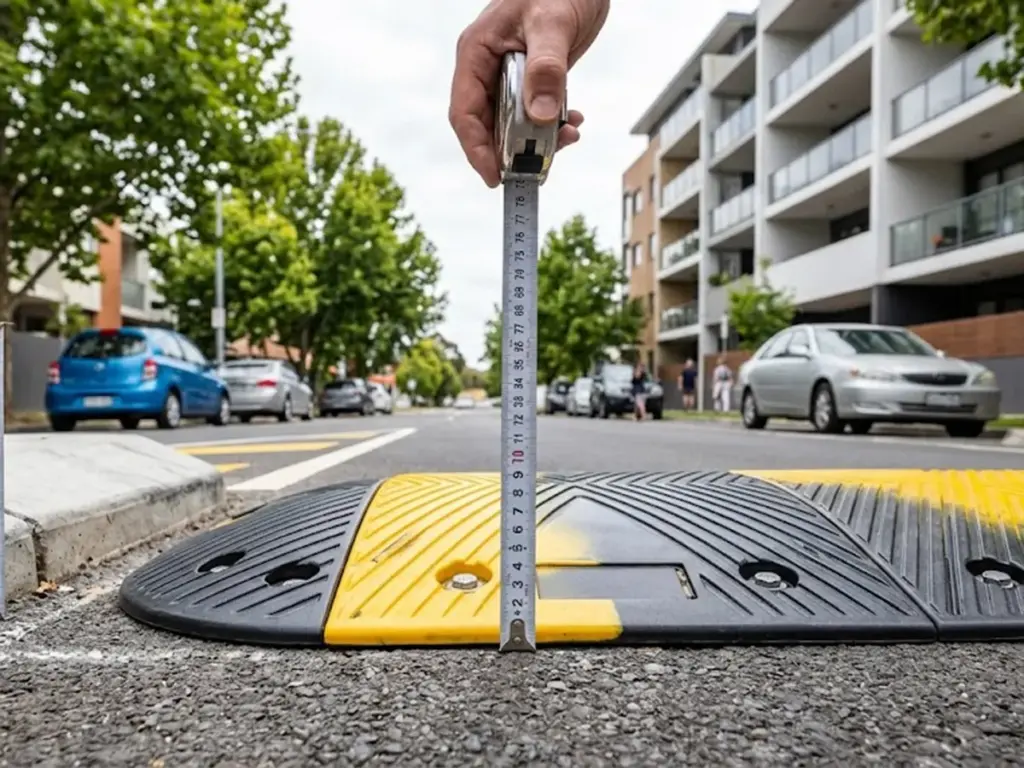
国家製造基準への準拠により、民間請負業者を高額な訴訟から保護. オーストラリアの基準では、すべての交通管制設備の正確な測定が義務付けられています.
路外駐車施設の主な規制ベンチマークは AS2890.1 です。:2004 (路外駐車場). この規格は、タイプの設計パラメータを規制します。 2 速度のハンプを明示的に示す.
法律により、これらのデバイスの高さの最大制限は 75 mm と定められています. また、車両の接地を防ぐために、デバイスは特定の断面寸法を備えている必要があります。.
さらに, 指定された車椅子用通路やアクセシブルなルートを越えてこれらのデバイスを配置することはできません. これらの高さの基準を遵守しない場合、地方自治体による厳しい罰則が科される可能性があります。. 州ごとの変動を局所的に内訳する場合, に関するガイドを確認してください スピードバンプ規制 & 基準: オーストラリアと駐車場の要件.
路外駐車場の AS2890.1 準拠について
資産管理者はオーストラリアの建築基準に基づく民事上の責任を理解する必要があります. AS2890.1:2004 句 4.6 不動産所有者は安全な交通環境を提供する必要がある.
準拠していない設置により、商業用不動産の所有者に巨額の金銭的負債が生じる. 特大サイズ スピードバンプ 車の排気システムやフロントバンパーを頻繁に損傷する.
もしあなたの スピードバンプ オーストラリアでの設置は標準仕様に違反しています, 高額な過失訴訟に直面することになる. 国家法に従うことで、不動産所有者は法的に防御可能な立場を維持できるようになります.
高さの最大許容値と幅のレイアウト ルール
標準の 75mm の高さ制限により、標準乗用車に最適な速度規制が提供されます。. しかし, 重工業現場では特殊なレイアウト計画が必要になることがよくあります.
請負業者は、敷地全体にわたるデバイスの間隔を慎重にマッピングする必要があります. デバイスを離しすぎるとドライバーが急速に加速します.
- コマーシャルのスペースを空ける スピードバンプ 10 に 15 最大速度制御のためのメートル間隔.
- デバイスの幅が排水用に両側に 300 mm の空き溝スペースを残していることを確認してください。.
- 視認性の高い黄色と黒を設置 スピードバンプ ドライバーに事前に警告する.
ニューサウスウェールズ州交通局のような州機関は、公共アクセスレーンに同様の高さの規則を施行しています。. 彼らのガイドラインでは、突然の標高の変化は標準のサスペンション制限を超えてはいけないと規定されています.
米国の高速道路当局による最近の研究では、高さを統一することで車両のメンテナンス費用が削減されることが確認されています。. 連邦道路局のデータによると、標準化された速度規制により物的損害に関する紛争が減少していることが明らかになりました。 40% (データは https で入手可能://Highways.dot.gov). これらの仕様に従うと企業の収益が保護されます.
適切な材料プロファイルの選択: ゴム vs. プラスチック vs. 鋼鉄
調達マネージャーは購入前に材料のライフサイクルを評価する必要があります スピードバンプ. 間違った材料を選択すると、メンテナンス費用が増加し、テナントから騒音に関する苦情が発生することがあります。.
最大限の耐久性を確保するには、さまざまな運用環境に応じた特定のモジュール構成が必要です. 再生ゴムは音を完全に吸収し、高い摩擦係数を提供します。. 直鎖状低密度ポリエチレン (LLDPE) プラスチックは過酷な紫外線や化学物質に効率的に耐性があります. 頑丈なスチールは産業機械の極端なアクスル重量にシームレスに耐えます.
材料の選択は、長期的なメンテナンスの経費に直接影響します。. の運用評価をお読みください。 スピードバンプの材質 & インストール: ゴム vs. プラスチック vs. 鋼鉄 不動産タイプのライフサイクル ROI を決定する.
静かな商業ゾーン向けのモジュール式リサイクルゴム
複合用途の小売開発には効果的な騒音減衰インフラストラクチャが必要です. 従来の固体バリアは、車両がバリアを通過するときに大きな構造振動を発生させます。.
モジュール式リサイクルゴムは標準的な商用車の荷重下でわずかに圧縮します. この圧縮により衝撃エネルギーが吸収され、不快なカタカタ音を排除します。.
さらに, 高摩擦表面は、オーストラリアの冬の雨季でもタイヤの滑りを防ぎます。. 施設管理者はゴムモジュールを使用して騒音の苦情と安全性の問題を同時に解決します.
産業・物流施設用高耐久鋼材
物流ヤードや工場現場では、毎日大量の B-ダブルトラックの交通量が処理されています. 軽量素材は、このような強い機械的力を受けるとすぐに粉々になります。. 高張力鋼製スピードデバイスは、亀裂を生じることなく、繰り返しの重い車軸の衝撃に耐えます。. 内部構造リブにより、極端な車両重量が舗装路床全体に均等に分散されます。.
請負業者は、高応力ゾーンでインフラが頻繁に交換されるのを防ぐために頑丈な鋼材を使用しています。. 適切な速度でハンプを設置するには、永続的な安定性を確保するための堅牢な機械式アンカーが必要です.
米国連邦道路局は産業資産のパフォーマンスを注意深く監視しています. 彼らの最近の 2025 インフラ資産報告書には、頑丈な鋼製コンポーネントにより舗装の寿命が延ばされると記載されています。 25% 高負荷の輸送ゾーンで (データは https で入手可能://Highways.dot.gov). 鋼材設計の導入により、重工業輸送通路を効果的に保護します.
商業用スピードバンプの位置と敷地レイアウトの設計
土木技術者は効果的な速度削減を達成するために交通レイアウトを正確に計画する必要があります. 不適切に設置されたデバイスはスピード違反のドライバーを制御できず、危険な加速ゾーンを作り出します.
単一のデバイスでは大規模な工業用地全体の速度違反の問題を解決できない. エンジニアはサイト全体にわたって標準的なエンジニアリング配置間隔を確立する必要があります. スペーシングデバイス 40 に 60 メートル間隔をあけると、低い連続車両速度が効果的に維持されます.
さらに, 運転者は、接近するドライバーに事前に警告するための規制標識を設置する必要があります. レイアウト設計には、最小限の位置に警告標識を含める必要があります。 30 装置の数メートル前. この事前警告により、ドライバーは安全に減速するのに十分な距離が得られます。.
連続速度制御のための間隔の計算
孤立した設置物は、商用道路に危険なレーシングトラック効果を生み出します. ドライバーは障害物の手前で急ブレーキを掛け、障害物の直後に急加速する.
数学的な加速プロファイルは、ドライバーが一定時間以内に最高速度を取り戻すことを証明しています。 30 メーター. 間隔設計によりユニット間の平均速度を継続的に制御.
- 初進入速度に基づいて必要な車両の減速距離を計算します.
- 加速曲線内に連続するユニットを配置して、ピーク速度を制限します.
- フォークリフト輸送レーンの最大間隔間隔を厳密に 45 メートルに維持する.
このリズミカルなレイアウトにより、ドライバーは安定した状態を維持することが求められます。, 安全な這うペース. 戦略的なスピードバンプ位置により、高速加速のバーストを完全に排除.
必須の標識と MUTCD 準拠ラインのマーキング
視界不良は夜間の重大事故を引き起こし、物的損害賠償請求の増加につながる. コンプライアンスには、あらゆるアプローチにおいて視認性の高い警告システムが必要です.
統一交通管制装置マニュアル (mutcd) 正確な警告標識の基準を規定する. セクション 2C.29 では、W5-10 スピード バンプ警告標識の使用が義務付けられています。.
- W5-10 標識を設置して、今後の垂直方向の変化を運転者に警告します.
- クラスを使用します 1100 再帰反射シートを採用し夜間の視認性を確保.
- 黄色と黒を塗る スピードバンプ 市松模様の舗装標識がはっきりと表示されている.
MUTCD パート 3 舗装進入面に再帰反射ラインマーキングが必要. 鮮やかな黄色と黒 スピードバンプ 遠くからでもヘッドライトをキャッチ. 適切な標識は事故が起こる前に視認性の問題を解決します.
最近の交通安全評価は、危険を適切に認識することの世界的な重要性を浮き彫りにしています. 米国連邦道路局の報告によると、準拠した再帰反射標識により、夜間の資産衝突が軽減されます。 28% (データは https で入手可能://Highways.dot.gov). 厳格な MUTCD 基準の実装により、歩行者とドライバーを効果的に保護します.
民事責任の対処: 道路交通法と私有地の設置
不動産管理者は、速度緩和インフラを導入する前に、複雑な交通法を順守する必要がある. Installing unauthorized traffic barriers creates massive legal exposure for businesses.
Property owners hold a strict duty of care under Australian common law. You must ensure traffic management systems do not create unmanaged safety hazards. Poorly planned installations frequently injure motorcyclists or damage low-clearance vehicles.
Unauthorized installations on public roads can result in severe council fines and mandatory removal orders.
Installation Authorization on Public Roads vs. Private Land
Local municipal councils maintain absolute jurisdiction over all public road networks. Citizens cannot legally modify public street infrastructure independently.
Altering a public road without council engineering sign-off violates state transport acts. 例えば, the New South Wales Roads Act 1993 セクション 138 explicitly prohibits unapproved road work. この条項は、公道上の許可されていない建造物に対する厳しい罰則を義務付けています.
逆に, 民間の商業開発により私有地への独立した設置が可能. 管理者がインストールできる スピードバンプ, オーストラリア認定モデルは市議会の許可なしに私有地内にある. しかし, プライベートレイアウトは依然として国の安全性およびエンジニアリングガイドラインを満たしている必要があります.
リスクの管理, 人身傷害, および車両損害賠償請求
準拠していない速度のハンプにより、商業運営は多額の費用がかかる公的責任訴訟にさらされることになる. 運転者は違法な衝突による車両の構造的損傷で訴訟を起こすことができる.
- 標準商用 スピードバンプ 車両のシャーシを保護するために正確な高さ制限に従う必要があります.
- スピードハンプの設置プロジェクトごとに明確な警告標識を必ず伴うようにする.
- 軽薄な傷害請求を無効にするために、エンジニアリング基準の順守を文書化します。.
準拠したインフラストラクチャは、企業が車両速度の危険を積極的に管理していることを証明します. この事前の安全性文書により、保険料が削減され、企業の訴訟リスクが軽減されます。.
最近の法的データは、準拠した交通機器が財産紛争を減らすことを証明しています. 米国道路交通安全局は、標準化された交通鎮静レイアウトにより、局所的な物的損害訴訟が減少すると報告しています。 35% (データは https で入手可能://www.nhtsa.gov). 認定システムをインストールすると、高額な費用がかかる法廷闘争から企業を守ります。.
従来の交通鎮静システムに代わる革新的な代替品
ハイエンドの商業施設では、美的および操作上の欠点により、標準的な垂直バリアが拒否されることがよくあります。. 物理的な凹凸が路面の排水を妨げ、車高の低い車両をこすります.
現代の不動産開発者は、自然のままの不動産の美しさを維持するために、非侵襲的な速度制御方法を必要としています. 光学的および心理的な速度抑止力により、これらの特定の商業施設レイアウトの課題を解決します.
3D ビジュアル ジオメトリがドライバーの奥行き知覚を効果的に変える. これらの設計は、物理的な影響を与えることなく、平均車両速度の 10 ~ 15% の低減を達成することが実証されています。.
物理的な障壁が車高の低い車両や産業用フォークリフトの運用上の問題を引き起こす場合, 視覚的な交通鎮静化手法の導入は、非常に効果的な代替手段を提供します. 詳細な分析を読んで、これが実際にどのように機能するかを確認してください。 “ドラゴンの歯” 3Dロードマーキング: 交通安全のための革新的な視覚設計.
視覚的な交通鎮静化: 3D 錯視マーキングの力
錯視道路標識はドライバーの心理を利用してスピード違反の危険を安全に軽減します. 人間の脳は平面的に認識します, 三角形のパターンを固体の 3 次元ブロックとしてペイント.
この奥行き知覚の錯覚により、ドライバーは危険が迫る前に本能的にブレーキをかけることになります。. 現代の建築設計フレームワークでは、騒音の多い鉄製スピードバンプ設置よりもこれらのソリューションが好まれています。.
さらに, これらの視覚システムは、企業の職場の健康と安全の設計ポリシーに完全に準拠しています。. ドライバーや車両に不快な物理的衝撃を与えることなく、効率的に交通を遅らせます。.
仮想を導入する場合と導入する場合. 物理的な速度制限
施設管理者は、交通制御システムを選択する前に、特定のサイト変数を評価する必要があります. 排水能力と定期的な清掃ルーチンが製品の選択を決定します.
- 地表水が溜まって財産の安全性が脅かされる場所に視覚的なマーキングを展開します。.
- 従来のものを使用する スピードバンプ 絶対的な物理速度の制限が引き続き重要な場合.
- 適切な周囲照明がない暗い工業地帯に物理的バリアを設置する.
この包括的なフレームワークは、最終的なコマーシャルとして機能します。 スピードバンプ スマートなB2B調達のためのピラーガイド. 光学マーキングと物理的バリアのバランスをとることで、最新のビジネスパークの安全性を最適化します.
最近の交通データは心理的交通制御システムの戦略的統合を裏付けています. 米国連邦道路局は、光学マーキングパターンが都市部の交差点進入速度を以下のように低下させることを確認しています。 12% (データは https で入手可能://Highways.dot.gov). 視覚的なインフラストラクチャを導入すると、物理的な設備のメンテナンス費用をかけずに資産を保護できます.
B2B トラフィック管理調達の概要チェックリスト
B2Bバイヤーはコンプライアンスを優先する必要があります, 材料適合性, すべての土木プロジェクトにわたる専門的な設置. この簡潔なチェックリストは、オーストラリアの商業施設向けの主要な技術調整プロトコルをまとめています。. このフレームワークを最終的なコマーシャルとして使用してください スピードバンプ 現場の安全性を最大限に確保するピラーガイド.
- すべての製品の寸法が AS2890.1 と完全に一致していることを確認します。:2004 エンジニアリング要件.
- 騒音を軽減する静かな商業駐車場には、耐久性のある再生ゴムモジュールを選択してください.
- 物流ヤードでの頻繁な連結車両の通行に耐えられるよう、頑丈なスチール製モジュールを選択してください。.
- 正確なスピードバンプの位置をマッピングして、以下の一貫した交通ペースを維持します。 25 km/h.
- MUTCD に準拠した警告標識の横に、視認性の高い黄色と黒のスピード バンプを設置します。.
- モジュール式コンポーネントが交通負荷が大きいときに緩むのを防ぐために、半年に一度のファスナー検査をスケジュールします。.
よくある質問 (よくある質問)
スピードバンプを意味する専門用語は何ですか?
構造工学および土木計画の枠組みにおける, 包括的な技術カテゴリは、交通鎮静装置または垂直方向偏向モジュールです。. オーストラリアの公式規格内 (AS2890.1), それらは明示的にタイプとして分類されます。 2 スピードハンプ.
オーストラリアの道路規則の下で、スピードバンプに駐車できますか??
いいえ. オーストラリアの標準道路規則に基づく (規制 208), 車両は交通鎮静装置の上で停止または駐車してはなりません, スピードハンプ, または、地方自治体の駐車場によって明示的にマークされていない限り、高架交通島のすぐ近くにある, そうすることで視界が妨げられ、重大な衝突の危険が生じます。.
商用駐車場では、法的にスピードバンプはどのくらいまで上がることができますか?
AS2890.1によると:2004, 路外駐車場における速度抑制装置の法定高さの絶対最大値は 75mm です。. この高さを超える装置はコンプライアンス規定に違反する危険性があり、不動産所有者が車台の損傷に対する賠償責任を負う可能性があります。.
車が商用のスピードバンプをあまりにも速く通過するとどうなるか?
車両が高速走行中に 75 ~ 100 mm のスピード バンプに衝突した場合, サスペンションストラットは急速に変化します, 非減衰圧縮. これはすぐに底打ちにつながる可能性があります, 構造的な位置合わせの失敗, 穴が開いたオイルパン, そしてショックアブソーバーが飛んでしまった, 局所的な騒音公害を大幅に増加させながら.
私道用のモジュール式プラスチックまたはゴム製スピードバンプには議会の承認が必要ですか??
道路が厳密に私有地として分類されている場合 (例えば。, 国内の商業工業団地または私有地), 通常、議会の承認は必要ありません, 設置が AS2890.1 設計標準に準拠している場合. しかし, 道路が公共ネットワークに直接接続しているか、公共地役権上にある場合, 市議会全員のエンジニアリング承認が必須です.
参照
As/nzs 2890.1:2004, 駐車場設備 – 路外駐車場
セーフワークオーストラリア, 職場の交通管理に関する一般ガイド