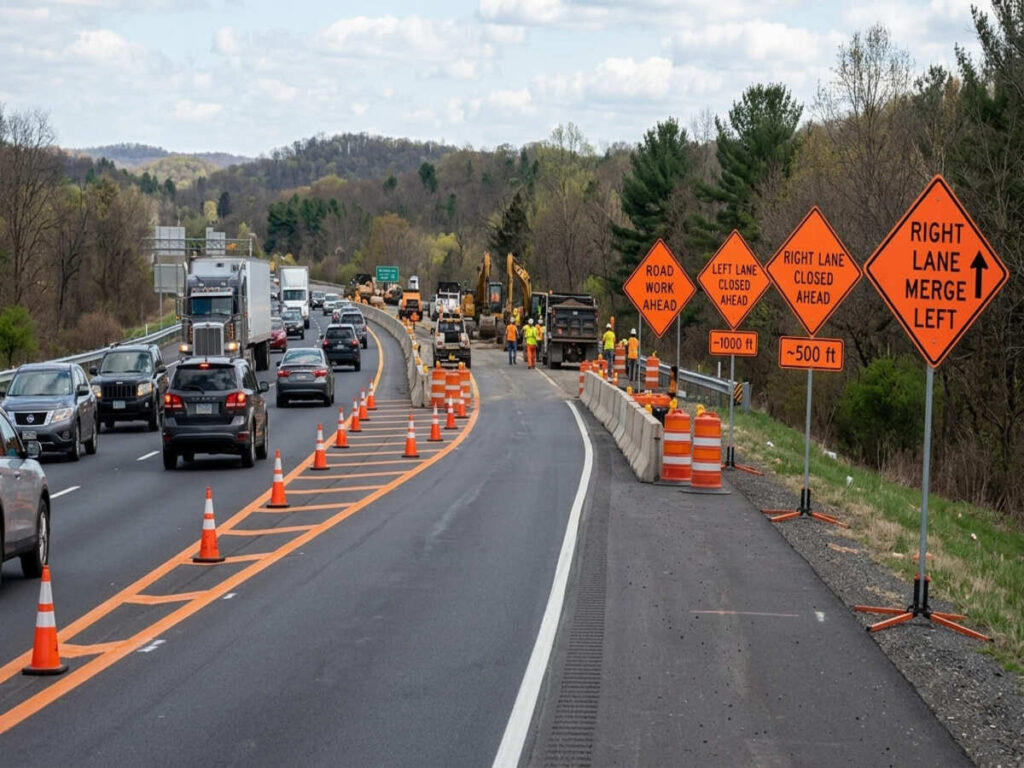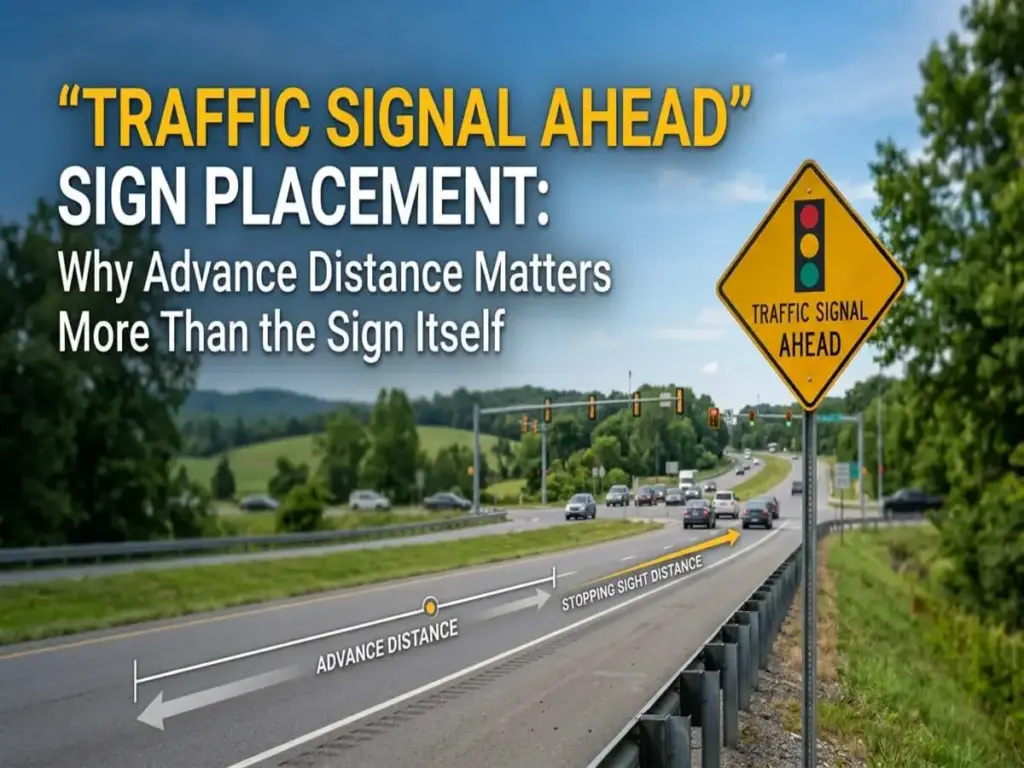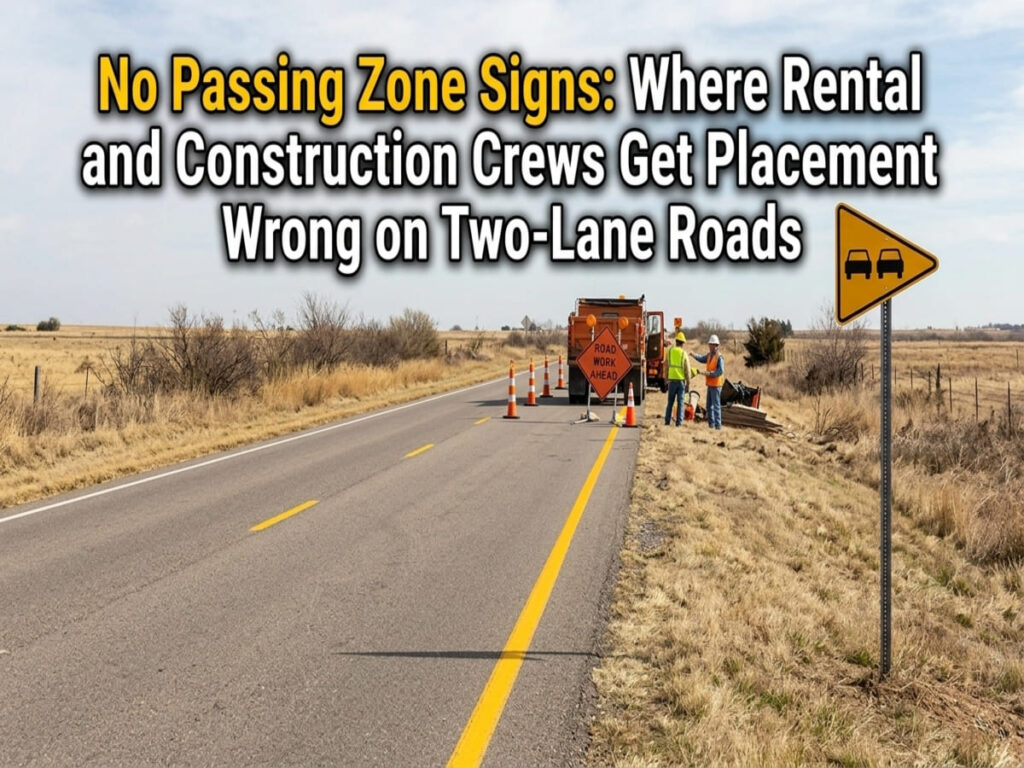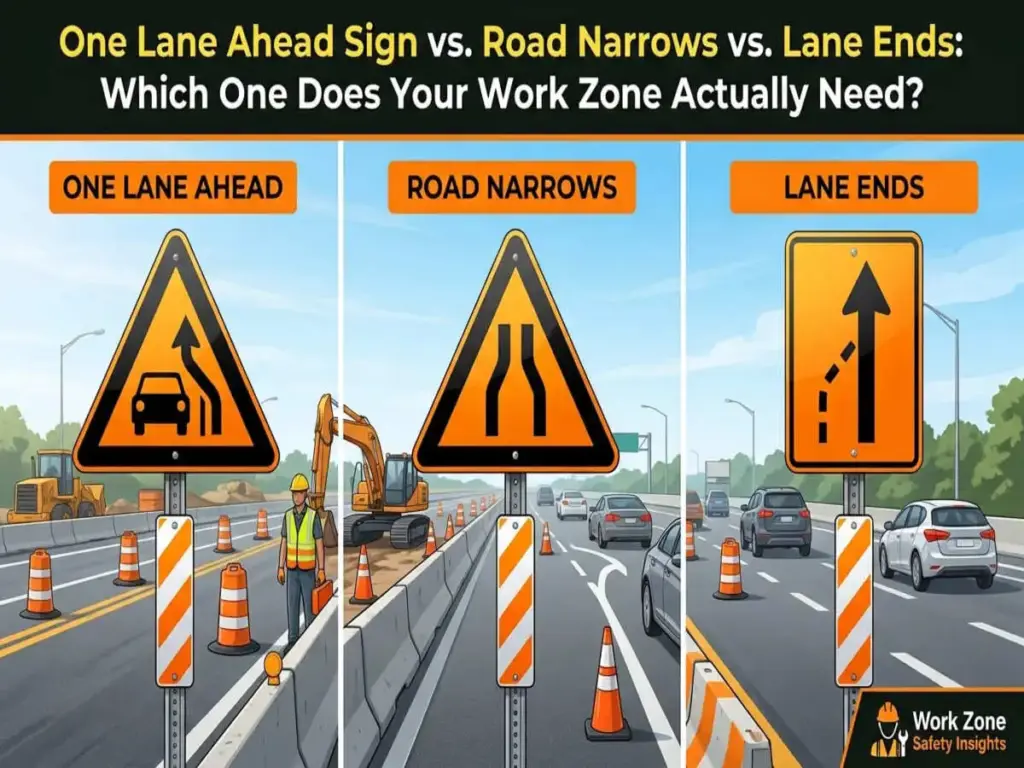
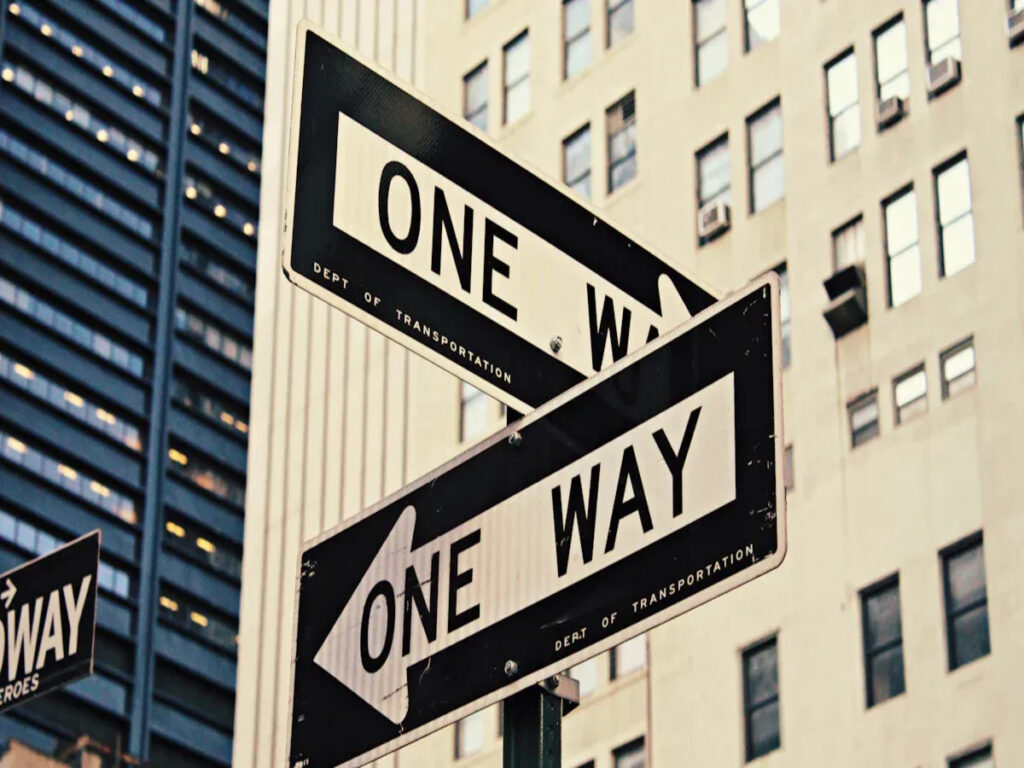
双方向道路を仮設道路に変える 一方通行 このセクションは紙の上では簡単そうに見えますが、. 実際に, これは間違いやすいセットアップの 1 つです. 乗組員が間違えた場合、最も危険な作業の 1 つでもあります. 逆端から進入したドライバーは混乱するだけではありません. 彼らは今、空いているはずの道路で対向車に直面しています。.
私たちのチームはシフト変更後に作業ゾーンに戻り、問題を発見しました. 変換された車線の出口端にはまだ元の双方向標識が表示されていました. 乗組員が交代する 一方通行の標識 交通は入口部分だけをカバーしていた. このギャップはまさに逆走事故が発生する場所です. 幸いなことに, それは避けられる. 良い兆候のパッケージと、コンバージョンの両端をカバーするチェックリストがそのギャップを埋める, フラッガーに面した端だけでなく.
このガイドでは、MUTCD が一方向の変換に必要なものについて説明します。. 乗組員が取材を見逃しがちな場所もカバーします. ついに, 最初のシフトが始まる前にこれらのギャップを埋める署名パッケージを構築する方法を示します。.
キーテイクアウト
- 間違った方向の報道: 一方向のコンバージョンのすべてのエントリ ポイントに署名する, 警告者に直面したアプローチだけではない.
- MUTCD R6-1/R6-2: 中央またはチャネル化されたアプローチ ポイントで分割矢印バリアントを使用する.
- 期間別パッケージ: 符号密度と取り付けを変換長に合わせる, デフォルトのキットは 1 つもありません.
- シフトの引き継ぎ: 出発する作業員には、現場を離れる前に、到着する作業員にすべての進入ポイントを通過させるよう義務付ける.
- 構築済みキット: バンドルされた一方向コンバージョン パッケージにより、カバレッジの欠落を引き起こす在庫ギャップを解消します.
一方向のコンバージョンが見た目よりもリスクが高い理由
永続的な一方通行の道路には冗長な手がかりがある. ペイントされた矢, 縁石標識, 信号の位相調整, そしてルートを覚えたドライバーは全員そのパターンを強化します. 一時的なワークゾーンの変換にはそのようなことはありません. その代わり, に近づくドライバー 一方通行の道路標識 初めてsignパッケージに全面的に依存する. そのパッケージが不完全な場合, 彼らにはフォールバックがありません.
夜間や視界の悪い天候では危険も増大します. このような状況では, ドライバーは転倒の標識を見逃すことがよくあります. 彼らが気づく頃には, 彼らはすでに間違った方向に進んでいます.
MUTCD が片方向トラフィック制御に必要なもの
The 均一な交通制御装置のマニュアル のベースラインを設定します 一方通行の標識 一時的な交通規制中のその付属デバイス (TTC) ゾーン. 具体的には, 3 つの標識タイプが準拠した設定を定義します:
- R6-1 (一方通行) — 標準的な長方形の矢印記号. 作業員はそれを変換の入口ポイントに配置し、変換されたセクションに沿った各交差点でそれを繰り返します。.
- R6-2 (一方通行, 分割された矢印) — 一方通行セクションが対向車線に直接面している場合に使用されます, 通常は中央点またはチャネル化された点でペアになります.
- 逆走禁止標識 (R5-1a, W16-6P) — ドライバーが閉鎖端から物理的に進入できるすべての地点で必須, メインアプローチだけではなく.
連邦道路管理局はこれらの基準を維持しています. すべての米国. 管轄区域は TTC 準拠のためにそれらを参照します.
州境を越えて作業する乗組員, またはカナダまたはオーストラリアへの荷物の輸出, 1 つの注意点に注意する必要があります. The 形と色のロジック 国際的に広く共有されている. しかし, 特定の標識コードと取り付け高さは管轄区域によって異なります。. 標準 MUTCD パッケージを別の市場に出荷する前に、必ず現地の補足情報を確認してください。.
乗組員が実際に取材を見逃した場所
短期間の車線変更を実行しているレンタル車両からの現場フィードバックは、同じ 3 つのギャップを指摘しています, 何度も何度も:
- 変換の遠端. 乗組員は通報者が立っている進入ポイントに署名します. その後、彼らは出口の終わりを忘れます, 反対方向からの交通に面した進入禁止または逆方向の標識がまだ必要な場合.
- ミッドブロックの私道と脇道. 改造区域に入る私道や標識のない脇道は、逆方向の侵入口となる可能性があります。. 専用の看板が必要です, 2 つの主要な交差点だけをカバーするだけではありません.
- シフトチェンジによるハンドオフ. 午前 7 時に変換を正しく設定すると、夜のシフトまでにギャップが生じる可能性があります. これは、出発する乗組員が到着する乗組員をすべてのエントリポイントに案内するのをスキップするたびに発生します。, 主要なものだけではなく.
コンバージョン期間別の一方通行署名パッケージ
適切なパッケージは、変換が維持される期間によって異なります。. 結局, 2 日間の迂回路には 6 週間の車線閉鎖と同じハードウェアは必要ありません.
| 変換タイプ | 通常の期間 | コアサインパッケージ | 取り付け |
|---|---|---|---|
| 短期 (シフト長) | 下 24 時間 | R6-1片道, W16-6P 間違った方向の矢印, ポータブル 入らないでください | ポータブル A フレームまたはコーンマウント |
| 中期 | 数日から数週間 | R6-1 + 各交差点R6-2, すべての入口ポイントに反射性の逆方向防止機能を装備 | ポストマウント, 土嚢入りベース |
| 長期 (プロジェクトの長さ) | 数週間から数か月 | R6-1/R6-2 フルセット, 夜間の視認性を高める照明付き逆走標識, すべての脇道の入口にある冗長な標識 | パーマネントスタイルのポストマウント |
事前にパッケージを期間に一致させることで、2 つの一般的な障害モードを回避できます. 一方では, 長期にわたる変換では署名が不足し、数週間の天候にさらされると劣化する可能性があります。. 一方で, 2 日間の迂回は過剰に構築され、レンタル車両の余裕を食いつぶす可能性があります.
現場で組み立てずにパッケージを構築
上記のギャップは通常、トレーニングの問題ではありません. その代わり, 在庫の問題です. 乗組員は多くの場合、1 つの箱から R6-1 標識をつなぎ合わせなければなりません, 他人からの逆向きの矢, 適切な在庫がなくなったため、即興で「進入禁止」のプラカードを作成しました. カバレッジギャップが予測可能な結果になる.
事前に構築された一方向変換キットにより、次のことが変わります。. R6-1を同梱, R6-2, 間違った方法, 上記のパッケージ階層に一致する看板を入力しないでください, 推測を排除します. Optraffic のレンタルおよび販売パッケージは、まさにこのロジックに従っています. 乗組員からのリクエスト “中期的な一方向のコンバージョン” そして完全なものを受け取ります, MUTCD に一致するセット, 庭に残っているものから何かを組み立てるのではなく、. その上, Optraffic の無料の Web ベース追跡システムも役立ちます. これにより、フリート管理者は、パッケージ内のすべてのユニットが考慮され、変換が完了すると在庫に戻っていることを確認できます。, 別途ソフトウェアのサブスクリプションは必要ありません.
関連書籍
- 運輸局が適切な逆走標識を選択する方法
- 単一車線通行止め標識ガイド: MUTCD のセットアップ & テーパー
- フラグ操作: フラグアヘッドサイン & バッファゾーンガイド
- 道路工事先標識ガイド: W20-1規格, 配置 & “工事中” ルール
よくある質問
一方通行の標識は何を意味しますか? このセクションの交通は矢印の方向にのみ移動できることを示しています. 反対側からの進入は禁止です. 乗組員は通常、そのアプローチに面した「逆進」または「進入禁止」の標識と組み合わせます。.
一方通行の標識は規制または警告ですか? 規制. R6-1 と R6-2 は白い長方形の規制標識です。, 危険を示すために使用されるダイヤモンド型の警告標識とは異なります。.
作業区域内で双方向車線を変更する場合に必要な一方通行標識の数? 単一の固定されたカウントはありません. その代わり, MUTCD では、ドライバーが変換されたセクションに入る可能性のあるすべてのポイントをカバーする必要があります, したがって、合計はルート上の交差点や私道の数によって異なります。.
ドライバーが一時的な一方通行区間に逆端から進入した場合はどうなるか? 事前の警告もなく対向車に遭遇する. 結果として, このシナリオは、依然として短期間の作業ゾーン変換における正面衝突の主な原因です。.
結論
一方向の変換は、最も弱いエントリ ポイントと同じくらい安全です。. MUTCD を通報者側に正しく配置することは、遠端またはブロック内の私道が標識なしの場合にはほとんど意味がありません。. そのため、Optraffic チームはコンバージョン期間に基づいて一方向のコンバージョン パッケージを構築しています。. 結果として, 乗組員は在庫に残っているものから取材を組み立てることをやめる, そしてすべての 一方通行の標識 最初の車両が到着する前に配置され、すべてのエントリーポイントがカバーされます.