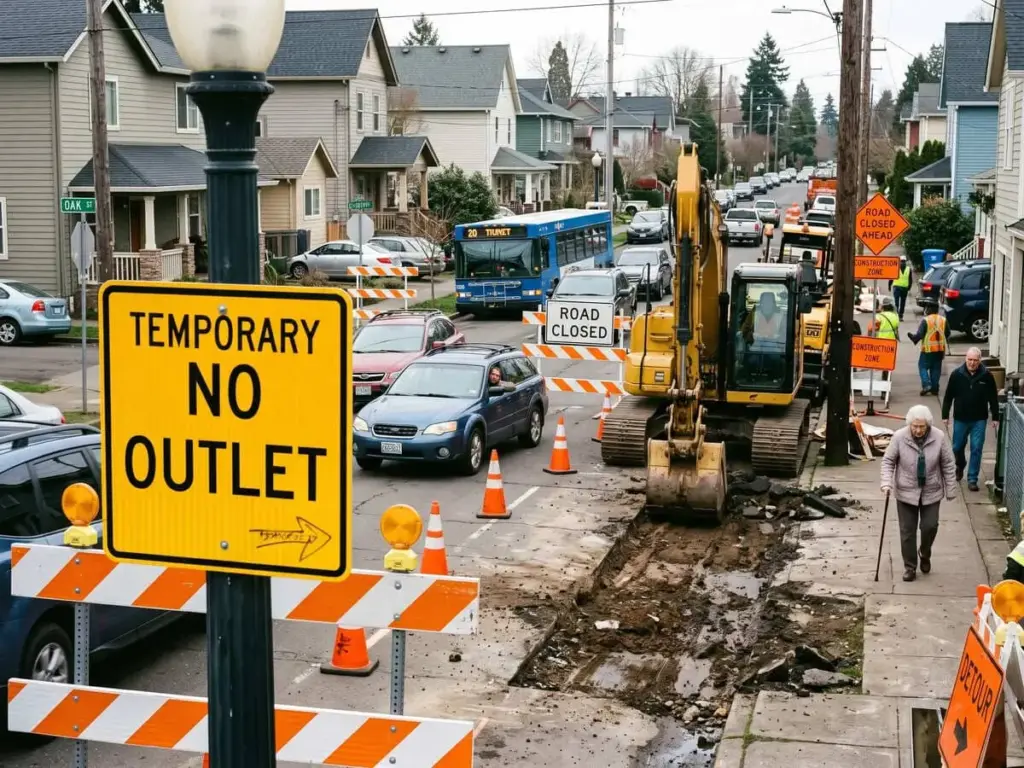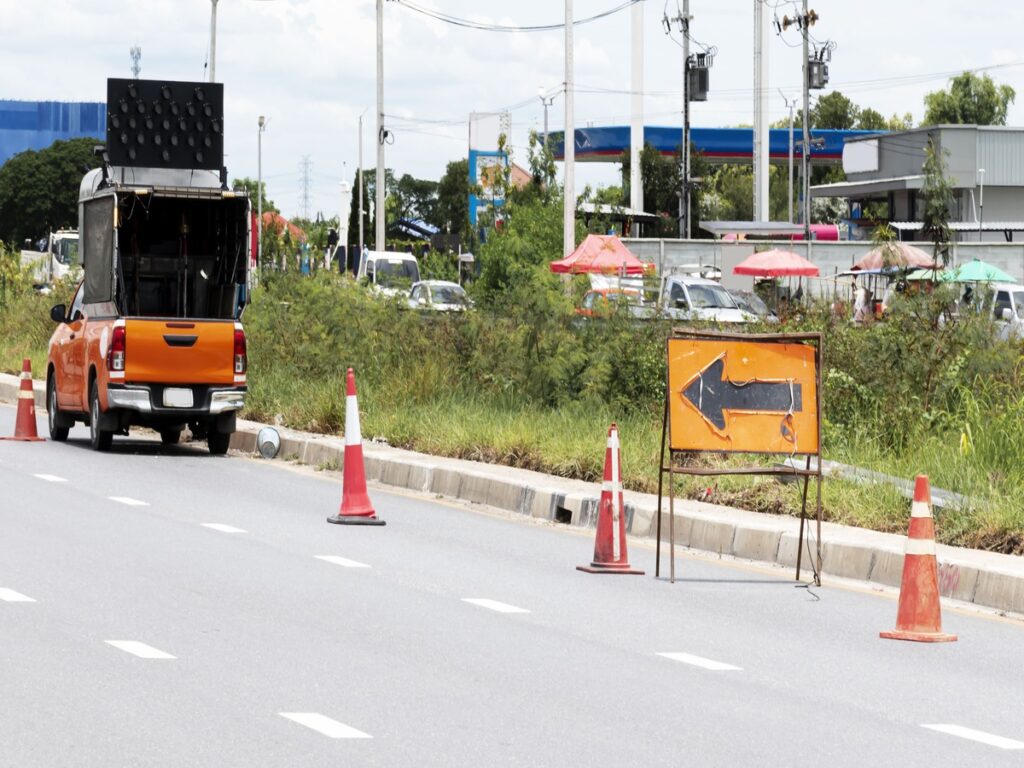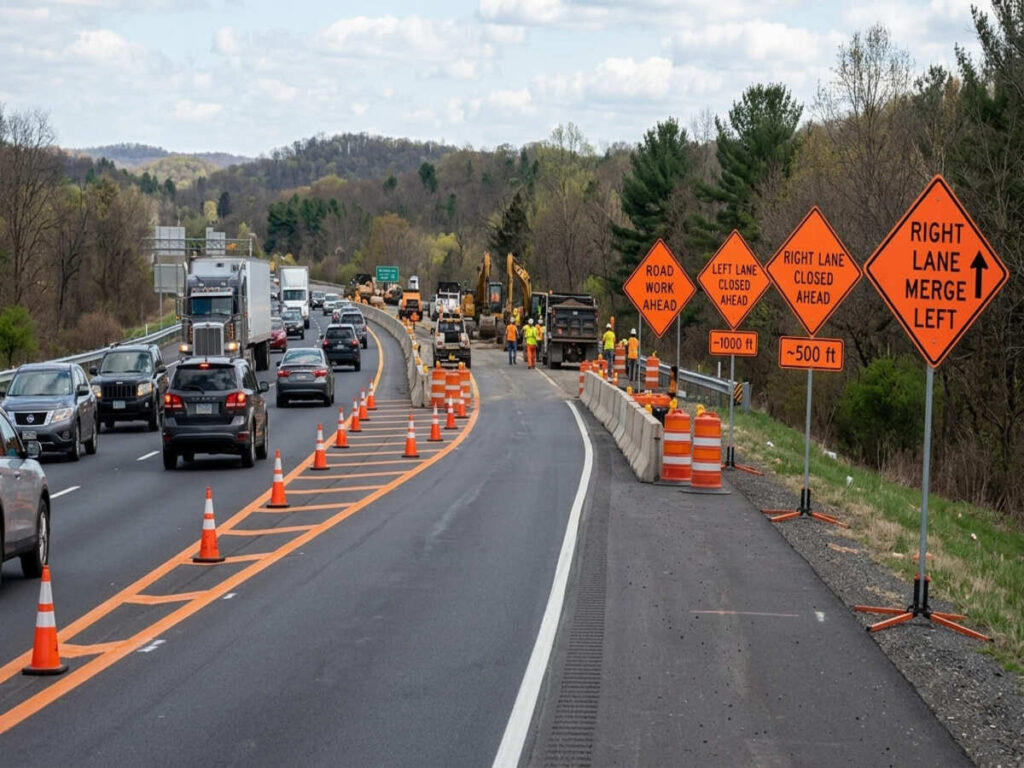
बहु-राज्य सड़क मार्ग ठेकेदार एक स्तरित अनुपालन वातावरण के तहत काम करते हैं. संघीय MUTCD मानक आधार रेखा स्थापित करते हैं, लेकिन हर राज्य डीओटी बाध्यकारी पूरक जारी करता है जो कि कैसे नया आकार देता है स्टेट डीओटी डिटोर साइन देखना होगा, अभिनय करना, और जमीन पर प्रबंधन किया जाए. इन अंतरों को जानने में विफलता निरीक्षण विफलताओं को ट्रिगर करती है, काम रुकना, और महंगा साइन प्रतिस्थापन.
यह मार्गदर्शिका विशेष रूप से चार सबसे सक्रिय राज्य-पूरक न्यायक्षेत्रों - पेंसिल्वेनिया पर केंद्रित है, फ्लोरिडा, मैसाचुसेट्स, और मिशिगन - और सटीक नियामक दस्तावेज़ जो प्रत्येक को नियंत्रित करते हैं. जो ठेकेदार इन राज्य-स्तरीय अधिदेशों को समझते हैं, उन्हें क्षेत्रीय डीओटी निरीक्षणों और बहु-राज्य अनुबंध बोलियों पर निर्णायक बढ़त हासिल होती है.
बहु-राज्य डिटोर संचालन के लिए संघीय एमयूटीसीडी अनुपालन अकेले क्यों छोटा पड़ जाता है
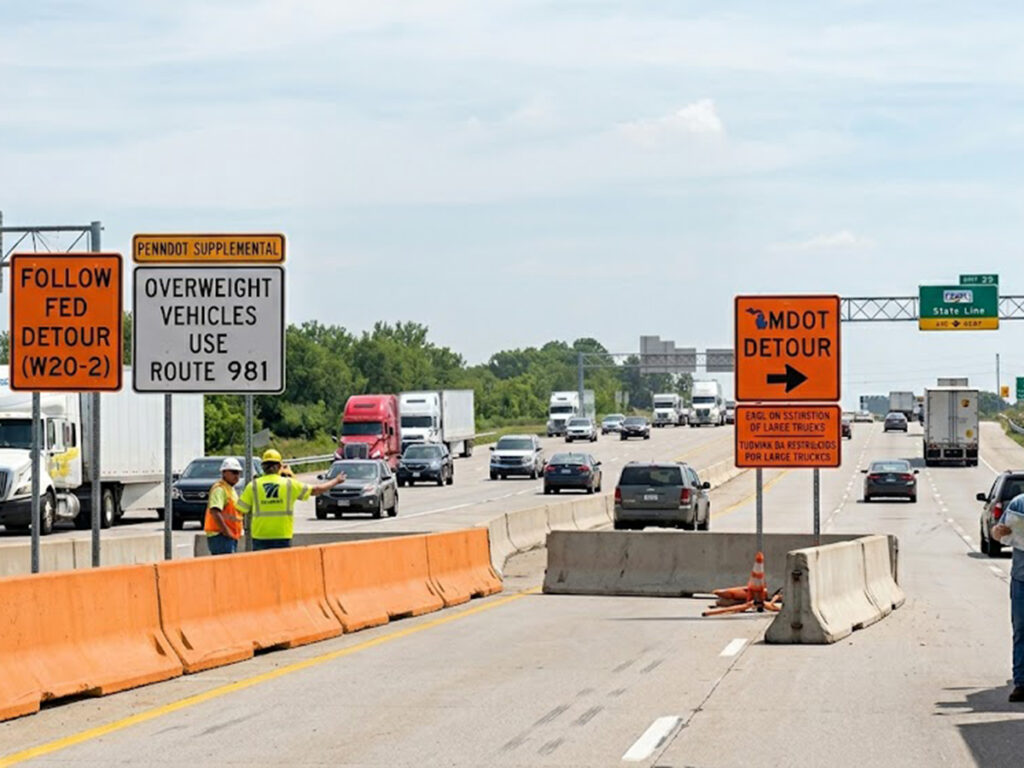
MUTCD 11वां संस्करण यातायात नियंत्रण उपकरणों के लिए राष्ट्रीय मंजिल तय करता है. तथापि, राज्य डीओटी अपनी सीमाओं के भीतर राज्य-वित्त पोषित और संघीय सहायता प्राप्त परियोजनाओं पर सख्त या अतिरिक्त आवश्यकताएं लागू करने का कानूनी अधिकार रखते हैं।. जब कोई राज्य अनुपूरक ऊपर की ओर संघर्ष करता है - जिसका अर्थ है कि यह संघीय मानक से अधिक की मांग करता है - तो राज्य का शासनादेश नियंत्रित होता है.
पेंसिल्वेनिया भर में काम करने वाले ठेकेदार, फ्लोरिडा, मैसाचुसेट्स, और मिशिगन को प्रत्येक राज्य डीओटी प्रकाशन को प्राथमिक अनुपालन दस्तावेज़ के रूप में मानना चाहिए - द्वितीयक संदर्भ के रूप में नहीं. फ़ेडरल डिटोर साइन बेसलाइन आवश्यकताएँ आधार प्रदान करती हैं, लेकिन राज्य-स्तरीय नियम यह निर्धारित करते हैं कि निरीक्षण में क्या उत्तीर्ण होता है.
क्षेत्रीय निरीक्षक सीधे राज्य प्रकाशन कोड का हवाला देते हैं. एक संकेत जो MUTCD प्रकार I शीटिंग आवश्यकताओं को पूरा करता है, वह अभी भी PennDOT निरीक्षण में विफल हो सकता है यदि वह प्रकाशन 236 के प्रकार III न्यूनतम को पूरा नहीं करता है. उस अंतर के वास्तविक वित्तीय परिणाम होते हैं.
कानूनी ढाँचा: राज्य डॉट्स बाइंडिंग सप्लीमेंट्स कैसे जारी करते हैं
राज्य प्रकाशन पदानुक्रम और संशोधन चक्र
यहां शामिल चार राज्यों में से प्रत्येक अपना स्वयं का शासी दस्तावेज़ जारी करता है: पेनडॉट प्रकाशन 236 (स्वीकृत चिह्नों की पुस्तिका), मासडॉट स्टैंडर्ड साइन बुक के साथ जोड़ा गया 2025 माध्यमिक राज्य राजमार्गों के लिए गाइड साइन नीति, एफडीओटी 2026 यातायात इंजीनियरिंग मैनुअल (मंदिर) अध्याय 2 सूचकांक संख्या के साथ. 600, और एमडीओटी के कार्य क्षेत्र दिशानिर्देश.
ये प्रकाशन लागू परियोजनाओं पर कानून का बल रखते हैं. ठेकेदारों को जुटाने से पहले यह सत्यापित करना होगा कि वे वर्तमान सक्रिय संस्करण का संदर्भ देते हैं. एफडीओटी 2026 मंदिर, उदाहरण के लिए, पुराने संस्करणों को प्रतिस्थापित करता है - 2026 से पहले के एफडीओटी मार्गदर्शन पर भरोसा करने वाला कोई भी ठेकेदार क्षेत्र-स्तरीय गैर-अनुरूपता निष्कर्षों को जोखिम में डालता है.
राज्य डीओटी संशोधन अलर्ट और प्री-बिड प्रकाशन सत्यापन की सदस्यता प्रत्येक बहु-राज्य टीसीपी टीम के लिए एक मानक संचालन प्रक्रिया होनी चाहिए.
जब राज्य के नियम MUTCD को ओवरराइड करते हैं
नियम सीधा है: जब राज्य अनुपूरक सख्त आवश्यकताएं लागू करते हैं तो उन्हें कानूनी रूप से राज्य-क्षेत्राधिकार वाली सड़कों पर प्राथमिकता दी जाती है. ए स्टेट डीओटी डिटोर साइन प्रकाशन में विशिष्टता 236 टाइप III रेट्रोरिफ्लेक्टिव शीटिंग के लिए पेनडॉट-प्रशासित परियोजनाओं पर MUTCD की निचली सीमा का स्थान लेता है.
प्रत्यक्ष एफएचडब्ल्यूए परियोजनाओं पर - जिन्हें संघीय स्तर पर वित्त पोषित और प्रशासित किया जाता है - ठेकेदारों को बोली-पूर्व समीक्षा के दौरान लागू प्राधिकारी की पुष्टि करनी चाहिए. फंडिंग वर्गीकरण यह निर्धारित करता है कि किनारे के मामलों में कौन सा मानक नियंत्रित होता है.
पेनडॉट डिटोर साइन आवश्यकताएँ: प्रकाशन 236 और सामग्री मानक
पेंसिल्वेनिया के लिए रूपरेखा स्टेट डीओटी डिटोर साइन अनुपालन दो दस्तावेजों पर निर्भर करता है: पेनडॉट प्रकाशन 236 (स्वीकृत चिह्नों की पुस्तिका) और प्रकाशन 213. एक साथ, वे साइन सामग्री को नियंत्रित करते हैं, रंग विशिष्टताएँ, और दैनिक परिचालन प्रोटोकॉल जिन्हें पेंसिल्वेनिया का कोई भी ठेकेदार नजरअंदाज नहीं कर सकता.
रेट्रोरिफ्लेक्टिव शीटिंग और रंग मानक प्रकाशनाधीन 236
प्रकाशन 236 घुमाव के संकेतों के लिए काले-पर-नारंगी पाठ को अनिवार्य करता है और इसके लिए न्यूनतम टाइप III उच्च-तीव्रता रेट्रोरिफ्लेक्टिव शीटिंग की आवश्यकता होती है।. यह MUTCD बेसलाइन से अधिक है, जो कुछ अनुप्रयोगों पर निम्न शीटिंग ग्रेड की अनुमति देता है. टाइप III शीटिंग औसत दर्जे का बेहतर रात्रिकालीन रिट्रोरेफ्लेक्शन प्रदान करती है - पेंसिल्वेनिया के उच्च गति वाले ग्रामीण गलियारों पर एक महत्वपूर्ण प्रदर्शन कारक.
ठेकेदारों को सभी पेनडॉट के लिए आपूर्तिकर्ताओं से शीटिंग ग्रेड दस्तावेज़ प्राप्त करना होगा स्टेट डीओटी डिटोर साइन भंडार. शीटिंग प्रमाणपत्रों को परियोजना फाइलों में रखा जाना चाहिए और पूरे अनुबंध अवधि के दौरान डीओटी सामग्री ऑडिट के लिए उपलब्ध होना चाहिए.
प्रकाशन 213 दिन के अंत में साइन हटाने के प्रोटोकॉल
प्रकाशन 213 बिना किसी प्रत्यक्ष MUTCD समकक्ष के एक अधिदेश लागू करता है: गैर-निर्माण घंटों के दौरान ड्राइवर को भ्रम से बचाने के लिए प्रत्येक कार्य दिवस के अंत में परस्पर विरोधी या अस्थायी घुमाव संकेतों को ढंकना या हटाना चाहिए.
यह आवश्यकता ठेकेदारों को दैनिक साइन हटाने या अनुमोदित कवरिंग को अपनी यातायात नियंत्रण योजनाओं में एकीकृत करने के लिए बाध्य करती है (टीसीपीएस) एक निर्धारित ऑपरेशन के रूप में. अप्रासंगिक चक्कर साइनेज को रात भर खुला छोड़ने से दस्तावेजी सुरक्षा खतरा पैदा होता है - और मुख्य ठेकेदार के लिए सीधा डीओटी उद्धरण जोखिम पैदा होता है.
स्वीकृत साइन स्रोत और पूर्व-योग्यता मानक
पेनडॉट प्रकाशन 236 उत्पाद पूर्व-योग्यता सूची के रूप में कार्य करता है. प्रत्येक MUTCD-संगत चिह्न डिज़ाइन को योग्य नहीं बनाता, DIMENSIONS, और सामग्री बिल्कुल प्रकाशन से मेल खानी चाहिए 236 विशेष विवरण. ज्यामितीय रूप से सही लेकिन गैर-अनुमोदित चिह्न प्रकार का उपयोग करने से फ़ील्ड निरीक्षण के दौरान अस्वीकृति हो सकती है, ठेकेदार की लागत पर प्रतिस्थापन की आवश्यकता है.
उन आपूर्तिकर्ताओं से सोर्सिंग जो स्पष्ट रूप से प्रकाशन का दस्तावेजीकरण करते हैं 236 पेंसिल्वेनिया अनुबंधों पर परियोजना कार्यक्रम की सुरक्षा के लिए अनुपालन सबसे विश्वसनीय तरीका है.
मासडॉट डेटोर साइन आवश्यकताएँ: मानक साइन बुक, 2025 नीति, और हार्डवेयर अनुपालन
मैसाचुसेट्स ने दो अनुपालन परतें पेश की हैं जो इसे अन्य राज्यों से अलग करती हैं: संरचनात्मक हार्डवेयर क्रैश रेटिंग और अनिवार्य मार्ग निकासी सत्यापन. दोनों परतें साइन फेस के ऊपर काम करती हैं और उन ठेकेदारों को पकड़ती हैं जो केवल किंवदंती और सामग्री विशिष्टताओं पर ध्यान केंद्रित करते हैं.
एमएएसएच और एनसीएचआरपी 350 साइन सपोर्ट के लिए हार्डवेयर मानक
मासडॉट स्टैंडर्ड साइन बुक को सभी साइन समर्थन की आवश्यकता होती है, पदों, और MASH पास करने के लिए ब्रैकेट्स लगाना (सुरक्षा हार्डवेयर के आकलन के लिए मैनुअल) या एनसीएचआरपी 350 क्रैश मूल्यांकन मानक. एक ठेकेदार पूरी तरह से निर्दिष्ट मासडॉट डिटोर साइन फेस को फील्ड कर सकता है और फिर भी इसे गैर-रेटेड सपोर्ट पोस्ट पर लगाकर निरीक्षण में विफल हो सकता है।.
हार्डवेयर किराए पर लेने वाले ठेकेदारों को डिलीवरी स्वीकार करने से पहले क्रैश रेटिंग दस्तावेज़ का अनुरोध करना होगा. मासडॉट फ़ील्ड ऑडिट के लिए सत्यापित परीक्षण रिपोर्ट को प्रोजेक्ट फ़ाइलों में रखा जाना चाहिए.
रूट मैपिंग और अप्रतिबंधित ब्रिज क्लीयरेंस आवश्यकताएँ
मासडॉट के लिए आवश्यक है कि सभी चक्कर मार्गों का पूर्व-सर्वेक्षण किया जाए और किसी भी हस्ताक्षर स्थापित करने से पहले केवल अप्रतिबंधित वजन और ऊंचाई मंजूरी वाले पुलों का उपयोग करने की पुष्टि की जाए।. यह दायित्व टीसीपी डिज़ाइन चरण में आता है - जुटाव के बाद नहीं.
वजन-प्रतिबंधित मार्ग पर एक मोड़ पर हस्ताक्षर करने से पुल क्षति के लिए दायित्व बनता है और यह सीधे टीसीपी गैर-अनुपालन निष्कर्ष का गठन करता है. ठेकेदारों को प्रत्येक मैसाचुसेट्स परियोजना पर मानक पूर्व-बोली कार्य के रूप में मासडॉट की पुल प्रतिबंध सूची के खिलाफ प्रस्तावित मार्गों को क्रॉस-रेफरेंस करना होगा।.
मासडॉट 2025 माध्यमिक राजमार्गों के लिए गाइड साइन नीति अपडेट
The 2025 माध्यमिक राज्य राजमार्गों के लिए गाइड साइन नीति ने कम मात्रा में चक्कर लगाने वाले अनुप्रयोगों के लिए प्रतीक मानकों और किंवदंती आवश्यकताओं को अद्यतन किया, मिश्रित उपयोग वाले गलियारे. पॉलिसी की प्रभावी तिथि के बाद शुरू की गई किसी भी परियोजना को लागू करना होगा 2025 संस्करण.
कम मात्रा पर अनुपालन प्राप्त करने के लिए, मिश्रित उपयोग वाले गलियारे, इंजीनियरिंग डिज़ाइनों को निम्नलिखित नए दानेदार विशिष्ट मानकों का पालन करना चाहिए (मासडॉट द्वारा 2025 गाइड साइन नीति, धारा 4.2/परिशिष्ट बी). सभी गैर-तैनात चरण हस्ताक्षर योजनाओं को एक पंजीकृत पेशेवर इंजीनियर द्वारा स्पष्ट रूप से ऑडिट और पुन: प्रमाणित किया जाना चाहिए (पीई) संरचनात्मक तैनाती से पहले एक हस्ताक्षरित और मुहरबंद अनुपालन ज्ञापन के माध्यम से:
अद्यतन चक्कर प्रतीक मानक & किंवदंती आवश्यकताएँ
- उन्नत रूट मार्कर शील्ड्स: माध्यमिक राजमार्गों के लिए अस्थायी चक्कर मार्ग मार्करों को अब न्यूनतम 24 आयाम के साथ मानक एम4-9 श्रृंखला संकेतों का उपयोग करना होगा″ × 24″ पारंपरिक कम गति वाली सड़कों के लिए, 30 तक बढ़ा दिया गया″ × 30″ मिश्रित उपयोग वाले गलियारों पर परिचालन गति अधिक होने पर 40 मील प्रति घंटा.
- लीजेंड हाई-कंट्रास्ट विशिष्टताएँ: टेक्स्ट “घूम कर जाएं” इसमें कम से कम 4 इंच की सीरीज डी या ई होनी चाहिए(आधुनिक) अभिलेख. उन्नत चेतावनी संकेत के लिए (उदा।, W20-2), दिग्गजों को फ्लोरोसेंट ऑरेंज पर काले रंग का सख्ती से उपयोग करना चाहिए (रेट्रोरिफ्लेक्टिव प्रकार IV या उच्चतर) कम रोशनी की स्थिति और मिश्रित उपयोग वाले गलियारों की जटिल पृष्ठभूमि अव्यवस्था के दौरान सुपाठ्यता सुनिश्चित करने के लिए.
- गंतव्य-विशिष्ट किंवदंती ओवरले: जहां द्वितीयक मार्ग प्रमुख धमनियों में प्रवेश करते हैं, अस्थायी मार्गदर्शक संकेतों में गंतव्य-विशिष्ट मार्ग किंवदंतियाँ शामिल होनी चाहिए (उदा।, “अगले दाएँ ओर” या “के जरिए [मार्ग संख्या]”) संक्रमणकालीन क्षेत्रों में ड्राइवर की झिझक को खत्म करने के लिए मानक MUTCD क्लियर-व्यू फ़ॉन्ट का उपयोग करना.
मध्य-परियोजना प्रकाशन पुनः सत्यापन प्रोटोकॉल
नीति अद्यतन चक्र में फैली बहु-चरणीय परियोजनाओं के लिए एक औपचारिक आवश्यकता होती है, प्रलेखित मध्य-परियोजना प्रकाशन पुनः सत्यापन.
- निरंतरता दहलीज: यदि किसी बहु-चरण परियोजना की सक्रिय निर्माण समयरेखा नीति के कार्यान्वयन गेट के साथ मिलती है, इंजीनियरिंग फर्मों को सभी अनइंस्टॉल किए गए अस्थायी ट्रैफ़िक नियंत्रण का ऑडिट करना होगा (टीटीसी) माल.
- चरणबद्ध पुनः प्रमाणीकरण: कोई भी चरण जो अभी तक तैनात नहीं किया गया है, उसकी हस्ताक्षर योजनाएँ अद्यतन होनी चाहिए 2025 मानकों और एक पंजीकृत पेशेवर इंजीनियर द्वारा पुनः प्रमाणित (पीई) संपूर्ण कॉरिडोर जीवनचक्र में पूर्ण अनुपालन निरंतरता सुनिश्चित करने के लिए.
एफडीओटी डिटोर साइन अनुपालन: 2026 मंदिर, अनुक्रमणिका 600, और स्वीकृत उत्पाद सूची
फ्लोरिडा का डिटोर साइन अनुपालन ढांचा देश में सबसे अधिक दस्तावेज़-विशिष्ट में से एक है. The 2026 यातायात इंजीनियरिंग मैनुअल (मंदिर) अध्याय 2 और सूचकांक नं. 600 गवर्नेंस साइन प्लेसमेंट और विशिष्टता, जबकि FDOT द्वारा अनुमोदित उत्पाद सूची (एपीएल) यह नियंत्रित करता है कि ठेकेदार कानूनी तौर पर क्या खरीद सकते हैं स्टेट डीओटी डिटोर साइन अनुप्रयोग.
FDOT अनुमोदित उत्पाद सूची को नेविगेट करना
एफडीओटी एपीएल एक गेटकीपिंग तंत्र है. एक चिन्ह MUTCD मानकों और TEM विशिष्टताओं के अनुरूप हो सकता है, यदि इसमें एपीएल सूची का अभाव है तो भी यह उपयोग के लिए अयोग्य है. एपीएल साइन चेहरों को कवर करता है, पुनर्मिलन -पत्रक, का समर्थन करता है, और पूरक उपकरण - झंडे शामिल हैं.
टीसीपी जमा करने से पहले ठेकेदारों को प्रत्येक नियोजित यातायात नियंत्रण उपकरण के लिए एपीएल स्थिति को सत्यापित करना होगा. गैर-सूचीबद्ध उत्पाद का उपयोग गैर-अनुरूपता खोज और ठेकेदार के खर्च पर अनिवार्य प्रतिस्थापन को ट्रिगर करता है - उन उत्पादों के लिए कोई अपवाद नहीं है जो अन्यथा विनिर्देश-अनुपालक हैं.
2026 अध्याय है 2 और सूचकांक 600 प्रमुख आवश्यकताएँ
The 2026 मंदिर (यातायात इंजीनियरिंग मैनुअल) फ्लोरिडा के वर्तमान बाध्यकारी मानक का प्रतिनिधित्व करता है, पिछले सभी संस्करणों का स्थान लेना. सूचकांक संख्या. 102-600 कार्य क्षेत्रों में साइन लेआउट को नियंत्रित करता है, अत्यधिक कठोर रिक्ति निर्दिष्ट करना, बढ़ती हुई ऊँचाई, और अलग-अलग गति प्रोफ़ाइलों में चक्कर लगाने वाले अनुप्रयोगों के लिए किंवदंती आवश्यकताएँ. 2026 से पहले के टीईएम मार्गदर्शन को संदर्भित करने वाला कोई भी बहु-वर्षीय फ्रेमवर्क अनुबंध प्रत्यक्ष अनुपालन जोखिम रखता है.
अनुपालन जोखिम को खत्म करने के लिए, अस्थायी चक्कर परिनियोजन को एफडीओटी इंडेक्स द्वारा परिभाषित निम्नलिखित तीन मुख्य मेट्रिक्स को सख्ती से निष्पादित करना होगा 102-600 (प्रभावी जनवरी 2026) और टीईएम अध्याय 2 (अनुभाग 2.15 – कार्य क्षेत्र पर हस्ताक्षर):
डिवाइस रिक्ति मानदंड (उन्नत चेतावनी & बफर जोन)
चक्कर लगाने वाले अनुप्रयोगों के लिए साइन स्पेसिंग कार्य क्षेत्र गलियारे की नियामक गति सीमा द्वारा निर्धारित होती है. सूचकांक के अंतर्गत 102-600, अनुक्रमिक चक्कर हस्ताक्षर अनुक्रम के लिए मानक रिक्ति तीन अलग-अलग परिचालन स्तरों का पालन करती है:
- धीमी गति (≤35 मील प्रति घंटे): अग्रिम चेतावनी संकेत (उदा।, आगे सड़क का काम, चक्करदार मार्ग पर आगे बढ़ें) की दूरी कम से कम होनी चाहिए 200 पैरों के अलावा.
- मध्यवर्ती गति (40-45 मील प्रति घंटे): तक रिक्ति मापनी होती है 350 ड्राइवर के प्रतिक्रिया समय को बढ़ाने के लिए साइन स्टेशनों के बीच फीट की दूरी रखें.
- उच्च गति (≥50 मील प्रति घंटे / ग्रामीण राजमार्ग): का एक सख्त न्यूनतम 500 पैरों का अंतर आवश्यक है, तक विस्तार हो रहा है 1,000 सीमित-पहुँच वाले फ्रीवे पर फुट या उससे अधिक.
बढ़ती हुई ऊँचाई & पार्श्व ऑफसेट मानक
एफडीओटी रेट्रोरिफ्लेक्टिव रेट्रो-दक्षता और दृश्यता को अधिकतम करने के लिए अस्थायी चक्कर संकेतों की स्थिति को सख्ती से नियंत्रित करता है:
- पोस्ट-माउंटेड ग्रामीण क्षेत्र: साइन के नीचे से फुटपाथ के निकट किनारे तक न्यूनतम माउंटिंग ऊंचाई है 5 पैर.
- शहरी / पैदल यात्री इलाके: जहां सड़क किनारे पार्किंग या पैदल यात्रियों की आवाजाही होती है, न्यूनतम माउंटिंग ऊँचाई तक बढ़ा दी गई है 7 रुकावट को रोकने के लिए पैर.
- पार्श्व ऑफसेट: अस्थायी संकेतों को न्यूनतम पार्श्व ऑफसेट बनाए रखना चाहिए 6 यात्रा लेन के किनारे से संकेत के सड़क किनारे तक फ़ुट (या 2 एक अंकुश के पीछे पैर).
किंवदंती आवश्यकताएँ & एपीएल (स्वीकृत उत्पाद सूची) एकीकरण
सभी डिटोर लेजेंड्स में एक फ्लोरोसेंट नारंगी रेट्रोरिफ्लेक्टिव बैकग्राउंड शीट पर मानक 6-इंच सीरीज डी या ई अपरकेस अक्षर होना चाहिए। (हाई-स्पीड कॉरिडोर के लिए टाइप XI शीटिंग को प्राथमिकता दी जाती है).
- डेटोर लेजेंड हुक: अस्थायी संकेतों को स्पष्ट रूप से चक्कर की विशिष्ट प्रकृति का संकेत देना चाहिए
- एपीएल घटक अधिदेश: नीचे 2026 रूपरेखा, भौतिक साइन पैनल, पोर्टेबल स्टैंड, और उपयोग की जाने वाली रेट्रोरिफ्लेक्टिव शीटिंग सामग्री में एक सक्रिय एफडीओटी एपीएल प्रमाणन संख्या होनी चाहिए. सक्रिय एफडीओटी चक्कर मार्ग पर गैर-एपीएल-अनुपालक घटकों को तैनात करना एक तत्काल संविदात्मक और सुरक्षा उल्लंघन है.
ठेकेदारों को इसकी पुष्टि करनी चाहिए 2026 टीईएम संस्करण बोली-पूर्व चरण में उनके प्रोजेक्ट पर लागू होता है और प्रोजेक्ट फ़ाइल में इसकी पुष्टि करता है.
कठोर साइन कवरिंग: ग्रहण, गैर-चिंतनशील सामग्री, और बोल्टयुक्त बन्धन
एफडीओटी के कवरिंग नियम में एक साथ तीन आवश्यकताएं शामिल हैं: कवर को बिना किसी अपवाद के पूरे साइन फेस को अस्पष्ट करना चाहिए, आवरण सामग्री गैर-परावर्तक होनी चाहिए, और कवर को सुरक्षित रूप से बोल्ट किया जाना चाहिए - टेप नहीं किया जाना चाहिए, clamped, या बंजी-बन्धन.
आंशिक रूप से ढके हुए या परावर्तक-किनारे वाले कवर रात के समय ड्राइवरों के लिए प्रेत मार्गदर्शन संकेत बनाते हैं, उजागर संकेत के समान ही ख़तरा उत्पन्न करना. एफडीओटी क्षेत्र निरीक्षक फास्टनिंग विधि को उद्धृत विनिर्देश के रूप में मानते हैं - टीसीपी को पूर्व-निर्माण समीक्षा पास करने के लिए बोल्टिंग दृष्टिकोण का स्पष्ट रूप से वर्णन करना चाहिए.
एमडीओटी डिटोर साइन आवश्यकताएँ: कार्डिनल डायरेक्शन साइन और ओवरहेड कवर नियम
मिशिगन का स्टेट डीओटी डिटोर साइन एमडीओटी कार्य क्षेत्र दिशानिर्देशों के तहत आवश्यकताएं आधार एमयूटीसीडी से अनुपस्थित दो अनुपालन अधिदेश पेश करती हैं: पूर्ण-बंद शर्तों के तहत अनिवार्य कार्डिनल दिशा हस्ताक्षर और ओवरहेड साइन कवर के लिए एक सटीक एयर-गैप आवश्यकता.
फुल-क्लोजर संचालन के लिए कार्डिनल डायरेक्शन साइन जनादेश
जब किसी प्राथमिक सड़क की दोनों दिशाएँ एक साथ बंद हो जाती हैं, एमडीओटी को उत्तर की आवश्यकता है, दक्षिण, पूर्व, और सभी प्रमुख निर्णय बिंदुओं पर मानक चक्कर मार्करों के साथ पश्चिम कार्डिनल दिशात्मक संकेत. पूर्ण बंदी ड्राइवरों को भटका देती है जो अपना प्राथमिक मार्ग संदर्भ खो देते हैं - कार्डिनल संकेत उस अभिविन्यास को बहाल करते हैं.
ठेकेदारों को सभी पूर्ण-समापन परिदृश्यों के लिए टीसीपी ड्राइंग में विशिष्ट तत्वों के रूप में कार्डिनल डायरेक्शनल साइन प्लेसमेंट को शामिल करना होगा. प्रोजेक्ट साइन इन्वेंट्री सबमिशन में सभी चार कार्डिनल संकेतों को आवश्यक मात्रा के रूप में सूचीबद्ध किया जाना चाहिए, या टीसीपी को एमडीओटी अनुमोदन से पहले एक संशोधन अनुरोध प्राप्त होगा.
ओवरहेड साइन कवरिंग - 2-इंच एयर स्पेस की आवश्यकता
एमडीओटी किसी भी लागू कवर और ओवरहेड स्थायी संकेत के चेहरे के बीच 2 इंच का वायु अंतर अनिवार्य करता है. प्रत्यक्ष-संपर्क ट्रैप हीट को कवर करता है और ओवरहेड संरचनाओं पर उच्च-प्रदर्शन रेट्रोरिफ्लेक्टिव शीटिंग से स्थायी रूप से बंध सकता है या नष्ट कर सकता है - एक क्षति तंत्र जो महंगा स्थायी संकेत प्रतिस्थापन को ट्रिगर करता है.
आवश्यक क्लीयरेंस प्राप्त करने और बनाए रखने के लिए कवर सिस्टम में अंतर्निहित स्टैंडऑफ फ्रेम या स्पेसर हार्डवेयर शामिल होना चाहिए. टीसीपी सामग्री प्रस्तुतकर्ताओं को हवाई-अंतरिक्ष अनुपालन विधि का दस्तावेजीकरण करना चाहिए.
एमडीओटी कार्य क्षेत्र दिशानिर्देश: MUTCD 11वें संस्करण के साथ दायरा और सहभागिता
एमडीओटी कार्य क्षेत्र दिशानिर्देश साइन विनिर्देशों में मास्टर गवर्निंग प्रकाशन के रूप में कार्य करते हैं, टीसीपी आवश्यकताएँ, और मिशिगन में डिवाइस मानक. उन क्षेत्रों में जहां एमडीओटी के नियम - जैसे कार्डिनल डायरेक्शन साइनिंग - का कोई एमयूटीसीडी समकक्ष नहीं है, राज्य प्रकाशन विशेष रूप से नियंत्रित करता है.
ठेकेदार जो निकटवर्ती राज्यों से प्रथाओं को स्थानांतरित करते हैं (ओहियो, इंडियाना, विस्कॉन्सिन) एमडीओटी-विशिष्ट अधिदेशों को सत्यापित किए बिना प्रत्यक्ष अनुपालन जोखिम उत्पन्न होता है. मिशिगन के कार्डिनल साइन और ओवरहेड कवर नियम राज्य-विशिष्ट हैं और स्वतंत्र सत्यापन के बिना इसे अन्यत्र लागू नहीं माना जाना चाहिए.
राज्य डीओटी डिटोर साइन आवश्यकताएँ एक नज़र में
| राज्य डॉट | शासी दस्तावेज़ | मुख्य सामग्री / हार्डवेयर आवश्यकता | अनोखा परिचालन नियम |
| पेनडॉट (देहात) | प्रकाशन 236 + प्रकाशन 213 | टाइप III हाई-इंटेंसिटी रेट्रोरिफ्लेक्टिव शीटिंग, नारंगी पर काला | दिन के अंत में संकेतों को ढक देना चाहिए या हटा देना चाहिए |
| मासडॉट (एमए) | मानक साइन बुक + 2025 गाइड साइन नीति | एमएएसएच/एनसीएचआरपी 350 क्रैश-रेटेड समर्थन & कोष्ठक | घुमावदार मार्गों को अप्रतिबंधित-निकासी पुलों का उपयोग करना चाहिए |
| एफडीओटी (फ्लोरिडा) | 2026 अध्याय है 2 + सूचकांक संख्या. 600 | सभी डिवाइस FDOT अनुमोदित उत्पाद सूची में होने चाहिए (एपीएल) | कवर गैर-प्रतिबिंबित होने चाहिए, पूर्ण-अस्पष्ट, और सुरक्षित रूप से बोल्ट लगा दिया गया |
| एमडीओटी (एमआई) | एमडीओटी कार्य क्षेत्र दिशानिर्देश | राज्य-विशिष्ट प्रोटोकॉल के साथ मानक MUTCD-संगत साइन फेस | पूर्ण समापन पर कार्डिनल दिशा चिन्हों की आवश्यकता होती है; 2-ओवरहेड कवर के लिए इंच एयर गैप |
स्रोत: पेनडॉट पब. 236 — https://www.dot.state.pa.us | एफडीओटी मंदिर 2026 — https://fdot.gov/traffic/trafficservices/studies/manuals/tem.shtm | मासडॉट साइन बुक - https://www.mass.gov/massdot-highway-development | एमडीओटी कार्य क्षेत्र दिशानिर्देश - https://www.michigan.gov/mdot
एक बहु-राज्य टीसीपी साइन अनुपालन चेकलिस्ट बनाना
बोली-पूर्व प्रकाशन सत्यापन
किसी भी टीसीपी को सबमिट करने से पहले, एक निर्दिष्ट अनुपालन लीड को प्रत्येक लागू राज्य पूरक के वर्तमान सक्रिय संस्करण की पुष्टि करनी चाहिए. एफडीओटी के लिए, इसका मतलब है 2026 मंदिर. मासडॉट के लिए, the 2025 गाइड साइन पॉलिसी इसकी प्रभावी तिथि के बाद शुरू की गई माध्यमिक राजमार्ग परियोजनाओं पर लागू होती है. बहु-वर्षीय अनुबंधों को प्रत्येक चरण संक्रमण पर मध्य-चरण पुन: सत्यापन की आवश्यकता होती है.
राज्य द्वारा सामग्री और हार्डवेयर दस्तावेज़ीकरण आवश्यकताएँ
निम्नलिखित चेकलिस्ट राज्य द्वारा न्यूनतम दस्तावेज़ीकरण आवश्यकताओं को दर्शाती है स्टेट डीओटी डिटोर साइन तैनाती:
- पेनडॉट: साइन सप्लायर से टाइप III हाई-इंटेंसिटी रेट्रोरिफ्लेक्टिव शीटिंग प्रमाणन, संदर्भ प्रकाशन 236.
- मासडॉट: एमएएसएच या एनसीएचआरपी 350 हर पोस्ट के लिए क्रैश टेस्ट रिपोर्ट, ब्रैकेट, और समर्थन प्रणाली - सिर्फ साइन फेस नहीं.
- एफडीओटी: स्वीकृत उत्पाद सूची (एपीएल) सभी यातायात नियंत्रण उपकरणों के लिए पुष्टि, संकेतों सहित, कनवास, का समर्थन करता है, और झंडे.
- एमडीओटी: ओवरहेड संकेतों के लिए 2-इंच एयर-गैप कवर सिस्टम का फुल-सेट कार्डिनल डायरेक्शन साइन इन्वेंट्री पुष्टिकरण और टीसीपी दस्तावेज़ीकरण.
संपूर्ण अनुबंध अवधि के लिए सभी आपूर्तिकर्ता दस्तावेज़ों को प्रोजेक्ट फ़ाइलों में रखा जाना चाहिए. प्रोजेक्ट समापन के दौरान पूर्वव्यापी दस्तावेज़ीकरण अनुरोध मानक डीओटी ऑडिट अभ्यास हैं, और अंतराल - यहां तक कि जहां भौतिक संकेत अनुपालन करते हैं - अंतिम भुगतान या रिटेनेज रिलीज में देरी कर सकते हैं.
संपूर्ण संघीय और राज्य डिटोर साइन अनुपालन ढांचे के लिए जो सभी राज्य-स्तरीय अनुपूरकों को रेखांकित करता है, ठेकेदार हमसे परामर्श कर सकते हैं व्यापक एमयूटीसीडी और राज्य डीओटी संदर्भ मार्गदर्शिका.
अक्सर पूछे जाने वाले प्रश्नों: मल्टी-स्टेट डिटोर साइन अनुपालन
क्या पेनडॉट डिटोर साइन आवश्यकताएँ पेंसिल्वेनिया की सभी सड़कों पर लागू होती हैं, या केवल राज्य-रखरखाव वाले राजमार्ग?
पेनडॉट प्रकाशन 236 और प्रकाशन 213 पेंसिल्वेनिया के अधिकार क्षेत्र के भीतर राज्य-संचालित सड़क मार्गों और संघीय सहायता प्राप्त परियोजनाओं पर सभी परियोजनाओं पर लागू होता है. स्थानीय रूप से बनाए रखी गई सड़कों पर अलग-अलग प्रवर्तन सीमाएँ हो सकती हैं, लेकिन पेंसिल्वेनिया के सभी कार्य क्षेत्रों में पेनडॉट विनिर्देशों को लागू करने से ठेकेदारों को किसी भी राज्य-स्तरीय निरीक्षण ऑडिट के दौरान असंगतता से बचाया जा सकता है।.
क्या एक ही साइन इन्वेंट्री FDOT और PennDOT दोनों परियोजनाओं में काम कर सकती है?
FDOT और PennDOT परियोजनाओं में एक एकीकृत इन्वेंट्री का उपयोग करने के लिए सावधानीपूर्वक सत्यापन की आवश्यकता होती है. एफडीओटी एपीएल-सूचीबद्ध उत्पादों की मांग करता है; पेनडॉट टाइप III हाई-इंटेंसिटी शीटिंग को अनिवार्य करता है. ठेकेदारों को या तो राज्य-विशिष्ट संकेत सेट बनाए रखना चाहिए या उन आपूर्तिकर्ताओं से स्रोत प्राप्त करना चाहिए जिनके उत्पाद दस्तावेज़ स्पष्ट रूप से दोनों राज्यों के अनुपालन की पुष्टि करते हैं’ एक ही वस्तु पर आवश्यकताएँ.
मासडॉट का MASH/NCHRP क्या करता है? 350 साइन हार्डवेयर किराये पर लेने वाले ठेकेदारों के लिए आवश्यकता माध्य?
किराए के पद, कोष्ठक, और समर्थन प्रणालियों को प्रलेखित MASH या NCHRP रखना होगा 350 क्रैश परीक्षण अनुमोदन. ठेकेदारों को किराये के समझौते के हिस्से के रूप में क्रैश रेटिंग दस्तावेज़ का अनुरोध करना होगा और मैसाचुसेट्स परियोजना के लिए डिलीवरी स्वीकार करने से पहले मासडॉट की अनुमोदित सूची के खिलाफ हार्डवेयर मॉडल को सत्यापित करना होगा।.
एमडीओटी का कार्डिनल डायरेक्शन साइन मैंडेट टीसीपी ड्राइंग तैयारी को कैसे प्रभावित करता है?
जब मिशिगन में प्राथमिक सड़क की दोनों दिशाएँ बंद हो जाती हैं, टीसीपी को स्पष्ट रूप से उत्तर दिखाना होगा, दक्षिण, पूर्व, और सभी प्रमुख चालक निर्णय बिंदुओं पर पश्चिम कार्डिनल दिशात्मक संकेत. ये संकेत अलग-अलग ड्राइंग तत्वों के रूप में दिखाई देने चाहिए - चक्कर लगाने वाले मार्करों द्वारा निहित नहीं - और प्रस्तुत संकेत सूची में सभी चार को आवश्यक मात्रा के रूप में सूचीबद्ध किया जाना चाहिए.
क्या कोई अपारदर्शी कवरिंग सामग्री एफडीओटी की साइन कवरिंग आवश्यकताओं को पूरा करने के लिए पर्याप्त है?
नहीं. एफडीओटी 2026 टीईएम एक साथ तीन शर्तें लगाता है: पूर्ण संकेत चेहरा अस्पष्टता, गैर-प्रतिबिंबित आवरण सामग्री, और सुरक्षित बोल्ट वाला बन्धन. लचीले तिरपाल, प्लास्टिक की चादर, या टेप-लागू कवर 'सुरक्षित रूप से बोल्ट' में विफल हो जाते हैं’ मानक बनाएं और फ़ील्ड उद्धरण उत्पन्न करें. ठेकेदारों को टीसीपी जमा करने से पहले सभी तीन मानदंडों को पूरा करने वाले उद्देश्य से निर्मित कठोर कवर खरीदना चाहिए.
संदर्भ
- पेनडॉट प्रकाशन 236 - स्वीकृत चिह्नों की पुस्तिका
- पेनडॉट प्रकाशन 213 - अस्थायी यातायात नियंत्रण दिशानिर्देश
- मासडॉट स्टैंडर्ड साइन बुक
- मासडॉट 2025 माध्यमिक राज्य राजमार्गों के लिए गाइड साइन नीति
- एफडीओटी ट्रैफिक इंजीनियरिंग मैनुअल (मंदिर) 2026, अध्याय 2
- एफडीओटी सूचकांक संख्या. 600 - यातायात नियंत्रण कार्य क्षेत्र पर हस्ताक्षर
- FDOT अनुमोदित उत्पाद सूची (एपीएल)
- एमडीओटी कार्य क्षेत्र दिशानिर्देश
- मैश (सुरक्षा हार्डवेयर के आकलन के लिए मैनुअल)