Почему классификация листов является решением о закупках и соблюдении требований, Не выбор материала
Классификация светоотражающих листов дорожных знаков находится на пересечении закона о безопасности дорожного движения, закупки инфраструктуры, и расчет стоимости жизненного цикла. Когда специалисты по соблюдению требований или оценщики рассматривают это как выбор товара – выбирая самую дешевую доступную марку – последствия выходят далеко за рамки уведомления о несоответствии..
В Австралии, Руководство Austrroads по управлению дорожным движением (АГТМ) Часть 6 связывает характеристики защитного покрытия с установленными законом пороговыми значениями световозвращающей способности, определенными в AS/NZS 1906.4:2007. В Великобритании, Правила дорожных знаков и общие указания 2016 (TSRGD 2016) и компакт-диск DMRB 375 установить эквивалентные обязательства в соответствии с BS EN 12899-1:2007. Ни одна из концепций не рассматривает класс покрытия как необязательный или взаимозаменяемый для разных типов дорог..
Финансовые ставки одинаково значительны. Неправильная классификация листов в контракте на дорожную инфраструктуру может привести к тому, что затраты на замену будут в 3–5 раз выше первоначальной стоимости спецификации.. Местные органы власти и государственные транспортные агентства сохраняют за собой право взыскивать расходы на восстановление с подрядчиков, поставляющих материалы подспецификации.. Согласно исследованию Auustroads по управлению световозвращающей способностью дорожных знаков. (АП-Г79М-17), ухудшение или недостаточная световозвращающая способность напрямую коррелирует с уменьшением расстояния обнаружения водителя, особенно в сырую ночь, на долю которых приходится непропорционально большая доля смертей на сельских дорогах..
Как иерархия дорог влияет на решение о классификации
Иерархия дорог — функциональная классификация дорог по типам., скорость окружающей среды, и объем трафика – это основные исходные данные для любого Классификация светоотражающих пленок для дорожных знаков решение. Austrroads классифицирует дорожные условия по заявленной скорости и функциональному классу дороги., начиная от местных подъездных дорог и заканчивая коллекторными дорогами, субартериальный, артериальный, и автострады. Британский эквивалент охватывает неклассифицированные дороги., B-дороги, A-Roads, основные маршруты, и автомагистрали.
Каждый уровень в иерархии соответствует минимальному порогу производительности листового покрытия.. Для одного проекта на законных основаниях может потребоваться два или три класса покрытия в графике знаков — графики смешанного класса являются нормой для любого проекта, затрагивающего более чем одну категорию дорог.. Критическая дисциплина – соответствие функции каждого знака., расположение, и ускорить среду до нужного класса до начала ценообразования.
Две глобальные классификационные системы: Классы Auroads против. Обозначения РА Великобритании
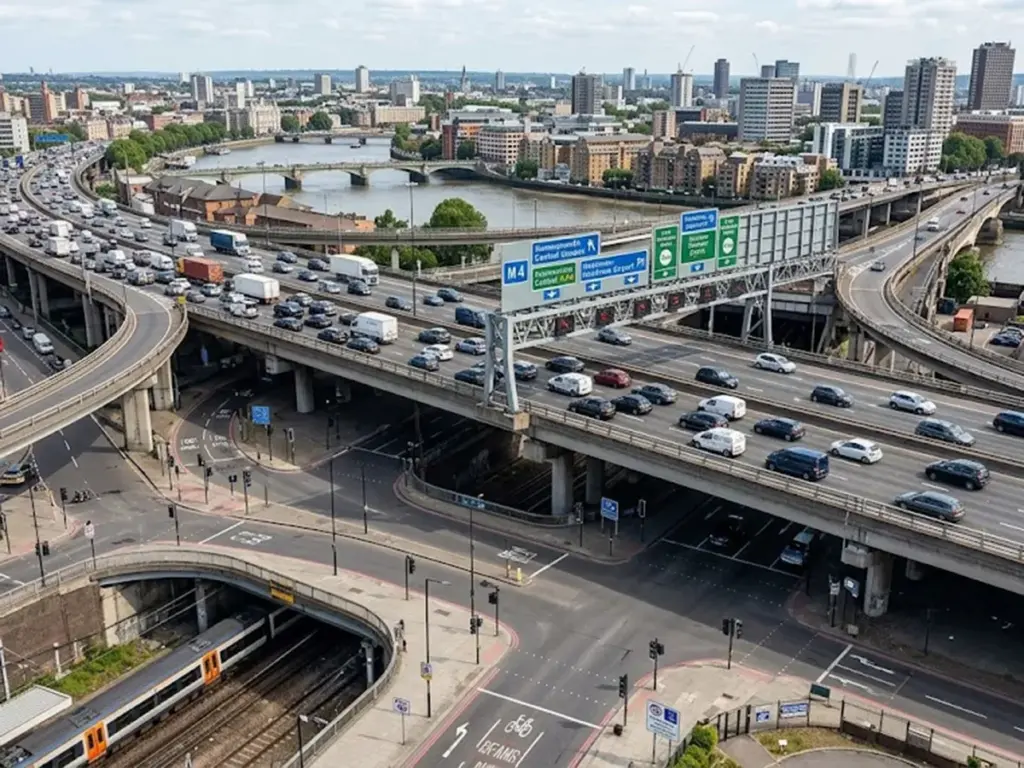
Две основные системы управляют Классификация светоотражающих пленок для дорожных знаков на рынках, наиболее важных для закупок дорожной инфраструктуры: трехклассовая структура Austrroads в соответствии с AS/NZS 1906.4, и структура Великобритании RA1/RA2/R3B в соответствии с BS EN. 12899-1:2007 и ЦРГД 2016.
Трехклассная система Austradas
Austrroads определяет класс 1, Сорт 2, и класс 3 покрытие по минимальному коэффициенту световозвращения (РА) значения измеряются в канделах на люкс на квадратный метр. (кд·лк⁻¹·м⁻²) при стандартных углах наблюдения и входа. Важно, Austrroads требует результатов деятельности, а не бренда или типа продукта. Любой листовой продукт, соответствующий порогу RA для данного класса, квалифицируется как соответствующий спецификациям., при условии, что он имеет стороннюю сертификацию лаборатории, аккредитованной NATA..
- Сорт 1: Самый низкий порог RA; подходит для низкоскоростных, местные дорожные условия с низкой интенсивностью движения
- Сорт 2: Промежуточные характеристики для магистральных и субмагистральных дорог; значительно более высокие минимумы RA, чем у класса 1
- Сорт 3: Самый высокий уровень производительности для автострад, автомагистрали, и высокоскоростные сельские коридоры
Спецификации государственного транспортного управления накладываются на базовые показатели Austradas.. TFNSW (Спецификация дорог и морских служб B217), Раздел стандартных спецификаций VicRoads 812, Техническая спецификация MRWA, и MRTS71 TMR Queensland, каждый из которых ссылается на AS/NZS. 1906.4 напрямую, иногда устанавливая более строгие минимумы для конкретных категорий дорог..
Великобритания RA1, RA2, и структура R3B в рамках TSRGD 2016
Великобритания классифицирует световозвращающую пленку по трем основным обозначениям характеристик.. RA1 представляет собой производительность начального уровня, подходящую для низкоскоростных, местные дорожные условия. RA2 является обязательным для большинства магистральных дорог и указателей основных маршрутов., обеспечение существенно более высокого световозвращения при стандартной геометрии наблюдения. R3B представляет призматические характеристики премиум-класса, необходимые для автомагистралей., высокоскоростная дорога с двусторонним движением, и критически важные для безопасности приложения.
Национальные шоссе’ Руководство по проектированию дорог и мостов, компакт-диск 375 регулирует требования к заявкам на стратегическую дорожную сеть. Местные дорожные власти сохраняют за собой свободу действий в рамках TSRGD 2016 минимумы, и многие принимают RA2 в качестве общей минимальной спецификации, чтобы упростить закупки и снизить риск замены в течение всего срока службы..
Подробную техническую разбивку этих обозначений см., включая геометрию измерения, фотометрические пороги, и последствия для закупок, полное руководство по Британские стандарты светоотражающих дорожных знаков и соответствие TSRGD охватывает полный набор нормативных ссылок.
Стол для пешеходного перехода: Классы AU против. Обозначения Великобритании/EN
В следующей таблице представлено ориентировочное сопоставление эквивалентности производительности.. Прямое числовое сравнение требует преобразования с учетом геометрии., как AS/NZS 1906.4 и 12899-1 использовать разные углы измерения.
| Текущий стандарт Австралии/Новой Зеландии (КАК 1906.1:2017) | Современный фотометрический уровень (РА Кронштейн) | Европейский / EN-эквивалент (BS один 12899-1) | Типичная современная структура материала | 2026 Приложение жизненного цикла основного актива |
| Класс 100(Заменяет класс 1) | Самый низкий эксплуатационный порог | RA1(Класс А) | Усовершенствованная стеклянная бусина / Базовый микропризматический | Внедорожные коммерческие активы, парковка во дворе, и некритичные вывески для внутренних складов. |
| Класс 400(Заменяет класс 2) | Производительность среднего уровня | RA2(Класс Б) | Инкапсулированный микропризматический (БЕДРО) | Стандартные городские дорожные сети, низкоскоростные бытовые коллекторы, и средства управления дорожным движением временной рабочей зоны. |
| Класс 900(Заменяет класс 3) | Порог высокой производительности | RA3(Класс С) | Полнокубический микропризматический (НАПРИМЕР., DG3) | Высокоскоростные автострады, сельские национальные автомагистрали, кривые с серьезными последствиями, и подвесные портальные установки. |
| Класс 1100(Заменяет класс RX) | Широкоугольный порог премиум-класса | RA3 + Флуоресцентный | Полнокубический призматический + Флуоресцентный полимер | Защита уязвимых активов (пешеходные/школьные зоны), точки происшествий высокого риска, и промышленные таблички безопасности/безопасности по опасным химическим веществам. |
Источник: Технические характеристики Австрадс (АТС-4310: Поставка дорожных знаков); Официальный магазин стандартов Австралии (КАК 1906.1:2017); Официальный магазин стандартов Австралии (AS/NZS 1906.4:2023); Британский институт стандартов (BS один 12899-1)
Продукт сертифицирован как класс 3 под AS/NZS 1906.4 не имеет автоматической сертификации R3B без независимого тестирования EN. Производители, экспортирующие вывески между юрисдикциями, должны независимо сертифицировать оба стандарта..
Сорт 1 Лист: Область применения спецификации и границы соответствия
Сорт 1 представляет собой точку входа в Классификация светоотражающих пленок для дорожных знаков. Его минимальные значения RA, изложено в AS/NZS 1906.4 Стол 2, откалиброваны для дорог, где скорость приближения и интенсивность движения предъявляют меньшие требования к расстоянию обнаружения водителя.
Определение класса 1 Конверт производительности
Применимые дорожные условия: местные подъездные пути, Автоарки, Пешеходные зоны, малообъемные информационные вывески для сельской местности
- Типичный заявленный порог скорости: ≤ 60 км/ч, с AADT под частью Auustroads AGTM 6 пороговые значения
- Доминирующий материал: Инженерный лист, либо варианты со стеклянными шариками, либо микропризматические варианты
- Гарантийный срок (заявленный производителем): обычно 7–10 лет при начальных уровнях РА
- Не подходит для: Знаки школьной зоны, предупреждающие знаки о перекрёстке на магистралях, или любой знак, прилегающий к зоне скорости, превышающей 70 км/ч
Полное руководство по техническим характеристикам, включая утвержденные в каждом штате приложения., критерии закупок, и сценарии риска для сред с низким трафиком — подробный профиль Сорт 1 светоотражающая пленка для дорожных указателей с низкой интенсивностью движения обеспечивает полное техническое покрытие.
Общий класс 1 Сценарии неправильного применения
Наиболее частое неправильное применение класса 1 покрытие возникает на дорогах, где скоростная среда изменилась после разработки. Проекты городского заполнения и разделения жилых домов регулярно создают условия для коллекторных дорог — более высокий показатель AADT, повышенное взаимодействие пешеходов — на дорогах, изначально классифицированных как местные с доступом. Когда дорога подвергается функциональной реклассификации или пересмотру ограничения скорости, все существующие классы 1 вывеска может потребовать замены.
Оценщики должны относиться к классу 1 как вариант с наименьшей удельной стоимостью, но признаем, что он несет самый высокий риск в течение жизненного цикла на дорогах, подлежащих модернизации в будущем.. Включение триггера проверки реклассификации в долгосрочные контракты на техническое обслуживание является разумной стратегией управления рисками..
Анализ экономической эффективности листовое покрытие инженерного класса для экономичных программ вывесок предоставляет количественную структуру жизненного цикла для класса 1 решения о закупках.
Сорт 2 Лист: Рабочая лошадка для магистральной дороги
Сорт 2 представляет собой наиболее широко указанный уровень в Классификация светоотражающих пленок для дорожных знаков по городской и региональной дорожной сети Австралии. Пороги RA — существенно выше, чем у класса 1 под углом наблюдения 0,2° — обеспечивают световозвращающую способность, необходимую для обнаружения водителя на скоростях магистральной дороги и при высокой плотности движения..
Требования к производительности и материальный ландшафт
- Применимые дорожные условия: субмагистральные и магистральные дороги, дороги с AADT > 5,000, скоростные зоны 70–90 км/ч
- Минимальные значения RA: согласно AS/NZS 1906.4 Стол 3; при угле наблюдения 0,2°, примерно в 2–3 раза больше класса 1 минимум в зависимости от цвета
- Доминирующий материал: Высокая интенсивность призматическая (БЕДРО) листовое покрытие с использованием призматического световозвращения с кубическими углами, встроенное в гибкую полимерную пленку
- Преимущество HIP: превосходные широкоугольные характеристики по сравнению с типами со стеклянными шариками, особенно на углах въезда, характерных для геометрии городских перекрестков
- Гарантийный срок: обычно 10–12 лет при номинальных уровнях RA для продуктов HIP
Для глубокого технического погружения в геометрию листов HIP., рейтинги долговечности, и анализ стоимости за год обслуживания, руководство по Производительность листов HIP и оптимальные условия применения предоставляет полную информацию о технических характеристиках.
Наложения спецификаций штата и территории
Транспортные власти каждого штата и территории налагают наложения на класс Austrads. 2 базовый уровень. Оценщики должны проверить спецификации применимого органа власти, прежде чем оценивать любой классифицированный дорожный проект..
| Власть | Справочная информация по спецификациям | Сорт 2 Приложение | Ключевое наложение |
| TFNSW | Спецификация RMS B217 | Все классифицированные дороги | Некоторые городские магистрали требуют класса 3 |
| Викродс | Раздел стандартных спецификаций 812 | Вся артериальная сеть | Ссылки AS/NZS 1906.4 напрямую |
| TMR Qld | МРТС71 | Все дороги, контролируемые государством | Сорт 2 обязательный минимум |
| MRWA | Технические характеристики основных дорог штата Вашингтон | Вся государственная дорожная сеть | Региональные дороги тоже класс 2 минимум |
| ДПТИ СА | Инженерные требования, специфичные для проекта | Артериальная и выше | Проверьте текущую версию спецификации |
Источник: ТфНСВ B217; Раздел ВикРоудс 812; ТМР МРТС71; Техническая спецификация MRWA (текущие выпуски, 2025–2026 г.)
Для полного составления нормативной карты по штатам Сорт 2 требования, см. технический профиль класса 2 светоотражающее полотно для магистральных дорог со средней интенсивностью движения.
Сорт 3 Лист: Высокоскоростной, Критически важные для безопасности, и характеристики для автомагистралей
Сорт 3 находится на вершине Austrroads Классификация светоотражающих пленок для дорожных знаков. При скорости захода на посадку 100–130 км/ч., время, в течение которого водитель может обнаружить, читать, и реагировать на знак резко сжимается. Световозвращающая способность должна компенсировать это за счет обеспечения заметности на значительно больших расстояниях, чем обеспечивает пленка более низкого класса..
Техническое обоснование и характеристики материала
- применимые среды: автострады, автомагистрали, сельские дороги с заявленной скоростью 100 км/ч или выше, подвесные таблички, предупреждающие знаки на перекрестках, важных для безопасности
- Пороги RA: согласно AS/NZS 1906.4 Стол 4; при угле наблюдения 0,2°, Сорт 3 минимумы обычно в 3–5 раз выше, чем класс 1 эквиваленты в зависимости от цвета и угла входа
- Доминирующий материал: Diamond Grade и эквивалентное микропризматическое покрытие со структурированными линзами премиум-класса
- Технология: кубическая геометрия структурированной линзы обеспечивает постоянную световозвращающую способность в широком угле; доступны варианты флуоресцентных подложек для школьных и рабочих зон, требующих заметности в дневное время
- Гарантия: 10–12 лет с явно более высокими сохранившимися показателями RA в конце жизни по сравнению с более низкими классами
Для комплексного технического и коммерческого анализа, включая данные испытаний на световозвращающую способность., гарантийные показатели, и моделирование стоимости жизненного цикла — подробное руководство по Покрытие Diamond Grade для повышенной видимости, приложения для вывесок с высокой долговечностью охватывает полный спектр спецификаций.
Национальные шоссе (Великобритания) и соответствие требованиям автомагистралей Austrroads
Обе детали Auustroads AGTM 6 Раздел 7 и компакт-диск DMRB 375 требуют использования защитного покрытия премиум-класса для самых скоростных дорог.. В Великобритании, НХСС 16Б (Схема национального сектора автомобильных дорог 16B) требует R3B в качестве обязательного минимума для знаков на автомагистралях и универсальных магистральных дорогах в соответствии со Спецификацией дорожных работ. (ТБО) Ряд 1200.
На конструкции надземных знаков, включая знаки с изменяемой информацией и козловые знаки, распространяются дополнительные структурные и световозвращающие характеристики, выходящие за рамки стандартного класса. 3. Они требуют инженерной экспертизы конкретного проекта, а не применения стандартного графика.. Режимы испытаний на световозвращающую способность, предусмотренные как Austrroads AP-G79M-17, так и Кодексом практики хорошо управляемой дорожной инфраструктуры Великобритании, требуют первоначальных приемочных испытаний., 12-месячный осмотр после установки, и последующее периодическое измерение в ходе эксплуатации.
Полный профиль соответствия Class 3 Светоотражающая пленка для сред с интенсивным движением транспорта и критически важных для безопасности объектов охватывает полный набор нормативных документов и включает контрольный список закупок для проектов, предназначенных для автомагистралей..
Материальная архитектура: Сопоставление технологий изготовления листового материала с уровнями классификации
Понимание того, какие световозвращающие технологии соответствуют каким уровням классификации, позволяет специалистам по соблюдению нормативных требований и оценщикам критически оценивать претензии поставщиков., вместо того, чтобы принимать спецификации производителя за чистую монету.
Три основные световозвращающие технологии
| Технология | Световозвращающий механизм | Согласование классификации | Основной вариант использования |
| Стеклянная бусина (закрытая/инкапсулированная линза) | Сферическое световозвращение шарика | Сорт 1 / только RA1 | Местные дороги, Автоарки |
| Микропизматический (Варианты EG и HIP) | Кубоугольные призматические матрицы | Класс 1–2 / РА1–РА2 | Магистральные и субмагистральные дороги |
| Микропризматические структурированные линзы премиум-класса (Алмазный класс) | Высокоэффективная кубическая геометрия | Сорт 3 / Р3Б | Автострады, автомагистрали, портальные знаки |
Источник: AS/NZS 1906.4:2007; BS один 12899-1:2007; 3Технические данные систем безопасности дорожного движения M (2025)
Для сравнения материалов, включая клеевые системы, стабильность размеров, совместимость подложек, и анализ стоимости за год обслуживания, руководство по выбор подходящих светоотражающих материалов для изготовления дорожных знаков охватывает всю структуру выбора материалов.
Соблюдение требований по охране окружающей среды и прекращению эксплуатации
Световозвращающее полотно содержит полимерные пленки., клеевые слои, и — для стеклянных шариков — силиконовые или акриловые связующие.. Утилизация и обращение с истекшим сроком эксплуатации регулируются государственной лицензией по охране окружающей среды. (АПЛ) условия в Австралии и правила обращения с отходами в Великобритании.
- Совет по устойчивому развитию инфраструктуры (ЯВЛЯЕТСЯ) рейтинговый инструмент в Австралии: некоторые государственные транспортные проекты теперь требуют кредитов IS на материалы, требование предоставления экологических данных в составе проектной документации
- Великобритания НЕ 2080 Управление выбросами углерода в инфраструктуре: National Highways внедряет требования к выбросам углерода в спецификации цепочки поставок, влияние на закупку листового материала для крупных проектов
- Отраслевое направление: Ведущие производители листового покрытия разрабатывают клеевые системы, пригодные для вторичной переработки и с пониженным содержанием летучих органических соединений, в ответ на государственные программы закупок, обеспечивающие устойчивое развитие.
Подробный анализ Воздействие светоотражающих материалов дорожных знаков на окружающую среду по всем классификациям уровней полностью покрывает эти обязательства, включая требования к данным по безопасности материалов для государственных контрактов.
Пути соблюдения требований, специфичные для Великобритании: RA1, RA2, и Р3Б при ЦРГД 2016
Великобритании Классификация светоотражающих пленок для дорожных знаков Структура работает по отдельной, но структурно схожей логике с системой Austrroads.. TSRGD 2016 (Англия и Уэльс) устанавливает законодательные требования к видимости; местные дорожные власти переводят их в спецификации листового покрытия, используя BS EN. 12899-1:2007 в качестве эталона измерения.
TSRGD 2016 Требования и усмотрение местных властей
- Национальные шоссе (компакт-диск 375): R3B обязателен для всех знаков автомагистралей и универсальных магистральных дорог.; Минимум RA2 для основных маршрутов, где R3B не требуется.
- Местные дорожные власти: сохраняем за собой право указывать суммы, превышающие установленные законом минимальные значения; многие принимают общий минимум RA2 для упрощения закупок
- Шотландия и Уэльс: автономные транспортные структуры ссылаются на один и тот же BS EN 12899-1:2007 стандарты производительности
- НХСС 16Б: обязательно для поставок по национальным автомагистралям; многие местные органы власти называют предпочтительной сертификацией; дизайн знака обложки, спецификация материала, контроль качества, и световозвращающие характеристики
RA1 против. Структура принятия решений RA2
Разница в производительности между RA1 и RA2 не просто возрастающая.. При угле наблюдения 0,2°, Минимальные значения RA2 существенно выше, чем RA1., что непосредственно приводит к увеличению дальности обнаружения водителя на скоростях выше 60 км/ч. Коммерческое обоснование использования RA2 на местных дорогах — даже там, где законодательные требования разрешают RA1 — основано на уменьшении частоты замены и более низкой стоимости всего срока службы..
- RA1 остается целесообразным: Автоарки, пешеходные зоны, частные дороги, очень медленные внутренние дороги поместья
- RA2 — это прагматический минимум, независимо от законодательных требований.: дороги по обозначенным объездным маршрутам, дороги рядом со школами или больницами, дороги, на которых в будущем будет пересмотрен лимит скорости
Для сравнения производительности на основе данных, расходы, и последствия соблюдения, анализ Выбор листового покрытия RA1 и RA2 для закупок дорожных знаков в Великобритании предоставляет полную структуру принятия решений с моделированием затрат.
Структура закупок: Преобразование иерархии дорог в соответствующие производственные спецификации
Создание соответствующего расписания знаков
Соответствующий график знаков для любого проекта дорожной инфраструктуры должен документировать, за каждый знак: тип дороги и уровень иерархии, скорость окружающей среды, знаковая функция, применимый класс покрытия или обозначение RA, эталонный стандарт, спецификация применимого органа, и требуемый формат сертификата испытаний. Указание световозвращающей пленки в соответствии с AS/NZS 1906.4.’ без указания класса создает двусмысленность контракта и допускает несовместимую замену.
Записка о закупках местных органов власти: TFNSW, Викродс, TMR Qld, и MRWA публикуют реестры одобренных продуктов (годовая процентная ставка). Использование листового материала от производителя, внесенного в список APR, упрощает документацию о соответствии требованиям и управление контрольным журналом..
Контрольный список технических спецификаций запроса предложений для сотрудников по соблюдению нормативных требований
- Классификация листов: Сорт 1/2/3 (AS/NZS 1906.4) или RA1/RA2/R3B (В 12899-1) ясно сказано
- Ссылка на спецификацию органа: НАПРИМЕР., ТфНСВ B217, Раздел ВикРоудс 812, компакт-диск ДМРБ 375
- Формат сертификата испытаний: пакетный уровень против. одобрение типа; выдача аккредитации лаборатории (НАТА для АС; UKAS для Великобритании)
- Минимальная сохраняемая световозвращающая способность в конце гарантийного срока: согласно руководству Austradas AP-G79M-17
- Материал подложки: марка алюминиевого сплава, толщина листа, тип обработки поверхности
- Документация по методу приклеивания листа к подложке и сертификация совместимости.
- Пакет документации соответствия: Записи контроля качества, сертификаты испытаний на уровне партии, декларации данных о безопасности материалов
- Сертификация NHSS 16B (Проекты национальных автомагистралей Великобритании): Текущая область применения и номер сертификата
Возможности завода как стратегия снижения комплаенс-рисков
Вертикально интегрированные производители вывесок — контроль изготовления подложек, применение листового покрытия, печать, и тестирование световозвращающей способности под одной крышей — исключить различия между поставщиками как вектор риска соответствия. Маркеры способностей, которые имеют наибольшее значение для сотрудников по закупкам:: собственный ретрорефлектометр, откалиброванный по стандарту AS/NZS 1906.4 геометрия, документированные процедуры QAQC, одобрения государственных и национальных органов власти, и возможность выдавать сертификаты испытаний на уровне партии в качестве стандартных позиций поставки..
Наше производство работает в классе 1, Сорт 2, и класс 3 (AS/NZS 1906.4) и РА1, RA2, и R3B (BS один 12899-1 / TSRGD 2016). Объект работает напрямую с TfNSW., Викродс, TMR Qld, MRWA, ДПТИ СА, и местные дорожные власти Великобритании для перевода данных об иерархии дорог непосредственно в соответствующие, документированные производственные циклы. Специалисты по соблюдению требований и оценщики могут связаться с технической командой, чтобы обсудить требования к графику знаков для конкретного проекта., включая расписания смешанных классов и пакеты документации для конкретных органов.
Соблюдение классификации как стратегия закупок, Не техническая мысль
Классификация светоотражающих листов дорожных знаков определяет диапазон производительности, в пределах которого действует каждое решение о закупке последующих знаков. Правильная последовательность не подлежит обсуждению: подтвердить иерархию дорог и скоростную среду → определить применимую спецификацию органа власти → сопоставить требуемый класс покрытия или обозначение RA → выбрать соответствующий материал с сертификацией третьей стороны → закупить у производителя, способного предоставить полный пакет документации соответствия.
Сокращение любого шага в этой цепочке приводит к возникновению ответственности в момент проверки., инспекция, или расследование инцидента. Для сложных проектов, охватывающих несколько типов дорог, структурированная матрица расписания знаков, разработанная до выдачи запроса на предложение, остается единственным наиболее эффективным доступным инструментом снижения рисков.
Для комплексной технической обработки световозвращающих материалов знаков — выбор подложки покрытия, технология раскатки, цветопередача, и стратегия соблюдения требований в нескольких юрисдикциях — Полное руководство по материалам световозвращающих дорожных знаков и их соблюдению по всем дорожным иерархиям предоставляет комплексную справочную систему для специалистов по дорожной инфраструктуре.
Часто задаваемые вопросы: Вопросы закупок и соответствия
1 квартал: Какой минимальный класс покрытия требуется для знаков на 60 км/ч по городской магистрали в соответствии с рекомендациями Austradas?
Часть Austrroads AGTM 6, а 60 км/ч, городская магистральная дорога с AADT, превышающим пороговые значения местных дорог, обычно требует минимум класса 2 лист (AS/NZS 1906.4). Сорт 1 обычно ограничивается местными подъездными дорогами с более низкими скоростями и профилями объема.. Всегда проверяйте соответствие применимым спецификациям государственного органа — TfNSW B217., Раздел ВикРоудс 812, или соответствующий эквивалент — до закупки, поскольку государственные наложения могут устанавливать более строгие минимумы, чем базовый уровень Austroads.
Q2: Класс Austrads 3 и обозначения листов R3B Великобритании, взаимозаменяемые для производителей, поставляющих оба рынка.?
Нет. Сорт 3 (AS/NZS 1906.4) и R3B (BS один 12899-1) представляют собой в целом эквивалентные уровни производительности, но определяются в соответствии с разными стандартами с разной геометрией измерения и пороговыми значениями коэффициентов.. Продукт сертифицирован как класс 3 требует независимого тестирования EN, чтобы соответствовать требованиям R3B. Производители, поставляющие товары на оба рынка, должны иметь двойную сертификацию и вести отдельную документацию для каждой юрисдикции..
Q3: Как часто необходимо проверять световозвращающую способность знаков государственной дорожной сети в Австралии в процессе эксплуатации??
Austrroads AP-G79M-17 содержит рекомендации по интервалам проверок и минимальным пороговым значениям сохраняемой световозвращающей способности.. Государственные транспортные агентства обычно применяют периодический цикл проверок каждые 3–5 лет., с частотой, зависящей от класса покрытия, уровень иерархии дорог, и климатическая зона. Спецификации отдельных штатов могут устанавливать более строгие интервалы — сотрудники по соблюдению требований должны обращаться к применимой системе управления активами в своей юрисдикции.. Квинсленд и Вашингтон, в частности, могут потребоваться ускоренные графики для тропических и засушливых условий..
Q4: Может ли местный совет указать класс 2 защитное покрытие на дорогах, где согласно рекомендациям Auustroads требуется только класс 1?
Да. Рекомендации Austrroads устанавливают минимальные требования к производительности.; местные органы власти и государственные транспортные департаменты сохраняют за собой полное право указывать более высокий уровень классификации.. Многие советы принимают класс 2 в качестве общего минимума для снижения затрат на замену в течение всего срока службы и перспективных активов знаков против реклассификации иерархии дорог.. Повышение спецификации является законной и коммерчески оправданной стратегией закупок..
Q5: Какую документацию о соответствии должен предоставить производитель знаков, чтобы продемонстрировать соответствие классификации листового покрытия??
Как минимум, соответствующий требованиям производитель должен предоставить: (1) сертификат испытаний на световозвращающую способность третьей стороны, выданный AS/NZS 1906.4 или en 12899-1 на соответствующем уровне классификации, выдан аккредитованным NATA (Австралия) или аккредитованный UKAS (Великобритания) лаборатория; (2) декларация о материале, идентифицирующая листовой продукт и производителя; (3) записи QAQC на уровне партии, связывающие сертификат испытаний с конкретным производственным циклом; (4) заявление о соответствии спецификации действующего органа (НАПРИМЕР., ТфНСВ B217, компакт-диск ДМРБ 375). Контракты на национальные автомобильные дороги Великобритании также требуют подтверждения действующей сертификации NHSS 16B..
Ссылки
- Автор. (2017). Руководство по проектированию дорог — Световозвращающая способность (АП-Г79М-17). Аустраудс, ООО, Сидней.
- Автор. (2020). Руководство по части управления дорожным движением 6: Перекрестки, Развязки и переходы. Аустраудс, ООО, Сидней
- Национальные шоссе (Великобритания). (2021). Руководство по проектированию дорог и мостов, компакт-диск 375 — Дорожные знаки. Национальные шоссе, Бирмингем.
- Национальные шоссе (Великобритания). (2023). Спецификация дорожных работ (ТБО) Ряд 1200 — Дорожные знаки. Национальные шоссе, Бирмингем.
- Департамент транспорта и главных дорог Квинсленда. (2023). МРТС71 — Дорожные знаки. Правительство Квинсленда.
- Совет по устойчивому развитию инфраструктуры. (2023). Инструмент оценки IS v2.0 — Система кредитования материалов. МСК Австралия.
- Группа БСИ. (2021). НЕТ 2080:2023 — Управление выбросами углерода в инфраструктуре. БСИ, Лондон.