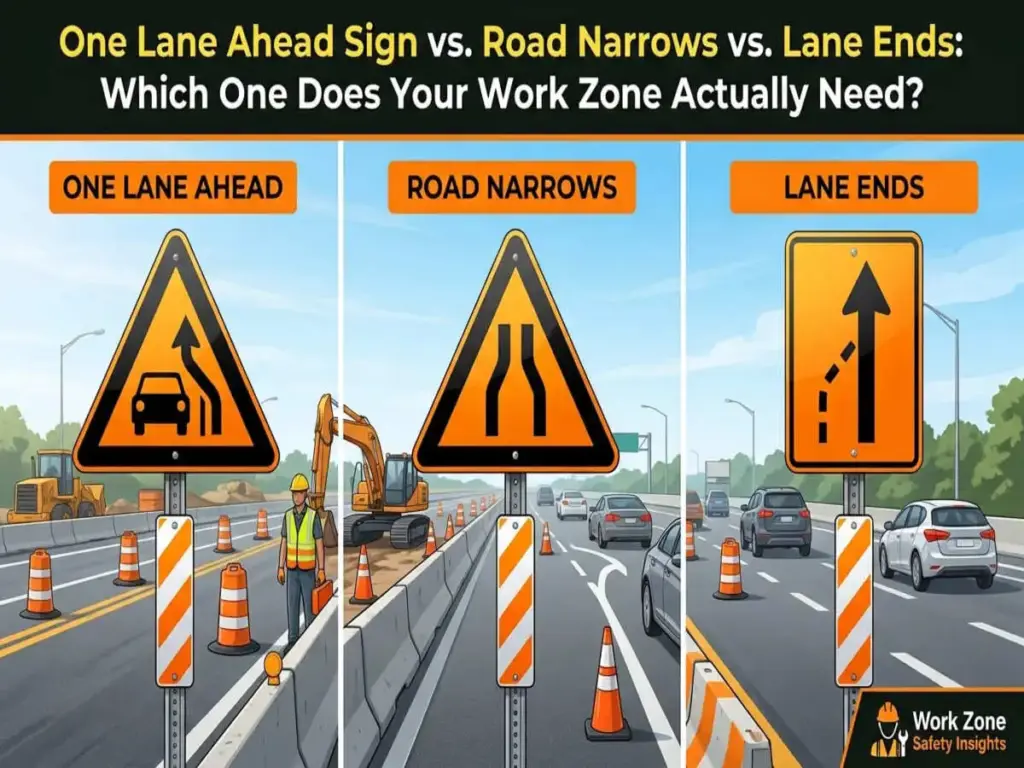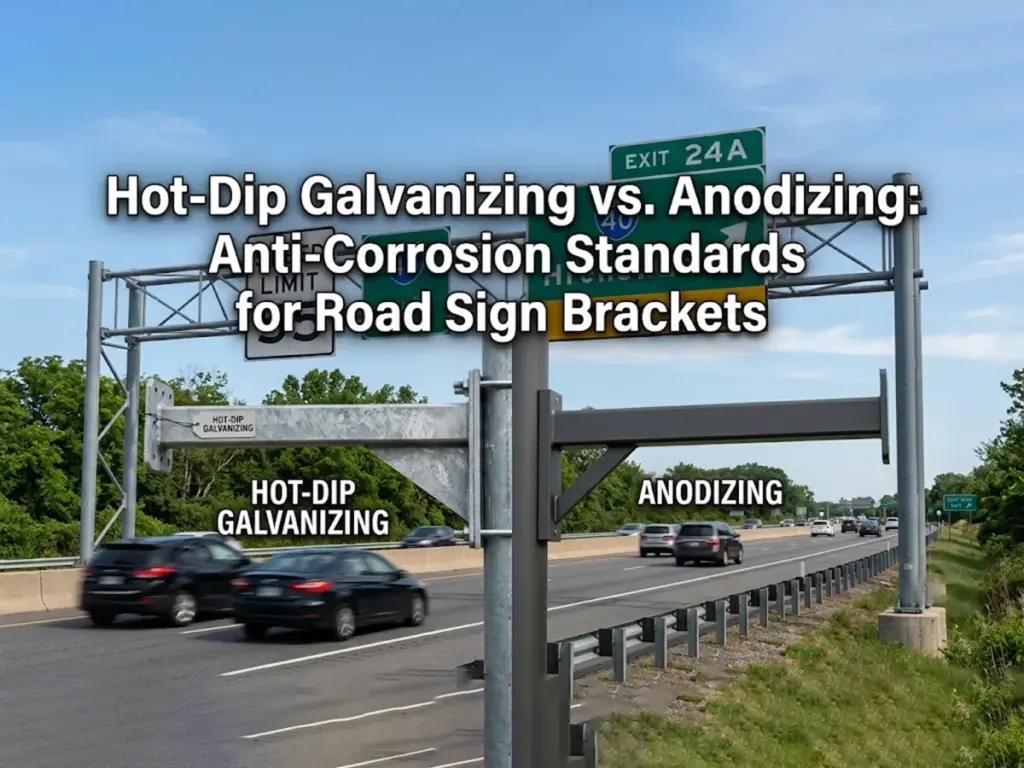
Одно несанкционированное транспортное средство в неположенном месте может вывести из строя подъемный кран., блокировать заливку бетона, или помешать машине скорой помощи добраться до травмированного работника. На активных коммерческих строительных площадках, контроль парковки — это не административная деталь, а критическая с точки зрения безопасности, юридически осуществимое эксплуатационное требование.
Строительная площадка без знаков парковки составляют основу этой системы правоприменения. Они создают документально, видимый, юридически достаточное уведомление для субподрядчиков, водители-экспедиторы, и широкая публика. Без соответствующей вывески, менеджеры проектов теряют свои правоприменительные полномочия и подвергают проект ответственности, задержки по расписанию, и нормативные штрафы.
В этом руководстве описан полный жизненный цикл развертывания.: федеральные и государственные стандарты знаков, Характеристики подложки и отражательной способности, выбор монтажного оборудования, проектирование размещения, и координация правоприменения — все, что необходимо развернуть менеджеру проекта или специалисту по безопасности на объекте. Строительная площадка без знаков парковки это действительно работает.
Эксплуатационные издержки нарушений правил парковки на рабочей площадке
Нарушения правил парковки на активных строительных площадках влекут за собой каскадные последствия. Один автомобиль, блокирующий дорогу, может задержать бетоновоз, который каскадом переходит в отложенную заливку, расширенная аренда крана, и сжатый график нисходящего потока.
Ошибки доступа, которые останавливают развитие проекта
Тяжелое оборудование работает с жесткими пространственными допусками.. Радиус поворота противовеса гусеничного крана может увеличиваться. 15 к 30 футов от центра мачты. Стрелы бетононасосов требуют беспрепятственных сортировочных полос.. Припаркованный внутри этих коридоров пикап субподрядчика вынуждает операторов останавливать работу и устранять препятствие, прежде чем продолжить работу — каждая минута простоя крана обходится в сотни долларов..
Оша 29 CFR 1926 Подчасть C требует постоянного доступа в экстренных ситуациях на все активные рабочие места.. Заблокированный аварийный коридор — это не просто проблема с расписанием. Это записываемый триггер событий OSHA, который позволяет генеральному подрядчику цитироваться., штраф, и потенциальное приостановление проекта.
Разница в ответственности, когда устные инструкции заменяют вывешенные знаки
На многопрофильных рабочих площадках регулярно размещаются 20 или более бригад субподрядчиков без общего протокола инструктажа. Устные инструкции по парковке, данные во время утренней беседы с инструментами, не являются юридически обязательным уведомлением.. Строительная площадка без знаков парковки делать.
Физические вывески устанавливают документированное конструктивное уведомление. Когда приедет эвакуатор или сотрудник правоохранительных органов, вывешенный знак является свидетельством ограничения. Без этого, буксировка не имеет юридической силы, независимо от того, что было сообщено устно.
Федеральные и государственные стандарты, регулирующие зону строительства, запрещающую знаки парковки
Каждая строительная площадка, на которой нет знака парковки, размещенная на общественной полосе отвода или рядом с ней, должна соответствовать установленной нормативной базе.. Несоответствующие знаки не подлежат принудительному исполнению и могут повлечь за собой ответственность ГК, если на их основании будет буксироваться транспортное средство..
Серия FHWA R7: Федеральный нормативный стандарт проектирования
Серия R7 Федерального управления шоссейных дорог регулирует нормативные знаки, запрещающие парковку, в соответствии с Руководством по унифицированным устройствам управления дорожным движением. (Mutcd). В дизайнах R7-1 и R7-8 указан белый фон., черная рамка, черный текст, и красный круг с диагональной косой чертой над буквой P — универсальный запрещающий символ, признанный во всех юрисдикциях..
Дополнительный текст, например “Нет строительной парковки” разрешено под регуляторной панелью, при условии сохранения стандартной цветовой схемы и характеристик отражательной способности. В этом дополнении разъясняются ограничения для бригад субподрядчиков без нарушения принципов проектирования FHWA..
Любое временное сооружение, запрещающее парковку, размещаемое на полосе отвода или примыкающее к ней, должно соответствовать серии R7.. Внутренние знаки на объекте соответствуют плану безопасности объекта и OSHA. 1926, но стандарты MUTCD остаются эталоном дизайна и заметности..
КАК MUTCD, Дополнения DOT штата, и региональное расслоение
Федеральный MUTCD устанавливает национальный минимальный уровень. Государственные DOT публикуют дополнения, ужесточающие требования к местным условиям.. Часть CA MUTCD Калифорнии 6 предъявляет строгие требования к плотности размещения знаков, дистанция предварительного предупреждения, и отражательная способность в ночное время для временных зон регулирования дорожного движения.
Менеджеры проектов, работающие в нескольких штатах, должны проверять применимое дополнение DOT для каждого адреса проекта.. Конфигурация знака, соответствующая требованиям Техаса, может не соответствовать требованиям CA MUTCD на рабочей площадке в Калифорнии.. Муниципальные разрешения на посягательства, например, требуемые Инженерным бюро Лос-Анджелеса, добавляют третий уровень соответствия над государственным стандартом..
Указатели пожарной полосы по периметру строительства
На обозначенных подъездных дорогах для пожарной техники в пределах активного периметра строительства должны быть установлены знаки с красным текстом на белом светоотражающем фоне. “ПОЖАРНАЯ ПОЛОСА — ПАРКОВКА ЗАПРЕЩЕНА — ЗОНА БУКСИРОВКИ” или эквивалентный язык. Раздел D103.6 пожарного кодекса Калифорнии (зеркальное отображение раздела IFC D103.6) устанавливает эту спецификацию для строительных сред, где подъездная дорога для пожарной техники была определена органом, имеющим юрисдикцию. (AHJ).
Инспекторы AHJ сверяют обозначенную пожарную полосу в утвержденном плане безопасности объекта с физическими знаками, размещенными во время посещений объекта.. Расхождения между планом и установкой на месте могут привести к приостановке работ.. Для соблюдения постоянного коридора пожарной полосы, как только объект достигнет занятости, стандарты развертывания отличаются от временных требований на этапе строительства.
Характеристики подложки и отражательной способности для активной строительной среды
Не все знаки выдерживают строительные работы. Переносимая по воздуху бетонная пыль, дизельный выхлоп, вибрация оборудования, и промывка под высоким давлением разрушают некачественные основания в течение нескольких недель.. Выбор подходящего материала — это решение о закупке, имеющее прямые последствия для безопасности и правоприменения..
Алюминиевый манометр: Минимальный стандарт долговечности рабочей площадки
Стандартный субстрат для Строительная площадка без знаков парковки представляет собой нержавеющий алюминий толщиной 0,080 дюйма.. Этот датчик выдерживает механическую вибрацию от уплотнителей и сваебойных машин., сопротивляется деформации при монтаже на панели рабицы под ветровой нагрузкой, и выдерживает жизненный цикл типичного этапа коммерческого строительства без деформации и растрескивания..
Гофрированный пластик (коропласт) разрушается под воздействием ультрафиолета и выходит из строя при вибрации вилочного погрузчика. Тонкий 0,040-дюймовый алюминий коробится при установке на заборе и при воздействии постоянного сдвига ветра от проезжающих мимо грузовиков.. Ни один из материалов не соответствует стандарту долговечности для зон активного строительства.. Любой знак, установленный на стойке U-образного профиля, вбитой в уплотненную насыпь или асфальт, должен иметь жесткую алюминиевую поверхность, чтобы соответствовать требованиям AASHTO к интерфейсу ветровой нагрузки..
Классы отражательной способности ASTM D4956 для объектов ночной смены
Активные строительные площадки часто работают в несколько смен.. Знаки, запрещающие парковку на временном строительстве, должны оставаться разборчивыми во время предрассветного прибытия подрядчиков и ночных проверок правопорядка.. ASTM D4956 определяет иерархию световозвращающих листов, применимую к указателям зон строительства.:
| Класс отражательной способности | ASTM D4956 Тип | Приложение |
| Инженерный класс | Тип i | Низкая скорость, частные сайты только для внутреннего использования; нет ночных операций — недостаточно для большинства коммерческих объектов |
| Высокоинтенсивные призматические | Тип III | Минимум для общественных знаков полосы отвода и любых объектов с работой в ночную смену. |
| Призматический сверхвысокой интенсивности | Тип IV | Требуется для части CA MUTCD 6 зоны; знаки рядом с дорогами 35 миль в час+; недостаточное временное освещение |
Источник: Стандартные спецификации ASTM D4956 на световозвращающую пленку для управления дорожным движением
HIP-пленка типа III обеспечивает световозвращающие характеристики значительно выше, чем у инженерного класса, при малых углах наклона фар.. Тип IV — правильная спецификация для крупных коммерческих проектов вблизи магистральных дорог., и для любого проекта, требующего CA MUTCD Part 6 согласие.
Индивидуальный брендинг и конфигурация панели знаков для конкретного этапа
В конструкции знаков, соответствующих требованиям MUTCD, предусмотрены дополнительные идентификационные панели подрядчика — номер проекта., экстренный контакт, или брендинг GC — в верхнем или нижнем колонтитуле без нарушения требований к форматированию FHWA.. Генеральные подрядчики, управляющие кампусами, состоящими из нескольких зданий, или поэтапной застройкой, получают выгоду от наборов знаков с цветовой кодировкой или номером проекта, чтобы предотвратить путаницу между фазами среди сменяющихся бригад субподрядчиков..
Массовая закупка предварительно проверенных комплектов табличек, соответствующих требованиям MUTCD, с одинаковыми характеристиками подложки и отражательной способности, устраняет риск замены на месте, который возникает, когда бригады приобретают знаки для замены из обычных хозяйственных магазинов..
Управление несколькими этапами или многопрофильной площадкой? Компания OPTSigns поставляет массовые комплекты знаков отсутствия парковки для строительных площадок, соответствующие требованиям MUTCD, с заголовками, специфичными для проекта, и подтвержденной отражательной способностью ASTM D4956.. Запросить оптовое предложение по проекту.
Монтажное оборудование: Посты, Кронштейны для забора, и временные базы
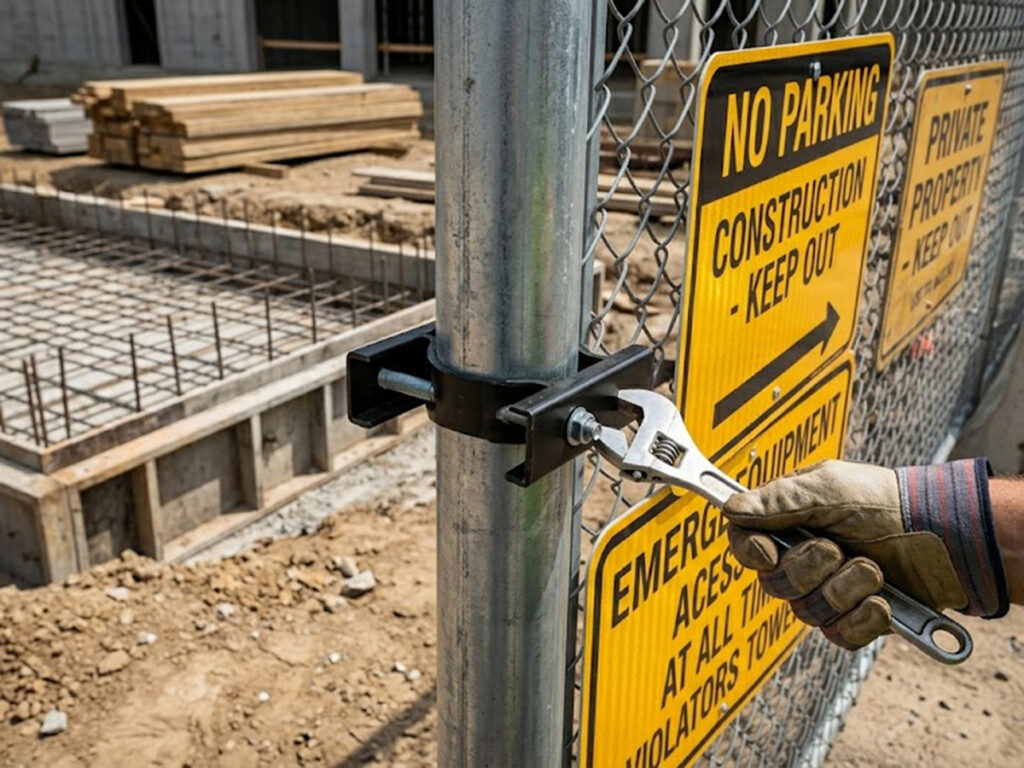
Панель для вывески эффективна настолько, насколько эффективна ее система крепления.. Строительная среда подвергает монтажное оборудование механическим нагрузкам, которые разрушают установки потребительского уровня за считанные дни.. Согласование монтажного решения с условиями объекта является ключевым решением при закупках..
Стальные U-образные стойки для полупостоянных обозначений строительной зоны
Стандартные стойки U-образного канала для применения в строительных зонах указываются 2 фунт/фут стали, 8 к 10 общая длина футов, управляемый 2 к 3 ноги в уклон, чтобы достичь 5 к 7 футов чистой высоты до центра знака. Столбы, вбитые в уплотненное основание или асфальт, требуют использования драйвера, а не стандартного инструмента для установки, что делает их подходящими для Строительная площадка без знаков парковки который будет действовать от недель до месяцев на протяжении всего этапа строительства..
Отдельные столбы U-канала, соответствующие стандарту NCHRP 350, требуются во многих юрисдикциях DOT штатов для временных знаков управления дорожным движением, размещенных в свободной зоне полосы отчуждения общего пользования.. Менеджеры проектов должны указать стойки, устойчивые к ударам, если расположение знака попадает в свободную зону придорожного движения, определенную действующим государственным стандартом DOT..
Монтаж кронштейна ограждения из звеньев цепи для вывесок по периметру
Монтаж забора по периметру – наиболее распространенный метод установки Строительная площадка без знаков парковки. Для сопротивления сдвигу ветра от проезжающих грузовиков и оборудования требуются сверхпрочные оцинкованные кронштейны для ограждения с болтовым креплением, а не только стяжки-молнии.. Установка застежек-молний выходит из строя в течение нескольких дней при длительной боковой нагрузке..
Знаки, установленные по периметру ограждения, обращены наружу, в сторону прилегающей проезжей части или поверхности парковки.. Они должны соответствовать требованиям MUTCD по высоте, даже если они установлены на ограждении.: центр знака должен сидеть 5 к 7 футов над поверхностью прилегающей дороги, и дно должно очиститься 7 футов в любой зоне, где пешеходы и транспортные средства имеют совместное движение.
Временные утяжеленные основания для зон без проникновения грунта
Области перекрытий после напряжения, подземные инженерные коридоры, и зоны, ограниченные AHJ, запрещают проникновение на землю. Строительная площадка без знаков парковки на этих территориях требуются временные утяжеленные базы. Тяжелые основания с резиновым наполнением. (минимум 50 фунты для сопротивления ветру на открытой площадке) или водонаполняемые балластные основания, рассчитанные на ветровую поверхность панели знака, являются стандартной спецификацией..
Для многонедельных развертываний, Цепные или тросовые утяжеленные основания к соседним панелям ограждения для предотвращения смещения операторами оборудования и предотвращения кражи алюминиевых панелей., которые имеют документально подтвержденную стоимость лома в условиях активного строительства.
Проектирование размещения: Высота, Интервал, Неудача, и угол
Правильное размещение знака так же важно, как и правильная спецификация знака.. Панель знака ASTM D4956 типа IV, установленная на неправильной высоте или под неправильным углом, не проходит проверку соблюдения требований.. Ошибки размещения также являются наиболее распространенной причиной, по которой правоохранительные органы отказывают в разрешении на буксировку..
Высота монтажа, Угол, и пропускная способность пешеходов
MUTCD определяет, что центр вывески должен располагаться 5 к 7 футов над прилегающей дорогой или дорожным покрытием. В зонах смешанного использования, где рабочие и транспортные средства перемещаются совместно, — зоны подготовки., сортировочные станции, въездные ворота на объект — нижняя часть знака должна быть свободна 7 футов, чтобы соответствовать порогу просвета над головой пешехода.
Установить знаки на 30 градусов в сторону встречного транспорта, не плоскопараллельно забору или столбу. Плоскопараллельная установка снижает световозвращающую эффективность до 40 процент при низких углах света фар — угол, под которым водителям, приближающимся к темной подъездной дороге к строительной площадке, больше всего нужно видеть запрещающий знак..
Стандарты интервалов: Запрет на интервалы парковочных зон и максимальное количество пожарных полос
Временное сооружение без знаков парковки каждые 25 к 75 футов в зависимости от длины зоны и количества потенциальных точек въезда транспортных средств. Для выделенных коридоров доступа к пожарной технике по периметру объекта, применяется максимальный интервал в 50 футов — более строгий, чем в обычных зонах, запрещенных для парковки..
Практическая формула распределения времени для менеджеров проектов: разделите общий метраж запретной зоны на максимально допустимый интервал, чтобы рассчитать минимальное необходимое количество знаков.. Добавьте размещение во всех углах, изменения в оценках, и «слепые зоны», создаваемые складированием материалов — штабеля пиломатериалов., пучки арматуры, и прицепы с оборудованием создают визуальные разрывы, которые требуют дополнительных знаков, выходящих за рамки стандартного расчета интервала..
Буферные зоны отступа от бордюра и зазора для оборудования
Набор Строительная площадка без знаков парковки 12 к 18 в нескольких дюймах от бордюра. Этот зазор предотвращает удары по панелям вывесок распашными дверями грузовика., зеркала с широкой загрузкой, или противовесы вращающегося оборудования — контакт, который поворачивает знак с нарушением требований и аннулирует установленное ограничение..
На неулучшенных подъездных дорогах по периметру участка, увеличить откат до минимума 24 дюймах от края полосы движения. Внедорожная строительная техника работает с более широким боковым диапазоном, чем стандартные шоссейные автомобили., и знак, на который попало зеркало грузовика-самосвала, больше не удовлетворяет требованиям к размещению.
Протоколы предварительного уведомления и координация правоприменения
Правильно указанный, правильно смонтированная конструкция знака «нет парковки» не имеет юридической силы, если не был соблюден протокол предварительного уведомления. Менеджеры проектов, пропускающие этот шаг, обнаруживают пробел только тогда, когда оператор буксира отказывается зацепить неавторизованный автомобиль..
The 24 до 72-часового окна предварительной публикации
Правила парковки в зоне временного строительства требуют установки знаков 24 к 72 за несколько часов до вступления ограничения в силу, чтобы предоставить юридически достаточное публичное уведомление. Многие муниципалитеты требуют минимум за 48 часов предварительного уведомления об ограничениях, затрагивающих общественные полосы отвода, прилегающие к активным строительным площадкам.. Конкретное окно должно быть подтверждено местным постановлением и любыми условиями, связанными с разрешением на посягательство на проект..
Немедленно документируйте установку: фотографируйте каждый знак с отметкой времени сразу после публикации. Сохраните эти записи в файле разрешения.. Фотографии с отметкой времени служат доказательством предварительного уведомления, если владелец транспортного средства оспаривает буксировку..
Взаимодействие с правоохранительными органами и операторами эвакуаторов.
В большинстве юрисдикций для буксировки с полосы отвода, граничащей с участком, требуется предварительное разрешение от отдела дорожного движения местного полицейского управления.. Прежде чем приступить к буксировке, записать дату и время установки знака, сохранять фотографии с отметками времени, подтвердить имя и номер лицензии назначенного оператора буксировки, и получите номер дела или ссылочный номер у местного ПД..
Буксировка частной собственности — внутри периметра объекта — обычно регулируется Кодексом государственной собственности и не требует такого же предварительного разрешения муниципалитета.. Обеспечение соблюдения правил парковки в зонах строительства на общественных полосах отвода и на землях частных участков должно регулироваться в рамках отдельных правовых рамок.. Объединение этих двух вещей является распространенной ошибкой правоприменения, которая лишает права буксировки..
Ежедневный протокол проверки целостности знаков
Знак, сбитый с места, скрытый, или удаленный знак больше не вывешивается по закону — принудительное исполнение является недействительным до тех пор, пока знак не будет восстановлен и повторно задокументирован.. Интегрируйте ежедневный контрольный список целостности знаков в стандартный утренний инструктаж по безопасности.:
- Вывески не загораживают сложенные пиломатериалы., пучки арматуры, паллетированные материалы, или припаркованные вилочные погрузчики
- Знаки остаются отвесными и на правильной высоте после вибрации оборудования или ветра.
- Лица знаков чистые и отражающие свет, а не покрыты бетонным напылением., грязь, или пыль
- Все вывешенные знаки учтены — алюминиевые панели имеют документально подтвержденную стоимость лома и являются объектом воровства на действующих объектах.
Стратегия многозонных указателей на рабочей площадке: Периметр внутренних подъездных дорог
Крупные коммерческие строительные проекты требуют системного подхода к строительной площадке, отсутствие установки знаков парковки., не исправление для одного места. Три отдельные зоны требуют дифференцированных стратегий обозначения..
Картирование трех критических зон, запрещенных для парковки
Буферная зона общественной полосы отвода — территория, непосредственно примыкающая к участку вдоль улиц общего пользования — имеет наибольшую сложность регулирования.. Знаки в этой зоне требуют разрешения на посягательство., должен соответствовать стандартам MUTCD, и вызвать 24 до 72-часового предварительного требования к публикации. Линия ограждения по периметру и точки входа/выхода на площадку образуют основную зону контроля для прибывающих субподрядчиков.. Внутренние подъездные дороги, подушки крана, и зоны размещения оборудования внутри активной зоны воздействия регулируются планом безопасности объекта и OSHA. 1926, с MUTCD, обеспечивающим эталон проектирования.
Коридоры очистки оборудования и временные ограничения
Радиусы поворота противовеса гусеничного крана (15 к 30 футов от центра мачты), очереди на расстановку бетоновозов, и маршруты доставки конструкций с широкой нагрузкой требуют специальных знаков, запрещающих парковку, с указанием конкретных эксплуатационных зазоров.. Планировочные знаки — “ПАРКОВКИ НЕТ 5-9 утра — ДОСТУП ДОСТАВКИ” — управлять временными окнами доступа, не ограничивая полный рабочий день.
По данным Бюро статистики труда, несчастные случаи на стройке остаются второй по значимости причиной несчастных случаев на строительных объектах в США., что составляет примерно 10 процент всех смертей в строительстве ежегодно. Несанкционированные транспортные средства в коридорах очистки оборудования напрямую повышают эту категорию риска..
Поэтапное строительство: Обновление вывесок на каждом этапе проекта
Фаза 1 план объекта направляет трафик через области, которые становятся зонами ограниченного доступа на этапе 2. Строительная площадка без знаков парковки должны обновляться на каждом важном этапе проекта: мобилизация сайта, фундамент завершен, структура достигла максимума, Депутат Европарламента, и внешний корпус. Закупка комплектов знаков партиями, согласованными по фазам, а не единым предварительным оптовым заказом, позволяет обозначить зоны для конкретных этапов и сократить отходы на вывесках..
От этапа строительства до постоянного проживания: Масштабирование соблюдения правил парковки
Строительная площадка без знаков парковки обслуживать жизненный цикл проекта, а не занятого объекта. Как только здание получит Сертификат о приеме на эксплуатацию, временные строительные знаки серии R7 должны перейти на постоянную инфраструктуру обеспечения соблюдения требований по коммерческой парковке, соответствующую требованиям MUTCD..
Временные отрывные столбы и крепежные приспособления для крепления кронштейнов ограждения не подходят для занятых постоянных объектов.. Для перехода требуются постоянные стальные U-образные стойки или указатели на бетонных опорах в соответствии со стандартами постоянной установки.. Оставление временных строительных знаков на месте после CO создает неоднозначную правоприменительную власть — знаки могут не соответствовать постоянному плану участка, утвержденному местным органом дорожного движения..
Проекты городского наполнения и коммерческой реконструкции часто граничат с занятыми торговыми точками., офис, или арендаторы промышленных предприятий, которые предъявляют свои собственные требования по обеспечению соблюдения правил парковки.. Строительная деятельность может временно поставить под угрозу соседние объекты недвижимости’ установленные ограничения, когда ограждение закрывает линию обзора вывесок или поставки материалов блокируют соседние вывески. Аудит указателей на границах прилегающих участков перед началом строительства документирует существующие условия знаков и защищает GC от претензий по ответственности со стороны владельцев соседних участков..
Для Полная основа, охватывающая обеспечение соблюдения правил парковки коммерческой недвижимости для всех типов активов — от занятых объектов до объектов активной реконструкции — руководство по обеспечению соблюдения требований к обозначениям на коммерческой недвижимости в OPTSigns охватывает весь спектр развертывания и объединяет протоколы рабочей площадки с постоянной стратегией обеспечения соблюдения требований на уровне всего объекта..
Часто задаваемые вопросы: Строительная площадка без знаков парковки — технические вопросы и вопросы соответствия
Какая серия знаков MUTCD запрещает ограничения на парковку на действующих строительных площадках??
Серия FHWA R7 регулирует нормативные знаки, запрещающие парковку., включая зону строительства, заявки на парковку запрещены. Дизайны R7-1 и R7-8 имеют стандартный формат — белый фон., черная рамка, красный кружок/косая черта над символом P. Дополнительный “Нет строительной парковки” Разрешен текст под нормативной панелью при условии соблюдения цветовой схемы и характеристик отражательной способности.. Знаки на полосе отвода или примыкающие к ней должны соответствовать применимому дополнению DOT штата к федеральному MUTCD. (НАПРИМЕР., Часть CA MUTCD 6 в Калифорнии).
Какой уровень отражательной способности требуется для работы в ночную смену на строительной площадке без знаков парковки??
ASTM D4956 Тип III Высокоинтенсивный призматический (БЕДРО) Защитное покрытие является минимальным требованием для строительных площадок с работой в ночную смену или знаков, прилегающих к дорогам общего пользования.. Призматический сверхвысокоинтенсивный тип IV требуется в соответствии с частью CA MUTCD. 6 для зон с ограничением скорости не ниже 35 миль в час, или где временное освещение объекта недостаточно. Стандартное листовое покрытие типа I инженерного класса не соответствует требованиям к заметности в ночное время для объектов активного коммерческого строительства..
За какое время до разрешения буксировки должны быть вывешены временные знаки, запрещающие парковку??
В большинстве юрисдикций требуется установка временных знаков, запрещающих парковку. 24 к 72 часов до того, как ограничение на парковку вступит в силу. Многие муниципалитеты устанавливают минимум за 48 часов для предварительного уведомления об ограничениях полосы отвода, прилегающих к строительным площадкам.. Применимое местное постановление и условия разрешения на посягательство определяют точное окно.. Знаки должны быть задокументированы с помощью фотографий с отметкой времени сразу после установки, чтобы подтвердить предварительное уведомление в случае спора о буксировке..
Можно ли устанавливать знаки «Парковка запрещена» на сетчатом ограждении по периметру??
Да. Монтаж ограждения по периметру сетки рабицы является стандартной практикой для Строительная площадка без знаков парковки. Требуются сверхпрочные оцинкованные кронштейны ограждения со сквозным болтовым креплением — крепление только стяжками не работает при сдвиге ветра от проезжающих грузовиков и оборудования.. Знаки, установленные на заборе и обращенные к полосе отвода, должны соответствовать требованиям MUTCD по высоте.: центр знака 5 к 7 ноги над поверхностью дороги, с очисткой нижней части панели 7 футов в любой пешеходной зоне.
Каково максимальное расстояние между знаками «Парковка запрещена» на пожарной полосе в зоне строительства??
Коридоры доступа к пожарной технике по периметру здания не требуют размещения знаков парковки на расстоянии не более 50 футы друг от друга. Общие временные запреты на парковку разрешены до 75 футов между знаками в зависимости от длины зоны. Более узкий интервал пожарных полос взят из раздела IFC D103.6 и эквивалентов штата, таких как пожарный кодекс Калифорнии D103.6., обеспечение однозначного указания ограниченного коридора в каждой точке принятия решения, с которой может столкнуться приближающийся водитель.
Ссылки
- Федеральное управление шоссе (FHWA). Руководство по однородным устройствам управления движением (Mutcd), Часть 6
- Департамент транспорта Калифорнии. Часть CA MUTCD 6 — Временный контроль дорожного движения.
- Международный пожарный кодекс (IFC) Раздел D103.6 — Дорожная разметка доступа к пожарной технике.
- Управление по безопасности и гигиене труда (Оша). 29 CFR 1926 Подчасть С
- Бюро статистики труда. Перепись случаев смертельного производственного травматизма (CFOI) — Строительная промышленность, 2023 Данные
- Американская ассоциация государственных служащих шоссейных дорог и транспорта (Аашто). Стандартные спецификации на структурные опоры для дорожных знаков, Светильники, и светофоры.
- Национальная программа совместных исследований автомобильных дорог (NCHRP) Отчет 350 — Рекомендуемые процедуры оценки безопасности объектов автомобильных дорог..