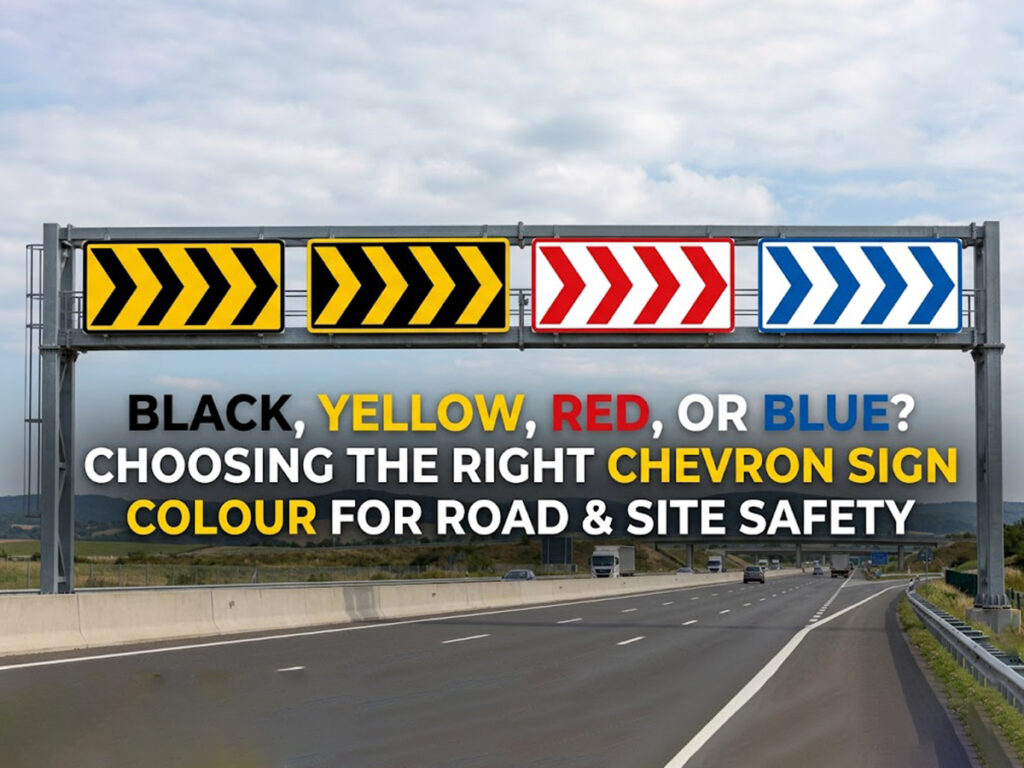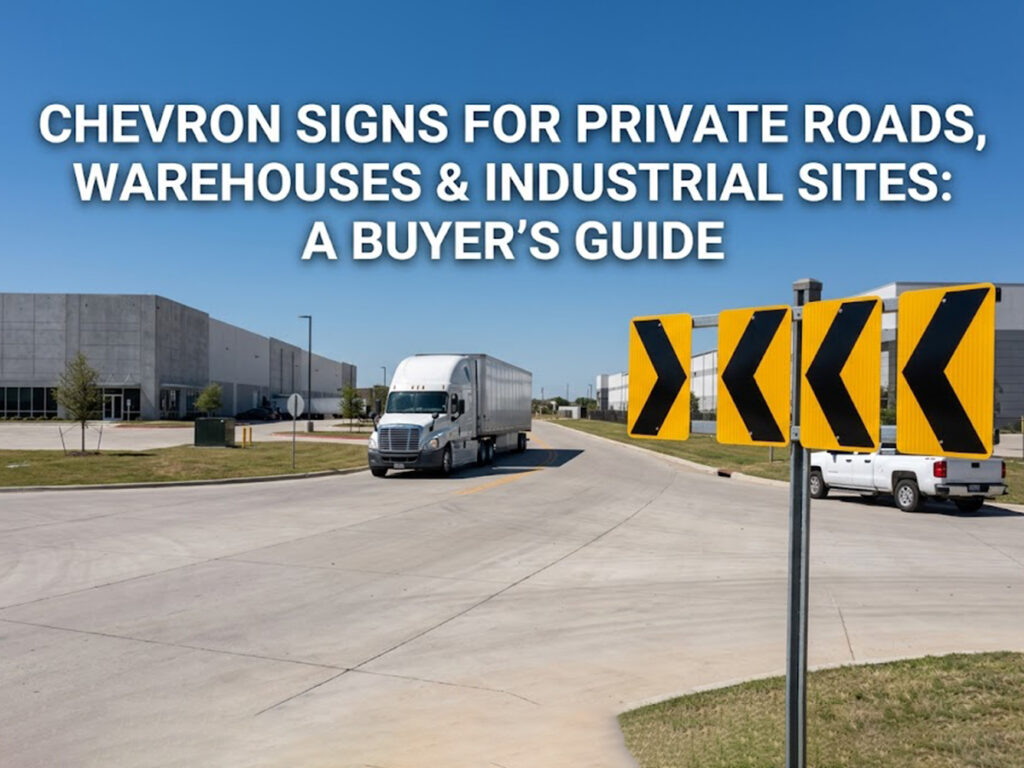
क्यों यातायात सुरक्षा संकेत सड़क जोखिम प्रबंधन की रीढ़ है?
प्रत्येक वर्ष, सड़क के किनारे के संकेत हज़ारों दुर्घटनाओं को रोकते हैं जिन्हें ड्राइवर कभी भी लगभग चूक के रूप में दर्ज नहीं करते हैं. यातायात सुरक्षा संकेत यह मूक बुनियादी ढांचा है जो उच्च गति वाले यातायात को पूर्वानुमानित रखता है. में 2024, हम. कार्य क्षेत्र दर्ज किये गये 850 मौतें - मोटे तौर पर 6% से गिराएं 905 में 2023, राष्ट्रीय कार्य क्षेत्र जागरूकता सप्ताह के लिए जारी एफएचडब्ल्यूए आंकड़ों के अनुसार 2026. (स्रोत: HTTPS के://ops.fwa.dot.gov/publications/HOP-26-060_FHWA_NWZAW_Factशीट.pdf)
यह गिरावट एक दशक के बेहतर निवेश को दर्शाती है यातायात सुरक्षा संकेत, सख्त प्लेसमेंट मानक, और उभरती हुई डिजिटल प्रणालियाँ. फिर भी अमेरिका में अभी भी दो लोगों की मौत. हर दिन कार्य क्षेत्र. संख्याएँ तीव्र अनुपालन की माँग करती हैं. यह मार्गदर्शिका टूट जाती है यातायात सुरक्षा संकेत चार स्तंभों के पार: श्रेणियाँ, कार्य, प्लेसमेंट, और डिजिटलीकरण.
स्टेटिक प्लेट्स से कनेक्टेड सिस्टम तक आधुनिक साइनेज कैसे विकसित हुआ
पहला MUTCD सामने आया 1935. में प्रतीकवाद का मानकीकरण किया गया 1971. रेट्रोरिफ्लेक्टिविटी नियम आ गए 2009. MUTCD 11वां संस्करण, दिसंबर प्रकाशित 2023, जनवरी तक देशभर में प्रभावी होगा 18, 2026.
प्रत्येक मील के पत्थर को आगे बढ़ाया गया यातायात सुरक्षा संकेत सक्रिय के करीब, डेटा-संचालित बुनियादी ढांचा. स्टेटिक प्लेटें अब पीसीएमएस इकाइयों के साथ कॉरिडोर साझा करती हैं, स्मार्ट शंकु, और कनेक्टेड-वाहन सड़क किनारे इकाइयाँ.
सभी न्यायक्षेत्रों में यातायात सुरक्षा संकेत श्रेणियाँ और विनियामक मानक
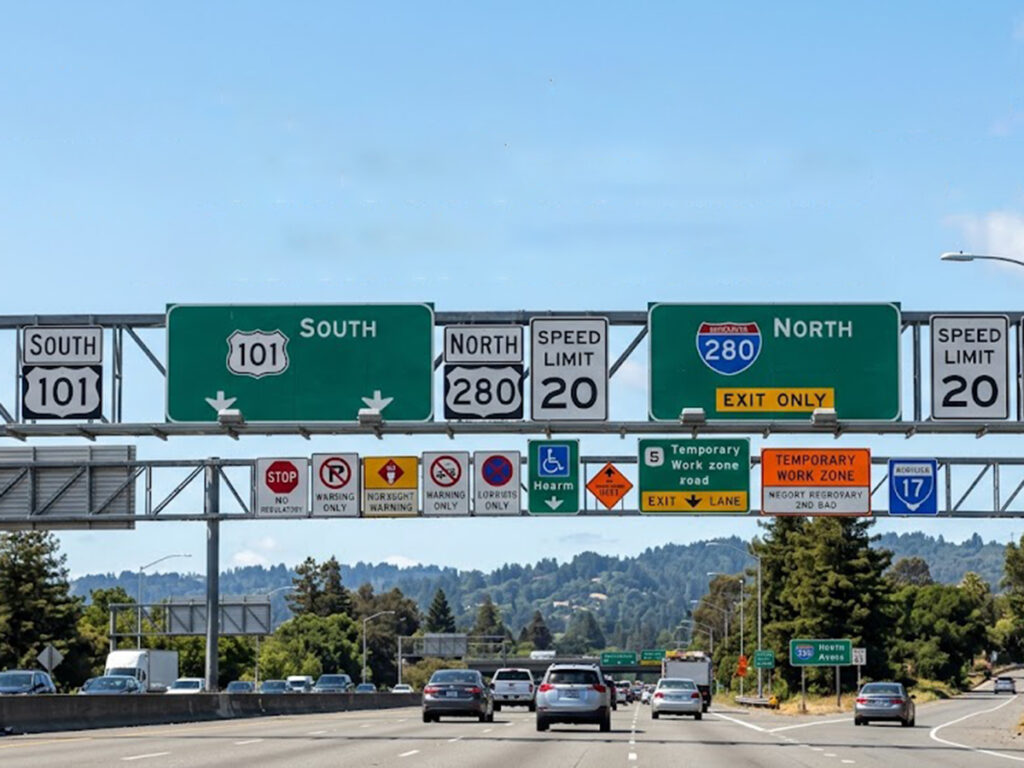
प्रत्येक क्षेत्राधिकार साइनेज को अलग-अलग तरीके से संहिताबद्ध करता है, फिर भी तीन ढाँचे वैश्विक अभ्यास पर हावी हैं. अमेरिका. MUTCD का उपयोग करता है. ऑस्ट्रेलिया और न्यूजीलैंड AS/NZS का अनुसरण करते हैं 1742. यूरोप EN लागू करता है 12899 सीई अंकन के साथ. The 1968 सड़क चिन्हों और सिग्नलों पर वियना कन्वेंशन अंतरराष्ट्रीय आधार रेखा का आधार बनता है.
आधुनिक यातायात संकेत वर्गीकरण तीन सार्वभौमिक श्रेणियों पर टिका है: नियामक, चेतावनी, और गाइड. कलर कोडिंग विश्व स्तर पर सिस्टम को मजबूत करती है. लाल सिग्नल निषेध, पीले संकेत चेतावनी, हरा मार्गदर्शक चिन्हों की पहचान करता है, नारंगी कार्य क्षेत्र को चिह्नित करता है, नीला रंग सेवाओं को दर्शाता है, और भूरा मनोरंजन की ओर निर्देशित करता है. ये यातायात सुरक्षा संकेत श्रेणियां वह भाषा बनाती हैं जो हर ड्राइवर सीखता है.
MUTCD वर्गीकरण प्रणाली और इसकी उपश्रेणियाँ
MUTCD आयोजन करता है यातायात सुरक्षा संकेत तीन प्राथमिक श्रृंखलाओं में:
- आर-श्रृंखला (नियामक): रुकना (आर1-1), उपज (आर1-2), रफ्तार का प्रतिबंध, लेन नियंत्रण.
- डब्ल्यू श्रृंखला (चेतावनी): घटता, चौराहों, खतरे - हीरे के आकार का, पीला या फ्लोरोसेंट पीला-हरा.
- डी-श्रृंखला (मार्गदर्शक): मार्ग मार्कर, गंतव्य मार्गदर्शन, माइलपोस्ट मार्कर.
रेट्रोरिफ्लेक्टिव शीटिंग एएसटीएम डी4956 का अनुसरण करती है, प्रकार I से XI तक को कवर करना. उच्च प्रकार रात के समय बेहतर प्रदर्शन और लंबी सेवा जीवन प्रदान करते हैं. (स्रोत: HTTPS के://mutcd.fwa.dot.gov/)
अंतर्राष्ट्रीय मानक - एएस/एनजेडएस, में 12899, और वियना कन्वेंशन
में 12899-1:2007 प्रत्येक साइन घटक को प्रदर्शन कक्षाएं निर्दिष्ट करता है. पी1 और पी2 कवर फिक्सिंग. आर 1, आर 2, और R3 रेट्रोरिफ्लेक्शन को नियंत्रित करता है. W1–W3 विभिन्न प्रकाश व्यवस्था के तहत दृश्यता निर्दिष्ट करता है. के रूप में/nzs 1742 शीटिंग क्लास 1ए का उपयोग करता है और 2, मोटे तौर पर यू.एस. में मैप किया गया. प्रकार III और IV.
एक यू.एस.. STOP चिन्ह एक अष्टकोण और अंग्रेजी पाठ का उपयोग करता है. यूरोपीय समतुल्य उसी अष्टकोण का उपयोग करता है, कोई पाठ नहीं है, और एक शैलीबद्ध चिह्न. दोनों समान नियामक प्राधिकरण का संचार करते हैं.
क्षेत्रों के बीच चिह्न वर्गीकरण भिन्न क्यों है?
राष्ट्रीय संकेत दर्शन कानूनी परंपराओं से विकसित हुए, ड्राइवर-शिक्षा मानदंड, और बुनियादी ढांचे का इतिहास. मतभेद गहरी नियामक संस्कृतियों को दर्शाते हैं, जैसा कि में विस्तृत है यूके और यूएस के बीच सुरक्षा साइनेज दर्शन अलग-अलग क्यों हैं, इसका विश्लेषण.
यातायात सुरक्षा संकेतों के पाँच मुख्य कार्य
ट्रैफ़िक इंजीनियर संकेतों को पाँच कार्यात्मक बकेट में समूहित करते हैं: विनियमित, चेतावनी देना, मार्गदर्शक, सूचित करना, और नियंत्रण (अस्थायी). प्रत्येक फ़ंक्शन एक विशिष्ट ड्राइवर निर्णय को मैप करता है. असरदार यातायात सुरक्षा संकेत आकार संरेखित करता है, रंग, और उस निर्णय बिंदु के साथ प्लेसमेंट.
मानवीय कारक डेटा डिज़ाइन को संचालित करता है. AASHTO 2.5-सेकंड धारणा-प्रतिक्रिया समय का उपयोग करता है (पीआरटी) राजमार्ग डिजाइन के लिए. सुपाठ्यता दूरी मोटे तौर पर मापी जाती है 50 फुट प्रति इंच अक्षर की ऊंचाई. वे दो स्थिरांक MUTCD में प्रत्येक ट्रैफ़िक साइन प्लेसमेंट दिशानिर्देश को रेखांकित करते हैं.
विनियामक कार्य - चालक व्यवहार को अनिवार्य बनाना
नियामक संकेत वैधानिक अधिकार रखते हैं. रुकना, उपज, रफ्तार का प्रतिबंध, और प्रवेश निषेध संकेत सभी कानूनी दायित्व बनाते हैं. जो ड्राइवर इन्हें नज़रअंदाज़ करते हैं उन्हें प्रशंसा का सामना करना पड़ता है. इंजीनियरों को ये संकेत वहां लगाने चाहिए जहां अनुपालन भौतिक रूप से संभव हो.
चेतावनी कार्य - खतरों का पूर्वानुमान लगाना
चेतावनी संकेत ड्राइवरों को आगामी स्थितियों के प्रति सचेत करते हैं. हीरे का आकार MUTCD §2C के तहत मानकीकृत है.02. डिजाइन गति के साथ एडवांस प्लेसमेंट स्केल. ए 25 मील प्रति घंटे दृष्टिकोण की मोटे तौर पर आवश्यकता है 100 चेतावनी के चरण. ए 75 मील प्रति घंटे दृष्टिकोण तक की मांग करता है 750 स्थिति ए के तहत पैर.
मार्गदर्शन, जानकारी, और अस्थायी नियंत्रण कार्य
गाइड संकेत उत्तर देते हैं "मैं कहाँ हूँ और मुझे कहाँ मुड़ना है।"?सूचना संकेत सेवाओं और सुविधाओं को कवर करते हैं. अस्थायी नियंत्रण संकेत - नारंगी-कोडित परिवार - कार्य क्षेत्रों का प्रबंधन करते हैं, मार्ग-परिवर्तन, और लेन बंद हो गई.
गहन वर्गीकरण के लिए, the यातायात सुरक्षा संकेत सड़क संचार की हर परत की सेवा कैसे करते हैं, इसका पूर्ण-स्पेक्ट्रम अवलोकन प्रत्येक भूमिका का विस्तार करता है. पाँच-श्रेणी की रूपरेखा पर ध्यान केंद्रित करने वाले पाठक भी परामर्श ले सकते हैं कार्यात्मक संकेत श्रेणियों का समर्पित विभाजन.
विशिष्ट साइनेज अनुप्रयोग - मानक रोडवेज से परे
कुछ वातावरण उद्देश्य-निर्मित की मांग करते हैं यातायात सुरक्षा संकेत. स्कूल क्षेत्र, रेलमार्ग क्रॉसिंग, और सक्रिय कार्य क्षेत्र प्रत्येक अद्वितीय डिज़ाइन नियम लागू करते हैं.
रेलरोड क्रॉसिंग और शांत क्षेत्र अनुपालन
फ़ेडरल रेलरोड एडमिनिस्ट्रेशन रेलरोड-क्रॉसिंग साइनेज को नियंत्रित करता है 49 सीएफआर भाग 222. क्रॉसबक संकेत (आर15-1) प्रत्येक सार्वजनिक चौराहे को चिह्नित करें. MUTCD 11वें संस्करण के लिए कम से कम अग्रिम चेतावनी संकेतों की आवश्यकता है 100 शहरी सड़कों पर निकटतम रेल से फुट पहले, और उच्च गति वाली सड़कों पर 500-750 फीट.
शांत क्षेत्र एक और परत जोड़ते हैं. समुदाय पूरक सुरक्षा उपाय तैनात करते हैं (SSMS) और वैकल्पिक सुरक्षा उपाय (एएसएम) ट्रेन के हॉर्न को शांत करने के लिए. शांत क्षेत्र सड़क साइनेज के सबसे अधिक विनियमन-भारी अनुप्रयोगों में से एक हैं - रूपरेखा कैसे यातायात सुरक्षा संकेत रेलवे क्रॉसिंग पर शांत क्षेत्र प्रवर्तन को सक्षम बनाते हैं एफआरए नियमों को पूर्ण रूप से शामिल करता है.
स्कूल क्षेत्र, पैदल यात्री इलाके, और असुरक्षित उपयोगकर्ता सुरक्षा
यू.एस. में स्कूल-ज़ोन साइनेज आम तौर पर गति को 15-25 मील प्रति घंटे तक कम कर देता है. और 40 एयू/यूके बाजारों में किमी/घंटा. फ्लोरोसेंट पीला-हरा (धमकी देना) शीटिंग झंडे पैदल यात्री और स्कूल के संकेत. दिन के समय फ्लैशर्स और पैदल यात्री सक्रियण उपकरण गतिशील प्रवर्तन जोड़ते हैं.
निर्माण एवं अस्थायी यातायात नियंत्रण (टीटीसी) क्षेत्र
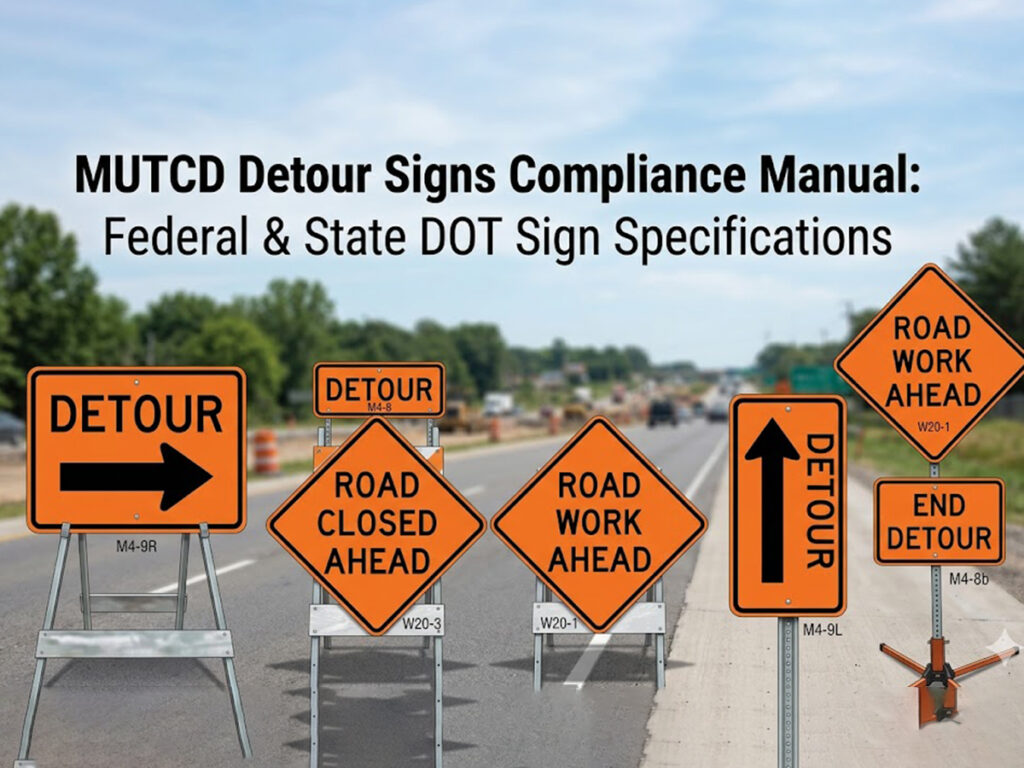
MUTCD भाग 6 प्रत्येक टीटीसी योजना को नियंत्रित करता है. नारंगी हीरे के चिन्ह, टाइप III बैरिकेड्स, और चैनलाइज़िंग डिवाइस मानक किट को परिभाषित करते हैं. दिसम्बर 2024 एफएचडब्ल्यूए नियम अद्यतन - लगभग बीस वर्षों में पहला बड़ा संशोधन - अब सकारात्मक सुरक्षा की आवश्यकता है (ठोस बाधाएँ या समकक्ष) की गति वाले क्षेत्रों में 45 मील प्रति घंटे या इससे अधिक, उच्च यातायात मात्रा, या दो सप्ताह से अधिक की अवधि. (स्रोत: HTTPS के://ops.fwa.dot.gov/wz/)
ट्रैफिक साइन प्लेसमेंट और इंस्टालेशन का विज्ञान
प्लेसमेंट बनाता या तोड़ता है यातायात सुरक्षा संकेत. गलत ऊंचाई या दूरी पर लगाया गया एक पूरी तरह से निर्मित चिन्ह अपना उद्देश्य विफल कर देता है. MUTCD इंजीनियरिंग को संहिताबद्ध करता है.
बढ़ती हुई ऊँचाई, पार्श्व ऑफसेट, और दृष्टि दूरी मानक
| विनिर्देश | ग्रामीण राजमार्ग | अर्बन स्ट्रीट | स्रोत |
| न्यूनतम बढ़ती ऊंचाई | 7 फुट | 5 फुट | MUTCD §2A.18 |
| वांछनीय पार्श्व ऑफसेट | 12 फुट | 6 फुट (मिन) | MUTCD §2A.19 |
| द्वितीयक चिह्न पृथक्करण | +1 प्राइमरी से फ़ुट नीचे | +1 प्राइमरी से फ़ुट नीचे | MUTCD §2A.18 |
| मानक शीटिंग (राजमार्ग) | टाइप IV या उच्चतर | टाइप III या उच्चतर | ASTM D4956 |
स्रोत: HTTPS के://mutcd.fwa.dot.gov/pdfs/11th_Edition/Chapter2a.pdf
दृष्टि-दूरी त्रिकोण AASHTO ग्रीन बुक फ़ार्मुलों का उपयोग करते हैं. ज्योमेट्री गारंटी देती है कि ड्राइवर प्रतिक्रिया करने के लिए समय पर साइन देखेंगे.
डिज़ाइन गति द्वारा अग्रिम चेतावनी दूरियाँ
एमयूटीसीडी तालिका 2सी-3 (पूर्व तालिका 2C-4 में 2009 संस्करण) तीन शर्तों के तहत न्यूनतम अग्रिम दूरी निर्धारित करता है. शर्त ए में विलय और निकास जैसे जटिल ड्राइविंग निर्णय शामिल हैं. शर्त बी में रुकने या तेज़ गति कम करने की चेतावनियाँ शामिल हैं. स्थिति सी सरल गति समायोजन को संबोधित करती है.
विशिष्ट स्थिति ए दूरियां:
- 25 मील प्रति घंटा: ~100 फीट
- 45 मील प्रति घंटा: ~325 फीट
- 65 मील प्रति घंटा: ~570 फीट
- 75 मील प्रति घंटा: ~750 फीट
इंजीनियर जोड़ते हैं 100 पैर जब भी संकेत के तहत किंवदंतियों का उपयोग करते हैं 6 इंच या चार से अधिक शब्द. (स्रोत: HTTPS के://mutcd.fwa.dot.gov/pdfs/11th_Edition/Chapter2c.pdf)
जहां आप कानूनी तौर पर ट्रैफिक साइन लगा सकते हैं
मार्ग - अधिकार, सुखसुविधाएँ, और निजी संपत्ति में यातायात संकेत कहाँ स्थापित करने हैं, इसके लिए अलग-अलग नियम हैं. सार्वजनिक एजेंसियों के पास रास्ते का अधिकार और उस पर नियंत्रण संकेत हैं. निजी संपत्ति के मालिक बिना अधिकार के एमयूटीसीडी-अनुरूप नियामक संकेत पोस्ट नहीं कर सकते.
इंजीनियरिंग दूरी समीकरण का केवल आधा हिस्सा है - कानूनी पोस्टिंग प्राधिकरण दूसरा आधा हिस्सा है. के लिए मार्गदर्शक जहां यातायात सुरक्षा संकेत लगाए जा सकते हैं और नहीं लगाए जा सकते क्षेत्राधिकार संबंधी नियमों को पूर्ण रूप से शामिल करता है.
डिजिटल कार्य क्षेत्र साइनेज और कनेक्टेड रोडवेज का भविष्य
यातायात सुरक्षा संकेत स्टैटिक एल्युमीनियम से कनेक्टेड की ओर स्थानांतरित हो रहा है, डेटा-संचालित हार्डवेयर. बदलाव तेज़ हो रहा है क्योंकि अकेले स्थिर संकेत आधुनिक कार्य क्षेत्रों की गतिशीलता से मेल नहीं खा सकते हैं.
पीसीएमएस, वीएमएस, और गतिशील संदेश बोर्ड
पोर्टेबल परिवर्तनीय संदेश संकेत (पीसीएमएस) MUTCD §6F.60 में दिखाई दें. परिवर्तनीय संदेश संकेत (वीएमएस) एलईडी पिक्सेल सरणियों और एनटीसीआईपी का उपयोग करें 1203 संचार प्रोटोकॉल. दोनों वास्तविक समय के ट्रैफ़िक के आधार पर गतिशील सामग्री प्रदान करते हैं, कतार की लंबाई, या मौसम डेटा.
मानक नियम लागू होते हैं. संदेश अधिकतम दो चरणों में प्रदर्शित होते हैं. प्रत्येक चरण में आठ से अधिक शब्द नहीं हैं. उचित बैटरी स्वायत्तता के साथ जोड़े जाने पर सौर ऊर्जा से चलने वाली इकाइयाँ लगातार चलती रहती हैं.
IOT, कनेक्टेड वाहन, और स्मार्ट वर्क ज़ोन आर्किटेक्चर
स्मार्ट वर्क ज़ोन (एसडब्ल्यूजेड) सिस्टम कतार-पहचान सेंसर को जोड़ते हैं, यात्रा-समय प्रदर्शित करता है, और कार्यकर्ता घुसपैठ अलार्म. कनेक्टेड वाहन (सीवी) बुनियादी ढांचा SAE J2735 संदेश मानकों और सड़क किनारे इकाइयों का उपयोग करता है (आरएसयू) साइनेज डेटा को सीधे वाहन डैशबोर्ड पर भेजने के लिए. एफसीसी ने आवंटित किया 5.9 गीगाहर्ट्ज़ स्पेक्ट्रम, इसे DSRC और C-V2X के बीच विभाजित करना (सेल्युलर व्हीकल-टू-एवरीथिंग).
डिजिटल कार्य क्षेत्र साइनेज अब सुरक्षा रणनीति के केंद्र में है - कार्य क्षेत्र डिजिटलीकरण पर गहरा गोता और स्मार्ट की ओर क्रांति, सुरक्षित यातायात सुरक्षा संकेत पूर्ण प्रौद्योगिकी स्टैक को मैप करते हैं.
ऐ, भविष्य बतानेवाला विश्लेषक, और रोडवे साइनेज का अगला दशक
कंप्यूटर विज़न सिस्टम अब स्वचालित रूप से साइन स्थितियों की निगरानी करते हैं. पूर्वानुमानित रखरखाव मॉडल रेट्रोरिफ्लेक्टिविटी MUTCD §2A से नीचे जाने से पहले शीटिंग विफलता का पूर्वानुमान लगाते हैं.08 न्यूनतम. डिजिटल ट्विन्स क्रू के जुटने से पहले कार्य क्षेत्र की तैनाती का अनुकरण करते हैं. प्रत्येक क्षमता प्रत्येक के मूल्य का विस्तार करती है यातायात सुरक्षा संकेत निवेश.
समापन परिप्रेक्ष्य - एक सुरक्षित निर्माण, होशियार साइनेज रणनीति
यातायात सुरक्षा संकेत अब खरीद लाइन आइटम नहीं है. यह श्रेणियों की एक प्रणाली है, कार्य, प्लेसमेंट, और कनेक्टेड तकनीक जिसे एक साथ काम करना होगा. MUTCD 11वें संस्करण की समय सीमा जनवरी है 18, 2026, हर अमेरिकी को मजबूर करता है. पुनर्गणना करने वाली एजेंसी.
सड़क प्राधिकरणों के लिए एक अनुपालन और आधुनिकीकरण चेकलिस्ट
- प्रत्येक नियामक का ऑडिट करें, चेतावनी, और MUTCD 11वें संस्करण की विशिष्टताओं के विरुद्ध मार्गदर्शक चिह्न.
- एएसटीएम डी4956 शीटिंग क्लास रिकॉर्ड का उपयोग करके रेट्रोरिफ्लेक्टिविटी सत्यापित करें.
- पुष्टि करें कि माउंटिंग ऊंचाई और पार्श्व ऑफसेट §2A.18 से मेल खाते हैं.
- वर्तमान डिज़ाइन गति के लिए तालिका 2सी-3 के विरुद्ध मानचित्र अग्रिम प्लेसमेंट.
- एनटीसीआईपी के लिए इन्वेंटरी पीसीएमएस और वीएमएस संपत्ति 1203 अनुपालन.
- उच्च जोखिम वाले गलियारों के लिए स्मार्ट वर्क जोन सिस्टम का मूल्यांकन करें.
- दिसंबर में कर्मचारियों को प्रशिक्षित करें 2024 सकारात्मक सुरक्षा नियम.
- जीआईएस-टैग एसेट डेटाबेस में साइनेज प्रोग्राम का दस्तावेजीकरण करें.
यातायात सुरक्षा साइनेज के बारे में अक्सर पूछे जाने वाले प्रश्न
विनियामक में क्या अंतर है, चेतावनी, और गाइड संकेत?
नियामक संकेत (लाल, सफ़ेद, काला) कानूनी बल रखें - रुकें, उपज, रफ्तार का प्रतिबंध. चेतावनी संकेत (पीले या फ्लोरोसेंट पीले-हरे हीरे) ड्राइवरों को खतरों के प्रति सचेत करें. मार्गदर्शक संकेत (हरा) दिशात्मक और मार्ग संबंधी जानकारी प्रदान करें. MUTCD 11वां संस्करण प्रत्येक परिवार को संहिताबद्ध करता है.
यातायात सुरक्षा चिन्ह कितनी ऊंचाई पर लगाया जाना चाहिए?
MUTCD §2A.18 की आवश्यकता है 7 ग्रामीण राजमार्गों पर न्यूनतम फुट और 5 शहरी सड़कों पर न्यूनतम पैर, साइन के नीचे से फुटपाथ के निकट किनारे तक मापा गया. द्वितीयक लक्षण तो कम से कम बैठते हैं 1 प्राथमिक चिन्ह से फुट नीचे.
राजमार्ग संकेतों के लिए न्यूनतम रेट्रोरिफ्लेक्टिविटी आवश्यकता क्या है??
MUTCD §2A.08 चिह्न के रंग और प्रकार के आधार पर न्यूनतम रेट्रोरिफ्लेक्टिविटी निर्धारित करता है. फ्रीवेज़ पर सफेद-पर-हरे रंग के गाइड संकेतों की कम से कम आवश्यकता होती है 120 सीडी/एलएक्स/एम g. अनुपालन की पुष्टि के लिए एजेंसियों को एक मूल्यांकन या प्रबंधन पद्धति बनाए रखनी चाहिए.
खतरे से कितनी दूर पहले चेतावनी संकेत लगाया जाना चाहिए?
MUTCD तालिका 2C-3 डिज़ाइन गति के आधार पर अग्रिम प्लेसमेंट को मापता है. स्थिति A की दूरी ~100 फीट से लेकर होती है 25 मील प्रति घंटे से ~750 फीट तक 75 मील प्रति घंटा. इंजीनियर जोड़ते हैं 100 फ़ुट जब संकेत छोटी किंवदंतियों या चार से अधिक शब्दों का उपयोग करते हैं.
क्या मैं कानूनी तौर पर अपनी संपत्ति पर यातायात सुरक्षा संकेत स्थापित कर सकता हूं??
संपत्ति के मालिक निजी चेतावनी संकेत पोस्ट कर सकते हैं, लेकिन वे क्षेत्राधिकार प्राधिकार के बिना MUTCD-अनुरूप नियामक चिह्न स्थापित नहीं कर सकते. स्थानीय डीओटी और नगर पालिकाएं सार्वजनिक राइट-ऑफ़-वे इंस्टॉलेशन को नियंत्रित करती हैं.
डिजिटल कार्य क्षेत्र साइनेज क्या है?, और यह पारंपरिक संकेतों से किस प्रकार भिन्न है?
डिजिटल कार्य क्षेत्र साइनेज एलईडी संदेश बोर्ड का उपयोग करता है, सेंसर, और गतिशील प्रदान करने के लिए कनेक्टेड-वाहन प्रोटोकॉल, वास्तविक समय की सामग्री. पारंपरिक संकेत निश्चित संदेश देते हैं. पीसीएमएस और वीएमएस इकाइयां इस श्रेणी में अग्रणी हैं.
यातायात सुरक्षा संकेत आम तौर पर कितने समय तक चलते हैं?
सेवा जीवन ट्रैक शीटिंग प्रकार. टाइप I 5-7 साल तक चलता है. प्रकार III और IV पहुँचते हैं 10 साल. आठवीं प्रकार, नौवीं, और XI से अधिक 12 साल. माउंटिंग हार्डवेयर, सब्सट्रेट संक्षारण, और यूवी एक्सपोज़र भी जीवनकाल को प्रभावित करता है.
क्या यू.एस. में यातायात सुरक्षा संकेत समान हैं?, यू.के., और यूरोप?
नहीं. वियना कन्वेंशन यूरोपीय और यू.के. के बीच काफी सामंजस्य स्थापित करता है. साइनेज. अमेरिका. MUTCD आकार में भिन्न है, रंग का प्रयोग, और पाठ-बनाम-प्रतीक संतुलन. कार्यात्मक आशय समान है, लेकिन क्रियान्वयन भिन्न है.
संदर्भ
- एफएचडब्ल्यूए, एमयूटीसीडी 11वां संस्करण, अध्याय 2ए - सामान्य.
- एफएचडब्ल्यूए, एमयूटीसीडी 11वां संस्करण, अध्याय 2सी - चेतावनी संकेत.
- कार्य क्षेत्र सुरक्षा सूचना समाशोधनगृह, कार्य क्षेत्र डेटा.