Почему знаки безопасности дорожного движения являются основой управления рисками на дорогах
Каждый год, дорожные знаки предотвращают тысячи аварий, которые водители даже не считают возможными. Знаки безопасности дорожного движения это бесшумная инфраструктура, которая обеспечивает предсказуемость высокоскоростного трафика. В 2024, НАС. записаны рабочие зоны 850 погибших — примерно 6% падение с 905 в 2023, согласно данным FHWA, опубликованным к Национальной неделе осведомленности о рабочих зонах. 2026. (Источник: https://ops.fhwa.dot.gov/publications/HOP-26-060_FHWA_NWZAW_Factsheet.pdf)
Снижение отражает десятилетие инвестиций в лучшее таблички безопасности дорожного движения, более строгие стандарты размещения, и новые цифровые системы. Тем не менее, в США все еще умирают два человека. рабочие зоны каждый день. Цифры требуют более строгого соблюдения требований. Это руководство ломается таблички безопасности дорожного движения по четырем столпам: категории, функции, размещение, и оцифровка.
Как современные вывески превратились из статических пластин в подключенные системы
Первый MUTCD появился в 1935. Символика была стандартизирована в 1971. Появились правила световозвращения 2009. MUTCD 11-е издание, опубликовано в декабре 2023, вступит в силу по всей стране к январю 18, 2026.
Каждая пройденная веха таблички безопасности дорожного движения ближе к активному, инфраструктура, управляемая данными. Статические пластины теперь делят коридоры с подразделениями PCMS., умные конусы, и придорожные агрегаты для подключенных транспортных средств.
Категории знаков безопасности дорожного движения и нормативные стандарты в разных юрисдикциях
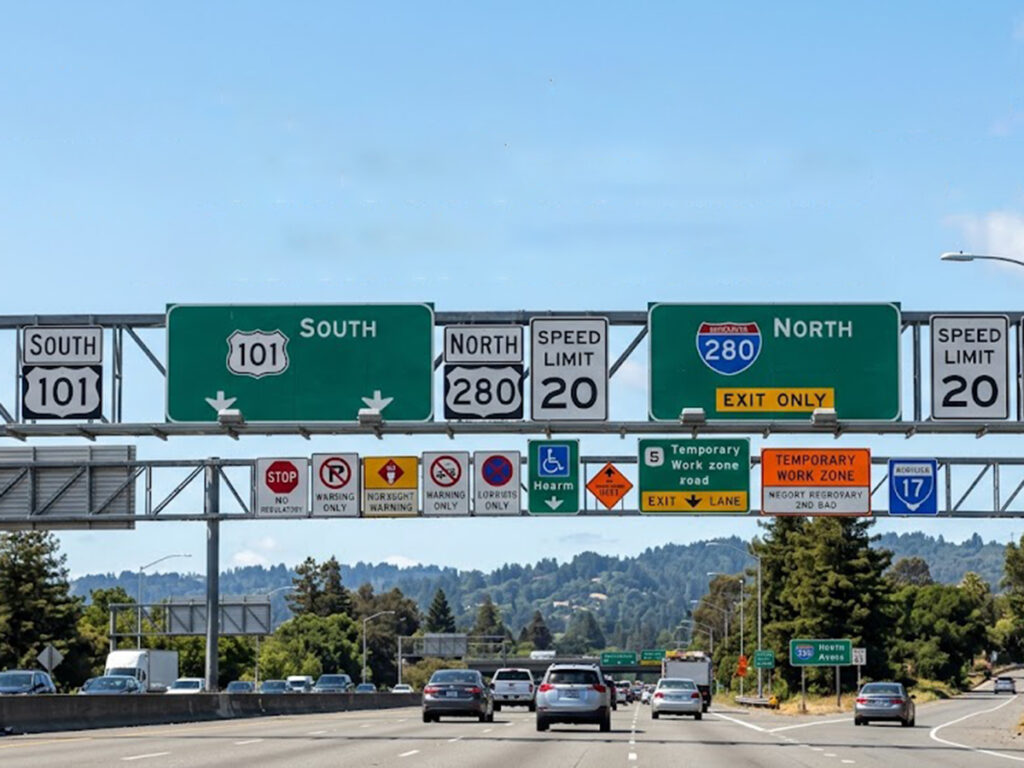
В каждой юрисдикции вывески кодифицируются по-разному., тем не менее, в мировой практике доминируют три концепции. США. использует MUTCD. Австралия и Новая Зеландия следуют за AS/NZS. 1742. Европа применяет EN 12899 с маркировкой CE. The 1968 Венская конвенция о дорожных знаках и сигналах закрепляет международную основу.
Современная классификация дорожных знаков основана на трех универсальных категориях.: регулирующий, предупреждение, и гид. Цветовое кодирование укрепляет систему во всем мире. Красный сигнализирует о запрете, желтые сигналы предупреждения, зеленый обозначает указатели, оранжевым отмечены рабочие зоны, синий обозначает услуги, и коричневый направляет на отдых. Эти категории знаков безопасности дорожного движения формируют язык, который изучает каждый водитель..
Система классификации MUTCD и ее подкатегории
MUTCD организует таблички безопасности дорожного движения на три основные серии:
- R-серия (Регулирующий): ОСТАНАВЛИВАТЬСЯ (R1-1), УРОЖАЙ (R1-2), ограничения скорости, контроль полосы движения.
- W-серия (Предупреждение): кривые, перекрестки, опасности — ромбовидные, желтый или флуоресцентный желто-зеленый.
- D-серия (Гид): маркеры маршрута, руководство к месту назначения, маркеры столбов.
Световозвращающая пленка соответствует ASTM D4956., охватывающий типы с I по XI. Более высокие типы обеспечивают более яркую работу в ночное время и более длительный срок службы.. (Источник: https://mutcd.fhwa.dot.gov/)
Международные стандарты — AS/NZS, В 12899, и Венская конвенция
В 12899-1:2007 присваивает классы производительности каждому компоненту знака. Крепления крышки P1 и P2. Р1, Р2, и R3 управляют световозражением. W1–W3 определяют видимость при различном освещении.. AS/NZS 1742 использует листы классов 1А и 2, примерно соответствует США. Типы III и IV.
США. В знаке СТОП используется восьмиугольник и текст на английском языке.. Европейский эквивалент использует тот же восьмиугольник., нет текста, и стилизованная иконка. Оба имеют идентичные регулирующие полномочия..
Почему категоризация знаков различается в разных регионах
Национальная философия вывесок выросла из правовых традиций, нормы обучения водителей, и история инфраструктуры. Расхождения отражают глубокую культуру регулирования., как подробно описано в анализ того, почему философия знаков безопасности различается в Великобритании и США.
Пять основных функций знаков безопасности дорожного движения
Инженеры-дорожники группируют знаки в пять функциональных групп.: регулировать, предупреждать, гид, информировать, и контроль (временный). Каждая функция соответствует конкретному решению водителя.. Эффективная таблички безопасности дорожного движения выравнивает форму, цвет, и размещение с этой точкой принятия решения.
Данные о человеческом факторе определяют дизайн. AASHTO использует время восприятия-ответа 2,5 секунды. (ПРТ) для проектирования дорог. Расстояние читаемости масштабируется примерно 50 футов на дюйм высоты буквы. Эти две константы лежат в основе всех рекомендаций по размещению дорожных знаков в MUTCD..
Регулирующая функция — определение обязательного поведения водителя
Нормативные знаки имеют установленную законом силу.. ОСТАНАВЛИВАТЬСЯ, УРОЖАЙ, ограничения скорости, и знаки, запрещающие вход, создают юридические обязательства. Водителей, которые их игнорируют, ждут штрафы. Инженеры должны размещать эти знаки там, где физически достижимо соблюдение требований..
Функция предупреждения — прогнозирование опасностей
Предупреждающие знаки предупреждают водителей о предстоящих условиях. Ромбовидная форма стандартизирована согласно MUTCD §2C..02. Предварительное масштабирование размещения со скоростью проектирования. А 25 подход в милях в час требует примерно 100 ноги предупреждения. А 75 подход в милях в час требует до 750 футов при условии А.
Руководство, Информация, и временные функции управления
Указатели отвечают: «Где я и куда мне повернуть».?Информационные таблички освещают услуги и удобства.. Временные контрольные знаки — семейство с оранжевым кодом — управляют рабочими зонами., объезды, и закрытие полосы движения.
Для более глубокой таксономии, а полный обзор того, как знаки безопасности дорожного движения служат каждому уровню дорожной коммуникации расширяет каждую роль. Читатели, интересующиеся системой пяти категорий, также могут ознакомиться с специальная разбивка категорий функциональных знаков.
Специализированные приложения для вывесок — за пределами стандартных дорог
В некоторых средах требуются специально созданные таблички безопасности дорожного движения. Школьные зоны, железнодорожные переезды, и активные рабочие зоны налагают уникальные правила проектирования..
Железнодорожные переезды и соблюдение требований тихой зоны
Федеральное управление железных дорог управляет указателями на железнодорожных переездах в соответствии с 49 Часть CFR 222. Знаки Кроссбака (Р15-1) отмечать каждый общественный переход. Для MUTCD 11-го издания требуются как минимум предварительные предупреждающие знаки. 100 футов до ближайшего рельса на городских дорогах, и 500–750 футов на скоростных дорогах..
Тихие зоны добавляют еще один слой. Сообщества принимают дополнительные меры безопасности (SSM) и альтернативные меры безопасности (АСМ) заставить замолчать поездные гудки. Зоны тишины входят в число наиболее требовательных к регулированию областей применения дорожных указателей — основы для как знаки безопасности дорожного движения помогают обеспечить соблюдение зоны тишины на железнодорожных переездах полностью охватывает правила FRA.
Школьные зоны, Пешеходные районы, и защита уязвимых пользователей
В США указатели в школьной зоне обычно снижают скорость до 15–25 миль в час.. и 40 км/ч на рынках Австралии и Великобритании. Флуоресцентный желто-зеленый (ФЮГ) брезентовые флаги, пешеходные и школьные знаки. Мигалки, указывающие время суток, и устройства активации пешеходов повышают динамичность контроля..
Строительство и временное регулирование дорожного движения (Ttc) Зоны
Часть MUTCD 6 управляет каждым планом TTC. Оранжевые ромбовидные знаки, Баррикады III типа, и устройства распределения каналов составляют стандартный комплект. Декабрь 2024 Обновление правил FHWA — первая крупная редакция примерно за двадцать лет — теперь требует позитивной защиты. (бетонные барьеры или эквивалент) в зонах со скоростями 45 миль в час или выше, большие объемы трафика, или продолжительность более двух недель. (Источник: https://ops.fhwa.dot.gov/wz/)
Наука о размещении и установке дорожных знаков
Размещение решает или ломает таблички безопасности дорожного движения. Идеально изготовленный знак, установленный на неправильной высоте или расстоянии, не выполняет свою функцию.. MUTCD кодифицирует инженерное дело.
Высота монтажа, Боковое смещение, и стандарты дальности видимости
| Спецификация | Сельское шоссе | Городская улица | Источник |
| Минимальная высота монтажа | 7 футов | 5 футов | MUTCD §2A.18 |
| Желаемое боковое смещение | 12 футов | 6 футов (мин) | MUTCD §2A.19 |
| Вторичное разделение знаков | +1 футов ниже основного | +1 футов ниже основного | MUTCD §2A.18 |
| Стандартное покрытие (шоссе) | Тип IV или выше | Тип III или выше | ASTM D4956 |
Источник: https://mutcd.fhwa.dot.gov/pdfs/11th_Edition/Chapter2a.pdf
В треугольниках видимости и расстояния используются формулы Зеленой книги AASHTO.. Геометрия гарантирует, что водители вовремя увидят знак и отреагируют..
Предварительное предупреждение о расстоянии по расчетной скорости
Таблица MUTCD 2C-3 (ранее Таблица 2C-4 в 2009 версия) устанавливает минимальные расстояния продвижения при трех условиях. Условие A охватывает сложные решения вождения, такие как слияние и выезд.. Условие B охватывает предупреждения об остановке или резком снижении скорости.. Условие C касается простой регулировки скорости..
Типичное состояние Расстояния А:
- 25 миль в час: ~100 футов
- 45 миль в час: ~325 футов
- 65 миль в час: ~570 футов
- 75 миль в час: ~750 футов
Инженеры добавляют 100 ноги всякий раз, когда на знаках используются легенды под 6 дюймов или более четырех слов. (Источник: https://mutcd.fhwa.dot.gov/pdfs/11th_Edition/Chapter2c.pdf)
Где можно легально установить дорожные знаки
Полоса отвода, сервитуты, и частная собственность имеет разные правила установки дорожных знаков.. Государственные учреждения владеют полосой отвода и контролируют наличие на ней указателей.. Владельцы частной собственности не могут без разрешения размещать нормативные знаки, соответствующие требованиям MUTCD..
Инженерное расстояние — это только половина уравнения, а юридические полномочия — вторая половина.. Руководство по где можно и нельзя размещать знаки безопасности дорожного движения полностью охватывает юрисдикционные правила.
Цифровые обозначения рабочих зон и будущее подключенных дорог
Знаки безопасности дорожного движения переходит от статического алюминия к подключенному, аппаратное обеспечение, управляемое данными. Сдвиг ускоряется, потому что одни лишь статические знаки не могут соответствовать динамике современных рабочих зон..
ПКМС, Виртуальные машины, и динамические доски объявлений
Портативные знаки сообщения (ПКМС) появляются в MUTCD §6F.60. Переменные знаки сообщения (Виртуальные машины) использовать светодиодные пиксельные матрицы и NTCIP 1203 протокол связи. Оба доставляют динамический контент на основе трафика в реальном времени., длина очереди, или данные о погоде.
Применяются стандартные правила. Сообщения отображаются максимум в два этапа.. Каждая фаза содержит не более восьми слов.. Устройства на солнечной энергии работают непрерывно в сочетании с соответствующей автономностью аккумулятора..
IoT, Подключенные транспортные средства, и интеллектуальная архитектура рабочей зоны
Умная рабочая зона (SWZ) системы объединяют датчики определения очереди, дисплеи времени в пути, и сигнализация о вторжении сотрудников. Подключенный автомобиль (резюме) инфраструктура использует стандарты сообщений SAE J2735 и придорожные устройства. (RSU) передавать данные вывесок непосредственно на приборные панели автомобилей. Федеральная комиссия по связи выделила 5.9 Спектр ГГц, разделив его между DSRC и C-V2X (Сотовый автомобиль для всего).
Цифровые обозначения рабочих зон теперь находятся в центре стратегии безопасности — глубокое погружение в оцифровку рабочих зон и революцию в сторону более интеллектуальных технологий., Знаки безопасности более безопасного движения отображают весь стек технологий.
Ай, Прогнозная аналитика, и следующее десятилетие дорожных знаков
Системы компьютерного зрения теперь автоматически отслеживают состояние знаков. Модели прогнозного обслуживания прогнозируют выход защитного покрытия из строя до того, как световозвращающая способность упадет ниже MUTCD §2A..08 минимумы. Цифровые двойники имитируют развертывание рабочих зон до мобилизации бригад. Каждая способность увеличивает ценность каждой таблички безопасности дорожного движения инвестиции.
Завершающая перспектива: создание более безопасного, Умная стратегия вывесок
Знаки безопасности дорожного движения больше не является статьей закупок. Это система категорий, функции, размещения, и подключенные технологии, которые должны работать вместе. Крайний срок выпуска 11-го издания MUTCD — январь 18, 2026, заставляет каждый США. агентство по перекалибровке.
Контрольный список соответствия и модернизации для дорожных властей
- Аудит всех нормативных, предупреждение, и указатель в соответствии со спецификациями MUTCD 11-го издания.
- Проверьте световозвращающую способность, используя записи класса листового покрытия ASTM D4956..
- Убедитесь, что монтажная высота и боковые смещения соответствуют §2A.18..
- Сопоставьте предварительное размещение с таблицей 2C-3 для текущих проектных скоростей..
- Инвентаризация активов PCMS и VMS для NTCIP 1203 согласие.
- Оценка систем «умной рабочей зоны» для коридоров повышенного риска.
- Поезд бригад в декабре 2024 правило позитивной защиты.
- Задокументируйте программу вывесок в базе данных активов с тегами ГИС..
Часто задаваемые вопросы о знаках безопасности дорожного движения
В чем разница между нормативным, предупреждение, и направляющие знаки?
Нормативные знаки (красный, белый, черный) иметь юридическую силу — СТОП, УРОЖАЙ, ограничения скорости. Предупреждающие знаки (желтые или флуоресцентные желто-зеленые бриллианты) предупреждение водителей об опасностях. Гидные знаки (зеленый) предоставить информацию о направлении и маршруте. MUTCD 11-е издание кодифицирует каждую семью..
На какой высоте должен быть установлен знак безопасности дорожного движения?
Для MUTCD §2A.18 требуется 7 минимум футов на сельских шоссе и 5 минимум футов на городских улицах, измеряется от нижней части знака до края тротуара. Второстепенные знаки сидят минимум 1 фут ниже основного знака.
Каковы минимальные требования к световозвращающей способности дорожных знаков??
MUTCD §2A.08 устанавливает минимальную световозвращающую способность по цвету и типу знака. Для установки бело-зеленых указателей на автомагистралях требуется как минимум 120 CD/LX/M². Агентства должны поддерживать метод оценки или управления для подтверждения соответствия..
На каком расстоянии от опасности следует размещать предупреждающий знак??
Таблица 2C-3 MUTCD масштабирует предварительное размещение в зависимости от расчетной скорости.. Условие А. Расстояния варьируются от ~ 100 футов при 25 миль/ч до ~750 футов при 75 миль в час. Инженеры добавляют 100 футов, когда на знаках используются небольшие надписи или более четырех слов.
Могу ли я законно установить знаки безопасности дорожного движения на своем участке??
Владельцы недвижимости могут размещать частные предупреждающие знаки, но они не могут устанавливать нормативные знаки, соответствующие MUTCD, без юрисдикционных полномочий.. Местные департаменты транспорта и муниципалитеты контролируют общественные сооружения на полосах отвода..
Что такое цифровая вывеска рабочей зоны, и чем она отличается от традиционных вывесок?
В цифровых вывесках рабочей зоны используются светодиодные доски объявлений., датчики, и протоколы подключенных транспортных средств для обеспечения динамического, контент в реальном времени. Традиционные знаки передают фиксированные сообщения.. Устройства PCMS и VMS лидируют в этой категории..
Как долго обычно служат знаки безопасности дорожного движения?
Срок службы зависит от типа покрытия. Тип I длится 5–7 лет.. Типы III и IV охвата 10 годы. Типы VIII, IX, и XI превышают 12 годы. Монтажное оборудование, коррозия подложки, и воздействие ультрафиолета также влияют на продолжительность жизни.
Одинаковые ли знаки безопасности дорожного движения в США?, Великобритания, и Европа?
Нет. Венская конвенция гармонизирует большую часть европейских и британских соглашений.. вывески. США. MUTCD расходится по форме, использование цвета, и баланс текста и символов. Функциональное намерение аналогично, но исполнение отличается.
Ссылки
- FHWA, MUTCD, 11-е издание, Глава 2А. Общие сведения.
- FHWA, MUTCD, 11-е издание, Глава 2C — Предупреждающие знаки.
- Информационный центр по безопасности рабочей зоны, Данные рабочей зоны.