Почему сравнение на уровне спецификаций имеет значение при закупке дорожных столбиков
Специалисты по закупкам и инженеры-транспортники сталкиваются с повторяющейся проблемой: болларды, которые выходят из строя преждевременно или отклоняются при юрисдикционной проверке. Строгий сравнение дорожных столбиков на уровне спецификации предотвращает оба результата. FHWA записало 850 гибель на рабочих местах в г. 2024, при этом вторжения на проезжую часть остаются критической угрозой безопасности (Источник: https://www.atssa.com/news/new-statistics-show-decline-in-work-zone-fatalities/).
В этом руководстве болларды рассматриваются как инженерные активы., не товары. Покупатели должны оценить четыре оси спецификации, прежде чем какой-либо заказ на поставку будет принят.. Каждая ось влияет на общую стоимость владения по пяти направлениям.- на десятилетний горизонт. Защищенный сравнение дорожных столбиков требует участия каждой оси.
Четыре оси технических характеристик, которые должен оценить каждый покупатель
Механизм, воздействие на поведение, система видимости, и базовая конфигурация образуют матрицу решений о закупках. Выбор материала происходит внутри этих осей, а не рядом с ними.. Каждый заслуживающий доверия сравнение дорожных столбиков обращается ко всем четырем.
Распространенные ошибки при закупках, которые приводят к преждевременной замене
Три ошибки доминируют в отклоненных установках:
- Недостаточно заданная световозвращающая способность возглавляет список.
- Несогласованный механизм частоты доступа следует за ним.
- Игнорированные юрисдикционные требования QPL завершают тройку.
Исправление каждой ошибки обычно обходится в 1,5 раза больше исходной цены за единицу продукции..
Сравнение типов механизмов дорожных столбов
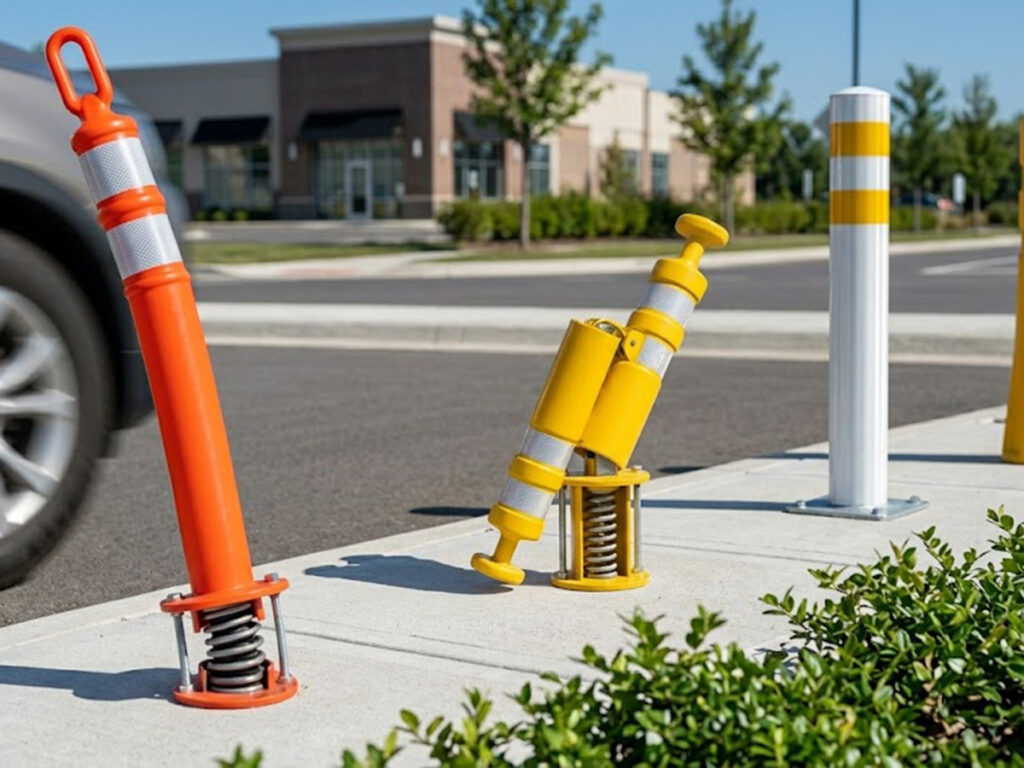
Механизм определяет стоимость установки, повторяющиеся роды, и гибкость доступа. Этот сравнение дорожных столбиков ось оказывает наибольшее влияние на жизненный цикл. Закупки должны решить эту проблему в первую очередь.
Фиксированный и съемный: Стоимость установки и эксплуатационная гибкость
Фиксированные болларды крепятся с помощью монолитных бетонных пластин или пластин с поверхностными болтами.. Они несут самые высокие затраты на установку, но исключают повторяющиеся трудозатраты.. В съемных боллардах используется фурнитура для крепления к гнезду со стопорными штифтами., позволяющий 30 к 90 второй цикл замены.
Розетки накапливают мусор на проезжей части. Бригады технического обслуживания должны планировать ежеквартальную чистку розеток в местах с высоким циклом работы.. Фиксированные установки полностью пропускают эти накладные расходы..
Выдвижные Болларды: Когда инвестиции в гидравлику окупаются
Выдвижные болларды варьируются от ручного подъема до полностью автоматических гидравлических систем.. Гидравлические агрегаты обычно рассчитаны на 200,000+ циклов и носить корпуса ниже класса IP67 или IP68.. Стоимость приобретения увеличивается $3,500 к $15,000+ за единицу установленного.
Математика окупаемости благоприятствует выдвижным устройствам только тогда, когда ежедневные циклы доступа превышают пять.. Ниже этого порога, съемные столбики обеспечивают лучшую экономику.
Разборные механизмы и пружинная техника
В складных боллардах используются подпружиненные шарнирные основания, которые отклоняются на 90° при контакте с транспортным средством., затем вернитесь в вертикальное положение. Ставка за единицу качества 300 к 500 ударные циклы до весенней усталости. Они находятся между жесткими и гибкими столбиками как по стоимости, так и по производительности..
Для полной матрицы решений, охватывающей тип якоря, частота цикла, и общая стоимость владения по этим трем механизмам, увидеть параллельная разбивка фиксированных, Съемный, и выдвижные столбики.
Воздействие: Гибкая, жесткая и складная конструкция столбика
Выбор гибких и жестких боллардов приводит к наибольшему разбросу производительности в любом сравнение дорожных столбиков. Покупатели постоянно неправильно оценивают эту ось. Неправильный выбор уничтожает продукт в течение нескольких месяцев..
Самовосстанавливающийся полиуретан и память материала
Столбики из полиуретана и ТПУ поглощают удары за счет молекулярного отклонения.. Качественные подразделения восстанавливаются в вертикальное положение за считанные секунды и выживают. 500 к 1,000+ низкоскоростные удары под 25 миль в час. Твердость по Шору А обычно варьируется от 85 к 95 для дорожных составов. В холодную погоду полиуретан предпочтительнее HDPE при температуре ниже нуля..
Твердая сталь и ковкий чугун: Останавливающая сила
Жесткие болларды отказываются поддаваться. Варианты стальных труб со стенками толщиной 6 мм и заполненными бетоном сердцевинами противостоят большинству проникновений легковых автомобилей.. Столбики безопасности с ударопрочностью соответствуют рейтингам ASTM F2656 или F3016., которые принципиально отличаются от стандартных разграничителей трафика
Цена за результат: Показатель, который пропускают большинство покупателей
Стоимость приобретения сама по себе вводит в заблуждение отделы закупок. А $45 гибкий столбик, рассчитанный на 500 оказывает воздействие $0.09 за страйк. Тот же доллар, потраченный на $35 жесткий пластиковый столбик разрушается при первом контакте, доставляет $35.00 за страйк. Любой честный сравнение дорожных столбиков должен включать этот расчет.
Компромисс между складыванием механических шарниров и восстановлением памяти материала заслуживает отдельного анализа.. Обзор почему самовосстанавливающиеся конструкции превосходят складные болларды при повторяющихся ударах для полного разбора.
Системы обзора: Светоотражающие отметки против освещенных столбиков
Характеристики видимости обеспечивают безопасность в ночное время.. Проектирование стоимости часто исключает эту позицию из объема закупок.. Стоимость появится в данных о столкновениях три года спустя..
ASTM D4956 Марки световозвращающих листов
ASTM D4956 определяет классы характеристик световозвращающих листов.. Соответствующие оценки для любого сравнение дорожных столбиков включить следующее:
| Тип листа | Общее имя | Мин. РА (CD/LX/M²) | Типичное применение |
| Тип i | Инженерный класс | 70 | Стоянка, зоны низкой скорости |
| Тип III | Высокая интенсивность призматическая | 250 | Стандартная дорога |
| Тип IV | Призматический II высокой интенсивности | 360 | Высокоскоростные коридоры |
| Тип IX | Бриллиантовый класс VIP | 380 | Критические зоны видимости |
Источник: https://reflectivetape.info/reflective-tape-types-astm-d4956/
Солнечный, проводной, и освещение на батарейках
Освещенные болларды разделены на три силовые архитектуры.. Стоимость солнечных установок $200 к $400 и требуют обслуживания панели. Для проводных светодиодных систем требуется траншейный кабелепровод. $50 к $150 за установленный погонный фут. Проблесковые столбики, работающие только от аккумулятора, работают $80 к $200 с шестимесячным циклом замены батареи.
Когда рефлексии достаточно
Светоотражающий тип III или IV обычно удовлетворяет требованиям MUTCD, приведенным ниже. 45 миль в час в хорошо освещенных зонах. Освещенные системы оправдывают свою стоимость в неосвещенных сельских коридорах и на участках ночной смены с интенсивным движением пешеходов..
Затраты на проводку и прокладку траншей для систем освещения часто перевешивают их преимущество в ночное время.. Просмотрите чехол для пропуска проводки с сохранением обзорности для полного сравнение дорожных столбиков на этой оси.
Базовая конструкция и возможность штабелирования: Т-топ, Стандартный, и взвешенные конфигурации
Базовая геометрия влияет на хранилище, транспорт, и работа по развертыванию. Операторы автопарков ощущают эту ось больше, чем любую другую переменную закупок.. Математика складывается в масштабе.
Штабелируемая геометрия T-Top
Гнездо для столбиков T-Top 4 к 6 дюймы глубиной. Стандартные паллетные магазины 60 к 80 футболки против 20 к 25 стандартные цилиндрические агрегаты. Управление вилочным погрузчиком остается простым, поскольку конусообразная верхняя часть центрирует каждый блок относительно нижнего..
Хотите качественные столбики T-Top?? Просматривать Столбики OPTSIGNS чтобы получить подходящие для ваших проектов!
Взвешенные базовые варианты для временного развертывания
Болларды из переработанной резины весят 8 к 18 фунтов и сопротивляться 35+ ветер, мили в час. Наполняемые песком основания масштабируются до 60+ фунты для полустационарной установки. Бетонно-анкерные основания входят на территорию стационарной установки.
Согласие, Сертификация, и нормативные требования
Несоблюдение требований убивает контракты. Каждый сравнение дорожных столбиков на этапе закупок необходимо проверить технические характеристики на соответствие точным спецификациям контролирующей юрисдикции. В США доминируют три нормативно-правовые базы. практика организации дорожного движения и закупок.
Требования соответствия MUTCD и ASTM
Руководство по однородным устройствам управления движением (Mutcd) регулирует все требования к устройствам распределения и временного управления трафиком на национальном уровне.. Конкретно, В главе 6H MUTCD установлены строгие минимальные высоты., размещение световозвращающей пленки, и стандарты однородности цвета для обеспечения видимости водителя.. 11-е издание, опубликовано в декабре 2023, остается активным федеральным мандатом посредством 2026.
Более того, любые светоотражающие элементы должны соответствовать стандартам ASTM D4956.. Сотрудники по закупкам должны указать точную степень световозвращения — обычно тип IV. (Высокоинтенсивные призматические) для стандартного разграничения проезжей части или типа XI (Алмазный класс) для высокоскоростного, рабочие зоны повышенного риска — чтобы гарантировать соблюдение законодательства и работу в условиях низкой освещенности..
Списки продуктов, одобренных DOT штата (АПЛ/КПЛ)
Государственные департаменты транспорта, например Кальтранс, TXDOT, и ФДОТ, вести независимые списки сертифицированной продукции (КПЛ) или утвержденные списки продуктов (АПЛ). Пластиковый или гибкий столбик, одобренный Caltrans QPL, не очищает автоматически проверку TxDOT или FDOT., поскольку каждый штат оценивает собственные активы с учетом местных факторов окружающей среды, уникальные минимумы ветровой нагрузки, и специальные испытания цикла восстановления после удара. Инженерные группы должны сопоставить точный номер модели производителя с местным государственным DOT APL, прежде чем фиксировать спецификации закупок..
Расшифровка технических характеристик производителя
При рассмотрении материалов производителя, маркетинговые термины, такие как “тяжелый,” “премиум-класса,” или “нерушимый” нести нулевой вес закупки. Настоящие инженерные спецификации должны явно указывать строки проверяемых данных.: конкретная методология тестирования (такие как МАШ ТЛ-3 или НЧРП 350 ударопрочность), классификация листов ASTM D4956, точная плотность полимера или толщина стальной стенки (НАПРИМЕР., Расписание 40 или 80 сталь), и прочность бетонного анкера на выдергивание. Покупатели должны регулярно требовать официальные отчеты о лабораторных испытаниях и действующие номера сертификатов, а не полагаться на копию каталога..
Как правильно выбрать дорожный столбик: Структура принятия решений о закупках
Технические характеристики решаются последовательно. Каждый шаг сужает оставшиеся варианты. Представленная ниже структура структурирует любые сравнение дорожных столбиков в целях закупок.
Четырехэтапная структура спецификации
- Определить частоту и серьезность воздействия. Высокочастотные и низкоскоростные условия указывают на гибкий полиуретан. Приложения уровня безопасности указывают на жесткую сталь.
- Определить среду видимости. Для освещенных городских зон подходит светоотражающий тип III.. Неосвещенные сельские коридоры требуют типа IV или активного освещения..
- Определить постоянство развертывания. Фиксированная установка соответствует креплению на анкере. Вращающийся парк машин равен штабелируемому T-Top. Временное развертывание соответствует взвешенной базе.
- Проверьте соответствие юрисдикции. Получить QPL. Соответствуют номерам сертификатов. Документируйте цепочку.
Общая стоимость владения по всему миру 5- и 10-летние горизонты
Приобретение сумм ТШО, установка, ожидаемые замены, и повторяющиеся роды. А $45 гибкий столбик 800 воздействие превосходит $25 жесткий столбик заменен после 40 воздействие. Любой строгий сравнение дорожных столбиков должен моделировать более длинный горизонт.
Когда прилегающая инфраструктура безопасности меняет характеристики
Пешеходные перила, Расширения бордюра, и системы указателей взаимодействуют с размещением столбиков. Иногда перила полностью заменяют столбики.. В других случаях, они дополняют. Обзор как пешеходные перила либо дополняют, либо противоречат размещению столбиков для системного анализа.
Этот сравнение дорожных столбиков находится в более широком бункере контента в инфраструктуре управления трафиком. Общий обзор всех упомянутых здесь семейств столбиков, включая T-Top., гибкий, Сложный, и светоотражающий дизайн — покупатели могут проконсультироваться комплексное руководство по решениям для дорожных столбиков.
Часто задаваемые вопросы о технических характеристиках дорожных столбов
1 квартал: В чем разница между гибкими и жесткими дорожными столбиками?
Гибкие болларды (полиуретан или ТПУ) отклоняться при ударе и самовосстанавливаться, выживание 500+ забастовки транспортных средств. Жесткие столбики (сталь, ковкий чугун) отказаться от уступок и оказать останавливающую силу. Закупки должны соответствовать уступчивому поведению основной цели безопасности..
Q2: Какой материал дорожных столбов дольше всего прослужит на открытом воздухе?
Устойчивый к УФ-излучению полиуретан и горячеоцинкованная сталь согласно ASTM A123 обеспечивают поставку 7 к 15 срок службы год. HDPE адекватно работает в умеренном климате, но становится хрупким при температуре ниже нуля без ударопрочных марок..
Q3: Какой класс световозвращения по ASTM следует указать покупателям?
ASTM D4956 Type III является практическим минимумом для активных дорог.. Тип IV или IX подходит для высокоскоростных коридоров и зон с низкой освещенностью.. Тип I подходит только для хорошо освещенных парковочных мест..
Q4: Соответствуют ли съемные столбики MUTCD?
Съемные столбики соответствуют требованиям, если установленная конфигурация соответствует высоте Главы 6F., цвет, и правила световозвращения. Сам механизм удаления не подлежит регулированию MUTCD.. Пустое гнездо должно оставаться безопасным во время демонтажа..
Q5: Сколько ударов транспортных средств выдерживает гибкий дорожный столбик?
Качественные полиуретановые самовосстанавливающиеся столбики выдерживают испытание временем. 500 к 1,000+ низкоскоростные удары под 25 миль в час. Более высокие скорости сокращают количество циклов.. В спецификациях должны быть указаны критерии скорости и восстановления для любого оправданного сравнение дорожных столбиков.
Q6: Какова типичная разница в стоимости между отражающими и освещенными столбиками??
Стоимость светоотражающих столбиков $40 к $120 с нулевой рекуррентной мощностью. Подсвеченные блоки работают $150 к $600+ плюс затраты на проводку $50 к $150 на погонный фут для проводной установки. Светоотражающие победы ниже 25 миль в час в освещенных помещениях.
Ссылка
АСТМ Ф2656-20 Стандартный метод испытаний на краш-тестирование барьеров безопасности транспортных средств
Список сертифицированных продуктов Caltrans