Вы наткнулись на безымянный горб в 40 км/ч, твоя подвеска хрустит, и твоя первая мысль — не любопытство, а разочарование. Большинство австралийцев каждую неделю используют десятки этих устройств, даже не зная, зачем они существуют., кто их спроектировал, или почему одни нежны, а другие раздражают. Этот пробел в знаниях имеет реальную цену: советы повторяют одни и те же ошибки проектирования, водители предъявляют ненужные жалобы, и менеджеры объектов выбирают не то устройство и не в том месте. The история лежачих полицейских объясняет все это — инженерная логика, сленг, и век проб и ошибок, сформировавший спокойствие, специально созданные устройства для успокоения дорожного движения, на которые мы полагаемся сегодня.
Понимание полного история лежачих полицейских значит начать задолго до Детройта, задолго до Комптона, и задолго до этого слова “трафик” даже существовал.
Задолго до асфальта: Как люди впервые попытались замедлить движение транспорта
Брусчатка, грохот полоски, и самые ранние преднамеренные препятствия
Задолго до появления двигателя внутреннего сгорания, дорожники уже манипулировали текстурой поверхности, чтобы контролировать скорость. Археологи изучают руины Помпеи, сохранившиеся после того, как Везувий похоронил город в нашей эры. 79 - выявили приподнятые ступеньки и неровное дорожное покрытие на перекрестках, из-за которых гужевые повозки замедляли скорость перед пересечением пешеходных дорожек.. Это рано, если непреднамеренно, глава в история лежачих полицейских: свидетельство того, что регулирование дорожного движения — это не современное изобретение, а повторяющаяся реакция на постоянную проблему — транспортные средства, движущиеся быстрее, чем пространство вокруг них может безопасно поглотить.
Почему появление автомобилей в начале 1900-х годов заставило принять новое решение
Настоящим стимулом для целенаправленного контроля скорости стало массовое внедрение автомобилей.. К 1900-м годам, В американских и европейских городах зафиксирован резкий рост травматизма среди пешеходов, поскольку автомобили заменили гужевой транспорт на улицах, никогда не рассчитанных на скорость с двигателем.. Местным органам власти нужен был физический, самодостаточный сдерживающий фактор — то, что работало без полицейского, стоящего на каждом углу.
Забытая связь между смертями на превышении скорости и первыми успокаивающими устройствами
Это начало возникновения успокоения на дорогах как дисциплины.: не вывески, не штрафы, но физическая геометрия, которая делает превышение скорости физически неудобным. Этот принцип — вертикальное отклонение, вынуждающее водителя замедляться или рисковать повреждением автомобиля — тот же самый, что и любой современный «лежачий полицейский»., лежачий полицейский, и подушка скорости по-прежнему зависит от. Это также первая настоящая глава в история лежачих полицейских как отдельная инженерная категория, а не счастливая случайность плохого дорожного покрытия.
1906 и Рождение “Спасибо-мэм”: Лежачие полицейские’ Первые предки
Первые эксперименты Нью-Джерси по ухабам на дороге
Наиболее часто упоминаемой отправной точкой в истории происхождения «лежачих полицейских» является Чатем., Нью-Джерси, в 1906. Местные записи и газетные отчеты того времени описывают грубо возведенные пешеходные переходы. 12.5 сантиметрах над поверхностью дороги с использованием плиток и булыжника, специально для того, чтобы помешать автомобилистам ездить, что тогда считалось безрассудным 48 км/ч. Это поразительная точка данных: самое первое задокументированное устройство для успокоения дорожного движения было прямым ответом на скорости, которые сегодня едва ли вызовут удивление на пригородной австралийской улице..
Как сельский “спасибо-мэмс” отличался от настоящих лежачих полицейских
В сельской Америке уже была родственная, но отличная особенность, называемая “спасибо-мэм” - комбинация подъемов и подъемов, встроенная в незакрытые дороги для отвода воды и непреднамеренного подпрыгивания вагонов., побуждая пассажиров кивать головами, как бы в знак благодарности. Он не был разработан как защитное устройство., но он продемонстрировал тот же физический принцип, который позже был сознательно разработан: вертикальное изменение профиля дороги меняет поведение автомобиля.
Почему эти первые попытки не увенчались успехом – и что нужно было изменить в первую очередь
The 1906 Установка в Чатеме была прекращена через несколько лет - в то время она была сочтена слишком резкой и вредной для транспортных средств.. Чего не хватало концепции, так это инженерной точности.: расчетная высота, длина, и угол подхода, который мог бы предсказуемо замедлить транспортное средство, не разрушая его подвеску.. Это усовершенствование не придет ни для одного другого 47 годы, именно здесь находится современный история лежачих полицейских действительно начинается.
Кто на самом деле изобрел «лежачего полицейского»? Случайное наследие Артура Холли Комптона
Артур Холли Комптон, физик, лауреат Нобелевской премии, – это ответ, на который указывает большинство историков дорожной безопасности.. В 1953, будучи ректором Вашингтонского университета в Сент-Луисе. Луи, Комптон применил физические расчеты к университетскому кампусу и спроектировал первый инженерный “шишка регулирования дорожного движения” — прямой предок современного лежачего полицейского.
Кем был Артур Холли Комптон, и почему нобелевский лауреат занимался безопасностью дорожного движения?
Комптон выиграл 1927 Нобелевская премия по физике за эффект Комптона, открытие в области рассеяния рентгеновских лучей. К началу 1950-х годов, он был ректором Вашингтонского университета, наблюдаю, как студенты и сотрудники уклоняются от мчащихся машин на Хойт-Драйв, улица перед Брукингс-холлом.
Жалоба на кампус, с которой все началось
По данным собственного исторического архива университета., Комптон спроектировал серию приподнятых отбойников, установленных весной вдоль Хойт-Драйв. 1953 — одна версия с одним горбом, другой с двойным горбом — после того, как неоднократные промахи убедили его, что одни только указатели не замедляют водителей.
От “Холли Хамп” к формализованному проекту — Комптона 1953 расчеты
Комптон рассчитал высоту, длина, и угол подхода, необходимый для обеспечения комфортного замедления без повреждения типичного 1953 подвеска седана, достигая параболического профиля высотой примерно 7,5–10 см.. В течение десятилетия, та же самая геометрия, лишь слегка усовершенствованная, распространилась на парковки и частные дороги по всей территории Соединенных Штатов., Соединенное Королевство, и, наконец, Австралия.
Как разочарование учёного превратилось в то, на что до сих пор ссылаются инженеры-проектировщики
Это поворотная точка в история лежачих полицейских: момент, когда успокоение дорожного движения перестало быть случайным побочным продуктом пересеченной местности и стало преднамеренным, расчетная инженерная дисциплина. Спросите, кто придумал «лежачих полицейских» в современном мире., спроектированная форма, и Комптона 1953 расчет – это ответ, на который указывает каждый заслуживающий доверия источник. Каждый современный производитель, включая параболические и синусоидальные профили, используемые на современных австралийских автостоянках, по-прежнему основывает логику своего проектирования на тех же расчетах..
Почему мы их называем “Спящие полицейские”? Язык, Сленг, и культурная память
Спящий полицейский — на британском сленге означает «лежачий полицейский»., впервые задокументировано в печати в начале 1960-х годов.. Этот термин обыгрывает идею полицейского, лежащего через дорогу., заставлять водителей снижать скорость из уважения (или страх) - та же функция правоприменения без фактического присутствия офицера.
Отслеживание британского происхождения “спящий полицейский” прозвище
Этимологические исследования газетных архивов Великобритании указывают на самое раннее подтвержденное использование слова “спящий полицейский” к 1961, со ссылками, появлявшимися на протяжении 1960-х годов в отношении Ямайки и других частей Содружества, прежде чем к 1970-м годам они стали обычным явлением в британском английском языке.. Это прозвище прижилось, потому что оно отражало что-то правдивое.: эти устройства выполняют полицейскую функцию — замедляют движение — без присутствия человека.
Как этот термин распространился по странам Содружества, включая Австралию
Сленг распространился по английскому языку Содружества., попутно подбирая местные варианты: “полоска дрожания” в Новой Зеландии, “лживый полицейский” на французском языке, и “лежачий полицейский” по частям Восточной Европы. Австралия придумала что-то еще более характерное, а не просто прозвище., но совершенно отдельное устройство со своей локальной историей, описано в австралийском разделе ниже.
Другие глобальные прозвища и что они говорят об отношении местных жителей к власти и скорости
Каждое региональное прозвище «лежачего полицейского» говорит вам что-то о том, как в этой культуре формируются власть и риск.. Британский и карибский английский персонифицируют его как спящего офицера.. Сленг киви превращает это в физическое ощущение (“еврей”). Это небольшой, но действительно полезный пример того, как отдельная часть инфраструктуры накапливает культурное значение по мере своего распространения..
От тупого инструмента к инженерной кривой: Эволюция конструкции «лежачих полицейских» и искусственных неровностей
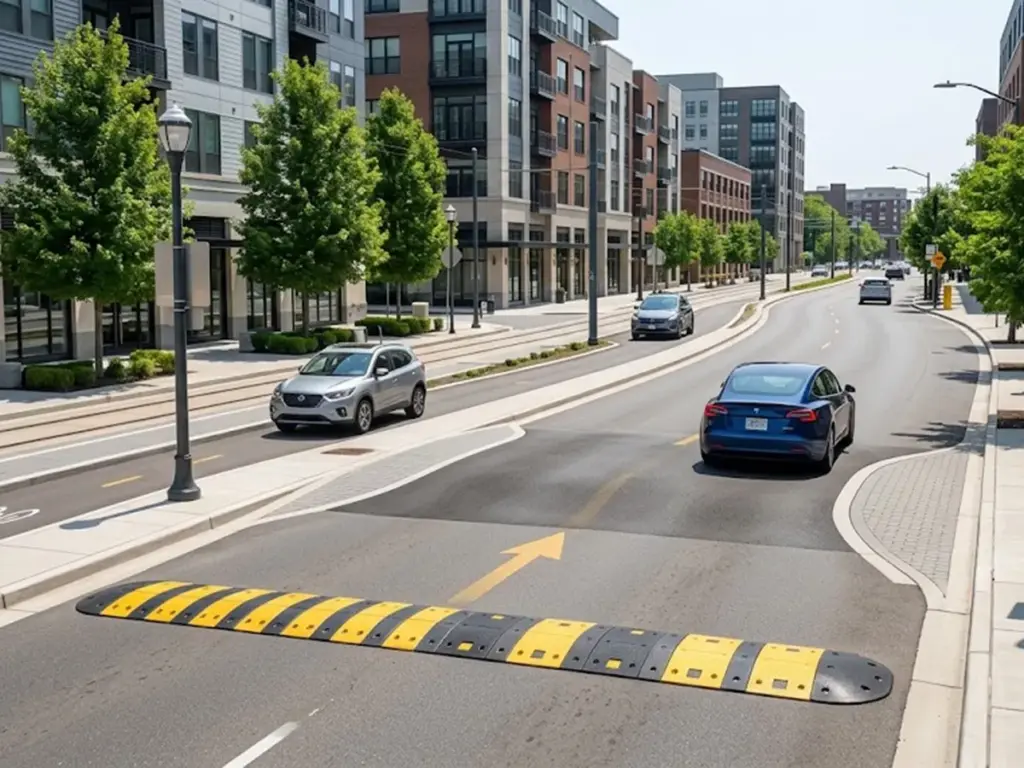
Проблема с ранними неровностями — почему резкие профили приводят к повреждению автомобиля и люфту водителя
Оригинал Комптона 1953 дизайн и его ранние имитаторы использовали относительно острый, почти параболический подъем. Это сработало, но это наказывало компоненты подвески и почти сразу же вызвало жалобы водителей - та же самая напряженность, которая до сих пор формирует дебаты по успокоению дорожного движения на жилых улицах Австралии..
Внедрение параболического и синусоидального профилей для более плавного снижения скорости.
Инженеры потратили следующие два десятилетия на сглаживание этой кривой.. Лаборатория транспортных и дорожных исследований Великобритании опубликовала влиятельные геометрические тесты в 1973, а к 1970-м годам синусоидальная (“S-образная кривая”) Профиль стал предпочтительной формой для уменьшения тряски и при этом обеспечения снижения скорости - философия дизайна, на которую до сих пор ссылаются в руководствах по организации дорожного движения, используемых местными советами Австралии сегодня..
Как подушки безопасности и таблицы скорости стали компромиссом для автобусов и машин скорой помощи
Аварийные службы сопротивляются лежачим полицейским, замедляющим работу машин скорой помощи и пожарных машин., инженеры разделили единственную горку на более узкие “подушки” что широкоосные автомобили могли оседлать, и вытянутый с плоской вершиной “столы” это одновременно надземные пешеходные переходы. Это определяющий сдвиг в эволюции лежачих полицейских.: от одного универсального препятствия до семейства устройств, настроенных на конкретные транспортные средства и условия дорожного движения..
В таблице ниже сравниваются три исторических типа устройств с точки зрения эпохи происхождения., предполагаемое ощущение, и типичная историческая обстановка.
| Тип устройства | Происхождение Эры | Предполагаемое ощущение водителя | Типичная историческая обстановка |
| Стойка регулирования дорожного движения (Комптон дизайн) | 1953 | Твердый, намеренный толчок | Дороги университета и частного кампуса |
| Синусоидальный лежачий полицейский | 1970с | Плавный, но заметный провал | Жилые улицы |
| Подушка скорости/стол скорости | 1980с – 1990-е годы | Минимальный для широкоосных автомобилей, фирма по автомобилям | Автобусные маршруты, аварийные коридоры, Пешеходные переходы |
Отчетливо австралийская история: Движение успокаивается под
Австралия не просто импортировала американские «лежачие полицейские» оптом — она проводила собственный параллельный эксперимент на протяжении десятилетий.. Задолго до того, как советы начали устанавливать синусоидальные неровности., На австралийских перекрестках использовалось отечественное устройство под названием “тихий полицейский”: металлический или бетонный купол примерно 400 мм шириной и 125 мм высотой, окрашены в желтый цвет и часто снабжены светоотражающими стеклянными бусинами., встроен в центр перекрестка для управления движением на поворотах.
Как молчаливые полицейские Австралии предшествовали импортному «лежачему полицейскому»
Согласно документальной истории Википедии, «Безмолвный полицейский» получил свое название от северных пляжей Сиднея., придумано в раннюю эпоху автомобилестроения, когда люди-полицейские размещались на оживленных перекрестках, чтобы направлять движение транспорта до того, как появились сигналы - купол фактически заменял офицера, бесшумно обеспечивая ту же правильную траекторию движения при повороте транспортных средств. В конечном итоге бесшумные полицейские были постепенно сокращены на национальном уровне, когда метод ромбовидного поворота стал стандартом на регулируемых перекрестках., и как только власти осознали опасность, которую поднятые купола представляли для мотоциклистов и пешеходов..
Переход от специальных решений совета к стандартизированным австралийским руководствам
Современная австралийская политика успокоения дорожного движения — та, которую используют советы от Виктории до Нового Южного Уэльса — теперь основана на официальной методологии оценки рисков, признанной Austrroads лучшей практикой., весомые факторы, такие как история аварий, объем автомобиля, и процент тяжелых транспортных средств, прежде чем устройство будет одобрено для использования на местной дороге. Это далеко от бетонного купола, отлитого вручную.; сегодняшние оценки основаны на задокументированных данных о дорожно-транспортных происшествиях, полученных из государственных дорожных служб и баз данных полиции, прежде чем будет одобрена единая неровность..
Региональные различия: реальные результаты снижения дорожного движения в Австралии
Недавние австралийские судебные процессы показывают, как далеко продвинулась эта практика со времен эпохи молчаливых полицейских.. ОлбериСити 2024 В ходе испытания в Форрест-Хилле были установлены три неровности с плоским верхом и зафиксировано снижение скорости почти на 30%, с 86% жителей пострадавшей улицы поддерживают их сохранение. В Сиднее, Совет Северного Сиднея использовал финансирование программы «Черные точки» правительства Австралии для установки лежачих полицейских на Бен Бойд-роуд после того, как консультации с общественностью определили историю аварий и данные подсчета трафика в качестве решающих факторов.. Это не единичные случаи — они отражают национальную модель научно обоснованного успокоения дорожного движения, которая полностью заменила старый специальный подход «купол на перекрестке»..
От тупого предмета к специально созданному продукту: Как развивались материалы
Отказ от монолитного бетонного и асфальтового строительства
На протяжении большей части 20 века, «лежачие полицейские» строились так же, как и дороги — заливались бетоном или асфальтом., сформирован вручную, и оставлен для выветривания на месте навсегда. Такой подход сработал, но это означало, что каждый ремонт или реконструкция требовали разрушения и повторной заливки дорожного покрытия..
Как светоотражающая краска, вывески, и ранние улучшения видимости были прикручены к старым конструкциям
По мере роста жалоб на видимость в ночное время в 1970-х и 1980-х годах, муниципальные советы начали покрывать существующие неровности светоотражающей краской, шпильки «кошачий глаз», и специальные предупреждающие таблички — процедуры добавляются постфактум, а не закладываются с самого начала..
Готовим почву для инженерных, модульные продукты
Именно этот лоскутный подход в конечном итоге подтолкнул отрасль к производству готовых изделий., модульные продукты для успокоения дорожного движения, спроектированные с учетом видимости, долговечность, и скорость установки, заложенная с первого дня, а не добавлять позже. Как полностью интегрированный производитель дорожных знаков и средств успокоения дорожного движения., мы управляем этим процессом от начала до конца — от сырья для подложки и полимеров до печати и отделки по индивидуальному заказу — что является именно той инженерной непрерывностью, которой не хватало в первоначальную эпоху заливного бетона..
Чему учит нас эта история о выборе «лежачего полицейского» сегодня
Вот почему понимание история лежачих полицейских на самом деле имеет значение для всех, кто отвечает за автостоянку, дорога поместья, или школьная зона сегодня: каждое дизайнерское решение — высота, цвет, материал, профиль кривой — восходит к реальной проблеме, которую кто-то пытался решить., от расчетов Комптона по отстранению от собственного эксперимента с молчаливыми полицейскими в Австралии. Понимание “почему” сто лет проб и ошибок позволяют гораздо легче оценить современный продукт по его достоинствам, а не только по маркетинговым заявлениям..
Если вы готовы перейти от истории успокоения трафика к выбору подходящего устройства для вашего сайта, наш полное руководство по «лежачим полицейским» о дизайне, типы, и приложения нарушает стандарты дизайна, выбор материала, и вопросы установки в полном объеме. И если вы хотите сами почувствовать инженерную разницу, прежде чем делать заказ, получите бесплатные образцы для тестирования и посмотрите, как современный, специально разработанный профиль сравнивается с тупыми инструментами, с которыми вы только что ознакомились в этой статье..
Ссылки
Вашингтонский университет в Сент-Луисе. Библиотеки Луиса — “Что такое Комптоновские лежачие полицейские?”
Истории слов — “Спящий полицейский” (этимология и первое документированное использование, 1961)
ПабМед / Анализ аварий & Профилактика — “Местное регулирование скорости на улицах в Австралии — это «успокоение дорожного движения»’?”
Городской совет Олбери — “Более безопасные улицы – Форрест Хилл” результаты испытаний, 2025
Совет Северного Сиднея — Отчет Комитета дорожного движения, Установка лежачих полицейских на Бен Бойд Роуд (Программа «Черные точки» правительства Австралии)
Городской совет Мелтона — Политика успокоения дорожного движения (Методика оценки, признанная Auustroads)