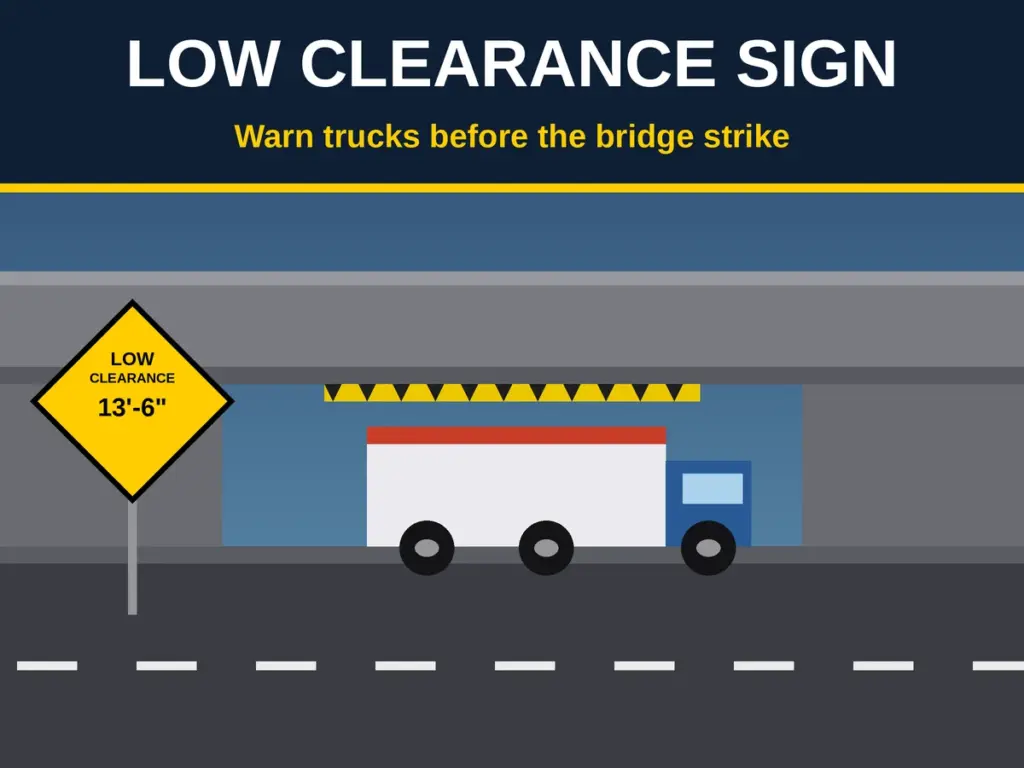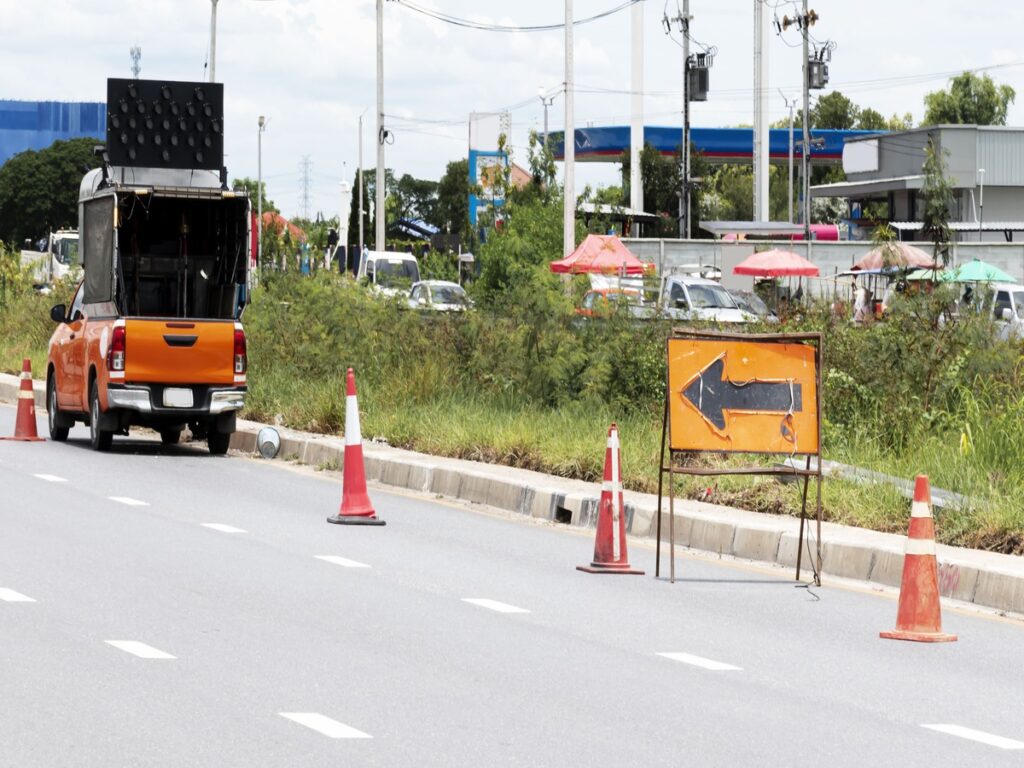
Frete transfronteiriço, construção multinacional, e as aquisições globais de engenharia compartilham o mesmo desafio. Padrões globais de sinalização rodoviária não são unificados. Um único corredor de transporte pode passar por três quadros regulamentares antes de chegar ao seu destino. Os especificadores que interpretam mal esses limites jurisdicionais enfrentam instalações rejeitadas, penalidades contratuais, e exposição a responsabilidades.
Este guia pilar atua como um centro de navegação e mapeia as principais regiões regulatórias. Também mostra onde padrões globais de sinalização rodoviária convergem - e onde eles divergem acentuadamente. As apostas são reais. Em 2024, uma estimativa 39,345 pessoas morreram nos EUA. estradas, de acordo com os dados preliminares de acidentes da NHTSA (Fonte: https://www.nhtsa.gov/press-releases/nhtsa-estimates-39345-traffic-fatalities-2024). Sinalização eficaz salva vidas. Sinalização compatível salva contratos.
Por que os padrões globais de sinalização rodoviária são importantes para conformidade e segurança

Em todas as regiões, padrões globais de sinalização rodoviária gerar três resultados: segurança, conformidade legal, e elegibilidade para aquisições.
O caso de negócios para compreender as diferenças jurisdicionais em sinais de trânsito
Especificadores B2B enfrentam risco comercial direto. Um painel não conforme em um país financiado pelo governo federal dos EUA. projeto pode anular reembolso. Um sinal sem marcação CE na UE não pode entrar legalmente em serviço. As equipes de compras que gerenciam licitações multirregionais devem ler o conjunto de regras de cada jurisdição antes de emitir especificações.
O transporte transfronteiriço acrescenta outra camada. Os motoristas esperam dicas visuais intuitivas. Inconsistente padrões globais de sinalização rodoviária aumentar a carga cognitiva e o risco de acidente.
Como as estruturas regulatórias moldam as especificações e as aquisições
As diretrizes governamentais de sinalização rodoviária ditam tudo a jusante. Classes de materiais, aula de cobertura retrorrefletiva, tolerâncias dimensionais, e alturas de montagem fluem de documentos regulatórios. Os padrões dos dispositivos de controle de tráfego não são preferências estéticas. São instrumentos legais.
Convenções Internacionais de Sinais Rodoviários e Estruturas de Harmonização
A Convenção de Viena sobre Sinais e Sinais Rodoviários ancora a maior parte dos padrões globais de sinalização rodoviária.
A Convenção de Viena sobre Sinais e Sinais Rodoviários Explicada
O 1968 Tratado da ONU entrou em vigor em 1978. Ultimamente 2025, 72 os países ratificaram-no. O tratado harmoniza formas, cores, e pictogramas entre signatários. Triângulos vermelhos alertam. Círculos vermelhos proíbem. Retângulos azuis informam.
Em março 2025, o Fórum Global da UNECE para a Segurança Rodoviária (WP.1) adoptou uma importante proposta de alteração. A atualização moderniza o texto do tratado, introduz um novo esquema de numeração de sinais, e aborda sinalização digital e veículos autônomos.
Países que operam fora do quadro da Convenção de Viena
Várias grandes economias ficam fora da convenção. Os Estados Unidos, Canadá, Austrália, e a Irlanda escolheram quadros alternativos. China, Japão, Israel, e a Malásia também não são partes. Estas divergências moldam as especificações regionais de design de sinais de trânsito em todo o mundo.
Regulamentos e padrões de conformidade de sinalização rodoviária da América do Norte
A América do Norte opera a maior estrutura fora de Viena. Suas regras agora estão no centro de qualquer padrões globais de sinalização rodoviária discussão.
Padrões de conformidade MUTCD nos Estados Unidos
A Administração Rodoviária Federal publica o Manual sobre Dispositivos Uniformes de Controle de Tráfego. A 11ª Edição entrou em vigor em janeiro 18, 2024. Os estados devem alcançar conformidade substancial até janeiro 18, 2026. A atualização introduzida 213 novo guia e sinais regulatórios. Revisão publicada pela FHWA 1 em março 5, 2026.
As principais mudanças incluem roxo como cor padrão para faixas gerenciadas e pedágios. A Secção 2A.22, a gestão da retrorrefletividade continua a ser um pilar de conformidade vinculativo.
Requisitos de conformidade de sinalização rodoviária canadense e variações provinciais
O Canadá segue a estrutura da Associação de Transporte do Canadá. Obrigações bilíngues se aplicam na maioria das províncias. Quebec impõe sinalização francesa. Alinhamento com os EUA. MUTCD é parcial, não completo.
Regulamentos Europeus sobre Sinais Rodoviários e Conformidade dos Estados-Membros
Europa impõe leis de tratados, Diretivas da UE, e as normas técnicas do CEN num quadro rigorosamente governado. Isso molda uma fatia distinta de padrões globais de sinalização rodoviária.
O quadro regulamentar da União Europeia para sinalização rodoviária
EM 12899 rege a sinalização rodoviária vertical fixa em toda a UE. Marcação CE é obrigatória desde janeiro 1, 2013, sob Regulamento (UE) Não 305/2011 [8]. Os fabricantes devem concluir os testes de controle de produção na fábrica por meio de um organismo notificado antes de colocar os painéis no mercado.
A maioria dos estados membros da UE também são partes na Convenção de Viena. A linguagem visual é, portanto, amplamente consistente. A documentação de conformidade não é.
➡️Explore os clusters:
Um guia completo para compreender os sinais de trânsito nas rodovias do Reino Unido
Variações notáveis dos Estados-Membros nas especificações de design de sinais rodoviários regionais
A Alemanha aplica as regras de trânsito rodoviário (StVO). França aplica a Instrução Interministerial. O Reino Unido mantém os Regulamentos de Sinais de Trânsito e Orientações Gerais (Tsrgd), que divergiram ainda mais desde o Brexit. Estes códigos nacionais sobrepõem-se à linha de base da UE. Junto, eles criam uma estrutura regulatória de sinalização rodoviária por país que exige muita atenção.
Padrões de sinalização rodoviária da Ásia-Pacífico e Oceania
A Ásia-Pacífico contém a maior divergência dentro padrões globais de sinalização rodoviária. Algumas nações adotam os princípios de Viena. Outros constroem códigos totalmente independentes.
Conformidade com sinalização rodoviária australiana sob AS 1742
A Austrália opera o AS 1742 série. Autoridades rodoviárias estaduais e territoriais emitem diretrizes complementares. Os sinais de alerta australianos usam um diamante amarelo – visualmente mais próximo do MUTCD do que do triângulo europeu.
Estruturas regulatórias comparativas de sinalização rodoviária no Japão, China, e Índia
O Japão implanta pictogramas exclusivos fora das Convenções de Viena. China impõe GB 5768 como seu padrão nacional de dispositivo de controle de tráfego. Índia aplica IRC:67, com variação substancial de implementação em nível estadual. A complexidade comparativa é significativa para fabricantes de exportação.
Quadros Emergentes e Regionais no Médio Oriente e em África
Estas regiões completam o padrões globais de sinalização rodoviária foto. Ambos apresentam investimento crescente em infraestrutura e demanda crescente de especificadores.
Padrões de sinalização rodoviária do GCC e variações nacionais em todo o Oriente Médio
O Conselho de Cooperação do Golfo coordena o alinhamento regional. Os Emirados Árabes Unidos, Arábia Saudita, e o Catar aplicam suplementos nacionais. A sinalização bilíngue árabe-inglês acrescenta complexidade dimensional e de legibilidade.
Quadros Regulatórios Africanos e o Padrão SADC-RTSM
O Manual de Sinais de Trânsito Rodoviário da Comunidade de Desenvolvimento da África Austral rege dez países. Muitas disposições ecoam Viena. Alguns adaptam-se aos padrões de tráfego regionais e às condições rurais.
Comparando Padrões Globais: Uma referência estratégica para especificadores
Esta seção sintetiza as diferenças mais visíveis entre padrões globais de sinalização rodoviária para leads de compras.
Variações de codificação de cores entre jurisdições
| Função de sinal | Convenção de Viena | MUTCD (EUA) | Austrália (COMO 1742) |
| Aviso | Triângulo vermelho, fundo branco/amarelo | Diamante amarelo | Diamante amarelo |
| Proibição | Círculo vermelho, chão branco | Círculo vermelho (limitado) | Círculo vermelho |
| Obrigatório | Círculo azul | Retângulo branco, texto preto | Círculo azul/branco |
| Informação / Guia | Retângulo azul ou verde | Retângulo verde | Retângulo verde/branco |
| Pistas Gerenciadas / Pedágio | Não especificado | Roxo (desde a 11ª Ed.) | Não especificado |
Forma, Símbolo, e padrões dimensionais comparados
Enquanto o octogonal “PARAR” sinal é um raro consenso global, a maior parte da sinalização rodoviária é regida por filosofias regionais distintas. Para especificadores, compreender essas divergências técnicas é fundamental para garantir a conformidade e evitar erros dispendiosos de aquisição:
- Pictogramas vs.. Designs com muito texto:
A Convenção de Viena (EU/UK/Asia) prioriza símbolos universais para contornar barreiras linguísticas, enquanto o MUTCD (América do Norte) frequentemente utiliza instruções baseadas em texto (Por exemplo, “Colheita” vs.. o triângulo invertido com borda vermelha). - Lógica Jurisdicional Codificada por Cores:
As cores da sinalização direcional não são universais. Embora os EUA usem principalmente o Verde para rodovias interestaduais, muitas regiões da Europa e do Médio Oriente utilizam Azul para autoestradas e Verde para estradas primárias/A. A identificação incorreta deles pode levar a falhas sistêmicas na instalação. - Retorreflectividade & Padrões materiais:
Um grande obstáculo técnico é a divergência no desempenho das chapas. Os especificadores devem escolher entre ASTM D4956 (Padrões norte-americanos) e e 12899-1 (Padrões europeus). Essas estruturas utilizam diferentes sistemas de classificação (Por exemplo, Aula 1, 2, 3 vs.. RA1, RA2, RA3) para desempenho microprismático e durabilidade. - Dimensional & Tolerâncias de fonte:
A legibilidade de um sinal em altas velocidades depende das condições locais. “ClearView” ou “Transporte” fontes e alturas específicas de letras exigidas pelas autoridades regionais (Por exemplo, o TSRGD do Reino Unido vs.. Austrália da AS 1742).
💡Dica Estratégica: Para licitações multirregionais, estabeleça sempre o “Jurisdição dominante” no início do ciclo de vida do ativo. A modernização de uma sinalização para atender a um padrão EN ou ASTM identificado posteriormente geralmente acarreta um multiplicador de custos de 3x em comparação com a conformidade em estágio inicial.
2026 Instantâneo de conformidade: Por que este ano é importante para os padrões globais de sinalização rodoviária
Vários prazos regulamentares convergem em 2026. Especificadores enfrentam transições simultâneas em múltiplas jurisdições.
Prazos regulatórios ativos que afetam as compras globais
| Região | Padrão / Estrutura | 2026 Status |
| EUA | Mutcd 11ª edição | Prazo de adoção estadual: Janeiro 18, 2026 |
| EUA | MUTCD 11ª Edição. Revisão 1 | Publicado em março 5, 2026 |
| UE | EM 12899 / Marcação CE | Obrigatório desde 2013, aplicação em andamento |
| Global | Emendas à Convenção de Viena | Adotado em março 2025, implementação 2026+ |
| Austrália | COMO 1742 série | Ativo, com suplementos estaduais |
Lista de verificação de aquisição e especificação para 2026
- Verifique o status de adoção do DOT estadual em relação a janeiro 18, 2026 prazo federal.
- Confirme o grau de cobertura retrorrefletiva de acordo com ASTM D4956 Tipo III ou superior para os EUA. projetos.
- Auditar o inventário vinculado à UE para EN atual 12899 Marcação CE e Declaração de Desempenho.
- Verifique as alterações da Convenção de Viena para qualquer sinalização retirada no 2025 atualizar.
- Documente evidências de conformidade para cada licitação de projeto.
Conclusão: Navegando pelos padrões globais de sinalização rodoviária em rodovias com confiança
Padrões globais de sinalização rodoviária permanecer fragmentado. Eles também são navegáveis. Trate a conformidade como uma função de aquisição, não é uma reflexão tardia. Mapeie cada projeto para sua jurisdição governante. Consulte nossos artigos de cluster para obter detalhes técnicos granulares.
Para a base técnica completa em todas as especificações, Conformidade com MUTCD, aquisição, e gerenciamento do ciclo de vida de ativos, retornar ao nosso recurso mestre: O manual definitivo de sinalização rodoviária em rodovias.
Referências
- Estatísticas de acidentes da NHTSA – estimativa antecipada de fatalidades no trânsito de veículos motorizados, 2024. https://crashstats.nhtsa.dot.gov/
- RINA — UNI EN 12899: Marcação CE para sinais de trânsito verticais. https://www.rina.org/en/fixed-vertical-road-traffic-signs
- UNECE — Acordos e Convenções sobre Trânsito Rodoviário e Sinais e Sinais Rodoviários. https://unece.org/road-traffic-and-road-signs-and-signals-agreements-and-conventions
- FHWA - Datas de conformidade da 11ª edição do MUTCD. https://mutcd.fhwa.dot.gov/
- FHWA - Publicação de sinalização rodoviária padrão, Fevereiro 2026 Liberar. https://mutcd.fhwa.dot.gov/ser-shs_millennium.htm
- FHWA - Feed de notícias MUTCD (Revisão 1, Marchar 5, 2026). https://mutcd-dr.fhwa.dot.gov/mutcd_news.htm
- EUR-Lex — Regulamento (UE) Não 305/2011 em produtos de construção. https://eur-lex.europa.eu/legal-content/EN/TXT/?uri=CELEX:32011R0305