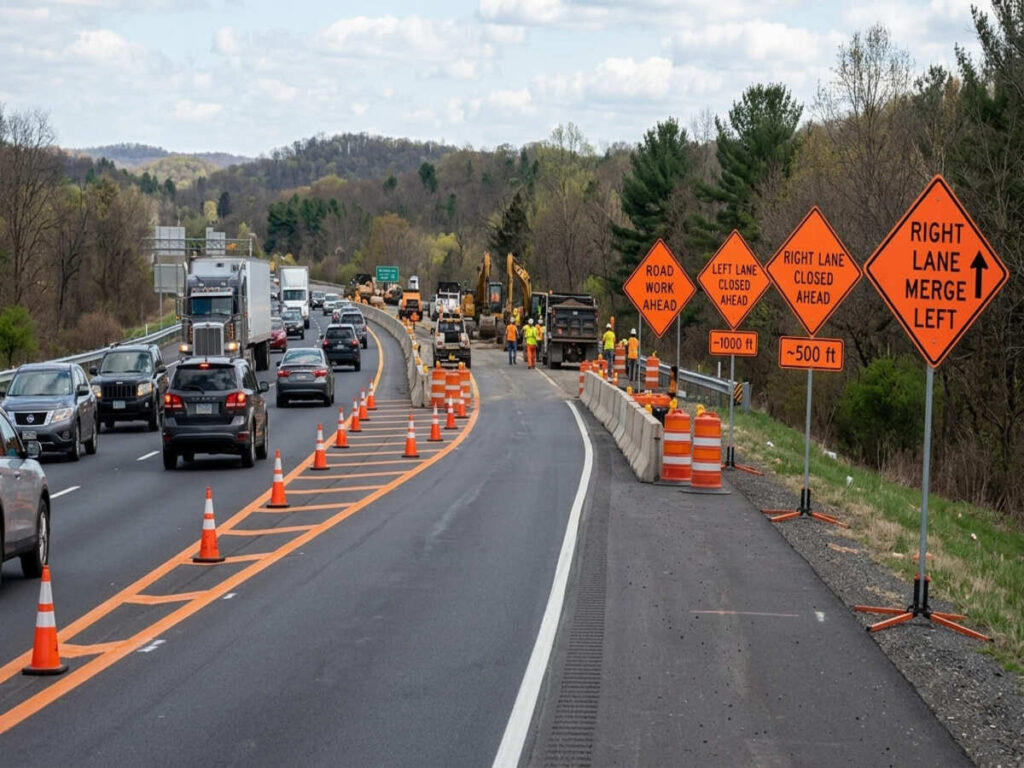
迂回路標識の仕様が調達にとって重要な規律である理由
仕様の誤りの背後にある規制上の利害
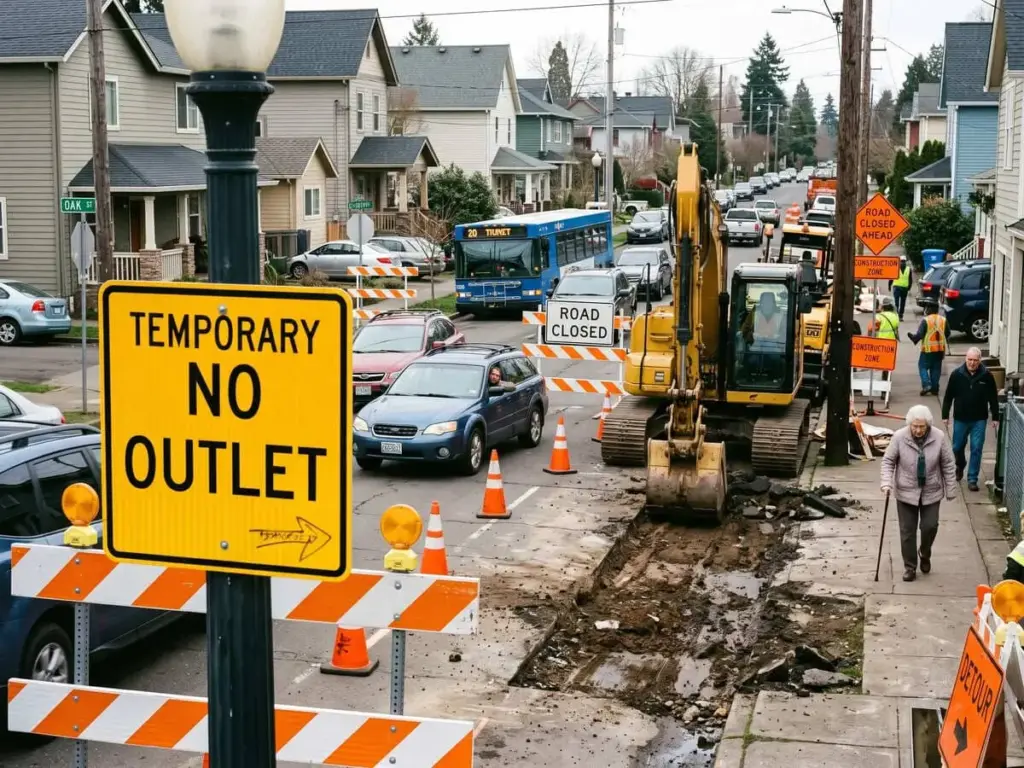
正しくない 迂回標識仕様 実際の経済的影響をもたらす. 連邦高速道路局 (fhwa) 連邦政府の資金提供を受けたプロジェクトのすべての交通管制装置が統一交通管制装置に関するマニュアルに準拠することを義務付ける (mutcd), 11第 3 版 (2023). 非準拠のハードウェアにより DOT 監査フラグがトリガーされる - 深刻な場合, プロジェクトのシャットダウン.
物理仕様のエラーは、材料提出時にサインハードウェアが拒否される主な原因にランクされます. 間違った再帰反射クラス, 凡例のサイズが間違っている, および準拠していない色標準はすべて再提出コストを発生させ、公共工事契約における請負業者の利益を侵食します。.
2021年度から2023年度まで, FHWA を上書き記録 40,000 作業ゾーンのクラッシュは毎年発生しています, 事前警報装置が不十分であることが大きなシェアの要因として挙げられている. (ソース: https://ops.fhwa.dot.gov/wz/resources/facts_stats.htm)
このガイドが迂回標識コンプライアンス調査にどのように適合するか
このリファレンスは物理仕様層のみをカバーしています: MUTCD準拠のカラー, 標識の形と枠線, 寸法規格, および構造ハードウェア力学. 導入戦略については触れていません, テーパーレイアウト, または規制上の責任の枠組み - これらは個別のコンプライアンス領域です.
迂回標識は何色ですか? MUTCD で標準化されたカラー システム
主要な標準 — 蛍光オレンジの背景に黒い凡例
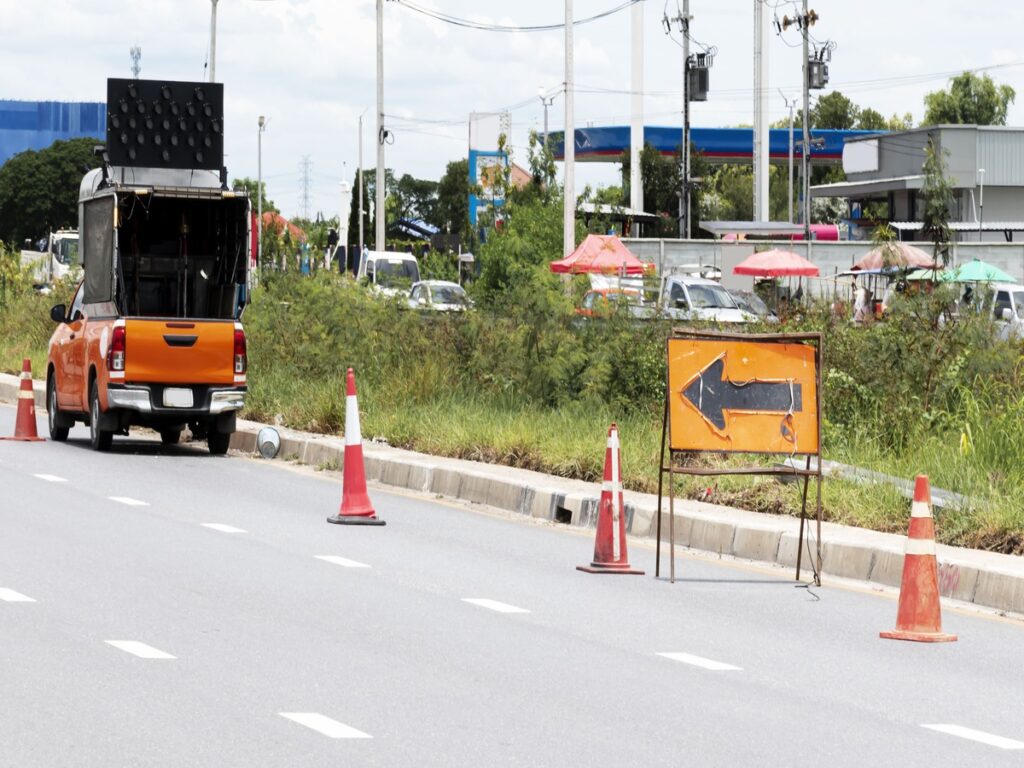
MUTCD 第 11 版セクション 6F では、すべての標準的な一時交通規制の必須の背景色として蛍光オレンジを確立しています。 (TTC) 迂回標識. 黒の伝説 — レタリング, 矢印, と境界線 - 蛍光オレンジ色の背景は、作業ゾーン迂回マーカーの唯一の MUTCD 準拠の組み合わせです。.
蛍光オレンジの選択は任意ではありません. 蛍光顔料は、夕暮れ時や夕暮れ時に、標準的なオレンジよりも大幅に高いスペクトル輝度値を生成します。まさに、高速道路の迂回路で目立ちやすさの需要がピークに達する状況です。. 調達担当者は指定する必要があります “蛍光オレンジ再帰反射シート” 提出資料の中で. “スタンダードオレンジ” そして “蛍光オレンジ” DOT 仕様言語では互換性がありません.
蛍光ピンクと世間がそれを赤と呼ぶ理由
大量の検索クエリのターゲット “赤い迂回標識。” 一般の人が赤と認識しているものは、厳密には蛍光ピンクです。これは、MUTCD セクション 6I が衝突などの計画外の出来事をカバーするインシデント管理標識用に指定した色です。, 危険物流出, そして緊急閉鎖.
蛍光ピンクは建設工事予定区域に適合しない. 標準的な建設プロジェクトの迂回路金物を調達する請負業者が、蛍光ピンクを指定すると、提出パッケージに規制上の分類エラーが発生します. 蛍光ピンクのデバイスは通常、迅速に導入できる資産です, 固定取り付け型ハードウェアではない.
インシデント管理サインの色分類の完全な技術的内訳については、, 見る: ビヨンドオレンジ: デコードレッド, 青, 交通事故管理におけるピンクの迂回標識.
ペンシルベニア州の例外 — PennDOT の色分けされた緊急迂回ルート システム
ペンシルベニア州は、PennDOT の管轄下で州管理の色分けされた緊急迂回路ネットワークを運用しています。これは、標準的な MUTCD オレンジのみの慣行から意図的に逸脱しています。. PennDOT は代替州間高速道路を事前に指定し、事前に署名します, 重大なインシデントが発生したときにそれらを起動する.
PennDOT は次のように方向色を割り当てます。:
🔴赤 = 南行きの州間迂回ルート
🔵青 = 北行きの州間迂回ルート
🟢緑 = 東行きの州間迂回ルート
🟠オレンジ = 西行きの州間迂回ルート
ペンシルベニア州で事業を行う請負業者は、ハードウェアを PennDOT 出版物と一致させる必要があります 212 基準, 一般的な MUTCD TTC 仕様ではありません. これらは個別の仕様書を持つ個別のハードウェア ファミリです。.
迂回標識の形状と境界線の標準 — MUTCD デザイン言語
ダイヤモンドの形状 - 事前の警告 (W20シリーズ)
MUTCD は、W20 シリーズのすべての事前警告標識にダイヤモンド形状 (45 度回転した正方形) を義務付けています。. キーコードにはW20-2が含まれます (“迂回してください”) とW20-3 (“XXマイル迂回”). これらの兆候は、今後の決定点を伝えます; 方向性を示すものではありません.
ボーダーの仕様には、蛍光オレンジの背景に黒の再帰反射ボーダーが必要です. ボーダー幅は MUTCD ごとの符号サイズに比例して拡大します 図 6F-1. 高速通路用, 事前警告ダイヤモンドは通常 48 回実行されます″×48″ または60″×60″ — すべての調達チェックリストに含まれる道路分類に対する寸法要件の確認.
長方形の形状 - ルート マーカーと方向パネル (M4シリーズ)
長方形の形状は、迂回誘導シーケンスにおけるすべての方向標識とルート標識標識を制御します. M4 シリーズは、コアとなるウェイファインディング ハードウェアを提供します:
- M4-8: 方向矢印付きの迂回路マーカー — 決定地点およびルート沿いに掲示されます
- M4-9: 迂回終了マーカー — 交通が元のルートに戻ることを知らせます
- M4-10: 補助迂回矢印パネル — 複雑な複数の曲がり角があるパスに使用されます
MUTCD サイン レイアウト テーブルごとに比例した幅の黒い境界線が、すべての M4 シリーズ ハードウェアに適用されます。. 記号シーケンス全体にわたる一貫性はコンプライアンス要件であり、設計上の優先事項ではありません。.
規制のコントラスト — R11-2 道路閉鎖 vs. 迂回設計
R11-2 (“通行止め”) 標識は、閉鎖ハードウェアと迂回ハードウェアを分離する規制境界を定義します. R11-2 には、白い背景に黒い凡例が長方形の形式で表示されます - 規制 (Rシリーズ) サイン, TTC の警告または誘導標識ではありません.
R11-2 は禁止を命令します; M4 シリーズおよび W20 シリーズのサインはリダイレクトを通信します. 通行止めと迂回を必要とする完全な作業ゾーンには、R11-2 ハードウェアと蛍光オレンジ M4/W20 ハードウェアの両方が含まれます. これらのサインファミリーは補完的です, 決して交換不可能.
迂回標識の寸法 & サイズ規格 — B2B バイヤー向けのエンジニアリング テーブル
道路分類および公示速度別の MUTCD 最小サイズ要件
MUTCD 表 6F-1 は、設計者の好みではなく、施設のタイプと公示速度に基づいて迂回標識の最小寸法を定めています。. 以下の表は、B2B 仕様作業の重要なブレークポイントをまとめたものです。.
| 道路タイプ / 掲載速度 | W20-2 ダイヤモンド (分。) | M4-8 長方形 (分。) |
| 低速ローカル (時速 35 マイル以下) | 36″ ×36″ | 24″ ×18″ |
| 従来の高速道路 (36–55マイル/時) | 48″ ×48″ | 36″ ×24″ |
| 高速道路 / 高速道路 (>55 MPH) | 60″ ×60″ | 48″ ×24″ |
ソース: FHWA MUTCD 第 11 版, パート6F
これらは最小寸法です. 州運輸省は、高速通路ではより大きなサイズを義務付けることがよくあります。. 調達担当者は発注書を発行する前に、管轄管轄区域の補足仕様書と照合して確認する必要があります. 小さめの標識は、DOT 材料提出における最も一般的なハードウェア拒否の原因を表しています。.
文字の高さ, ストローク幅, および凡例の間隔の標準
凡例の読みやすさは仕様要件です, 美的な選択ではない. MUTCD 標準アルファベットにより文字の高さが決まります, ストローク幅 — シリーズ D, e, またはE(m) ほとんどの TTC アプリケーション - および文字間の間隔. 迂回路標識の凡例の最小文字高さ 4″ ローカル/低速アプリケーション用および6″–8″ 高速道路の速度に合わせて.
再帰反射シートの適用範囲は標識の境界線全体まで拡張する必要があります. 凡例の部分的な再帰反射のみが MUTCD の夜間視認性基準を満たさない. 素材についての一言メモ: 基板ブランクとシートのグレードは再帰反射性能に影響しますが、ハードウェアの物理的な仕様ではなく材料の提出に含まれます。.
カスタムおよび特大看板の寸法
複雑なインターチェンジ迂回路, 複数のルートの分割, 大規模な都市幹線プロジェクトでは、MUTCD の最小値を超えるカスタム寸法のパネルが頻繁に要求されます。. 特大仕様のエンジニアリングトリガーには、上記のアプローチ速度が含まれます 65 MPH, より高いパネル高さが必要な複数の凡例線, 都市プロジェクトに関する ADA の対照要件.
標準の MUTCD テーブル サイズから逸脱する標識仕様については、購入前に記録エンジニアによる標識デザインの提出が必要です.
DOT の補足仕様に合わせて設計されたカスタム寸法の迂回路標識ハードウェアが必要? 当社の調達チームにコンプライアンスに適合した見積もりをリクエストしてください — カスタムサイズの入札パッケージ仕様をサポートします, シートグレード, および MUTCD コード ファミリ.
迂回標識の設計基準 — MUTCD レイアウト, 凡例の階層 & ビジュアルエンジニアリング
標識レイアウトの原則と標準道路標識の出版物
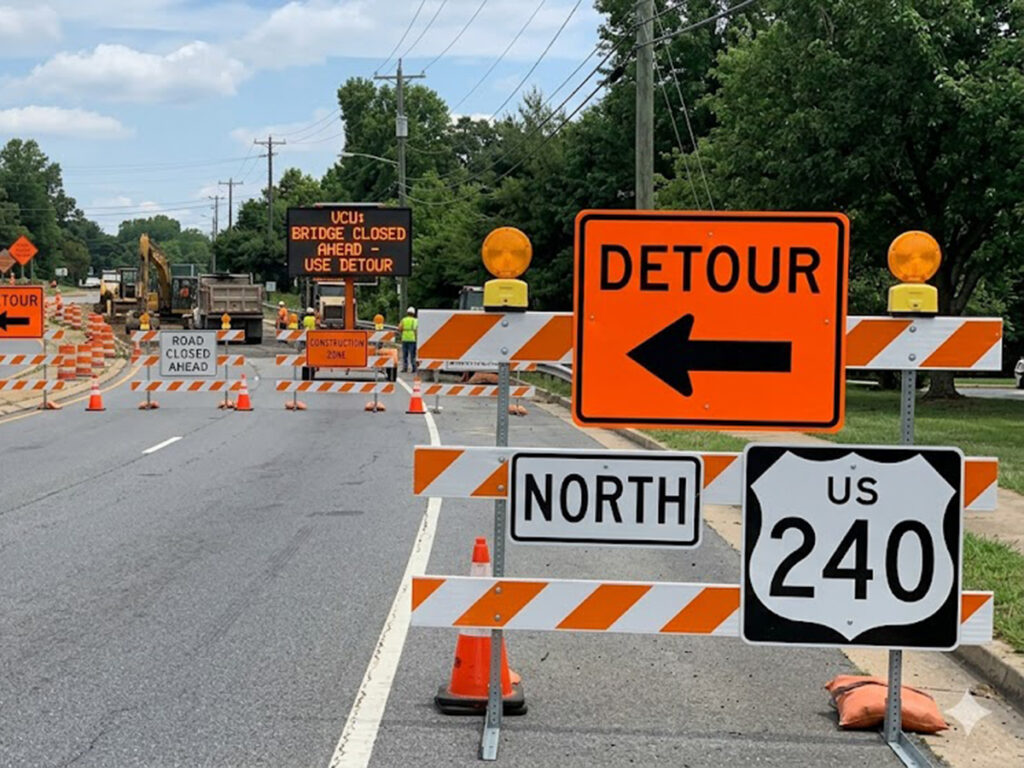
MUTCD は、製造業者に署名するレイアウトの裁量権を委任しません. 標準的な高速道路標識 (SHS) 出版物は、あらゆる標準標識コードの正確な寸法の図面を提供します — W20-2, M4-8, M4-9, M4-10, その中のR11-2. 標準コードサインを注文する場合, 調達担当者は MUTCD コードとサイズを加えて指定します; サプライヤーは SHS の寸法図を複製する必要があります。, それを解釈しないでください.
枠線の幅, 矢印のサイズ, SHS 図面では内部マージンはすべて固定されています. ファイルに正式なエンジニアリングの逸脱がなければ調整は行われません. M4 シリーズ パネルの凡例階層では、主要な視覚要素として方向矢印が配置されます。MUTCD の設計意図により、テキストの凡例は二次的なものになります。.
矢印の設計基準 — 指向性パネル エンジニアリング
MUTCD は、迂回方向パネルの承認された矢印タイプを指定します. 迂回路標識の装飾または様式化された矢印は非準拠です. 一方向矢印 (M4-8シリーズ) カバーストレート, 左折, 右折バリアント - それぞれに異なる SHS 寸法の図面が付いています. 分割迂回ルート用の組み合わせ矢印パネルには、MUTCD 承認の組み合わせ設計が必要です; カスタムのマルチヘッド矢印は対象外です.
矢印ステムの幅, 頭の角度 (通常 45°~60°), パネル幅に対する比例サイズはすべて SHS によって管理されます。. 迂回路に組み合わせまたは分割方向の矢印パネルが必要な場合, 調達担当者は発注書を発行する前に MUTCD コードのバリエーションをプロジェクト エンジニアに確認します。矢印の種類が間違っている場合は製造拒否となります。, フィールド修正ではありません.
標識シーケンスの設計 — 準拠した迂回標識パッケージの構築
準拠した迂回パッケージはシーケンス化されたハードウェア システムです, 個々の記号の集合体ではない. MUTCD 第 6H 章および第 6I 章では、必要な符号シーケンス ロジックを定義しています. 4 要素の標準シーケンスは次のように実行されます。:
- 事前警告ダイヤモンド (W20-2) — 迂回地点から MUTCD が指定する前進距離に掲示
- 決定点マーカー (M4-8 方向矢印付き) — 転回地点または分岐点に掲示されます
- 中間ルート確認マーカー (M4-8シリーズ) 迂回ルート上の各交差点に掲示
- 迂回エンドマーカー (M4-9) — 元のルートへの折り返し地点に掲示されます
事前警告ダイヤモンドを省略した署名パッケージの提出は、方向性ハードウェア リストがどれほど徹底されているかに関係なく、不完全であり、準拠していません。.
構造仕様 - 風荷重, 取り付け & 機械的完全性
風荷重定格要件
風荷重は、一時的な迂回路標識ハードウェアの構造設計パラメータを支配します。. MUTCD セクション 6F および AASHTO の道路標識の構造サポートに関する標準仕様は、ベースライン要件を確立しています. ポータブル サイン スタンドは、管轄区域の設計風速に応じて評価される必要があります。ASCE による地理的な風域に応じて、通常は時速 80 ~ 160 マイルです。 7.
標識エリアは風荷重を直接駆動します. A60″×60″ ダイヤモンドは 36 の約 2.5 倍の風力を生成します。″×36″ 同じ風速のダイヤモンド. モーメントアーム — 地面からのサインの高さ — ベースにかかる風荷重を増幅します, つまり、取り付け高さが高くなると、より重いバラストまたはグラウンドアンカーシステムが必要になります. すべての仮設標識スタンドのハードウェアには、メーカーから文書化された風荷重定格が記載されている必要があります. 未評価のスタンドは現場責任と DOT 提出リスクを表します.
サインスタンドの風荷重定格と速度ゾーンごとの構造寸法の包括的なエンジニアリングの内訳については、, 見る: 迂回標識の寸法, 形 & 重負荷作業ゾーンの構造風荷重要件.
硬質パネル vs. ロールアップサインの構造力学
2 つの主要な構造フォーマットは一時的な迂回用途に役立ちます, それぞれが異なる機械的性能プロファイルを備えています.
| 属性 | 剛性パネル (アルミニウム) | ロールアップ (生地/ポリマー) |
| 風に対する反応 | 固定 — 全力で立つ | 柔軟性 - 風が部分的に通過します |
| 折り返しを後押しします | 高 — 平坦, 均一な表面 | 変動性 - 生地のフレックスによりシートが歪む可能性があります |
| 長期的な展開 | 優れた — 複数月の TTC ゾーン | 適切 — 短期間/迅速な導入 |
| DOT提出物 | 普遍的な受け入れ | 管轄区域に依存する |
| 推奨用途 | 固定マウント, 高速道路の速度 | 迅速な導入, インシデント管理 |
ソース: FHWA MUTCD 第 11 版, パート6F
硬質アルミニウムパネルは、常設および長時間の迂回用途のデフォルト仕様です。. ロールアップパネルは、迅速な展開のインシデント管理と短期間の終了に役立ちます. ここでの調達の決定は、基板材料のグレードではなく、荷重下の機械的動作に基づいて行われます。.
取り付け金具の仕様
サインパネルとサポートシステム間の構造インターフェースは仕様項目です, 現場の決定ではない. U チャネルの投稿: 2 ポンド/フィートまたは 3 ポンド/フィートは固定設置用途に対応します - ポストの埋め込み深さは土壌条件と標識エリアに一致する必要があります. ポータブルサインスタンドは、計算された風モーメントに対して積み重ねられた転倒抵抗定格を備えている必要があります. 角形チューブ分離システムは、道路脇の安全のために AASHTO 分離準拠が必要な場合に適用されます.
連邦政府が資金提供する作業区域での一時的な標識サポートは NCHRP レポートに適合する必要がある 350 またはマッシュ (安全金具評価マニュアル) 車両が誤って衝突する可能性がある場合の衝突安全基準.
迂回路標識仕様書を読む — 調達担当者向け解読ガイド
すべての DOT 提出物で対処する必要がある 6 つの仕様フィールド
DOT 材料提出物における準拠した迂回路標識仕様には、6 つの主要な物理的属性を文書化する必要があります:
- MUTCD 符号コード — 例:, W20-2, M4-8, M4-9
- サインの寸法 — MUTCD テーブルまたはプロジェクト エンジニアリングごとの幅 × 高さ (インチ)
- 背景色 — “蛍光オレンジ” (ない “スタンダードオレンジ”)
- 凡例の色 - 黒の再帰反射
- 再帰反射シート クラス - ほとんどの TTC アプリケーションでタイプ IV の最小値; DOT仕様で確認してください
- 構造サポートのタイプと評価 - スタンドモデル, 定格風荷重, またはポストのサイズと埋め込みの深さ
これらのフィールドが欠けている提出シートは、DOT の審査に不完全です。. 調達担当者は、このリストを請負業者が提供するハードウェア スケジュールに対する検証チェックリストとして使用します。.
DOT 材料の拒否を引き起こす一般的な仕様エラー
5 つの物理仕様エラーが DOT 提出拒否に一貫して現れる:
- 公示された道路速度に対して小さめの標識の寸法 (最も一般的な)
- “スタンダードオレンジ” の代わりに指定される “蛍光オレンジ”
- 方向パネルの非 MUTCD 矢印スタイル
- 提出パッケージに事前警告標識が欠落している
- 評価されていない、または文書化されていないサイン スタンド ハードウェア
記録担当エンジニアと調達担当者の間での仕様の調整
連邦政府の資金提供を受けたプロジェクトについて, 記録的なエンジニア (EOR) ~に対して責任を負う 迂回標識仕様 建設図書の中で. 調達チームは、社内の購入デフォルトではなく、EOR 仕様に一致するハードウェアを調達する必要があります. 4 つの調整ステップで調達ワークフローを保護:
- 注文書を発行する前に、EOR 署名スケジュールから MUTCD コード リストを確認してください。
- 州の DOT 補足仕様を MUTCD の最小サイズと照合して検証します。ほとんどの州ではより大きなサイズが義務付けられています
- 再帰反射シートのクラス承認を DOT の承認製品リストと照合して確認する (APL)
- カスタム寸法または非標準の記号コードがある場合は、調達前に EOR にフラグを立てます。
B2B 調達の概要 — 準拠した迂回標識ハードウェアの指定
土木請負業者および DOT バイヤー向けの迂回路標識仕様チェックリスト
注文書が発行される前に, このチェックリストのすべての行を実行します:
✓ サインの背景は蛍光オレンジであることを確認 (標準的なオレンジではない)
✓ シーケンス内の各サインの MUTCD コードを確認
✓ MUTCD 表 6F-1 に基づく道路分類および公示速度に照らして検証された標識の寸法
✓ 凡例フォントは MUTCD 標準アルファベット シリーズ D または E として確認されました(m)
✓ MUTCD コードの SHS 寸法図面に対して矢印スタイルが確認されました
✓ 完全な迂回シーケンスを確認 (事前警告 + 決定点 + ルート確認 + 終わり)
✓ 風荷重定格とともに文書化された構造サポート
✓ 取り付け金具はNCHRPとして確認済み 350 必要に応じて MASH 準拠
✓ DOT 補足仕様をレビューし、MUTCD の最小値に適用することを明記する
標準カタログハードウェアとの比較. 特殊製造 — 意思決定フレームワーク
標準カタログ ハードウェアは、すべての標識に標準 MUTCD コードが含まれるプロジェクトに適しています, 寸法は標準のテーブルサイズと一致します, プロジェクトには従来の高速道路または地方道路の分類が含まれます. 標準以外のコードの組み合わせには特殊な加工が必要になります, 高速道路/高速道路用途向けのカスタム寸法のパネル, 州の DOT APL 制限付きシート要件, または多言語の凡例が必要. カスタム製作のリードタイムは、設計された標識パッケージの場合 3 ~ 6 週間です。カスタムの迂回標識ハードウェアを計画された調達品目として扱います, 在庫商品ではありません.
仕様をより広範な迂回コンプライアンス フレームワークに接続する
物理標識ハードウェア仕様は、完全な迂回コンプライアンス プログラムの 1 つの層をカバーします. 適切なハードウェアには適切な導入が必要です, 継続的なメンテナンス, および準拠した削除. 仕様を正しく理解することが基礎であり、ハードウェアが DOT 提出に合格することが保証されます。, フィールドでパフォーマンスします, コンプライアンスに起因する遅延からプロジェクトを保護します.
規制基盤から現場での展開に至るまで、完全な B2B コンプライアンスおよび調達フレームワークについては、当社の Web サイトをご覧ください。 包括的な道路迂回標識コンプライアンスと調達リソースのハブ.
よくあるご質問 迂回路標識仕様
標準的な迂回路標識の MUTCD 準拠の色は何ですか?
MUTCD 第 11 版では、すべての標準的な TTC 迂回標識に蛍光オレンジ色の背景と黒の凡例を義務付けています. “スタンダードオレンジ” そして “蛍光オレンジ” は明確な色標準です - 蛍光オレンジのみが分光輝度要件を満たします. 調達担当者は、サプライヤーの文書に明示的に記載されていることを確認する必要があります。 “蛍光オレンジの再帰反射シート。”
ひし形の迂回標識と長方形の迂回路標識の違いは何ですか?
ひし形サイン W20シリーズ (例えば。, W20-2 “迂回してください”) 事前警告として機能します。ドライバーに今後の意思決定ポイントを通知します。. 角型M4シリーズサイン (M4-8, M4-9, M4-10) ルートマーカーと方向案内を提供します. 準拠した迂回パッケージには、両方の形状ファミリーが順番に必要です; 長方形の方向標識だけでは不完全です.
一部の迂回標識が赤またはピンクで表示されるのはなぜですか — それらは MUTCD に準拠していますか??
一般の人が赤と認識しているものは、厳密には蛍光ピンクです。これは、衝突事故や危険物質の流出をカバーする事故管理標識の MUTCD セクション 6I の色です。. 蛍光ピンクは工事予定区域非対応です. ペンシルベニア州の PennDOT システムでは赤が使用されています, 青, 緑, 事前に指定された緊急州間道路の方向カラーコードとしてオレンジ色 - 標準の TTC ハードウェアとは別の州固有の例外.
道路上の迂回路に適用される標識の最小寸法はどれくらいですか 55 時速マイルの州道?
MUTCD 表 6F-1 では最小値が 48 に設定されています″×48″ 事前警告用ダイヤモンドサイン (W20-2) そして36″×24″ 長方形の方向マーカー用 (M4-8) で 55 MPH. ほとんどの州の DOT はより大きなものを義務付けています. 発注書を最終決定する前に、必ず管轄管轄区域の補足仕様を確認してください。提出が拒否される主な原因は、サイズが小さい標識です。.
一時迂回標識スタンドには風荷重定格が必要ですか?
はい. 連邦政府の資金提供を受けたプロジェクトの仮設サインスタンドハードウェアは、ASCE に基づく地理的設計風速で文書化された風荷重性能を満たさなければなりません 7 (通常時速80~160マイル). スタンドはNCHRPレポートにも準拠する必要があります 350 または、誤った車両衝撃エクスポージャーが存在する場合の MASH 衝突安全基準. 材料提出パッケージの一部として、メーカーの風荷重定格文書と MASH テストレポートが必要です.
参照
- 連邦高速道路局. MUTCD 第 11 版 (2023), 一部 6 — 一時的な交通規制.
- FHWA 作業区域の安全統計 (2021~2023年度)
- 道路標識の構造サポートに関する AASHTO 標準仕様, 照明器具, と交通信号, 7第 3 版.
- PennDOT 出版物 212 — 公式交通管制装置.
- NCHRPレポート 350 — 道路施設の安全性能評価の推奨手順.
- ASCE 7-22 — 建物およびその他の構造物の最小設計荷重および関連基準.
- 安全ハードウェアを評価するための FHWA マニュアル (マッシュ), 2第 2 版.