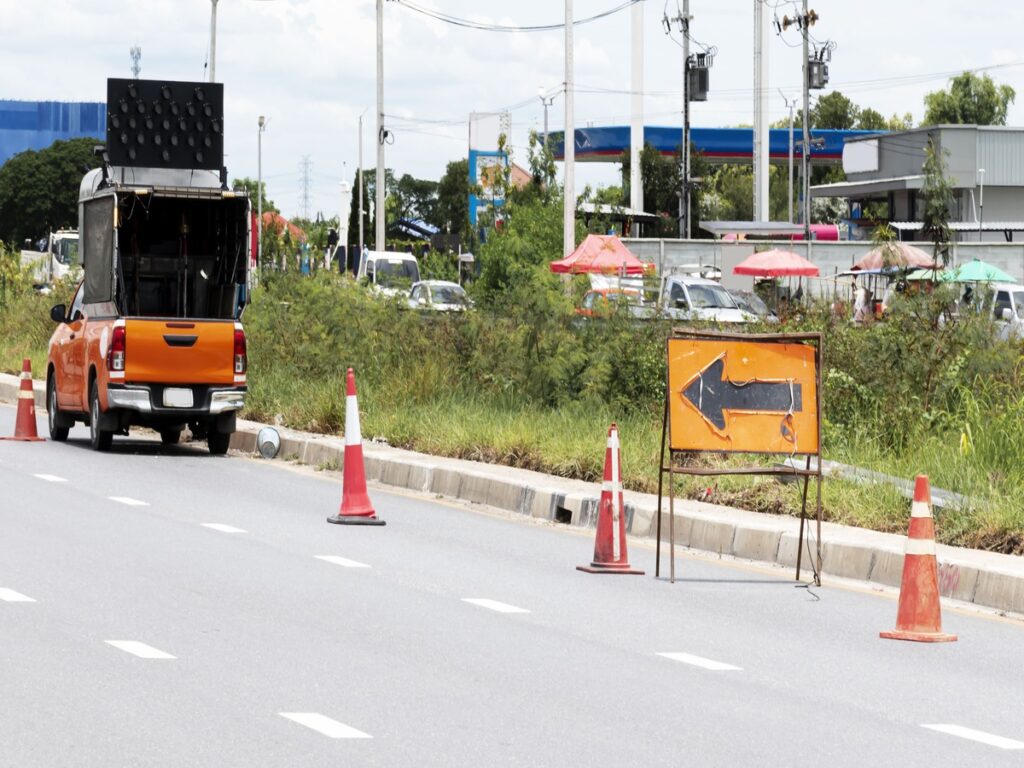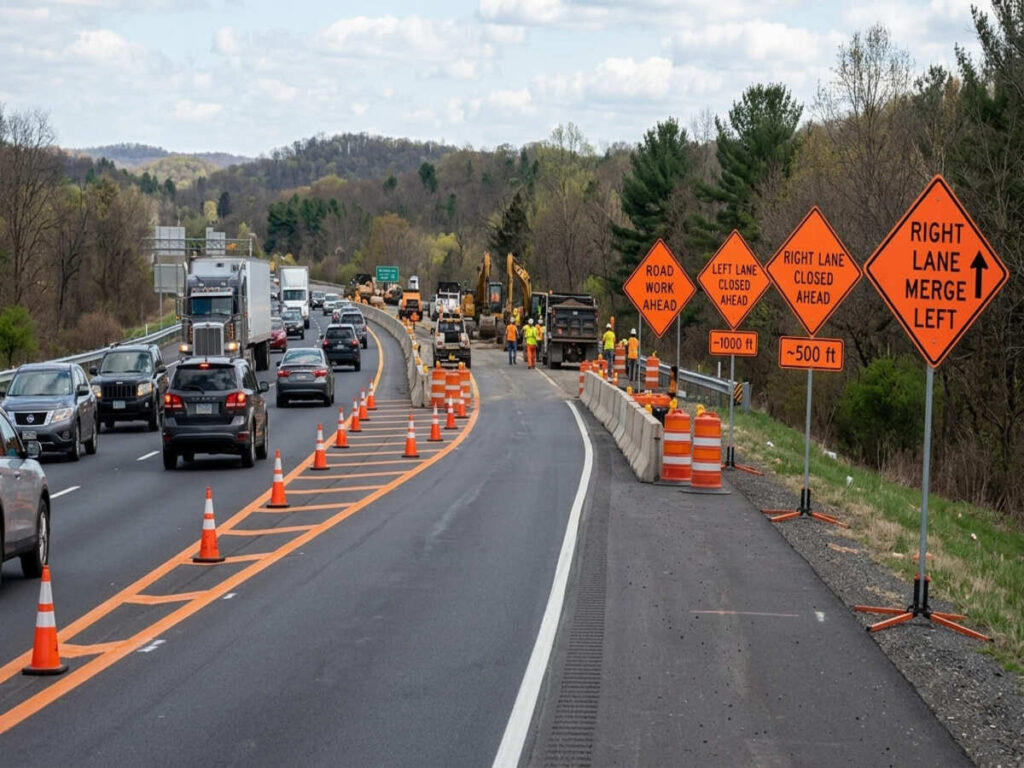
クイーンズランド州と西オーストラリア州の調達チームは、コストのかかる問題に直面しています。, 繰り返される問題. プロジェクトが終了するずっと前に、派遣社員の看板が失敗し続ける. 脆い, ひび割れた看板は目障りなだけではありません. コンプライアンスのギャップにより、作業停止の指示や安全監査が行われる可能性があります. 初期に失敗するたびに予算がさらに高騰する. 運賃が加算されます, 労働, 入札には含まれていなかったリスクをスケジュールする.
このガイドはその問題を直接解決します. 比較する コルフルート労働者サイン素材 アルミニウムおよびPVCに対するUV安定化, 風荷重, 総所有コスト. 調達専門家, 調達マネージャー, そして見積もり担当者は、適切な材料を最初から指定するための技術的基盤を得ることができます。.
corflute, アルミニウムとPVCの概要
選択 コルフルート労働者サイン素材 アルミニウムやPVCよりも単一の変数で決定されることはほとんどありません. 重さ, 剛性, UV性能, プロジェクトの期間と現場のエクスポージャーに応じて、輸送経済性はすべて異なる方向に引っ張られます。. 以下の表は、調達チームがサプライヤーを比較する際に最も頻繁に要求する仕様をまとめたものです。.
| 財産 | corflute (フルーテッドPP) | アルミニウム (5052-H32) | 硬質/発泡PVC |
| 一般的な厚さ | 3mmまたは5mm | 1.0mm~1.6mmシート | 3mm~4mm |
| 約. 重さ | 5mm で ~890 GSM | 平方メートルあたりの重量が大幅に増加 | コルフルートよりも密度が高い, アルミニウムよりも軽い |
| アウトドアでのUVライフ (安定していない) | 12–QLD/ワシントン州の太陽で18ヶ月 | 10+ 年 (コーティングに依存する) | 3–5年, 配合に依存する |
| スクラップ再販価値 | 事実上ゼロ | 正規品 — 盗難の対象となっている行為 | 事実上ゼロ |
| パレット/パレットの輸送が容易 | 平らに積み重ねる, 非常に高い | かさばる, サインごとに重い | 平らに積み重ねる, 適度 |
ほとんどの短期から中規模の土木工事に対応, コルフルート労働者サイン素材 デフォルトの仕様は、正しい UV パッケージが事前に確認されている場合に、低い単価と許容可能なフィールド寿命のバランスをとるためです。.
UV安定化の物理学: QLD州とWA州の太陽の下でコーフルート労働者署名材料が生き残る理由、または失敗する理由
オーストラリアは地球上で最も強い太陽の紫外線にさらされています. 冬を越えても, クイーンズランド, ノーザンテリトリー, 西オーストラリア州の一部の地域では、UV インデックスが記録されています。 3 ¹ そのレベルはすでに日焼け止めが必要になる閾値を超えています. ポリマーベースの看板も同様の影響を受ける. UV 光子エネルギーがポリプロピレンの分子鎖を分解します。, 鎖切断と呼ばれるプロセス. それが脆さのメカニズムです, チョーキング, そしてエッジ割れ.
非安定化 コルフルート労働者サイン素材 この環境では本当に壊れやすい. オーストラリアの独立系看板サプライヤーはこのパターンを確認しています. クイーンズランド州の紫外線の強さの下で, の, そして北部地域, 標準的なポリプロピレンは内部で脆くなる可能性があります 12 に 18 月.² 予算を指定する調達チーム, 無添加コルフルートは、ほとんどの土木工事プログラムが実質的に完了する前に交換注文を事実上事前承認している.
サプライヤーから要求される実用性の高い技術データポイント:
- 紫外線防止剤マスターバッチの確認 (HALSまたは紫外線吸収剤パッケージ) 押し出し時に追加される, 表面加工されていない
- 促進耐候性試験結果 (最初に目に見える脆化が起こるまでの時間)
- GSM 評価と厚さ - 一般に、同じゲージで GSM が高いほど密度が高いことを示します。, さらにUVカットシート
- UV 添加剤が亜熱帯暴露に対応しているかどうか, 温暖な気候だけではなく
UV安定化 コルフルート労働者サイン素材 不安定なストックの 12 ~ 18 か月の故障期間をはるかに超えて、構造ポリマーの結合を保持します。. これは、調達チームがプロジェクト途中の交換注文を減らすために必要な唯一の最大の手段です. 安定化株式と標準株式のより詳細な比較については、, 見る "反射コルフルート サインと標準の黄色のコルフルート サイン: アップグレードする価値はありますか?」 — オーストラリアの夏の間ずっと貼られる看板に特に関係があります.
風荷重, GSM, 公道の土木現場でのフレックスエンジニアリング
高速道路の改修や一般道路の土木工事により、標識は郊外の歩道標識とは大きく異なる荷重プロファイルにさらされます。. 大型車両が通過すると、周囲の風圧に加えて一時的な突風が発生します. 標識の指定が不十分だと、吹き飛ばしの危険が生じ、資産の損失が発生する.
Corflute は負荷がかかるとアルミニウムとは異なる動作をします. 剛性アルミニウムパネルは完全に破損するまでたわみに耐えます, 永久に曲がったり、取り付け部分で折れたりする. 正しく測定されたコルフルートシート, 比較して, 突風荷重下で曲がり、その形状を大幅に回復します. GSM と厚さの選択は、ここでは真のエンジニアリング上の決定です。, コスト項目だけでなく.
風力と剛性の仕様チェックリスト:
- 3mm コルフルート労働者サイン素材 高速道路への直接露出が限られている、保護された都市部に適しています
- 5mmコルフルートはオープンロード用の標準推奨品です, 高速道路のアップグレード, 完全に公開された田舎のアプリケーション
- フレームの間隔と杭の深さはシートの厚さに合わせる必要があります, 薄いシートではフレックスを制御するためによりしっかりとしたフレームサポートが必要になるため
- アルミニウムの剛性は低風時の利点です, 固定ポストの規制標識ですが、屈曲と回復のサイクルが繰り返されることが予想される場合には負担となります。
サインの材質と形状の仕様は AS に準拠します 1743, これには、標準的な道路標識の製造に使用される材料が含まれます。³ アルミニウムと亜鉛メッキ鋼板は、より厳しい気象環境向けに仕様化されています。. 別途, As/nzs 1742 すべての仮設道路標識に対する再帰反射性の最小要件を設定します。⁴ 無反射印刷フィルムは基準を満たしていません。, 下地を問わず. 調達専門家は、すべての発注書に再帰反射クラスと材料ゲージの両方が文書化されていることを確認する必要があります。, 寸法に署名するだけではありません.
ロジスティクス, 貨物およびスクラップの盗難: 隠れたコストのアルミニウムは宣伝されない
土木工事用看板の大量調達においては、重量が静かなコスト要因となる. アルミニウムの密度は、追加の記号がペイロードに意味のある意味で追加されることを意味します, 運賃, そして処理時間. corflute, 対照的に, 平らに積み重ねて、効率的に ute に積み込むことができます。. 現場作業員は、積載制限を超えることなく、1回の移動ではるかに多くの標識を輸送できます.
盗難はあまり議論されていないリスクです. アルミニウムには本物のスクラップの再販価値がある, そしてその値はリモートまたは無人サイトにターゲットを作成します. 南オーストラリア州だけでも, より多い 2,000 建設現場からのスクラップ金属の盗難は、2023 ~ 24 年度に記録されました⁵ 同州の建設業界の推定コストは年間 7,000 万オーストラリアドルに達します. アルミニウム道路標識はスクラップ市場での再販価値を特に維持します. 私たち. スクラップヤードのデータは、アルミニウム道路標識のスクラップ価格を約に設定しました 0.4 2026 年 6 月現在の 1 ポンドあたりの米ドル。⁶ 盗難された看板の交換は材料費だけではありません, どちらか. 過去の地方自治体のデータによると、個々の道路標識の交換はおよそ 1 週間からかかることが示されています。 100 に 500 労働力と再発行を考慮すると米ドル.
コルフルートワーカーサイン素材 実質的にスクラップ価値がゼロになる, これにより、リモートの QLD および WA サイトでの盗難インセンティブが完全に削除されます。. 貨物の軽量化と積み込みの高速化を実現, サイトのセキュリティが保証できないマルチサイトの地域展開では、これが決定要因になることがよくあります。.
物流と盗難のリスクの概要:
- corflute: 高いスタッキング性, 標識あたりの運賃が安い, スクラップ盗難インセンティブゼロ
- アルミニウム: スタッキング性が低い, 標識あたりの運賃が高い, 活発なスクラップ盗難のターゲット
- PVC: 適度な積み重ね性, 中距離の運賃, スクラップ盗難インセンティブゼロ
| 物流要因 | corflute | アルミニウム | PVC |
| 統合性 | 高い | 低い | 適度 |
| 看板1枚あたりの運賃 | 低い | 高い | ミッドレンジ |
| スクラップ盗難奨励金 | ゼロ | アクティブ | ゼロ |
フルリンク標識メーカーとして, 私たちは生産チェーン全体を制御します, UV安定化基板の押出から自動化された精密型抜きまで. つまり、工場レベルでの直接の卸売価格設定と、大量生産向けのシームレスなティア 1 サプライ チェーンを意味します。 コルフルート労働者サイン素材 注文.
PVC 対コルフルート ワーカー サイン素材: コストとパフォーマンスのトレードオフ
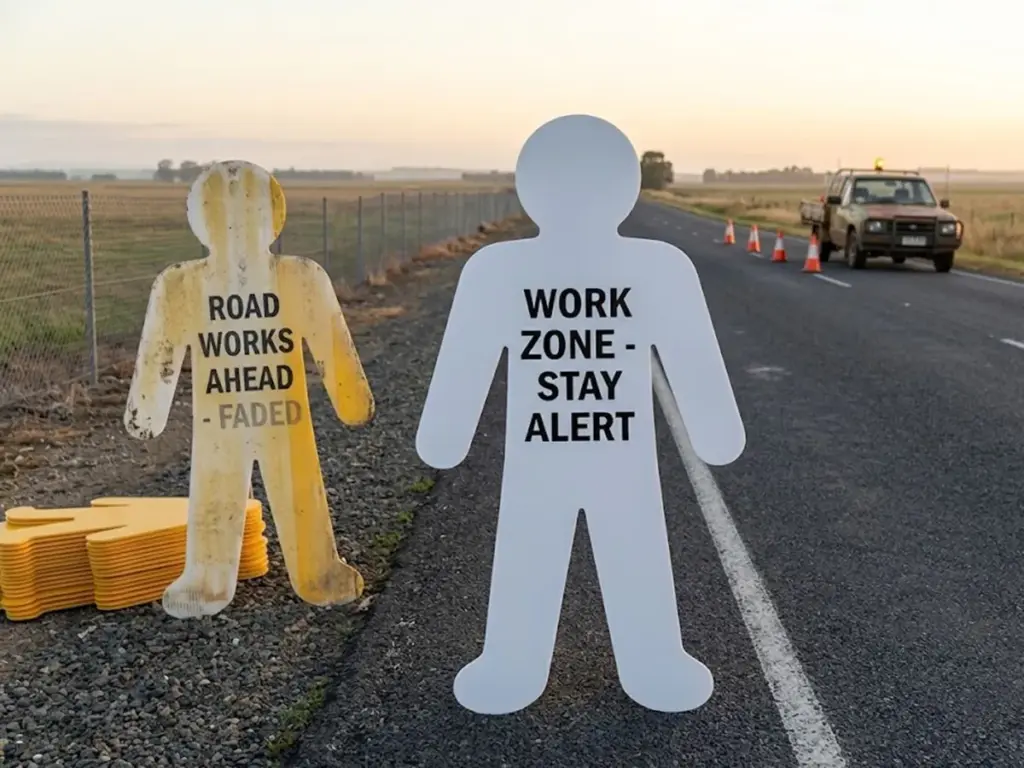
硬質および発泡 PVC は、コストパフォーマンス曲線においてコルフルートとアルミニウムの間に位置します。. アルミニウムの重量やスクラップ盗難の危険がなく、コルフルートよりも優れた剛性を提供します。, 通常、標準的なコルフルートよりも中程度のコストプレミアムがかかります.
調達の意思決定ポイント — PVC とコルフルート:
- 初期費用: コルフルートは通常、サインごとに低コストのオプションです
- 剛性: PVC は精密検査においてコルフルートを上回ります, プレミアムプレゼンテーションアプリケーション
- 重量と運賃: ほぼ同等の, どちらもアルミニウムよりはるかに低い
- サイトの適合性: コルフルートは依然として中短土木工事の実質的なデフォルトです; PVC は長期間の設置や視認性の高い設置に適しています
に関するガイドを参照してください。 PVC とコルフルートの黄色の労働者標識の比較 PVC が価格プレミアムを獲得している場所と、コルフルートが依然としてより経済的な選択肢である場所の詳細な内訳. 入札提出前に材料候補リストを最終決定する際に役立つ参考資料です。.
資産のライフサイクル, コンプライアンスと総所有コスト
資材をプロジェクトの期間に合わせることが、土木工事プログラム全体で看板の支出を制御する唯一の最も効果的な手段です. 数週間という短期間の作業パッケージでは、アルミニウムのコストプレミアムが正当化されることはほとんどありません, 一方、複数年にわたる規制上の設置が、UV 安定化仕様のない標準的なコルフルートに適合することはほとんどありません。.
調達承認のためのコンプライアンスとライフサイクルのチェックリスト:
- 標識の寸法と色が AS と一致していることを確認します。 1742 そしてとして 1743 シリーズ要件
- 再帰反射クラスが AS/NZS と一致することを確認する 1742 標識の種類と道路速度環境の最小値
- 大量注文する前に、UV 安定化および促進耐候性に関する文書をサプライヤーに要求してください。
- モデルの総ライフサイクル コスト — 単価, 貨物, 交換頻度, 単価だけではなく盗難リスクも考慮
私たちの コーフルートとアルミニウムの労働者標識に関する完全な AU 調達ガイド 資産ライフサイクル モデリング全体をさらに詳しくカバーします. 1 つのプログラムで複数のマテリアル カテゴリにわたる看板を管理するチーム向けに構築されています.
よくある質問
Q1: クイーンズランド州または西オーストラリア州のコーフルート作業員が屋外で署名した材料はどれくらい持続しますか?
安定化されていないコルフルートは通常、内部の脆化とプリントの褪色を示します。 12 に 18 QLD州とWA州の紫外線にさらされた数か月間. 正しく指定された UV 安定化 コルフルート労働者サイン素材 その枠を超えて有意義に広がる.
第2四半期: 大規模な土木工事プログラムでは、アルミニウムとコルフルートのどちらの作業員用標識素材の方が価値がありますか?
アルミニウムは単価が高い, 重い貨物, スクラップ盗難が活発に行われている. コルフルートワーカーサイン素材 一般に、短期から中規模のプログラムでは総所有コストが低くなります。. 長期間の固定設置では依然としてアルミニウムが好まれる可能性がある.
Q3: コルフルートは高速道路の開いた場所での風荷重に対応しますか??
はい, 正しい厚さを指定した場合. 5適切な間隔のフレームを備えた mm コルフルートは、一般道路および高速道路のアップグレードの露出に対する標準的な推奨事項です。, 永続的に曲がるのではなく、突風荷重の下で曲がるため.
Q4: 遠隔地ではなぜアルミ看板の方がコルフルートよりも盗難のリスクが大きいのか?
アルミニウムは本物のスクラップ金属の再販価値を維持します, 無人の地域サイトで盗難のインセンティブを生み出す, その間 コルフルート労働者サイン素材 実質的に再販価値がゼロになり、そのインセンティブがなくなる.
コルフルートのワーカーサイン素材は、PVC やアルミニウムに比べて、輸送にどのような利点がありますか?
Corflute は平らに積み重ねられ、効率的に積載できます, かさばるアルミニウムパネルよりも、パレットまたは移動ごとにより多くの標識を可能にします, これにより、大規模な地域展開全体で標識あたりの輸送コストが削減されます。.
参照
宝くじ - "冬でもUVインデックスをチェックする必要がありますか?」
インダストロ — “オーストラリアの道路標識: 一時的なトラフィック管理と AS/NZS 1742 説明済み.」
会話 — “銅の盗難が建築現場を襲っている, 街路灯 - そして今の電話. それをどうやって阻止するか?」
スクラップモンスター — “アルミニウム道路標識の価格 USD/LB, 私たち. スクラップヤード.」