オーストラリアにおける職場死亡の最大の原因は依然として車両事故である. その事実がその理由の中心にある 切り抜き安全作業員標識 ほぼすべてのライブ ワーク ゾーンで機能するようになりました. セーフ・ワーク・オーストラリアの 2025 データは車両事故の原因を示しています 42% すべての労働者の死亡者数のうち、 2024 — 次に主な原因の 3 倍以上, 高所から落ちる, で 13% (セーフワークオーストラリア, 2025: https://www.safeworkaustralia.gov.au/media-centre/evidence-matters/2025/behind-numbers-whats-causing-harm-work).
機械オペレーターとドライバーは、あらゆる職業グループの中で最も高い死亡率を誇ります, で 6.7 死亡者 100,000 労働者 (セーフワークオーストラリア, 2025: https://www.safeworkaustralia.gov.au/media-centre/news/key-work-health-and-safety-statistics-australia-2025-now-available). この数字は全国平均の 5 倍以上に相当します. WHS役員, 現場安全管理者, および土木プロジェクト管理者が使用する 切り抜き安全作業員標識 ライブサイトでのこの可視性のギャップを正確に埋めるために.
このガイドでは、次の内容について説明します 切り抜き安全作業員標識 民間プロジェクトのどこに属しているのか. 規制の方法についても説明します, 材料, 調達, 準拠した購入を実現する設計.
オーストラリアの作業現場における視覚安全の紹介
フラット, 印刷された警告ボードは、ドライバーに前方の道路で何が予想されるかを知らせます. 現実の人間が通過する交通から数メートル離れたところに立っているということを彼らが伝えることはめったにありません. 人間のシルエットは、テキストや記号よりも早く周辺視野に記録されます。. 速度の利点がその理由を説明します 切り抜き安全作業員標識 標準的な道路工事標識とは異なるカテゴリーとして存在します. 土木請負業者は、これらの標識を適切に設計された交通管理計画の付随物として扱うことが増えています。, の代わりではありません.
このカテゴリは多層安全システム内にあります. 除外ゾーン, スポッター, バリケード, と人型の安全標識はそれぞれ異なるギャップに対処します. 他のものを完全に代替できるものはありません.
土木工事で需要が高まる人型安全標識
州および地方自治体の道路を横断するインフラ投資, レール, 公共事業プログラムにより、より多くの乗組員が交通渋滞に巻き込まれるようになりました. 市議会の道路工事や公共施設のメンテナンス契約の入札書類に名前が増えることが増えている “黄色い男” 具体的な管理措置としてのスタイル標識. 土木プロジェクト管理者は考慮するようになりました 切り抜き安全作業員標識 コーンと並行して調達スケジュールに組み込む, バリケード, および可変掲示板.
カットアウト作業員のサインが軽減に役立つ一般的な現場の危険
- 狭い崖際や車線の通路で地上作業員の近くで運転するプラント車両や配送車両を後進させる
- 夜明け時の視界の低下, 夕暮れ, オーストラリアの多くのプロジェクトでは曇りのシフトが一般的です
- 通行人が作業エリアの近くを横断する公共の歩行者インターフェースゾーン
イエローマンサインとは? カットアウト安全作業員標識カテゴリの定義
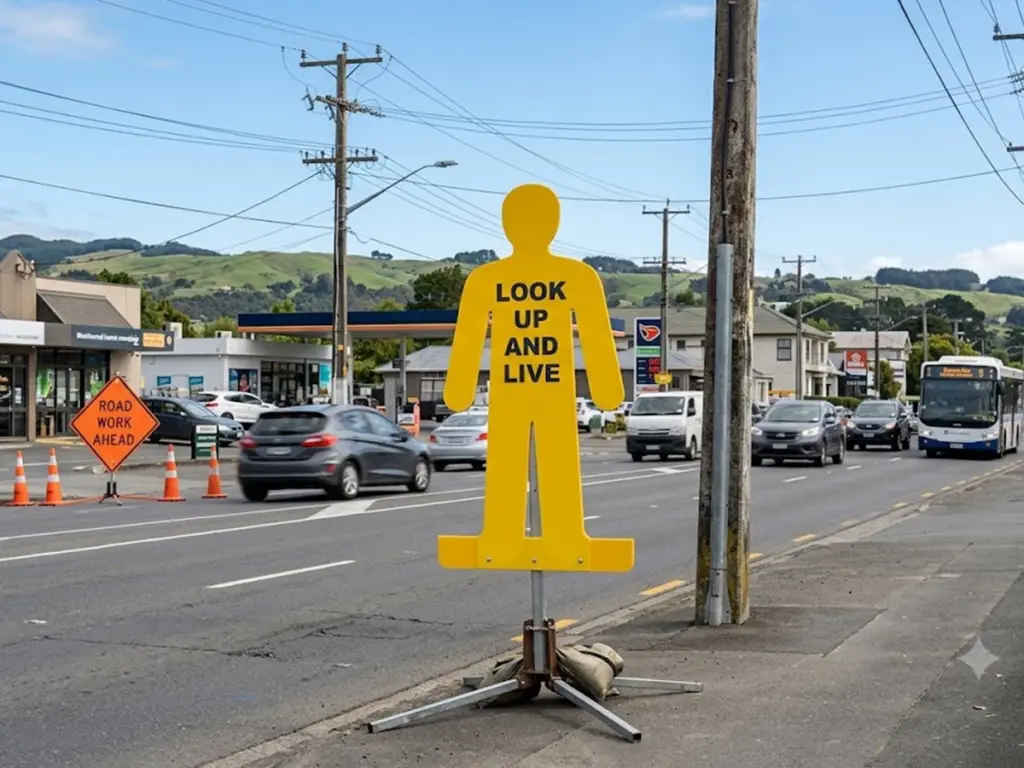
簡単に言うと, 黄色い男の看板は人間のシルエットの切り抜きです, ほとんどの場合、視認性の高い黄色で仕上げられます. 作業者の存在を表し、交通や移動式プラントに近づくと警告します。. 公共施設のほとんどの標識とは異なります, テキストや絵文字に依存しない; 形自体がコミュニケーションを行う.
従業員向けの可視性制御への広範な投資に伴い、このフォーマットの採用が増加しています. 現在では、管理措置として認識されているため、視認性の高い衣類や反射バリケードの隣に快適に設置されています。.
標準的なイエローマンサインの主な特徴
| 属性 | 代表的な仕様 |
| 形 | 完全な人間のシルエット, 立ち姿勢 |
| ベースカラー | 蛍光色または視認性の高い黄色 |
| 取り付け | 自立型ベースまたはフレーム取り付け型 |
| 反射率 | 反射テープやフィルムと組み合わせることが多い |
ソース: AS からコンパイル 1742.3:2019 一般的な色と可視性の原則
イエローマンサインと従来のフラット警告サイン
平らな長方形の警告標識がドライバーに通知します “先の労働者たち。” 安全作業員の切り抜き標識がドライバーにその様子を示す. 脳はテキストを高速に解読するよりも人間のシルエットをより速く処理するため、認識が速くなります。. 従来の標識は依然として事前警戒距離で役割を果たしています. 単に即時的なものに代わるものではありません, カットアウトサインが提供する至近距離の合図.
用語の説明 “切り取る” 由来
言葉 “切り取る” 製造プロセスを説明します, 単なる完成品ではなく. 基材のシート — コルフルート, アルミニウム, または PVC — 平らな長方形として印刷されるのではなく、人間のシルエットにダイカットされます。. ここでは切断精度と刃先仕上げが重要です. 大まかなカットラインは、耐久性と現場での看板の見た目のプロフェッショナルさの両方に影響します。. これらを直接調達しているチームは、当社の専用資料を確認する必要があります。 黄色のカットアウト安全作業員コルフルート標識の調達ガイド, 一括注文する前に何を確認すべきかを正確に説明します.
コアアプリケーション: 切り抜き安全作業員標識が土木現場で使用される場所
土木プロジェクトマネージャーが導入 切り抜き安全作業員標識 幅広い種類のプロジェクトにわたって. 適切な配置戦略はプロジェクトの期間に大きく依存します, 交通速度, そしてサイトのレイアウト.
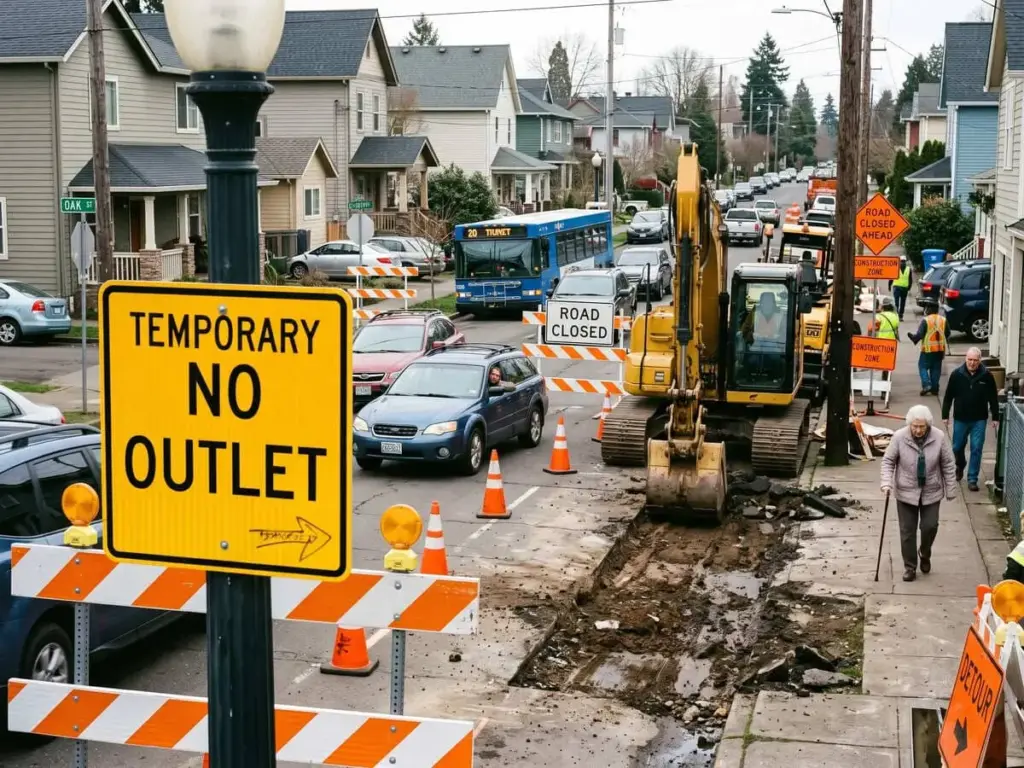
トラフィック管理とライブ ワーク ゾーンの展開
交通管制官は一般的に位置を定めます 切り抜き安全作業員標識 車線閉鎖付近, テーパーをマージする, そして迂回ポイント. これらは、標準の AS 1742.3 準拠デバイスと並んで補助キューとして機能します。. ここではサイトの交通管理計画との調整が重要です. 計画の承認されたレイアウトの外に標識を配置すると、明確さではなく混乱が生じる可能性があります.
沿道および路地保全プロジェクト
草刈り作業員, 排水チーム, 植生管理請負業者は、短期間の配備のために一時的な安全作業員の標識を使用します. 完全なトラフィック管理設定は、多くの場合、このレベルのリスクに比例しません。. これらの仕事は一日に数回場所を移動します, とても軽い, 簡単に持ち運べる標識が最も重要.
公共施設および地下サービスの作業現場
電気通信, 水, そして、掘削ゾーンの周囲で作業するガス作業員は、ミスの許容範囲が狭いことに直面しています。. 狭い崖の場合、植物と歩行者が限られたスペースを共有する余地がほとんどありません. 安全作業員の切り抜き標識 掘削の周囲に配置すると、排除バリケードを補完する追加の視覚的合図が得られます。.
規制の背景: コンプライアンスシェイプが選択に署名する理由
WHS 職員は標識の選択を純粋に視覚的な決定として扱うことはできません. 色の精度, 再帰反射クラス, と配置距離はすべてコンプライアンスのフレームワーク内に収まります. として 1742.3:2019 および関連する州道路管理局の補足がその枠組みを全国的に管理する (標準オーストラリア, 2019: https://www.standards.org.au/standards-catalogue/standard-details?指定=as-1742-3-2019). これを間違えると、可視性のギャップが生じるだけではありません; 監査結果が作成されます.
イエローマンサインの仕様に影響を与えるオーストラリアの基準
として 1742.3:2019, 統一交通管制装置マニュアル編 3, 作業現場の一時的な交通管制装置の国家基準点を設定します. 個々の道路管理者は、地域の状況に合わせて特定の条項を調整する補足資料を発行しています。. 特定の条項の詳細については、, 視程距離, あなたの管轄区域に適用されるコンプライアンスベンチマーク, 建設現場の規制とイエローマン標識の視認性基準ガイドをご覧ください。.
サイト管理者が認識すべき州ごとの違い
各州および準州の道路管理当局は、国家基準に対する独自の補足を発行しています。. ある管轄区域の交通管理計画を満たす仕様は、自動的に別の管轄区域の交通管理計画を満たすわけではありません。. 複数の州にまたがる展開を実行する土木プロジェクト管理者は、統一性を前提とするのではなく、管轄区域の詳細を確認する必要がある.
WHS職員の監査および検査の準備
準拠した標識により、WHS 監査および現場検査時の摩擦が軽減されます。. また、インシデントレビューで可視性管理が該当する基準を満たしているかどうかを調査する場合、責任のリスクも軽減されます。.
適切な基材の選択: 標識マテリアルの概要
人型安全標識のオーストラリア市場は 3 つの基材カテゴリーが独占しています: corflute, アルミニウム, およびPVC. 耐久性と再利用性に対するコストは取引ごとに異なります. 正しい選択はプロジェクトの期間に大きく依存します.
| 基板 | 典型的な寿命 | 最適な用途 |
| corflute | 単一プロジェクトから数か月まで | 短期, 一時的な安全作業員が単発の仕事にサインする |
| PVC | 1–3年 | コルフルートよりも剛性に優れた中程度の耐久性 |
| アルミニウム | 数年 | 長期または繰り返し使用する市議会および請負業者の資産 |
寿命の比較は、オーストラリアの看板業界の一般的な慣行を反映しています。; を見てください メーカー固有の仕様については、以下の専用材料ガイドを参照してください。.
Corflute — 短期および一時的な導入の標準
Corflute は依然として臨時安全作業員用標識の最も一般的な基材です. 低コストと単一プロジェクトの使用に十分な剛性を兼ね備えています. また、軽量なので、機器を持ち上げることなく、乗組員 1 人でも簡単に輸送したり回収したりできます。.
アルミニウムと PVC — 長寿命と繰り返し使用できるように作られています
アルミニウムおよび PVC 基板は、数年にわたって同じ看板在庫を使用して複数のプロジェクトを実行する議会や請負業者に適しています。. どちらの素材も、屋外に長時間さらされた場合でもコルフルートよりも反りや色褪せに強くなります。. 予算と耐久性を比較検討している場合は、コルフルートの比較を参照してください。, アルミニウム, 臨時労働者の看板用のPVCとPVC, コストパフォーマンスの詳細を完全に網羅.
プロジェクトの期間と現場の条件に合わせた材料の選択
天候にさらされる, 導入間の保管条件, 取り扱い頻度はすべて、どの基板が商業的に意味があるかに影響します. 塩分にさらされている海岸地域, 例えば, アルミニウム製の固定具にさらなるストレスがかかるため、決定の際に考慮する価値があります.
デザインの基礎: カットアウトワーカーサインを効果的にするもの
ドライバーが反応しなければならない 2 ~ 3 秒以内に安全作業員のカットアウト標識に気づくかどうかは、デザインの品質によって決まります。. 形状比率, 色の彩度, および UV 安定印刷はすべて、接近する車両に標識がどれだけ早く認識されるかに影響します。.
形, 割合, および認識基準
細すぎるシルエット, 短すぎる, あるいは、奇妙にバランスが取れていて、人ではなく物体として読まれます. この不一致は、そもそも人型の安全標識を使用する目的を無効にします。. メーカーは一貫したテンプレートに基づいて作業を行っているため、標識全体の認識性を維持できます。.
請負業者向けのブランディングとカスタマイズのオプション
多くの土木請負業者がロゴの配置を要求するようになりました。, プロジェクト固有のテキストオーバーレイ, または看板の企業カラーのアクセント. これらのいずれも、基本的な可視性要件を妥協する必要はありません. 効果的な黄色のコルフルートマン サインをデザインして作成する方法に関するガイドでは、アートワークの仕様について説明します。, サイズ調整, 反射要素の配置を段階的に行います.
サインの効果を低下させるよくある設計ミス
特大のテキストブロック, 色のコントラストが悪い, 標準外の体のプロポーションはすべて、標識の効果を低下させます. 購入者は、看板が現場に設置されるまでこれらの問題に気付かないことがあります。.
土木プロジェクトのバルクおよびカスタム供給に関する調達の考慮事項
複数の作業現場を並行して実行する土木プロジェクト マネージャーは、単一現場の請負業者とは異なる問題に直面します。. 一貫性, リードタイム, 注文量が増加するにつれて、あらゆる標識におけるコンプライアンスの重要性が高まります.
複数拠点の土木プロジェクトにおける一般的な調達の問題点
一貫性のない在庫レベル, バッチ間のコンプライアンス仕様の不一致, 再販業者からの納期の遅さはすべてリスクを生み出します. 請負業者が一度に複数のアクティブなサイトを管理すると、これらの問題点は急速に悪化します。.
品質の安定性にとって製造管理が重要な理由
基板処理を管理するサプライヤー, 印刷, 社内で切断することで、再販業者が複数のサードパーティから在庫を調達するよりもはるかに一貫性が高くなります。. WHS 担当者が同じ仕様を満たすためにすべてのサイトのすべてのサインを必要とする場合、その一貫性が重要になります.
進行中のプロジェクトに対するボリュームディスカウントとフレームワーク供給契約
評議会, 交通管理会社, 常設プログラムを実施している民間請負業者と枠組み協定の交渉が増えている. これらの契約により、契約期間全体にわたって価格設定と納期が固定されます。. の一括卸仕入れ 切り抜き安全作業員標識 単一の契約に基づいて、フレームワークがカバーするすべてのサイトにわたるコンプライアンスの追跡も簡素化されます。.
看板供給のためのフルサービスのオーストラリアのメーカーと提携
調達チームは、土木プロジェクトに準拠した標識を供給し続けるために複数のベンダーを追いかける必要はありません. フルリンク標識メーカーとして, 私たちの運営は生産チェーン全体を社内で管理しています. そのチェーンは、未加工基板の処理と UV 安定化印刷から、工場から出荷されるすべての切り抜き安全作業員サインの正確な型抜きに至るまで続きます。. このエンドツーエンドの制御により、より厳密な品質の一貫性が得られます。, 大量注文の納期が短縮される, 大規模な民間展開におけるコンプライアンスの予期せぬ事態が少なくなります.
交通管理および土木請負業者向けの大量卸売注文
複数の同時プロジェクトにまたがる交通管理会社や土木請負業者が注文可能 切り抜き安全作業員標識 卸売量で. 量が増えてもバッチ間の一貫性が損なわれることはありません.
カスタム土木プロジェクト供給およびフレームワーク契約
長期プログラムを実行している協議会や大手請負業者は、カスタム仕様を固定できる, ブランディング, そして確実な供給. 継続的な枠組み合意により、新しい作業指示ごとに看板を再入札する必要がなくなります。.
一括卸売見積もりをリクエストする または、カスタム土木プロジェクトの供給についての会話を開始します. スペシャリストが仕様を詳しく説明します, リードタイム, 次回の展開の価格設定.
カットアウト安全作業員標識に関するよくある質問
建設現場で使用されるイエローマンサインは何ですか?
黄色い男の看板, または切り抜き安全作業員のサイン, ドライバーやプラントオペレーターに徒歩での作業員の存在を警告します. テキストベースの警告だけではなく、認識可能な人間のシルエットを使用します。.
カットアウト安全作業員はオーストラリアの法的要件に署名していますか?
要件は単一の包括的なルールとして適用されるのではなく、プロジェクトや管轄区域によって異なります。. オーストラリアの基準と州道路局の補足が期待されるものを形作る. 当社の規制と可視性基準ガイドでは、どこに何が適用されるかを詳細に説明しています。.
コルフルートとアルミニウムのイエローマンサインの違いは何ですか?
Corflute は短期に適しています, 低コストと軽量のため、高頻度の導入が可能. アルミニウムは、長期にわたるプロジェクトや繰り返し使用するプロジェクトにおいて優れた耐久性を発揮します。. 当社の完全な材料比較では、コストと耐久性が詳細にカバーされています.
人型の安全標識は通常、現場でどのくらいの期間使用されますか?
寿命は下地に大きく依存します. Corflute のサインは通常、単一のプロジェクトまたは短いキャンペーンに適しています, 一方、アルミニウムおよび PVC バージョンは、適切に保管すれば数年間にわたって複数のプロジェクトに使用できます。.
当社のブランドを使用して切り抜き労働者のサインをカスタマイズできますか?
はい, ロゴの配置, プロジェクトテキスト, 視認性のコンプライアンスを損なうことなく、色のアクセントをすべて追加できます。. カスタムの黄色のコルフルートマンサインのデザインガイドでは、アートワークを正しく指定する方法を説明しています.
参照
セーフワークオーストラリア. (2025). 数字の裏にあるもの: 何が職場に害を及ぼしているのか.
セーフワークオーストラリア. (2025). オーストラリアの主な労働安全衛生統計 2025 現在利用可能です.
セーフワークオーストラリア. (2025). 主要な作業 オーストラリアの健康と安全に関する統計 - インタラクティブなデータ.
標準オーストラリア. (2019). として 1742.3:2019 — 均一な交通制御装置のマニュアル, 一部 3: 道路工事における交通規制.