क्यों एल्युमीनियम ट्रैफिक साइन खाली खरीद एक विशेष दृष्टिकोण की मांग करती है
वितरक सोर्सिंग थोक एल्यूमीनियम यातायात साइन रिक्त किसी भी अन्य कमोडिटी धातु बाजार के विपरीत खरीद माहौल का सामना करें. संघीय राजमार्ग प्रशासन ने विभाजित किया $62 वित्तीय वर्ष में अरब 2025 द्विदलीय अवसंरचना कानून के तहत. वह निवेश अनुवर्ती साइनेज सामग्रियों की डाउनस्ट्रीम मांग को बनाए रखता है. अवसर वास्तविक है. फिर भी प्रत्येक शिपमेंट दस्तावेज जुटाता है, विनिर्देश, और वितरकों के लिए अनुपालन दांव. यह मार्गदर्शिका व्यापकता पर आधारित है एल्यूमीनियम साइन ब्लैंक विनिर्देशों और सोर्सिंग के लिए बी2बी संदर्भ और खरीद की परिचालन वास्तविकताओं पर ध्यान केंद्रित करता है, जुराब, और पहुंचाना थोक एल्यूमीनियम यातायात साइन रिक्त मात्रा पर.
थोक ऑर्डर में विशिष्टताओं के बेमेल होने की लागत
5,000-यूनिट पैलेट पर एक एकल ग़लत विशिष्टता थोक एल्यूमीनियम यातायात साइन रिक्त रातोरात नगर निगम के ठेके रद्द कर दिए. खरीद अधिकारी गलत गेज के कारण शिपमेंट को अस्वीकार कर देते हैं, गुम क्रोमेट रूपांतरण उपचार, या अनुपस्थित मिल प्रमाणपत्र. प्रत्येक अस्वीकृति माल ढुलाई रिटर्न को ट्रिगर करती है, प्रतिस्थापन चलता है, और आपूर्तिकर्ता संबंधों को नुकसान पहुँचाया. वितरक इन लागतों को सीधे वहन करते हैं.
वितरक दर्द बिंदु: मूक, समय सीमा, और अनुपालन दस्तावेज़ीकरण
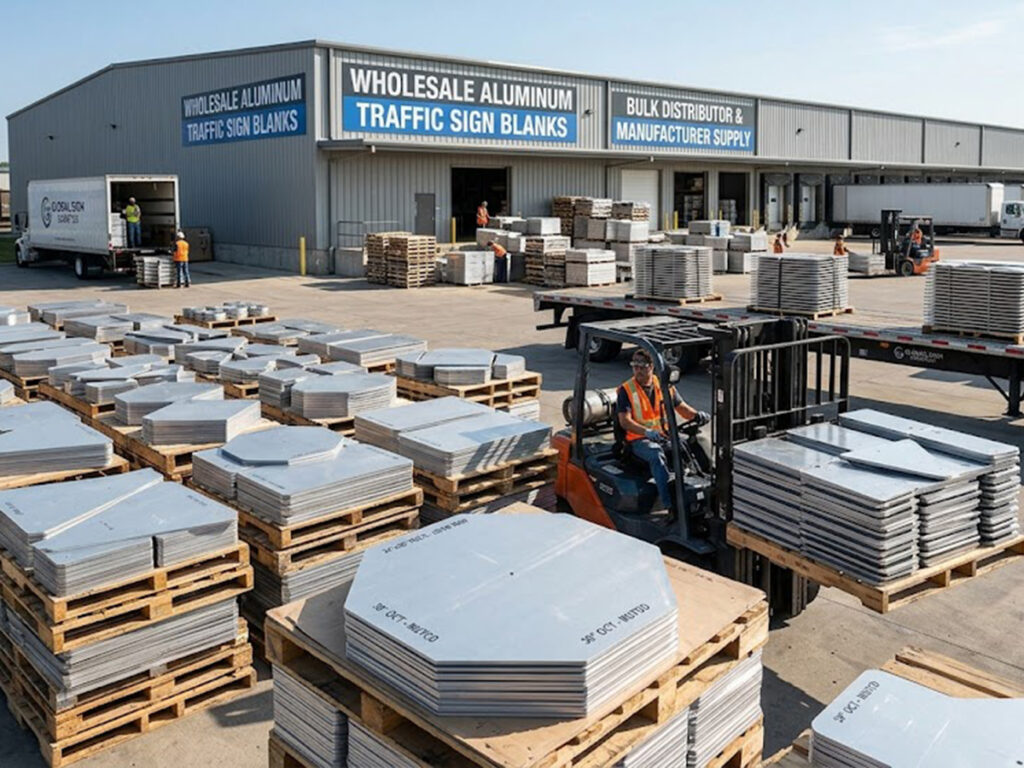
जेनेरिक धातु आपूर्तिकर्ता इस क्षेत्र की सेवा करते हैं. उनमें क्रोमेट पूर्व-उपचार रेखाओं का अभाव है, त्रिज्या-कोने कतरनी क्षमता, और दस्तावेज़ीकरण श्रृंखला जिसके खरीदार हैं थोक एल्यूमीनियम यातायात साइन रिक्त ज़रूरत होना. मिल-फिनिश स्टॉक में फंसे वितरक द्वितीयक प्रसंस्करण के बिना शीटिंग-आसंजन विनिर्देशों को पूरा नहीं कर सकते हैं. वह अंतर तेजी से मार्जिन को खा जाता है.
यह मार्गदर्शिका आपके सोर्सिंग वर्कफ़्लो को कैसे मैप करती है
यह मार्गदर्शिका पाँच परिचालन चरणों से होकर गुजरती है: सामग्री विशिष्टता, विनियामक अनुपालन, आपूर्तिकर्ता जांच, रसद निष्पादन, और वाणिज्यिक संरचना. प्रत्येक अनुभाग सत्यापन योग्य डेटा बिंदु प्रदान करता है जिसे वितरक अगले खरीद आदेश पर लागू कर सकते हैं. लक्ष्य प्रत्येक भार पर कम आश्चर्य और सख्त मार्जिन है थोक एल्यूमीनियम यातायात साइन रिक्त.
सामग्री विशिष्टताएँ: मिश्र, गुस्सा, और यातायात अनुप्रयोगों के लिए गेज
5052-एच38 बनाम 6061-टी6: ट्रैफ़िक साइनेज के लिए सही मिश्र धातु का चयन करना
ट्रैफिक साइनेज बाजार दो मिश्रधातुओं पर चलता है. 5052-H38 नियामक और चेतावनी संकेत उत्पादन पर हावी है. 6061-T6 संरचनात्मक और एक्सट्रूडेड अनुप्रयोगों को संभालता है. खरीद विशिष्टताओं के लिए अंतर मायने रखता है.
5052-H38 लगभग वितरित करता है 290 एमपीए (42 केएसआई) तन्य शक्ति और असाधारण क्लोराइड-पर्यावरण संक्षारण प्रतिरोध. 6061-T6 मोटे तौर पर तन्य शक्ति तक पहुंचता है 310 एमपीए (45 केएसआई) गर्मी-उपचार योग्य मजबूती के साथ. फैब्रिकेटर फ्लैट साइन पैनल के लिए 5052-एच38 निर्दिष्ट करते हैं क्योंकि यह साफ-सुथरा बनता है, क्लोराइड-चालित जंग का प्रतिरोध करता है, और रेट्रोरिफ्लेक्टिव शीटिंग को विश्वसनीय रूप से स्वीकार करता है.
गहरे जाना: इनके बीच विस्तृत अंतर के लिए 2 मिश्र, देखना 5052-एच38 बनाम 6061-टी6: साइन ब्लैंक के लिए सही एल्यूमीनियम मिश्र धातु का चयन करना.
मानक गेज संदर्भ चार्ट (0.063″, 0.080″, 0.125″)
वितरक स्टॉकिंग कर रहे हैं थोक एल्यूमीनियम यातायात साइन रिक्त तीन कोर गेज के आसपास इन्वेंट्री को एंकर करना चाहिए. प्रत्येक गेज अलग-अलग MUTCD एप्लिकेशन श्रेणियों और वजन-प्रति-फूस की गणना करता है.
| गेज | वज़न (पौंड/वर्ग फ़ुट) | विशिष्ट अनुप्रयोग | सामान्य संकेत उदाहरण |
| 0.063″ | 0.89 | छोटा नियामक, स्कूल क्षेत्र | पार्किंग संकेत, 24″× 24″ चेतावनी |
| 0.080″ | 1.13 | मानक विनियामक और चेतावनी | रुकना, उपज, गति सीमा |
| 0.100″ | 1.41 | बड़ा नियामक, मध्य पवन क्षेत्र | 36″×36″ मार्गदर्शक संकेत |
| 0.125″ | 1.76 | बड़ा मार्गदर्शक, उपरि, तेज़ हवा | फ्रीवे गाइड संकेत, निकास पैनल |
और पढ़ें: एल्यूमिनियम स्ट्रीट साइन के लिए ट्रैफिक साइन मोटाई गाइड
0.080″ नगर निगम की खरीद मात्रा में गेज का हिस्सा सबसे बड़ा है. वितरकों का स्टॉक केवल 0.063 है″ नियामक साइनेज पर बोलियाँ खोना. जो 0.125 ले जा रहे हैं″ ओवरहेड और हाई-विंड अनुबंधों पर कब्जा करें.
विनियामक अनुपालन मानकों को प्रत्येक वितरक को सत्यापित करना होगा
अनुपालन संघीय सहायता या राज्य डीओटी परियोजनाओं के लिए नियत प्रत्येक आदेश के लिए गेटिंग कारक है. जो वितरक अनुपालन को बाद की बात मानते हैं वे अनुबंध खो देते हैं; जो लोग दस्तावेज़ीकरण के साथ आगे बढ़ते हैं वे नवीनीकरण जीतते हैं.
MUTCD 11वां संस्करण और FHWA आवश्यकताएँ
MUTCD 11वां संस्करण जनवरी से प्रभावी हुआ 18, 2024, जनवरी तक अनिवार्य राज्य गोद लेने के साथ 18, 2026. यह अद्यतन संकेत दृश्यता और रेट्रोरिफ्लेक्टिविटी के लिए सख्त आवश्यकताएं प्रस्तुत करता है. वितरकों के लिए, इसका मतलब कोई भी है थोक एल्यूमीनियम यातायात साइन रिक्त नई स्थापनाओं के लिए बेचा जाना चाहिए “भविष्य-प्रमाणित।” इन्वेंटरी का निर्माण कड़ाई से पुराने के लिए किया जाता है 2009 संस्करण विशिष्टताओं को नए नगरपालिका और संघीय अनुबंधों पर खरीद अयोग्यता का सामना करना पड़ सकता है.
एएसटीएम बी209 और एएसटीएम डी4956 सामग्री मानक
स्थायित्व और सुरक्षा सुनिश्चित करने के लिए, दो अलग-अलग एएसटीएम मानकों को पूरा किया जाना चाहिए:
- एएसटीएम बी209 (आधार): एल्यूमीनियम मिश्र धातु की रासायनिक संरचना को नियंत्रित करता है (उदा।, 5052-H38), यांत्रिक विशेषताएं, और आयामी सहनशीलता.
- ASTM D4956 (सतह): जबकि यह रेट्रोरिफ्लेक्टिव शीटिंग को नियंत्रित करता है, एल्युमिनियम ब्लैंक तैयार किया जाना चाहिए (आमतौर पर एलोडाइज़िंग के माध्यम से) इन प्रदर्शन ग्रेडों के अनुरूप दीर्घकालिक आसंजन सुनिश्चित करने के लिए.
The “पेपर ट्रेल” डीओटी ऑडिट के लिए:
प्रत्येक अनुपालन शिपमेंट के साथ मिल परीक्षण रिपोर्ट अवश्य संलग्न होनी चाहिए (एमटीआर). खरीदारों को प्रत्येक पैलेट पर हीट-नंबर ट्रैसेबिलिटी अनिवार्य करनी चाहिए. एमटीआर और भौतिक ताप लॉट के बीच सत्यापन योग्य लिंक के बिना, वितरकों को डीओटी ऑडिट में असफल होने और राजमार्ग परियोजना की सुरक्षा अखंडता से समझौता करने का जोखिम है.
अमेरिका अधिनियम अनुपालन खरीदें: 2025 और 2026 समय सीमा
एफएचडब्ल्यूए ने जनवरी में अपने विनिर्मित उत्पादों की सामान्य छूट को समाप्त कर दिया 2025. नया नियम दो चरणों में लागू होता है जो सीधे एल्युमीनियम साइन ब्लैंक खरीद को प्रभावित करता है:
- अक्टूबर 1, 2025: संघीय सहायता परियोजनाओं के लिए सभी निर्मित उत्पादों की अंतिम असेंबली संयुक्त राज्य अमेरिका में होनी चाहिए.
- अक्टूबर 1, 2026: विनिर्मित उत्पादों में कम से कम अतिरिक्त सामग्री अवश्य होनी चाहिए 55% घरेलू घटक लागत.
विदेशों से असेंबल किए गए ब्लैंक की सोर्सिंग करने वाले वितरक अब संघीय सहायता वाले नगरपालिका अनुबंधों के एक बड़े हिस्से तक पहुंच खो देते हैं. घरेलू सोर्सिंग प्राथमिकता से अनुबंध योग्यता में स्थानांतरित हो गई है.
थोक आपूर्तिकर्ताओं की जाँच: एक वितरक उचित परिश्रम ढांचा
का हर आपूर्तिकर्ता नहीं थोक एल्यूमीनियम यातायात साइन रिक्त वितरकों के लिए आवश्यक दस्तावेज़ीकरण गहराई पर काम करता है. एक संरचित उचित परिश्रम ढांचा पहले दिन से मार्जिन और अनुबंध पात्रता की रक्षा करता है.
निर्माता बनाम वितरक बनाम ब्रोकर - अपने स्तर को जानना
आपूर्ति स्तर सीधे मार्जिन निर्धारित करता है, समय सीमा, और दस्तावेज़ीकरण की गहराई. निर्माता मिश्र धातु रसायन विज्ञान और पूर्व-उपचार लाइनों को नियंत्रित करते हैं. वितरक इन्वेंट्री रखते हैं लेकिन निर्माता दस्तावेज़ पर भरोसा करते हैं. दलाल कागज़ ले जाते हैं और शायद ही कभी स्टॉक रखते हैं - एक दस्तावेज़ीकरण अंतर जो ऑडिट के दौरान सामने आता है. के स्मार्ट खरीदार थोक एल्यूमीनियम यातायात साइन रिक्त खरीद आदेश जारी करने से पहले विक्रेता के स्तर की पुष्टि करें.
गुणवत्ता प्रमाणपत्र: आईएसओ 9001 और मिल परीक्षण रिपोर्ट
आईएसओ 9001 प्रमाणीकरण एक प्रलेखित गुणवत्ता प्रबंधन प्रणाली की पुष्टि करता है. यह स्वयं उत्पाद को प्रमाणित नहीं करता है. के खरीदार थोक एल्यूमीनियम यातायात साइन रिक्त आईएसओ दोनों का अनुरोध करना चाहिए 9001 दस्तावेज़ीकरण और लॉट-विशिष्ट मिल परीक्षण रिपोर्ट. एमटीआर रसायन विज्ञान को सिद्ध करता है, तन्य गुण, और एएसटीएम बी209 के अनुरूप.
थोक प्रतिबद्धता से पहले नमूना मूल्यांकन चेकलिस्ट
प्रत्येक नए आपूर्तिकर्ता को किसी भी थोक प्रतिबद्धता से पहले एक संरचित नमूना मूल्यांकन पास करना चाहिए:
- सतह दोषों के लिए दृश्य निरीक्षण, किनारे की गड़गड़ाहट, और सुसंगत कोने की त्रिज्या.
- गेज सहनशीलता को सत्यापित करने के लिए पांच बिंदुओं पर कैलिपर माप.
- 24 घंटे के इलाज और छील मूल्यांकन के साथ एएसटीएम डी4956 शीटिंग का उपयोग करके आसंजन परीक्षण.
- मिल परीक्षण रिपोर्ट भौतिक पैलेट की ताप संख्या के विरुद्ध क्रॉस-चेक करती है.
- आईएसओ के लिए दस्तावेज़ीकरण समीक्षा 9001, अमेरिका घोषणा खरीदें, और मूल देश.
रसद, समय सीमा, और थोक ऑर्डर के लिए माल ढुलाई वास्तविकताएँ
लॉजिस्टिक्स निष्पादन लाभदायक वितरकों को उन वितरकों से अलग करता है जो कीमत पर जीतते हैं लेकिन माल ढुलाई पर हार जाते हैं. पैलेट योजना, माल ढुलाई वर्ग की सटीकता, और लीड टाइम अनुशासन ड्राइव की लैंडिंग लागत इकाई मूल्य से अधिक है.
पैलेट विन्यास और मानक थोक मात्राएँ
24 का एक मानक फूस″× 24″×0.080″ थोक एल्यूमीनियम यातायात साइन रिक्त आम तौर पर लगभग रखता है 500 टुकड़े. किनारे की सुरक्षा और कोने-बोर्ड बैंडिंग पारगमन क्षति को रोकते हैं. खरीद आदेश जारी करने से पहले वितरकों को पैलेट विनिर्देशों की पुष्टि करनी चाहिए. हार्डवेयर जो रिक्त शिपमेंट को पूरक करता है - OPTSIGNS में शामिल है सड़क के नाम चिह्न ब्रैकेट सामग्री की तुलना —अक्सर एक ही पैलेट पर जहाज़, मिश्रित-भार माल ढुलाई योजना को सरल बनाना.
माल ढुलाई वर्ग, एनएमएफसी कोड, और एलटीएल बनाम एफटीएल निर्णय
एल्युमीनियम शीट आमतौर पर एनएमएफसी माल वर्ग में आती है 70 को 85, पैकेजिंग घनत्व पर निर्भर करता है. लिफ्टगेट, आवासीय वितरण, और इनसाइड-डिलीवरी एक्सेसरीज़ ड्रॉप-शिप किए गए नगरपालिका ऑर्डर की लागत बढ़ाती हैं. प्रति शिपमेंट चार से अधिक पैलेट ले जाने वाले वितरकों को एलटीएल के मुकाबले आंशिक ट्रक लोड की कीमत तय करनी चाहिए. ब्रेक-ईवन अंक अक्सर तीन से चार पैलेट से ऊपर एफटीएल का पक्ष लेते हैं.
स्टॉक्ड बनाम कस्टम कॉन्फ़िगरेशन के लिए यथार्थवादी लीड टाइम्स
स्टॉक किए गए आकार और गेज थोक एल्यूमीनियम यातायात साइन रिक्त आम तौर पर घरेलू स्तर पर तीन से दस व्यावसायिक दिनों के भीतर भेजा जाता है. कस्टम त्रिज्या कोने, पूर्व-ड्रिल किए गए छेद, या गैर-मानक शीट आकार में दो से छह सप्ताह का टूलींग और रन टाइम जुड़ जाता है. डीओटी अनुबंधों पर बोली लगाने वाले वितरकों को डिलीवरी प्रतिबद्धताओं में एक बफर बनाना होगा. देर से डिलीवरी के लिए दंड प्रावधान मानक हैं.
थोक खरीद में मूल्य निर्धारण संरचनाएं और वाणिज्यिक शर्तें
वॉल्यूम टियर और क्वांटिटी ब्रेक प्राइसिंग
अधिकांश आपूर्तिकर्ता मात्रा ब्रेक की संरचना करते हैं 100, 500, 1,000, और 5,000-टुकड़े स्तर. मिश्र धातु, गेज, पूर्व-उपचार, और प्रति-यूनिट लागत में सभी स्टैक को ख़त्म करना. वार्षिक अनुबंधों पर बातचीत करने वाले वितरकों को एकल उद्धरण के बजाय कई स्तरीय परिदृश्यों में मूल्य निर्धारण करना चाहिए. वार्षिक कंबल खरीद ऑर्डर सबसे अनुकूल मूल्य निर्धारण को अनलॉक करते हैं थोक एल्यूमीनियम यातायात साइन रिक्त.
भुगतान की शर्तें, जाल 30, और क्रेडिट खाता सेटअप
जाल 30 B2B मानक है. जाल 60 निरंतर मात्रा में परक्राम्य हो जाता है. क्रेडिट अनुप्रयोगों के लिए आमतौर पर तीन व्यापार संदर्भों की आवश्यकता होती है, दो साल की वित्तीय स्थिति, और एक डी&बी नंबर. खरीद का चरम मौसम आने से पहले वितरकों को ऋण संबंध स्थापित कर लेने चाहिए.
कुल भूमि लागत बनाम इकाई मूल्य
सबसे कम इकाई कीमत अक्सर पहुंच लागत पर कम हो जाती है. एक खाली जिसकी कीमत है $0.75 प्रति यूनिट कम लेकिन क्रोमेट की कमी के कारण उपचार की आवश्यकता हो सकती है $1.20 द्वितीयक प्रसंस्करण में प्रति इकाई. वितरक मूल्यांकन कर रहे हैं थोक एल्यूमीनियम यातायात साइन रिक्त आपूर्तिकर्ताओं को हमेशा कुल भूमि लागत का मॉडल तैयार करना चाहिए: इकाई मूल्य प्लस भाड़ा प्लस प्रसंस्करण प्लस पुनः कार्य जोखिम.
एल्युमीनियम ट्रैफिक साइन ब्लैंक के लिए एक विश्वसनीय आपूर्ति श्रृंखला का निर्माण
ट्रैफ़िक सुरक्षा बाज़ार में जीतने वाले वितरक व्यवहार करते हैं थोक एल्यूमीनियम यातायात साइन रिक्त चार-स्तंभीय अनुशासन के रूप में खरीद: सटीक विशिष्टता, प्रलेखित अनुपालन, सत्यापित आपूर्तिकर्ता, और कठोर रसद. प्रत्येक स्तंभ दूसरे को सहारा देता है. एक गैर-दस्तावेज आपूर्तिकर्ता से पूरी तरह से निर्दिष्ट रिक्त स्थान अभी भी ऑडिट में विफल रहता है. कमजोर लॉजिस्टिक्स वाला एक आज्ञाकारी आपूर्तिकर्ता अभी भी डिलीवरी विंडो से चूक जाता है.
अमेरिका खरीदें अधिनियम 2025-2026 चरण-इन स्थापित घरेलू सोर्सिंग वाले वितरकों के लिए एक स्पष्ट प्रतिस्पर्धी खाई बनाता है. MUTCD 11वां संस्करण परिवर्तन उन वितरकों को पुरस्कृत करता है जो पहले से ही वर्तमान आयाम मानकों का पालन करते हैं. जो वितरक दोनों मोर्चों पर कार्य करते हैं, वे प्रतिस्पर्धियों से हिस्सेदारी हासिल करेंगे जो अभी भी पुरानी आपूर्ति मान्यताओं पर काम कर रहे हैं.
खरीद टीमें अनुपालन के लिए तैयार हैं थोक एल्यूमीनियम यातायात साइन रिक्त मिल प्रमाणपत्रों का अनुरोध करना चाहिए, नमूना मूल्यांकन किट, और पहला खरीद आदेश जारी करने से पहले एक दस्तावेजी गुणवत्ता प्रणाली की समीक्षा.
अक्सर पूछे जाने वाले प्रश्नों
ट्रैफिक साइन ब्लैंक के लिए एल्यूमीनियम का कौन सा गेज मानक है??
0.080″ गेज संयुक्त राज्य अमेरिका में अधिकांश नियामक और चेतावनी संकेतों के लिए मानक के रूप में कार्य करता है. वितरकों का स्टॉक भी 0.063 है″ छोटे चिह्नों के लिए और 0.125″ तेज़ हवा वाले क्षेत्रों में बड़े गाइड संकेतों के लिए.
थोक एल्यूमीनियम ट्रैफिक साइन ब्लैंक के लिए विशिष्ट MOQ क्या है?
निर्माता आमतौर पर MOQ निर्धारित करते हैं 100 को 500 स्टॉक किए गए कॉन्फ़िगरेशन के लिए प्रति SKU टुकड़े. कस्टम त्रिज्या, पूर्व ड्रिलिंग, या गैर-मानक आकार न्यूनतम सीमाएँ बढ़ा देते हैं 500 को 2,000 टुकड़े, टूलींग लागत पर निर्भर करता है.
क्या 5052-एच38 और 6061-टी6 यातायात साइनेज के लिए विनिमेय हैं?
नहीं. 5052-H38 फ्लैट साइन पैनलों के लिए बेहतर संक्षारण प्रतिरोध और निर्माण क्षमता प्रदान करता है. 6061-T6 उच्च तन्यता शक्ति प्रदान करता है लेकिन आम तौर पर संरचनात्मक और एक्सट्रूडेड अनुप्रयोगों के लिए उपयुक्त होता है. एक के स्थान पर दूसरे को प्रतिस्थापित करने से विशिष्टता अस्वीकृति का जोखिम होता है.
प्रत्येक थोक ऑर्डर के साथ कौन से दस्तावेज़ भेजे जाने चाहिए?
प्रत्येक शिपमेंट में हीट नंबर ट्रैसेबिलिटी के साथ मिल परीक्षण रिपोर्ट शामिल होनी चाहिए, एएसटीएम बी209 के अनुपालन का प्रमाण पत्र, लागू होने पर अमेरिका घोषणा पत्र खरीदें, और लोड में प्रदर्शित ऊष्मा संख्याओं को संदर्भित करने वाली एक पैकिंग सूची.
आउटडोर सेवा में एल्युमीनियम ट्रैफिक साइन ब्लैंक कितने समय तक चलते हैं??
एल्यूमीनियम सब्सट्रेट रहता है 15 को 25 साल या उससे अधिक. रेट्रोरिफ्लेक्टिव शीटिंग परत आमतौर पर बनी रहती है 7 को 12 साल, ग्रेड और एक्सपोज़र के आधार पर. वितरकों को ग्राहक बातचीत में सब्सट्रेट लाइफ को शीटिंग लाइफ से अलग करना चाहिए.
क्या थोक आपूर्तिकर्ता थोक मूल्य पर प्री-ड्रिल या रेडियस-कॉर्नर ब्लैंक की पेशकश करते हैं?
हाँ, अधिकांश आपूर्तिकर्ता थोक कॉन्फ़िगरेशन विकल्प के रूप में पूर्व-ड्रिल किए गए छेद और त्रिज्या कोनों की पेशकश करते हैं. ये सुविधाएँ प्रति-यूनिट लागत और टूलींग लीड टाइम जोड़ती हैं. वितरकों को मूल्यांकन करना चाहिए कि क्या इन-हाउस फिनिशिंग या आपूर्तिकर्ता-तैयार स्टॉक उनकी मात्रा पर अधिक आर्थिक अर्थ रखता है.
संदर्भ