ऑस्ट्रेलियाई बुनियादी ढाँचा परियोजनाएँ सुरक्षा उपकरणों के लिए अद्वितीय चुनौतियाँ पेश करती हैं. चरम यूवी सूचकांकों का संयोजन, अप्रत्याशित पवन भार, और कठोर अनुपालन मानकों के लिए विशिष्ट सामग्री इंजीनियरिंग की आवश्यकता होती है. फलस्वरूप, सामान्य या आयातित प्लास्टिक साइनेज अक्सर स्थानीय पर्यावरण की मांगों को पूरा करने में विफल रहते हैं.
ऑस्ट्रेलिया की धूप में घटिया सामग्री तेजी से फीकी पड़ जाती है और थर्मल तनाव में विकृत हो जाती है. अधिक आलोचनात्मक ढंग से, वे अक्सर मिलने में विफल रहते हैं जैसा 1742.3 आवश्यकताएं, महत्वपूर्ण दायित्व जोखिम उत्पन्न करना. इसलिए, यातायात प्रबंधन उद्योग किस पर निर्भर करता है? कॉरफ्लूट संकेत विशेष रूप से ऑस्ट्रेलियाई परिस्थितियों के लिए इंजीनियर किया गया.
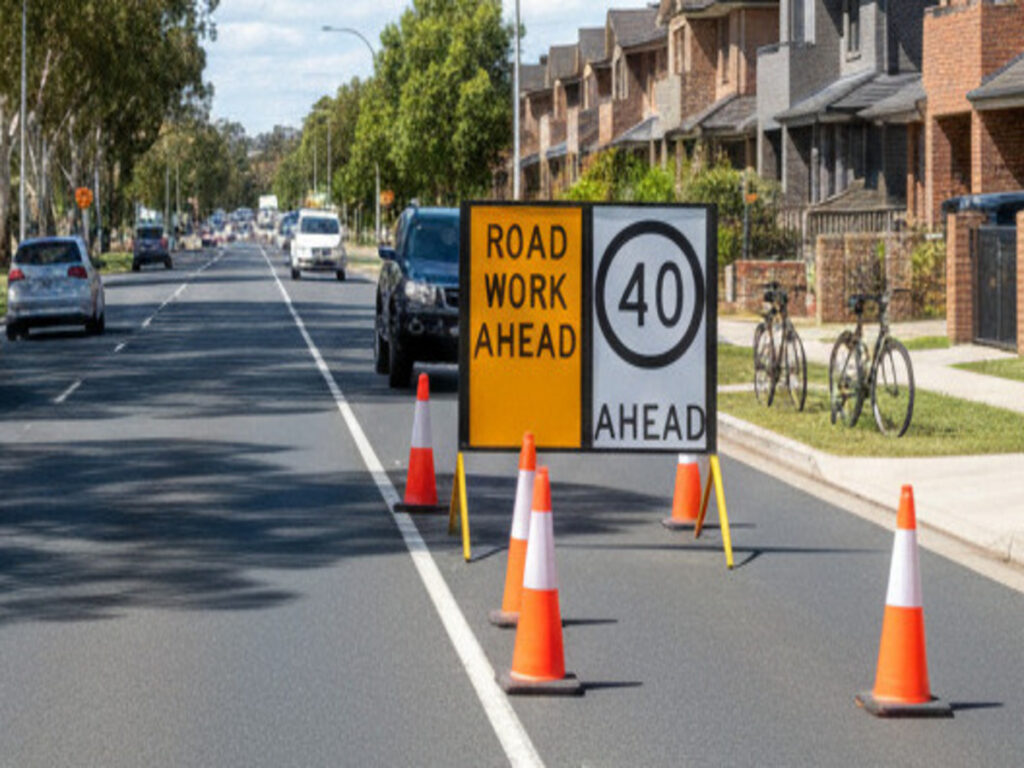
यह तकनीकी मार्गदर्शिका विशिष्टताओं का विश्लेषण करती है अस्थायी सड़क चिन्ह ऑस्ट्रेलिया मै, कवर बॉक्स का किनारा तकनीकी, बहु-संदेश चिह्न (एमएमएस) प्रणाली, और चिंतनशील अनुपालन मानक.
👉 वैश्विक स्तर पर सोर्सिंग? ऑप्टट्रैफ़िक हमारे में अंतर्राष्ट्रीय नामकरण परंपराओं और हार्डवेयर अंतरों की व्याख्या करता है नालीदार प्लास्टिक साइनेज के लिए वैश्विक गाइड.
परिभाषित “सड़क के लिए तैयार” कोरफ्लूट साइन्स
सभी नालीदार प्लास्टिक सिविल इंजीनियरिंग मानकों को पूरा नहीं करते हैं. खरीद अधिकारियों को साइट की सुरक्षा सुनिश्चित करने के लिए खुदरा-ग्रेड सामग्री और सड़क-तैयार विशिष्टताओं के बीच अंतर करना चाहिए.
5 मिमी मानक बनाम. खुदरा ग्रेड
जबकि 3 मिमी कॉरफ्लूट इनडोर कार्यक्रमों या अल्पकालिक रियल एस्टेट अनुप्रयोगों के लिए अच्छा काम करता है, इसमें सड़क के किनारे उपयोग के लिए आवश्यक संरचनात्मक द्रव्यमान का अभाव है. इसके विपरीत, 5मिमी कॉरफ्लूट के लिए अनिवार्य उद्योग मानक है अस्थायी यातायात प्रबंधन (टीटीएम). यह विशिष्ट मोटाई भारी वाहनों को बिना बकलिंग के गुजरने से उत्पन्न पवन बफरिंग का सामना करने के लिए आवश्यक संरचनात्मक अखंडता प्रदान करती है.
यूवी स्थिर पॉलीप्रोपाइलीन कॉपोलीमर
ऑस्ट्रेलियाई सूर्य अनुपचारित पॉलिमर को तेजी से नष्ट कर देता है. यूवी विकिरण मानक प्लास्टिक में आणविक श्रृंखलाओं को तोड़ देता है, जिससे चिन्ह टूट जाते हैं, चाक, और तैनाती के कुछ महीनों के भीतर ही बिखर जाते हैं.
इससे निपटने के लिए, ऑप्टट्रैफ़िक यूवी-स्थिर उच्च-प्रभाव पॉलीप्रोपाइलीन का उपयोग करके संकेत बनाती है. यह रासायनिक उपचार साइनेज के परिचालन जीवनकाल को महत्वपूर्ण रूप से बढ़ाता है, यह सुनिश्चित करना कि फ्लोरोसेंट पृष्ठभूमि का रंग परियोजना की पूरी अवधि के अनुरूप बना रहे.
भौतिक जीवन काल पर विशिष्ट डेटा की आवश्यकता है? विस्तृत रिपोर्ट पढ़ें ऑस्ट्रेलियाई सूर्य से बचे रहना: कॉरफ्लूट साइन्स की यूवी स्थिरता
बॉक्स एज साइन एडवांटेज
The बॉक्स एज डिजाइन ऑस्ट्रेलियाई साइनेज को अमेरिकी या यूरोपीय समकक्षों से अलग करता है, जहां फ्लैट शीट आम हैं. ऑस्ट्रेलियाई सड़क स्थितियों के लिए, फ़्लैट शीट अक्सर अपर्याप्त साबित होती हैं.
बॉक्स एज इंजीनियरिंग
निर्माता विशिष्ट फ़ोल्ड लाइनों को डाई-कटिंग द्वारा इस सुविधा का निर्माण करते हैं कॉरफ्लूट शीट. ये किनारे पीछे की ओर मुड़कर कठोर बन जाते हैं, 3डी “डिब्बा” परिधि. यह संरचना सुदृढीकरण बीम के रूप में कार्य करती है, पैनल के झुकने के प्रतिरोध में उल्लेखनीय वृद्धि हुई है.
परिचालन लाभ
संरचनात्मक कठोरता से परे, बॉक्स एज महत्वपूर्ण परिचालन लाभ प्रदान करता है:
- फ़्रेम अनुकूलता: बॉक्स संरचना मानक बाय-पॉड पैरों पर सुरक्षित रूप से फिट बैठती है. घर्षण चिन्ह को अपनी जगह पर रखता है, ऐसे बोल्ट या स्क्रू की आवश्यकता को समाप्त करना जो जंग खा सकते हैं या पकड़ सकते हैं.
- ओह&एस अनुपालन: डिज़ाइन तेज प्लास्टिक किनारों को हटा देता है, जिससे तेजी से तैनाती के दौरान श्रमिकों के लिए चोट के जोखिम को कम किया जा सके.
तेज़ हवाओं को लेकर चिंतित हैं? इंजीनियरिंग विश्लेषण पढ़ें: पवन स्थिरता के लिए बॉक्स एज डिज़ाइन महत्वपूर्ण क्यों है?
बहु-संदेश चिह्नों के साथ यातायात नियंत्रण को अनुकूलित करना (एमएमएस)
बहु-संदेश चिह्न (एमएमएस) फ़्रेम क्वींसलैंड में यातायात नियंत्रण की रीढ़ हैं, एनएसडब्ल्यू, और विक्टोरिया. ये प्रणालियाँ एक ही स्टेशन को कई खतरों की चेतावनियाँ कुशलतापूर्वक प्रदर्शित करने की अनुमति देती हैं.
कॉरफ्लूट इंसर्ट सिस्टम
एमएमएस फ़्रेम एक मॉड्यूलर दृष्टिकोण का उपयोग करते हैं जहां ट्रैफ़िक नियंत्रक हल्के वजन को स्लाइड करते हैं कॉरफ्लूट आवेषण एक गैल्वनाइज्ड स्टील फ्रेम में. सिस्टम आम तौर पर तीन प्रारूपों को समायोजित करता है:
- 600मिमी x 600 मिमी: मुख्य संदेश के लिए नामित (उदा।, “आगे सड़क का काम”).
- 1200मिमी x 300 मिमी: पूरक जानकारी के लिए नामित (उदा।, “सड़क का काम ख़त्म”).
- 1200मिमी x 600 मिमी: उच्च गति वाले क्षेत्रों के लिए बड़े प्रारूप की चेतावनियाँ.
लागत और रसद दक्षता
एमएमएस प्रणाली महत्वपूर्ण आर्थिक लाभ प्रदान करती है. ठेकेदार एक बार टिकाऊ धातु फ्रेम खरीदते हैं, जब कॉरफ्लूट आवेषण सस्ते और विनिमेय बने रहें. यह लचीलापन यातायात नियंत्रण वाहनों के लिए पेलोड भार को काफी कम कर देता है, ईंधन दक्षता और रसद में सुधार.
बेड़े की परिचालन लागत कम करना चाहते हैं? हमारी तकनीकी जानकारी पढ़ें बहु-संदेश संकेत (एमएमएस) और हल्के कॉर्फ्लूट इंसर्ट
जैसा 1742.3 अनुपालन: परावर्तन & रंग
सुरक्षा अधिकारियों को सख्ती से लागू करना चाहिए ऑस्ट्रेलियाई मानक 1742.3, क्योंकि गैर-अनुपालक साइनेज के कारण तत्काल साइट बंद हो सकती है और संभावित नियामक जुर्माना लगाया जा सकता है.
कक्षा 1w (कक्षा 400) पुनर्मिलन
चूंकि निर्माण कार्य अक्सर रात में भी चलता रहता है, दिन के समय दृश्यता केवल आधे समीकरण का प्रतिनिधित्व करती है. वर्तमान मानक आदेश कक्षा 1w (चौड़ा कोण) या वर्ग 400 पुनर्मिलन -पत्रक.
यह तकनीक वाहन की हेडलाइट से प्रकाश को वापस स्रोत तक परावर्तित करती है, विस्तृत प्रवेश कोणों पर भी चमक बनाए रखना. ऑप्टट्रैफ़िक क्लास 1W शीटिंग को सीधे लागू करता है 5मिमी कॉरफ्लूट अधिकतम चमक और नियामक अनुपालन सुनिश्चित करने के लिए सब्सट्रेट.
फ्लोरोसेंट वर्णिकता
पृष्ठभूमि का रंग ड्राइवरों को विशिष्ट खतरे के स्तर के बारे में बताता है. फ्लोरोसेंट नारंगी सामान्य सड़क निर्माण और यातायात नियंत्रण के लिए विशेष रूप से आरक्षित है, जबकि फ्लोरोसेंट पीला-हरा पैदल चलने वालों को निशाना बनाता है, स्कूल क्षेत्र, और असुरक्षित सड़क उपयोगकर्ता चेतावनियाँ.
अस्थायी सड़क चिन्हों के लिए इंस्टालेशन की सर्वोत्तम प्रक्रियाएँ
यहां तक कि उच्च विशिष्टता भी कॉरफ्लूट संकेत गलत तरीके से स्थापित होने पर विफल हो जाता है. अस्थायी साइनेज के लिए पवन लोडिंग प्राथमिक विफलता मोड बनी हुई है.
को कम करना “पाल प्रभाव”
कॉरफ्लूट डिजाइन के हिसाब से हल्का है; फलस्वरूप, एक चौड़ा साइन फेस तेज़ हवाओं में पाल के रूप में कार्य करता है. इस जोखिम को कम करने के लिए, गिट्टी प्लेसमेंट महत्वपूर्ण है. सैंडबैग को लंगर डालना चाहिए फ्रेम पैर, क्योंकि साइन पर सीधे गिट्टी डालने से सब्सट्रेट को नुकसान पहुंचता है और रेट्रोरिफ्लेक्टिव फेस अस्पष्ट हो जाता है.
आगे, संकेतों को लगभग घुमाया जाना चाहिए 3-5 सड़क मार्ग से डिग्री दूर. यह कोणीय प्लेसमेंट ड्राइवरों के लिए हेडलाइट की चमक को कम करता है और साइन फेस पर सीधे हवा के दबाव को कम करता है.
सिविल निर्माण में स्थिरता
निर्माण क्षेत्र तेजी से पर्यावरणीय जिम्मेदारी को प्राथमिकता दे रहा है. corflute (polypropylene) एक कोड है 5 प्लास्टिक, इसे बनाना 100% पुनर्चक्रण. मिश्रित एल्युमीनियम के विपरीत जिसमें परत पृथक्करण की आवश्यकता होती है, कॉरफ्लूट संकेत उनके जीवनचक्र के अंत में उन्हें पूरी तरह से पुनर्चक्रित किया जा सकता है, स्थायी साइट प्रथाओं के साथ तालमेल बिठाना.
एक स्थायी परियोजना की योजना बनाना? के लिए मार्गदर्शिका पढ़ें निर्माण स्थलों पर कॉरफ्लूट का पुनर्चक्रण
निष्कर्ष: अनुरूप कॉर्फ्लूट संकेतों की सोर्सिंग
यातायात प्रबंधन में सुरक्षा समझौता अस्वीकार्य है. परियोजना अनुपालन पूरी तरह से सही सामग्री विनिर्देश पर निर्भर करता है.
ऑस्ट्रेलियाई सड़क निर्माण की आवश्यकता है 5मिमी, यूवी स्थिर, बॉक्स एज कॉरफ्लूट जो मिलता है जैसा 1742.3 और स्थानीय पर्यावरणीय कारकों का सामना करता है. ऑप्टट्रैफ़िक प्रमाणित यातायात प्रबंधन समाधान प्रदान करता है, वितरण क्लास 1W बॉक्स एज चिन्ह और एमएमएस सम्मिलित करता है वह सिडनी, मेलबोर्न, ब्रिस्बेन, और पर्थ.
ब्रांडेड साइट पैनल की आवश्यकता है? में औद्योगिक मुद्रण नियमों का अन्वेषण करें कस्टम कॉरफ्लूट संकेतों के लिए व्यापक मार्गदर्शिका.
अक्सर पूछे जाने वाले प्रश्न
के लिए स्पष्ट रूप से नहीं प्रत्येक क्षेत्र, लेकिन “बॉक्स का किनारा” स्थिरता के लिए उद्योग मानक है. सपाट चादरें अक्सर हवा के भार के तहत बाई-पॉड लेग्स में सुरक्षित रहने में विफल रहती हैं. अधिकांश परिषदें और मुख्य सड़क प्राधिकरण अनुपालन और सुरक्षा के लिए बॉक्स एज को अनिवार्य करते हैं.
कक्षा 1 पुराना मानक है. कक्षा 1w (चौड़ा कोण), क्लास के नाम से भी जाना जाता है 400, सड़क निर्माण के लिए वर्तमान आवश्यकता है. यह व्यापक कोणों से प्रकाश को परावर्तित करता है, यह सुनिश्चित करना कि साइन ड्राइवरों को दिखाई देता रहे, भले ही साइन मुड़ा हुआ हो या किसी मोड़ पर रखा गया हो.
मानक उपचारित कॉर्फ्लूट टिकता है 12 को 24 महीनों बाहर. यूवी स्थिरीकरण के बिना, कठोर ऑस्ट्रेलियाई सूरज प्लास्टिक को कम मात्रा में तोड़ देता है 6 महीने. ऑप्टट्रैफ़िक लंबी अवधि की परियोजना अवधि के लिए यूवी स्थिरता की गारंटी देता है.
हाँ. हम सटीक ऑस्ट्रेलियाई आयामों के लिए इन्सर्ट का निर्माण करते हैं: 600X600 मिमी, 1200X300 मिमी, और 1200x600 मिमी. वे QLD में उपयोग किए जाने वाले मानक गैल्वनाइज्ड स्टील मल्टी-मैसेज फ्रेम में सहजता से स्लाइड करते हैं, एनएसडब्ल्यू, और वीआईसी.