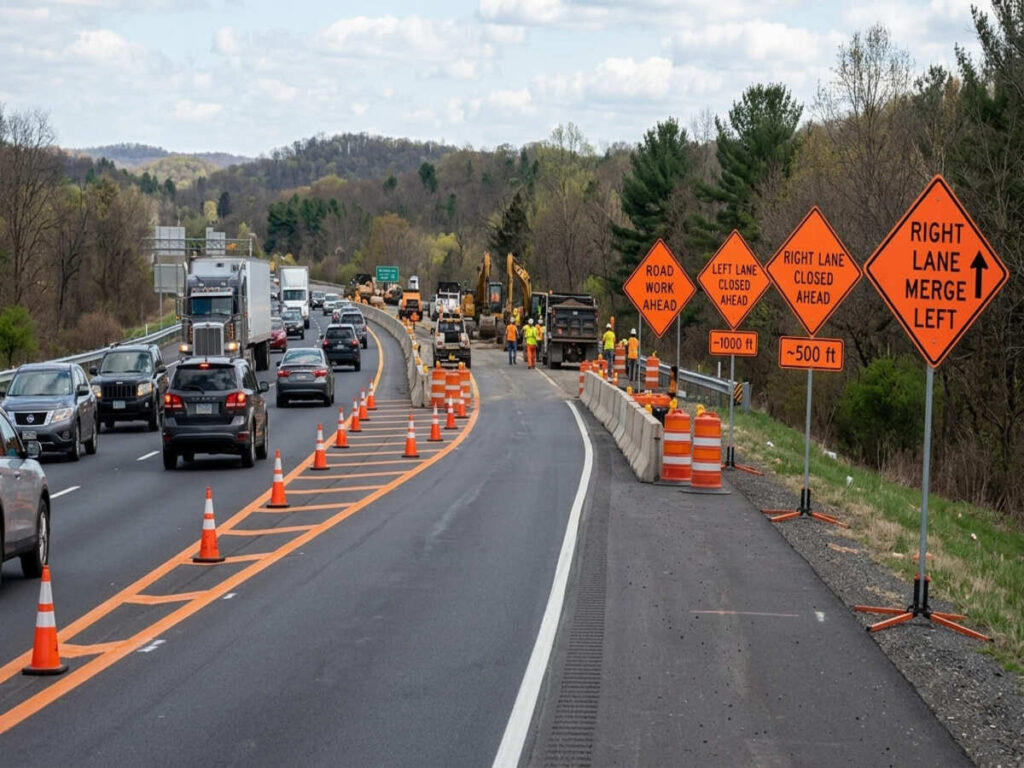
में 2026, खरीद अधिकारी और यातायात इंजीनियर निर्दिष्ट कर रहे हैं कस्टम ओवरहेड राजमार्ग संकेत संरचनात्मक के एक मिश्रित सेट का सामना करें, नियामक, और आपूर्ति-श्रृंखला दबाव. अद्यतन AASHTO LTS-6 थकान भार श्रेणियां, नए एफएचडब्ल्यूए पुनर्नवीनीकृत एल्युमीनियम के लिए अमेरिका खरीदें स्थिरता प्रावधान, और V2I में तेजी ला रहा है (वाहन-से-बुनियादी ढाँचा) रेट्रोफिट अधिदेशों ने गैन्ट्री और ब्रैकट ओवरहेड साइन सिस्टम के लिए विनिर्देशन कैलकुलस को मौलिक रूप से बदल दिया है.
यह मार्गदर्शिका एक कामकाजी विनिर्देश संदर्भ है - उत्पाद अवलोकन नहीं - इंजीनियरिंग निर्णयों के आसपास संरचित है, खरीद अधिकारियों को आरएफपी जारी करने से पहले लॉक करना होगा. सामग्रियों की व्यापक समीक्षा के लिए, लागत रूपरेखा, और विनिर्माण प्रक्रियाएं जो प्रत्येक ओवरहेड साइन खरीद को रेखांकित करती हैं, देखें कस्टम राजमार्ग संकेतों के लिए मार्गदर्शिका: सामग्री, लागत, और विनिर्माण. वर्तमान दस्तावेज़ विशेष रूप से ओवरहेड संरचनात्मक प्रणालियों पर केंद्रित है.
संरचनात्मक प्रकार चयन: गैन्ट्री बनाम. ब्रैकट - निर्णय रूपरेखा
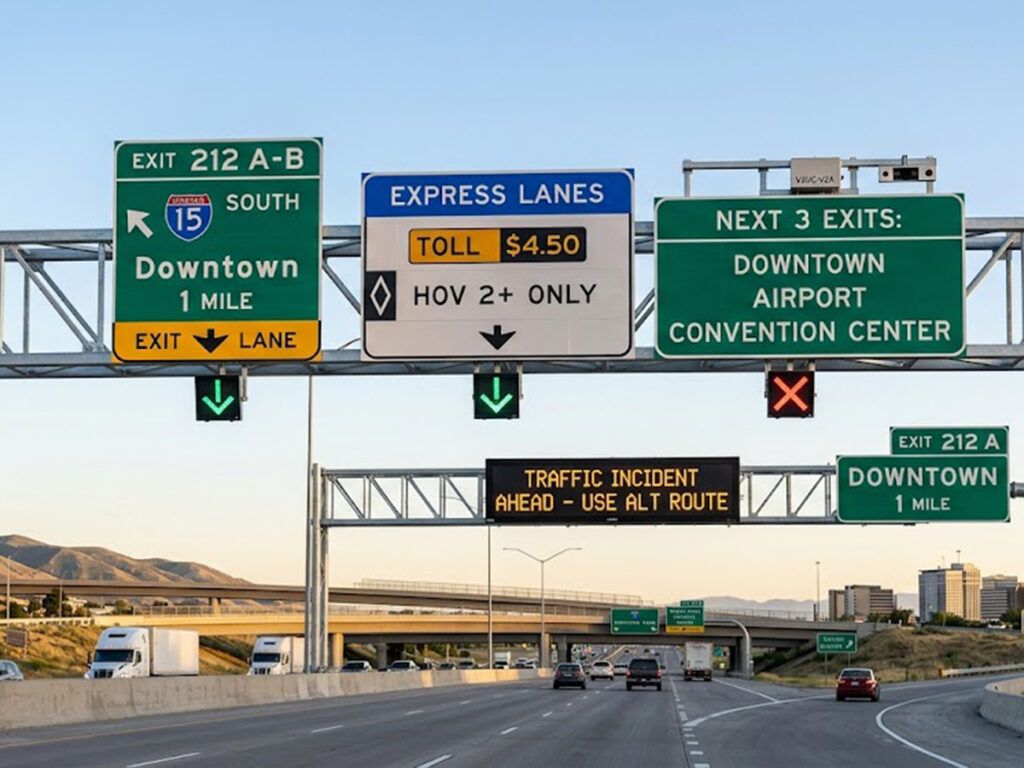
मूलभूत खरीद निर्णय - गैन्ट्री या ब्रैकट - चार अन्योन्याश्रित चर द्वारा संचालित होता है: अवधि की लंबाई, कुल साइन पैनल क्षेत्र, मार्ग - अधिकार (पंक्ति) प्रतिबंध, और अनुमानित सेवा जीवन भार की मांग. ओवरहेड साइन खरीद में गलत संरचना प्रकार का चयन करना सबसे महंगी विनिर्देश त्रुटि है, आम तौर पर रीडिज़ाइन में $40,000-$120,000 जोड़ना, पुनः अनुमति देना, और प्रति स्थापना स्थल पर पुनः निर्माण लागत.
कैंटिलीवर सिस्टम: संरचनात्मक लिफ़ाफ़ा और सीमाएँ
सिंगल-मस्तूल ब्रैकट संरचनाओं को स्पैन तक के लिए अनुकूलित किया गया है 20 मस्तूल केंद्र रेखा और पैनल क्षेत्र से फुट से अधिक नहीं 50 AASHTO LTS-6 अनुभाग प्रति वर्ग फुट 3. वे इसके लिए सही विशिष्टताएँ हैं:
- सिंगल-लेन या दो-लेन सड़क मार्ग जहां केवल एक यात्रा लेन के लिए ओवरहेड पर हस्ताक्षर की आवश्यकता होती है
- ROW सीमाओं वाली साइटें जो दोहरे-स्तंभ वाले फ़ाउंडेशन को रोकती हैं
- ऐसे इंस्टालेशन जहां 10 साल के भीतर भविष्य में डीएमएस/वीएमएस एकीकरण की योजना नहीं है
- अनुमानित कुल स्थापित लागत: $40,000 - $80,000 (2026 इकाई मूल्य निर्धारण, डीएमएस इलेक्ट्रॉनिक्स को छोड़कर)
कैंटिलीवर बांह की लंबाई मस्तूल स्तंभ पर पल भर के भार से सीधे बाधित होती है. के साथ पूरे 20-फुट बांह विस्तार पर 50 वर्ग फुट एल्यूमीनियम साइन पैनल (मृत भार: ~100 पाउंड), मस्तूल आधार पर झुकने का क्षण मानक 12-इंच शेड्यूल के लिए डिज़ाइन सीमा के करीब पहुंच जाता है 40 गैल्वेनाइज्ड स्टील पाइप कॉलम ए में 90 मील प्रति घंटे पवन जोखिम क्षेत्र (एएससीई 7-22, एक्सपोज़र श्रेणी सी).
फुल-स्पैन गैन्ट्री सिस्टम: विन्यास और क्षमता
फुल-स्पैन गैन्ट्री संरचनाएं - या तो ट्रस-कॉर्ड या रोल्ड-कॉर्ड कॉन्फ़िगरेशन - मल्टी-लेन धमनियों और अंतरराज्यीयों के लिए सही विनिर्देश हैं जहां साइन पैनल को पूरी सड़क की चौड़ाई का विस्तार करना चाहिए. प्रमुख इंजीनियरिंग सीमाएं:
- विस्तार सीमा: 18 पैरों को 80 स्तंभ केंद्र रेखाओं के बीच पैर
- पैनल क्षेत्र की क्षमता: 50-400+ वर्ग फुट, ट्रस की गहराई और कॉर्ड सेक्शन के आधार पर
- डीएमएस/वीएमएस एकीकरण: मानक - भारी डीएमएस कैबिनेट से वितरित डेड लोड के लिए ट्रस-प्रकार को प्राथमिकता दी जाती है (8-14 पाउंड/वर्ग फुट बनाम. 2स्थिर एल्यूमीनियम पैनलों के लिए -4 पाउंड/वर्ग फुट)
- अनुमानित कुल स्थापित लागत: $150,000 - $300,000+ (2026 इकाई मूल्य निर्धारण, दोहरी नींव के साथ पूर्ण-अवधि, इलेक्ट्रॉनिक्स को छोड़कर)
वेल्डेड ट्रस कॉन्फ़िगरेशन उपरोक्त स्पैन के लिए बेहतर कठोरता-से-वजन अनुपात प्रदान करते हैं 45 पैर. रोल्ड-कॉर्ड ट्रस 18-40 फुट के स्पैन के लिए लागत प्रभावी हैं जहां संयुक्त मृत और पवन भार के तहत विक्षेपण कम महत्वपूर्ण है. आरएफपी में अधिकतम स्वीकार्य विक्षेपण निर्दिष्ट करें (AASHTO LTS-6 स्थिर संकेतों के लिए L/150 की अनुशंसा करता है, डीएमएस इकाइयों का समर्थन करने वाली साइन संरचनाओं के लिए एल/200).
ब्रिज-माउंटेड और फास्किया-ब्रैकेट कॉन्फ़िगरेशन
जहां अलग-अलग स्तंभ नींव संभव नहीं हैं - शहरी इंटरचेंज, रास्ते का संकीर्ण अधिकार, या स्ट्रीम क्रॉसिंग - ब्रिज-माउंटेड ओवरहेड साइन ब्रैकेट FHWA नीति ज्ञापन FHWA-HNG-10 के अनुसार निर्दिष्ट हैं (2018). महत्वपूर्ण विशिष्टता आवश्यकता: ब्रैकेट-माउंटेड साइन लोड की समीक्षा रिकॉर्ड के ब्रिज स्ट्रक्चरल इंजीनियर द्वारा की जानी चाहिए और ब्रिज के अनुमत लाइव लोड भत्ते से अधिक नहीं होनी चाहिए. भूकंपीय क्षेत्र 3 और 4 राजमार्ग पुलों के भूकंपीय डिजाइन के लिए एएएसएचटीओ गाइड विनिर्देशों के अनुसार अतिरिक्त रूप से ब्रैकेट-आइसोलेशन डिजाइन की आवश्यकता होती है.
पवन और संरचनात्मक भार विशिष्टताएँ: AASHTO LTS-6 अनुपालन
आशतो एलटीएस-6 (7वां संस्करण, 2023) ओवरहेड साइन संरचना डिजाइन के लिए सभी में शासी मानक है 50 राज्य और यू.एस. प्रदेशों. खरीद अधिकारियों को यह सत्यापित करना होगा कि प्रत्येक फैब्रिकेटर बोली एलटीएस -6 लोड प्रावधानों में निहित है - पुराने एलटीएस -5 तालिकाओं से प्रक्षेपित नहीं है, जो कैंटिलीवर आर्म कनेक्शन पर थकान की मांग को कम आंकता है 22% उच्च-चक्र राजमार्ग वातावरण में.
बुनियादी हवा की गति और थकान भार श्रेणियाँ
एलटीएस-6 एएससीई के अनुसार डिजाइन निर्दिष्ट करता है 7-22 हवा की गति के मानचित्र. प्रमुख खरीद विशिष्टता डेटा बिंदु:
- एक्सपोज़र श्रेणी सी (खुला भूभाग, उपनगरीय राजमार्ग): 90-115 मील प्रति घंटे की बुनियादी हवा की गति पर फ्लैट साइन पैनल पर 18-28 पीएसएफ हवा का दबाव डिज़ाइन करें
- एक्सपोज़र श्रेणी डी (तटीय, तट): डिज़ाइन पवन दबाव 30-45 पीएसएफ - प्रति गैन्ट्री बे संरचनात्मक स्टील टन भार 25-40% बढ़ाता है
- थकान श्रेणी I (उच्च यातायात अंतरराज्यीय): एलटीएस-6 अनुभाग के अनुसार भंवर शेडिंग और सरपट विश्लेषण की आवश्यकता है 11; आरएफपी में डैम्पर हार्डवेयर निर्दिष्ट करें
- खींचें गुणांक (सीडी): फ्लैट पैनल संकेत = 1.7; लौवर-चेहरे के संकेत = 1.3; छिद्रित पैनल = 0.8-1.2
एक महत्वपूर्ण खरीद लाल झंडा: थकान भार श्रेणी और एक्सपोज़र वर्गीकरण को स्पष्ट रूप से संदर्भित किए बिना पवन भार अनुपालन का हवाला देने वाले किसी भी फैब्रिकेटर को पुनः सबमिट करना आवश्यक होना चाहिए. अकेले हवा की गति संरचनात्मक मांग को परिभाषित नहीं करती है - थकान चक्र गणना और लोड स्पेक्ट्रम 20 साल की सेवा जीवन के लिए समान रूप से निर्धारक हैं.
कंपन शमन हार्डवेयर विशिष्टताएँ
एनसीएचआरपी रिपोर्ट 469 (ब्रैकट सिग्नल का थकान-प्रतिरोधी डिज़ाइन, संकेत, और प्रकाश का समर्थन करता है) शमन हार्डवेयर विशिष्टता के लिए आधार प्रदान करता है. इन वस्तुओं को आरएफपी दायरे में स्पष्ट रूप से शामिल करें:
- स्ट्रट डैम्पर्स (चिपचिपा प्रकार): ब्रैकट हथियारों से अधिक के लिए आवश्यक है 14 थकान श्रेणी I और II वातावरण में पैर
- प्रतिभार: द्रव्यमान अनुपात निर्दिष्ट करें (काउंटरवेट मास/साइन पैनल मास) ब्रैकट आर्म टिप सरपट नियंत्रण के लिए 0.8-1.2 का
- विकर्ण ब्रेसिंग: सभी गैन्ट्री ट्रस स्पैन से अधिक के लिए आवश्यक है 60 असममित पवन लोडिंग के तहत विमान से बाहर के उतार-चढ़ाव को नियंत्रित करने के लिए पैर
सामग्री विशिष्टता: 2026 संरचनात्मक और पैनल मानक
ओवरहेड साइन सिस्टम के लिए संरचनात्मक सामग्री का चयन 2026 दो अभिसरण शक्तियों द्वारा पुनः आकार दिया जा रहा है: संघीय राजमार्ग प्रशासन (एफएचडब्ल्यूए) अद्यतन खरीदें अमेरिका प्रावधानों को लागू करना-जिनके लिए विनिर्मित उत्पादों तक पहुँचने की आवश्यकता होती है 55% अक्टूबर तक छूट चरण समाप्त होने पर घरेलू सामग्री सीमा समाप्त हो जाएगी 1, 2026-और एचडीपीई मिश्रित पैनलों की बढ़ती स्वीकार्यता (स्रोत: HTTPS के://www.crowell.com/en/insights/client-alerts/end-of-the-road-fwa-rescinds-longending-buy-america-waiver-for-manufactured-products)
जबकि पहले की उद्योग चर्चाएँ पुनर्नवीनीकरण सामग्री प्रतिशत पर केंद्रित थीं, वर्तमान नियामक प्राथमिकता घरेलू विनिर्माण स्थान और सामग्री सोर्सिंग बनी हुई है. संरचनात्मक पक्ष पर, इंजीनियर डेड-लोड तनाव को कम करने के लिए ब्रैकट हथियारों के हल्के वजन वाले विकल्प के रूप में एचडीपीई मिश्रित पैनलों के मुकाबले एल्यूमीनियम के जीवनचक्र का तेजी से मूल्यांकन कर रहे हैं।. नीचे इन सामग्रियों के प्रत्यक्ष प्रदर्शन विश्लेषण के लिए 2026 अनुपालन मानक, एचडीपीई बनाम. एल्यूमिनियम राजमार्ग संकेत: एक तकनीकी प्रदर्शन तुलना आवश्यक जीवनचक्र और लागत डेटा प्रदान करता है जो सीधे आधुनिक ओवरहेड साइन पैनल विनिर्देशों को सूचित करता है.
संचरना इस्पात: कॉलम और कॉर्ड सदस्य
प्राथमिक संरचनात्मक सदस्य - स्तंभ, ट्रस कॉर्ड, और विकर्ण स्ट्रट्स - के रूप में निर्दिष्ट हैं:
- एएसटीएम ए572 ग्रेड 50 गैल्वनाइज्ड संरचनात्मक स्टील: न्यूनतम उपज शक्ति 50 केएसआई; एएसटीएम ए123 के अनुसार हॉट-डिप गैल्वेनाइज्ड (न्यूनतम 3.0 संरचनात्मक अनुभागों के लिए औंस/वर्ग फुट)
- एएसटीएम ए500 ग्रेड सी राउंड एचएसएस: ब्रैकट मस्तूल स्तंभों के लिए मानक (50 केएसआई न्यूनतम उपज)
- एंकर बोल्ट असेंबलियाँ: एएसटीएम एफ1554 ग्रेड 55 या 105, डिज़ाइन तनाव की मांग पर निर्भर करता है; राज्य DOT भाषा में AASHTO M314 समकक्ष निर्दिष्ट करें
साइन पैनल सामग्री: एल्यूमीनियम बनाम. एचडीपीई कम्पोजिट
ओवरहेड संरचनाओं पर पैनल सामग्री का चयन मुख्य रूप से एक डेड-लोड प्रबंधन निर्णय है:
- 6061-T6 एल्यूमीनियम: 2-4 पाउंड/वर्ग फुट; स्थैतिक गाइड संकेतों के लिए मानक विशिष्टता, अग्रिम चेतावनी के संकेत, और सभी विनियामक ओवरहेड पैनल; उत्कृष्ट रेट्रोरिफ्लेक्टिव शीटिंग आसंजन
- एचडीपीई मिश्रित पैनल: 1.4-2.0 पाउंड/वर्ग फुट (30एल्युमीनियम से -40% हल्का); 2026 में पायलट कार्यक्रम 7+ राज्य अमेरिका; का यूवी स्थिरीकरण समीक्षा अंतराल निर्दिष्ट करें 5 वर्ष और टाइप XI रेट्रोरिफ्लेक्टिव शीटिंग चिपकने वाले सिस्टम के साथ संगतता सत्यापित करें
पुनर्मिलन -पत्रक: ओवरहेड-विशिष्ट आवश्यकताएँ
18-25 फीट की ओवरहेड माउंटिंग ऊंचाई के लिए जमीन पर लगे संकेतों की तुलना में काफी अधिक रेट्रोरिफ्लेक्टिव प्रदर्शन की आवश्यकता होती है. सभी ओवरहेड पैनलों के लिए ASTM D4956 टाइप IX या टाइप XI प्रिज्मीय रेट्रोरिफ्लेक्टिव शीटिंग निर्दिष्ट करें. न्यूनतम रेट्रोरिफ्लेक्टिविटी गुणांक (आरए) ओवरहेड गाइड संकेतों के लिए प्रति एमयूटीसीडी तालिका 2ए-3: हरे रंग की पृष्ठभूमि पर सफेद किंवदंती - न्यूनतम सफेद 250 सीडी/लक्स/एम², हरा न्यूनतम 15 सीडी/लक्स/एम². टाइप XI शीटिंग बेहतर ADAS-संगत प्रदर्शन प्रदान करती है और है 2026 नए गलियारे की स्थापना के लिए मानक.
संक्षारण संरक्षण: तटीय और औद्योगिक क्षेत्र विशिष्टताएँ
तटीय के लिए (एक्सपोज़र श्रेणी डी) और औद्योगिक गलियारा स्थापना:
- एएसटीएम ए123 के अनुसार हॉट-डिप गैल्वनाइजिंग + साइन कैबिनेट और सेकेंडरी सदस्यों के लिए गैल्वेनाइज्ड सतह पर टीजीआईसी पॉलिएस्टर पाउडर कोट
- अतिरिक्त एपॉक्सी प्राइमर बैरियर कोट (2-4 मिलियन डीएफटी) भीतर संरचनाओं के लिए 0.5 मीलों तक फैले खारे जलस्रोत
- नमक-स्प्रे प्रतिरोध सत्यापन: एएसटीएम बी117, तटीय क्षेत्र की खरीद के लिए न्यूनतम 1,000 घंटे का परीक्षण; आरएफपी में अनिवार्य सबमिटल आवश्यकता के रूप में निर्दिष्ट करें
ओवरहेड साइन इंस्टालेशन के लिए MUTCD और FHWA विनियामक अनुपालन
MUTCD भाग 2E प्लेसमेंट को नियंत्रित करता है, निकासी, और एक्सप्रेसवे और फ्रीवे पर ओवरहेड गाइड संकेतों के लिए रेट्रोरिफ्लेक्टिविटी आवश्यकताएं. ओवरहेड और ग्राउंड-माउंटेड साइन सिस्टम दोनों को कवर करने वाले एक व्यापक इंस्टॉलेशन अनुपालन ढांचे के लिए, देखें एफएचडब्ल्यूए & राजमार्ग चिह्न स्थापना के लिए MUTCD आवश्यकताएँ क्लस्टर आलेख. निम्नलिखित अनुभाग ओवरहेड-विशिष्ट प्रावधानों पर प्रकाश डालता है जो नियमित रूप से खरीद और स्थापना में अनुपालन विफलताएं उत्पन्न करते हैं.
क्लीयरेंस और लेटरल प्लेसमेंट आवश्यकताएँ
MUTCD धारा 2E.47 के अनुसार न्यूनतम ऊर्ध्वाधर मंजूरी:
- ग्रामीण एक्सप्रेसवे और फ्रीवे: 17.5 सड़क की सतह से साइन पैनल के सबसे निचले बिंदु तक फीट
- शहरी एक्सप्रेसवे (पोस्ट की गई गति 45 मील प्रति घंटा+): 16.5 पैरों की न्यूनतम निकासी
- ट्रक यातायात वाली शहरी सड़कें: 16.0 पैर न्यूनतम; स्थानीय रूप से सत्यापित करें - कई राज्य डीओटी सख्त आवश्यकताएं लागू करते हैं
- यात्रा मार्ग किनारे से पार्श्व ऑफसेट: गैन्ट्री कॉलम को यात्रा लेन के किनारे से न्यूनतम 6 फुट की दूरी बनाए रखनी चाहिए; ब्रैकट मस्तूल न्यूनतम होना चाहिए 4 किनारे की पट्टी से पैर
रोशनी और विद्युत विशिष्टताएँ
उच्च मात्रा में रात के समय यातायात की सेवा देने वाले विभाजित राजमार्गों पर ओवरहेड संकेतों को एमयूटीसीडी रेट्रोरिफ्लेक्टिविटी न्यूनतम रखरखाव मानकों को पूरा करना होगा (वार्षिक रेट्रोरिफ्लेक्टोमीटर माप कार्यक्रम के तहत आवश्यक है 23 सीएफआर भाग 655). आंतरिक रूप से प्रकाशित ओवरहेड साइन कैबिनेट के लिए:
- एनईसी लेख 600 सभी विद्युत कनेक्शनों का अनुपालन
- खोखले एचएसएस स्तंभ अनुभागों के अंदर नाली मार्ग: आंतरिक रन के लिए न्यूनतम ईएमटी नाली निर्दिष्ट करें; किसी भी बाहरी नाली खंड के लिए कठोर गैल्वेनाइज्ड नाली
- आधार पर जीएफआई सर्किट सुरक्षा: सभी प्रबुद्ध और डीएमएस ओवरहेड स्थापनाओं के लिए आवश्यक
- वृद्धि संरक्षण: डीएमएस/वीएमएस इलेक्ट्रॉनिक्स के लिए अनिवार्य - आईईईई सी62.41 श्रेणी सी-रेटेड सर्ज सप्रेशन निर्दिष्ट करें; आमतौर पर आरएफपी से हटा दिया जाता है और अक्सर इलेक्ट्रॉनिक्स विफलता का स्रोत होता है
स्मार्ट-सिटी और एडीएएस एकीकरण: 2026 संरचनात्मक तत्परता विशिष्टताएँ
USDOT's “कनेक्टिविटी के साथ जीवन बचाना” पहल राष्ट्रव्यापी V2X रोलआउट चला रही है, अल्पकालिक लक्ष्यों से सुसज्जित करने का लक्ष्य 20% राष्ट्रीय राजमार्ग प्रणाली का (एन एच एस) द्वारा इंटरऑपरेबल कनेक्टिविटी के साथ 2028 (स्रोत: HTTPS के://www.transportation.gov/briefing-room/usdot-releases-national-deployment-plan-vehicle-everything-v2x-technologies-reduce, HTTPS के://www.infrainsightblog.com/usdots-recent-announcement-on-connected-vehicles-to-increase-roadway-safety). खरीद अधिकारियों के लिए, इसका मतलब है कि संघीय राजमार्ग नेटवर्क के प्रत्येक पांच मील में से लगभग एक मील V2I के लिए निर्धारित है (वाहन-असंतुलन) इस दशक के भीतर एकीकरण.
नई गैन्ट्री और ब्रैकट स्थापनाओं को निर्दिष्ट करना 2026 एक आलोचनात्मक प्रस्ताव देता है, शामिल करने के लिए संकीर्ण खिड़की “भविष्य के लिए तैयार” प्रावधान—जैसे समर्पित बिजली कटौती, बैकहॉल नाली, और आरएसयू (सड़क किनारे इकाई) प्रारंभिक निर्माण के दौरान प्रति संरचना $1,000-$8,000 की सीमांत लागत पर ब्रैकेट स्थापित करना. इसके विपरीत, स्थापना के बाद इन संरचनाओं को फिर से फिट करने की प्रतीक्षा करने से प्रति साइट $25,000-$90,000 तक की लागत बढ़ सकती है, विशेष रूप से जब यातायात नियंत्रण को ध्यान में रखा जाता है, विशिष्ट श्रम, और नए उपकरण भार के लिए संभावित संरचनात्मक संशोधन. संरेखित करके 2026 USDOT के साथ विशिष्टताएँ 5.9 गीगाहर्ट्ज़ स्पेक्ट्रम मानक, सड़क मार्ग पर शून्य मृत्यु के राष्ट्रीय लक्ष्य का समर्थन करते हुए एजेंसियां देर-चरण रेट्रोफिट के निषेधात्मक खर्च से बच सकती हैं.
V2I और C-V2X एंटीना माउंटिंग के लिए संरचनात्मक प्रावधान
कनेक्टेड-वाहन गलियारों में सभी नए ओवरहेड साइन संरचनाओं के लिए निम्नलिखित प्रावधान निर्दिष्ट करें:
- समर्पित नाली रेसवे (2-इंच न्यूनतम व्यापार आकार) बेस हैंडहोल से साइन कॉर्ड माउंटिंग पॉइंट तक
- प्री-ड्रिल माउंटिंग प्लेट (1/4-इंच एल्यूमीनियम, 12 एक्स 12 इंच) DSRC/C-V2X एंटीना ब्रैकेट अटैचमेंट के लिए सेंटरस्पैन पर शीर्ष कॉर्ड पर वेल्डेड
- 120सड़क किनारे इकाई के लिए शीर्ष तार स्तर पर मौसमरोधी रिसेप्टेकल के साथ V/20A समर्पित सर्किट प्रावधान (आरएसयू) शक्ति
- वजन बजट भत्ता: न्यूनतम 15 संरचनात्मक गणना में प्रति एंटीना/आरएसयू असेंबली में एलबीएस आरक्षित डेड लोड क्षमता
ADAS-संगत साइन फेस विशिष्टताएँ
स्वायत्त और अर्ध-स्वायत्त वाहन पहचान के लिए मशीन-पठनीय ओवरहेड साइन आवश्यकताएँ (एसएई स्तर 2-4 एडीएएस सिस्टम) MUTCD न्यूनतम से परे अतिरिक्त विनिर्देशन आवश्यकताएँ लागू करें:
- पुनर्मिलन: टाइप XI शीटिंग का न्यूनतम आरए 350 सफेद किंवदंती के लिए सीडी/लक्स/एम² (25% MUTCD न्यूनतम से ऊपर) 200 मीटर की रेंज पर विश्वसनीय ADAS कैमरा पहचान सुनिश्चित करने के लिए
- पैनल समतलता सहनशीलता: ±1/8 इंच प्रति फुट - कैमरा-आधारित संकेत पहचान सटीकता के लिए महत्वपूर्ण; निर्माण स्वीकृति मानदंड के रूप में निर्दिष्ट करें
- लीजेंड फ़ॉन्ट: एफएचडब्ल्यूए श्रृंखला ई मानक ओवरहेड अक्षर ऊंचाई पर न्यूनतम संशोधित; एफएचडब्ल्यूए अनुमोदन के बिना कोई संक्षिप्त या कस्टम फ़ॉन्ट नहीं
- पृष्ठभूमि क्षेत्र क्लीयरेंस: पैनल किनारे के अंदर न्यूनतम 4 इंच की स्पष्ट सीमा, संरचनात्मक सदस्य छाया से मुक्त, अबाधित मशीन विज़न कैप्चर के लिए
गतिशील संदेश चिह्न (डीएमएस) संरचनात्मक एकीकरण
पूर्ण-मैट्रिक्स एलईडी डीएमएस इकाइयां स्थिर साइन पैनलों की तुलना में काफी भिन्न संरचनात्मक मांगें लगाती हैं:
- डीएमएस कैबिनेट डेड लोड: 8-14 पाउंड/वर्ग फुट बनाम. 2स्थिर एल्यूमीनियम के लिए -4 पाउंड/वर्ग फुट - मौजूदा संरचनाओं पर डीएमएस रेट्रोफिट निर्दिष्ट करने से पहले हमेशा गैन्ट्री कॉर्ड डिज़ाइन लोड की पुनर्गणना करें
- पावर विशिष्टता: प्रति मानक डीएमएस इकाई न्यूनतम 30A/240V एकल-चरण सर्किट; सुरक्षा-महत्वपूर्ण कॉरिडोर अनुप्रयोगों के लिए प्रति एफएचडब्ल्यूए 4 घंटे का न्यूनतम यूपीएस बैकअप निर्दिष्ट करें 2025 डीएमएस पावर लचीलेपन पर अंतरिम मार्गदर्शन
- सौर + बैटरी हाइब्रिड: उभरते 2026 ग्रिड पहुंच से परे ग्रामीण गैन्ट्री स्थापनाओं के लिए विशिष्टता - न्यूनतम 3-दिवसीय स्वायत्तता निर्दिष्ट करें 25% वीएमएस संदेश प्रदर्शन के लिए कर्तव्य चक्र
खरीद विशिष्टता लेखन: ओवरहेड साइन संरचनाओं के लिए आरएफपी आवश्यकताएँ
के लिए एक अच्छी तरह से संरचित आरएफपी कस्टम ओवरहेड राजमार्ग संकेत बोली अस्पष्टता को कम करता है, सबमिटल समीक्षा चक्रों को संपीड़ित करता है, और ऐसी बोलियाँ उत्पन्न करता है जो वास्तव में तुलनीय होती हैं. निम्नलिखित अनिवार्य तत्व प्रत्येक ओवरहेड साइन संरचना खरीद पैकेज में दिखाई देने चाहिए.
तकनीकी विशिष्टता में अनिवार्य मानक संदर्भ
खरीद विनिर्देश में इन मानकों को संख्या के आधार पर शामिल करें - केवल नाम के आधार पर नहीं:
- आशतो एलटीएस-6: राजमार्ग चिह्नों के लिए संरचनात्मक समर्थन के लिए मानक विशिष्टताएँ, प्रकाश उपकरण, और ट्रैफिक सिग्नल (7वें संस्करण., 2023)
- एएससीई 7-22: इमारतों और अन्य संरचनाओं के लिए न्यूनतम डिज़ाइन भार और संबद्ध मानदंड
- एएसटीएम ए572 जीआर. 50: उच्च शक्ति वाले निम्न-मिश्र धातु कोलंबियम-वैनेडियम स्ट्रक्चरल स्टील के लिए मानक विशिष्टता
- एएसटीएम ए123: जिंक के लिए मानक विशिष्टता (गर्म स्नान जस्ती) लौह एवं इस्पात उत्पादों पर कोटिंग
- ASTM D4956: यातायात नियंत्रण के लिए रेट्रोरिफ्लेक्टिव शीटिंग के लिए मानक विशिष्टता
- एडब्लूएस डी1.1: स्ट्रक्चरल वेल्डिंग कोड - स्टील
- एनसीएचआरपी रिपोर्ट 469: ब्रैकट सिग्नल का थकान-प्रतिरोधी डिज़ाइन, संकेत, और प्रकाश का समर्थन करता है
आवश्यक फैब्रिकेटर सबमिटल्स
इन प्रस्तुतियों को बोली स्वीकृति की शर्तों के रूप में निर्दिष्ट करें:
- परियोजना स्थिति में एक लाइसेंस प्राप्त पीई द्वारा हस्ताक्षरित मुद्रांकित निर्माण चित्र
- वेल्ड प्रक्रिया विशिष्टताएँ (डब्ल्यूपीएस) और AWS D1.1 के अनुसार वेल्डर योग्यता रिकॉर्ड
- सभी संरचनात्मक इस्पात सदस्यों के लिए मिल प्रमाणन (ए572 जीआर. 50 या A500 जीआर. सी जैसा लागू हो)
- एएसटीएम ए123 के अनुसार हॉट-डिप गैल्वनाइजिंग प्रमाणन रिपोर्ट (मोटाई रीडिंग पर 5 प्रति संरचनात्मक सदस्य अंक)
- पवन भार गणना पैकेज AASHTO LTS-6 और ASCE को संदर्भित करता है 7-22 थकान श्रेणी और एक्सपोज़र वर्गीकरण के साथ स्पष्ट रूप से बताया गया है
- कारखाने की स्वीकृति के लिए परीक्षण (मोटा) डीएमएस/वीएमएस इकाइयों के लिए रिपोर्ट: एलईडी एकरूपता शामिल है, चमक आउटपुट, और संचार प्रोटोकॉल सत्यापन
फ़ील्ड स्वीकृति निरीक्षण प्रोटोकॉल
आरएफपी में स्वीकृति मानदंड परिभाषित करें - डिलीवरी के बाद की बातचीत के रूप में नहीं:
- वेल्ड गुणवत्ता: AWS D1.1 तालिका के अनुसार दृश्य निरीक्षण 8.1; स्तर निर्दिष्ट करें 2 मास्ट बेस कनेक्शन पर सभी सीजेपी वेल्ड के लिए एमटी या यूटी निरीक्षण
- गैल्वनाइजिंग मोटाई: चुंबकीय गेज माप, न्यूनतम 3.0 संरचनात्मक सदस्यों पर औंस/वर्ग फुट, न्यूनतम 2.0 हार्डवेयर पर औंस/वर्ग फुट
- एंकर बोल्ट टॉर्क: प्रत्येक एंकर बोल्ट निर्माता की स्थापना विशिष्टताओं को सत्यापित करें; कैलिब्रेटेड टॉर्क रिंच रिकॉर्ड के साथ दस्तावेज़
- रेट्रोरिफ्लेक्टिविटी स्पॉट-चेक: हैंडहेल्ड रेट्रोरिफ्लेक्टोमीटर रीडिंग प्रति एएसटीएम ई1709 न्यूनतम पर 10% प्रति शिपमेंट लॉट में पैनलों की संख्या
- यथा-निर्मित ड्राइंग प्रस्तुतीकरण: अंतिम भुगतान की शर्त; वितरण प्रारूप निर्दिष्ट करें (डीडब्ल्यूजी + पीडीएफ, भू-संदर्भित)
तकनीकी तुलना: गैन्ट्री बनाम. ब्रैकट ओवरहेड साइन संरचनाएं
| विशिष्टता पैरामीटर | ब्रैकट प्रणाली | फुल-स्पैन गैन्ट्री सिस्टम |
| विशिष्ट स्पैन रेंज | तक 20 मस्त सीएल से फीट | 18 फुट - 80 फुट (कॉलम दर कॉलम) |
| अधिकतम पैनल क्षेत्र (आशतो एलटीएस-6) | 50 प्रति हाथ वर्ग फुट | 400+ वर्ग फुट (ट्रस की गहराई पर निर्भर) |
| 2026 स्थापित लागत (इकाई, पूर्व. इलेक्ट्रानिक्स) | $40,000 - $80,000 | $150,000 - $300,000+ |
| नींव प्रकार | सिंगल ड्रिल्ड शाफ्ट या स्प्रेड फ़ुटिंग | दोहरी ड्रिल्ड शाफ्ट या फैले हुए फ़ुटिंग्स |
| पंक्ति पदचिह्न | निम्न - एकल मस्तूल, न्यूनतम ROW प्रभाव | उच्च - दोहरे स्तंभों के लिए व्यापक ROW की आवश्यकता होती है |
| डीएमएस/वीएमएस एकीकरण | सीमित - पहले डेड लोड क्षमता की जाँच करें | मानक - डीएमएस लोड के लिए ट्रस को प्राथमिकता दी जाती है |
| संरचनात्मक विन्यास | सिंगल आर्म एचएसएस/डब्ल्यूएफ मस्तूल + ब्रैकट भुजा | वेल्डेड ट्रस कॉर्ड या रोल्ड कॉर्ड ट्रस |
| प्राथमिक संरचनात्मक मानक | आशतो एलटीएस-6 सेकंड. 3 & 11 | आशतो एलटीएस-6 सेकंड. 3, 4 & 11 |
| पवन भार थकान श्रेणी (ठेठ) | श्रेणी I-II (उच्च चक्र) | श्रेणी I (अंतरराज्यीय/फ्रीवे) |
| कंपन शमन आवश्यक | हाँ - हथियारों के लिए स्ट्रट डैम्पर्स >14 फुट | स्पैन के लिए विकर्ण ब्रेसिंग >60 फुट |
| पैनल सामग्री विकल्प | एल्यूमिनियम 6061-टी6 या एचडीपीई कम्पोजिट | एल्यूमिनियम 6061-टी6 (एचडीपीई व्यवहार्य <50 वर्ग फुट पैनल) |
| आदस / V2I तत्परता | नाली निर्दिष्ट करें + माउंट प्लेट प्रावधान | नाली रेसवे निर्दिष्ट करें + शीर्ष कॉर्ड माउंट |
| भूकंपीय क्षेत्र 3-4 आवश्यकता | यदि ब्रिज-माउंटेड है तो ब्रैकेट-आइसोलेशन डिज़ाइन | कॉलम बेस आइसोलेशन प्लेटें; पीई समीक्षा |
| विशिष्ट लीड टाइम (2026) | 10-16 सप्ताह (मानक गैल्वेनाइज्ड स्टील) | 18-28 सप्ताह (डीएमएस-एकीकृत गैन्ट्री) |
| रेट्रोरिफ्लेक्टिव शीटिंग स्पेक | एएसटीएम डी4956 टाइप IX न्यूनतम; ADAS के लिए XI टाइप करें | एएसटीएम डी4956 टाइप IX न्यूनतम; ADAS के लिए XI टाइप करें |
| विद्युत प्रावधान (डीएमएस) | 30ए/240वी + 4-घंटा यूपीएस (यदि डीएमएस निर्दिष्ट है) | 30A/240V प्रति डीएमएस बे + 4-घंटा यूपीएस |
| वारंटी अपेक्षा (2026 बाज़ार) | 5-वर्ष संरचनात्मक / 10-वर्ष शीटिंग | 5-वर्ष संरचनात्मक / 10-वर्ष शीटिंग |
अक्सर पूछे जाने वाले प्रश्नों
Q1: फुल-स्पैन गैन्ट्री बनाम स्पैन की लंबाई किस प्रकार की आवश्यकता को ट्रिगर करती है?. एक ब्रैकट?
AASHTO LTS-6 के अंतर्गत एक सामान्य सीमा के रूप में, ब्रैकट हथियार संरचनात्मक रूप से लगभग व्यावहारिक हैं 20 मस्तूल केंद्र रेखा से पैर और 50 पैनल क्षेत्र का वर्ग फुट. उन सीमाओं से परे - या जब हस्ताक्षर तीन या अधिक लेन को कवर करना चाहिए - एक सिंगल-कॉलम या पूर्ण-स्पैन गैन्ट्री सही विनिर्देश है. राज्य डीओटी पूरक विनिर्देश कड़ी सीमाएं लगा सकते हैं; आरएफपी में संरचना प्रकार को अंतिम रूप देने से पहले हमेशा लागू राज्य मानक विनिर्देशों के अनुसार सत्यापित करें.
Q2: क्या किसी मौजूदा गैन्ट्री संरचना को गतिशील संदेश चिह्न के लिए दोबारा लगाया जा सकता है (डीएमएस)?
हाँ, लेकिन लाइसेंस प्राप्त पीई द्वारा औपचारिक संरचनात्मक भार पुनर्मूल्यांकन के बाद ही. डीएमएस कैबिनेट डेड लोड (8-14 पौंड/वर्ग फुट) यह उसके द्वारा प्रतिस्थापित किए गए स्थिर साइन पैनल से 3-5 गुना अधिक बड़ा हो सकता है. पुनर्मूल्यांकन को संशोधित डेड लोड के तहत शेष थकान जीवन को सत्यापित करना चाहिए, एंकर बोल्ट और फाउंडेशन की पर्याप्तता की पुष्टि करें, और विद्युत उन्नयन आवश्यकताओं का दस्तावेजीकरण करें. The 2026 एफएचडब्ल्यूए कनेक्टेड व्हीकल इंफ्रास्ट्रक्चर प्रोग्राम पात्र गलियारों पर रेट्रोफिट परियोजनाओं के लिए लागत-शेयर फंडिंग प्रदान करता है - आरएफपी जारी करने से पहले यूएसडीओटी कार्यक्रम पात्रता की जांच करें.
Q3: ओवरहेड साइन संरचना आरएफपी में एएसटीएम और एएसएचटीओ मानकों का संदर्भ दिया जाना चाहिए?
न्यूनतम पर: आशतो एलटीएस-6 (संरचनात्मक डिजाइन), एएसटीएम ए572 जीआर. 50 (संचरना इस्पात), एएसटीएम ए500 जीआर. सी (एचएसएस अनुभाग), एएसटीएम ए123 (हॉट-डिप गैल्वनाइजिंग), ASTM D4956 (पुनर्मिलन -पत्रक), एडब्लूएस डी1.1 (वेल्डिंग), और एनसीएचआरपी रिपोर्ट 469 (थकान डिजाइन). संदर्भ एएससीई 7-22 पवन भार निर्धारण के लिए. बताएं कि डीओटी मानक विनिर्देश जहां परस्पर विरोधी होते हैं, वहां इनका स्थान ले लेते हैं या उन्हें पूरक बना देते हैं.
Q4: पवन जोखिम श्रेणियां ओवरहेड साइन संरचना की लागत को कैसे प्रभावित करती हैं?
पर्याप्त रूप से. एएससीई से आगे बढ़ रहा हूं 7-22 एक्सपोज़र श्रेणी सी (मानक खुला भूभाग) एक्सपोज़र श्रेणी डी के लिए (तटीय) प्रति गैन्ट्री बे संरचनात्मक स्टील टन भार को 25-40% तक बढ़ा सकता है, उच्च डिजाइन पवन दबाव द्वारा संचालित (30-45 पीएसएफ बनाम. 18-28 पीएसएफ). इसका अर्थ है पूर्ण-अवधि संरचनाओं के लिए प्रति गैन्ट्री बे अतिरिक्त निर्माण लागत में $20,000- $60,000. आरएफपी में स्पष्ट रूप से सही एक्सपोज़र श्रेणी निर्दिष्ट करें - इसे फैब्रिकेटर की धारणा पर न छोड़ें.
Q5: कस्टम गैन्ट्री साइन संरचनाओं के लिए सामान्य खरीद लीड समय क्या है? 2026?
मानक गैल्वेनाइज्ड स्टील कैंटिलीवर संरचनाएं: 10-पीओ से डिलीवरी तक 16 सप्ताह. पूर्ण-अवधि गैन्ट्री संरचनाएँ: 14-22 सप्ताह. पूर्ण इलेक्ट्रॉनिक्स के साथ डीएमएस-एकीकृत गैन्ट्री: 18-28 सप्ताह. आपूर्ति श्रृंखला नोट: 2024 के बाद स्ट्रक्चरल स्टील लीड टाइम स्थिर हो गया है, लेकिन विशेष घटक - कस्टम एंकर बोल्ट असेंबली, ऊपर बड़ी बेस प्लेटें 2 इंच मोटा, और डीएमएस इलेक्ट्रॉनिक्स - शेड्यूल में 4-8 सप्ताह जोड़ सकते हैं. आरएफपी जारी करने से पहले परियोजना अनुसूची में खरीद लीड समय शामिल करें, पुरस्कार के बाद नहीं.
Q6: क्या एचडीपीई पैनल सामग्री एफएचडब्ल्यूए द्वारा ओवरहेड साइन अनुप्रयोगों के लिए अनुमोदित है?
एचडीपीई मिश्रित पैनल अभी तक एफएचडब्ल्यूए मानक विनिर्देशों के तहत सार्वभौमिक रूप से अनुमोदित नहीं हैं 2026, लेकिन राज्य-विशिष्ट पायलट कार्यक्रमों के तहत अनुमति दी गई है 7+ राज्य अमेरिका. संघीय-सहायता परियोजनाओं पर खरीद अधिकारियों को यह सत्यापित करना होगा कि किसी भी एचडीपीई पैनल विनिर्देश को आरएफपी में शामिल करने से पहले लिखित एफएचडब्ल्यूए डिवीजन कार्यालय की सहमति प्राप्त हुई है।. गैर-संघीय सहायता वाली परियोजनाओं के लिए, लागू राज्य डीओटी सामग्री अनुमोदन सूची की जाँच करें.
संदर्भ
- 1. आशतो एलटीएस-6 (2023): राजमार्ग चिह्नों के लिए संरचनात्मक समर्थन के लिए मानक विशिष्टताएँ, प्रकाश उपकरण, और ट्रैफिक सिग्नल, 7वां संस्करण. अमेरिकन एसोसिएशन ऑफ़ स्टेट हाइवे एंड ट्रांसपोर्टेशन ऑफ़िशियल्स. store.transportation.org
- 2. एफएचडब्ल्यूए एमयूटीसीडी भाग 2ई (2023 संस्करण): मार्गदर्शक संकेत - एक्सप्रेसवे और फ़्रीवेज़. संघीय राजमार्ग प्रशासन. mutcd.fwa.dot.gov
- 3. एएससीई 7-22: इमारतों और अन्य संरचनाओं के लिए न्यूनतम डिज़ाइन भार और संबद्ध मानदंड. अमेरिकन सोसायटी ऑफ सिविल इंजीनियर्स. asce.org/publications-and-news/asce-7
- 4. एनसीएचआरपी रिपोर्ट 469: ब्रैकट सिग्नल का थकान-प्रतिरोधी डिज़ाइन, संकेत, और प्रकाश का समर्थन करता है. परिवहन अनुसंधान बोर्ड, राष्ट्रीय विज्ञान अकादमियाँ. nap.edu/catalog/10076
- 5. FHWA नीति ज्ञापन FHWA-HNG-10 (2018): पुल संरचनाओं के अनुलग्नकों पर हस्ताक्षर करें. संघीय राजमार्ग प्रशासन. fwa.dot.gov/bridge