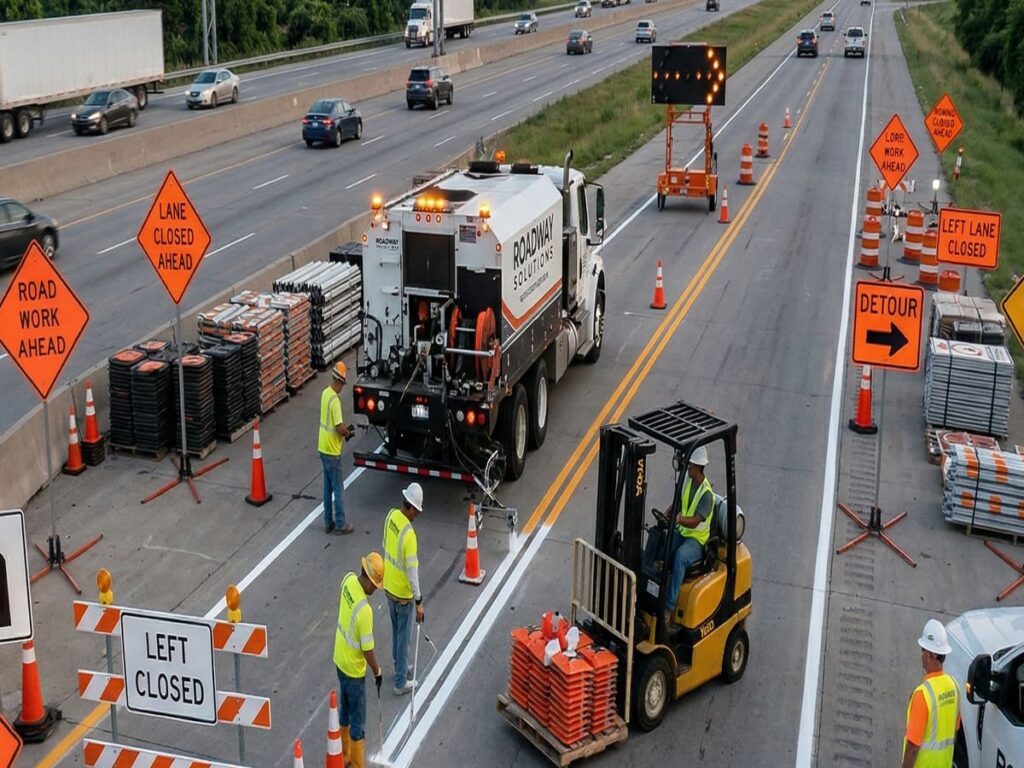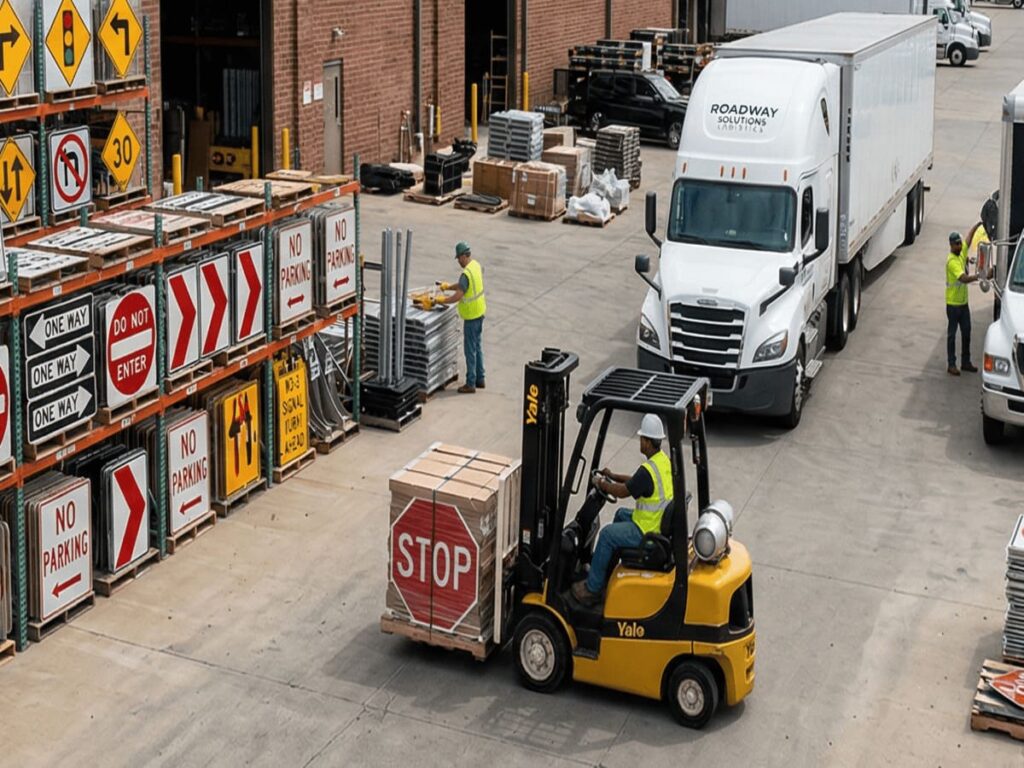
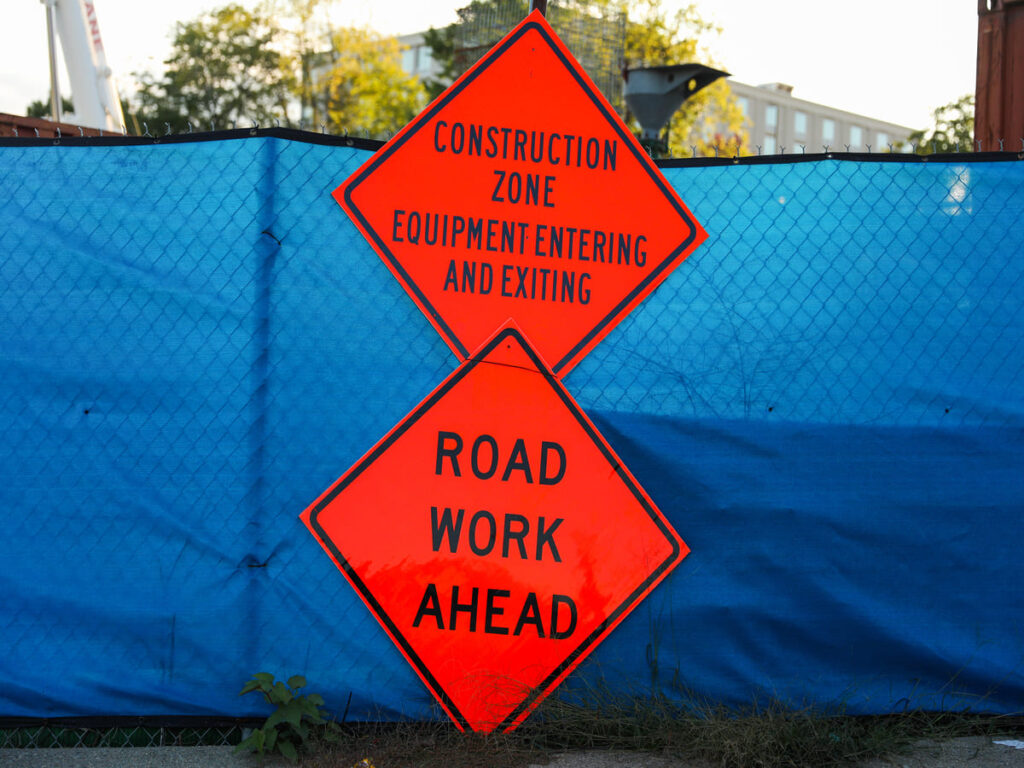
Adquisición de señalización para la construcción determina si un sitio trata los letreros como “pizarras desechables” o reutilizables, activos rastreables. Remodela el control de costos, disciplina de seguridad, y ritmo operativo.
Las zonas de trabajo son entornos de alta fricción donde la logística a menudo se traga las ganancias.. Los puntos de referencia de la industria sugieren que hasta 30% de señalización del sitio de construcción se reemplaza prematuramente debido a daños en tránsito, robo, o un seguimiento deficiente del inventario en lugar del desgaste real. Mientras tanto, Las citaciones más frecuentes de OSHA a menudo implican “Señalización y señalización” deficiencias, donde las sanciones por día por infracciones graves pueden exceder $16,000.
En ese contexto, la señalización no puede permanecer en el cubo de “suministros varios”. Cuando las señales fallan, las tripulaciones luchan. Cuando las señales desaparecen, Los supervisores reordenan sin hacer preguntas.. Un modelo más inteligente trata la señalización como un activo operativo con un costo total de propiedad mensurable (TCO).
Para una visión fundamental de los tipos de seguridad y los requisitos legales, consulte nuestro Guía completa de señalización para la construcción.
Adquisición de señalización para la construcción y costo total de propiedad (TCO)
La mayoría de los equipos conocen el precio unitario de un letrero.. Menos equipos conocen el costo real por rotación de proyecto. Ese punto ciego genera desperdicio repetido.
Una forma práctica de solucionarlo es adoptar el lenguaje TCO de la gestión de activos.. El marco de gestión de activos de ISO se centra en la gestión de activos a lo largo de su ciclo de vida para generar valor.. Esta mentalidad se refleja claramente en la señalización de la construcción., porque las señales tienen un ciclo de vida y brindan valor solo cuando los equipos pueden implementarlas rápidamente, mantenlos legibles, y reutilizarlos en todos los sitios.
Un modelo viable de coste total de propiedad para la adquisición de señalización de construcción incluye cuatro categorías:
- Costo de adquisición: caras, sustratos, marcos, postes, hardware de montaje
- Costo de manejo: transporte, tiempo de carga, movimientos de patio, reinicios en el sitio
- Costo de pérdidas y daños: aplastamiento de bordes, desvanecimiento ultravioleta, robo, misplacement
- Downtime cost: delays when the right sign is missing or unreadable
Once procurement teams track those buckets, the conversation changes. Price stops being the only lever. Rotation life, damage rate, and update speed become equal decision factors.
Understanding these variables is the first step toward turning signage from a sunk cost into a manageable asset. To see how these factors translate into real-world numbers—and how your procurement strategy can drive significant budget recovery—read our full analysis: Impacto financiero de las señales de construcción: Costo, ROI, Ahorros.
Strategic Construction Signage Material Selection: The ROI of Durability
Material choice decides whether signs survive the real jobsite. Sol, grit, tape residue, and constant handling punish “cheap” decisions fast. Como resultado, el mejor construction signage procurement La estrategia coincide con el nivel de material con la exposición y la intensidad de manejo., no a esperanzas de vida.
Lo que falla primero en el campo
En muchos sitios, Los materiales no “caducan” solo por el clima.. Fallan por estrés operativo:
- Las esquinas se arrugan durante el apilado.
- Se enfrenta a arañazos durante el transporte.
- abrasión de impresión por limpieza repetida
- Los paneles se deforman cuando se almacenan bajo carga desigual.
- La exposición a los rayos UV opaca el contraste con el tiempo
Ese patrón de fracaso importa, porque significa que la adquisición debe optimizarse para la durabilidad del manejo, no sólo calificación al aire libre.
Un modelo práctico por niveles para materiales de señalización de construcción.
A continuación se muestra una forma fácil de adquirir de pensar en los sustratos.. Los rangos de esperanza de vida varían según el clima., protección de impresión, y cómo los equipos manejan las señales, por lo que los equipos deben tratarlos como insumos de planificación, no garantiza.
| Nivel de materiales | Caso de uso más adecuado | por que gana | Señal común de planificación del ciclo de vida |
|---|---|---|---|
| plastico corrugado (Coroplast) | mensajería de ciclo corto, intercambios rápidos, manejo más ligero | bajo costo, impresión rápida, fácil de mover | La exposición a los rayos UV al aire libre puede acortar la vida.; La protección UV lo extiende. |
| Plástico corrugado de alta resistencia | movimientos repetidos entre proyectos | mejor rigidez, menos aplastamiento de bordes | Los equipos a menudo lo tratan como el nivel de plástico de "rotación". |
| Material compuesto de aluminio (ACM) | sitios de varios años, alta exposición, alta reutilización | rígido, estable, calificación de servicio largo al aire libre | uso en exteriores a menudo clasificado alrededor 10–15 años Dependiendo de las condiciones |
Dos notas mantienen esta tabla honesta.
Primero, El plástico corrugado puede durar más en exteriores con protección UV., pero el manejo real de la construcción a menudo reduce esa vida teórica.. Los proveedores de Coroplast comúnmente citan una vida más corta en UV directo sin protección y una vida más larga con protección..
Segundo, La durabilidad del ACM a menudo parece excelente sobre el papel, Sin embargo, los gráficos y los sobrelaminados aún necesitan planificación.. En otras palabras, La vida del sustrato y la legibilidad de la cara no siempre terminan al mismo tiempo..
Para una mirada más profunda sobre qué materiales sobreviven mejor a condiciones extremas, lee la publicación completa: Materiales para letreros de construcción que duran en entornos hostiles.
La lógica del retorno de la inversión que los compradores realmente pueden utilizar
Un equipo de adquisiciones no necesita una previsión perfecta. Necesita comparaciones repetibles. Un método limpio de retorno de la inversión utiliza el “costo por implementación exitosa”,” no “costo por unidad”.
- Una cara de bajo costo que falla después de una rotación estricta puede costar más que una cara premium reutilizada en tres proyectos..
- Un sustrato rígido que evite la deformación puede reducir la frecuencia de reimpresión y reducir el tiempo que el equipo dedica a “hacer que una mala señal funcione”.
- Un material que se limpia con un paño sin imágenes fantasma puede preservar la legibilidad, que protege la postura de cumplimiento y reduce el retrabajo.
Esta es la razón por la que la señalización duradera del sitio se convierte en una palanca comercial, no sólo una línea de seguridad. El valor se compone a través de rotaciones..
El marco de adquisición de letreros de construcción modular
Un sistema modular es la forma más rápida de reducir el desperdicio de reemplazo sin ralentizar las operaciones. La idea central es simple.. Mantener la estructura a largo plazo, e intercambia el mensaje rápido.
Desacoplar el marco del gráfico.
En modulares construction signage procurement, el equipo invierte en componentes de larga duración:
- marcos
- postes y bases
- hardware de montaje
- soluciones de borde protector
Luego, el equipo trata los gráficos como inserciones o caras específicas del proyecto.. Esta estructura hace dos cosas a la vez.. Reduce la pérdida de activos, y convierte los cambios de contenido en un proceso controlado.
OPTRAFICO simplifica esto con un ventanilla única para toda la señalización del sitio. Proporcionan de todo, desde marcos de letreros de alta resistencia hasta letreros de seguridad estándar y tableros personalizados en un solo pedido.. Obteniendo todas las piezas de un solo proveedor, Los equipos se aseguran de que todo encaje perfectamente y ahorran tiempo al evitar múltiples proveedores..
Desde señales de advertencia básicas hasta kits de montaje completos, OPTRAFICO ofrece todo lo necesario para que un sitio esté listo y cumpla con las normas.
La estandarización reduce la fricción logística
El tamaño estándar no es una "preferencia de marca". es ingeniería logística.
Cuando una empresa estandariza alrededor de uno o dos tamaños dominantes, se reduce:
- Complejidad de almacenamiento en el patio.
- variabilidad de carga de camiones
- errores durante las transferencias del sitio
- Tiempo perdido buscando el “marco adecuado”
Un estándar común como 24″×36″ Funciona porque equilibra la visibilidad y el manejo.. Incluso cuando un sitio necesita formatos especiales, Una red troncal estandarizada aún reduce la cantidad de SKU únicas que la adquisición debe gestionar.. Para optimizar su inventario y garantizar que cada tablero se ajuste perfectamente a los marcos y publicaciones de su sitio., explore nuestra guía experta sobre cómo seleccionar las dimensiones más eficientes para proyectos a gran escala: Por qué sólo compran los gigantes de la infraestructura 2 Tamaños de letreros de construcción.
Por qué la modularidad acelera las actualizaciones
La modularidad es más importante cuando el alcance cambia a mitad de camino. Un desvío cambia. El nombre de un contratista cambia. Una zona de peligro se expande. Si el sistema requiere reemplazo de pensión completa, Los costos aumentan y el sitio se ralentiza..
Un sistema modular puede reducir drásticamente el tiempo de actualización porque los equipos solo intercambian la capa gráfica.. Eso mejora la velocidad de cumplimiento y reduce la tentación de "dejar el registro anterior por ahora". En la práctica, esa disciplina también reduce la confusión para conductores y trabajadores.
Gestión de la logística y la facturación en múltiples sitios
Las operaciones en múltiples sitios rompen los débiles sistemas de adquisiciones. Los signos se desvían. Los desajustes de hardware se multiplican. El inventario se convierte en conocimiento tribal. Por lo tanto, Un plan sólido de adquisición de señalización para la construcción debe incluir mecanismos de rotación..
La “realidad de los cinco sitios” que provoca la pérdida de señales
Cuando las empresas ejecutan varios sitios simultáneos, aparece el mismo patrón:
- un sitio termina y devuelve el equipo tarde
- otro sitio comienza y toma prestados carteles "temporalmente"
- un tercer sitio cambia el alcance y acumula repuestos
- El patio pierde visibilidad de lo que existe y de dónde se asienta.
Con el tiempo, la empresa sigue comprando carteles que ya posee. Eso no es un error de compra.. Es una falla de seguimiento de activos..
Los daños durante el transporte son predecibles, así que diseña para ello
Sign damage often looks random, yet the causes repeat.
Edge crush often comes from stacking without corner protection. Warping often comes from uneven load during transport. Surface abrasion often comes from grit trapped between faces. Mientras tanto, UV embrittlement accelerates when signs sit face-up in sun for long periods.
Procurement can prevent these failures without turning the blog into a “checklist.” Three design choices do most of the work:
- Controlled stacking geometry that keeps load off corners
- Separation layers that prevent grit-on-face abrasion
- Covered staging rules that reduce unnecessary UV exposure
Those choices reduce replacements because they attack the root causes, not the symptoms.
Inventory tracking that contractors actually sustain
Many teams fail at tracking because they choose systems that require perfect discipline. The goal should be “good enough visibility,” not perfection.
A practical model uses lightweight identification:
- a simple asset ID on the back of each sign
- a phone-based log that records “checked out to Site A”
- a condition tag like “OK / Reparar / Retire”
This approach supports two operational questions procurement must answer:
- How many deployable signs exist today?
- How many will need replacement before the next rotation?
Once those answers exist, signage turnover stops being chaos. It becomes a managed flow.
If you are tired of dealing with lost or damaged signs across different sites, or wondering why your work signage is unusable after just one project, our deep dive offers the solution you need. Lea el análisis completo para aprender cómo romper el “letrero de un solo uso” trampa: El desafío de los cinco sitios: Por qué falla la señalización de su construcción después de un proyecto (y cómo solucionarlo).
Adquisiciones de Cumplimiento y Normas Especializadas
El cumplimiento no es un libro de reglas. Un sitio de construcción y un proyecto adyacente a una carretera pueden requerir especificaciones diferentes, incluso si ambos “usan señas”.
Señales de obras viales vs.. Señales de obra
Para trabajos adyacentes a la carretera, Los dispositivos de control de tráfico deben alinearse con Muescato Requisitos en muchos contextos.. La norma de construcción de OSHA establece explícitamente que el diseño y uso de dispositivos de control de tráfico para la protección de los trabajadores de la construcción deben cumplir con la Parte 6 del Mutcd.
Ese punto es importante para las adquisiciones.. Significa que la selección de señales no se trata sólo del contenido del mensaje.. Se vincula al tipo de dispositivo correcto., despliegue correcto, y expectativas de desempeño correctas.
La 11ª edición del MUTCD también es importante para la planificación actual. La FHWA señala que la regla final que adopta la undécima edición se publicó en diciembre 19, 2023, con fecha efectiva de enero 18, 2024, y los estados deben adoptarlo como su estándar legal dentro de dos años.
La reflectividad no es algo “agradable” cerca del tráfico
El trabajo adyacente a la carretera a menudo requiere desempeño retrorreflectante. Los equipos de adquisiciones deben tratar la selección de láminas reflectantes como una variable de especificación., no como una ocurrencia tardía.
Se hace referencia comúnmente a ASTM D4956 como marco de clasificación de láminas., pero cubre el componente de lámina, no es el sistema de señalización completo instalado. Este matiz ayuda a las adquisiciones a evitar un error común.. Un equipo puede comprar “buenas láminas” y aun así obtener un rendimiento deficiente en el campo si imprime, cubrir, o las opciones de instalación degradan la legibilidad.
Los sistemas de diseño de señales de seguridad también importan
Incluso cuando un sitio no es adyacente a la autopista, OSHA todavía regula cómo las señales de seguridad en la construcción comunican los peligros. La Subparte G de OSHA hace referencia a los formatos de señales de seguridad ANSI para las especificaciones de señales de peligro y precaución..
Esto influye en la contratación de forma práctica.. Un comprador que estandariza los sistemas de diseño de letreros reduce la confusión entre equipos y sitios. La coherencia mejora la velocidad de comprensión., especialmente cuando una fuerza laboral incluye antecedentes lingüísticos mixtos.
Si tiene dificultades para mantenerse al día con los estándares cambiantes o se pregunta qué reglas específicas se aplican a su proyecto actual, Nuestra inmersión profunda en los estándares de seguridad proporciona la claridad que necesita.. Lea la guía completa para asegurarse de que su sitio cumpla totalmente con las normas y esté listo para ser auditado.: Cumplimiento de la señalización en el sitio de construcción: Entendiendo MUTCD y OSHA.
Calculando su señalización “Tasa de quema”
La tasa de consumo convierte las adquisiciones en un sistema mensurable. También expone los “costos ocultos” que los equipos suelen ignorar..
Una fórmula limpia se ve así:
Tasa de quemado = (Compra inicial + Transporte + Reemplazo por daño/pérdida) ÷ Número de proyectos atendidos
Esta métrica respalda mejores decisiones que el precio unitario por sí solo. También hace visibles las compensaciones. Una compra inicial más alta aún puede resultar beneficiosa si reduce el tiempo de reemplazo y de manipulación del equipo..
Un ejemplo sencillo que muestra la ventaja modular.
Considere una empresa que ejecuta tres proyectos similares por año..
- En una configuración no modular, La empresa recompra pensiones completas con frecuencia porque los mensajes cambian y las caras se degradan..
- En una configuración modular, la empresa reutiliza marcos e intercambia caras.
Si la modularidad reduce el reemplazo de pensión completa después de la primera rotación, la curva de costos se dobla rápidamente. En la tercera rotación, a modular system often produces a much lower cost per project, because the expensive parts keep paying back value.
The important part is not the exact percentage in an example. The important part is that burn rate makes the savings auditable. Finance teams can see it. Ops teams can manage it. Procurement teams can defend it.
Conclusión: Procurement as a Competitive Advantage
Strategic Adquisición de señalización para la construcción protects three outcomes: faster deployment, clearer compliance posture, and lower TCO through reuse. When a company treats signage as a managed asset, it stops paying for the same sign multiple times and builds a system that scales as sites multiply.
OPTRAFICO makes this process effortless. We specialize in providing high-quality, custom construction sign solutions tailored to the specific needs of your industry. From standard safety warnings to custom site branding, Nuestros letreros duraderos están diseñados para durar y son fáciles de implementar..
Con OPTRAFICO, Obtendrá las señales correctas, lo que le ayudará a mantener el cumplimiento y reducir los costos en cada proyecto..
Preguntas frecuentes: Adquisición de señalización para la construcción & Gestión de activos
La decisión depende de tu cartera de proyectos.. Si gestionas a corto plazo, proyectos puntuales sin capacidad de almacenamiento, Coroplast desechable es a menudo la opción lógica. Sin embargo, si tienes 3 o más proyectos simultáneos o una cartera que dura más de 12 meses, un sistema modular (marcos reutilizables con inserciones intercambiables) normalmente alcanza un punto de equilibrio en la segunda rotación del proyecto, eventualmente reducirá su gasto en señalización hasta 60%.
Sí. El Coroplast estándar de 4 mm suele tener una densidad baja. (aprox. 600-700 GSM), haciéndolo propenso a “aplastamiento de bordes” durante el transporte. GSM alto (800-1000+) Los sustratos proporcionan la rigidez estructural necesaria para apilar los carteles., desapilado, y se mueve entre sitios sin deformarse ni arrugarse en las esquinas, cual es el #1 causa de retiro de letrero en construcción.
Si su sitio linda con una vía pública, su adquisición debe cumplir con MUTCD (Manual en dispositivos de control de tráfico uniformes) estándares, incluso si es un proyecto de construcción privado. Esto incluye grados específicos de láminas retrorreflectantes. (ASTM D4956) y soportes para señales a prueba de choques (NCHRP 350 o puré). Siempre verifica si tu proyecto requiere “Tipo III” o mayor intensidad reflectante para evitar responsabilidad y citaciones de OSHA.
Para sistemas modulares, puede utilizar superposiciones de vinilo extraíbles para actualizar datos específicos del proyecto (como una nueva fecha de finalización o nombre del subcontratista) sin reemplazar el sustrato. Sin embargo, asegúrese de que la impresión base sea tinta curada con UV de alta calidad para evitar “imagen fantasma” cuando se elimina la antigua superposición. Esta práctica es la piedra angular de un plan de adquisiciones sostenible..