مقدمة - التنقل في ميزانية الحاجز التجاري في 2026
لماذا يعد تسعير حاجز المرور أكثر تعقيدًا من رقم واحد
ال سعر حاجز المرور لا يتناسب مع بند واحد. يُباع عمود مرن أساسي من مادة البولي يوريثين بسعر أقل من $20 لكل وحدة. يمكن أن يتجاوز الحاجز الأوتوماتيكي الهيدروليكي المعتمد وفقًا لمعايير ASTM F2656-M50 $15,000 - قبل تكاليف البنية التحتية المدنية والكهربائية. ويعكس هذا الانتشار سوقًا تحددها علوم المواد, متطلبات الامتثال, والمستويات الوظيفية التي لا تشرحها معظم أدلة التكلفة العامة أبدًا.
ثلاثة محركات أساسية تشكل كل اقتباس: نوع المادة (فُولاَذ, أسمنت, أو البولي يوريثين), فئة وظيفية (مُثَبَّت, قابل للإزالة, أو تلقائي), وطريقة التثبيت (حفر الأساسية, يلقي في المكان, أو مثبتة على السطح). إن فهم هذه المتغيرات هو الطريقة التي يتجنب بها متخصصو المشتريات تجاوزات الميزانية في مشاريع الأمن المحيطي والتحكم في الوصول.
يغطي هذا الدليل 2026 نحن. معايير السوق التجارية, بما في ذلك تكلفة الحاجز التجاري لكل وحدة, مستويات تسعير الجملة بالجملة, مواصفات تصنيف الأعطال, ونمذجة التكلفة الإجمالية المثبتة - وكلها منظمة لاتخاذ القرار في مجال B2B.
سعر حاجز المرور حسب نوع المادة - أساس تكلفة الوحدة
الأعمدة الفولاذية - الجدول الزمني 40 مقابل. جدول 80 وما هي تكاليف الفرق في الدرجة
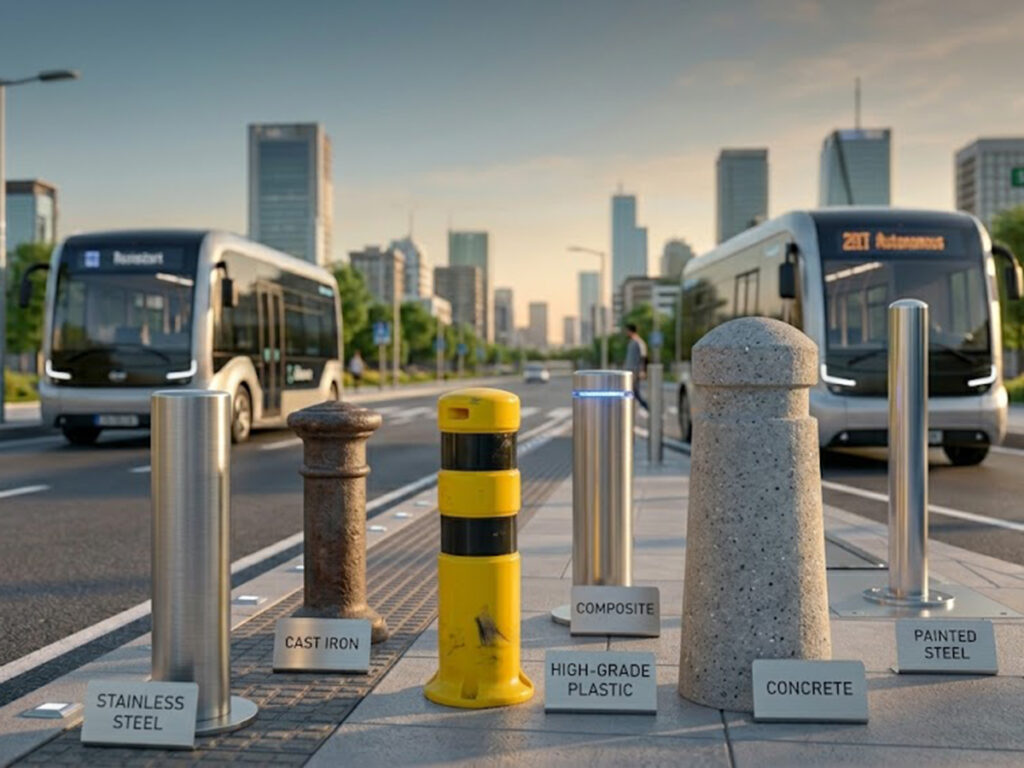
يهيمن الفولاذ على مواصفات الحاجز التجاري لسبب واحد: بيانات الأداء المتسقة. جدول 40 فُولاَذ (4-قطر بوصة, 0.237-جدار بوصة) يدير 80 دولارًا - 250 دولارًا لكل وحدة. جدول 80 (6-قطر بوصة, 0.337-جدار بوصة) يتطلب ما بين 200 إلى 600 دولار لكل وحدة - وهو قسط يبرره مقاومة أكبر للصدمات وقبول وزارة النقل الأوسع على أرصفة التحميل وعقود الشوارع البلدية.
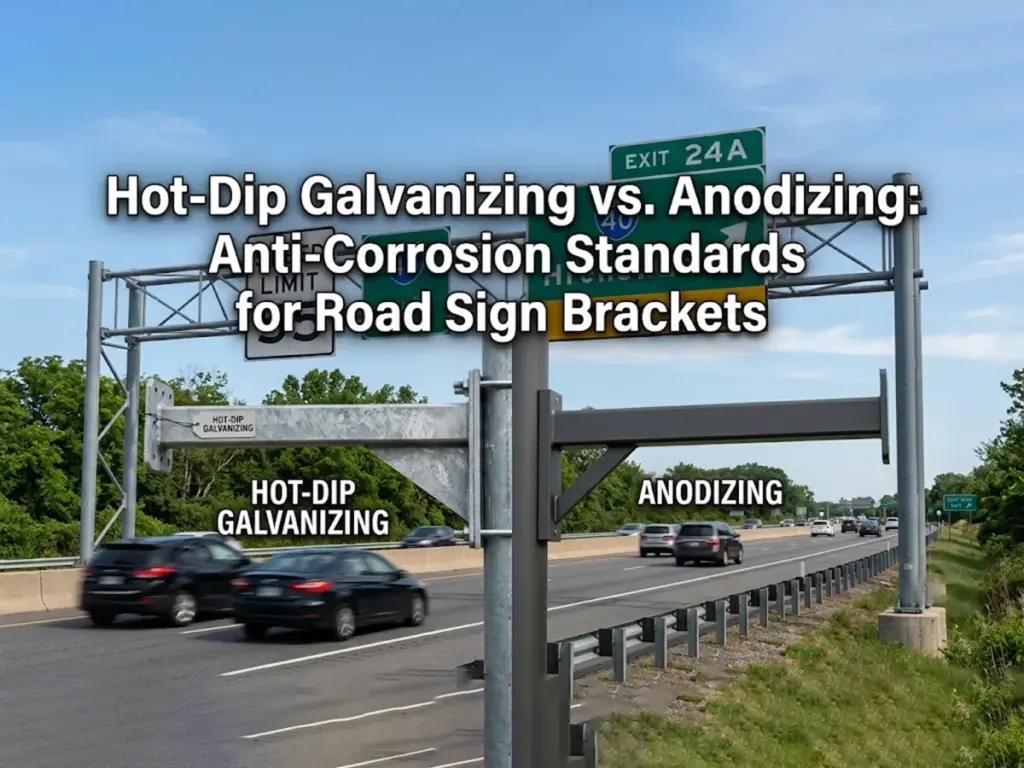
تضيف خيارات النهاية تكلفة قابلة للقياس. الصلب العاري هو خط الأساس. يضيف معطف المسحوق ما بين 20 إلى 40 دولارًا لكل وحدة. الجلفنة بالغمس الساخن - وهي المواصفات المفضلة للبيئات الساحلية - تضيف 30 إلى 60 دولارًا لكل وحدة ولكنها تمدد دورة الصيانة إلى 20 إلى 30 عامًا, إنتاج تكلفة إجمالية أفضل بكثير للملكية على مدى عمر الأصول الذي يبلغ 15 عامًا.
جدول 40 يناسب الفولاذ التحكم في الوصول إلى المحيط القياسي. جدول 80 هي المواصفات الصحيحة عندما يتطلب المشروع أداءً ثقيلًا أو مراجعة رسمية للخطة. عند التقييم سعر حاجز المرور لمنتجات الصلب, يجب على المشترين تحديد الجدول الزمني كتابيًا - "حاجز فولاذي عام".’ تخفي علامات الاقتباس بشكل روتيني بدائل الدرجات.
الحواجز الخرسانية – المصبوبة في المكان مقابل الحواجز الخرسانية. تسعير الوحدات الجاهزة
توفر الحواجز الخرسانية مسبقة الصب ما بين 60 إلى 180 دولارًا لكل نقطة دخول للوحدة. تحمل التركيبات المصبوبة في مكانها تكاليف مواد أقل ولكن تكاليف عمالة أعلى بكثير - وهو تمييز يجعل مقارنة إجمالي تكاليف التركيب غير تافهة. انظر القسم 6 لانهيار التثبيت الكامل.
تعتبر الخرسانة الجاهزة المتوافقة مع ASTM C94 عند 3000-4000 رطل لكل بوصة مربعة هي المواصفات القياسية لقواعد الحاجز. تضيف التشطيبات الخرسانية أو الخرسانة المعمارية المكشوفة 20-35٪ إلى تكلفة المواد. الحواجز الخرسانية هي, بطبيعتها, ثابتة ودائمة - فهي ليست مناسبة للتطبيقات التي تتطلب الوصول الدوري أو مرونة الممرات.
البولي يوريثين والحواجز المرنة – نقاط دخول منخفضة التكلفة وأين تفشل
مادة البولي يوريثين عالية الكثافة (البولي ايثيلين عالي الكثافة) وتتراوح الأعمدة المحددة المرنة بين 20 و90 دولارًا لكل وحدة. تركيبات مثبتة بالأشعة فوق البنفسجية مباشرة بعد ملامسة السيارة, تقليل تردد الاستبدال في البيئات منخفضة السرعة.
التحذير B2B مطلق: تحمل أعمدة البولي يوريثين تصنيفات صفر تصادم وفقًا لمعايير ASTM F2656 أو DOS K4/K8. إن تحديدها في تطبيق الأمان المحيطي لا يؤدي فقط إلى فشل مراجعة الامتثال - بل يؤدي إلى تعرض موثق للمسؤولية. وتشمل التطبيقات المناسبة توجيه حارة موقف السيارات, ترسيم المشاة, ووضع علامات على ممرات المستودعات الداخلية. عند تقييم تكلفة الحاجز التجاري لكل وحدة عبر أنواع المواد, يجب على المشترين مطابقة مستوى المنتج مع متطلبات الأداء قبل مقارنة الأسعار.
سعر الطبقة الوظيفية – ثابت, قابل للإزالة, والحواجز الأوتوماتيكية
الحواجز الثابتة/المضمنة - تكلفة الوحدة الأساسية ولماذا يؤدي التثبيت إلى مضاعفة الميزانية
تمثل الأعمدة الفولاذية الثابتة المواصفات التجارية الأكثر شيوعًا. يتراوح سعر الوحدة فقط ما بين 75 إلى 400 دولار حسب القطر (4-بوصة مقابل. 6-بوصة) والمواد. "الثابت".’ التعيين يعني التثبيت المثقوب في الخرسانة أو القاعدة المصبوبة في مكانها - بدون آلية إزالة, لا كم المتلقي.
سعر حاجز المرور للوحدات الثابتة يضلل المشترين لأول مرة بشكل روتيني. تكلفة الوحدة هي بند واحد. الحفر الأساسية, الردم الخرساني, ترميم السطح, والعمل منفصلان. قسم 6 نماذج التكلفة الإجمالية المثبتة الكاملة. إن فهم الصورة الكاملة أمر ضروري قبل إصدار عرض المشروع.
الحواجز القابلة للإزالة – آليات القفل, الأكمام المتلقي, وقسط السعر الحقيقي
تقدم أنظمة الحواجز القابلة للإزالة هيكل تكلفة مكونًا من عنصرين يكتشفه معظم المشترين بعد فوات الأوان. يبلغ سعر عمود الحاجز نفسه ما بين 150 إلى 700 دولارًا لكل وحدة. يضيف غلاف جهاز الاستقبال الموجود على الأرض - والذي يباع بشكل منفصل من قبل معظم الشركات المصنعة - ما بين 40 إلى 120 دولارًا لكل وحدة. يتطلب الحاجز مقاس 4 بوصة معرفًا مقاس 4.5 بوصة. كم; يتطلب الحاجز مقاس 6 بوصات معرفًا مقاس 6.5 بوصة. كم.
تعمل آليات القفل على تقسيم السوق بشكل أكبر. توجد أنظمة القفل الدبوس في مستوى الدخول. تضيف آليات أسطوانة قفل المفتاح ما بين 40 إلى 80 دولارًا لكل وحدة. تضيف أنظمة قفل الكامات عالية الأمان ما بين 80 إلى 150 دولارًا لكل وحدة - وهي مواصفات شائعة في هيئة النقل ومشاريع الحرم الجامعي حيث يكون الوصول المتحكم فيه أحد متطلبات السياسة.
يعكس سعر الحاجز القابل للإزالة المدرج في أي كتالوج المنشور فقط. المشترين الذين يطلبون كم جهاز استقبال كامل + سيدفع نظام البريد المزود بقفل عالي الأمان ما بين 60 إلى 90% أكثر من تكلفة الوحدة الرئيسية. تتطلب الميزانية تسعير كلا المكونين معًا. يتطلب تركيب غلاف جهاز الاستقبال حفرًا أساسيًا متطابقًا وأعمال خرسانية كحاجز ثابت دائم. لانهيار كامل للعمل, الشحن, وتكاليف الصيانة المستمرة التي تؤثر على الميزانية الإجمالية للمشروع, انظر دليلنا على العوامل المؤثرة على أسعار حواجز المرور في الشحن, تثبيت & صيانة.
الحواجز الأوتوماتيكية والهيدروليكية — مستويات تسعير عالية الأمان للبنية التحتية الحيوية
تبلغ تكلفة الحواجز الأوتوماتيكية الهوائية والمدعومة بنابض ما بين 1200 إلى 4000 دولار لكل وحدة. تقفز الأنظمة الهيدروليكية المزودة بخزانة تحكم مخصصة إلى ما يزيد عن 5000 إلى 15000 دولار أمريكي لكل حاجز - وهذا الرقم لا يشمل البنية التحتية المدنية والكهربائية.
عادةً ما تضيف محطة المضخة الهيدروليكية وخزانة التحكم لتشغيل حاجز من 3 إلى 5 دولارات ما بين 8000 إلى 25000 دولار كبند منفصل. يتم تعريف التطبيقات بدقة: المباني الحكومية, محيط السفارة, مراكز النقل الحرجة, والأماكن التي تكون فيها تقييمات الأعطال إلزامية وليست اختيارية. نادرًا ما يتم تطبيق قائمة الأسعار القياسية - يتطلب شراء الحواجز الهيدروليكية دائمًا إجراء مسح للموقع وعرض أسعار مخصص. تكلف الحواجز ذات التصنيف التصادمي أكثر بكثير في هذا المستوى, لكن البديل - وهو منتج غير مصنف في تطبيق أمني بالغ الأهمية - يمثل نقلاً غير مقبول للمخاطر إلى مالك المشروع.
تسعير الحبال بالجملة والجملة - تكاليف الوحدة حسب الحجم
كيف تعمل فواصل الكمية - مستويات تسعير الجملة القياسية
يتبع تسعير الجملة بالجملة للحواجز هياكل تقسيم الكمية القياسية عبر معظم الموزعين التجاريين وبرامج المصنع مباشرة. الخصم من المقاييس الأساسية للبيع بالتجزئة يمكن التنبؤ به:
| 1– 9 وحدات | خط الأساس (0%) | تسعير الطلب الفردي للبيع بالتجزئة/الموزع |
| 10-49 وحدة | 10– 18% أقل من التجزئة | مستوى المشروع التجاري القياسي |
| 50-99 وحدة | 20-28% أقل من التجزئة | منتصف الحجم; يؤدي إلى تسعير برنامج الموزع |
| 100+ الوحدات | 30-40%+ أقل من البيع بالتجزئة | أهلية تسعير المصنع مباشرة; ينطبق موك |
مصدر: برامج تسعير موزع الحبال التجارية, 2026 معايير السوق. شراء المركبات التعاونية (سورسويل, شركاء أومنيا, جدول GSA) قد تقدم أسعارًا تم التفاوض عليها مسبقًا للمشترين المؤهلين من البلديات والحكومات خارج مستويات الكمية القياسية.
المصنع مباشرة مقابل. تحديد مصادر الموزعين - ما هي القناة التي توفر قيمة أفضل على نطاق واسع
المصنع مباشرة مقابل. قرار الموزع ليس مجرد حساب للسعر. يوفر التسعير المباشر للمصنع أقل تكلفة لكل وحدة - ولكن الحد الأدنى لكميات الطلب يبدأ عادةً من 50 إلى 200 وحدة, تتراوح المهلة الزمنية للإنتاج في الخارج من 8 إلى 16 أسبوعًا, ولا يتم تضمين أي دعم فني محلي أو مساعدة في توثيق الامتثال.
أسعار الموزع ترتفع على أساس كل وحدة. في المقابل, يحصل المشترون على إنجاز خلال 5-15 يوم عمل, أسهل إذن العودة, والدعم النشط لتجميع وثائق الامتثال - وهو محرك ذو قيمة كبيرة للعقود الحكومية والبلدية. للمشاريع تحت 50 الوحدات, غالبًا ما يتطابق سعر الموزع مع صافي المصنع بمجرد أخذ مخاطر الشحن والمهلة في الاعتبار.
تتطلب مصادر المصنع في الخارج التحقق من ISO 9001 شهادة, شهادات مصنع الصلب, ووثائق بلد المنشأ للامتثال لقانون شراء أمريكا. تؤدي البدائل غير المتوافقة في المشاريع الممولة اتحاديًا إلى إطلاق إشعارات معالجة العقود والمسؤولية المحتملة لموظف المشتريات. لاتخاذ قرار مستنير بشأن القناة من حيث الحجم, راجع دليل المقارنة التفصيلي على اختيار قناة مصادر الحاجز المناسبة بين المصنع والموزع.
مصادر شركات تصنيع المعدات الأصلية والعلامات التجارية الخاصة - آثار التكلفة على الموزعين والبائعين
يقع سعر OEM والعلامة الخاصة بنسبة 40-55٪ أقل من MSRP في الأحجام السنوية المؤهلة - عادةً 500+ الوحدات. هذا المستوى مناسب للموزعين الإقليميين, الشركات الوطنية لإدارة المرافق, ويقوم مقاولو المناظر الطبيعية الكبار ببناء خط إنتاج ذو علامة تجارية.
تتطلب ترتيبات OEM شهادات المواد, تقارير اختبار تأثير الطرف الثالث, ومواصفات التعبئة والتغليف المخصصة. تتطلب إدارة مخاطر المهلة الزمنية في هذا المستوى جدولة أوامر شراء متداخلة واستراتيجية محددة لمخزون الأمان - خاصة بالنسبة لخطوط الإنتاج المحددة في عقود الصيانة البلدية مع بنود التعويضات المقطوعة.
تسعير بولارد ذو تصنيف الأعطال - ما هي التكاليف الفعلية للامتثال لمعايير ASTM وDOS
فهم معايير التصنيف - ASTM F2656, دوس K4/K8, وشرح M30/M50
تكلف الأعمدة المقاومة للتصادم أكثر لأنها تم اختبارها, بيانات الأداء المعتمدة - وليس التقديرات الهندسية. معياران يحكمان الولايات المتحدة. السوق التجاري والحكومي:
- أستم F2656-M30 (ص1): 15,000 رطل مركبة في 30 ميلا في الساعة - أقصى اختراق للمركبة 3.3 القدمين بعد الاصطدام
- أستم F2656-M50: 15,000 رطل مركبة في 50 ميلا في الساعة - أعلى المواصفات التجارية المحددة عادة
- اثنان K4: 15,000 رطل مركبة في 40 mph — معيار وزارة الخارجية لتطبيقات السفارات والحكومة
- اثنان من طراز K8: 15,000 رطل مركبة في 50 mph — مواصفات محيط الحكومة الأعلى أمانًا
هذه ليست تقديرات التصميم. يتطلب كل تصنيف برنامج اختبار التصادم التابع لجهة خارجية في منشأة معتمدة. تكلف حملات اختبار ASTM F2656 الشركات المصنعة ما بين 150.000 إلى 300.000 دولار أمريكي - وهي تكلفة يتم إطفاؤها في أسعار المنتجات المعتمدة. يعد تقرير الاختبار المنشور وورقة بيانات المنتج بمثابة دليل على امتثال مسؤولي المشتريات والسلطات ذات الاختصاص القضائي (AHJs) يتطلب.
أقساط أسعار بولارد ذات تصنيف الانهيار - ما تدفعه مقابل الحماية المعتمدة
فرق السعر كبير ومتعمد. جدول 6 بوصة غير مصنف 40 يتراوح سعر الحاجز الفولاذي ما بين 200 إلى 350 دولارًا لكل وحدة. يتراوح سعر حاجز M30 المعتمد من جهة خارجية والذي يحمل نفس عامل الشكل الأساسي ما بين 600 إلى 2500 دولار لكل وحدة - اعتمادًا على ما إذا كان مثبتًا على السطح أم لا (أساس ضحل) أو النظام المدمج.
تبلغ تكلفة الأعمدة المقاومة للتصادمات المثبتة على السطح - والمصممة للمواقع التي لا يكون فيها الحفر العميق ممكنًا - ما بين 1500 إلى 3500 دولار للوحدة. تعكس التكلفة المرتفعة أنظمة لوحة القاعدة الهندسية, مصفوفات الترباس مرساة, وختم المهندس الإنشائي الذي يطلبه معظم AHJs قبل إصدار التصريح.
حزمة وثائق الامتثال - تقرير اختبار الطرف الثالث, خطاب شهادة الشركة المصنعة, ورقة بيانات المنتج ذات المواصفات التي تم اختبارها هي ما يحدد الموافقة على المشروع. المنتج الأرخص بدون هذه الوثائق لا يوفر المال. إنه يؤخر المشروع ويولد تكاليف إعادة المواصفات.
يعد تحديد الأعمدة المقاومة للأعطال دون التحقق من الوثائق الصحيحة أحد أكثر أخطاء الشراء تكلفة في مجال الأمن المحيطي. قبل الانتهاء من أي أمر, يرى مخاطر شراء بولارد: كيفية التحقق من شهادات الامتثال قبل الطلب- يغطي الشكل الذي يبدو عليه تقرير اختبار التصادم الشرعي, كيفية اكتشاف البدائل غير المتوافقة, والأسئلة الصحيحة للموردين.
مكافحة رام مقابل. الشمعات الزخرفية - لماذا تبدو كذلك’ لم يتم تصنيفه على أنه’
خطأ شائع في المشتريات في مشاريع الأمن المحيطي: تحديد حاجز زخرفي من الحديد الزهر أو حاجز زخرفي يشبه بشكل مرئي تصميمًا مقاومًا للصدمات ولكنه لا يحمل أي بيانات أداء تم اختبارها. تبلغ تكلفة الحواجز المعمارية المزخرفة ما بين 300 إلى 900 دولار للوحدة. تتراوح تكلفة الإصدارات المشابهة من فئة M30 من 1200 إلى 2500 دولار لكل وحدة.
يجب أن تستدعي مواصفات المشروع معيار ASTM F2656 من خلال الرقم - وليس من خلال الوصف المرئي. المهندسون المعماريون والمحددون الذين يصفون الحاجز جماليًا دون الإشارة إلى معيار الأداء يتلقون بشكل روتيني مقترحات استبدال هندسة القيمة غير المتوافقة. إن قبول الاستبدال الذي يفشل لاحقًا في فحص AHJ ينقل المسؤولية مباشرة إلى مدير المشروع المسجل. تعتبر قرارات تسعير حاجز المرور في هذا المستوى هي قرارات الامتثال أولاً وقرارات التكلفة ثانيًا.
تفصيل تكاليف تركيب بولارد - العمالة, الحفر الأساسية, والعمل المدني
الحفر الأساسي وإزالة الخرسانة — عنصر خط العمل المخفي
يمثل الحفر الأساسي التكلفة التي يتم التقليل من تقديرها باستمرار في ميزانيات تركيب الحاجز. تتراوح الأسعار النموذجية ما بين 75 إلى 200 دولار لكل حفرة اعتمادًا على عمق الخرسانة, قوة الضغط, كثافة حديد التسليح, ومعدلات سوق العمل المحلية.
عمق التركيب القياسي للحاجز الفولاذي الثابت مقاس 4 بوصة: 24– 36 بوصة. لقطر 6 بوصة: 36– 48 بوصة. منشار الأسفلت قطع, حيثما كان ذلك مطلوبا, يضيف 30 دولارًا إلى 80 دولارًا لكل قطع كبند منفصل. المشترون الذين يتلقون تقديرًا لتكلفة تركيب الحاجز دون بند للحفر الأساسي ينظرون إلى عرض غير مكتمل - وهي فجوة تؤدي بانتظام إلى تضخم تكلفة المشروع النهائية بنسبة 30-60٪ أعلى من التقديرات الأولية. (مصدر: مكتب إحصاءات العمل, إحصاءات العمالة المهنية لعمال البناء.)
الخرسانة ل, جلسة, والمعالجة - تقديرات التكلفة المدنية لكل وحدة
ملاط اسمنتي غير قابل للانكماش (أستم C1107) هي المواصفات القياسية لإعداد الحاجز. تكلفة المواد: $15– 40 دولارًا للحاجز الواحد. يلبي الجص الأسمنتي البورتلاندي القياسي معظم المواصفات التجارية; تطبيقات الدقة الحرجة (منصات الحاجز الهيدروليكي, الأنظمة المدمجة ذات تصنيف الأعطال) تتطلب تركيبة غير قابلة للانكماش لمنع التسوية بعد التثبيت.
يمتد وقت المعالجة من 24 إلى 72 ساعة قبل أن يتمكن الحاجز من قبول حمولة مركبة - وهو تأثير جدول زمني لمناطق المرور النشطة نادرًا ما يظهر في الجداول الزمنية الأولية للمشروع. ترميم السطح (تدفق الأسفلت أو الخرسانة مع الدرجة المحيطة) يضيف 50 إلى 150 دولارًا لكل حاجز. المنشآت ذات الحجم الكبير - 20 أو المزيد من الأعمدة في عملية تعبئة طاقم واحد - تقليل تكلفة التركيب لكل وحدة بشكل كبير عن طريق توزيع رسوم التعبئة الثابتة عبر المزيد من الوحدات.
إجمالي التكلفة المثبتة لكل حاجز — واقعي 2026 ميزانيات المشاريع حسب النوع
يدمج الجدول أدناه تكلفة الوحدة وتكلفة التثبيت في إجمالي نطاقات التكلفة المثبتة لكل نوع من أنواع الحواجز الرئيسية. هذه هي الأرقام التي تنتمي إلى ميزانية المشروع - وليس تكلفة الوحدة وحدها.
| نوع بولارد | تكلفة الوحدة | تكلفة التثبيت | إجمالي التكلفة المثبتة |
| الصلب الثابت (4″ ش 40) | $80– 250 دولارًا | $150– 350 دولارًا | $230– 600 دولار |
| الصلب الثابت (6″ ش 80) | $200– 600 دولار | $200– 450 دولارًا | $400– 1050 دولارًا |
| قابل للإزالة + كم المتلقي | $150– 700 دولار | $175– 400 دولار | $325– 1,100 دولار |
| الخرسانة مسبقة الصب | $60– 180 دولارًا | $175– 375 دولارًا | $235– 555 دولارًا |
| تحطم تصنيف M30 (مغروس) | $600– 2500 دولار | $300– 700 دولار | $900– 3200 دولار |
| هيدروليك اوتوماتيك | $5,000– 15000 دولار | $2,500– 8000 دولار+ | $7,500– 23000 دولار+ |
مصدر: 2026 نحن. معايير السوق التجارية. تعكس تكاليف التركيب معدلات العمالة القياسية وفقًا لبيانات OES الخاصة بعمال البناء في BLS (https://www.bls.gov/oes/current/oes472061.htm). وينطبق تباين سوق العمل الإقليمي بنسبة ±25%.
التكلفة الإجمالية للملكية - تتجاوز سعر حاجز المرور لكل وحدة
دورات الصيانة والتنبؤ بتكاليف الاستبدال حسب نوع بولارد
التكلفة الإجمالية للملكية (TCO) هو المقياس الذي يتحول إلى سعر حاجز المرور المقارنة في قرار الشراء. تكلفة الوحدة هي نقطة البداية. يحدد تكرار الصيانة ودورات الاستبدال ما إذا كان المنتج ذو السعر المنخفض يوفر المال فعليًا على مدى عمر الأصول الذي يتراوح بين 15 إلى 20 عامًا.
- الصلب المطلي بالمسحوق: إعادة طلاء كل 5-8 سنوات في البيئات الساحلية أو ذات الأشعة فوق البنفسجية العالية; استبدال كامل في 15-20 سنة
- الصلب المجلفن بالغمس الساخن: 20– فترة صيانة 30 سنة; تكلفة مقدمة أعلى, انخفاض التكلفة الإجمالية للملكية بشكل واضح
- البولي يوريثين/مرن: الاستبدال كل 2-5 سنوات في البيئات عالية التأثير - تكلفة الوحدة منخفضة, تردد استبدال عالي
- هيدروليكية أوتوماتيكية: خدمة السوائل الهيدروليكية كل 12-24 شهرًا ($200– 500 دولار/مكالمة الخدمة); استبدال الختم كل 5-7 سنوات
نمذجة التكلفة الإجمالية للملكية هي الحجة التي تبرر زيادة الإنفاق مقدمًا على المنتجات المجلفنة أو ذات التصنيف المنخفض للجان المالية ومجالس المشتريات. أ $250 حاجز فولاذي مطلي بمسحوق يتطلب إعادة الطلاء مرتين 15 سنوات تكلف في المجمل أكثر من أ $400 وحدة مجلفنة لا تحتاج إلى صيانة خلال نفس الفترة.
الشحن, مهلة, وعوامل تكلفة سلسلة التوريد
معايير تكلفة الشحن ل 2026: شحنة LTL من 10 أعمدة فولاذية قياسية (حوالي 800-1200 رطل) يتراوح سعره ما بين 250 إلى 600 دولار اعتمادًا على نقطة الأصل ومنطقة التسليم.
حمولة شاحنة كاملة (FTL) ل 100+ تبلغ تكلفة الوحدات ما بين 1200 إلى 3500 دولار على المستوى الوطني - وهي تكلفة شحن لكل وحدة أقل بكثير وغالبًا ما تكون نقطة التحول لاقتصاديات الطلب بالجملة.
من الصعب تحديد تكلفة المهلة الزمنية ولكن من الأسهل التقليل من تقديرها. إن أمر المصنع في الخارج لمدة 12 أسبوعًا في مشروع يتضمن بنود التعويضات المقطوعة يؤدي إلى تعرض مالي حقيقي. لا ينطبق ذلك على استيفاء الموزع المحلي لمدة أسبوعين. يضيف الشحن السريع - الجوي أو LTL ذو الأولوية - 40-120% إلى تكلفة الشحن, علاوة يلغيها التخطيط السليم للمشتريات تمامًا. (مصدر: مؤشر FreightWaves الوطني لحمولة الشاحنات وبيانات قياس LTL, 2026.)
اتخاذ القرار النهائي بشأن شراء الحواجز - ملخص المشتري والخطوات التالية
مطابقة ميزانيتك مع مستوى المنتج المناسب — إطار عمل القرار
سعر حاجز المرور خرائط مباشرة لمتطلبات الأداء. يساعد الإطار التالي المشترين على تحديد المستوى الصحيح قبل طلب عروض الأسعار:
| إجمالي الميزانية المثبتة | الطبقة المناسبة | التطبيقات النموذجية |
| أقل من 300 دولار/وحدة | البولي يوريثان / فولاذ ثابت خفيف الوزن | ترسيم موقف السيارات, محيط حركة المرور المنخفضة |
| $300– 800 دولار/وحدة | الفولاذ القياسي الثابت أو القابل للإزالة (4″-6″) | التحكم في الوصول التجاري, تحميل الأرصفة, streetscape |
| $800– 3500 دولار/وحدة | مثبت على السطح مقاوم للتصادم أو M30 مضمن | المدارس, عبور, محيطات التجزئة عالية المخاطر, حكومة |
| $7,500+/وحدة | هيدروليكي / أوتوماتيكي | البنية التحتية الحيوية, أمن محيط السفارة |
مصدر: 2026 مستويات سوق بولارد التجارية. تعكس النطاقات التكلفة الإجمالية المثبتة, بما في ذلك العمل القياسي والعمل المدني.
الأدنى لكل وحدة سعر حاجز المرور نادرا ما ينتج الخيار أقل تكلفة إجمالية للمشروع. فشل الامتثال, تجاوزات الصيانة, ومواصفات الأداء غير الكافية تولد تكاليف تتضاءل أمام أي وفورات لكل وحدة عند نقطة الشراء.
خطواتك التالية – موارد المشتريات, طلبات الاقتباس, ومزيد من القراءة
سعر حاجز المرور قرارات في 2026 تتطلب من المشترين الاحتفاظ بأربعة متغيرات في وقت واحد: الطبقة المادية والوظيفة, متطلبات الامتثال, إجمالي تكلفة التثبيت, والتكلفة الإجمالية للملكية. قائمة الأسعار لكل وحدة هي أقل رقم بالمعلومات في أي عملية شراء للحواجز.
ويواجه المشترون من البلديات والحكومات تعقيدات إضافية: قانون ديفيس-باكون أقساط العمل, شراء الامتثال للمواد الأمريكية, ودقة مواصفات CSI التي لا تتطلبها مشاريع القطاع الخاص دائمًا. إن الحصول على المواصفات الصحيحة قبل إصدار العطاء يزيل مخاطر الاستبدال التي تقوض نتائج المشروع.
من أجل استراتيجية شراء شاملة وشاملة - بما في ذلك أطر فحص الموردين, نماذج مواصفات العقود, وقوائم التحقق من الامتثال - راجع استكمال مصادر حاجز المرور & دليل المشتريات: التسعير, امتثال & استراتيجية سلسلة التوريد. إنه المورد النهائي للمشترين التجاريين والبلديين الذين يديرون عمليات شراء الحواجز على نطاق واسع.
الأسئلة الشائعة - تسعير حاجز المرور: 5 تمت الإجابة على الأسئلة عالية النية
كم يكلف تركيب حاجز مروري 2026?
إجمالي تكلفة التركيب - الوحدة بالإضافة إلى العمالة - يبدأ من $230 من أجل حاجز فولاذي ثابت أساسي $23,000+ للنظام الآلي الهيدروليكي. مكونات تكلفة التركيب الثلاثة هي الحفر الأساسي ($75– 200 دولار للفتحة الواحدة), صب الخرسانة والردم ($15– 40 دولارًا للحاجز الواحد), وترميم السطح ($50- 150 دولارًا أمريكيًا للحاجز الواحد). تنخفض تكلفة التركيب لكل وحدة بشكل ملحوظ عند 20+ تعبئة الوحدات. انظر القسم 6 للحصول على جدول تقدير تكلفة تركيب الحاجز الكامل.
ما هو فرق السعر بين الشمعات القابلة للإزالة والثابتة؟?
تبدأ الشمعات الثابتة من 75 إلى 250 دولارًا (الوحدة فقط). تتراوح تكلفة الأنظمة القابلة للإزالة ما بين 150 إلى 700 دولار عند تضمين غلاف جهاز الاستقبال - وهو مكون يفتقده العديد من المشترين في تقديرات الميزانية الأولية. يتطلب كلا النوعين نفس عمق الحفر الأساسي; علاوة السعر للأنظمة القابلة للإزالة موجودة في آلية القفل والجلبة, وليس العمل المدني. يجب أن تتضمن مقارنات أسعار الحواجز القابلة للإزالة كلا المكونين لتكون دقيقة.
لماذا تكلف الشمعات المقاومة للصدمات أكثر بكثير من الشمعات القياسية؟?
هناك ثلاثة عوامل تدفع إلى زيادة تكلفة الأعمدة المقاومة للصدمات: (1) مطلوب سمك جدار أثقل وأنظمة تثبيت هندسية لتحقيق الأداء المقدر; (2) تبلغ تكاليف برنامج اختبار الأعطال التابع لجهة خارجية ما بين 150.000 إلى 300.000 دولار أمريكي ويتم إطفاءها عبر أسعار المنتج; و (3) وثائق الامتثال - تقارير الاختبار, خطابات الشهادة, وأوراق بيانات المنتج - التي يجب أن تحملها المنتجات المعتمدة. حاجز غير مصنف في $200 يؤدي فشل فحص AHJ إلى إنشاء تكاليف إعادة المواصفات وإعادة الشراء التي تتجاوز بكثير المدخرات الأولية لكل وحدة.
ما هو سعر الجملة لأعمدة المرور عند الشراء بكميات كبيرة?
عند 10-49 وحدة, يحصل المشترون عادةً على 10-18٪ أقل من سعر البيع بالتجزئة. عند 50-99 وحدة, ينطبق خصم 20-28%. في 100+ الوحدات, يتوفر خصم بنسبة 30-40%+, مع إمكانية الوصول إلى التسعير المباشر للمصنع. المشترون البلديون على مركبات الشراء التعاونية - سورسويل, شركاء أومنيا, جدول GSA — قد يصل إلى أسعار البيع بالجملة للحواجز السائبة التي تم التفاوض عليها مسبقًا دون عملية تقديم عطاءات تنافسية رسمية.
كيف يمكنني تقدير إجمالي ميزانية الحاجز لمشروع موقع تجاري?
ينتج إطار التقدير المكون من خمس خطوات ميزانية تسعير لحواجز المرور يمكن الدفاع عنها: (1) تحديد نوع الحاجز وكميته من مخطط الموقع; (2) تطبيق تكلفة كل وحدة من طبقة المادة والوظيفة المناسبة; (3) أضف تكلفة التركيب لكل وحدة باستخدام أسعار العمالة المحلية من بيانات BLS OES; (4) إضافة تكلفة الشحن على أساس إجمالي وزن الشحنة ومنطقة التسليم; (5) تطبيق نسبة 10-15% لظروف الموقع (صراع حديد التسليح, قضايا subgrade, رسوم التصريح).
مراجع
- ASTM F2656-23 طريقة الاختبار القياسية لاختبار تصادم المركبات للحواجز المحيطة - ASTM الدولية
- مكتب إحصاءات العمل — عمال البناء التوظيف المهني وإحصاءات الأجور (OES 47-2061)
- نحن. وزارة العمل — برنامج ديفيس-باكون والأعمال ذات الصلة
- إدارة الخدمات العامة — الجزء الخاص بتنظيم الاستحواذ الفيدرالي 25: الاستحواذ الأجنبي (الامتثال TAA)
- موجات الشحن — مؤشر حمولة الشاحنات الوطني وبيانات قياس LTL, 2026
- المواصفة القياسية ASTM C94 للخرسانة الجاهزة - ASTM الدولية
- ASTM C1107 المواصفات القياسية للتعبئة الجافة, الجص الأسمنتي الهيدروليكي - ASTM الدولية