US highway sign standards can vary significantly from state to state, creating potential confusion for both residents and visitors. For instance, when a driver travels from Texas to Louisiana, they may encounter differences in signage design and terminology, which can lead to slower reaction times and increased risk of errors. Research indicates that consistent and clear street name signs can help reduce accident rates, while discrepancies between state signage systems can contribute to driving mistakes. Understanding these variations is crucial to ensuring safety on the road for all drivers.
To help mitigate these challenges, OPTRAFFIC offers high-quality, standardized traffic signs designed for consistency and clarity, ensuring smooth navigation and enhanced safety across state lines. By adhering to federal guidelines and incorporating durable materials, OPTRAFFIC provides reliable solutions that help keep roads safer, regardless of regional differences in signage.
Key Takeaways
- States have their own highway signs. Knowing these signs helps drivers stay safe. It also helps drivers not get confused.
- Interstate signs follow national rules. They look the same in every state. This makes them easy to spot anywhere.
- State highway signs look different. They change in shape, color, and symbols. Each state picks designs that show local pride. They also show history.
- Some states have bilingual signs. These are common where many people speak Spanish. These signs help all drivers understand the road.
- Signs that are clear and simple lower accidents. Good signs help drivers react fast. They also help drivers stay safe.
US Highway Sign Systems Overview
The United States has different highway systems. Each system uses its own rules for signs. Drivers need to know these rules when they travel. This helps them spot changes in signs from state to state.
Interstate System
Interstate highways link big cities and regions. Signs on these roads follow strict national rules. The signs look like shields with white letters on blue. The top has a red banner with “INTERSTATE” in white. Route numbers use clear, easy-to-read writing. Odd numbers go north and south. Even numbers go east and west. Mile markers start at the west or south edge of each state. This keeps signs the same in every state.
| Feature | Interstate System | Other Highway Systems |
|---|---|---|
| Numbering System | Odds run north/south, evens east/west | More variability in numbering |
| Mile Marker Starting Point | Usually starts at western/southern edge | Varies by state |
| Auxiliary Highways | Three-digit numbers for urban areas | Less standardized |
| Design Variability | Consistent design across states | Regional graphics and designs vary significantly |
| Examples of State Shields | Incorporate state flags or nicknames | Simple geometric shapes or unique designs |
State Highway System
States run their own highways. State route signs look different from interstate signs. States pick their own shapes, colors, and symbols. Some states use rectangles. Others use special shapes or state symbols. Size and placement can change by state. The united states numbered highway system has U.S. routes and state routes. These may use black numbers on a white shield or other styles.
| Sign Type | Design Characteristics | Placement Characteristics |
|---|---|---|
| Interstate Route Signs | Cutout shield, white letters on blue, ‘INTERSTATE’ in white on red | Mounted with auxiliary signs, specific size for route numbers |
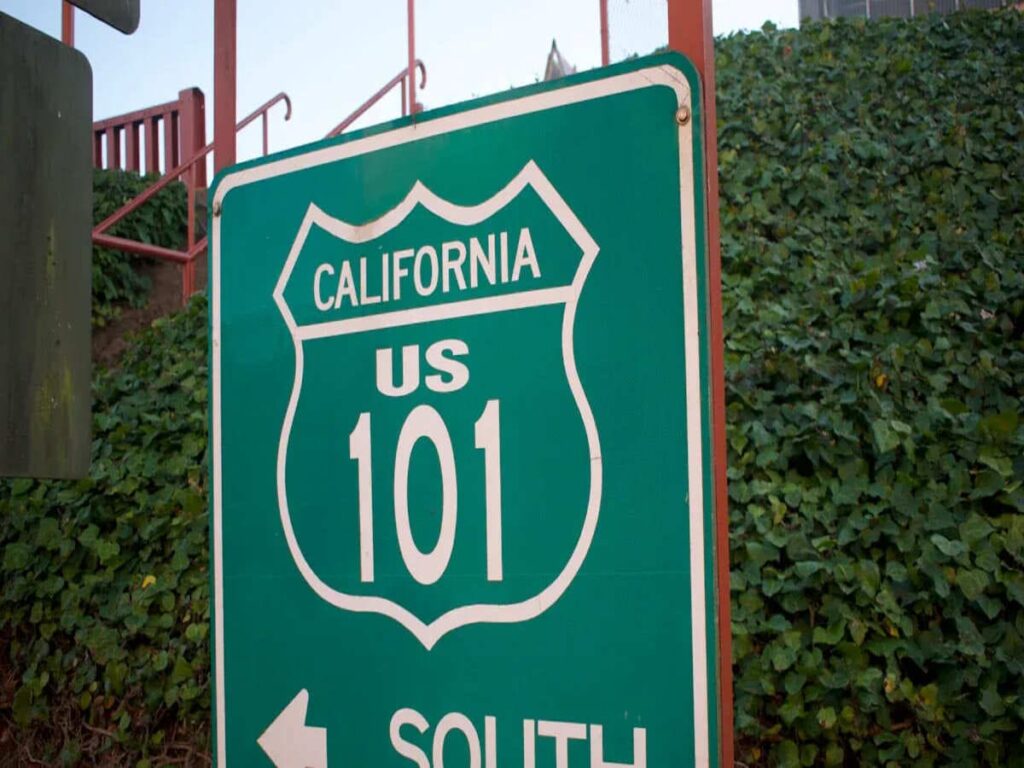
| U.S. Route Signs | Black numerals on a white shield, black background | Used on all U.S. routes, specific size for route numbers |
| State Route Signs | Designed by state agencies, often rectangular, black numerals on white | Similar size to U.S. Route signs, may vary by state regulations |
County and Secondary Roads
County and secondary roads use local rules. Counties pick their own sign shapes and colors. Minnesota uses blue pentagons for county state-aid highways. It uses white squares for other county roads. Ohio uses blue pentagons and county outline shapes. Wisconsin marks roads with one to three letters. New Jersey has 500-series routes with clear signs. Iowa uses a grid with letters and numbers.
| State | Signage Practices |
|---|---|
| Minnesota | Blue pentagon markers for CSAH routes, white square markers for other county roads |
| Ohio | Blue pentagon markers, square white markers with black borders, county outline markers |
| Wisconsin | One- to three-letter combinations, marked at most intersections |
| Illinois | Numbers or letters followed by numbers, varies by county |
| New Jersey | 500-series routes and non-500 routes, well-signed like state routes |
| Iowa | Uniform numbering grid with letters and numbers, not numbered by county |
Note: Federal rules like the Manual on Uniform Traffic Control Devices (MUTCD) set basic rules for road signs. States must follow these rules to get federal money. States can add their own ideas. This makes signs both similar and different across the country.
To understand more about the various types of highway signs and their functions, check out our blog: What Are the Main Types of Highway Signs.
Key Differences in State Highway Signage
Highway signs look different in each state. These changes come from history and local needs. People see new colors and words when they cross states.
Design and Shield Variations
States pick their own shield designs. Some use simple shapes. Others add symbols or outlines. These choices help drivers know their location. Shields make each state’s roads special.
| State | Shield Design Description |
|---|---|
| Florida | Has three shield types. One is for toll highways. It uses orange and a state outline. |
| Illinois | Wants a shield with the state name. It shows Abraham Lincoln’s silhouette. |
| Indiana | Uses black letters on a white shield. New ideas include the state flag seal. |
| Iowa | Uses a plain circle. New shields use colors and shapes from Iowa’s buildings. |
| Kentucky | Adds the Unbridled Spirit logo to new shields. It matches parkway shields. |
| Louisiana | Shows the state shape and fleur-de-lis. This shows Louisiana’s history. |
| Massachusetts | Uses plain squares. New shields will show more state pride. |
| Mississippi | Round markers do not show state identity. New shields will have the Magnolia Flower. |
| New Jersey | Wants a shield like Harley Davidson. It uses state colors and letters. |
Local artists and leaders help design shields. States want shields to show pride and history. Louisiana uses the fleur-de-lis from its French past. Kentucky adds the Unbridled Spirit logo for pride. These choices help drivers spot state highways fast.
Note: Many shield designs use ideas from different people. Missouri and Texas helped make the national highway shield. Most drivers liked green backgrounds. Color choices show what people like.
Color and Symbol Differences
Colors and symbols help drivers see signs better. States use different colors and symbols to stand out. US road signs use clear text and simple symbols. This helps all drivers understand quickly.
- US road signs use short words and easy symbols.
- Europe and Asia use more symbols for many languages.
Research shows drivers react faster to clear colors. Green and yellow signs help drivers respond quickly. Red signs can slow down reactions. States pick colors and symbols that match their history. Florida uses orange to show its famous fruit. Mississippi plans to add the Magnolia Flower. These choices help drivers find state highways and stay safe.
Terminology and Language
Words on signs change from state to state. Some states use different words for the same thing. One state says “Yield.” Another says “Give Way.” States with many Spanish speakers use bilingual signs. These signs show English and Spanish.
Studies show drivers understand signs best with clear words and good design. Signs with more than one language help travelers. Local words and symbols help local drivers. Some countries use special symbols, like animals, to connect with drivers.
Tip: Watch for language changes on signs in new states. This helps you stay safe and not get confused.
US Highway Sign Standards and MUTCD
Federal Guidelines
The Manual on Uniform Traffic Control Devices (MUTCD) gives the main rules for highway signs in the United States. The federal government uses this manual so drivers see the same signs everywhere. This helps drivers know what signs mean, even far from home. The MUTCD explains things like sign shape, color, and size. It also tells how tall letters should be and how to number highways. Every state must follow these rules to get money for roads.
The table below shows what the federal government controls and what states can change:
| Aspect of Signage | Standardized by Federal Guidelines | Left to State Discretion |
|---|---|---|
| Adoption of MUTCD | Yes | N/A |
| Lettering height standards | Yes | N/A |
| Categories of signs | Yes | Some exceptions apply |
| Numbering | Yes | Some flexibility |
| Additional state rules | N/A | Yes |
| Design details for signs | Yes | N/A |
| Expanded sign design guidelines | N/A | Yes |
The MUTCD helps keep roads safe and easy to understand. Drivers can trust that stop signs and speed limits look the same everywhere.
State Customization
States can add their own ideas to highway signs if they follow MUTCD rules. They might use special colors, symbols, or local words. Some states use different shapes or pictures on their route shields. States can also pick numbers for their own roads. Sometimes, they choose numbers that mean something to the state.
Different groups help make and take care of signs:
| Government Level | Role in Customization |
|---|---|
| Federal Government | Makes the main MUTCD rules so signs are the same in every state. |
| State Government | Uses the federal rules, checks signs, and makes sure rules are followed. |
| Local Government | Puts up and fixes signs, making sure people can see them and they follow the rules. |
| Area Engineers | Check traffic plans and signs to make sure they follow MUTCD rules. |
| Operations Engineers | Look at signs during building projects to keep roads safe and easy to use. |
States often change their numbering when new roads are built or traffic changes. They might also make special signs for pretty drives or tourist spots. These changes help drivers feel like they are in a special place but still follow the main rules.
State Signage Examples
New York vs. California
California and New York have very different highway signs. California uses a special shield shape for its state highways. This shape has been part of California since 1964. Drivers in California spot these signs fast because the shape is unique. New York uses more common shield shapes for its u.s. routes.
In Upstate New York, some road signs are in two languages near Native American reservations. These signs show both English and the native language, like Seneca or Onondaga. The bilingual signs help keep local languages alive and teach travelers about tribal history.
Texas vs. Florida
Florida and Texas approach highway signage differently. In Florida, the focus is on visibility and durability, ensuring signs can withstand strong storms. The state uses robust anchors to keep signs secure during hurricanes. In contrast, Texas adheres closely to federal MUTCD standards. While the state allows larger off-premise signs along major roads, it enforces strict regulations on their height and placement distance.
Texas also uses more than one language on its highway signs. Many signs are in both English and Spanish, especially where lots of people speak Spanish. Some signs are only in Spanish to help drivers who do not know much English.
Nevada vs. Arizona
Arizona and Nevada both have deserts, but their highway signs are different. Arizona uses clear symbols and colors to warn about dust storms and heat. Nevada puts signs for u.s. routes where people can see them near tourist spots and big roads. Both states use simple signs so drivers can react fast when the weather changes.
Tip: Watch for special warning signs in desert places. These signs help drivers stay safe when the weather changes quickly.
Travelers who know about state highway signage differences can drive better and feel more sure of themselves. They do not get confused as much and can react fast when roads change.
State signs show local pride and ideas, so every road trip feels special. If you pay attention and learn about signs, you can have a safer and more fun trip.
FAQ
What makes interstate highway signs different from state highway signs?
Interstate highway signs have a shield shape. They use red, white, and blue colors. State highway signs can look very different. States pick their own shapes or symbols. Interstate highways follow national rules. State highways show local pride and history.
How do states decide on their own highway sign designs?
Each state has a transportation department. This group picks colors, shapes, and symbols for signs. They might use state symbols or history. Interstate highways must follow federal rules. States add their own ideas to make signs special.
Why do interstate highways have the same sign style in every state?
The federal government makes rules for interstate highways. These rules keep signs the same everywhere. Drivers know what to expect on interstate highways. This helps people stay safe and not get confused when traveling.
Can a driver see bilingual signs on interstate highways?
Some states use bilingual signs on interstate highways. These signs help people who speak different languages. States like Florida and Texas use English and Spanish. Bilingual signs are more common where many people speak other languages.
Do u.s. highways have the same signs as interstates?
U.s. highways use a different shield shape than interstates. The signs look similar in every state. Interstates use red, white, and blue shields. U.s. highways use black and white shields. Each state follows federal rules for both systems.