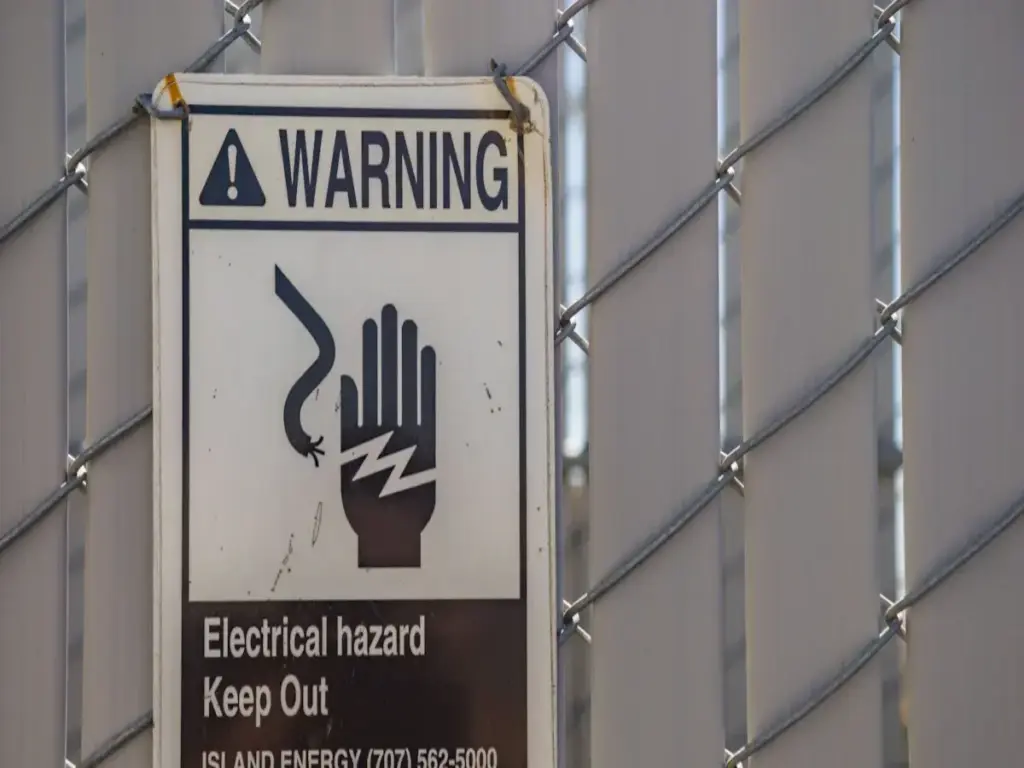
Modern industrial facilities face complex safety challenges. Plant managers and EHS teams must manage high-volume Factory Safety Signs procurement effectively. Standardized Workplace safety signs minimize workplace hazards and ensure regulatory compliance.
Effective signage systems deliver measurable operational results:
- Logistics centers reduced near-miss incidents by 60% after upgrading safety displays.
- Digital signage integration boosted production speed by 28%.
- Standardized visuals cut workplace accidents by 35%.
Optraffic provides a comprehensive range of Factory Safety Signs for warehouse operators. We support consistent rollouts across multiple work zones and aisles. Our solutions help teams simplify replenishment as operations evolve.
Strategic Mapping of Factory Safety Signs by Zone
Successful safety strategies begin with detailed site assessments. EHS teams must evaluate every decision point before purchasing Workplace safety signs. This ensures each sign addresses specific risks in the daily workflow.
Defining Zones and Decision Points
Every plant contains distinct zones with unique risk profiles. These include production lines, maintenance areas, and emergency paths. Teams should identify locations where workers make critical choices.
Follow these steps to map hazards effectively:
- Analyze plant layouts using digital process maps.
- Conduct physical walkthroughs to identify missed risks.
- Document every gap in existing Factory Safety Signs.
- Assign specific fix dates to team members.
- Track progress through the plant’s management system.
Effective mapping creates a visual safety grid. This prevents wasted expenditure and ensures every sign serves a clear purpose.
Material Specifications for Durable Workplace Safety Signs
Harsh factory environments demand resilient materials. Selecting the right substrate ensures long-term visibility and reduces replacement costs.
| Material Type | Technical Advantages | Best Application |
| High-Temp Poly | Resists cracking up to 302°F. | Near heavy machinery. |
| Chemical-Resistant | Withstands aggressive cleaners. | Chemical storage zones. |
| Reflective Vinyl | Enhances visibility in low light. | Dark warehouse aisles. |
| Aluminum | Lightweight and rust-proof. | Outdoor loading docks. |
Visibility and Mounting Standards
Visibility directly impacts safety outcomes. Reflective sheeting can reduce accidents by nearly 50%. Proper mounting keeps Factory Safety Signs secure. Use industrial adhesives for flat surfaces and mechanical fasteners for high-vibration areas.
Compliance Standards for Factory Safety Signs
Plants must follow strict OSHA 1910.145 regulations for accident prevention. ANSI Z535 standards define specific color codes for Workplace safety signs.
- Red (Danger): Indicates immediate hazards or fire equipment.
- Orange (Warning): Marks moderate risk areas.
- Yellow (Caution): Signals minor hazard risks.
- Green (Safety): Identifies first aid and emergency exits.
ANSI Z535 standards define specific color codes for Workplace safety signs. For a deep dive into these visual communication rules, refer to our guide on ANSI Z535 and OSHA Safety Signs Requirements. Following these uniform designs helps workers identify hazards instantly.
Streamlining the Bulk Purchasing Process
Bulk purchasing requires a structured Request for Quotation (RFQ). Define your material needs and delivery timelines clearly.
- Vendor Evaluation: Assess suppliers based on reliability and technical capacity.
- Sample Approval: Inspect physical samples for color accuracy and durability.
- Logistics Planning: Coordinate installation with site managers to avoid downtime.
Essential Coverage for Factory Safety Signs by Area
Comprehensive safety requires strategic sign placement across all facility zones. Each area demands specific Workplace safety signs to mitigate localized risks.
Entry and Access Control
Entry points establish the plant’s safety culture. High-risk areas require “DANGER” signs with red headers. “CAUTION” signs warn visitors about wet floors or restricted zones. These signs prevent unauthorized access to sensitive work areas.
Production and Machine Zones
Safety signs near machinery identify pinch points and energy sources. Operators must see clear instructions before starting equipment. Consistent templates reduce confusion and streamline worker training.
Warehouse and Logistics Routes
Clear signage optimizes warehouse efficiency and safety.
- Warning Signs: Mark forklift paths and high-voltage zones.
- Directional Signs: Guide pedestrians through storage aisles.
- Floor Markings: Use yellow lines for traffic and red for no-go zones.
Chemical and Hazardous Material Zones
Chemical storage must follow OSHA and NFPA standards. Proper hazard identification requires specialized displays like NFPA Diamond Signs for Essential Hazard Response. These Workplace safety signs categorize risks by health, flammability, and reactivity to guide emergency teams.
Managing the Lifecycle of Workplace Safety Signs
Regular maintenance ensures that Factory Safety Signs remain effective and compliant. Environmental factors like UV exposure and chemicals degrade sign quality over time.
Inspection and Replacement Triggers
Assign area supervisors to conduct monthly safety audits. They should check for faded colors or missing text. Replace any sign that becomes hard to read.
- Layout Changes: Update signs when you install new machinery.
- Regulatory Updates: Ensure signs meet current OSHA standards.
- Physical Damage: Replace cracked or peeling signs immediately.
Documentation and Audit Readiness
Maintain digital records of all signage changes. This proof of compliance is vital during official inspections. Link your inventory system to your plant’s quality management software (QMS).
Conclusion
Effective Workplace safety signs protect your most valuable assets: your workers. Standardize your signage templates today to simplify future replenishment. Optraffic offers the technical expertise to support your large-scale safety goals.