MUTCD 11th Edition Sign Designs Are Now Finalized: Why Now Is the Time to Place Your Bulk Order
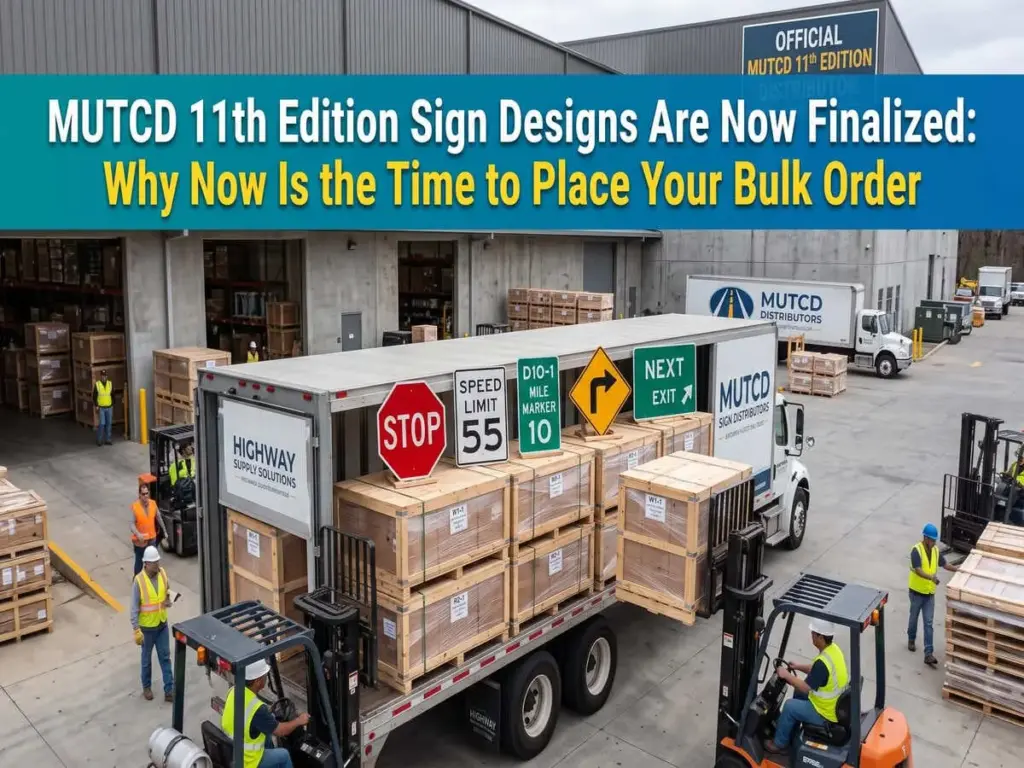
FHWA finalized all MUTCD 11th edition sign designs in February 2026. See why waiting to place a bulk order no longer makes sense.
When Construction Turns a Through Street Into a No Outlet Situation (and Drivers Don’t Know Until They’re Trapped)
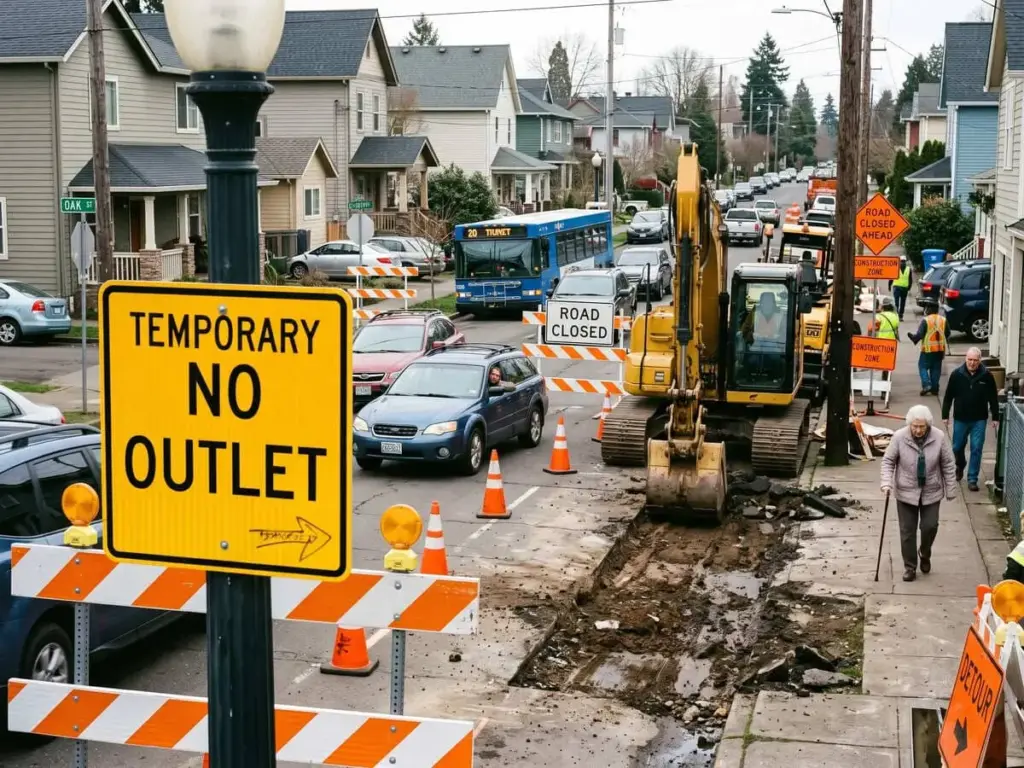
A construction closure can turn a through street into a no outlet situation. See when temporary signage is needed and when to pull it.
Directional Arrow Sign or Electronic Arrow Board? Choosing the Right Device for Your Work Zone
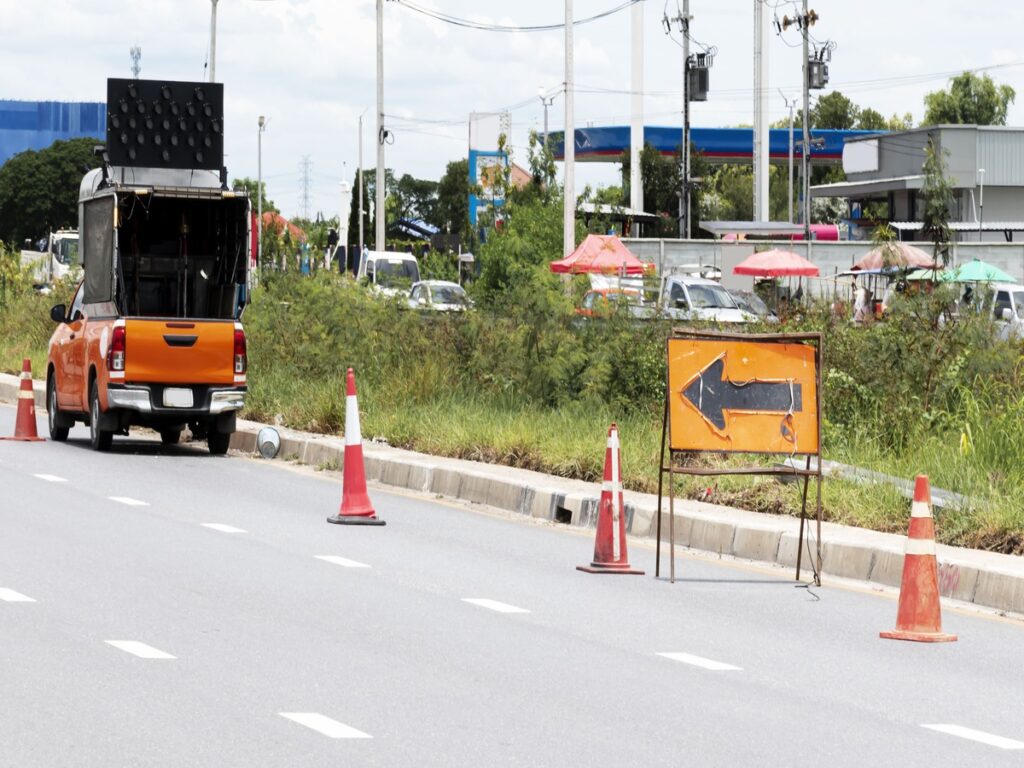
Static arrow sign or electronic arrow board? See how speed, duration, and visibility decide which device your work zone actually needs.
Highway Merge Signs: Placement Rules for Temporary Lane Reductions in Work Zones
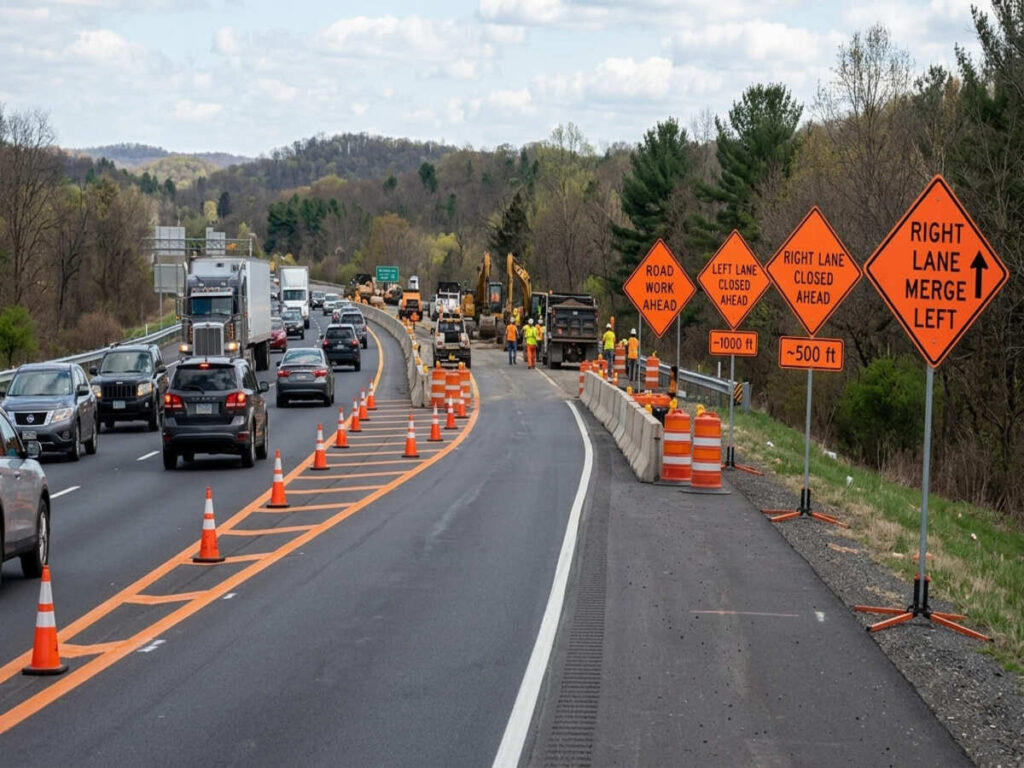
Where should a highway merge sign go? See how advance distance and approach speed determine correct placement in temporary work zones.
Work Zone Traffic Control Packages: Matching Signs, Cones, and Channelizers to Your Closure Type

Signs, cones, and channelizers need to match your closure type, not just each other. See how to build the right work zone package.
Traffic Signal Ahead Sign Placement: Why Advance Distance Matters More Than the Sign Itself
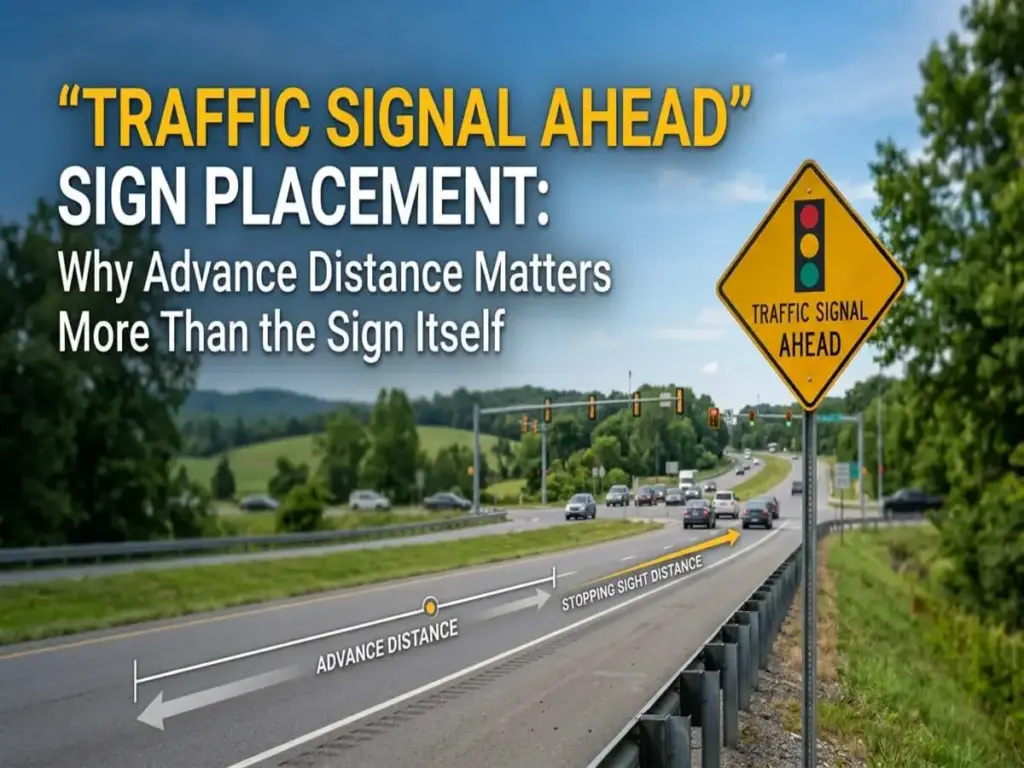
A traffic signal ahead sign only works if placed far enough back. See how approach speed sets the correct advance distance in work zones.


