Почему вывески СИЗ занимают первое место в списке ошибок каждого аудитора
OSHA цитирует работодателей 1,665 Нарушения в отношении средств индивидуальной защиты глаз и лица в течение финансового года 2025 один, рейтинг стандарта как девятого наиболее часто цитируемого нормативного акта агентства. Информирование об опасностях заняло второе место с 2,546 Цитаты (Источник: https://www.osha.gov/top10citedstandards). Большинство этих цитат восходят к одной основной причине.: пробелы в вывесках. Выцветшие этикетки, отсутствуют пиктограммы, а неконтролируемые зоны СИЗ превращают рутинные проверки в дорогостоящие штрафы.. Этот Контрольный список знаков безопасности СИЗ дает менеджерам по безопасности проверенный на практике инструмент, позволяющий выявить эти пробелы до того, как специалист по безопасности и охране здоровья будет отвечать требованиям OSHA. (CSHO) делает.
The 2026 Максимальное наказание за одно серьезное нарушение теперь составляет $16,550, в то время как умышленные или неоднократные нарушения достигают $165,514 за экземпляр (Источник: https://www.osha.gov/penalties). Проверка с множеством цитирований может легко превысить $1 миллионов в общем объеме воздействия. Для более глубокого понимания выбора субстрата, монтажное оборудование, и процессы закупок, менеджеры по безопасности должны соединить это Контрольный список знаков безопасности СИЗ с полное соответствие знаков СИЗ, материалы, размещение, и руководство по закупкам.
В этой статье представлены технические характеристики, нормативные цитаты, и протоколы проверок, обеспечивающие соответствие требованиям к аудиту. Каждое требование соответствует 29 CFR 1910.145, 29 CFR 1910.132, или ANSI Z535.2-2023.
The 2026 Контрольный список знаков безопасности СИЗ OSHA (Краткий справочник по инструменту аудита)
Этот Контрольный список знаков безопасности СИЗ предоставляет основной инструмент аудита. Распечатайте это, ходить с ним по полу, и закройте все пробелы, прежде чем планировать следующую пробную проверку. Менеджеры по безопасности должны относиться к каждому разделу как к непреложным воротам соответствия..
15-минутный контрольный список перед аудитом
Менеджеры по безопасности должны запускать этот бинарный контрольный список как минимум ежеквартально.. Каждый пункт отвечает да или нет, без серой зоны.
- В каждой зоне СИЗ имеется знак, видимый с каждой авторизованной точки входа..
- На каждом знаке используется правильное сигнальное слово ANSI Z535.2, соответствующее степени опасности..
- Все знаки остаются читаемыми с необходимого расстояния просмотра..
- Ни один знак не показывает угасание, пилинг, или повреждение пиктограммы, превышающее 10% площади поверхности.
- Панели с сигнальными словами имеют правильный цвет.: красный, апельсин, желтый, или синий.
- Пиктограммы появляются последовательно на всех знаках одной и той же категории опасности..
- Монтажная высота находится в пределах 60 к 72 дюймах от осевой линии для общепромышленных зон.
- Двуязычные знаки сохраняют равное значение между языками..
- Фотолюминесцентные знаки, прилегающие к выходу, заряжаются при нормальном освещении объекта..
- Каждый знак соответствует документированной оценке опасности для каждого знака. 29 CFR 1910.132(д).
Контрольный список документации, которую запросят аудиторы
Офицеры OSHA регулярно запрашивают письменные отчеты во время проверок. Менеджеры по безопасности должны поддерживать актуальность и доступность этих документов..
- Письменная сертификация оценки опасности СИЗ согласно 29 CFR 1910.132(д)(2).
- Журнал проверки знаков, охватывающий прошлое 24 месяцы.
- Подписывать записи о замене с датами, локации, и причины.
- Документация по обучению рабочих, связывающая знаки СИЗ с анализом опасностей на рабочем месте (JHA).
- Сертификаты соответствия производителя для центровки ANSI Z535.2 и Z535.3..
Распространенные ошибки аудита и как их обнаружить на ранней стадии
Пять типов отказов являются причиной большинства упоминаний о вывесках СИЗ. Менеджеры по безопасности, изучающие эти закономерности, выявляют проблемы за несколько недель до прибытия аудитора..
Вывески, выцветшие от УФ-излучения, на внешней стороне или в светлых зонах возглавляют список.. Знаки теряют 30% насыщенность цвета внутри 18 месяцев при воздействии прямых солнечных лучей без ламинирования. Знаки устаревшего формата ANSI, выпущенные до 2011 года, остаются на стенах старых объектов., отсутствует современный макет панели сигнальных слов. Непоследовательные пиктограммы, относящиеся к одной и той же категории опасности, сбивают с толку работников и вызывают ссылки на сообщение об опасности.. Несоответствие сигнальных слов фактической серьезности опасности (соблюдайте ОСТОРОЖНОСТЬ при наличии ОПАСНОСТИ) создать прямой 1910.145 нарушения. Отсутствующие знаки на второстепенных или ремонтных пунктах входа замыкают пятерку лидеров..
Требования OSHA к знакам средств индивидуальной защиты согласно 29 CFR 1910.145 (Декодировано для использования в полевых условиях)
Постановление занимает девять страниц плотного текста.. Соответствующие отраслевые характеристики умещаются на одной справочной карте.. Каждый Контрольный список знаков безопасности СИЗ должен быть привязан к четырем сигнальным словам, формула расстояния просмотра, и стандарты пиктограмм, описанные ниже.
Иерархия сигнальных слов: ОПАСНОСТЬ, ПРЕДУПРЕЖДЕНИЕ, ОСТОРОЖНОСТЬ, УВЕДОМЛЕНИЕ
ANSI Z535.2-2023 определяет четыре сигнальных слова, которые управляют дизайном знаков.. Знаки ОПАСНО имеют красную панель с белым текстом и указывают на неизбежную опасность, которая может привести к смерти или серьезной травме.. В знаках ПРЕДУПРЕЖДЕНИЯ используются оранжевые панели, обозначающие опасности, которые могут привести к смерти или серьезным травмам.. В знаках «ВНИМАНИЕ» используются желтые панели, обозначающие опасности, которые могут привести к травмам легкой или средней степени тяжести.. В знаках «УВЕДОМЛЕНИЕ» используются синие панели для предупреждений о повреждении имущества или правил эксплуатации объектов.. Каждый Контрольный список знаков безопасности СИЗ пункт зависит от правильного выбора сигнального слова.
OSHA принимает цветовые спецификации ANSI Z535.1 в соответствии с 29 CFR 1910.145(д). Производители должны соответствовать Pantone Safety Red 485, Безопасность оранжевого цвета 152, и безопасный желтый 109 пройти стороннюю верификацию.
Расчет высоты буквы и расстояния просмотра
Раздел ANSI Z535.2 8.2 определяет формулу, которую должен запомнить каждый менеджер по безопасности: минимальная высота буквы равна расстоянию просмотра, разделенному на 50. В таблице ниже эта формула преобразуется в готовые к эксплуатации спецификации..
| Требуемое расстояние просмотра | Минимальная высота буквы | Типичное применение |
| 5 ноги | 1.2 дюймы | Этикетки для средств индивидуальной защиты, монтируемых на оборудование |
| 10 ноги | 2.4 дюймы | Зональные указатели, монтируемые в дверях |
| 25 ноги | 6.0 дюймы | Знаки входа в бухты на складах |
| 50 ноги | 12.0 дюймы | Наружный строительный периметр |
Пиктограммы и стандарты символов (Iso 7010 против. АНСИ Z535.3)
ANSI Z535.3 регулирует дизайн символов для США.. рабочие места. Iso 7010 управляет международными объектами. Транснациональным производителям следует стандартизировать одну систему на каждом объекте, чтобы избежать путаницы среди работников.. Четырнадцать пиктограмм, относящихся к СИЗ, закрывают глаз., лицо, голова, слушание, ступня, рука, тело, и защита органов дыхания. Каждый Контрольный список знаков безопасности СИЗ проверяет согласованность пиктограмм на всех знаках в одной опасной зоне.
Требования к обозначениям зон СИЗ: Правила размещения, прошедшие проверку
Ошибки размещения вызывают больше цитирований, чем ошибки дизайна.. В этом разделе рассматриваются требования к обозначениям зон СИЗ, которые аудиторы проверяют с помощью рулетки.. Любой тщательный Контрольный список знаков безопасности СИЗ рассматривает размещение и монтаж как отдельные категории проверки.
Обязательная маркировка границ зоны СИЗ
OSHA ожидает появления знаков зоны СИЗ 6 к 10 футов до того, как работники войдут в зону воздействия опасности. Несколько точек входа, каждая из которых требует своего собственного знака.. Проверка прямой видимости имеет значение: знак, спрятанный за стеллажом или оборудованием, не проходит проверку независимо от того, насколько близко он расположен к границе.
Характеристики высоты и угла установки знака
Общая промышленная монтажная высота варьируется от 60 к 72 дюймов до центральной линии знака. Зоны движения вилочных погрузчиков требуют установки на 84 дюймов или выше, чтобы предотвратить повреждение. На предприятиях, соответствующих требованиям ADA, устанавливаются тактильные знаки на 48 к 60 дюймов при расположении рядом с постоянными идентификаторами комнат. Знаки опасности над головой крепятся на потолке, но под углом вниз. 15 к 30 градусов для сохранения читаемости.
Комбинации знаков многоопасных зон
Раздел ANSI Z535.2 7 ограничивает читаемость четырьмя пиктограммами на панель. Зоны, требующие внимания, слушание, и защита органов дыхания вместе укладываются в этот предел. Добавление пятого требования запускает массив из нескольких панелей.. Менеджеры по безопасности строят это Контрольный список знаков безопасности СИЗ для сложных зон следует указывать массивы панелей, а не теснить пиктограммы на одном знаке.
Выбор материала знака: Соответствие субстрата окружающей среде
На дефекты материалов приходится большая часть замен знаков в середине цикла.. Правильный субстрат предотвращает преждевременное разрушение и обеспечивает чистоту протокола проверки.. Полный Контрольный список знаков безопасности СИЗ проверяет пригодность субстрата для каждой среды, не просто подписывать контент.
Внутренний против. Характеристики наружных материалов
Внутренние зоны с низким трафиком хорошо работают с .040-дюймовые подложки из алюминия или жесткого ПВХ. На открытом воздухе и в зонах с высоким УФ-излучением требуется .063-дюймовый алюминий со светоотражающими виниловыми накладками. Светоотражающая пленка Diamond Grade обеспечивает самый длительный срок службы среди светоотражающих марок., обычно 10 к 12 лет на открытом воздухе.
Химический, Укр, и классы термостойкости
Стандартный винил выходит из строя в течение нескольких месяцев в зонах брызг химикатов.. Поликарбонат и ламинированный полиэстер устойчивы к воздействию большинства промышленных растворителей.. В зонах с высокими температурами, таких как литейные и кузнечные цеха, требуются таблички с фарфоровой эмалью или анодированным алюминием, рассчитанные на непрерывное воздействие до 1000°F.. Воздействие ультрафиолета без ламинирования сокращает стандартный срок службы винила на 50% к 70%. Подробные характеристики носителя приведены в Схема выбора подложки для знаков СИЗ на рабочих местах.
Фотолюминесцентные и тактильные требования
NFPA 101 и 29 CFR 1910.37 требуют фотолюминесцентных указателей пути выхода во многих классификациях объектов. Минимальные характеристики послесвечения требуют 100 милликанделы на квадратный метр в 10 минут после удаления источника света. Тактильные требования ADA применяются, когда знаки СИЗ расположены рядом с постоянными идентификаторами помещений., требовательный поднятый характер и уровень 2 Брайль на указанной монтажной высоте.
График обслуживания знаков промышленной безопасности и протокол проверок
Обслуживание знаков промышленной безопасности отделяет готовые к проверке объекты от магнитов цитирования. Документированная программа технического обслуживания демонстрирует добросовестность и поддерживает требования OSHA. 20% снижение штрафов на основе истории. Сопряжение Контрольный список знаков безопасности СИЗ письменная СОП по техническому обслуживанию закрывает наиболее распространенные пробелы, которые обнаруживают аудиторы.
Рекомендуемая частота проверок в зависимости от местоположения знака
Внутренние зоны с низким трафиком допускают ежеквартальные визуальные проверки.. Наружные вывески и зоны химического воздействия требуют ежемесячного осмотра.. Триггерные замены переопределяют календарь: любой знак, показывающий более 30% изменение цвета, неразборчивость с необходимого расстояния просмотра, или физический ущерб более чем 10% площади поверхности требует немедленной замены.
Документирование содержания знаков промышленной безопасности для обеспечения обоснованности аудита
OSHA ожидает, что каждая проверка будет вести запись. В каждой записи должно быть указано имя инспектора., дата, идентификатор местоположения знака, оценка состояния по определенной шкале, принятые меры, и фотодоказательства. Современные платформы EHS поддерживают инвентаризацию знаков с QR-кодом, которая автоматизирует этот рабочий процесс.. Журналы обслуживания знаков промышленной безопасности становятся юридическим доказательством в ходе оспариваемых цитат.
Когда заменять или восстанавливать
Ремонт имеет смысл только для оснований с неповрежденным основным материалом и поверхностным износом.. Выцветшие виниловые накладки на алюминиевых подложках допускают замену только винилом.. Треснутые или деформированные подложки требуют полной замены.. Анализ затрат обычно отдает предпочтение замене, когда стоимость ремонта превышает 60% стоимости новой вывески.
Стандарты двуязычных и многоязычных обозначений СИЗ
Многие U.S.. предприятия работают с лингвистически разнообразной рабочей силой. В то время как базовое соответствие сосредоточено на присутствии, стратегия снижения риска фокусируется на понимании. Положение об общих обязанностях OSHA и 1994 В письме-интерпретации подчеркивается, что если работник не может понять знак, работодатель не сообщил об опасности.
Контрольный список действий: Проведите аудит демографических показателей вашего этажа. Если более чем 10% ваших сотрудников говорят на одном из основных языков, кроме английского, вывески на одном языке — это с высокой вероятностью штраф от OSHA, ожидающий своего часа.
Когда OSHA “Эффективно” Мандаты Многоязычные знаки
Агентство не требует использования определенных языков. Однако, OSHA возлагает на работодателей ответственность за обеспечение понимания работниками информации об опасностях.. Предприятия со значительным количеством сотрудников, не говорящих по-английски, должны добавить испанский язык., Мандарин, вьетнамский, или другие языки, относящиеся к рабочей силе, для знаков СИЗ.. The Контрольный список знаков безопасности СИЗ должен отмечать любой одноязычный знак в многоязычной среде сотрудников.
Стандарты расположения двуязычных знаков
Распространенной ошибкой при закупках является “Текстовые сообщения на вторичном языке.” Согласно разделу ANSI Z535.2. 9, чтобы знак действительно соответствовал требованиям в двуязычной среде, оба языка должны иметь одинаковое значение.
- Избегать: Переводы, выполненные мелким шрифтом, сжаты внизу..
- Усыновить: А “Пиктограмма-первая” дизайн. Центрирование универсального символа стандарта ISO, вы снижаете когнитивную нагрузку на работника, сделать текст подтверждением, а не единственным источником истины.
Скрытая стоимость машинного перевода
Использование бесплатных онлайн-переводчиков знаков СИЗ — ложная экономия.. Инспекторы OSHA выдали предписания “запутанный или бессмысленный” инструкции по технике безопасности, вызванные плохим переводом.
Чтобы снизить общую стоимость владения (TCO), избегать “купи это дважды” ловушка. Инвестируйте в предварительно проверенные, сертифицированные многоязычные шаблоны от надежных производителей. Это гарантирует соответствие терминологии конкретным техническим определениям OSHA/ANSI., защита вашего объекта от ответственности во время 2026 аудит.
Создание программы вывесок СИЗ, защищаемых аудитом
Высокопроизводительный Контрольный список знаков безопасности СИЗ гарантирует, что ваш объект будет выглядеть соответствующим требованиям в день аудита. Однако, программа, защищенная аудитом, гарантирует, что ваше соответствие выдержит юридическую проверку. Разница заключается в бумажном следе.
Связь знаков с сертифицированными оценками опасностей (29 CFR 1910.132(д))
Аудиторы OSHA не просто смотрят на вывеску; они ищут причину этого.
Стратегия: Каждый знак в вашем контрольном списке должен напрямую соответствовать письменному анализу рисков на работе. (ЮХА) или сертификат оценки опасности.
Преимущество аудита: Упреждающий показ матрицы перекрестных ссылок — связывание “Требуется защита органов слуха” знак конкретного исследования децибел — демонстрирует добросовестность. Этот уровень профессиональной строгости часто является решающим фактором при понижении статуса специалиста. “Серьезный” нарушение “Несерьезное,” потенциально сэкономить тысячи на штрафах.
Инвентаризация знаков и отслеживание жизненного цикла
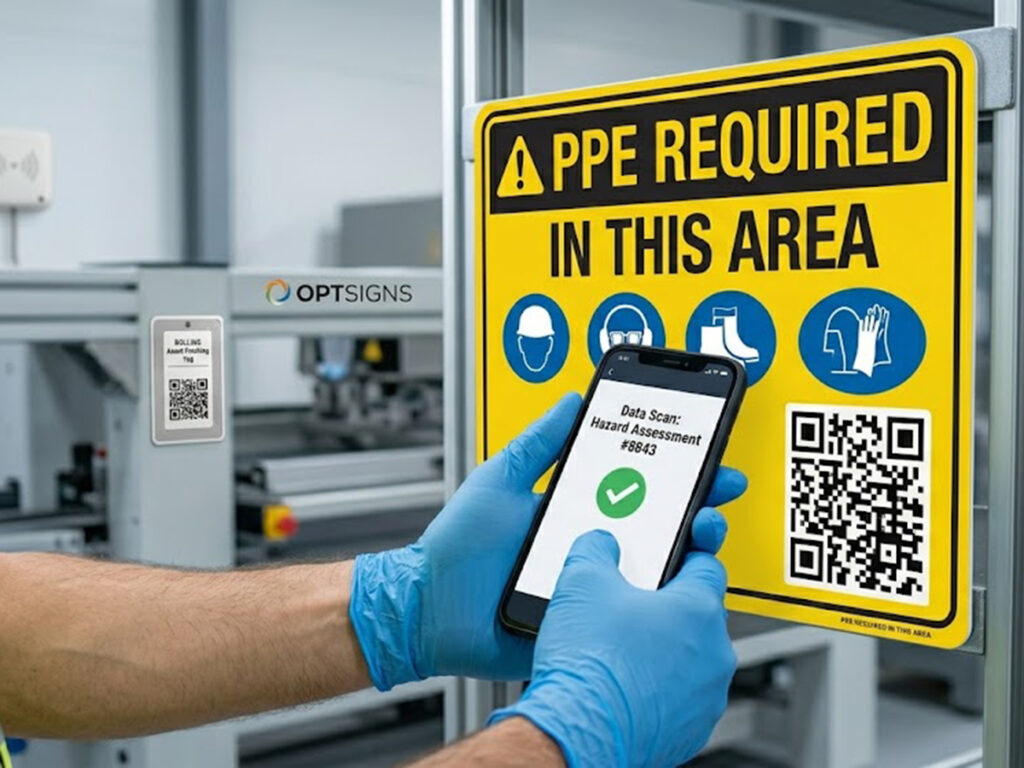
Знаки с маркировкой активов и уникальными идентификаторами поддерживают автоматическое отслеживание жизненного цикла.. Знаки с QR-кодом напрямую связаны с цифровыми записями проверок., оценки опасностей, и график замены. Привязка геотегов современных объектов к наложениям САПР объекта для быстрого реагирования при аудите.
Обучение работников распознаванию знаков
Знак эффективен настолько, насколько способен работник его интерпретировать.. 29 CFR 1910.132(ж) требует, чтобы сотрудники понимали не только то, какие СИЗ следует носить, но когда и почему.
The “Пробный аудит” Тест: Ваш контрольный список должен включать “Собеседование с работником” раздел. Спросите сотрудника этажа: “Какую опасность представляет этот значок ANSI?, и какой у вас здесь конкретный протокол СИЗ??”
Документация: Если работник не справляется, это пробел в обучении; если знак отсутствует, это недостаток оборудования. Документирование этих внутренних выборочных проверок доказывает, что вы поддерживаете активную, совместимая культура — ключевая защита от “Умышленное нарушение” претензии.
Превратите свой контрольный список в программу вывесок, гарантирующую цитирование
Этот Контрольный список знаков безопасности СИЗ охватывает семь основных областей соответствия: краткий справочный аудит, нормативные спецификации, размещение зоны, выбор материала, протоколы технического обслуживания, многоязычные стандарты, и документация уровня программы. Менеджеры по безопасности, которые устраняют все пробелы в этом списке, редко сталкиваются с обвинениями, связанными с СИЗ..
Различие в соответствии имеет значение: контрольный список фиксирует один момент времени, в то время как документированная программа демонстрирует постоянное усердие. Инспекторы OSHA награждают документированные программы меньшими штрафами в соответствии с 2025 Обновления Руководства по полевым операциям, в том числе до 60% сокращение для мелких работодателей и 20% для чистой истории проверок. Менеджеры по безопасности должны пересмотреть свои Контрольный список знаков безопасности СИЗ ежегодно и отслеживать циклы пересмотра ANSI Z535 на предмет предстоящих изменений стандарта..
Загрузите контрольный список для печати, запланировать осмотр объекта в этом квартале, и соедините это руководство с полным ресурсом по закупке знаков СИЗ и выбору материалов..
Часто задаваемые вопросы о контрольном списке знаков безопасности СИЗ
Как часто следует проверять знаки СИЗ на соответствие требованиям OSHA?
Внутренние зоны с низким трафиком требуют ежеквартального визуального осмотра.. Наружные вывески и зоны воздействия химических веществ требуют ежемесячного осмотра.. Запускаемые замены происходят сразу при затухании, неразборчивость, или ущерб превышает определенные пороговые значения.
Какие знаки СИЗ конкретно требуются OSHA?
OSHA требует использования СИЗ в соответствии с 29 CFR 1910.132 и требует информирования об опасностях согласно 29 CFR 1910.145 и 1910.1200. Вместе, эти стандарты фактически требуют указателей, обозначающих зоны СИЗ., степень опасности, и необходимое защитное оборудование.
Где следует размещать знаки СИЗ на рабочем месте?
Разместите знаки СИЗ 6 к 10 футов перед входом в зону, в каждой авторизованной точке входа, установлен между 60 и 72 дюймов к средней линии для общей промышленности. Скорректировать движение вилочных погрузчиков, Требования АДА, и опасности над головой.
Должны ли знаки СИЗ быть двуязычными в соответствии с OSHA??
OSHA не определяет языки, но требует понимания. Предприятия, на которых работают сотрудники, не говорящие по-английски, должны гарантировать, что работники понимают все сообщения об опасностях., что обычно требует двуязычных или многоязычных вывесок.
Каковы требования OSHA к цвету знаков СИЗ??
АНСИ Z535.1, включен посредством ссылки в 29 CFR 1910.145, указывает красный цвет для ОПАСНОСТИ, оранжевый для ПРЕДУПРЕЖДЕНИЯ, желтый для ВНИМАНИЯ, синий для ВНИМАНИЯ, и зеленый для информации по безопасности. Производители должны соответствовать указанным значениям Pantone..
Как долго обычно служат знаки безопасности СИЗ, прежде чем потребуется замена??
Внутренние виниловые вывески служат последними 5 к 7 годы. Наружные светоотражающие знаки в последнюю очередь 7 к 10 лет при правильном ламинировании. Фарфоровая эмаль и таблички из анодированного алюминия служат долго. 15 к 25 годы. Срок службы резко падает без защиты от ультрафиолета.
Каков штраф OSHA за несоответствующие требованиям средства индивидуальной защиты в 2026?
Серьезные нарушения влекут за собой максимальное наказание в размере $16,550 за каждое нарушение по состоянию на январь 2026. Умышленные или неоднократные нарушения достигают $165,514 за нарушение. Многократные проверки могут превысить $1 миллионов в общем объеме воздействия.
Соответствуют ли цифровые или электронные знаки СИЗ OSHA??
Цифровые знаки соответствуют требованиям, если они соответствуют требованиям видимости ANSI Z535.2., контраст, и стандарты надежности. Требования по аварийному переключению при потере питания усложняют ситуацию. Большинство объектов используют цифровые знаки для динамической информации, а не для основных предупреждений об опасности..
Ссылки
- Штрафы OSHA (2026 Максимальные суммы) — https://www.osha.gov/penalties
- Топ OSHA 10 Наиболее часто цитируемые стандарты, финансовый год 2025 — https://www.osha.gov/top10citedstandards
- 29 CFR 1910.145 Технические характеристики знаков и табличек для предотвращения несчастных случаев — https://www.osha.gov/laws-regs/regulations/standardnumber/1910/1910.145
- 29 CFR 1910.132 Общие требования к средствам индивидуальной защиты — https://www.osha.gov/laws-regs/regulations/standardnumber/1910/1910.132
- Стандарты серии ANSI Z535 — https://www.nema.org/standards/z535
- NFPA 101 Кодекс безопасности жизнедеятельности — https://www.nfpa.org/codes-and-standards/nfpa-101-standard-development/101