Мошенническая документация о соблюдении требований обходится командам по закупкам гораздо дороже, чем неудачный аудит — это создает прямую угрозу ответственности., закрытие проекта, и в худшем случае, катастрофические сбои в системе безопасности. Центр защиты национальной инфраструктуры (КПНИ/НПСА) постоянно предупреждает, что заявления сторонних поставщиков в отношении барьеров безопасности транспортных средств требуют независимой проверки, не предположение.
Проверка сертификата соответствия болларда больше не является упражнением по проверке флажков. Это структурированная дисциплина управления рисками, которая отделяет команды по закупкам, принимающие документы за чистую монету, от тех, кто создает, надежные цепочки поставок.
Это руководство поможет специалистам по соблюдению нормативных требований, QA-менеджеры, и аудиторы рисков со специальной структурой, инструменты, и протоколы эскалации для проверки PAS 68, Iwa 14-1, ASTM F2656, и документацию с рейтингом сбоев DOS, а также предоставлять измененные брокером PDF-файлы до того, как они попадут в заказ на покупку..
Почему мошенничество с документацией о соответствии боллардам является системным риском закупок
Масштаб фальсифицированной сертификации средств обеспечения безопасности дорожного движения
Промывка соответствия — практика применения законных сертификатов краш-тестов к продуктам, которые никогда не тестировались, — это задокументированный вид сбоя в цепочке поставок оборудования физической безопасности.. Меры по смягчению последствий враждебных транспортных средств NPSA (ХВМ) Руководство прямо определяет искажение сертификатов как риск закупок для барьеров безопасности транспортных средств..
США. Программа Закона о БЕЗОПАСНОСТИ Министерства внутренней безопасности (Safetyact.gov) ведет реестр протестированных антитеррористических технологий именно потому, что непроверенные заявления поставщиков привели к ответственности проекта. В Великобритании, BSI Group и UKAS совместно поддерживают графики аккредитации, чтобы предотвратить повторное использование сертификатов — практику применения данных испытаний устаревшей линейки продуктов к текущим на рынке SKU..
Мошенничество происходит на трех уровнях цепочки поставок: оригинальный производитель, торговая компания или брокер, и региональный дистрибьютор. Каждый уровень представляет событие обработки документации и риск фальсификации..
Как фальсифицированные сертификаты попадают в заказы на закупку предприятий
Наиболее распространенным вектором мошенничества является утилизация сертификатов.. Законный сертификат, выданный фабрике A для линейки продуктов X, переименовывается брокером B., кто заменяет название своей компании, корректирует номер модели, и представляет его для линейки продуктов Y — продукт, отличающийся по размеру и никогда не подвергавшийся физическим испытаниям..
Сертификаты PDF в цифровом формате особенно уязвимы.. Брокеры используют Adobe Acrobat Pro или Illustrator для размещения белых прямоугольников поверх оригинальных названий заводов., повторно введите заменяющие идентификаторы компании на новом слое, и экспортируйте визуально чистый документ, не имеющий криптографической подписи.. Без активного проверка сертификата соответствия болларда протоколы, эти документы проходят проверку закупок незамеченными.
Три сценария закупок, которые создают максимальную открытость
Три сценария приводят к наибольшему риску мошенничества. Прямой оффшорный поиск без стороннего контроля качества приводит к тому, что отделы закупок принимают сертификаты по номинальной стоимости., обход независимой проверки в пользу скорости. Многоуровневые дистрибьюторские цепочки, в которых сертификаты проходят через двух или трех посредников, нарушают происхождение., и каждый посредник может изменять форматирование, не изменяя базовые данные.. Экстренные или реактивные закупки, обусловлено заказами на замену после инцидента в условиях нехватки времени, полностью обходит стандартную квалификацию поставщика и представляет собой окно закупок с самым высоким риском.
Прямой завод или. поиск дистрибьюторов влияет на отслеживаемость сертификации — структурные различия значительны.
Расшифровка основных стандартов соответствия боллардов и содержание их сертификатов
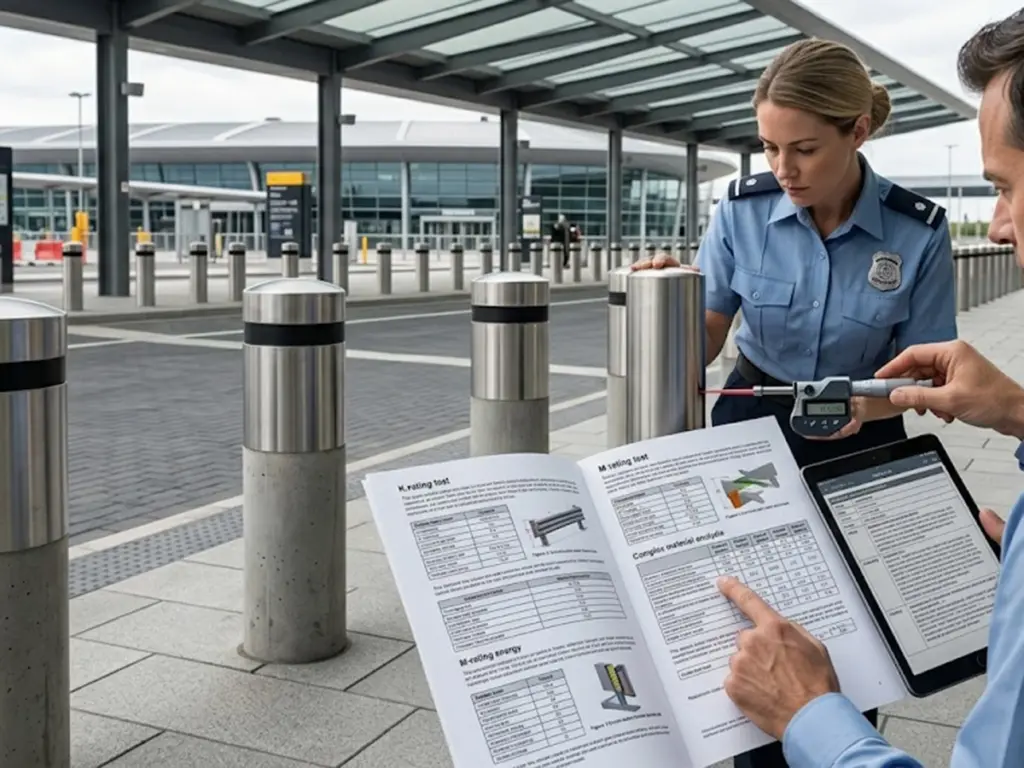
НЕТ 68 и iwa 14-1: Физический тест против. Сертификаты расчета конструкции
НЕТ 68:2013 (Великобритания/Европа) и iwa 14-1:2013 (международный) являются основными стандартами испытаний на удар транспортных средств для противодействующих транспортных средств.. Единственное и наиболее важное различие в проверка сертификата соответствия болларда в соответствии с этими стандартами является обозначением метода испытаний.: V. (Транспортное средство — проведен физический краш-тест.) против D (Проектирование — только теоретический расчет).
А “Дюймовый”-номинальный сертификат не подтверждает характеристики физического воздействия. Инженерные модели оценивают структурные запасы; они не копируют 7,500 Транспортное средство кг, врезавшееся в 80 км/ч в переменных реальных условиях. Спецификации закупок для защиты многолюдных помещений и критически важной инфраструктуры должны предусматривать “V.”-рейтинговый сертификат без исключения.
Полный ПАС 68 Строка сертификации должна присутствовать в любом действительном сертификате. Пример строки — PAS 68:2013 V/7500(Н2)/80/90:0.0/0.0— кодирует класс транспортного средства (Н2), скорость (80 км/ч), и расстояние проникновения (0.0 м). Отделы закупок должны требовать полную строку, не сводный значок или маркетинговый лист поставщика. Обязательные поля включают название испытательной лаборатории., номер аккредитации, Точная модель продукта с размерными характеристиками, дата испытания, и уполномоченное лицо с подписью.
ДОС/СД-СТД-02.01 и сертификаты безопасности ASTM F2656 для США.. Федеральные проекты
Для США. федеральные и посольские проекты, ДОС-СД-СТД-02.01 Версия A регулирует требования к противотаранному барьеру.. Заменяющий стандарт, АСТМ Ф2656-20, определяет М-рейтинги (М30, M40, M50) замена устаревшей системы K-рейтинга. Проверка сертификата соответствия болларда согласно ASTM F2656 требуется полный отчет об испытаниях, а не краткое изложение, с указанием идентификатора аккредитованной лаборатории., протестированная конфигурация продукта (диаметр, толщина стены, глубина заделки, конкретная спецификация), полная масса автомобиля, скорость удара, и расстояние проникновения.
Критическая модель мошенничества возникает часто: продавцы, ссылающиеся “Конструкция, соответствующая стандарту ASTM” без официального протокола испытаний третьей стороны. Эта фраза не имеет нормативной силы. Законные продукты, сертифицированные DOS, требуют тестирования в таких учреждениях, как Юго-западный исследовательский институт. (SwRI). Группы по закупкам могут сверяться со списком продуктов, соответствующих критериям DOS Active Vehicle Barrier, для подтверждения списков продуктов перед принятием заказа на поставку..
Навигация RU 1317, Маркировка CE, и региональные стандартные варианты
Маркировка CE в соответствии с Регламентом ЕС о строительной продукции (СЛР 305/2011) само по себе недостаточно для барьера безопасности транспортного средства (ВСБ) приобретение. Для приложений HVM требуется отдельный отчет о физических испытаниях, соответствующий требованиям CPNI/NPSA.. Справочник по контексту закупок в Австралии AS/NZS 3845 и серия AS 1742; Маркировка CE от европейского поставщика не означает соответствия австралийским спецификациям проекта..
| Стандартный | Выдающий орган | Тип теста Требуется | Строка сертификата | Источник проверки |
| НЕТ 68:2013 | Группа БСИ | V. (Физический) или d (Дизайн) | Требуется полная ударная струна | bsigroup.com / ukas.com |
| Iwa 14-1:2013 | Iso | V. (Физический) предпочтительнее для HVM | Требуется полная ударная струна | iso.org / национальные органы по аккредитации |
| АСТМ Ф2656-20 | ASTM International | Физический краш-тест обязателен | M30/M40/M50 с полными данными испытаний | astm.org / SwRI / А2ЛА |
| ДОС-СД-СТД-02.01 | НАС. Отдел. государства | Физический краш-тест обязателен | Требуется листинг QPL | state.gov AVB QPL |
Источник: Группа БСИ ПАС 68 Обзор | АСТМ Ф2656-20
Проблема несоответствия моделей: Когда протестированная единица не является доставленной единицей
Как производители используют неоднозначность семейства продуктов
Несоответствие моделей является наиболее технически сложным вектором мошенничества при закупках.. Поставщики применяют единый сертификат краш-теста, проводимого для одной конкретной размерной конфигурации, для всего семейства продуктов без повторного тестирования вариантов.. Испытываемое устройство может нести 273 мм внешний диаметр и 8 мм толщина стенки; поставленная производственная единица отгружается в 219 мм наружного диаметра и 6 мм толщина стенки. Снижение производительности при ударе транспортного средства является нелинейным., не пропорциональный. Энергоемкость конструкции поставляемого агрегата может быть на 40–60 % ниже, чем у испытанного прототипа..
НЕТ 68 Приложение C является явным: протестированные конфигурации не распространяются автоматически на размерные варианты. Каждая группа закупок, выполняющая проверка сертификата соответствия болларда необходимо сравнить точные размеры, указанные в отчете об испытаниях (миллиметр за миллиметром), с позицией заказа на поставку.. Название серии продукции не является технической спецификацией..
Замена арматуры и манипулирование глубиной фундамента
Переменные внутреннего армирования — спецификация арматурного каркаса, толщина опорной плиты, схема расположения анкерных болтов, и характеристики затирки — невидимы после установки. Продавцы используют эту непрозрачность. Сертифицированный столбик установлен по адресу: г. 800 мм глубина установки, когда тестовая основа предполагала 1,200 мм в грамотном плотном гравии, аннулирует номинальную производительность независимо от срока действия сертификата. ASTM F2656-20 Раздел 7 и пас 68 Приложение B включает спецификации фундамента в качестве комплексных условий испытаний., не дополнительные параметры установки.
Контракты на закупки должны включать требование о сертификации проекта фундамента от лицензированного инженера-геотехника., поставляется как этап контракта отдельно от сертификата на изделие. Без этого требования, подмена фундамента остается юридически незаметной.
Идентификация сертификатов с рейтингом D в стопке документации поставщика
Языковые маркеры в мошеннической или завышенной документации поставщиков следуют узнаваемым шаблонам.. Такие фразы, как “эквивалент с рейтингом аварийности,” “НЕ встречается 68 критерии эффективности,” и “предназначен для PAS 68 стандартный” регулярно появляются в таблицах данных, подготовленных брокерами. Ни одна из этих фраз не подтверждает физическое тестирование.. Точный вопрос, который должны задать команды по закупкам:: “Можете ли вы предоставить отчет о необработанных данных испытательной лаборатории?, включая видеодоказательства физического воздействия, ссылается по номеру аккредитации?” Законные лаборатории — Хориба МИРА, ТРЛ, Милбрук — храните архивы испытаний и отвечайте на запросы прямой проверки.. Продавцы, которые не могут обеспечить такой ответ, терпят неудачу. проверка сертификата соответствия болларда на самом базовом уровне.
Анализ PDF-файлов для отделов закупок: Обнаружение сертификатов соответствия, измененных в цифровой форме
Методы анализа метаданных и проверки слоев
В каждый PDF-файл встроены метаданные создания — первоначальный автор, используемое программное обеспечение, дата создания, и дата модификации — доступны без специальных инструментов. Рабочий процесс проверки прост. В Адобе Акробат, перейдите к файлу > Характеристики > Описать и проверить Созданный, Модифицированный, и области применения. Сертификат, созданный в 2019 но изменено в 2024 без объяснения истории версий является красным флагом высокого приоритета. Бесплатная программа командной строки pdfinfo (Linux/macOS) или редактор PDF-XChange извлекает полные метаданные XMP для более глубокой проверки..
Манипуляции на основе слоев — наиболее распространенный метод изменения.. Брокеры размещают белые прямоугольники поверх оригинальных названий заводов с помощью Adobe Illustrator или Acrobat Pro., затем повторно введите заменяющие названия компаний на новом слое.. Это видно под панелью «Слои» в Acrobat Pro.. Несоответствие шрифтов обеспечивает вторичный сигнал обнаружения.: в исходных сертификатах используются встроенные наборы шрифтов; в заменяемом тексте часто используется системный шрифт, который не соответствует окружающему основному тексту., обнаруживается в инструментах Acrobat > Полиграфическая продукция > Предполетная панель.
Проверка подписи и печати на отчетах аккредитованных лабораторий
Разница между PDF-файлом с цифровой подписью и отсканированным и перепечатанным изображением подписи имеет решающее значение.. PDF-файл с цифровой подписью включает криптографический сертификат, который можно проверить с помощью панели проверки подписи Acrobat.; отсканированное изображение подписи не имеет криптографической проверки. Отделы закупок должны требовать сертификаты с криптографической подписью для всех приложений HVM и критически важной инфраструктуры..
ИСО/МЭК 17025 Проверка аккредитации лаборатории требует перекрестных ссылок на базу данных национального органа по аккредитации.. Британские лаборатории проверяют через UKAS (ukas.com); НАС. лаборатории через NVLAP или A2LA (a2la.org); Лаборатории ЕС через стороны, подписавшие EA-MLA. Область аккредитации лаборатории должна явно охватывать указанный стандарт испытаний — PAS. 68, ASTM F2656, или IWA 14-1. Общая аккредитация на испытания материалов не распространяется на испытания транспортных средств на удар..
Трансграничная аутентификация сертификатов: Прямой контакт с выдающими органами
Прямое обращение к органам, выдающим сертификаты, является шагом наибольшего доверия в проверка сертификата соответствия болларда. Для ПАС 68 и соответствующие стандарты, Группа БСИ (bsigroup.com) подтверждает номера сертификатов по выданным записям. НПСА (npsa.gov.uk) ведет утвержденный реестр продукции для оборудования HVM. Технический комитет ASTM International F12 занимается стандартной интерпретацией.; SwRI и A2LA проверяют США. протоколы испытаний. Продукт UL iQ (ul.com/база данных) поддерживает поиск оборудования, сертифицированного UL. Группы по закупкам должны учитывать сроки ответа в течение 5–10 рабочих дней в графиках квалификации поставщиков.. Любой поставщик, который препятствует прямому контакту с лабораторией, без исключения не проходит квалификацию..
Аудит протоколов заводских испытаний для отслеживания марок стали
Что должен содержать действительный MTR
Отчет о заводских испытаниях (ССО)— также называемый отчетом об испытаниях материала — выдается сталелитейным заводом, подтверждающим химический состав и механические свойства конкретной производственной плавки или партии.. Иерархия данных начинается с номера плавки, номера отливки, сертификата стана и сертификата продукта., обеспечение полной прослеживаемости до исходного расплава. Действительный MTR для стальных конструкционных столбов должен включать обозначение марки стали. (ASTM A53, класс B для конструкционных труб; ASTM A36 для пластины; В 10210 S355J2H для полых профилей ЕС), результаты химического состава (Углерод, Марганец, Фосфор, сера, Кремний в пределах технических характеристик), и результаты механических испытаний, включая предел текучести, Предельная прочность на растяжение, Процент удлинения, и ударная вязкость по Шарпи, если указано.
Приманка для стали: Как низкосортный материал попадает в цепочку поставок
Наиболее существенная замена материала — замена стали определенной марки. (В 10210 С355 / 355 Минимальный выход МПа) с товарной конструкционной сталью (Q235B по китайскому национальному стандарту / примерно 235 Выход МПа)-а 34% снижение предела текучести, которое остается невидимым без аудита MTR. Это не теоретическое: портативный XRF-анализ на мероприятиях по предотгрузочной проверке регулярно выявляет подмену сортов при производстве морских кнехтов.
Брокеры изменяют MTR, используя те же методы, что и сертификаты соответствия.: оригиналы заводских документов сканируются, плавные номера сохраняются, обозначения классов изменены, и названия мельниц заменены. Метод обнаружения — прямые перекрестные ссылки.. Команды по закупкам должны требовать прямую передачу MTR на завод — доставленную со сталелитейного завода или из сервисного центра первого уровня по электронной почте с неповрежденными заголовками., не предоставлено производителем болларда.
Сторонние протоколы проверки материалов и испытаний PMI
Полные факторы затрат, лежащие в основе закупки столбов обнаружит, что затраты на проверку третьей стороной составляют часть общей стоимости проекта и должны быть записаны в контрактах с поставщиками как право на закупку., не является дополнительным дополнением.
Создание контрольного списка квалификации поставщиков, который исключает риск, связанный с документацией
Шестиворотовая система квалификации документации поставщиков
Модель квалификации на основе шлюзов преобразует проверка сертификата соответствия болларда из специального обзора в повторяемый, интегрированный в политику процесс.
- Ворота 1 — Проверка регистрации компании: Подтвердите название юридического лица, регистрационный номер, и юрисдикция; перекрестная ссылка на имя организации, выдающей сертификат.
- Ворота 2 — Подтверждение аккредитованной лаборатории: Проверьте соответствие ISO/IEC испытательной лаборатории. 17025 область аккредитации охватывает указанный стандарт через базу данных национального органа по аккредитации.
- Ворота 3 — Полнота строки сертификата: Раскодируйте полную строку PAS 68/IWA 14-1/ASTM.; подтвердить класс автомобиля, скорость, проникновение, и рабочая ширина соответствуют спецификации проекта.
- Ворота 4 — Соответствие конфигурации модели: Сравните размерные характеристики отчета об испытаниях (диаметр, толщина стены, глубина заделки, спецификация фундамента) против заказа на поставку построчно.
- Ворота 5 — Прослеживаемость MTR: Получите MTR для мельницы; подтвердить номер плавки, оценка, и механические свойства; комиссионный PMI, если цепочка поставок непрозрачна.
- Ворота 6 — Перекрестная ссылка на выдающий орган: Свяжитесь с БСИ, УКАС, НПСА, А2ЛА, или соответствующий национальный орган для подтверждения подлинности сертификата.
Красные флажки, которые вызывают немедленную дисквалификацию поставщика
Определенные сигналы документации требуют немедленной дисквалификации., без исключения, в любом строгом проверка сертификата соответствия болларда рабочий процесс.
- Сертификат выдан на имя компании, которое не совпадает с юридическим лицом-поставщиком в заказе на поставку..
- Полная строка сертификации недоступна.; поставщик предоставляет только сводный лист или ссылку на маркетинговую брошюру.
- В метаданных PDF указана дата изменения после указанной даты сертификации без примечания к версии..
- Название лаборатории в сертификате не указано в UKAS., А2ЛА, НВЛАП, или базы данных EA-MLA в рамках соответствующего объема испытаний..
- Поставщик отклоняет или задерживает разрешение на прямой контакт с лабораторией.
- Номер плавки MTR не может быть сопоставлен с поддающейся проверке записью завода..
- Сертификат охватывает “семейство продуктов” без указания точной размерной конфигурации для отгрузки.
- “Дюймовый”-номинальный сертификат, представленный для применения, требующего проверки испытания на физическое воздействие.
Структурирование договорных гарантий и гарантийных положений по сертификатам
Четыре пункта контракта обеспечивают правовую основу для подотчетности в отношении обязательной документации.. Пункт о сертификационных гарантиях требует, чтобы поставщик гарантировал, что все сертификаты соответствия являются подлинными., текущий, и выдается с точной конфигурацией продукта, указанной в заказе на поставку.. Пункт о отслеживании материалов требует доставки MTR непосредственно на завод перед отправкой.. Пункт о праве на проверку дает покупателю право заказать проверку перед отправкой третьей стороне с уведомлением за 48 часов.. Положение о компенсации за мошенничество с сертификатами возмещает полную стоимость замены., повторная проверка, и, как следствие, задержки проекта для поставщика в случае подтверждения мошенничества с документацией.. Юридические группы должны определить регулирующее право, соответствующее юрисдикции как испытательной лаборатории, так и производственного предприятия..
От завода до заказа на поставку: Как прямой поиск производителей устраняет пробелы в документации
Почему многоуровневые брокерские сети подрывают целостность сертификатов
Каждый посредник в цепочке поставок представляет собой как событие обработки документации, так и риск фальсификации.. Брокеры легально переупаковывают продукты под собственным брендом, создание разрыва между субъектом, указанным в сертификате краш-теста, и субъектом, указанным в счете-фактуре. В многоуровневых цепочках, отделы закупок часто не могут получить прямой доступ к первоначальному производителю для проверки сертификата., разрешение на контакт с лабораторией, или поиск MTR — три наиболее важных шага в проверка сертификата соответствия болларда.
Каждый дополнительный уровень цепочки поставок заметно увеличивает вероятность несоответствия сертификатов и снижает способность команды закупок выполнять задачи Gates. 4 через 6 квалификационной рамки.
Пакет документации прямого производителя: Как выглядят проверенные заводские поставки
Законный, комплексный производитель предоставляет полный пакет документации при подтверждении заказа, не после установки. В этот пакет входит:
- оригинальный сертификат краш-теста с полной строкой сертификации, ссылающейся на точный артикул заказа на покупку.;
- ИСО/МЭК 17025 аттестат аккредитации испытательной лаборатории (текущий и в пределах объема);
- MTR непосредственно на заводе для всех компонентов конструкционной стали с номерами плавок и сертификатами марок;
- план качества производства или план проверок и испытаний со ссылкой на применимые стандарты;
- Декларация соответствия, подписанная уполномоченным должностным лицом компании.;
- и отчет стороннего заводского аудита от SGS., БВ, Интертек, или эквивалент, где доступно.
Как OptSigns осуществляет поставки напрямую с завода, Полностью отслеживаемая документация о соответствии
OptSigns работает как полномасштабный производитель дорожных знаков и оборудования для обеспечения безопасности дорожного движения, а не как торговая компания или брокер.. Юридическое лицо, выдающее документацию о соответствии, и юридическое лицо, выполняющее заказ на поставку, идентичны., устранение пробела в документации, вставленного брокером, который приводит к шести причинам дисквалификации, указанным выше.
OptSigns обеспечивает отслеживание MTR непосредственно с завода., сертификаты краш-тестов, ссылающиеся на точные конфигурации продукта, доступные для проверки предварительного заказа, и контактные данные уполномоченной лаборатории активно передаются командам по закупкам. Специалисты по соблюдению требований и менеджеры по обеспечению качества, которым требуется оправданное, Готовая к аудиту цепочка поставок оборудования для обеспечения безопасности дорожного движения может запросить OptSigns’ полный пакет квалификационной документации поставщика, включая строки сертификации, Образцы ССО, и рекомендации по аккредитации лабораторий — в рамках предварительной квалификационной проверки без каких-либо обязательств..
The Полное руководство по поиску и закупке дорожных столбов предоставляет структуру полного цикла, охватывающую оценку поставщиков, проверка соответствия, и управление цепочкой поставок от спецификации до поставки.
Часто задаваемые вопросы: Проверка сертификата соответствия болларда
Как проверить, есть ли PAS 68 Сертификат болларда является подлинным?
Расшифруйте полный PAS 68 строку сертификации и убедитесь, что она ссылается на точную конфигурацию продукта — диаметр, толщина стены, и глубина установки — в соответствии с заказом на поставку. Сопоставить выдавшую испытательную лабораторию с базой данных аккредитации UKAS. (ukas.com) для подтверждения текущего сертификата ISO/IEC 17025 область применения, охватывающая испытания транспортных средств на удар. Свяжитесь с BSI Group напрямую и сообщите ссылочный номер сертификата.. Законные сертификаты проходят по этим каналам в течение 5–10 рабочих дней.. Любой поставщик, который препятствует этому процессу проверки, терпит неудачу. проверка сертификата соответствия болларда и должен быть немедленно дисквалифицирован.
В чем разница между столбиками с рейтингом V и D согласно IWA? 14-1?
Под IWA 14-1:2013, а “V.” Обозначение подтверждает физическое испытание транспортного средства на удар, проведенное на аккредитованном объекте с реальным транспортным средством на указанной скорости.. А “Дюймовый” Обозначение указывает на производительность, оцененную посредством инженерно-проектных расчетов — теоретическая модель., не физическое испытание. Для приложений с высоким уровнем безопасности, включая защиту критической инфраструктуры и многолюдных пространств., спецификации закупок должны требовать сертификат с рейтингом V. Документация с рейтингом D не подтверждает реальные характеристики проникновения в переменных условиях..
Как я могу определить, был ли протокол заводских испытаний изменен поставщиком??
Сопоставьте номер плавки в MTR непосредственно с исходным сталелитейным заводом — свяжитесь с отделом качества завода, чтобы подтвердить марку и химический состав по их записям.. Проверьте PDF-файл MTR на предмет несоответствия шрифта в поле обозначения оценки относительно окружающего основного текста., что указывает на замену на основе слоев. Закажите испытание PMI перед отправкой с использованием портативного XRF-анализатора, выполняемое независимой организацией, такой как SGS или Bureau Veritas, для подтверждения состава сплава на месте производства.. Настоящий MTR от законного завода выдерживает все три этапа..
Может ли один сертификат ASTM F2656 распространяться на несколько моделей столбиков??
Нет. Испытания ASTM F2656-20 применяются строго к испытываемой конфигурации, включая внешний диаметр., толщина стены, глубина заделки, спецификация бетона фундамента, и точная используемая система анкеров или муфт.. Поставщики продают несколько SKU в одном отчете о тестировании., без индивидуальных тестовых данных для каждой конфигурации, искажать область сертификации. Группы по закупкам должны запросить необработанный отчет испытательной лаборатории и сравнить размеры с конфигурацией заказа на поставку.. Для США. федеральные проекты, перекрестную ссылку на список продуктов, отвечающих требованиям DOS для активных транспортных барьеров, поддерживаемый США.. Государственный департамент.
Какие положения контракта защищают отделы закупок от мошеннической документации о соответствии требованиям?
Четыре пункта обеспечивают необходимую защиту: Сертификационная гарантийная оговорка (Поставщик гарантирует, что все сертификаты являются подлинными и выданы в соответствии с точной конфигурацией заказа на поставку.); положение о отслеживании материалов (MTR, предназначенные для завода, доставлены перед отгрузкой); Статья о праве на проверку (покупатель может заказать предотгрузочную проверку третьей стороне с уведомлением за 48 часов.); и положение о компенсации за мошенничество с сертификатами (продавец несет полную замену, повторная проверка, и затраты за задержку в случае подтверждения факта мошенничества). Юридические группы также должны включить положение о регулирующем праве, согласованное с юрисдикцией испытательных лабораторий и производственных предприятий, чтобы обеспечить трансграничное правоприменение..
Ссылки
- НПСА (Национальное управление защитной безопасности) — Руководство по смягчению последствий враждебных транспортных средств
- Группа БСИ — НЕТ 68 Обзор борьбы с враждебными транспортными средствами
- АСТМ Интернешнл — ASTM F2656-20 Стандартный метод испытаний для краш-тестирования барьеров по периметру транспортных средств
- УКАС — Служба аккредитации Соединенного Королевства, Справочник аккредитованных лабораторий
- А2ЛА — Американская ассоциация аккредитации лабораторий, Каталог
- НАС. Программа Закона о безопасности DHS — Реестр антитеррористических технологий
- ИСО — Iwa 14-1:2013 Барьеры безопасности транспортных средств