フレキシブルデリニエーターポストとチャネライザーボラードが商用ボラードの調達スケジュールを定義する理由
表面実装およびリバウンド可能なハードウェアによる導入速度の利点
表面実装の柔軟なポリウレタンのデリニエーター ポストと高弾性のリバウンド可能なチャネライザー ボラードは、一時的な交通規制のための商用ボラードの調達スケジュールを根本的に変えました。 (TTC) ゾーン. コンクリート充填鋼製ボラードとは異なり、注入サイクルごとに 24 ~ 72 時間の硬化が必要です。, 表面実装ユニットは、アンカー ボルトまたは接着ベース プレートを使用して数分で展開され、民間の下請け業者のスケジュールへの依存を排除します。.
MUTCD パート 6 (一時的な交通規制) チャネライゼーションデバイスを分類します — デリニエーターポストを含む, コーン, および管状マーカー — タイプ I として, ii, 定義済みの再帰反射性と可視性要件を備えた III チャネライザー. コンプライアンス対応ハードウェアは事前に完成した状態で OSHA に出荷されます 1910.144 セーフティオレンジまたは視認性の高いイエロー仕様, 修正やり直しサイクルをゼロに短縮する.
Tトップルーパーチューブが新たな次元を追加: 連動するクラウン設計により、作業員は水深 500 フィートの作業ゾーン全体でレーンの形状を再構成できます。 90 数分 — 埋め込みスチール システムでは 3 ~ 5 日かかる作業. これらの製品カテゴリをマスタースケジュールに統合する商業建設プロジェクトマネージャーは、従来の常設ボラードの仕様に固定されている競合他社がまったく持っていないスケジュールフローを早期に獲得します。.
仮設ハードウェアが商用ボラードの調達スケジュールをどのように再構築するか. 永続的な埋め込み
一時的ボラード展開スケジュールと恒久的ボラード展開タイムラインの区別は、スケジュール主導型の商用プロジェクトにとって重要です。. ASTM F2656 に基づく恒久的な埋め込み型衝突安全ボラードには、製造開始前に 5 ~ 10 営業日の製造図の承認サイクルが必要です, その後、製造に 30 ~ 55 営業日かかります. 柔軟なデリニエーターポストとラバーベースの安全コーンは工場在庫から 3 ~ 7 営業日で出荷されます。これにより 6 ~ 8 倍のスピードが得られます。.
重いゴムベースの安全コーン (28″ そして36″ 7 ~ 12 ポンドの加重ベースを備えたトラフィック コーン) インストールはまったく必要ありません. ステージングと再配置には数分かかります, MUTCD パートを満たす 6 掘削許可を発動せずに、活発な商業ゾーンでの一時的なチャネル化要件. これにより、レーン構成が毎週変更される段階的な商用ビルドの主要な仕様になります。.
フレキシブルなデリニエーター ポストとチャネライザー ボラードを仕上げ品として扱うプロジェクト マネージャー (フェーズの最後の 2 ~ 4 週間で発注) は、一貫して大量のボラードの出荷遅延に遭遇し、設置期間が圧迫されます。. これらの製品を中心とした商用ボラードの調達スケジュールを構築するには、クリティカル パス取引に適用されるのと同じフォワード スケジューリング規律が必要です。.
ボラードの製造所要時間: 標準 vs. カスタム生産スケジュール
工場から現場までの標準的な柔軟なポストおよびチャネライザーのリードタイム
標準のフレキシブル ポリウレタン デリニエーター ポスト (ストック構成) — 36″ または48″ 身長, 3″ 直径, セーフティオレンジまたはホワイト — 垂直統合型の国内メーカーから 1 ~ 5 営業日以内に出荷. 標準の黄色またはオレンジ色の高弾性リバウンドチャネライザーボラードは 3 ~ 7 営業日で出荷されます. 標準寸法の T トップ ルーパー チューブは、工場在庫から 2 ~ 5 営業日の出荷期間を設けています。.
大量注文 200+ 大規模な商業キャンパスまたは多段階の建設回廊用のユニットがバッチ生産キューに入ります. キューの位置は確認された注文書の発行時にのみロックされます。口頭での保留は工場計画においてスケジューリングの重みを持ちません。. 部分出荷戦略により、残りのユニットが生産を完了している間に、注文の 60 ~ 70% が在庫からすぐに出荷されます。, 天びんの輸送中に設置を開始できるようにする.
| 製品タイプ | 在庫リードタイム | カスタムリードタイム | ラッシュオプション |
| フレックスポリウレタンデリニエーターポスト | 1–5営業日 | 10–18営業日 | 利用可能 (+20–30%) |
| リバウンド可能なチャネライザーボラード | 3–7営業日 | 14–22営業日 | 利用可能 (+20–30%) |
| Tトップルーパーチューブ | 2–5営業日 | 10–15営業日 | 利用可能 (+15–25%) |
| ヘビーラバーベースのセーフティコーン (28″/36″) | 1–3営業日 | 8–14営業日 | 利用可能 (+15–25%) |
| カスタム RAL パウダーコート スチール ボラード | n/a (カスタムのみ) | 25–45営業日 | 限定 (+25–40%) |
| 衝突安全規格 ASTM F2656 埋め込みボラード | n/a (カスタムのみ) | 35–60営業日 | めったに入手できない |
テーブル 1: 国内交通安全金具メーカーの生産データからのリードタイムベンチマーク.
カスタムボラードの生産スケジュールのボトルネック: 色, ブランディング, および仕様の逸脱
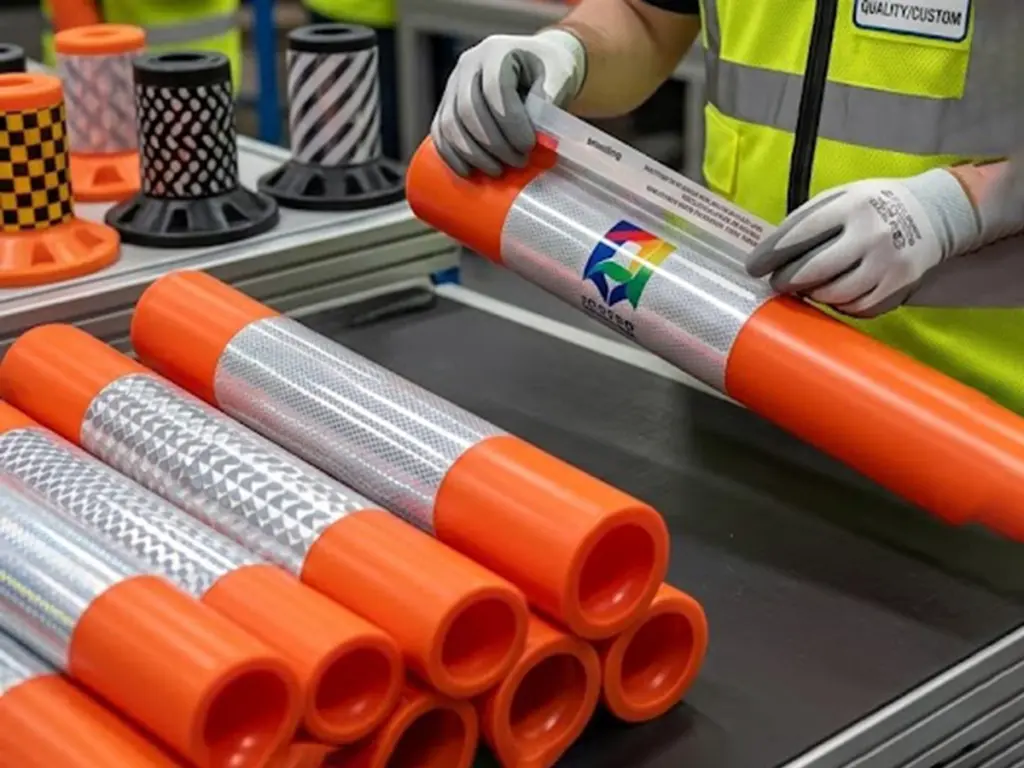
カスタムボラードの生産スケジュールにより、3 つの主要なボトルネック段階で遅延が発生します. 非標準の RAL カラー パウダー コートのマッチングには、最低ロット (通常は 20 ~ 50 ユニット) が必要であり、生産スケジュールに 8 ~ 12 営業日が追加されます。. ポリウレタンのデリニエーターでのロゴのエンボス加工またはカスタム テキストの成形には、生産開始前に 5 ~ 7 営業日の工具セットアップが必要です. 標準コア直径からの仕様の逸脱により、エンジニアリングレビューサイクルが開始され、キューへの登録が遅れます.
ASTM D4169 反発性能試験は、フレキシブルデリニエーターポストおよびチャネライザーボラードに適用されます。. テストされたポリウレタン化合物から逸脱する非標準の材料配合物は、MUTCD が管理する作業区域で商業的に展開する前に、独立した衝撃検証を受ける必要があります。. カスタムのデリニエーター材料を指定するプロジェクト チームは、計画の初日からこのテスト期間 (通常は 10 ~ 15 営業日) をカスタム ボラードの製造スケジュールに組み込む必要があります。.
物理的セキュリティと TTC ハードウェアにおけるサプライ チェーンのリスク: 商業リスク分類法
ティア 1 リスク: 原料の揮発性とポリウレタン樹脂の供給制約
TTC アプリケーション用の物理セキュリティ ハードウェアにおけるサプライ チェーンのリスクは、ポリウレタン樹脂原料の入手可能性に集中しています. リバウンド可能なチャネライザーボラードと柔軟なデリニエーターポストはMDIに依存しています (メチレンジフェニルジイソシアネート) およびポリオールブレンド - 製油所のメンテナンスシーズンやエネルギー価格の高騰中に4~10週間の供給逼迫サイクルが発生する石油化学誘導体.
垂直統合された樹脂調達を行う国内メーカーは、この変動を内部で吸収し、90 ~ 120 日の原材料バッファーを維持します。. ブローカーと仲介のサプライチェーンにはこのバッファーが不足しており、原材料の遅延がプロジェクトのスケジュールに直接反映されます。, 多くの場合、事前の通知なしで. メーカーを評価するプロジェクト マネージャーは、生産スケジュールを最終決定する前に、原材料の手持ち確認を要求する必要があります。.
- リスク分類: 可能性 - 中; 影響 - 高
- 緩和: デュアルソース戦略または垂直統合による工場直接メーカー
- BLS プラスチック材料の生産者価格指数: https://www.bls.gov
ティア 2 リスク: バルクボラードの配送遅延とラストマイル物流の失敗
バルクボラードの配送遅延は、商用ボラードの調達スケジュールにおいて最も頻繁に業務上の混乱を引き起こします。. 都市市場の活発な商業建設現場にサービスを提供する LTL 航空会社は、通常の状況では 3 ~ 5 営業日前の予約が必要です. 第 4 四半期と建設のピークシーズンに生産能力が逼迫する (4月~9月) 見積期間を超えて平均輸送時間を 5 ~ 12 営業日延長します.
活発な商用サイトへのラストワンマイル配送ではさらなる摩擦が生じる. 制限された配送期間, 許可要件にフラグを立てる, サイトへのアクセス調整により、効果的な配送スケジュールに 1 ~ 3 日追加されます. ステージングされていない配信 200+ ユニットチャネライザーボラードの注文により二次的な問題が発生する: オンサイトの保管場所が不十分な場合、最悪の場合でも 3 ~ 7 営業日の再配達サイクルが発生する.
- ポートの混雑 (国際注文): 7–米国の主要国における21日間の滞留時間のばらつき. ポート
- LTLキャリアの容量不足: 第 4 四半期および 4 月から 9 月の建設シーズン
- ラストワンマイルの遅延: 1– アクセスが制限された商用サイトの場合はさらに 3 日
- 再配達ペナルティ: 3– ステージングされていない大型配送の場合は 7 営業日
ティア 3 リスク: 規制違反と修正再作業サイクル
OSHA 1910.144 物理的危険マーキングに特定の安全カラーコードを義務付ける - 建設上の危険には安全オレンジ, 黄色は警戒区域. 非準拠のデリニエーター ポストの色により、AHJ パンチ リストの保留と、15 ~ 30 日の交換調達サイクルを必要とする修正再作業命令がトリガーされます。. 設計開発時にOSHA準拠の色を指定すると、このリスクが排除されます。. (ソース: https://www.osha.gov/laws-regs/regulations/standardnumber/1910/1910.144)
MUTCD パート 6 デバイスの仕様をチャネリングするには、アクティブな交通管制ゾーン内のすべてのデバイスに対して最小の再帰反射率が必要です. デリニエーターポストとチャネライザーボラードには、FHWA ガイドラインに従って、夜間作業区域条件下ではタイプ III 再帰反射シートを取り付ける必要があります。. 再帰反射性の不適合により夜間作業停止命令が発令される - 単価の差が小さく見えるほどのスケジュールとコストへの影響.
安全ハードウェアの遅延によって引き起こされる法的損害から商業プロジェクトを保護する
ボラードが実質的な完成間近のLD暴露をどのように遅らせるか
建設物流は、ボラード遅延による損害を精算し、正確なメカニズムで運用されます。: ほとんどの管轄区域における占有証明書には、歩行者用通路を含む屋外安全ハードウェアの完成の検証が必要です, 駐車場の入り口, 荷積みドックの輪郭. 標準的な商業建設契約では、実質的な完成日に間に合わなかった場合、日額 500 ~ 5,000 ドルの LD レートが適用されます。.
柔軟なデリニエーター ポストとチャネライザー ボラードの遅延は、軽微に見えるため、不釣り合いな LD トリガーになります。 0.4% プロジェクト総コストの半分を占めるにもかかわらず、CO パンチリストのクリティカルパスに載っている. バルクボラードの発送が3週間遅れて到着 15 契約上の実質的な完了日から営業日が経過すると、GC は契約レートに応じて 7,500 ~ 75,000 ドルの LD 賠償責任を負うことになります。.
LD 暴露を排除するための契約メカニズムと調達プロトコル
サプライヤーの発注書におけるフローダウン LD 条項により、サプライチェーン内に財務上の責任が生じます. GC は、ボラード PO に比例遅延料金条項を含める必要があります。具体的には、確認された出荷日に間に合わなかった場合にサプライヤーに迅速な運賃を負担するよう要求します。. サプライヤー契約における不可抗力の文言は、運送業者の能力不足や税関の遅延などの予見可能な混乱を許す広すぎるカーブアウトについて見直す必要がある.
配送保証の文言では、推定された期間ではなく、確定した出荷日を、定義された救済策とともに指定する必要があります. タイムスタンプ付きの調達タイムラインログの維持 (POの発行, 入金確認, 生産マイルストーンの謝辞, 確認された発送日, そして実際の納品) 遅延請求またはLD紛争において主要な書面による抗弁を提供します。.
- GMPの最終決定時ではなく、許可発行時に保証金を添えてPOを発行します
- 日次LD料金に比例したフローダウンLD/遅延料金条項を含む
- 推定の期間ではなく、書面による確認済みの出荷日を要求する
- 地域の販売代理店を二次情報源として事前に認定する (1–5日間利用可能)
- 遅延が避けられない場合は、部分設置の段階的 CO について AHJ と事前調整します。
GC およびサイト ロジスティックス ディレクター向けの商用ボラード調達タイムライン マスター フレームワーク
フレキシブルおよびチャネライザー ハードウェアの逆方向にスケジュールされた調達カウントダウン
標準的な中規模商業プロジェクトにおけるフレキシブルデリニエーターポストとチャネライザーボラードの商業ボラード調達スケジュールには、実質的な完成目標から 8 ~ 14 週間の後方スケジュール期間が必要です. 以下のカウントダウンは、50 ~ 300 ユニットの標準仕様 TTC ハードウェア注文に適用されます。.
| SC の数週間前 | マイルストーンアクション |
| −14週目から−12週目 | ボラードのタイプと数量の仕様はロックされています; OSHA に従って確認された準拠色 1910.144 および MUTCD 部分 6 |
| −12週目から−10週目 | 工場直接のメーカーによる事前認定済み; 特定された地域の販売代理店の二次情報源; 在庫確認済み |
| −10週目から−8週目 | デポジット付きのPO発行; 生産枠はマイルストーン日付とともに書面で確認される |
| −8週目から−6週目 | 生産完了; ASTM D4169リバウンド仕様に基づくQC検査; 木箱詰めと貨物の予約が確認されました |
| −6週目から−4週目 | 出荷が出発しました; 貨物追跡が有効です; 現場の納品ウィンドウとアクセスは現場チームに事前確認済み |
| −4週目から−2週目 | 段階的な配信ドロップを受信しました; サイトステージングがアクティブです; 出荷時の在庫数と状態検査 |
| −2週目から−1週目 | プライマリゾーンでのインストールが完了しました; AHJ点検窓; パンチリストの解決策 |
| 週 0 | 実質的な完成: すべてのチャネライザーボラードとデリニエーターポストが取り付けられています, 検査された, パンチリストがクリアされました |
カスタムボラードの生産スケジュールにはさらに 6 ~ 8 週間かかります. あらゆるカスタム仕様について、商用ボラードの調達タイムラインを -20 ~ -18 週目に開始します。.
PO発行前の仕様ロックチェックリスト
- 8 ~ 12% の超過バッファを内蔵して数量を確認
- 製品タイプ: デリニエーターポスト, チャネライザーボラード, Tトップルーパーチューブ, またはゴムベースの安全コーン
- 寸法: 身長, 直径, ベースプレートまたはウェイトベース構成
- 色: OSHA 1910.144 安全オレンジまたは黄色; カスタムブランディング用の RAL コード
- 折り返しを後押しします: MUTCD パート 6 タイプ III 夜間 TTC ゾーン用
- 取り付け: 表面アンカー, 粘着ベース, または自立型加重ベース
- 反発性能: ASTM D4169 準拠文書をメーカーに要求
- インコタームは書面で確認済み (ターゲット: DDP または DAP)
- 配送先住所, サイトアクセス時間, 設備のニーズ, およびサイト連絡先が文書化されている
- フローダウン LD 条項と確認済みの出荷日保証が PO 文言に含まれる
垂直統合製造によってサードパーティのタイムラインのリスクが排除される理由
ブローカー仲介業者のタイムライン商業ボラード注文に対する税金
ブローカー仲介サプライチェーンでは、工場からの直接調達と比較して、商用ボラードの注文に平均 7 ~ 14 日の遅延プレミアムが課せられます。. 各ブローカーのハンドオフ — 仕様リレー, PO処理, 工場のキューの問い合わせ, 貨物の調整 - 遅延のリスクが増大します. ブローカーが見積もるリードタイムは、通常、確認されたキューの位置ではなく、過去の平均に基づいています。, スケジュールが安全であるという誤った感覚を生み出す.
ブローカーソースの注文で問題が発生した場合 - 仕様エラー, 短納期, 損害賠償請求 — 解決の連鎖は仲介者を通じて遡ります, スケジュールがそれを吸収できない瞬間に、3 ~ 5 営業日のレイテンシが追加される. 調達チャネルの選択が総調達コストにどのように影響するかを比較するには, を見てください ボラードのコストに影響を与える要因 (配送, インストール & メンテナンス).
OPTSIGNS との提携 — 工場から直接のリードタイムの透明性
OptSigns は垂直統合型として動作します, 本格的な交通標識および交通安全ハードウェアのメーカー — 上流の押出成形と下流の物流パイプライン全体を制御.
OptSigns と協力するゼネコンと現場物流ディレクターは、PO 発行時に、推定ウィンドウではなく、確認された生産スロットの文書を、工場現場から現場納品までのマイルストーン追跡とともに受け取ります。. サードパーティブローカーの遅延, 仕様リレーエラー, 中間業者のマークアップは構造的に排除されています.
今すぐ商用ボラードの調達スケジュールを確保しましょう. 直接の問い合わせについては OptSigns にお問い合わせください-工場のリードタイム評価と生産スロットの確認.
調達戦略を完全な調達およびコンプライアンスのフレームワークに結び付ける
このガイドのスケジュールとリスクのフレームワークは、コスト構造に対処する完全な調達戦略と統合されると最大限の効果が得られます。, サプライヤー資格, およびコンプライアンス文書. 統合されたビューを構築するプロジェクト チーム向け, the 包括的な交通ボラードの調達および調達ガイド 仕様からサプライヤーの認定、設置後のコンプライアンス文書に至るまで、ボラードの調達ライフサイクル全体を網羅しており、大規模な物理セキュリティ ハードウェアを管理する商用建設チームの信頼できる参考資料として機能します。.
よくある質問: 商業用ボラードの調達スケジュール
Q1: 標準的な小売プロジェクトにおける柔軟なデリニエーターポストの現実的な商用ボラードの調達スケジュールはどのようなものですか?
標準仕様のフレキシブルポリウレタン製デリニエーターポスト用 — セーフティオレンジ, 36″ または48″, 表面アンカーベース — 現実的な商用ボラードの調達タイムラインは、仕様のロックから設置準備完了の納品まで 6 ~ 10 週間かかります。. この期間は、工場在庫からの生産の 1 ~ 5 営業日を占めます。, 3–国内LTL輸送の5営業日, 2 ~ 3 日間のサイト納品調整, PO処理のための2週間のバッファ付き. カスタムカラーやブランディングを行うと、生産だけでも 10 ~ 18 営業日追加されます。.
第2四半期: ASTM D4169 はリバウンド可能なチャネライザー ボラードのカスタム ボラードの製造スケジュールにどのような影響を与えますか?
ASTM D4169 は、フレキシブルデリニエーターおよびチャネライザー製品のリバウンド性能と衝撃試験基準を確立しています。. テストされた化合物の仕様から逸脱するカスタムポリウレタン配合物は、MUTCD が管理する作業区域での展開の資格を得る前に、独立した衝撃検証 (通常は 10 ~ 15 営業日のテスト期間) を受ける必要があります。. このテスト段階は、カスタムボラードの製造スケジュールに直接追加されます。. 事前に認定された ASTM D4169 準拠の製品を指定すると、この遅延が完全に排除されます.
Q3: バルクボラードの配送遅延の最も一般的な原因は何ですか, プロジェクト計画中にそれらをどのように防ぐか?
バルクボラードの配送遅延の最も一般的な 5 つの原因は次のとおりです。:
(1) 発注書の発行が遅れ、注文が利用可能な生産キューの外に置かれる;
(2) 発注書の発行後に仕様が変更され、生産が再開される;
(3) 第 4 四半期および建設ピーク期に LTL 運送業者の輸送能力が不足し、5 ~ 12 営業日追加される;
(4) 未確認のアクセスウィンドウまたは荷降ろし機器の不足による現場での配送拒否;
(5) HSコードの誤分類により税関で保留された国際注文. 予防には早期の発注書発行が必要, ご注文前の仕様ロック, 航空会社の事前予約, および納品前の現場調整に関する文書.
Q4: ボラード遅延による建設物流の損害賠償は実際にどのように引き起こされるのか, そしてそれらはどのように避けられるのか?
CO発行のためにAHJが要求する外部安全ハードウェアが設置および検査されていないため、実質的な完成が阻止された場合、ボラード遅延による建設物流の損害賠償が発生. 中規模商業契約の 1 日あたり LD レートは 500 ~ 5,000 ドルであり、2 ~ 3 週間の供給遅延でも 5 桁の賠償責任が発生します。. 回避するには、実質的な完成の 10 ~ 14 週間前に商用ボラードの調達スケジュールを開始する必要があります。, サプライヤーの発注書にフローダウン遅延料金条項を挿入する, 地域の販売代理店を 1 ~ 5 日間の緊急二次供給源として事前に認定する.
Q5: サプライチェーンのリスクを最小限に抑えるために、GC が TTC ハードウェア調達に必要とするもの?
ゼネコンはDDPと交渉すべき (納入された関税の支払い) またはDAP (その場で配達) すべてのクリティカル パス安全ハードウェアに関する用語. DDP 規約に基づく, サプライヤーがすべての輸送コストを負担します, 関税, 指定された現場への配送リスク - 港湾遅延の換算, 税関ホールド, GC の問題からサプライヤーの契約上の是正義務に至るまでの貨物輸送の混乱. EXW および FOB 条件(工場ゲートまたは原産港で購入者にリスクを移転する)は、商用ボラード調達タイムラインのクリティカル パス上のハードウェアには不適切です.
参考文献と規制情報源
OSHA規格 1910.144 — 物理的危険を示す安全カラーコード
ASTM D4169 — 輸送用コンテナおよびシステムの性能テストの標準的な方法 (反発力・衝撃力)
ASTM F2656 — 周囲バリアの車両衝突試験の標準試験方法