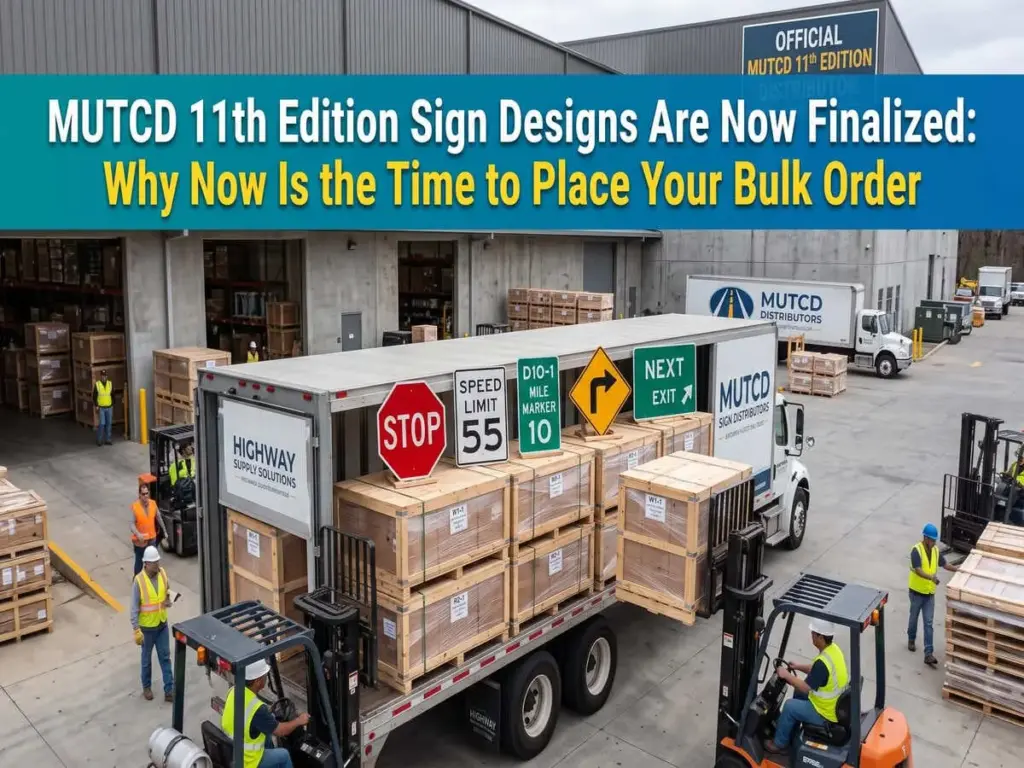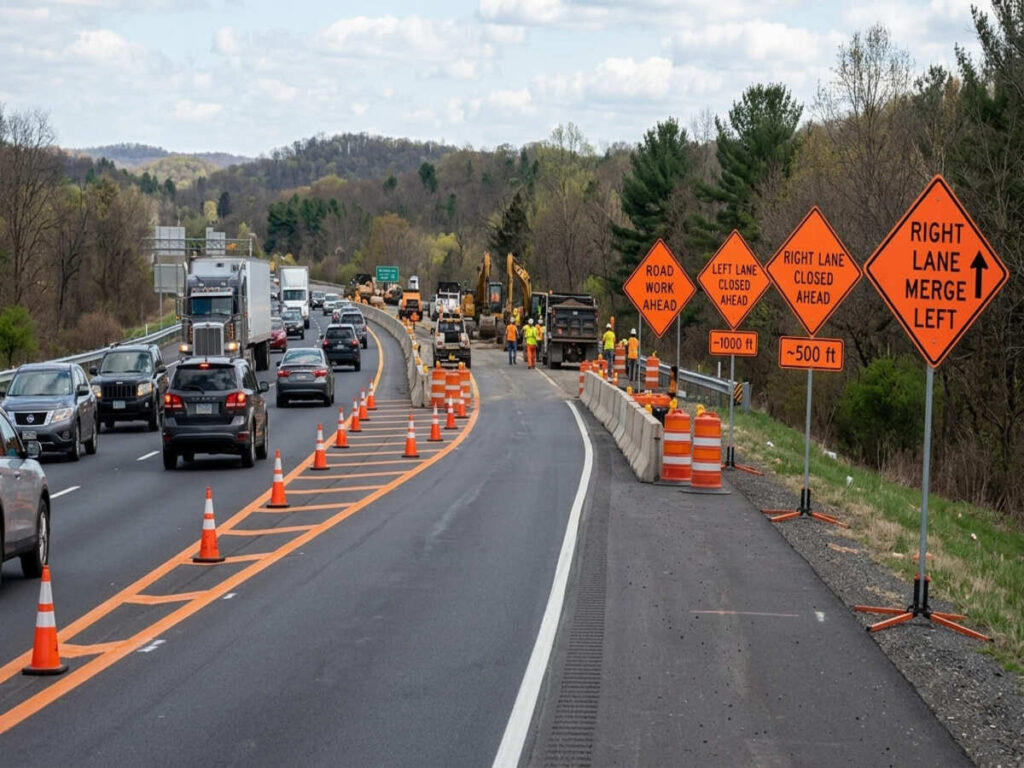
Gli enti pubblici si trovano ad affrontare una stretta sempre più stringente. L’Infrastructure Investment and Jobs Act si impegna in modo approssimativo $350 miliardi ai programmi autostradali federali durante l’anno fiscale 2026 (Fonte: https://Highways.dot.gov/iija/funding), tuttavia, i responsabili degli appalti devono spendere ogni dollaro per far fronte all’aumento dei costi dei materiali e alle norme di conformità più rigorose. La scadenza per l'adozione dell'undicesima edizione del MUTCD è di gennaio 18, 2026, e la regola dei prodotti manifatturieri Buy America aggiunge nuovi livelli a ciascuno appalto di segnaletica autostradale decisione.
Questo manuale offre al DOT e agli acquirenti municipali un quadro chiaro per appalto di segnaletica autostradale. Copre le offerte, Prezzi, e controllo dei costi del ciclo di vita. Ogni sezione si collega a una risorsa più profonda in modo che i team possano passare dalla strategia all'esecuzione senza perdere tempo. Strategico appalto di segnaletica autostradale non è più facoltativo: è una competenza fondamentale per qualsiasi agenzia che voglia difendere il proprio budget e rispettare le scadenze di conformità federale.
Il panorama degli appalti di segnaletica autostradale in 2026
Riuscito appalto di segnaletica autostradale inizia con la comprensione delle regole del gioco. I finanziamenti federali fluiscono attraverso i DOT statali e gli enti pubblici locali. Ogni livello aggiunge obblighi di conformità. Gli acquirenti che ignorano questo contesto perdono denaro in rielaborazioni e offerte squalificate.
Tre veicoli di procurement che gli acquirenti devono conoscere
Le agenzie pubbliche utilizzano tre veicoli principali per acquistare dispositivi di controllo del traffico. La scelta dipende dal valore del dollaro, urgenza, e la complessità del prodotto.
| Metodo | Miglior caso d'uso | Media. Tempo del ciclo | Leva di controllo dei costi |
| Invito per l'offerta (IFB) | Segni standardizzati, specifiche chiare | 90–150 giorni | Basato sul prezzo; miglior offerente reattivo |
| Richiesta di proposta (RFP) | Programmi complessi, servizio pluriennale | 120–210 giorni | Punteggio di miglior valore; ponderato per la qualità |
| Contratto di cooperazione | Fornitori prequalificati, distribuzione rapida | 15–45 giorni | Prezzo prenegoziato; livelli di volume |
| Fonte unica / Emergenza | Risposta al disastro, articoli proprietari | 7–30 giorni | Limitato; richiesta giustificazione documentata |
Principali parti interessate nel DOT e nell'acquisto di insegne comunali
Gli addetti agli acquisti controllano il processo. Gli ingegneri del traffico approvano le specifiche tecniche. I revisori della conformità verificano la conformità MUTCD e ADA. La Finanza firma il bilancio. Ogni stakeholder valuta un'offerta attraverso una lente diversa. I fornitori che si rivolgono a tutti e quattro vincono più spesso.
Federale, Stato, e quadri di conformità locali
Gli standard FHWA regolano qualsiasi progetto che tocchi i finanziamenti degli aiuti federali. I DOT statali pubblicano specifiche supplementari. Le agenzie locali sovrappongono le proprie ordinanze. La regola dei prodotti manifatturieri Buy America, marzo effettivo 17, 2025, classifica le insegne in alluminio come prodotti finiti. L'assemblaggio finale dovrà avvenire negli Stati Uniti per i progetti obbligatori dopo ottobre 1, 2025. UN 55 il fabbisogno di componenti nazionali per cento entrerà in vigore a partire da ottobre 1, 2026. La conformità è un filtro per gli appalti, non è una preoccupazione post-premiazione.
Il quadro delle offerte e dei prezzi dei segnali stradali DOT
Le decisioni relative alle offerte e ai prezzi dei segnali autostradali DOT determinano i prossimi cinque anni del budget di un'agenzia. Un modello di offerta debole invita a modificare gli ordini. Uno strumento forte garantisce la stabilità dei prezzi e la responsabilità del fornitore. Ogni appalto di segnaletica autostradale La RFP dovrebbe essere costruita su quattro pilastri: chiarezza dell'ambito, rigore di qualificazione, struttura dei prezzi, e metodologia di valutazione.
Anatomia di una RFP per l'approvvigionamento di segnaletica stradale governativa
Ogni RFP per l'approvvigionamento di segnali stradali governativi condivide lo stesso DNA: ambito di lavoro, specifiche tecniche, criteri di valutazione, e un programma di prezzi. Gli acquirenti intelligenti includono anche una chiara clausola di escalation, uno SLA di consegna, e una garanzia sui difetti. Il linguaggio ambiguo in una qualsiasi di queste sezioni diventa un ordine di modifica in seguito.
Requisiti di qualificazione del fornitore DOT
I requisiti di qualificazione del fornitore DOT in genere includono la cauzione, Certificazioni di lastre testate NTPEP, Iso 9001 sistemi di qualità, e da tre a cinque anni di documentazione delle performance passate. Molti DOT statali mantengono elenchi di prodotti approvati. I venditori non presenti sull'APL devono affrontare una strada in salita. I funzionari addetti agli appalti dovrebbero pubblicare le soglie di qualificazione prima dell’apertura della gara per ampliare il bacino competitivo.
Strutturare una risposta all'offerta competitiva
Il prezzo unitario protegge gli acquirenti dalla volatilità della quantità. Il prezzo forfettario protegge i fornitori dallo spostamento dell’ambito. I contratti pluriennali beneficiano di una clausola di escalation legata al CPI limitata al 3-4% annuo. Gli elementi di riga alternativa consentono ai valutatori di confrontare mele con mele quando i tipi di fogli o i substrati differiscono.
Valutazione delle offerte: Il prezzo più basso rispetto al miglior rapporto qualità/prezzo
L'offerente reattivo più basso raramente significa il costo totale più basso. Le rubriche di punteggio con il miglior rapporto qualità-prezzo ponderano il merito tecnico, prestazione passata, e garanzia del ciclo di vita insieme al prezzo. I DOT statali vengono sempre più utilizzati 60/40 O 70/30 ripartizioni costo/qualità. Il cambiamento riflette una dura lezione: il segno più economico il primo giorno diventa spesso il segno più costoso entro il settimo anno.
📄Emettere o rispondere a un'offerta?
La nostra guida tattica completa copre i modelli RFP, matrici di punteggio, requisiti obbligazionari, e procedure di protesta: Padroneggiare l'offerta: In che modo le agenzie DOT acquistano segnali autostradali in blocco..
Strategia dei prezzi e budget per la segnaletica dei lavori pubblici
I prezzi del catalogo ingannano i pianificatori pluriennali. Il budget per la segnaletica dei lavori pubblici richiede una visione reale del costo totale. Substrato, grado di rivestimento, hardware, trasporto, e i tempi di consegna si muovono tutti in modo indipendente. I prezzi dell'alluminio da soli hanno oscillato di più 15 per cento dentro 2024. Accorto appalto di segnaletica autostradale i team creano modelli di prezzo che si adattano a queste variabili anziché bloccarsi su una stima puntuale.
Oltre il prezzo unitario: Cosa determina i veri costi di approvvigionamento
Cinque fattori di costo contano di più. Il misuratore del substrato imposta il costo del materiale di base. Grado di rivestimento (Ingegnere, Alta intensità, o Diamante) guida sia il prezzo iniziale che il ciclo di sostituzione. L'hardware di montaggio aggiunge l'8-12%.. Bilance per carichi con volume e distanza. Il lead time influisce sul costo opportunità quando i progetti slittano.
Creazione di budget difendibili per programmi di firma pluriennali
I piani di miglioramento del capitale dovrebbero integrare la sostituzione della segnaletica su un ciclo di retroriflessione documentato. L’indicizzazione all’inflazione protegge il programma dalla volatilità materiale. Sia l'alluminio che le lamiere prismatiche meritano una propria linea di prodotti. I bilanci difendibili sopravvivono alla revisione del consiglio perché le ipotesi sono trasparenti.
Allineamento degli appalti con i cicli di appalto statali DOT
I cicli degli appalti DOT statali seguono i ritmi dell’anno fiscale. Periodi di partite di aiuti federali, Finestre di riautorizzazione IIJA, e le sessioni legislative statali influiscono tutte sui tempi. L'IIJA scade a settembre 30, 2026, e il dibattito sulla riautorizzazione sta già modellando la pianificazione dell’anno fiscale 2027. Gli acquirenti che programmano le richieste ai fornitori in bassa stagione, in genere nel primo trimestre dell'anno solare, si assicurano prezzi migliori e consegne più rapide.
➡️Portalo oltre
Per benchmark sui prezzi a livello unitario, matematica del costo del ciclo di vita, e un foglio di lavoro TCO scaricabile, vedere il 2026 Guida ai prezzi: Calcolo del costo totale di proprietà per la segnaletica autostradale.
Strategie di controllo dei costi della segnaletica stradale durante il ciclo di vita del contratto
Le strategie di controllo dei costi della segnaletica stradale separano le agenzie disciplinate da quelle reattive. Il costo non è un elemento pubblicitario una tantum. È un ciclo di vita gestito. Maturo appalto di segnaletica autostradale i programmi utilizzano quattro leve per aumentare i risparmi anno dopo anno.
Disciplina delle specifiche: La leva numero uno
Le specifiche eccessive sono il killer silenzioso del budget. Chiedere una copertura Diamond Grade in una strada locale a bassa velocità è uno spreco di denaro. La standardizzazione delle specifiche tra i distretti riduce l'inventario, semplifica la manutenzione, e rafforza la leva finanziaria dei fornitori. Il giudizio tecnico dovrebbe guidare le specifiche, non i valori predefiniti del catalogo.
Aggregazione dei volumi e contratti di cooperazione
Gli acquisti cooperativi riducono le spese generali di sollecitazione. NASPO ValuePoint aggrega la domanda in tutti i settori 50 stati utilizzando un modello di stato guida. Sourcewell detiene centinaia di contratti richiesti in modo competitivo a disposizione di più di 50,000 governo, istruzione, e agenzie no-profit. Affidarsi a questi veicoli spesso è meglio che lanciare una nuova sollecitazione quando i prodotti standard soddisfano la necessità. La matematica dietro la cooperativa appalto di segnaletica autostradale è semplice: un acquisto cooperativo di 90 giorni batte un IFB locale di 150 giorni quando la differenza di prezzo è inferiore 5 percentuale.
Gestione degli ordini di cambiamento e delle modifiche contrattuali
IL 10 La regola percentuale è un utile guardrail. Ordini di modifica eccedenti 10 percentuale del valore del contratto originale innesca la revisione dell'appalto nella maggior parte delle agenzie. Solide pratiche di documentazione: registri giornalieri, registrazioni fotografiche, biglietti di consegna firmati: tutela l'agenzia nelle controversie. Gli acquirenti dovrebbero inserire i limiti dell'ordine di modifica nel contratto originale.
Metriche delle prestazioni e scorecard dei fornitori
La contrattazione con i fornitori di segnaletica stradale migliora quando i fornitori sanno che vengono misurati. Consegna puntuale, tassi di difetto, e la frequenza delle richieste di garanzia rientrano in ogni scorecard trimestrale. Le scorecard diventano leva al successivo rinnovo. Fornitori che ottengono un punteggio inferiore 85 la percentuale non dovrebbe avanzare allo status di short-list.
📦 Hai bisogno di inventario adesso?
Hanno già una necessità attiva e un budget approvato? Sfoglia l'attuale inventario pronto per il contratto: Scopri le migliori offerte: Segni di autostrada interstatale in vendita oggi!
Contratti di firma delle autostrade municipali e amministrazione del ciclo di vita
I contratti per la segnaletica stradale municipale non terminano con l'aggiudicazione. La fase amministrativa determina se l'agenzia acquisisce il valore promesso dall'offerta. Una gestione disciplinata dopo l'assegnazione è ciò che fa bene appalto di segnaletica autostradale strategia in risparmi misurabili. Tre checkpoint contano.
Migliori pratiche per l'assegnazione di contratti
L'avviso di aggiudicazione avvia l'orologio sulle finestre di protesta. La maggior parte dei DOT statali concedono dai sette ai dieci giorni per presentare istanza agli offerenti perdenti. Gli obblighi di debriefing rafforzano la fiducia dei fornitori e migliorano la qualità delle offerte future. Le agenzie che saltano i debriefing vedono meno risposte competitive nel ciclo successivo.
Contrattazione dei fornitori di segnaletica stradale e gestione degli SLA
I protocolli di ispezione verificano la certificazione NTPEP alla consegna, non al momento dell'offerta. Il campionamento casuale batte l’ispezione al 100% in termini di efficienza dei costi. Le clausole di risarcimento del danno danno all'agenzia forza senza contenzioso. La gestione dello SLA richiede proprietari nominati su entrambi i lati del contratto.
Rinnovo, Estensione, e strategia di riofferta
La decisione di estendere o rifare un'offerta dipende dalla stabilità dei prezzi e dalle prestazioni del fornitore. I contratti con scorecard forti e prezzi stabili guadagnano estensioni. Gli underperformer tornano sul mercato. Gli acquirenti intelligenti inseriscono due periodi di opzione di un anno nel contratto originale di cinque anni. L'opzionalità preserva la leva finanziaria senza forzare nuove offerte premature.
Conclusione: Creazione di un manuale ripetibile per l'approvvigionamento della segnaletica stradale
Appalto segnaletica autostradale è un ciclo di vita, non una transazione. Rigore delle offerte, disciplina del costo totale, e la governance del controllo dei costi si aggrava nel tempo. Agenzie che trattano appalto di segnaletica autostradale come funzione strategica – e non come un esercizio di pratiche burocratiche – difendere i propri budget e fornire strade più sicure. IL 2026 Il panorama della conformità premia i team che codificano subito il proprio playbook piuttosto che improvvisare sollecitazione dopo sollecitazione.
Takeaway chiave
- La conformità con l'undicesima edizione del MUTCD e con Buy America non è negoziabile per tutti gli aiuti federali appalto di segnaletica autostradale.
- Il punteggio più vantaggioso batte il pensiero del miglior offerente sui programmi pluriennali.
- I contratti cooperativi riducono i tempi di ciclo del 60-70% per le esigenze di prodotti standard.
- Le scorecard dei fornitori trasformano l'amministrazione del contratto in una leva negoziale al momento del rinnovo.
- Il budget per la segnaletica dei lavori pubblici ha successo quando i presupposti sono trasparenti e indicizzati ai costi dei materiali.
- Un ripetibile appalto di segnaletica autostradale playbook protegge la conoscenza istituzionale durante il turnover del personale e i cicli politici.
Riferimenti
- Amministrazione federale delle autostrade. Legge sugli investimenti e l'occupazione nelle infrastrutture: finanziamenti. NOI. Dipartimento dei trasporti. https://highways.dot.gov/iija/funding
- Amministrazione federale delle autostrade. Acquista Requisiti americani per i prodotti manifatturieri: regola finale. Gennaio 14, 2025. https://highways.dot.gov/newsroom/fhwa-announces-updates-buy-america-requirements-promote-domestic-manufacturing
- Amministrazione federale delle autostrade. Requisiti minimi di retroriflessione dei segnali. https://highways.dot.gov/safety/other/visibility/minimum-sign-retroreflectivity-requirements
- Registro federale. Acquista Requisiti americani per i prodotti manifatturieri. Bolletta n. FHWA-2023-0037. https://www.federalregister.gov/documents/2025/01/14/2024-31350/buy-america-requirements-for-manufactured-products
- Servizio di ricerca del Congresso. Finanziamento e finanziamento di autostrade e trasporti pubblici nell'ambito dell'IIJA. Segnala R47573, Febbraio 2026. https://www.congress.gov/crs-product/R47573
- NASPO ValuePoint. Contratti cooperativi e appalti pubblici. https://www.naspovaluepoint.org/cooperative-contracts/
- Sourcewell. Vantaggi dell'acquisto cooperativo. https://www.sourcewell-mn.gov/cooperative-purchasing
- Amministrazione federale delle autostrade. MUTCD 11a edizione: standard nazionali per i dispositivi di controllo del traffico. https://mutcd.fhwa.dot.gov/