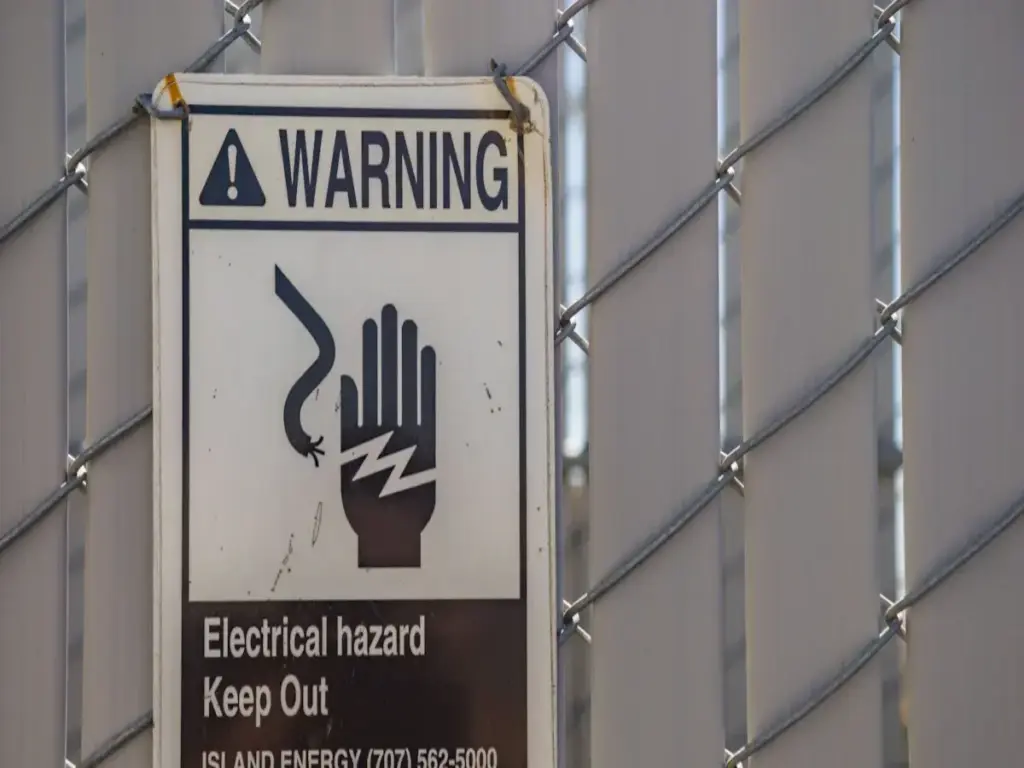
Factory safety signs are very important in factories and plants. Plant managers and EHS teams have special problems when buying lots of safety signs. Good safety sign systems help lower dangers, make people safer, and help follow safety rules. Plants that find hazards, use the same sign templates, and check signs by area get good results:
- A logistics facility saw 60% fewer near-miss incidents after making safety signs better at work.
- Digital safety signs made production 28% faster and cut incidents by 35%.
For warehouse operators and similar facilities with wholesale purchasing needs, OPTRAFFICO fornisce una gamma completa di Segni di sicurezza to support consistent rollouts across multiple zones, corridoi, and work areas—helping teams standardize messaging, simplify replenishment, and keep large sites clearly marked as operations evolve.
Takeaway chiave
- Consistent safety signs help workers spot dangers fast and know what to do, which lowers confusion and accidents.
- Putting safety signs in the right zones and at decision points makes sure signs are where people need them most, so safety and rules are better followed.
- A good inventory system for safety signs helps people track and update signs easily, and makes sure signs can always be seen and work well.
- Checking and updating safety signs often is important to follow OSHA rules and keep workers safe.
- Picking strong materials for safety signs helps them last in tough factory places, so they work better and stay useful longer.
Why Factory Safety Signs Matter in Plants
Consistency and Placement Logic
Quando factory safety signs look the same, i lavoratori individuano rapidamente i pericoli. Sanno cosa fare subito. Using the same colors and symbols helps everyone understand the signs. This works even if someone moves to a new area or works a different shift. Modern rules say signs should have clear pictures and colors. This makes it easier for people to see danger.
Nota: Putting safety signs where choices are made, come alle porte, crocevia, and machine buttons, helps workers notice hazards and feel less confused.
A good plan puts each safety sign in the best spot. Per esempio, signs near emergency exits or dangerous machines help workers stay safe before trouble happens. Signs also help people find safe paths and emergency gear. Studies show that putting signs in the same places saves lives in emergencies. People can see and understand the signs quickly.
Common dangers in factories include:
- Safety hazards like falling, burning, or getting shocked
- Chemical hazards from unsafe materials
- Biological hazards like mold or germs
- Ergonomic hazards from lifting heavy things or doing the same task over and over
- Electrical hazards, like arc flash
Each danger needs a special safety sign. These can be danger, avvertimento, Attenzione, biological hazard, or fire safety signs.
Impact on Operations and Safety Teams
Factory safety signs do more than warn people. They help workers and safety teams by giving clear rules and reminders. This keeps everyone aware and helps them follow safety steps.
- Safety signs are the first way to stop accidents and injuries.
- They help teams follow OSHA rules for safety signs. This keeps workers and property safe.
- Teaching workers about safety signs helps everyone know what each sign means. This makes people follow rules better and make fewer mistakes.
A strong safety sign system helps build a safe workplace. Workers pay more attention, and teams can stop problems before they start. When everyone trusts the signs, the plant works better, and safety is part of every day.
Mapping and Planning Safety Signs by Zone
A good safety sign plan starts with clear steps. Plant managers and EHS teams need to look at every area first. They must check each place and decision point before buying signs. This makes sure safety signs match real dangers and help with daily work.
Defining Zones and Decision Points
Every plant has different zones. These are entry points, production lines, magazzini, maintenance spots, and emergency paths. Each zone has its own risks. Teams must find places where workers make choices. These choices include entering a restricted area, crossing a forklift path, or starting a machine. These spots show where safety signs should be placed.
A good way to map hazards to zones and decision points uses these steps:
- Look at plant layouts and process maps on a computer.
- Walk through each area to check for missed risks.
- Write down what you see and find any missing signs.
- Give each gap to a team member to fix.
- Track and check when each gap is closed using the plant’s system.
Teams should think about all barriers and routines. They need to look at choices, costi, and the good and bad sides of each fix.
Teams should focus on:
- High-risk spots inside safer zones
- Places where risks change, like moving from a warehouse to a chemical storage area
- Open spaces that could let hazards spread
- Quarantine zones that stop hazards from moving into safe areas
This mapping makes a factory sign map. The map links each danger to a zone and each zone to a decision spot. This stops wasted money and makes sure every safety sign has a clear job.
Creating a Sign Inventory System
A sign inventory system keeps track of all safety signs in the plant. This system helps teams know what signs are there, dove sono, and when they need updates. Modern plants use digital tools for this job.
| Caratteristica | Descrizione |
|---|---|
| Unique identification tracking | Serial numbers, lot numbers, and barcodes help track safety signs. |
| Inventory databases | One database lets teams search and manage all safety signs fast. |
| Automatic alerts | Alerts for expiration dates keep safety signs current and legal. |
| Accounting software integration | Linking inventory to accounting makes money tracking easier. |
| Reporting and analytics | Reports help teams study inventory and spot patterns. |
| Stock forecasting | Predicting needs stops safety sign shortages. |
| Barcode and QR code scanners | Scanning makes logging and checking signs quick. |
| Warehouse management | Organizing safety signs in storage helps teams work better. |
| Customizable workflows | Custom steps help manage safety sign inventory smoothly. |
Many plants use mobile platforms with NFC scanning, custom checklists, and reminders. These tools cut down on paperwork and help teams follow rules. A strong inventory system helps teams reorder fast and keeps safety signs easy to see and use.
Version Control and Change Management
Factories change a lot. New machines come in, layouts move, and jobs change. Without version control, old safety signs can confuse workers and cause danger. Plants need a system to handle changes and keep the sign map up to date.
Good ways to control versions and changes include:
- Giving each safety sign a special ID for its zone, tipo, e ordine
- Writing down every change with a date and the person’s name
- Removing old signs when new ones go up
- Updating the factory sign map after each change
- Keeping a list of all changes for audits
A simple plan helps keep control:
- Ask for a change when something moves or a job changes.
- Review and approve the change.
- Update the sign map and inventory.
- Put up new signs and take down old ones.
- Write down the change for future checks.
This plan makes sure safety signs always match what’s happening now. Workers trust the system, and the plant stays ready for checks and inspections.
Factory Safety Signs Coverage by Area
Entry and Visitor Control
Entry points show how important safety is. Factory safety signs at doors warn visitors and workers about dangers and places they cannot go. Industry rules say danger signs must be used for high-risk spots. These signs have a red top and big ‘DANGER’ lettere. Caution signs warn about medium risks, like wet floors or areas you should not enter. They have yellow backgrounds and ‘CAUTION’ written clearly. These signs stop people from going where they should not. They also help everyone know the rules before going into work areas.
- Segnali di pericolo: Show big dangers like high voltage or radiation.
- Segnali di attenzione: Show medium risks, like wet floors or no entry.
Production and Machine Zones
Production lines need safety signs in the right places. Safety signs near machines show pinch points, moving parts, and energy sources. Operators see what to do before using equipment. Signs must match the dangers in the area. Using the same sign templates helps everyone understand. This makes work safer and less confusing.
Warehouse Signage and Traffic Routes
Safety and organization in a warehouse depend heavily on clear signage. These signs guide pedestrian movement, define forklift routes, and identify storage locations throughout the facility. When warehouse signs are properly designed and placed, they help reduce accidents while keeping daily operations efficient and well organized.
- Safety warning signs: Show forklift paths and high-voltage areas.
- Directional signs: Help people find their way in aisles.
- Hazard communication signs: Show chemical or no-entry areas.
- Linee gialle: Show where people walk and forklifts drive.
- Red lines: Show dangerous or no-go zones.
- Green lines: Show where safety gear is kept.
- Blue lines: Show where equipment is stored.
- Orange lines: Show where inventory is kept.
- Linee bianche: Show borders and instructions.
- Black and yellow striped tape: Shows caution areas.
Custom warehouse signs help with special needs and make signs easier to see.
Electrical and Maintenance Areas
Electrical rooms need strong safety controls. OSHA says panels must be easy to reach. Signs must say “Pericolo, Energized Equipment” near live parts. Every door to rooms with open electrical parts needs a warning. Only trained people can go in. Signs must be easy to read and close to the danger. This helps keep workers safe during repairs.
Chemical and Hazardous Material Zones
Chemical storage areas need clear hazard signs. Signs must follow OSHA and NFPA rules. They use hazard categories for health, flammability, and reactivity. Where you put signs depends on building size and where chemicals are kept. Signs move with chemicals and must be taken down when the danger is gone.
| Hazard Category | Hazard Level | Descrizione |
|---|---|---|
| Salute | 4 | Mortale |
| Salute | 3 | Extremely hazardous |
| Salute | 2 | Pericoloso |
| Salute | 1 | Leggermente pericoloso |
| Salute | 0 | Normal material |
| Infiammabilità | 4 | Below 73ºF |
| Infiammabilità | 3 | Below 100ºF |
| Infiammabilità | 2 | Below 200ºF |
| Infiammabilità | 1 | Above 200ºF |
| Infiammabilità | 0 | Non brucerà |
| Reattività | 4 | May detonate |
| Reattività | 3 | May detonate with heat or shock |
| Reattività | 2 | Violent chemical change |
| Reattività | 1 | Not stable if heated |
| Reattività | 0 | Stabile |
Emergency and Egress Routes
Emergency routes need bright, Segni facili da vedere. Exit paths use glowing exit signs, floor arrows, and emergency lights. Special materials help signs glow if the power goes out. Checking signs often and putting them in the same spots keeps exits safe and legal.
OSHA says every exit path must be bright and marked with ‘Exit.’ If the exit is hard to find, signs must show the way.
Restricted and High-Risk Areas
Restricted areas need extra care. Signs must use words like ‘Danger’ or ‘Caution’ that you can read from five feet away. Each sign tells about the danger and what to do to stay safe. Signs must be as close as possible to the danger and put up safely. This helps all workers know the risks and follow safety rules.
| Criteri | Descrizione |
|---|---|
| Parola di segnalazione | 'Pericolo’ or ‘Caution’ visible from five feet |
| Primary Message | Clear hazard or safety instruction |
| Comunicazione visiva | Understandable to all exposed employees |
| Affixation | Placed close to the hazard using proper mounting |
Compliance for Workplace Safety Signs
OSHA and ANSI Standards
Factories must follow strict OSHA rules for safety signs. OSHA 1910.145 gives the main rules for accident prevention signs and tags. These rules sort signs into groups like Danger, Attenzione, and Safety Instruction. ANSI rules add more details about colors and how signs look. ANSI Z535.1-2006 says red means immediate danger, arancione significa avvertimento, e giallo significa cautela. Both sets of rules say signs need rounded corners and safe ways to hang them. The signal word must be easy to read from five feet away. Pictures and words must be clear. The signal word goes at the top, and the hazard message goes under it.
- OSHA rules say signs must be marked to stop harm.
- ANSI rules make sure signs look the same and use the right colors.
- Signs must be made to last and keep people safe.
- Signal words and hazard messages must be simple to read.
If your team needs a clear, practical reference for what OSHA expects, use this guide: Quali segni sono richiesti da OSHA? Una lista di controllo pratica per la conformità al lavoro.
Color Codes and Readability
Color codes help workers spot dangers fast. Safety colors are like a shortcut for understanding safety rules. The table below shows what each color means and where it is used.
| Colore | Senso | Applicazione |
|---|---|---|
| Rosso | Pericolo, Emergenza | Fire hazards, immediate danger |
| Arancia | Avvertimento | Moderate risk hazards |
| Giallo | Attenzione | Minor hazard risks |
| Blu | Avviso / Mandatory Action | General information, procedures |
| Verde | Istruzioni di sicurezza | Pronto soccorso, uscite di emergenza |
Workplace safety signs use these colors to help people see dangers quickly. Using the same color codes helps stop accidents and makes training easier. Following OSHA, Ansi, and ISO rules helps plants meet the law and use the right safety signs.
Documentation and Audit Readiness
Keeping good records is important for following the law. Plants must have proof that they follow sign rules. OSHA and ANSI both say teams must check all safety signs often. Teams should look at where signs are, if they are easy to read, if they last, and if they follow the rules. Writing down what they find and any problems helps fix things faster. Making a schedule for checks and keeping records ready helps plants pass inspections.
Mancia: Give each safety sign to someone to watch over and update records after every change. This helps keep up with the rules and makes the safety plan stronger.
Good record keeping helps factories show they follow the rules and keep everyone safe.
Specification and Material Selection for Safety Signs
Material Choices for Harsh Environments
Factories can be rough places. Safety signs can get damaged easily. Picking strong materials helps signs stay clear and useful. Plant managers have a few good choices:
- High-temp poly label stock does not crack or fade. It works near hot machines and can handle heat up to 302°F.
- High-temp tag stock does not tear. It is used in food plants and can take heat up to 446°F.
- Chemical-resistant label stock stands up to tough cleaners and chemicals. Car factories and food plants use it a lot.
- GHS labels fight off water, graffi, prodotti chimici, luce solare, and big temperature changes. These labels help show which materials are dangerous.
- Premium vinyl label stock works inside and outside. It does not fade in sunlight, get ruined by water, or break down from most chemicals.
- Reflective vinyl label stock is easy to see in dark places. It helps keep people safe and follows the rules.
Picking the best material makes safety signs last longer. It also helps workers notice dangers.
Visibility and Mounting Methods
Signs must be easy to see and stay put. The table below shows how different materials and ways to hang signs help with seeing and lasting:
| Materiale | Vantaggi |
|---|---|
| Alluminio | Leggero, non arrugginito, shines in the light. |
| HDPE | Bends but does not break when hit. |
| PVC | Handles strong wind but can crack in cold. |
Putting shiny sheets on signs makes them easier to see. This can lower accidents by almost half. Mounting signs the right way keeps them in place. Teams use glue for flat walls, screws for shaky spots, and special frames for bumpy walls. These steps help signs stay easy to read and strong.
Batch Consistency in Bulk Orders
Ordering lots of signs means checking quality closely. Plants do a few things to make sure every sign is the same:
- Teams talk with suppliers early to fix problems fast.
- Quality checks make sure each batch is good.
- Being honest about what can and cannot be done builds trust.
- Always trying to get better keeps things working well.
- Checking the process helps find hidden problems.
Making all safety signs look the same helps follow osha rules. It also makes sure every danger is marked clearly.
Bulk Purchasing Process for Factory Safety Signs
RFQ and Vendor Evaluation
Buying factory safety signs in bulk starts with a clear Request for Quotation, or RFQ. Plant managers and EHS teams must decide what they need before talking to suppliers. They should list the materials, when signs must arrive, and make sure everything follows osha rules. The RFQ should explain all the rules and how to send in bids. This helps vendors know what to do.
Here are steps for a smooth RFQ and vendor check:
- Write down what kind of safety signs are needed, including details, regole, and when they must arrive.
- Make an RFQ that lists all the rules and how to send bids.
- Pick possible suppliers by looking at what they can do, their reputation, and how close they are.
- Send the RFQ to these suppliers and tell them about deadlines and what is needed.
- Look at the answers and prices. Compare cost, qualità, e consegna.
- Talk about the deal and pick the best supplier.
- Tell all suppliers, even the ones not picked, in a nice way.
When checking suppliers, teams should think about:
- The total price, including delivery and setup
- If the supplier can meet the safety sign needs
- How fast and reliable delivery will be
- Payment rules and if they are flexible
- Supplier’s skills and references
- How well they did on other jobs
- Rischi, like problems in the supply chain
Buying lots of signs at once can save money. Teams should ask for prices that show discounts for big orders. They should also make sure warehouse signage is part of the deal.
Sample Approval and Quality Checks
Checking samples and quality helps plants avoid bad or wrong safety signs. Before making all the signs, teams should ask for samples that match the RFQ. These samples let teams check color, materiale, how to hang them, E da quanto durano.
A good quality check uses parts of the Production Part Approval Process checklist:
- Check design records for mistakes.
- Make sure engineering change papers are right.
- Get approval from the customer’s engineers.
- Look at risk plans for design and process.
- Check process flow charts.
- Review control plans for clear steps.
- Test measuring tools for accuracy.
- Measure parts to see if they fit the rules.
- Look at test results for materials and performance.
- Study first process tests.
- Check lab papers for proof.
- Approve how the signs look.
- Inspect sample parts and master samples.
- Test tools for putting up signs.
- Make sure special customer needs are met.
- Finish part submission forms.
Teams should write down every step and keep these records for later checks. This helps keep safety signs good and makes sure each one works for the plant.
Logistics and Installation Planning
Good planning for moving and putting up signs makes big projects work well. Project managers must check each site to find special problems. These checks help teams plan for building limits, Regole locali, and dangers in each area.
Important things for logistics and installation are:
- Start getting permits early, even while designing.
- Pick a sign partner who knows how to handle big projects.
- Use your own design team for both looks and technical needs.
- Work through tough permit rules in pipeline areas.
- Use trained teams with safety certificates to put up signs.
- Have project managers who know how to handle many sites.
Warehouse signage needs extra care when being put up. Teams should check old signs, use the same design templates, and make test signs for local needs. Planning fair schedules and setting money aside for different costs helps everything go smoothly.
Mancia: Using trained teams to put up signs keeps things safe and correct, and lowers mistakes.
A good logistics plan keeps safety signs easy to see, forte, e legale. This helps keep people safe and lets plants change signs fast if things change.
Lifecycle Management of Safety Signs
Inspection and Replacement Triggers
Factory teams check safety signs often. Cercano segni sbiaditi, rotto, missing words, o bloccato. Busy places like forklift aisles need more checks. Area supervisors walk around with checklists to find problems. If a sign is hard to see or gone, they put up a new one right away.
Replacement happens when:
- The plant layout or machines change
- New dangers show up from changes at work
- Accidents or close calls show missing signs
- Signs do not meet osha rules for being seen
- Pulizia, sole, or chemicals wear out the signs
A good inspection plan keeps safety signs correct and trusted. When workers see new signs, they follow safety rules better. This stops confusion and helps keep people safe.
Mancia: Give each area to one person. That person checks signs and writes down when they change them. This makes the system strong and dependable.
Change Control and Documentation
Updating safety signs needs a clear plan. Plants use a written change control process to keep records neat and changes easy to track. It starts with a change request. Teams check how the change will affect safety, qualità, e regole. Groups from EHS, manutenzione, and operations must say yes before anything changes.
Main steps for change control:
- Send in a request with details about the change.
- Check how it will affect safety, qualità, e regole.
- Talk about the request with the whole team.
- Approve the plan and write down the choice.
- Make the change and update the sign map.
- Teach workers if they need to know something new.
- Watch what happens and finish the change when it works.
Plants keep all records in one place. Many use computer QMS tools to link forms, proof, e cambiamenti. This helps with audits and makes sure every sign matches new dangers and safety rules.
Nota: Good records and regular checks help plants follow the rules and get ready for inspections.
Best Practices and Checklist for Bulk Buyers
Quick-Reference Checklist
Bulk buyers in factories need a simple checklist. This helps them order safety signs the right way. Using smart steps makes the plant safer and saves money. The table below shows three main ways to save:
| Strategia | Beneficio |
|---|---|
| Sconti per quantità | Ogni articolo costa meno |
| Promozioni stagionali | Risparmi ancora di più |
| Premi fedeltà | Spendi meno nel tempo |
Plant managers and EHS teams should do these things before buying:
- Check if the supplier is trusted by others.
- Make sure the supplier has all the safety signs and gear needed.
- See if the supplier can deliver quickly.
- Look at how good their customer service is.
- Think about both price and quality.
A good system keeps track of PPE signage and gear. Teams set up ways to track, look for missing or broken signs, and teach workers about PPE. This helps keep safety signs easy to see and working well.
Mancia: Checking signs often and teaching workers helps everyone know the safety rules and keeps the plant safe.
Insidie comuni da evitare
Factories can have problems when buying lots of signs. Teams can stop mistakes by picking good suppliers. They must know osha and DOT rules so safety signs follow the law. Keeping up with repairs and reminders makes signs work better.
Gli errori comuni sono:
- Picking suppliers who do not follow safety rules.
- Not keeping up with new osha rules.
- Forgetting to check or replace old or broken safety signs.
Teams stop these problems by keeping good records and planning checks. They help workers remember safety signs with training and daily practice. A trusted supplier and a good tracking system help factories follow the rules and stay safe.
Buying lots of factory safety signs works best with a good plan. Teams need to follow OSHA rules and keep signs updated. Workers should look at all current signs and make a clear map. They should use the same templates for every sign before ordering more. These steps help keep everyone safe and make work easier. Doing this now makes sure each area has the right signs in the right spot.
Domande frequenti
How many factory safety signs should each plant zone have?
The number of signs depends on where dangers are. Teams should put signs where workers make choices. It is not just about how big the area is. Making a sign map helps stop too many signs in one place. This makes sure every sign has a real job.
What is the best way to combine wall signs, floor markings, and equipment labels?
Each type of sign does something special. Wall signs show rules at doors or when moving between areas. Floor markings show where to walk and keep zones apart. Equipment labels point out dangers on machines. Using the same messages on all signs stops confusion and helps people follow rules.
How should plants handle safety signs for mixed-language workforces?
Use easy words and clear pictures. Put signs in two languages at doors and in risky areas. Do not put too much writing on signs. Using the same templates and symbols helps everyone learn the safety rules fast.
What triggers a factory safety sign update or replacement?
Signs need updates when layouts change or new machines come in. New safety rules or accidents also mean signs must change. Regular checks find signs that are faded, rotto, o mancante. Fast updates keep the sign system correct and trusted.