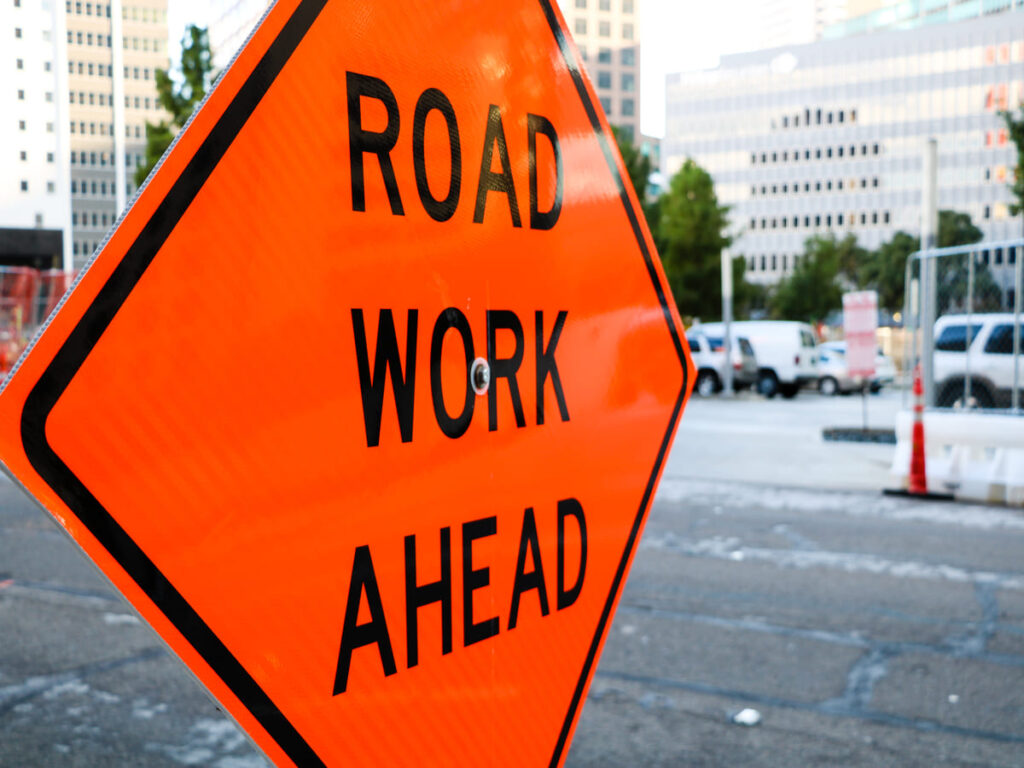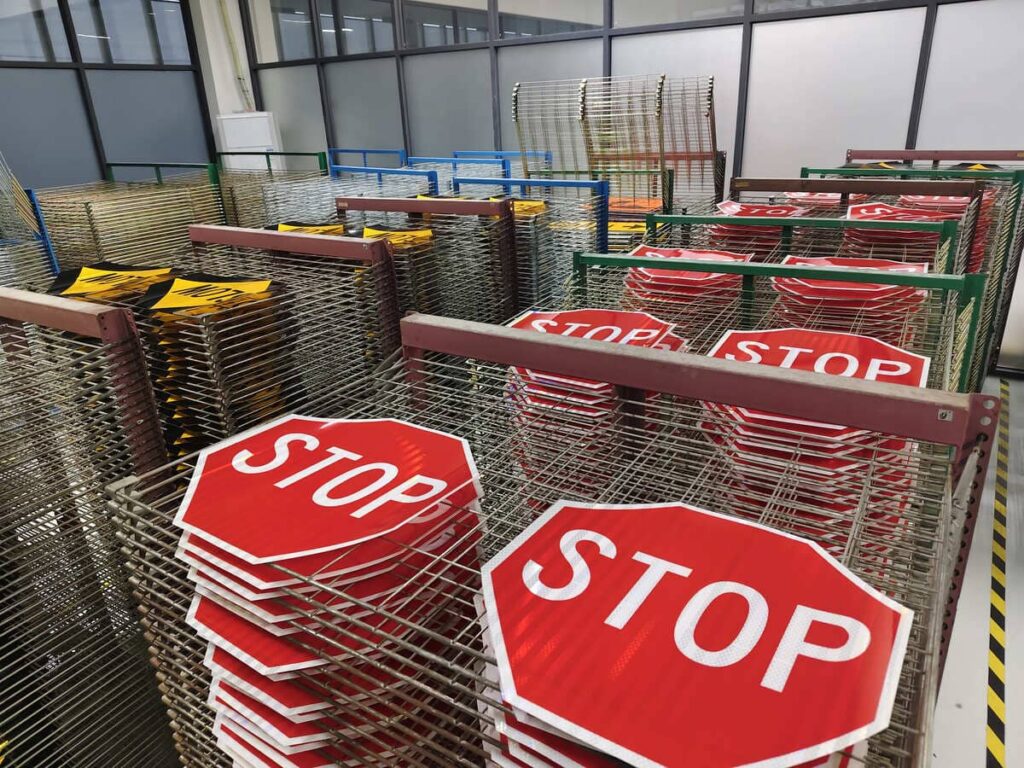
Le squadre di costruzione passano molto tempo a parlare di “segnaletica”.,” ma non tutti i segnali di zona lavoro svolgono lo stesso lavoro. Questa distinzione è importante nei progetti reali perché il dispositivo sbagliato nel ruolo sbagliato crea problemi prevedibili: confusione del conducente, code instabili, fusioni dell'ultimo secondo, quasi incidenti, e arresti evitabili durante il ripristino del sito.
Ecco il confine netto:
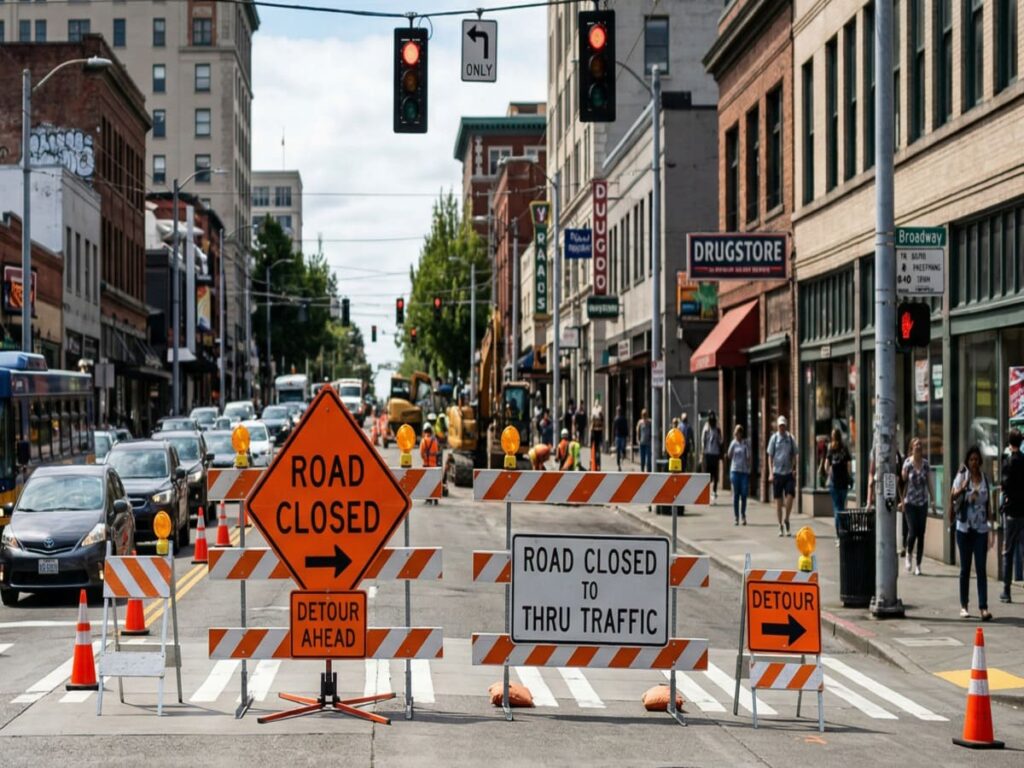
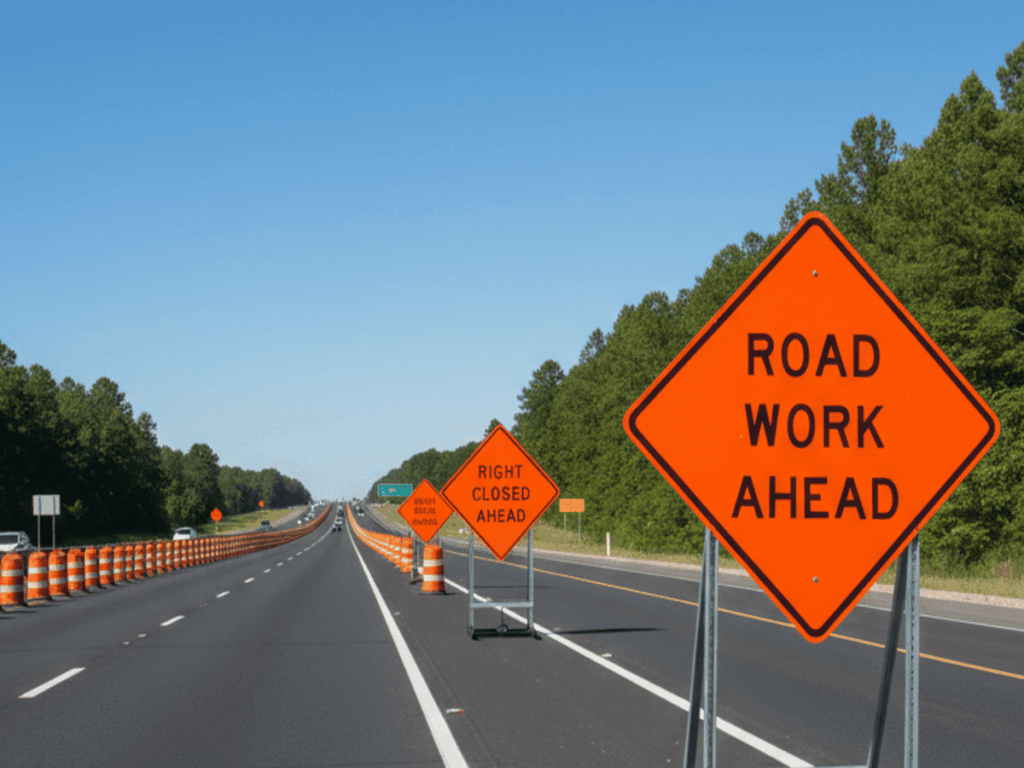
- Segnali di lavori stradali sono principalmente avvertimento e guida. Modellano le aspettative del conducente, velocità, e scelta del percorso prima che gli autisti raggiungano l'area di attività.
- UN segnale di stop lento di costruzione (comunemente una paletta STOP/SLOW sotto il controllo del segnalatore) è attivo il controllo della precedenza. Decide chi entra in un segmento vincolato, quando il traffico deve reggere, e quando i veicoli possono procedere.
Se sei un'impresa edile che coordina il controllo del traffico, sia che ti auto-effettui, utilizzare un subappaltatore del controllo del traffico, o lavorare con un piano DOT: capire cosa controlla effettivamente ciascun dispositivo ti aiuterà a correre in modo più sicuro, chiusure più fluide con meno sorprese.
La differenza fondamentale di cui i team di costruzione dovrebbero preoccuparsi
Una zona di lavoro ha due problemi separati da risolvere:
Primo, devi preparare i conducenti: rallentarli presto, portarli nella corsia corretta, e rendere evidente il percorso della zona di lavoro. Questo è il compito dei segnali di avvertimento e di orientamento dei lavori stradali.
Secondo, è necessario prevenire i conflitti al cancello: situazioni in cui i conducenti non possono autoregolarsi in sicurezza perché può avvenire un solo movimento alla volta, o perché l'istruzione corretta cambia minuto dopo minuto. Questo è il compito del controllo stop/lento.
Quando tratti un segnale di avvertimento come un dispositivo di controllo, ottieni la non conformità. Quando tratti il controllo stop/lenta come “solo un altro segno," si ottiene un flusso instabile e una maggiore esposizione nell'area di attività. Le zone di lavoro più efficienti separano questi ruoli e rendono ogni ruolo ovvio ai conducenti.
Quali segnali stradali effettivamente controllano
Segnali di lavori stradali vengono talvolta liquidati come “semplici avvertimenti”.,” ma per le operazioni di costruzione svolgono un lavoro fondamentale a monte. Controllano il modo in cui i conducenti arrivano al punto di conflitto e ciò influisce direttamente sulla sicurezza e sulla produttività.
Controllano le aspettative prima che i conducenti raggiungano l'area di attività
“LAVORI AVANTI," CORSIA CHIUSA DAVANTI," "SIATE PRONTI A FERMARVI,” e messaggi simili creano aspettative. Dicono ai conducenti di passare dalla modalità di guida normale alla modalità zona di lavoro prima di incontrare i coni, si assottiglia, lavoratori, o un punto di arresto/lento.
Questo cambiamento di aspettativa non è cosmetico. Riduce le frenate tardive e rende i conducenti più propensi ad accettare un breve ritardo. Quando gli automobilisti sono sorpresi, si fondono in modo aggressivo, portellone, e affollano il punto di controllo. Quando saranno preparati, accettano velocità inferiori e seguono il percorso previsto con meno manovre improvvise.
Controllano la guida del percorso e la selezione della corsia
La maggior parte degli incidenti e dei quasi incidenti nelle zone di lavoro iniziano quando i conducenti prendono una decisione sbagliata all'ultimo secondo: una fusione tardiva, un improvviso cambio di corsia, o un tentativo di "infilarsi" attraverso un'area parzialmente chiusa. I segnali stradali e i segnali di canalizzazione riducono tale comportamento rendendo inequivocabile il percorso corretto.
Dal punto di vista costruttivo, questo è uno dei maggiori vantaggi pratici della segnaletica stradale: trasforma un approccio caotico in un approccio ordinato. Anche quando il lavoro è all'interno della chiusura della corsia, il comportamento di approccio determina la frequenza con cui gestisci i knockdown, conflitti, e correzioni di emergenza.
Controllano la velocità dell'ambiente e la spaziatura nell'avvicinamento
I segnali di allarme supportano presto, riduzione graduale della velocità. Su strade a velocità più elevata, quella riduzione anticipata della velocità è ciò che protegge il tuo cono e lo spazio buffer. Inoltre, stabilizza le code in modo che abbiano meno probabilità di comprimersi in improvvise ondate di stop-and-go.
Tuttavia, è importante essere precisi su cosa Segni di lavoro su strada non controllare. Un segnale di avvertimento montato su supporto non può assegnare la precedenza in un punto critico, non possono rilasciare il traffico secondo schemi alternati, e non può rispondere a un pericolo che appare 20 secondi e poi scompare. Questo non è un fallimento del segno; semplicemente non è il ruolo del segno.
Ciò che un segnale di stop lento in costruzione controlla effettivamente
UN segnale di stop lento di costruzione viene spesso discusso come se fosse un messaggio – STOP o LENTO – ma sul posto funziona come un metodo: un cancello controllato che regola l'ingresso in uno spazio vincolato. Per una chiara suddivisione del significato del segnale di stop lento nelle zone di lavoro attive, vedere la nostra guida Che cosa significa un segnale di stop lento nella costruzione di strade.
Controlla l'ingresso in un segmento vincolato
In molte zone di lavoro, la domanda chiave sulla sicurezza non è “gli automobilisti hanno rallentato?,” ma “gli autisti sono entrati quando il percorso era effettivamente libero”. Un punto di controllo stop/lenta risponde a questa domanda regolando l'ingresso.
Dal punto di vista delle operazioni di costruzione, questo è il significato pratico di “controllo del diritto di precedenza”. I veicoli vengono trattenuti al di fuori dell'area del conflitto (FERMARE) o rilasciato al suo interno in condizioni controllate (LENTO). Questa funzione di gate è il motivo per cui il controllo stop/lento rimane comune anche quando sembra semplice: fa qualcosa che la segnaletica montata su supporto non può fare.
Controlla il flusso alternato quando può muoversi solo una direzione
Una corsia, le condizioni bidirezionali ne sono l’esempio ovvio, ma il flusso alternato si manifesta anche in altri modi: attraversamenti di attrezzature organizzate, Accesso carraio alternato, intrusioni intermittenti nella corsia, e situazioni in cui il percorso aperto è troppo stretto o troppo corto perché i movimenti simultanei siano sicuri.
Controlla le finestre di pericolo brevi che cambiano durante il turno
L'attività di costruzione è dinamica. Un camion rientra, un caricatore attraversa, la barriera viene riposizionata, oppure un equipaggio occupa brevemente la linea di bordo. Queste sono finestre brevi con conseguenze elevate.
Un segnale “LENTO” montato su un supporto non può proteggere in modo affidabile quelle finestre perché non può modificare le istruzioni alla stessa velocità del pericolo. Il controllo stop/lento può. Quando il sito necessita di un preciso, immediato “aspetta adesso”. / rilascia ora” funzione, il controllo attivo è lo strumento progettato per questo lavoro.
Perché confondere questi ruoli crea rischi e rilavorazioni in cantiere
Le imprese di costruzione avvertono il costo della confusione in modi molto pratici: più interruzioni, più reset, chiamate più ravvicinate, e più tempo dedicato alla gestione del traffico invece che alla realizzazione del lavoro.
Quando ci si aspetta che i segnali di pericolo eseguano un controllo attivo
Se una configurazione si basa su segnali di pericolo per eseguire un lavoro che richiede il controllo del diritto di precedenza, la zona di lavoro “funzionerà” solo quando i conducenti si comporteranno in modo ideale. Il traffico reale non si comporta in modo ideale. Un conducente forza il problema, un altro esita, le code si comprimono, e presto il tuo equipaggio reagirà al traffico invece di eseguire il piano.
Questo è quando vedi i sintomi che i supervisori riconoscono immediatamente: conducenti che entrano nello spazio chiuso, veicoli avversari che si incontrano all'interno di un segmento ristretto, frequenti eventi di corno, e la necessità che gli equipaggi interrompano i lavori per ristabilire il traffico.
Quando il controllo stop/rallentamento viene trattato come un altro segnale
L'errore opposto è eseguire un punto di stop/lento senza la preparazione a monte che lo rende efficace. Se i conducenti non vengono avvisati tempestivamente e guidati nella corsia giusta e nella velocità, arrivano al cancello troppo velocemente, troppo vicino, e troppo impaziente. Ciò crea un punto di controllo affollato e aumenta l'esposizione per tutti coloro che si trovano vicino al bordo della corsia.
Il controllo Stop/Rallentamento funziona meglio quando i segnali stradali hanno già svolto il loro lavoro a monte: i guidatori lenti presto, allinearli, e rendere la situazione prevedibile.
Come un'impresa di costruzioni dovrebbe decidere di cosa hai bisogno
Non è necessario memorizzare “ogni possibile zona di lavoro”. Hai bisogno di una logica decisionale che il tuo team possa applicare in modo coerente.
Il test autoregolamentato vs quello regolato esternamente
Una strada può spesso circolare in sicurezza con segnaletica di avvertimento e guida quando i conducenti possono autoregolarsi utilizzando la stalla, regole prevedibili. Ciò di solito significa che il percorso è chiaro, la priorità della corsia è ovvia, e i conflitti non richiedono una separazione temporizzata.
È necessario un controllo di frenata/rallentamento quando i conducenti non possono autoregolarsi in sicurezza perché il sito richiede una separazione temporale. Se due movimenti non possono avvenire contemporaneamente in sicurezza, devi controllare chi si muove adesso e chi aspetta. Questo è il confine di controllo.
Trigger sul campo che di solito puntano verso l'arresto/controllo del rallentamento della costruzione
Le imprese di costruzione possono utilizzare questi fattori pratici durante la pianificazione e le revisioni quotidiane:
- Spazio condiviso: due direzioni o due movimenti devono condividere un segmento stretto.
- Scarsa distanza visiva: i conducenti non possono vedere abbastanza lontano per giudicare il movimento degli avversari o la fine della coda.
- Intrusioni intermittenti nella corsia: attrezzature o equipaggi entrano ripetutamente nel percorso di viaggio durante il turno.
- Frequenti cambi di istruzioni: le istruzioni corrette del conducente cambiano spesso (Presa, pubblicazione, trattenete ancora).
- Elevate velocità di avvicinamento o presenza mista di veicoli pesanti: uno spazio di arresto più lungo e una severità più elevata aumentano il valore di un cancello controllato.
Questi trigger sono operativi, non teorico. Se esistono, fare affidamento solo sugli avvertimenti tende a produrre comportamenti instabili che l'equipaggio finisce per gestire in modo reattivo.
Come impostare ciascun metodo in modo che funzioni effettivamente
L’obiettivo di un’impresa di costruzioni non è “più segnali”. Si tratta di una chiara separazione dei ruoli e di un comportamento prevedibile del conducente.
Fai in modo che la sequenza di avvertimento faccia il suo lavoro prima del cancello
Segnali di lavori stradali dovrebbe stabilire tre cose prima che i conducenti raggiungano qualsiasi punto di arresto/rallentamento:
- Aspettativa: i conducenti capiscono che esiste una condizione controllata davanti a sé.
- Posizione: i guidatori sono già nella corsia corretta con uno spostamento minimo.
- Velocità: i conducenti hanno ridotto gradualmente la velocità invece di frenare tardi.
Quando questi tre saranno raggiunti, il controllo stop/lento diventa più sicuro ed efficiente. La coda è più stabile, i rilasci sono più fluidi, e il punto di controllo è meno caotico.
Fare in modo che il punto di arresto/rallentamento funzioni come un cancello controllato
Un punto di controllo stop/lento dovrebbe apparire e sembrare un confine decisivo. I conducenti non dovrebbero indovinare cosa fare. Più “negoziazione” costringi i conducenti a eseguire, maggiore è l'incoerenza che ottieni.
Operativamente, ciò significa che il sito dovrebbe evitare messaggi contrastanti. STOP deve significare una presa completa. LENTO deve significare un rilascio controllato in uno spazio che in quel momento è veramente chiaro. Se i conducenti vedono STOP usato casualmente, imparano a trattarlo con disinvoltura. Se vedono SLOW usato quando il percorso non è chiaro, porteranno quella sfiducia al successivo punto di controllo e la conformità diminuirà.
La disciplina del rilascio è uno strumento di produttività della costruzione
Le squadre di costruzione spesso pensano ai modelli di rilascio come alla “gestione del traffico”.,” separato dalla produzione. In realtà, i rilasci disciplinati proteggono la produzione perché riducono le interruzioni.
Quando i rilasci sono coerenti, i conducenti hanno meno probabilità di strisciare, salta la coda, o gareggiare contro i rilasci. Ciò riduce gli eventi di conflitto che costringono gli equipaggi a interrompere il lavoro. Un modello di rilascio stabile riduce anche la pressione sulla persona che controlla il traffico, che rende il punto di controllo più sicuro.
Cosa significa questo per le squadre di costruzione che lavorano su turni attivi
Se il tuo sito può funzionare in sicurezza grazie all'autoregolamentazione dei driver, I segnali di avvertimento e di orientamento dei lavori stradali svolgono la maggior parte del lavoro, rallentando l'avvicinamento, dare forma alle fusioni, e mantenendo il percorso evidente. Nel momento in cui la tua operazione richiede una separazione temporale (un movimento deve attendere mentre un altro si muove), non stai più risolvendo un “problema informativo”. Stai risolvendo un problema di controllo, e il controllo STOP/SLOW è lo strumento progettato per questo lavoro.
Sui turni giornalieri, questo di solito si riduce a mantenere i ruoli puliti e prevedibili per i conducenti. Utilizzo Segni di lavoro su strada per costruire un approccio ordinato, quindi trattare il punto STOP/SLOW come un cancello libero: STOP è una presa completa, e SLOW è un rilascio controllato solo quando il percorso è effettivamente libero. Quando quei ruoli rimangono coerenti, in genere si vedono unioni meno aggressive vicino all'area di lavoro, meno conflitti all'interno del segmento vincolato, e meno interruzioni del lavoro causate da un comportamento instabile del traffico.
Per le imprese di costruzione e gli appaltatori che necessitano di dispositivi affidabili pronti sul campo, OPTRAFFICO forniture segnali di arresto/lentezza dei lavori costruito per la gestione quotidiana del cantiere: volti ad alta visibilità, costruzione durevole, e configurazioni che supportano impostazioni comuni di controllo temporaneo del traffico.
Conclusione
Insomma, la differenza non è estetica. La segnaletica stradale prepara gli automobilisti regolando la velocità, spaziatura, e scelta della corsia durante l'avvicinamento, mentre a segnale di stop lento di costruzione(Comando a paletta STOP/LENTO) gestisce il momento che conta di più: chi entra nel segmento vincolato e quando. Quando le squadre di costruzione mantengono chiaro quel confine, il comportamento del traffico diventa più prevedibile, le code si stabilizzano, e gli equipaggi trascorrono meno tempo a reagire alla confusione del conducente e più tempo a eseguire il lavoro. Il più sicuro, le zone di lavoro più agevoli sono quelle in cui i segnali di avvertimento e di guida creano un approccio ordinato e il controllo di fermata/rallentamento funziona come un chiaro, cancello coerente che rilascia il traffico solo quando il percorso è veramente sgombro.
Domande frequenti
Qual è la differenza tra un segnale di stop di lavori lenti e un segnale di lavori stradali??
Un segnale stradale di lavoro avverte e guida principalmente i conducenti nell'avvicinamento. Un segnale di stop/lentezza (Paletta STOP/LENTO) è un controllo attivo che assegna il diritto di precedenza e regola l'ingresso in un segmento vincolato.
Il segnale di arresto dei lavori è uguale al segnale "LENTO" su uno stand?
NO. Un segnale SLOW montato su supporto è un avvertimento. Il controllo arresto/rallentamento è un'istruzione in tempo reale che cambia in base alle condizioni della zona di lavoro e viene utilizzata per prevenire conflitti al cancello.
Quando i segnali di allarme smettono di essere sufficienti?
Quando il traffico non può autoregolarsi in sicurezza: segmenti condivisi a una corsia, scarsa distanza visiva, frequenti intrusioni nella corsia, o qualsiasi condizione che richieda una separazione nel tempo: i soli segnali di allarme in genere non possono prevenire i conflitti.
Perché il controllo di arresto/rallentamento spesso richiede una persona al punto di controllo?
Perché l'istruzione corretta cambia con le condizioni reali. Il punto di controllo deve trattenere il traffico durante brevi finestre di pericolo e rilasciarlo quando il percorso è libero: funzioni che un segnale statico non può svolgere.