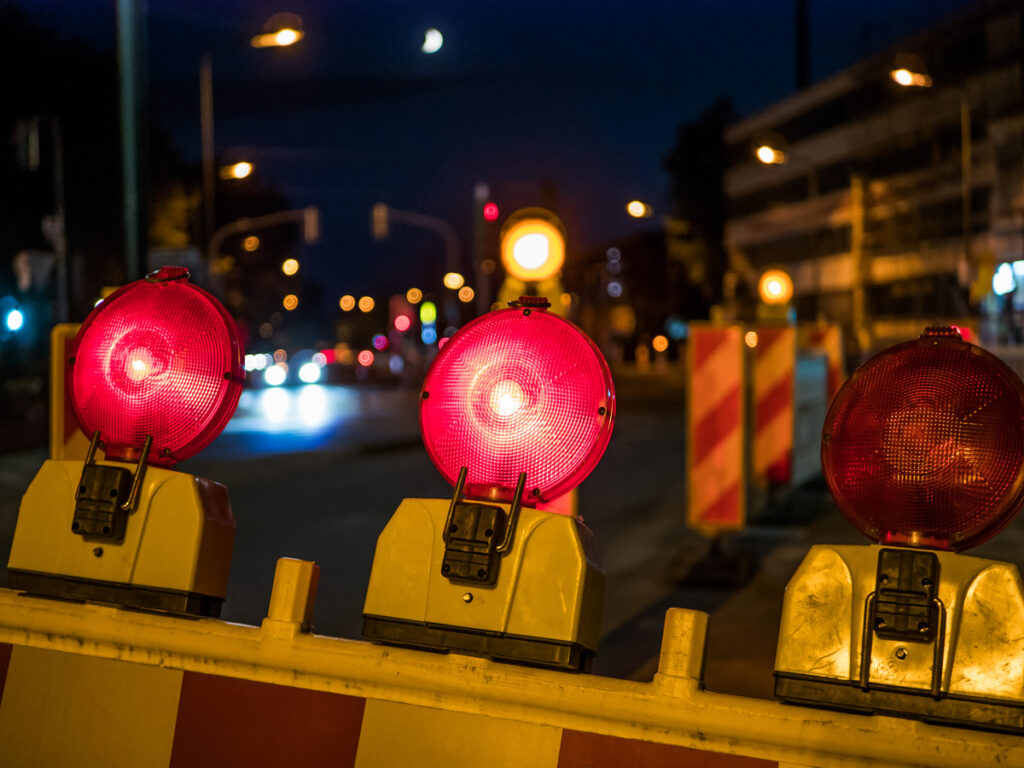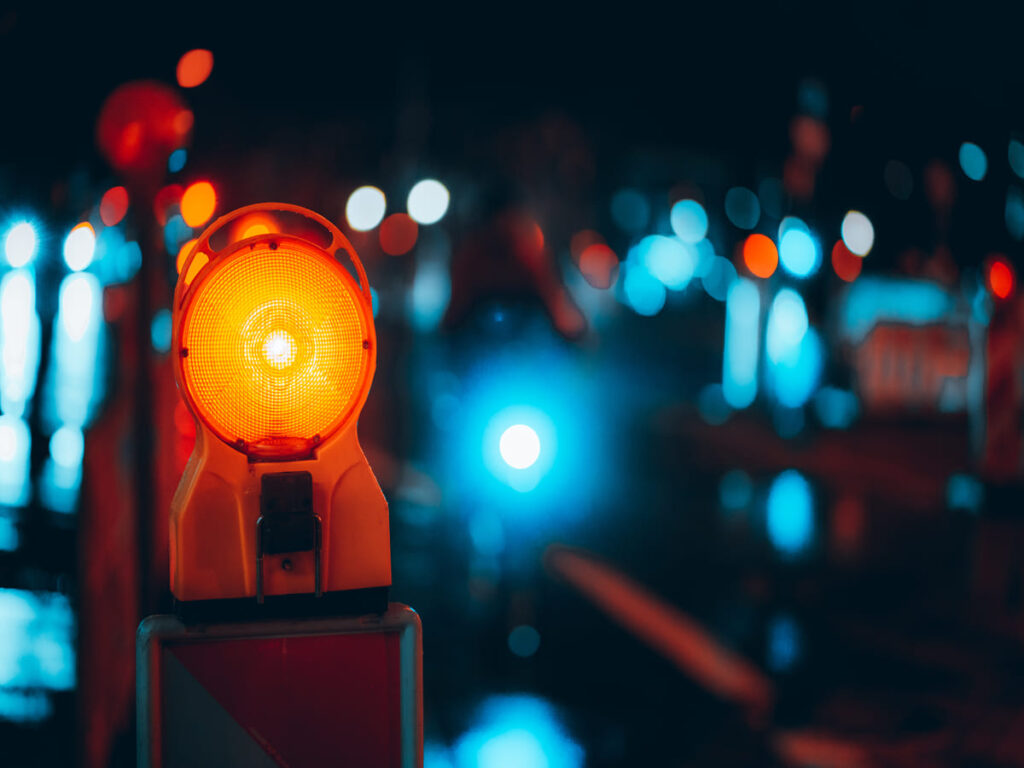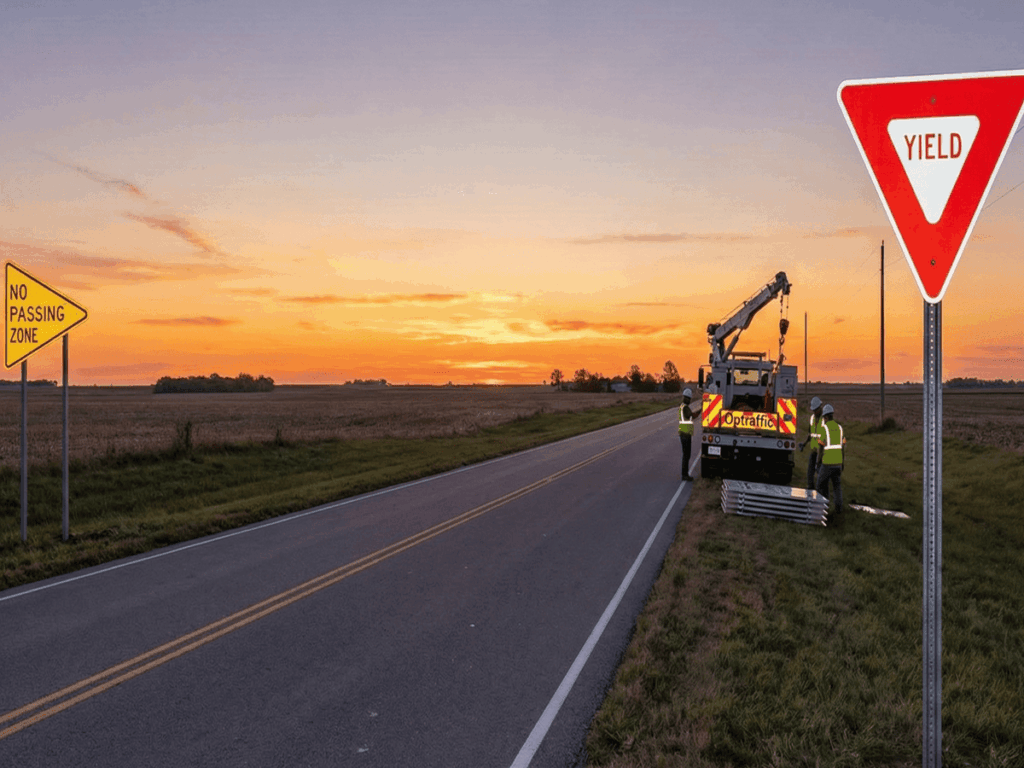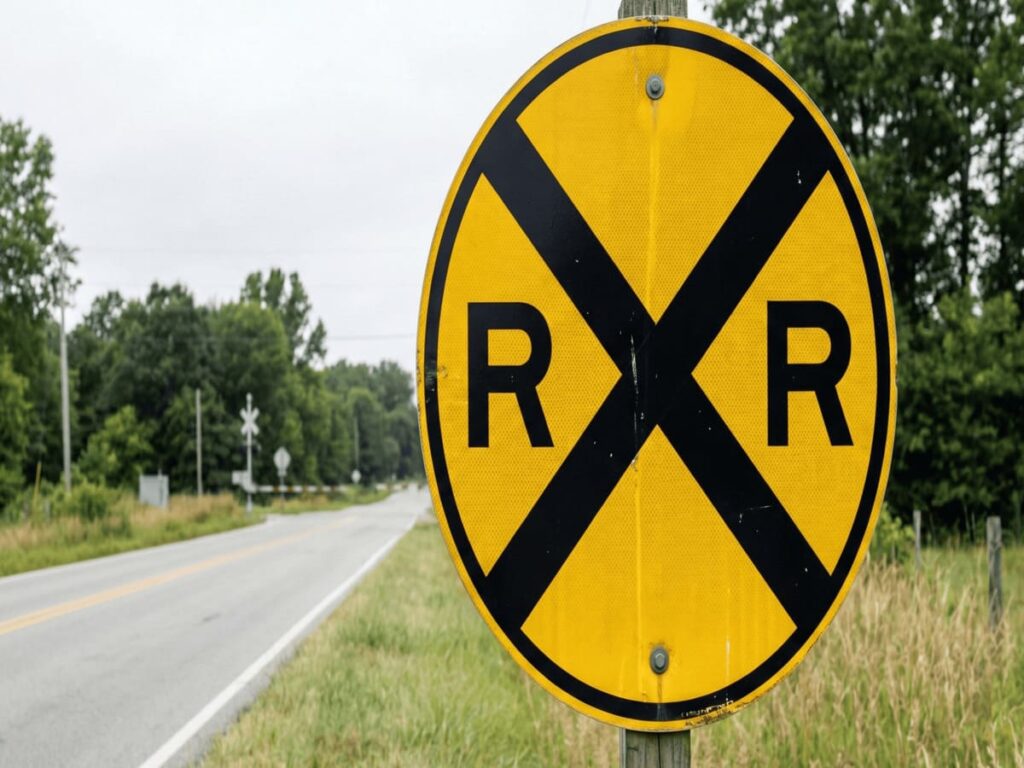
Capitolo 8 la segnaletica è importante per controllare il traffico nei cantieri stradali. Questi segnali di sicurezza stradale aiutano conducenti e pedoni a muoversi in sicurezza in aree difficili. Se utilizzati correttamente, garantiscono la sicurezza dei lavoratori e degli utenti della strada. Seguendo le regole del traffico del Regno Unito, come quelli delineati nel cap 8, garantisce che i segnali siano posizionati e visti correttamente. Il rispetto di queste norme aiuta a mantenere le cose organizzate e riduce i pericoli durante i cambiamenti temporanei del traffico.
OPTRAFFIC offers a wide range of safety signs for sale, designed to meet Chapter 8 guidelines for temporary traffic management. Optraffic durevole, high-visibility signs help ensure compliance, migliorare la sicurezza stradale, and keep both workers and road users protected.
Takeaway chiave
- Capitolo 8 signs are important for keeping roads safe during work. They show drivers and walkers how to avoid dangerous spots.
- The Traffic Signs Manual helps make sure signs are clear and in the right place. This stops confusion and keeps everyone safe.
- Workers need regular training to follow Chapter 8 regole. Training teaches them why clear signs and good placement matter.
- Breaking Chapter 8 rules can cause legal trouble, money problems, and hurt your reputation. Always focus on safety and following the rules.
- Using shiny materials and good lights makes signs easier to see. Ciò è particolarmente utile di notte o in caso di maltempo, Mantenere le persone al sicuro.
Understanding Chapter 8 Segni
Definizione e scopo
Capitolo 8 signs are very important for managing traffic safely. Questi segnali stradali, explained in the Manuale dei segnali stradali, help during roadworks or disruptions. They follow rules like the Nuove strade e opere di strada 1991. Their main job is to guide drivers and walkers safely through tricky areas.
Per fare questo, Capitolo 8 signs must follow strict rules. They should be easy to see and may need extra plates. Ad esempio, UN “Tree Cutting” sign helps explain tree work nearby. A simple work zone often needs at least eight signs to manage traffic well. These signs are not just about following rules; they make the area safer for everyone.
The Traffic Signs Manual has two main parts. The first part explains how to design temporary traffic setups. The second part focuses on planning and running these setups properly. Insieme, these rules make sure Chapter 8 signs are used well to reduce risks and keep things organised.
Common Applications of Chapter 8 Segni
You will see Chapter 8 signs where temporary traffic control is needed. These road signs are used for roadworks, chiusure di corsia, e deviazioni. They are also helpful during utility or telecom works and events needing traffic changes. Local councils often use them for their projects.
The Traffic Signs Manual stresses good traffic management during construction. Capitolo 8 signs improve safety and reduce delays by avoiding confusion. These signs can be adjusted for different needs, making them useful for contractors, Consigli, and traffic teams.
By following Chapter 8 regole, you can use traffic signs correctly. This keeps workers and road users safe while traffic moves smoothly. Whether fixing a small road or working on a big highway, these signs are key to keeping everyone protected.
Regulations Governing Temporary Traffic Signs
Overview of the Traffic Signs Manual, Capitolo 8
Il manuale della segnaletica stradale, Capitolo 8, is a helpful guide. It explains how to use temporary traffic signs safely. The manual covers these key points:
- Design and Layout of Roadworks: It shows how to set up roadworks to lower risks.
- Visibility and Signage: It stresses using clear signs and bright clothing for workers.
- Traffic Management Schemes: It gives tips to manage traffic and avoid jams.
- Lighting and Illumination: It highlights the need for good lighting in dark areas.
- Limiti di velocità: It suggests lowering speeds to keep work zones safer.
- Misure di sicurezza: It advises using cones and barriers to protect everyone.
Seguendo queste regole, you can use traffic signs properly. This makes roads safer and keeps traffic moving smoothly.
Role of TSRGD in Temporary Traffic Sign Design
IL Regolamenti sui segnali stradali e direzioni generali (Tsrgd) sono molto importanti. They set the rules for designing temporary traffic signs. These rules apply to all UK roads.
Tsrgd ensures signs are the right size, forma, e colore. Per esempio, signs must be big enough for drivers to see clearly. They also need standard symbols and words to avoid confusion. Ciò contribuisce a rendere le strade più sicure per tutti.
The rules also explain where to place signs. Signs should be far enough from roadworks to give drivers time to react. Seguendo queste regole, your signs will meet legal standards and improve safety.
Bs 8442:2015 Standards for Signage
Bs 8442:2015 explains how to make and care for traffic signs. These rules ensure signs stay safe and useful. I punti chiave includono:
- I segnali devono essere posizionati correttamente, with small distance changes allowed.
- Keep signs clear by removing plants or objects blocking them.
- Limit posts on footpaths to avoid risks for walkers in towns.
- Clean and check signs often to keep them working well.
- Follow British Standard No 873 when making signs.
Seguendo questi standard, your signs will be safe and reliable. This protects road users and helps you avoid breaking the rules.
Key Elements of Chapter 8 Conformità
Design and Layout Requirements
Temporary traffic signs must be designed for safety and clarity. They need to follow strict rules to work well and be seen. Standard britannico 8442:2015 explains how to make signs safe and visible. These rules match the Traffic Signs Regulations and General Directions (Tsrgd). TSRGD sets rules for sign size, forma, and where to place them.
Here’s a simple summary of the main rules:
| Requisito | Descrizione |
|---|---|
| Riflettività | Signs must reflect light to be easily seen. |
| Standard di segnaletica | Signs must meet TSRGD rules to be correct. |
| Specifiche materiali | Use R1/R2 reflective materials for towns; R3B per strade veloci. |
| Considerazioni sulla sicurezza | Reflective parts must follow British Standards, tranne le aree nere. |
Signs must also be placed where drivers can see them clearly. Questo dà ai conducenti abbastanza tempo per reagire, mantenendo tutti più sicuri.
Visibility and Reflectivity Standards
Good visibility is key for temporary traffic signs to work well. Signs should reflect light so they can be seen at night or in dim light. Materials like R1 and R2 grades are used for city and countryside roads. On fast highways, R3B grade materials are better for visibility. These materials help drivers notice signs from far away, making work zones safer.
To keep signs visible, clean them and remove anything blocking them, like plants. Check signs often to ensure they stay in good condition. Reflective parts must meet BS 8442:2015 regole, which say all areas except black parts should reflect light properly.
Temporary Traffic Management Schemes
Temporary traffic plans help keep roads safe during roadworks or changes. These plans use signs to guide cars and people through work areas. By following Chapter 8 regole, you can make plans that avoid confusion and delays.
Using well-planned traffic schemes protects workers, reduces traffic jams, and keeps vehicles moving smoothly.
Lighting and Illumination Guidelines
Good lighting helps signs stay visible in dim conditions. This is important at night or during bad weather. Bright signs guide drivers and walkers safely through work zones. Capitolo 8 suggests using reflective materials and extra lights to improve visibility.
Research shows brightness is key for reading signs clearly. Per esempio:
- A study found the lowest brightness needed to read overhead signs.
- Tests showed reflective signs should suit most night drivers, Soprattutto quelli più vecchi.
- Brightness levels of 3.9 E 6.9 cd/m² work best for ages 55 E 65.
Per soddisfare queste regole, use reflective materials like R1, R2, or R3B. Su strade veloci, add portable lights or LED beacons for better visibility. Clean and check signs often to keep lighting effective during the project.
Speed Limits and Safety Measures
Lower speed limits make work zones safer for everyone. Slower speeds reduce accidents and protect workers and drivers. Capitolo 8 says speed limits should match the road type and work being done.
Usando Variable Speed Limit (VSL) sistemi can help. These systems cut crashes by 16% and improve traffic flow by 3–5%. Clear speed limit signs create safer roads and fewer delays.
Temporary signs are key to enforcing speed rules. Place speed signs where drivers can see them early. Aggiungi segni come “Attenzione: Lavori stradali davanti” per avvisare gli automobilisti. Usa i coni, barriere, and reflective markers to make the area even safer.
Practical Considerations for Using Chapter 8 Segni
Workforce Training and Certification
Training helps workers manage temporary traffic safely. Teams must learn to set up and care for signs following Capitolo 8 regole. Certification programmes, come quelli del National Highways Sector Scheme (NHSS), teach skills for safe roadwork management.
Workers should also know why visibility and reflectivity matter. Training should show how to place signs properly and keep them clean. Refresher courses help workers stay updated on new rules and methods.
Health and Safety Protocols
Safety at roadworks must always come first. Start by checking for risks and making a safety plan. This plan should protect workers and drivers.
Give workers bright clothing and personal protective equipment (PPE) per sicurezza. Place signs far enough for drivers to react in time. Use cones and barriers to make the area safer. Regular checks help fix safety problems quickly.
Mancia: Tieni un kit di pronto soccorso nelle vicinanze. Train workers to use it during emergencies.
Suggerimenti per garantire la conformità
Seguente Capitolo 8 rules keeps everyone safe and avoids fines. Buy signs from trusted suppliers like OPTRAFFICO, who meet Bs 8442:2015 standard. Make sure traffic signs are clean, riflessivo, e facile da vedere.
Use a checklist to confirm signs follow the Traffic Signs Manual. Check their size, luminosità, e posizionamento. Review traffic plans often to keep them effective. Hiring experts in traffic management can also ensure compliance.
Ricordare: Breaking rules can cause accidents, multe, and harm your reputation. Always focus on safety and following regulations.
Consequences of Not Following Rules
Non segue Capitolo 8 le regole possono causare grossi problemi. These rules are made to keep workers and road users safe. Ignoring them can lead to accidents, problemi legali, and harm to your reputation.
1. Breaking the Law
If you don’t follow Capitolo 8, potresti affrontare problemi legali. Authorities might fine you or take you to court for unsafe practices. Per esempio, if someone gets hurt because signs were wrong, Potresti essere incolpato. IL Esecutivo per la salute e la sicurezza (HSE) might also investigate and give penalties.
Nota: Mentre Capitolo 8 isn’t always a legal rule, courts see it as the standard. Not following it could make it harder to defend yourself in court.
2. Losing Money
Ignorando Capitolo 8 can cost a lot of money. Accidents caused by bad traffic signs might lead to paying compensation. Fixing broken tools or replacing bad signs adds to costs. Fines and lawyer fees can also hurt your budget.
3. Hurting Your Reputation
Your reputation is important in traffic management. Not following rules can make people lose trust in you. Clients and councils may not want to work with you if they think safety isn’t your priority. Bad news from accidents or fines can make things worse.
4. More Accidents
Bad signs can confuse drivers and cause crashes. Drivers might make sudden moves, putting everyone in danger. Workers in unsafe areas are more likely to get hurt. These problems can slow down projects and block traffic.
Mancia: Always follow the rules to avoid these problems. Spend money on good training, utensili, and plans to keep everyone safe and protect your business.
Capitolo 8 signs are key to keeping roads safe during changes. They help drivers and walkers move safely through temporary roadworks. Following the rules makes things safer for workers and road users.
Ricordare: Training and planning are important for good traffic control. Spending time on these builds trust with clients and the public.
Utilizzo Capitolo 8 signs properly to avoid accidents and save lives. Doing this also protects your organisation’s reputation.
Domande frequenti
What are Chapter 8 road signs made of?
Capitolo 8 signs are made from strong materials like aluminium or steel. These materials help the signs last through bad weather. Reflective layers, like R1, R2, or R3B, make them easier to see in dim light.
Are Chapter 8 signs legally required?
Capitolo 8 rules are not always a legal must. But they are seen as an important standard. Following them helps you stay safe and avoid trouble if accidents happen.
How often should Chapter 8 signs be inspected?
Check Chapter 8 signs often, Soprattutto per progetti lunghi. Cerca sporcizia, danno, o qualcosa che li blocchi. Clean and fix signs to keep them safe and easy to see.
What are Chapter 8 barriers and signs?
These refer to barriere, coni, segni, and other traffic management equipment compliant with Chapter 8 standard, used to control traffic and protect work zones on roads.
Who is responsible for Chapter 8 conformità?
Appaltatori, traffic teams, and councils must follow Chapter 8 regole. Good training and planning help everyone stay safe and follow the guidelines properly.