_1795413971_WNo_1600d900.jpg)
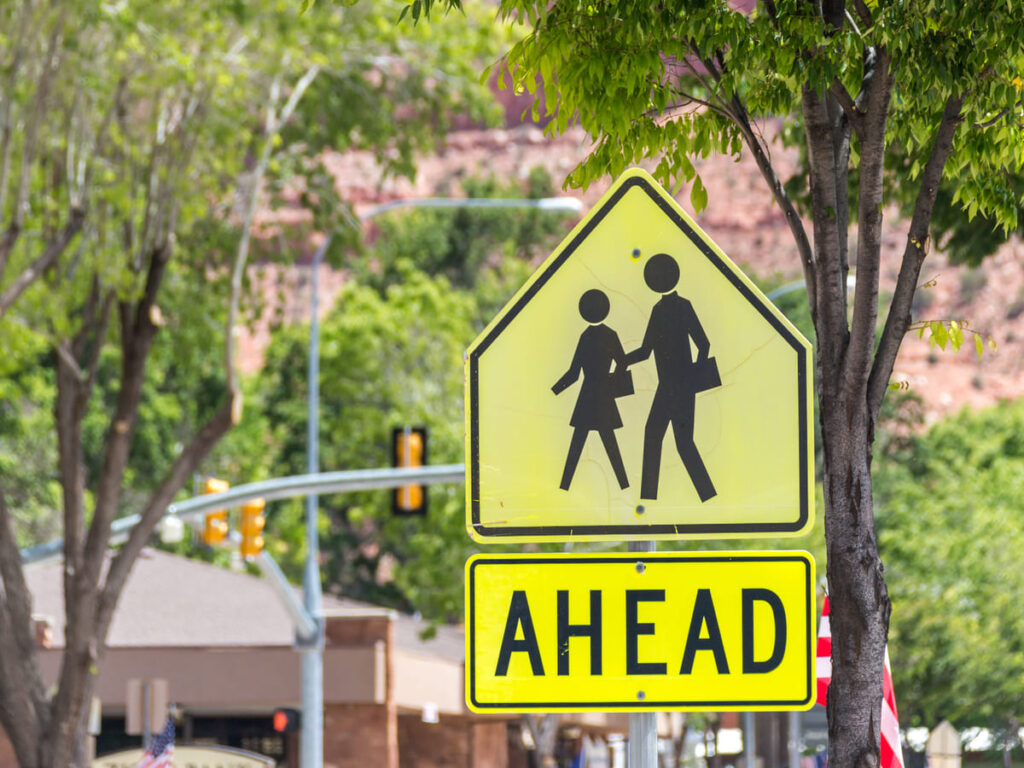
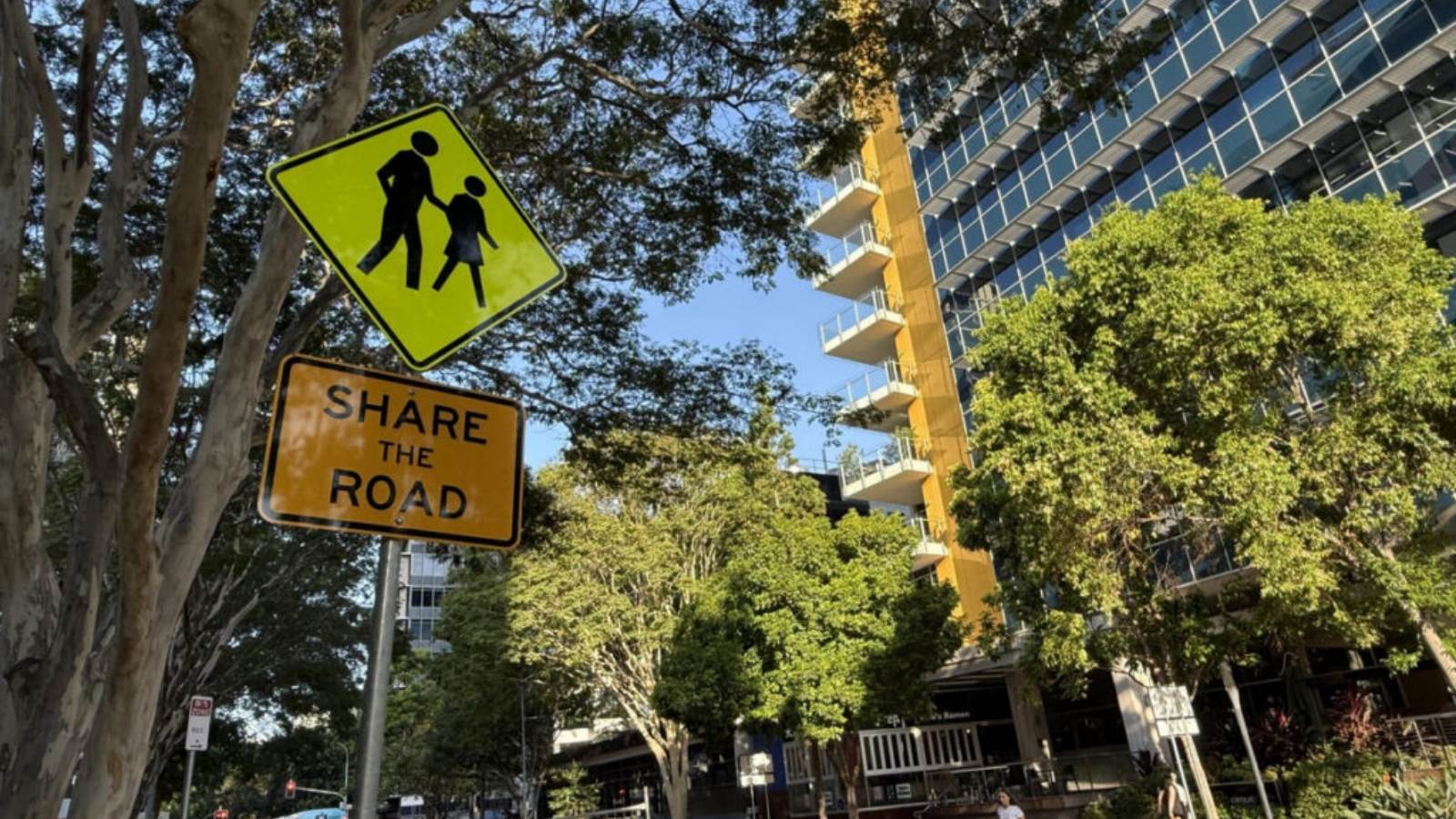
Fluorescent yellow-green signs are high-visibility traffic control signs designed to draw drivers’ attention to pedestrian activity, school areas, bicycle facilities, and other locations where road users need additional warning. Their distinctive color helps signs stand out against many ordinary roadside backgrounds, making them useful in places such as school zones, crosswalks, playgrounds, and selected work areas.
Choosing the right fluorescent yellow-green signs involves more than selecting a bright color. Buyers and traffic management professionals should consider MUTCD requirements, sign dimensions, reflective sheeting, materials, installation conditions, and the specific warning message. This guide explains how these signs work, where they are used, how they compare with traditional signs, and what to consider when sourcing them for traffic safety projects.
Key Takeaways
Fluorescent yellow-green signs provide a distinctive, high-visibility background for selected pedestrian, bicycle, playground, and school warning applications.
The MUTCD specifies fluorescent yellow-green backgrounds for school and school-bus warning signs, while certain pedestrian and bicycle warning signs may use this color as an option.
Sign visibility depends on more than color. Reflective sheeting, sign size, placement, lighting, and viewing conditions also matter.
These signs are commonly used near schools, crosswalks, bicycle facilities, playgrounds, and selected work or temporary traffic control areas.
Buyers should check applicable standards, sign materials, dimensions, reflective performance, customization options, and supplier quality before ordering.
1. What Are Fluorescent Yellow-Green Signs?
Color and Visibility
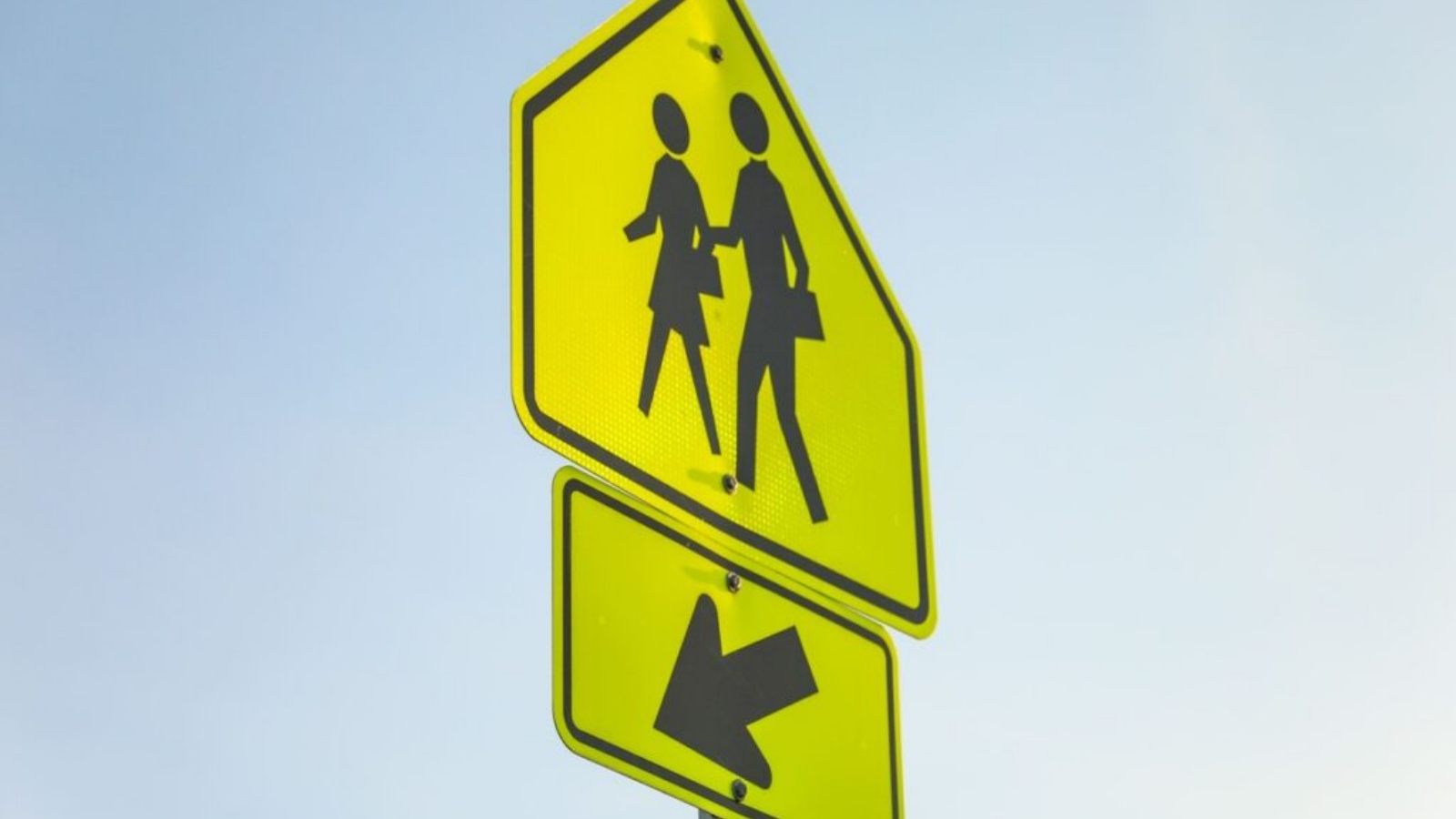
Fluorescent yellow-green is a distinctive sign background color used to attract attention in traffic environments. Compared with many conventional sign colors, its vivid appearance can make warnings more noticeable against surrounding roads, buildings, vegetation, and other visual elements.
The color is particularly associated with warnings involving schools, pedestrians, bicycles, and playgrounds. It helps distinguish these signs from other traffic messages, allowing drivers to recognize that they are approaching an area where additional care may be needed. Actual visibility still depends on factors such as daylight, weather, background contrast, sign condition, and viewing distance.
Visibility tip: Fluorescent yellow-green backgrounds can help selected warning signs stand out during the day. For nighttime performance, check the sign’s retroreflective sheeting and applicable specifications as well as its background color.
Research into color perception and traffic sign visibility has examined how different colors and visual contrasts affect detection and recognition. The following table summarizes the studies and findings cited in the original article.
| Study | Findings |
|---|---|
| Kravkov & Galochkina (1947) | Green-yellow light does not affect how eyes work much. |
| Barlow & Levick (1968) | Red colors are harder to see at night. |
| Heinsen (1958) | Yellow and fluorescent yellow are very easy to see. |
| Michon (1963) | Fluorescent yellow-orange is easier to spot and recognize. |
| Zwahlen and Schnell (1997) | Fluorescent colors are easier to see, yellow is best. |
| Isler et al. (1997) | Fluorescent lime-yellow stands out more than fluorescent orange. |
These findings provide background on color visibility, but they should not be interpreted as proving that every fluorescent yellow-green sign will prevent accidents. Sign effectiveness depends on the complete traffic control arrangement, including the message, placement, size, retroreflective properties, and road environment.
Regulatory Standards
In the United States, the Manual on Uniform Traffic Control Devices (MUTCD), published by the Federal Highway Administration (FHWA), establishes standards and guidance for traffic control devices on streets and highways within its scope. Its provisions cover sign colors, shapes, design, placement, and use.
Under the current MUTCD, fluorescent yellow-green is the required background color for warning signs associated with schools and school buses. Certain pedestrian, bicycle, and playground warning signs may also use a fluorescent yellow-green background. The specific requirement depends on the sign type and the applicable MUTCD provision.
School and school-bus warning signs are required to use fluorescent yellow-green backgrounds under the applicable MUTCD provisions.
Certain pedestrian, bicycle, and playground warning signs may use either a standard yellow or fluorescent yellow-green background, depending on the sign and applicable provisions.
When fluorescent yellow-green is selected for a sign within a designated area, a consistent background color approach should be considered to avoid confusing drivers.
Sign shape, legend, dimensions, and other design details must follow the applicable standard sign specifications.
The following table summarizes general sign design considerations referenced in the original article.
| Aspect | Details |
|---|---|
| Sign Color | Use fluorescent yellow-green for pedestrian, bicycle, and school signs. |
| Sign Shape | Warning signs are diamond-shaped, with some exceptions. |
| Design Standards | Follow the ‘Standard Highway Signs’ book for sizes, shapes, colors, and legends. |
| Mixing Background Colors | Do not mix standard yellow and fluorescent yellow-green backgrounds in one area. |
For projects in the United States, buyers and contractors should consult the latest MUTCD edition, relevant state supplements, and local road authority requirements before specifying or installing fluorescent yellow-green traffic signs. A sign’s color alone does not establish regulatory compliance.
2. Applications of Fluorescent Yellow-Green Signs
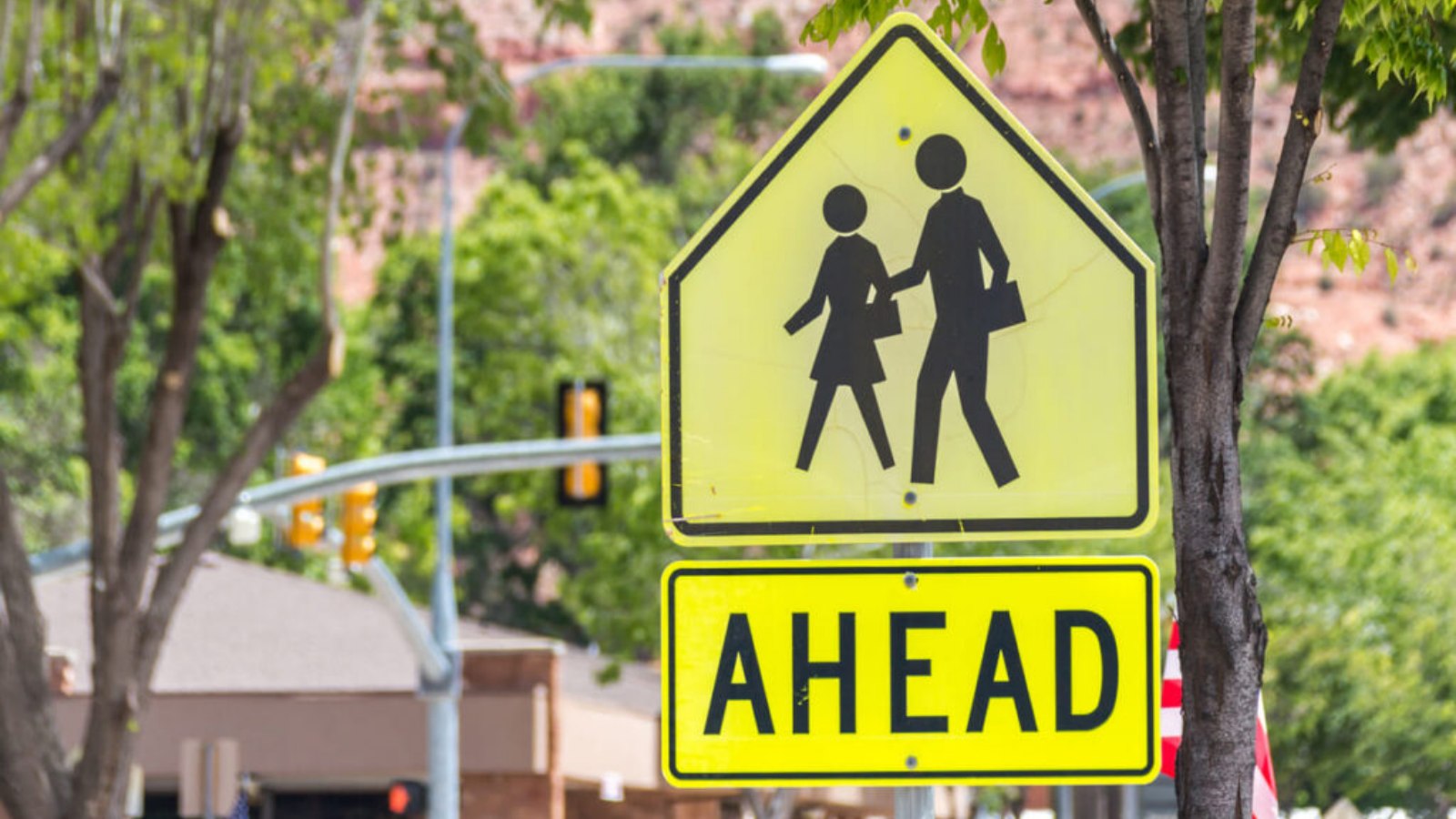
Fluorescent yellow-green signs are used in locations where drivers need to recognize pedestrian, bicycle, school, or playground-related warnings. Their distinctive background can help draw attention to these messages, particularly in visually busy environments. The appropriate sign type and color should always match the applicable traffic control requirements.
School Zones
In school zones, fluorescent yellow-green signs help identify areas where children may be walking, crossing streets, boarding school buses, or entering and leaving school facilities. These signs can communicate school-related warnings and remind drivers to pay attention to changing pedestrian activity.
When planning school-zone signage, traffic authorities and school districts should consider:
Sign visibility: Place signs where approaching drivers have enough time to recognize and respond to the warning.
Appropriate sign selection: Use the correct school warning sign and supplemental plaques for the location and traffic condition.
Consistent placement: Follow applicable standards and local traffic engineering requirements.
Ongoing maintenance: Check signs for fading, damage, dirt, and reduced retroreflective performance.
By using the correct school-zone warning signs, school districts, traffic management companies, and municipalities can provide clearer warnings to motorists and support safer routes for students, parents, school staff, and other pedestrians.
Pedestrian and Bicycle Areas
Pedestrian areas and bicycle facilities may use fluorescent yellow-green warning signs to draw attention to crosswalks, pedestrian crossings, bicycle crossings, and other locations where road users may encounter people walking or cycling. Their distinctive color can help these signs stand out in busy urban environments.
Fluorescent yellow-green backgrounds may be used for certain pedestrian warning signs where permitted by the MUTCD.
Selected bicycle warning signs may also use this background color when allowed by the applicable standard.
Sign placement should provide approaching drivers with a clear view of the warning and enough time to respond.
Crosswalk markings, pavement markings, signals, and other traffic control devices may be needed to support the sign’s message.
Planning tip: Choose sign colors and messages as part of a coordinated traffic control plan. Consistent sign design helps road users recognize similar warnings across an area.
| Type of Project | Regulation Description |
|---|---|
| Pedestrian Areas | Signs in areas with pedestrian traffic must be fluorescent yellow-green. |
| Bicyclist Areas | Bicyclist warning signs are required to be fluorescent yellow-green. |
Work Zone Safety
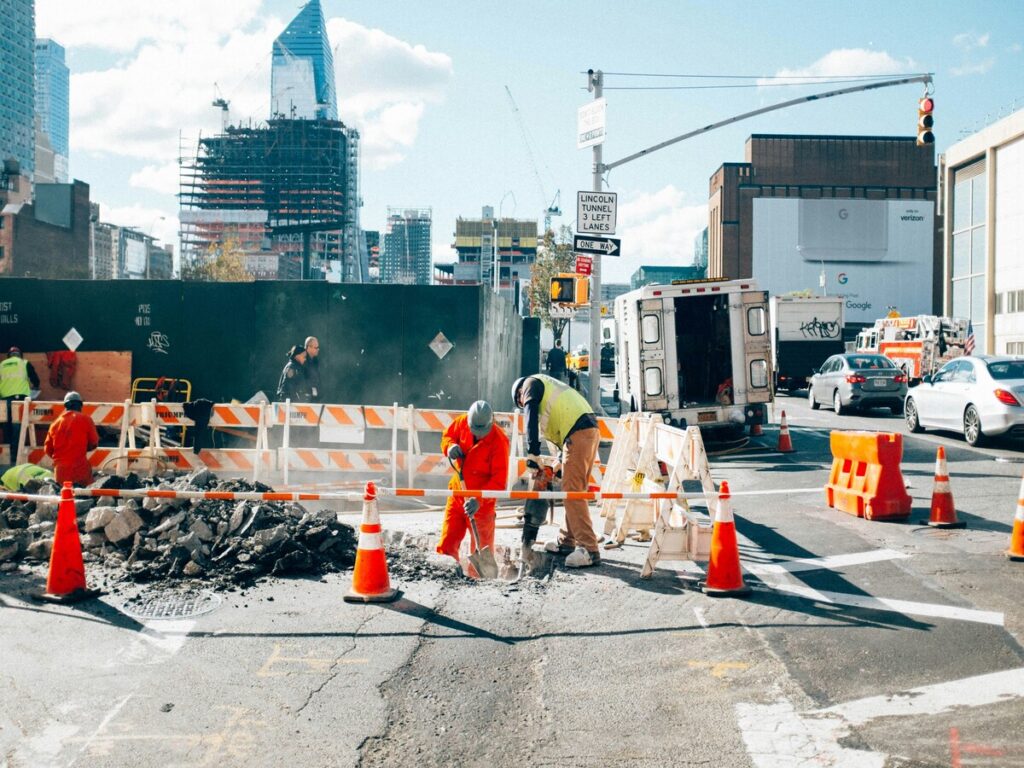
Work zones require clear traffic control because lane closures, construction equipment, temporary access routes, and workers can create changing road conditions. Fluorescent yellow-green signs may be appropriate for specific pedestrian, bicycle, or school-related warnings near work areas. However, orange is the standard background color for most temporary traffic control warning signs.
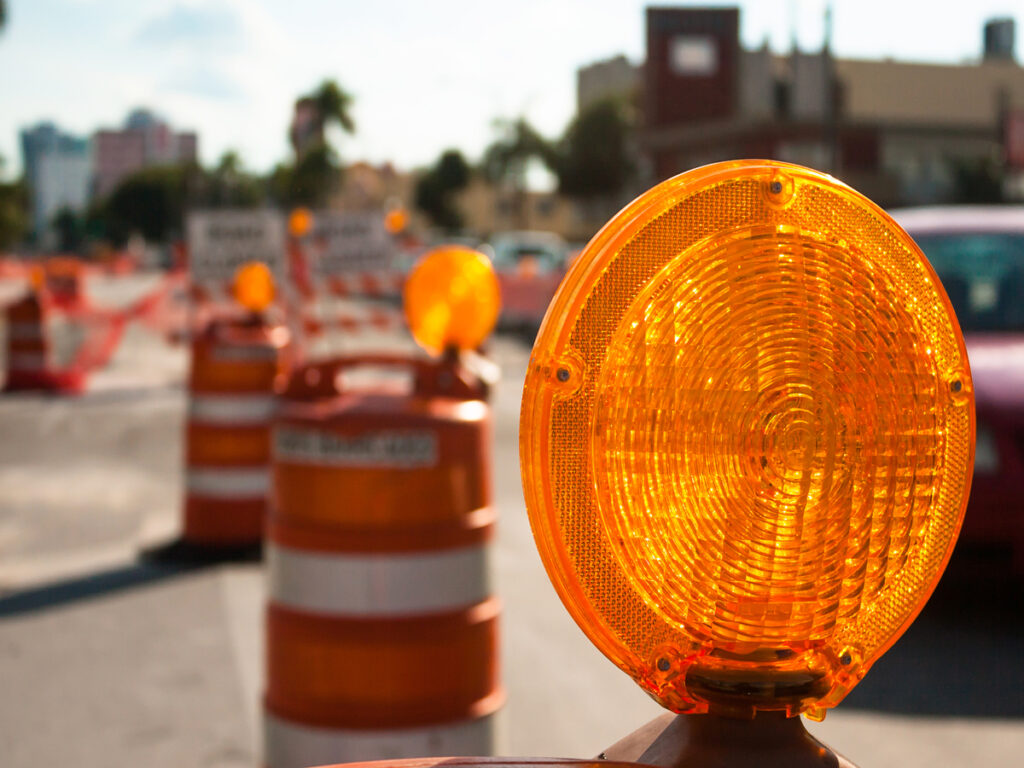
For roadwork projects, contractors should select signs according to the type of warning, the location, and the approved temporary traffic control plan. High-visibility signs should be supported by appropriate channelizing devices, pavement markings, barriers, and other traffic control equipment when required.
| Description | Treatment Sites (Fluorescent Signs) | Control Sites (Standard Signs) |
|---|---|---|
| Traffic Conflicts Before | 153 | 160 |
| Traffic Conflicts After | 136 | 187 |
| Reduction in Conflict Frequency | Statistically Significant | N/A |
| Vehicles in Left Lane Reduction (%) | >5% (100+ fewer vehicles) | N/A |
| Trucks Moving Out of Left Lane (Before Midpoint) | 30% more than expected (16 more trucks) | N/A |
| Trucks Moving Out of Left Lane (At Taper) | 12 more trucks than expected | N/A |
The figures above are presented as supplied in the original article. Before using them as evidence of the effectiveness of fluorescent yellow-green signs, the underlying study, treatment details, and measurement methods should be verified. Work-zone safety outcomes can be influenced by sign placement, traffic volume, lane configuration, enforcement, and other traffic control measures.
For construction companies, traffic management firms, and roadwork contractors, OPTRAFFIC offers traffic safety signage and related products for different project requirements. Buyers should review each product’s specifications and confirm that the selected sign design and color are appropriate for the intended application and applicable standards.
When planning your next road safety project, choose signs according to the site conditions and applicable traffic control requirements. Explore OPTRAFFIC safety signage to review available traffic sign solutions.
3. Importance of Fluorescent Yellow-Green Signs for Traffic Management
Enhanced Safety
High-visibility warning signs can help road users recognize potential hazards and changing traffic conditions. In school zones, pedestrian areas, and selected bicycle facilities, fluorescent yellow-green signs provide a distinctive warning background that can support driver awareness.
Research into high-visibility crosswalk treatments has reported improvements in certain safety outcomes. For example, a San Francisco study evaluated high-visibility school crosswalk markings at 54 treated intersections and 54 nearby control intersections. It estimated a 37% reduction in collisions at treated intersections. This finding relates to the crosswalk treatment evaluated in that study and should not be attributed solely to fluorescent yellow-green signs.
| Study | Description | Results |
|---|---|---|
| PMC8786203 | Changed regular yellow school crosswalks to high-visibility yellow and used fluorescent yellow-green signs. | 37% fewer pedestrian injuries at these places than at others. |
These findings illustrate the potential value of coordinated high-visibility treatments, but they do not mean that installing a particular sign will automatically produce the same reduction in every location. Traffic engineers should assess local conditions and select appropriate signs, pavement markings, and channelizing devices. Products such as traffic channelizers and drums can form part of a broader temporary traffic control setup.
Driver Awareness
Drivers need to recognize warnings early enough to adjust their speed, position, and driving behavior. Fluorescent yellow-green warning signs can make selected pedestrian, bicycle, and school-related messages more visually distinctive, particularly where the surrounding environment contains many competing visual elements.
High-visibility backgrounds can help selected warning signs stand out in areas with pedestrian activity.
Clear sign messages help drivers understand the potential hazard ahead.
Appropriate placement gives drivers more time to recognize and respond to warnings.
Consistent sign colors and layouts can help road users identify similar warnings across a route.
Reflective materials support nighttime visibility when they meet the required specifications and are properly maintained.
For large projects, buyers may need multiple sign types and sizes to cover different road conditions. Reviewing the traffic control plan before ordering helps ensure that each sign communicates the correct message and meets the project’s requirements.
4. Comparison with Traditional Signs
Visibility Differences
Fluorescent yellow-green signs have a distinctive appearance that can help them stand out from many conventional yellow, white, or other roadside signs. This makes the color useful for selected warning applications where road users need to recognize pedestrian, bicycle, playground, or school-related conditions.
However, visibility is not determined by background color alone. Sign size, lettering, symbol design, retroreflective sheeting, mounting height, viewing angle, surrounding lighting, and weather conditions all influence how easily drivers can detect and understand a sign. For nighttime applications, buyers should pay particular attention to the sign’s retroreflective material and applicable performance requirements.
| Feature | Fluorescent Yellow-Green Signs | Traditional Signs |
|---|---|---|
| Daytime Visibility | Very High | Moderate |
| Nighttime Visibility | High | Lower |
| Attention-Grabbing | Excellent | Good |
| Use in High-Risk Areas | Preferred | Less Effective |
Selection tip: Use the sign background color required or permitted for the specific warning message. Do not substitute one sign color for another simply because it appears brighter.
Customization Options
Traffic sign projects may require different sizes, shapes, messages, materials, and reflective sheeting grades. Customization allows buyers to specify products that suit the road environment, installation method, and project requirements. Any custom sign used on a public road must still comply with applicable design and approval requirements.
When comparing custom road sign manufacturing options, buyers should check the available materials and reflective sheeting. For example, diamond-grade reflective sheeting may be specified for certain applications, while other projects may call for a different approved sheeting grade.
Select sign sizes and shapes according to the applicable standard and site requirements.
Choose durable materials suitable for the expected outdoor conditions.
Confirm the reflective sheeting grade and performance requirements.
Check whether custom legends, symbols, or supplemental plaques are permitted.
Coordinate bulk orders with the project’s sign schedule and installation plan.
Before approving a custom order, confirm the artwork, dimensions, background color, legend, sheeting, mounting details, and applicable compliance requirements. This helps reduce specification errors and ensures that the finished signs are suitable for the intended project.
5. Real-World Impact of High-Visibility Signs
Case Studies and Project Evaluation
High-visibility traffic signs are used in a range of settings where drivers need clear warnings, including school areas, pedestrian crossings, bicycle facilities, and road construction projects. Their contribution to safety depends on how well the signs are selected, positioned, maintained, and integrated with other traffic control measures.
For example, a school-zone improvement project may combine school warning signs, marked crosswalks, pavement markings, and speed management measures. A work-zone project may use warning signs, channelizing devices, barriers, and temporary lane markings to guide drivers around construction activity. In each case, the overall traffic control arrangement—not one sign alone—determines how effectively road users are informed.
Project managers evaluating sign performance should review measurable indicators such as driver compliance, vehicle speeds, traffic conflicts, pedestrian crossing behavior, and crash records. These results should be compared with appropriate baseline data and interpreted in the context of other changes made at the site.
Customer Feedback
Feedback from residents, road users, and project managers can provide useful information about how well traffic signs communicate warnings. Parents may value clearer school-zone signs, while pedestrians and cyclists may find well-positioned crossing warnings easier to recognize. Traffic managers can also use observations from the field to identify signs that are obstructed, damaged, difficult to read, or poorly positioned.
For a more reliable assessment, customer feedback should be considered alongside inspection records, traffic observations, and relevant safety data. Claims about reductions in injuries, property damage, or fatalities should only be published when supported by a clearly identified study or project evaluation.
| Benefit | Statistic |
|---|---|
| Reduction in property damage | 42% less |
| Decrease in injuries | 42% fewer |
| Drop in fatalities | 61% fewer |
The percentages above are retained from the supplied source material. Their original study references and measurement scope should be confirmed before they are used as verified evidence or attributed to fluorescent yellow-green signs. Safety outcomes vary according to road design, traffic volume, driver behavior, enforcement, and the full set of traffic control measures used.
When sourcing signs for a public safety project, buyers should work with suppliers that can provide clear product specifications, material information, reflective sheeting details, and relevant quality documentation. These details make it easier to assess whether the products match the project’s requirements.
6. Frequently Asked Questions
What do fluorescent yellow-green signs mean?
Fluorescent yellow-green signs are used for selected school, school-bus, pedestrian, bicycle, and playground warnings. The color helps distinguish these warning messages from other traffic signs. The exact meaning depends on the sign’s symbol, legend, and location.
Where should you use fluorescent yellow-green signs?
These signs are commonly used in school zones, school-bus areas, pedestrian crossings, bicycle facilities, and playground-related warning locations, where permitted or required by the applicable traffic control standards. The correct sign type and placement should be determined according to the MUTCD and local road authority requirements.
Why are fluorescent yellow-green signs easier to notice?
The fluorescent yellow-green background provides a distinctive visual appearance that can help selected warning signs stand out from their surroundings. Its effectiveness depends on the viewing environment, sign dimensions, contrast, placement, and the condition of the sign. Reflective sheeting is also important when nighttime visibility is required.
Can you order custom fluorescent yellow-green signs?
Yes. Traffic sign manufacturers may offer custom options for dimensions, materials, legends, symbols, and reflective sheeting. However, signs intended for public roads must follow applicable design standards and approval procedures. When comparing traffic sign suppliers, confirm their manufacturing capabilities, product specifications, quality controls, and ability to meet your project’s requirements.
What does a fluorescent yellow-green pentagon-shaped sign indicate?
A fluorescent yellow-green pentagon-shaped sign is commonly associated with a school area or school-related warning. In the United States, the five-sided school sign shape helps drivers recognize school-related traffic information. Always check the sign’s legend and applicable MUTCD design rather than relying on color or shape alone.
Are fluorescent yellow-green signs more expensive than regular traffic signs?
The price of a fluorescent yellow-green sign depends on its dimensions, substrate, reflective sheeting, printing or sheeting process, mounting requirements, and order quantity. Some specifications may cost more than basic sign configurations. Buyers should compare complete product specifications and service life rather than choosing solely by initial price. Bulk purchasing may also affect the unit cost.
How do I know if I am getting the right fluorescent yellow-green signs?
Start by confirming the sign type, legend, dimensions, background color, and applicable MUTCD or local requirements. Ask the supplier for details about the substrate, reflective sheeting grade, manufacturing quality controls, and available documentation. If the project requires a specific reflective material, such as 3M sheeting, confirm the exact product and specification in the quotation and order documents.
7. Conclusion
Fluorescent yellow-green signs play an important role in selected school, pedestrian, bicycle, and playground warning applications. Their distinctive color helps these signs stand out and supports driver awareness in locations where road users need clear warnings. When used correctly, they form part of a coordinated traffic safety system that may also include crosswalk markings, pavement markings, signals, and channelizing devices.
Choosing the right signs requires attention to MUTCD requirements, sign design, dimensions, reflective sheeting, material durability, installation conditions, and supplier quality. Before placing an order, confirm the intended application and technical specifications so the finished products meet the needs of your project.
OPTRAFFIC provides traffic signs and safety signage solutions for road and traffic management applications. Visit the OPTRAFFIC official website to explore its product range and learn more about available traffic safety signage options.