_1795413971_WNo_1600d900.jpg)
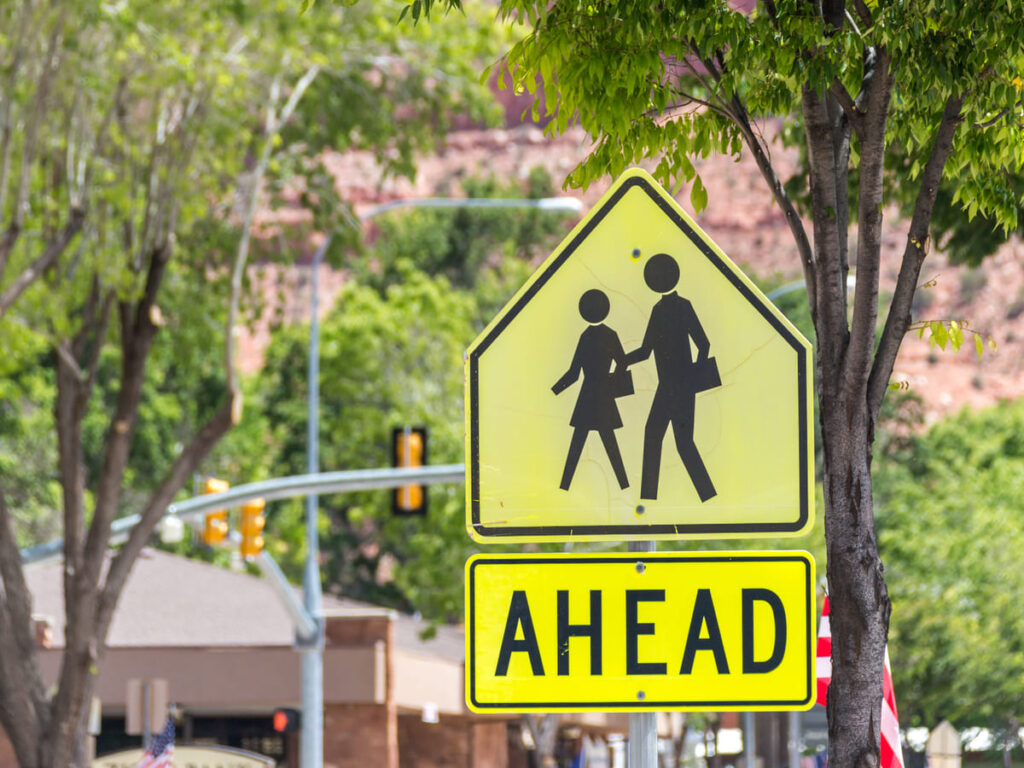
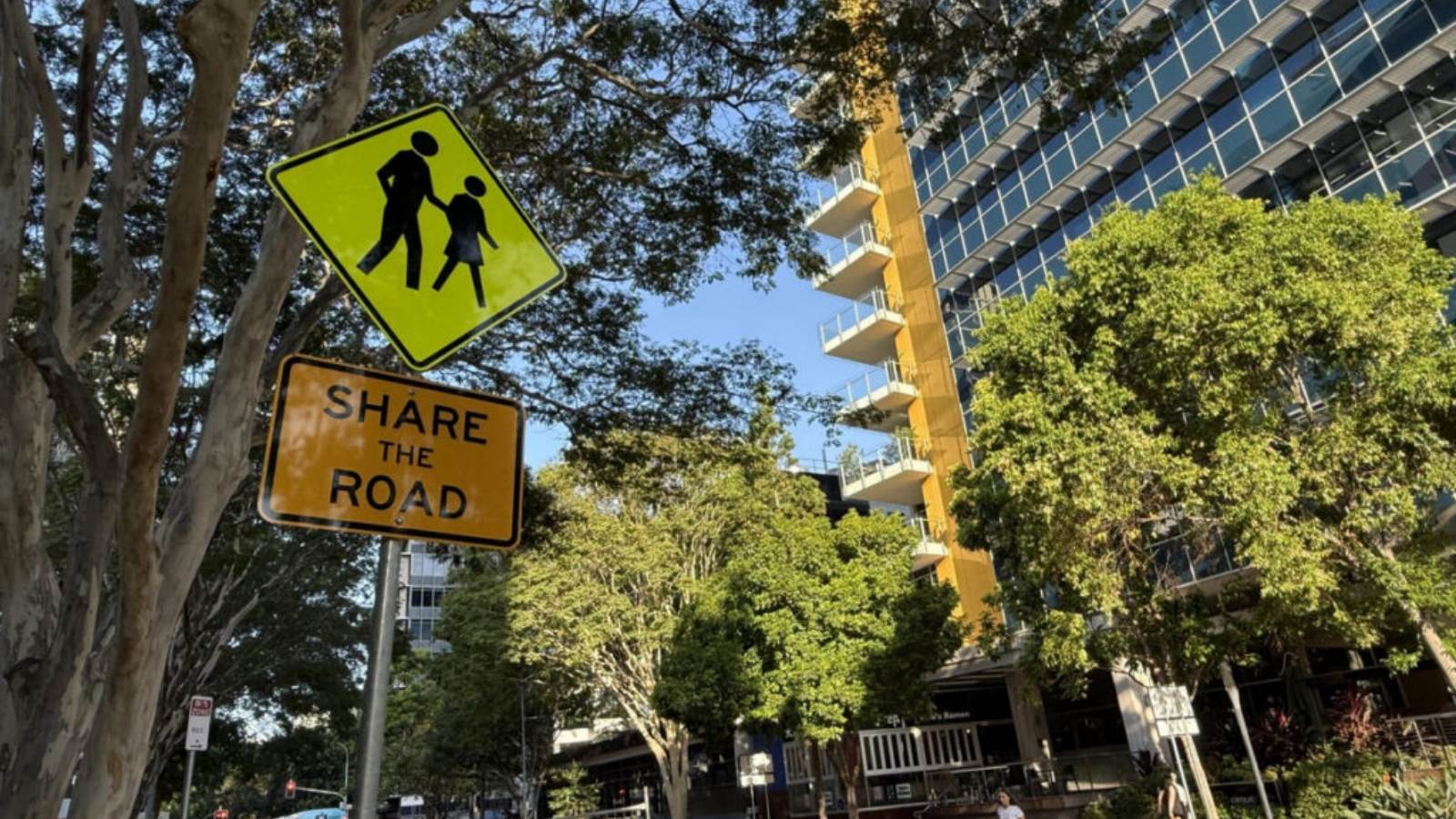
Fluorescent yellow-green signs are high-visibility traffic control signs designed to draw drivers’ attention to pedestrian activity, áreas escolares, instalaciones para bicicletas, and other locations where road users need additional warning. Their distinctive color helps signs stand out against many ordinary roadside backgrounds, making them useful in places such as school zones, pasos peatonos, parques infantiles, and selected work areas.
Choosing the right fluorescent yellow-green signs involves more than selecting a bright color. Buyers and traffic management professionals should consider MUTCD requirements, dimensiones del letrero, láminas reflectantes, materiales, installation conditions, and the specific warning message. This guide explains how these signs work, donde se usan, how they compare with traditional signs, and what to consider when sourcing them for traffic safety projects.
Control de llave
Fluorescent yellow-green signs provide a distinctive, high-visibility background for selected pedestrian, bicicleta, playground, and school warning applications.
The MUTCD specifies fluorescent yellow-green backgrounds for school and school-bus warning signs, while certain pedestrian and bicycle warning signs may use this color as an option.
Sign visibility depends on more than color. Láminas reflectantes, tamaño de signo, colocación, iluminación, and viewing conditions also matter.
These signs are commonly used near schools, pasos peatonos, instalaciones para bicicletas, parques infantiles, and selected work or temporary traffic control areas.
Buyers should check applicable standards, materiales de signo, dimensiones, rendimiento reflectante, opciones de personalización, and supplier quality before ordering.
1. ¿Cuáles son los signos fluorescentes de color verde amarillo??
Color y visibilidad
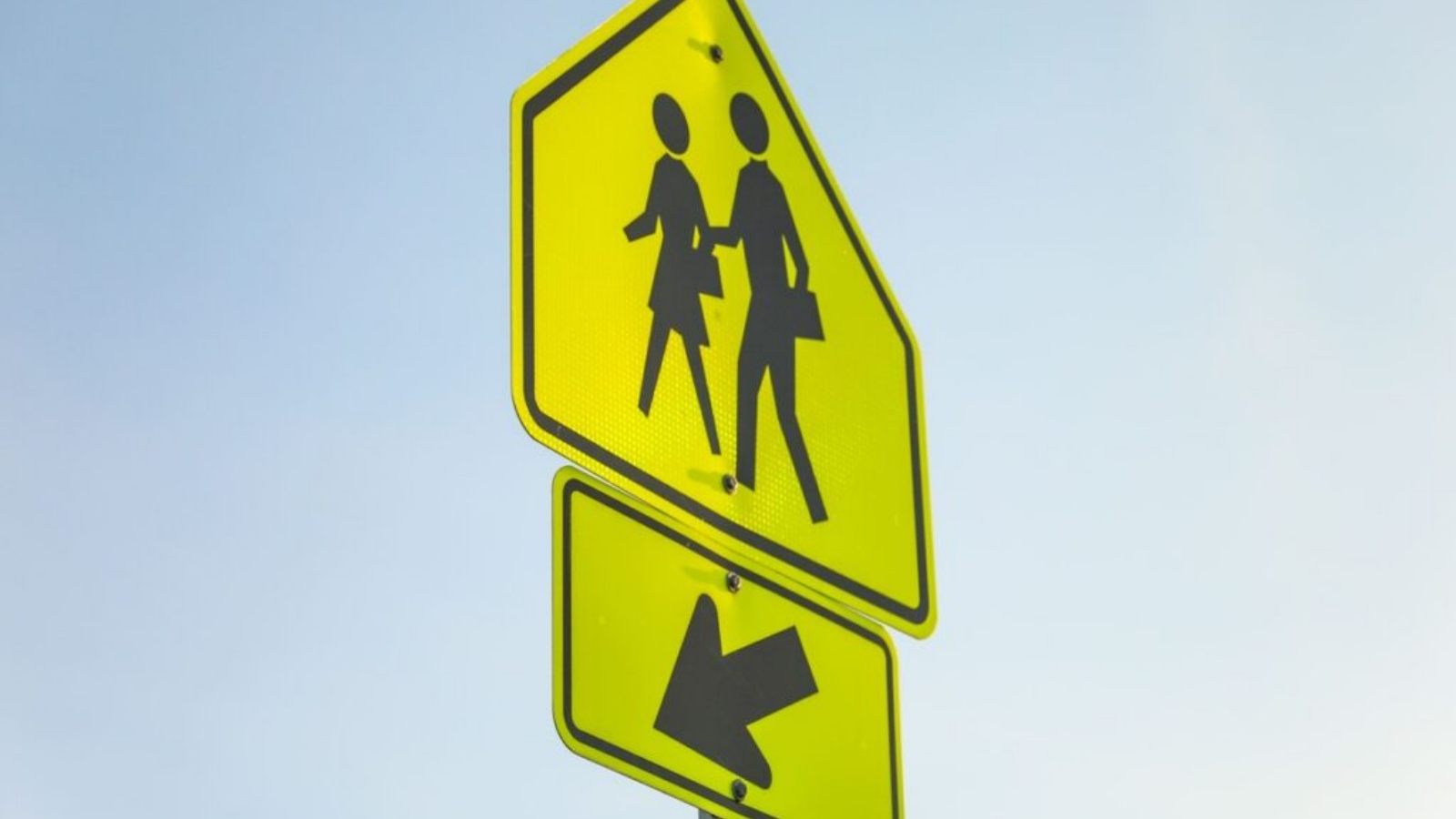
Fluorescent yellow-green is a distinctive sign background color used to attract attention in traffic environments. Compared with many conventional sign colors, its vivid appearance can make warnings more noticeable against surrounding roads, edificios, vegetación, and other visual elements.
The color is particularly associated with warnings involving schools, peatones, bicicletas, y parques infantiles. It helps distinguish these signs from other traffic messages, allowing drivers to recognize that they are approaching an area where additional care may be needed. Actual visibility still depends on factors such as daylight, clima, background contrast, sign condition, and viewing distance.
Visibility tip: Fluorescent yellow-green backgrounds can help selected warning signs stand out during the day. For nighttime performance, check the sign’s retroreflective sheeting and applicable specifications as well as its background color.
Research into color perception and traffic sign visibility has examined how different colors and visual contrasts affect detection and recognition. The following table summarizes the studies and findings cited in the original article.
| Estudiar | Recomendaciones |
|---|---|
| Vaca & Galochkina (1947) | La luz verde-amarillo no afecta mucho a los ojos. |
| Barlow & Levick (1968) | Los colores rojos son más difíciles de ver por la noche. |
| Heinsen (1958) | Amarillo y amarillo fluorescente son muy fáciles de ver. |
| Michon (1963) | El color amarillo fluorescente es más fácil de detectar y reconocer. |
| Zwahlen y rápido (1997) | Los colores fluorescentes son más fáciles de ver, El amarillo es mejor. |
| Isler et al. (1997) | El color amarillo lima fluorescente se destaca más que la naranja fluorescente. |
These findings provide background on color visibility, but they should not be interpreted as proving that every fluorescent yellow-green sign will prevent accidents. Sign effectiveness depends on the complete traffic control arrangement, including the message, colocación, tamaño, retroreflective properties, and road environment.
Normas regulatorias
En los Estados Unidos, el Manual en dispositivos de control de tráfico uniformes (Muescato), publicado por la Administración Federal de Carreteras (FHWA), establishes standards and guidance for traffic control devices on streets and highways within its scope. Its provisions cover sign colors, formas, diseño, colocación, y usar.
Under the current MUTCD, fluorescent yellow-green is the required background color for warning signs associated with schools and school buses. Certain pedestrian, bicicleta, and playground warning signs may also use a fluorescent yellow-green background. The specific requirement depends on the sign type and the applicable MUTCD provision.
School and school-bus warning signs are required to use fluorescent yellow-green backgrounds under the applicable MUTCD provisions.
Certain pedestrian, bicicleta, and playground warning signs may use either a standard yellow or fluorescent yellow-green background, depending on the sign and applicable provisions.
When fluorescent yellow-green is selected for a sign within a designated area, a consistent background color approach should be considered to avoid confusing drivers.
Forma de signo, leyenda, dimensiones, and other design details must follow the applicable standard sign specifications.
The following table summarizes general sign design considerations referenced in the original article.
| Aspecto | Detalles |
|---|---|
| Color de letrero | Use el color verde amarillo fluorescente para peatones, bicicleta, y letreros escolares. |
| Forma de firmar | Las señales de advertencia tienen forma de diamante, con algunas excepciones. |
| Estándares de diseño | Sigue los letreros de carretera estándar’ libro para tamaños, formas, bandera, y leyendas. |
| Mezcla de colores de fondo | No mezcle fondos estándar de color amarillo amarillo y fluorescente en un área en un área. |
For projects in the United States, buyers and contractors should consult the latest MUTCD edition, relevant state supplements, and local road authority requirements before specifying or installing fluorescent yellow-green traffic signs. A sign’s color alone does not establish regulatory compliance.
2. Applications of Fluorescent Yellow-Green Signs
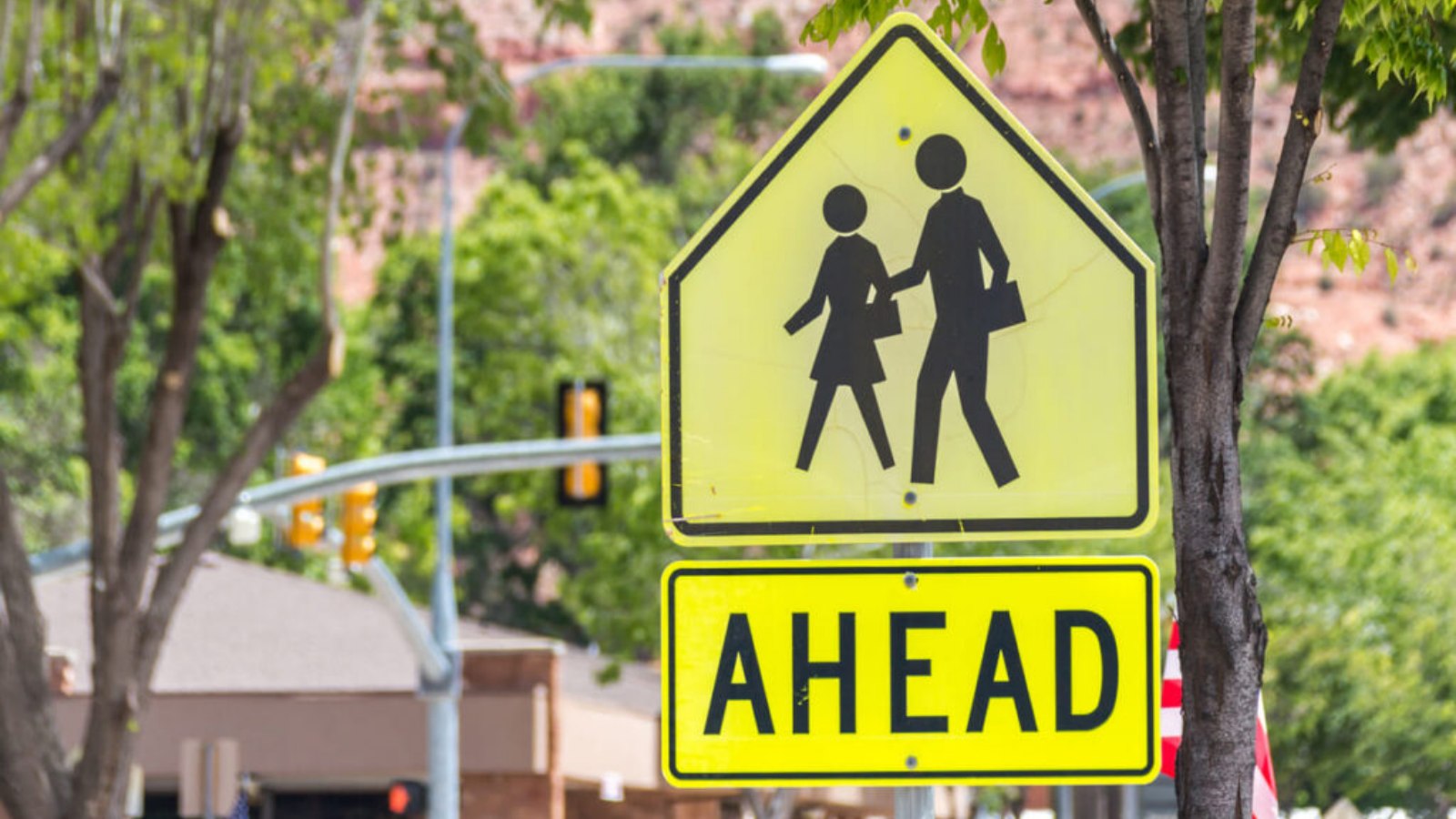
Fluorescent yellow-green signs are used in locations where drivers need to recognize pedestrian, bicicleta, escuela, or playground-related warnings. Their distinctive background can help draw attention to these messages, particularly in visually busy environments. The appropriate sign type and color should always match the applicable traffic control requirements.
Zonas escolares
En zonas escolares, fluorescent yellow-green signs help identify areas where children may be walking, crossing streets, boarding school buses, or entering and leaving school facilities. These signs can communicate school-related warnings and remind drivers to pay attention to changing pedestrian activity.
When planning school-zone signage, traffic authorities and school districts should consider:
Sign visibility: Place signs where approaching drivers have enough time to recognize and respond to the warning.
Appropriate sign selection: Use the correct school warning sign and supplemental plaques for the location and traffic condition.
Consistent placement: Follow applicable standards and local traffic engineering requirements.
Mantenimiento continuo: Check signs for fading, daño, suciedad, and reduced retroreflective performance.
By using the correct school-zone warning signs, school districts, empresas de gestión de tráfico, and municipalities can provide clearer warnings to motorists and support safer routes for students, padres, school staff, and other pedestrians.
Áreas de peatones y bicicletas
Pedestrian areas and bicycle facilities may use fluorescent yellow-green warning signs to draw attention to crosswalks, cruces de peatones, bicycle crossings, and other locations where road users may encounter people walking or cycling. Their distinctive color can help these signs stand out in busy urban environments.
Fluorescent yellow-green backgrounds may be used for certain pedestrian warning signs where permitted by the MUTCD.
Selected bicycle warning signs may also use this background color when allowed by the applicable standard.
Sign placement should provide approaching drivers with a clear view of the warning and enough time to respond.
Crosswalk markings, marcas en el pavimento, señales, and other traffic control devices may be needed to support the sign’s message.
Planning tip: Choose sign colors and messages as part of a coordinated traffic control plan. Consistent sign design helps road users recognize similar warnings across an area.
| Tipo de proyecto | Descripción de la regulación |
|---|---|
| Áreas peatonales | Las letreros en áreas con tráfico peatonal deben ser fluorescentes de color amarillo. |
| Áreas de ciclistas | Se requiere que las señales de advertencia de ciclistas sean fluorescentes de color amarillo. |
Seguridad de la zona de trabajo
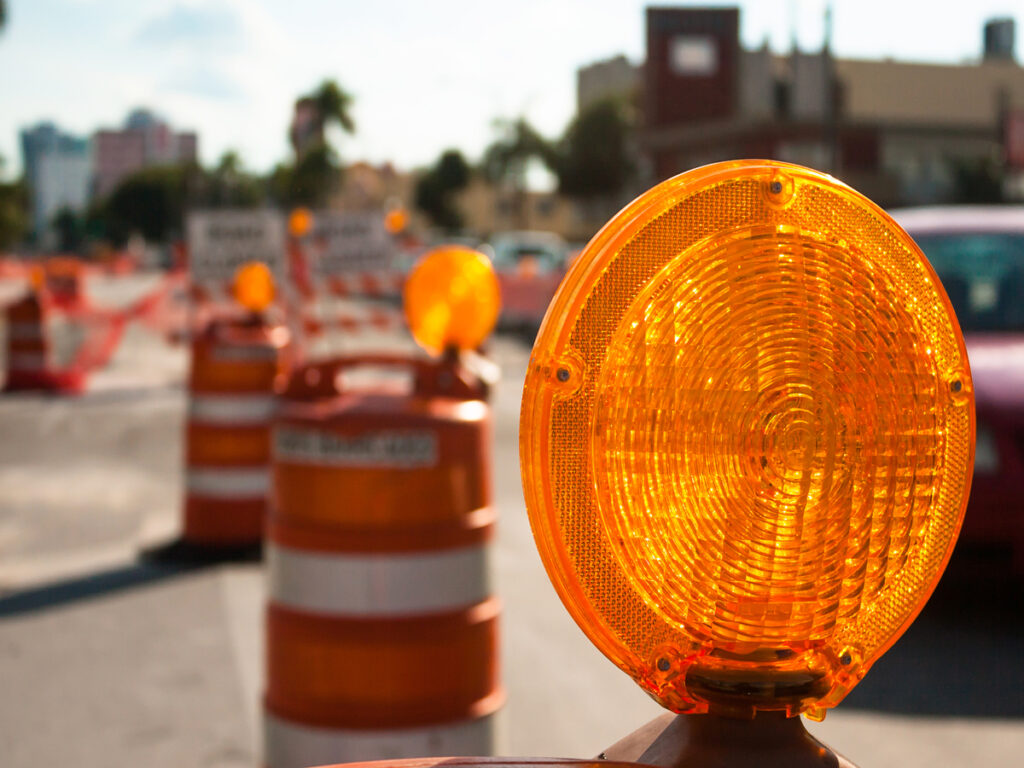
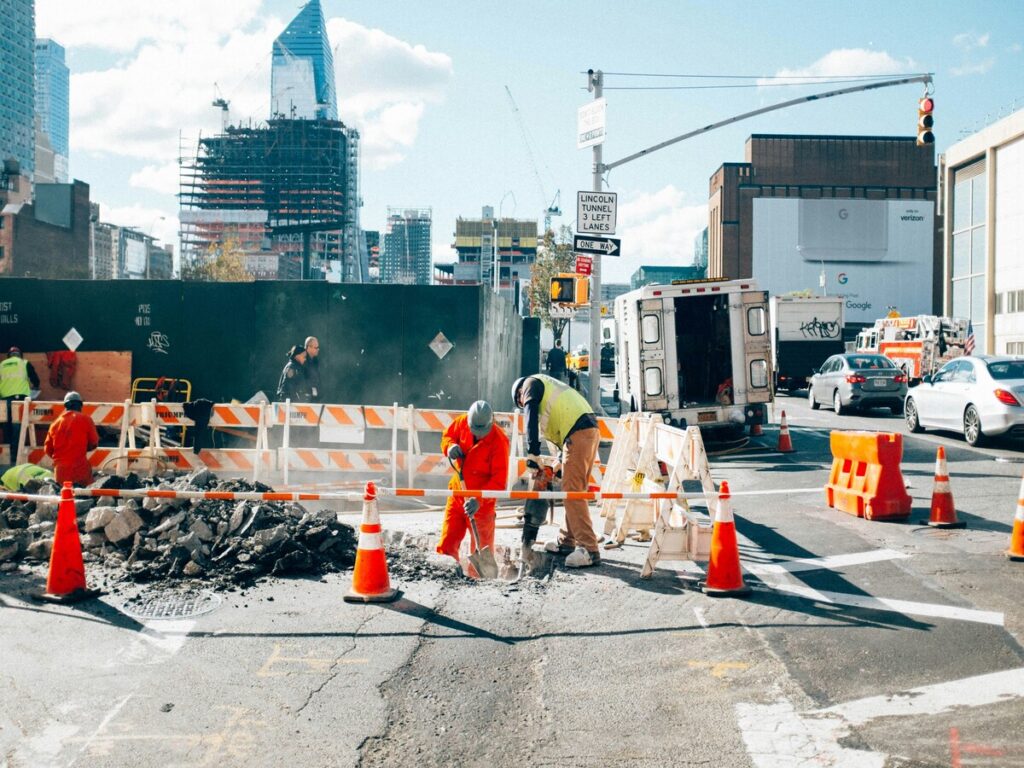
Work zones require clear traffic control because lane closures, equipo de construcción, temporary access routes, and workers can create changing road conditions. Fluorescent yellow-green signs may be appropriate for specific pedestrian, bicicleta, or school-related warnings near work areas. Sin embargo, orange is the standard background color for most temporary traffic control warning signs.
For roadwork projects, contractors should select signs according to the type of warning, the location, and the approved temporary traffic control plan. High-visibility signs should be supported by appropriate channelizing devices, marcas en el pavimento, barrera, and other traffic control equipment when required.
| Descripción | Sitios de tratamiento (Signos fluorescentes) | Sitios de control (Señales estándar) |
|---|---|---|
| Conflictos de tráfico antes | 153 | 160 |
| Conflictos de tráfico después | 136 | 187 |
| Reducción de la frecuencia de conflicto | Estadísticamente significativo | N / A |
| Vehículos en la reducción del carril izquierdo (%) | >5% (100+ menos vehículos) | N / A |
| Camiones que se mueven fuera del carril izquierdo (Antes del punto medio) | 30% más de lo esperado (16 Más camiones) | N / A |
| Camiones que se mueven fuera del carril izquierdo (En la cono) | 12 Más camiones de lo esperado | N / A |
The figures above are presented as supplied in the original article. Before using them as evidence of the effectiveness of fluorescent yellow-green signs, the underlying study, treatment details, and measurement methods should be verified. Work-zone safety outcomes can be influenced by sign placement, volumen de tráfico, lane configuration, enforcement, and other traffic control measures.
Para empresas de construcción, empresas de gestión de tráfico, y contratistas de ruta, OPTRAFFIC offers traffic safety signage and related products for different project requirements. Buyers should review each product’s specifications and confirm that the selected sign design and color are appropriate for the intended application and applicable standards.
When planning your next road safety project, choose signs according to the site conditions and applicable traffic control requirements. Explorar OPTRAFFIC safety signage to review available traffic sign solutions.
3. Importance of Fluorescent Yellow-Green Signs for Traffic Management
Seguridad mejorada
High-visibility warning signs can help road users recognize potential hazards and changing traffic conditions. En zonas escolares, áreas peatonales, and selected bicycle facilities, fluorescent yellow-green signs provide a distinctive warning background that can support driver awareness.
Research into high-visibility crosswalk treatments has reported improvements in certain safety outcomes. Por ejemplo, a San Francisco study evaluated high-visibility school crosswalk markings at 54 treated intersections and 54 nearby control intersections. It estimated a 37% reduction in collisions at treated intersections. This finding relates to the crosswalk treatment evaluated in that study and should not be attributed solely to fluorescent yellow-green signs.
| Estudiar | Descripción | Resultados |
|---|---|---|
| PMC8786203 | Cambiados de cruce de peatones de las escuelas amarillas regulares a señales de color amarillo amarillo fluorescente de alta visibilidad y de alta visibilidad. | 37% menos lesiones peatonales en estos lugares que en otros. |
These findings illustrate the potential value of coordinated high-visibility treatments, but they do not mean that installing a particular sign will automatically produce the same reduction in every location. Traffic engineers should assess local conditions and select appropriate signs, marcas en el pavimento, and channelizing devices. Products such as traffic channelizers and drums can form part of a broader temporary traffic control setup.
Conciencia del conductor
Drivers need to recognize warnings early enough to adjust their speed, posición, and driving behavior. Fluorescent yellow-green warning signs can make selected pedestrian, bicicleta, and school-related messages more visually distinctive, particularly where the surrounding environment contains many competing visual elements.
High-visibility backgrounds can help selected warning signs stand out in areas with pedestrian activity.
Clear sign messages help drivers understand the potential hazard ahead.
Appropriate placement gives drivers more time to recognize and respond to warnings.
Consistent sign colors and layouts can help road users identify similar warnings across a route.
Reflective materials support nighttime visibility when they meet the required specifications and are properly maintained.
Para grandes proyectos, buyers may need multiple sign types and sizes to cover different road conditions. Reviewing the traffic control plan before ordering helps ensure that each sign communicates the correct message and meets the project’s requirements.
4. Comparación con los signos tradicionales
Diferencias de visibilidad
Fluorescent yellow-green signs have a distinctive appearance that can help them stand out from many conventional yellow, blanco, or other roadside signs. This makes the color useful for selected warning applications where road users need to recognize pedestrian, bicicleta, playground, or school-related conditions.
Sin embargo, visibility is not determined by background color alone. Tamaño de signo, letras, symbol design, láminas retrorreflectantes, altura de montaje, viewing angle, surrounding lighting, and weather conditions all influence how easily drivers can detect and understand a sign. For nighttime applications, buyers should pay particular attention to the sign’s retroreflective material and applicable performance requirements.
| Característica | Signos de color verde amarillo fluorescente | Signos tradicionales |
|---|---|---|
| Visibilidad diurna | Muy alto | Moderado |
| Visibilidad nocturna | Alto | Más bajo |
| Que atiende la atención | Excelente | Bien |
| Usar en áreas de alto riesgo | Privilegiado | Menos efectivo |
Consejo de selección: Use the sign background color required or permitted for the specific warning message. Do not substitute one sign color for another simply because it appears brighter.
Opciones de personalización
Traffic sign projects may require different sizes, formas, mensajes, materiales, and reflective sheeting grades. Customization allows buyers to specify products that suit the road environment, método de instalación, and project requirements. Any custom sign used on a public road must still comply with applicable design and approval requirements.
When comparing custom road sign manufacturing options, buyers should check the available materials and reflective sheeting. Por ejemplo, diamond-grade reflective sheeting may be specified for certain applications, while other projects may call for a different approved sheeting grade.
Select sign sizes and shapes according to the applicable standard and site requirements.
Choose durable materials suitable for the expected outdoor conditions.
Confirm the reflective sheeting grade and performance requirements.
Check whether custom legends, símbolo, or supplemental plaques are permitted.
Coordinate bulk orders with the project’s sign schedule and installation plan.
Before approving a custom order, confirm the artwork, dimensiones, color de fondo, leyenda, chapas, mounting details, and applicable compliance requirements. This helps reduce specification errors and ensures that the finished signs are suitable for the intended project.
5. Real-World Impact of High-Visibility Signs
Case Studies and Project Evaluation
High-visibility traffic signs are used in a range of settings where drivers need clear warnings, including school areas, cruces de peatones, instalaciones para bicicletas, and road construction projects. Their contribution to safety depends on how well the signs are selected, posición, mantenido, and integrated with other traffic control measures.
Por ejemplo, a school-zone improvement project may combine school warning signs, marked crosswalks, marcas en el pavimento, and speed management measures. A work-zone project may use warning signs, Dispositivos de canalización, barrera, and temporary lane markings to guide drivers around construction activity. In each case, the overall traffic control arrangement—not one sign alone—determines how effectively road users are informed.
Project managers evaluating sign performance should review measurable indicators such as driver compliance, velocidad del vehículo, traffic conflicts, pedestrian crossing behavior, and crash records. These results should be compared with appropriate baseline data and interpreted in the context of other changes made at the site.
Comentarios de los clientes
Feedback from residents, usuarios de la carretera, and project managers can provide useful information about how well traffic signs communicate warnings. Parents may value clearer school-zone signs, while pedestrians and cyclists may find well-positioned crossing warnings easier to recognize. Traffic managers can also use observations from the field to identify signs that are obstructed, dañado, difícil de leer, or poorly positioned.
For a more reliable assessment, customer feedback should be considered alongside inspection records, traffic observations, and relevant safety data. Claims about reductions in injuries, daños a la propiedad, or fatalities should only be published when supported by a clearly identified study or project evaluation.
| Beneficio | Estadística |
|---|---|
| Reducción de daños a la propiedad | 42% menos |
| Disminución de las lesiones | 42% menos |
| Caer en las muertes | 61% menos |
The percentages above are retained from the supplied source material. Their original study references and measurement scope should be confirmed before they are used as verified evidence or attributed to fluorescent yellow-green signs. Safety outcomes vary according to road design, volumen de tráfico, Comportamiento del conductor, enforcement, and the full set of traffic control measures used.
When sourcing signs for a public safety project, buyers should work with suppliers that can provide clear product specifications, material information, reflective sheeting details, and relevant quality documentation. These details make it easier to assess whether the products match the project’s requirements.
6. Preguntas frecuentes
¿Qué significan los signos fluorescentes de color verde amarillo??
Fluorescent yellow-green signs are used for selected escuela, school-bus, peatonal, bicicleta, and playground warnings. The color helps distinguish these warning messages from other traffic signs. The exact meaning depends on the sign’s symbol, leyenda, y ubicación.
¿Dónde debe usar señales fluorescentes de color verde amarillo??
These signs are commonly used in zonas escolares, school-bus areas, cruces de peatones, instalaciones para bicicletas, and playground-related warning locations, where permitted or required by the applicable traffic control standards. The correct sign type and placement should be determined according to the MUTCD and local road authority requirements.
Why are fluorescent yellow-green signs easier to notice?
The fluorescent yellow-green background provides a distinctive visual appearance that can help selected warning signs stand out from their surroundings. Its effectiveness depends on the viewing environment, dimensiones del letrero, contraste, colocación, and the condition of the sign. Reflective sheeting is also important when nighttime visibility is required.
¿Puede pedir letreros personalizados de color verde amarillo fluorescente personalizado??
Sí. Traffic sign manufacturers may offer custom options for dimensions, materiales, legends, símbolo, y láminas reflectantes. Sin embargo, signs intended for public roads must follow applicable design standards and approval procedures. When comparing proveedores de señales de tráfico, confirm their manufacturing capabilities, Especificaciones del producto, quality controls, and ability to meet your project’s requirements.
¿Qué indica un signo fluorescente en forma de pentágono??
A fluorescent yellow-green pentagon-shaped sign is commonly associated with a school area or school-related warning. En los Estados Unidos, the five-sided school sign shape helps drivers recognize school-related traffic information. Always check the sign’s legend and applicable MUTCD design rather than relying on color or shape alone.
Son los letreros de color verde amarillo fluorescente más caros que las señales de tráfico regulares?
The price of a fluorescent yellow-green sign depends on its dimensions, sustrato, láminas reflectantes, printing or sheeting process, requisitos de montaje, y cantidad del pedido. Some specifications may cost more than basic sign configurations. Buyers should compare complete product specifications and service life rather than choosing solely by initial price. Bulk purchasing may also affect the unit cost.
How do I know if I am getting the right fluorescent yellow-green signs?
Start by confirming the sign type, leyenda, dimensiones, color de fondo, and applicable MUTCD or local requirements. Ask the supplier for details about the substrate, grado de lámina reflectante, manufacturing quality controls, and available documentation. If the project requires a specific reflective material, such as 3M sheeting, confirm the exact product and specification in the quotation and order documents.
7. Conclusión
Fluorescent yellow-green signs play an important role in selected school, peatonal, bicicleta, and playground warning applications. Their distinctive color helps these signs stand out and supports driver awareness in locations where road users need clear warnings. Cuando se usa correctamente, they form part of a coordinated traffic safety system that may also include crosswalk markings, marcas en el pavimento, señales, and channelizing devices.
Choosing the right signs requires attention to MUTCD requirements, sign design, dimensiones, láminas reflectantes, durabilidad del material, installation conditions, and supplier quality. Antes de realizar un pedido, confirm the intended application and technical specifications so the finished products meet the needs of your project.
OPTRAFFIC provides traffic signs and safety signage solutions for road and traffic management applications. Visite el OPTRAFFIC official website to explore its product range and learn more about available traffic safety signage options.