Preparando el escenario: Por qué el aluminio define la comunicación vial moderna
La señalización vial conlleva un enorme peso de seguridad. La FHWA informa que las tasas de mortalidad nocturna son tres veces más altas que las tasas diurnas., y 76 El porcentaje de muertes de peatones ocurren después del anochecer. (Fuente: https://www.fhwa.dot.gov/innovation/everydaycounts/edc_7/nighttime_visibility.cfm). La visibilidad de las señales juega un papel directo en la reducción de esa brecha..
La señalización de tráfico de aluminio ha mantenido la posición dominante en las especificaciones del DOT desde la década de 1980.. El sustrato combina baja densidad. (2.7 g/cm³ versus acero 7.85 g/cm³), fuerte resistencia a la corrosión, y una reciclabilidad casi perfecta. Estas tres propiedades impulsan las opciones de especificaciones para los gerentes de adquisiciones e ingenieros civiles..
Esta guía sirve a los ingenieros que redactan licitaciones., capacidad de dimensionamiento de los fabricantes, y administradores de activos que planifican ciclos de reemplazo. Se mueve a través de la selección de aleaciones., espesor del panel, fabricación, rendimiento de la lámina, y cumplimiento normativo según la 11ª edición del MUTCD.
Ciencia de los materiales de los sustratos de aluminio: más allá de la superficie
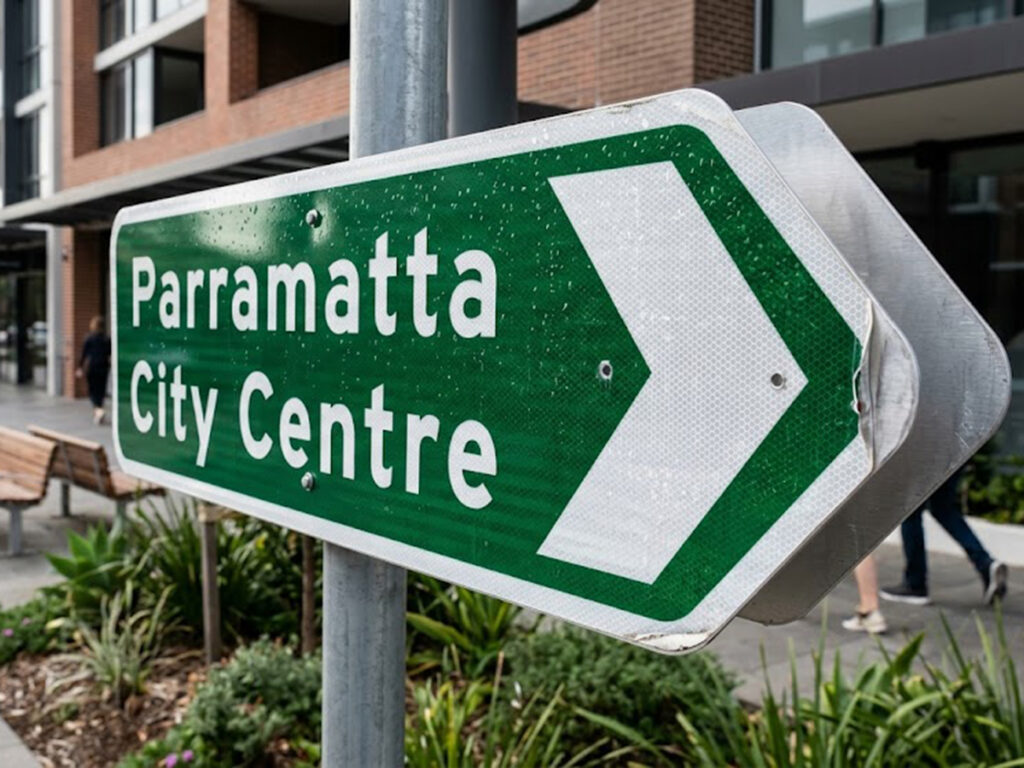
La selección del sustrato determina la durabilidad., comportamiento de sujeción, y costo total. Entendiendo el completo Transformación de bobinas de aluminio en bruto en señales de carretera terminadas. establece el contexto antes de profundizar en las especificaciones individuales.
Selección de aleaciones: la columna vertebral mecánica
Dos combinaciones de aleación y temple dominan la fabricación de señales de tráfico de aluminio: 5052-H38 para paneles planos y 6061-T6 para extrusiones estructurales.
Según ASTM B209, 5052-H38 ofrece una resistencia a la tracción mínima de 270 MPa y un límite elástico de 220 MPa en calibres entre 1,2 y 3,2 mm. La aleación contiene nominalmente 2.5% magnesio y 0.25% cromo. Esta composición produce un excelente rendimiento ante la fatiga y resistencia a la corrosión marina..
6061-T6 alcanza una resistencia a la tracción de ~310 MPa. También maneja el mecanizado y la soldadura mejor que 5052. Los fabricantes buscan 6061 cuando firmar marcos, estructuras de pórtico, o los puntos de fijación enfrentan cargas mecánicas importantes.
| Propiedad | 5052-H38 | 6061-T6 |
| Resistencia a la tracción (mínimo) | 270 MPA | 310 MPA |
| Fuerza de producción (mínimo) | 220 MPA | 276 MPA |
| Contenido de magnesio | 0.025 | 0.01 |
| Uso primario | Paneles de señalización planos | Marcos, postes, extrusiones |
| Clase de corrosión | Excelente (grado marino) | Muy bien |
| Soldadura | Excelente | Bien |
Fuente: Especificación estándar ASTM B209-21a para láminas de aleación de aluminio: https://store.astm.org/b0209_b0209m-21a.html
Resistencia a la corrosión y desempeño ambiental
El aluminio forma una capa de óxido autorreparable que resiste la mayor parte de la intemperie.. El 5052 la aleación supera 5005 en atmósferas marinas, lo que explica su dominio en las especificaciones costeras del DOT.
Las pruebas de niebla salina según ASTM B117 confirman la durabilidad en exteriores a largo plazo. Los ingenieros aún deben señalar el riesgo galvánico cuando los paneles de aluminio se encuentran con postes o sujetadores de acero.. Herrajes de acero inoxidable, arandelas de nailon, o aisladores dieléctricos resuelven el problema.
Acabados superficiales y preparación del sustrato
El acabado laminado sigue siendo el predeterminado para aplicaciones retrorreflectantes.. El anodizado espesa la capa de óxido para mayor protección.. El recubrimiento en polvo y los acabados cepillados sirven para entornos de señalización y estacionamiento donde las señales de tráfico de aluminio necesitan estándares estéticos más altos.. Antes de que se aplique la lámina, Los fabricantes convierten químicamente la superficie según ASTM B449 o B921 para garantizar la adhesión..
Selección de espesor y calibre del panel de señalización
El grosor del panel de señalización influye en la planitud, resistencia al viento, y vida útil. Especificarlo correctamente evita fallas prematuras y costos innecesarios..
Medidores estándar en EE. UU.. Práctica
Cinco espesores cubren la mayoría de los proyectos de señalización de tráfico de aluminio.: 0.040″, 0.063″, 0.080″, 0.100″, y 0,125″. El 0.080″ El calibre sirve como estándar de facto para señales de advertencia y regulación de existencias..
Selección del grosor del panel de señalización para autopista vs.. Uso Urbano
Señales de guía de carreteras arriba 30 Los pies cuadrados generalmente requieren 0,100″ o 0,125″ existencias. Señales reglamentarias urbanas a las 24″× 24″ o 30″×30″ funciona bien en 0.080″. Los ingenieros deben ejecutar cálculos de carga de viento AASHTO LTS-6 para cualquier panel anterior. 24 pies cuadrados. Para un análisis más profundo, revisar el relación entre el espesor del panel de señalización y el entorno de implementación.
Cuando lo más espeso se vuelve contraproducente
Las especificaciones excesivas aumentan los costos, peso, y carga de montaje. El mejor espesor para letreros de aluminio equilibra la necesidad estructural con el presupuesto y la capacidad de publicación.. Un 4'×8′ panel a 0,125″ pesa aproximadamente 56 libras. El mismo panel en 0.080″ pesa aproximadamente 36 libras. Esa diferencia de 20 libras determina los requisitos del equipo de instalación y la compatibilidad con la separación.. Equipos de adquisiciones revisando el Compensaciones entre paneles más gruesos y más delgados. A menudo descubrimos que 0.100″ alcanza el punto ideal para señales de tamaño mediano.
Peso de las señales de tráfico de aluminio y planificación estructural
Calcular el peso de las señales de tráfico de aluminio por pie cuadrado
El peso de las señales de tráfico de aluminio sigue una fórmula de densidad sencilla. En estándar 5052-H38, el peso por pie cuadrado es igual:
- 0.063″ panel: 0.89 libras/pie cuadrado
- 0.080″ panel: 1.13 libras/pie cuadrado
- 0.100″ panel: 1.41 libras/pie cuadrado
- 0.125″ panel: 1.76 libras/pie cuadrado
un 30″×30″ Señal de STOP en 0,080″ por lo tanto pesa alrededor 7.1 libras antes de laminar.
Ingeniería de señalización de gran formato
Los paneles grandes generan grandes cargas de viento. Un 6'×12′ señal guía expuesta a 90 El viento de diseño de mph puede transmitir varios miles de libras de fuerza al poste.. Los ingenieros civiles deben dimensionar los postes y cimientos en consecuencia.. Ver Planificación del peso para señalización de gran tamaño en grandes proyectos de tráfico. para la metodología de cálculo completa.
Logística & Seguridad del sitio: Proteger el activo y la tripulación
La transición desde la fábrica hasta el sitio de instalación es una fase crítica en la que se debe priorizar tanto la integridad del material como la seguridad del personal..
- Salud Ocupacional & Seguridad (OH&S): En alineación con los estándares de seguridad industrial, cualquier panel de aluminio que exceda 50 lbs (aprox. 22.7 kg)—como un 48″×48″ hoja a 0,125″ espesor: exige estrictamente un levantamiento por dos personas o asistencia mecánica. Esto evita tanto lesiones musculoesqueléticas a la tripulación como caídas accidentales del sustrato..
- Previniendo “Moteado por presión” y abrasión superficial: Mientras que el aluminio es resistente, La lámina reflectante aplicada en la cara es sensible.. Durante el transporte, Las vibraciones pueden causar “moteado por presión” (manchas oscuras) si los paneles se rozan entre sí. Recomendamos utilizar papel intercalado no abrasivo o espaciadores de espuma entre cada cara del letrero terminado..
- Protección de bordes & Aseguramiento: Los bordes de aluminio en bruto pueden ser lo suficientemente afilados como para atravesar el embalaje protector. Se deben utilizar protectores de esquinas reforzados durante la paletización.. Al asegurar cargas, Asegúrese de que los trinquetes o correas resistentes no entren en contacto directo con la cara del letrero.; utilizar barras separadoras o protectores de bordes para distribuir la presión a través de los bordes estructurales del sustrato en lugar de la superficie reflectante.
- Mejores prácticas de almacenamiento vertical: Siempre que es posible, transportar y almacenar carteles terminados verticalmente (nervioso) en estanterías personalizadas. Apilado horizontal, especialmente para carteles de gran formato, puede conducir a “pandeo” o deformación permanente de los paneles inferiores debido al peso acumulativo.
Fabricación de señales de tráfico: desde la bobina hasta el panel terminado
La fabricación de señales de tráfico transforma la bobina de aluminio en señales de tráfico de aluminio listas para cumplir con las normas. Cada paso afecta la calidad final..
Relleno y preparación de superficies
Los fabricantes cortan o cortan la bobina al tamaño neto, luego desengrase y aplique un recubrimiento de conversión química según ASTM B449. Este paso de preparación controla la adhesión de las láminas.. Saltarlo provoca que los bordes se vuelvan plateados y se levanten en unos meses..
Corte, Enrutamiento, y acabado de bordes
Enrutamiento CNC, chorro de agua, y el corte por láser producen resultados aceptables. Cada método tiene ventajas y desventajas en cuanto a la calidad de los bordes., tolerancia, y rendimiento. Ingenieros revisando Cómo influyen los métodos de corte en la calidad de los letreros terminados puede hacer coincidir el proceso con la especificación.
Aplicación de láminas y control de calidad
Los laminadores en rollo aplican láminas retrorreflectantes bajo presión controlada. Los inspectores comprueban si hay burbujas., plateado, y precisión dimensional. Las pruebas de adherencia según ASTM D3359 confirman la integridad de la unión antes del embalaje..
Personalización para requisitos específicos del proyecto
La señalización de tráfico de aluminio en stock cubre la mayoría de las necesidades.. Muchos proyectos todavía requieren una geometría personalizada, patrones de agujeros, o acabados.
Trabajar con fabricantes de señales de tráfico de aluminio personalizadas
Los fabricantes de señales de tráfico de aluminio personalizadas necesitan especificaciones claras en la etapa de solicitud de presupuesto. Los equipos de adquisiciones deben proporcionar aleación., indicador, dimensiones, patrón de agujeros, tipo de lámina, y requisitos de certificación. Los plazos de entrega varían desde dos semanas para piezas en bruto cortadas en stock hasta ocho semanas para ensamblajes totalmente personalizados..
Cumplimiento Normativo en Diseño Visual: Bandera & Leyendas
La personalización no significa alejarse de los estándares. Incluso los carteles más singulares deben cumplir estrictos protocolos visuales.:
- Tipografía & Símbolo: Las leyendas deben seguir estrictamente el manual de señales de carretera estándar de la FHWA o sus equivalentes regionales..
- Estándares de cromaticidad: Los colores deben estar dentro de las ventanas de valores Munsell definidas por MUTCD o coordenadas RAL/Pantone específicas para la marca institucional..
- Métodos de aplicación: Dependiendo del volumen de producción, Los fabricantes utilizan la impresión UV digital., serigrafía tradicional, o corte electrónico duradero (CE) superposiciones translúcidas para una legibilidad óptima durante la noche.
Ingeniería más allá del rectángulo: Geometría de lámina a medida
En muchos proyectos de infraestructura modernos, Las láminas de aluminio se pueden adaptar para cumplir requisitos geométricos no estándar que van más allá de simples cuadrados o círculos.. Esta flexibilidad es esencial para:
- Paneles direccionales de gran tamaño: Unión perfecta de varias láminas para pórticos de autopistas de gran envergadura.
- Diseños de montaje complejos: Preperforado, patrones de orificios alineados con precisión que coinciden con los sistemas de soportes patentados o las estructuras de puentes existentes.
- Contornos estéticos: Formas enrutadas por CNC para orientación urbana que mantienen la integridad estructural al tiempo que respaldan visiones arquitectónicas únicas.
Cumplimiento normativo y estándares industriales
El cumplimiento protege a las agencias de responsabilidad y califica los proyectos para recibir financiamiento federal. La señalización de tráfico de aluminio debe cumplir puntos de referencia regulatorios específicos.
Especificaciones de letreros de aluminio que cumplen con MUTCD
La 11ª edición del MUTCD entró en vigor en enero 18, 2024. Los Estados deben adoptarlo plenamente en enero. 18, 2026. La edición presenta más 900 cambios desde el 2009 manual.
Las especificaciones de letreros de aluminio que cumplen con MUTCD requieren una retrorreflectividad mínima según la Tabla 2A-3., tamaños estándar según la Tabla 2A-1, y combinaciones de color/forma aprobadas. Los fondos rojos de las señales de STOP deben mantener un coeficiente mínimo de retrorreflexión. (REAL ACADEMIA DE BELLAS ARTES) de 7 cd/lx/m² y leyendas blancas 35 cd/lx/m² cuando se utiliza lámina tipo III.
Como/nzs 1365 Requisitos de señalización de aluminio
Como/nzs 1365 Los requisitos de señalización de aluminio rigen la tolerancia de las láminas para Australia y Nueva Zelanda.. Combinado con AS 1742, Los estándares definen la precisión dimensional., finalizar, y trazabilidad. Los contratos de adquisición de ANZ generalmente requieren informes de pruebas de fábrica vinculados a cada lote. Ver el papel de AS/NZS 1365 en calidad de señalización ANZ para detalles jurisdiccionales.
Documentación, Trazabilidad, y Certificación
Las licitaciones gubernamentales exigen documentación.. Los funcionarios de adquisiciones deben solicitar informes de pruebas de fábrica (MTR), certificaciones del fabricante de láminas, y declaraciones de cumplimiento de ASTM D4956. Los resultados de laboratorio acreditados por NTPEP y NATA tienen el mayor peso.
Estrategia de adquisiciones y economía del ciclo de vida
Lista de verificación de especificaciones para señalización de tráfico de aluminio
Los equipos de adquisiciones deben especificar:
- Aleación y temple (normalmente 5052-H38)
- Grosor de la hoja en pulgadas o milímetros.
- Dimensiones y forma del panel.
- Radio de esquina (normalmente 1,5″)
- Patrón y diámetro de orificios preperforados
- Tipo de lámina según ASTM D4956
- Color por MUTCD
- Recubrimiento de conversión química según ASTM B449
- Certificaciones requeridas e informes de pruebas de fábrica.
Costo total de propiedad
El sustrato de señalización de tráfico de aluminio dura 20+ años. Las láminas suelen limitar la vida útil a entre 7 y 12 años, dependiendo del tipo. El costo inicial del sustrato representa aproximadamente 25% del costo total del programa en un período de 15 años. La actualización del Tipo I al Tipo IV en el momento de la adquisición a menudo se amortiza mediante mano de obra de reemplazo diferida..
Informes de sostenibilidad y ESG
El aluminio se puede reciclar indefinidamente con 95% Ahorro de energía versus producción virgen.. La señalización de tráfico de aluminio califica para programas de adquisiciones ecológicas y respalda la presentación de informes ESG sobre proyectos de infraestructura. Muchos DOT estatales ahora exigen divulgaciones de contenido reciclado posconsumo.
Poniéndolo todo junto: Traducir especificaciones en programas confiables
Cascada de decisiones sobre señalización de tráfico de aluminio. La elección de la aleación afecta las opciones de fabricación. El calibre afecta el peso y el tamaño del poste.. Las láminas determinan la vida útil y el cumplimiento. La documentación respalda la calificación de la licitación.. Saltar cualquier capa, y el costo posterior aumenta.
Los oficiales de adquisiciones deben anclar cada solicitud de cotización en la 11.ª edición del MUTCD, ASTM B209, y ASTM D4956. Los ingenieros civiles deben mapear la carga del viento contra el calibre antes de finalizar el espesor del panel de señalización.. Los administradores de activos deberían planificar los ciclos de reemplazo en función del tipo de láminas., no sustrato.
Preguntas frecuentes
¿Cuál es la mejor aleación de aluminio para señales de tráfico??
5052-H38 es la opción dominante para paneles de señalización planos. Ofrece el mejor equilibrio de fuerza., formabilidad, y resistencia a la corrosión de grado marino. 6061-T6 se adapta a marcos y postes estructurales.
¿Cuál es el mejor grosor para los carteles de aluminio??
Para señales reglamentarias y de advertencia a las 24″–30″, 0.080″ Funciona bien. Para las señales guía arriba 30 pies cuadrados, 0.100″ o 0,125″ proporciona la rigidez necesaria. La carga del viento y el área del panel determinan la decisión final.
¿Cuánto pesa una señal de tráfico de aluminio??
un 30″×30″ Señal de STOP en 0,080″ El medidor pesa aproximadamente 7.1 libras sin láminas. Un 4'×8′ señal guía a 0,125″ el medidor pesa aproximadamente 56 libras. Usar 1.13 lb/pie cuadrado para 0.080″ y 1.76 lb/pie cuadrado para 0,125″ como estimaciones rápidas.
¿Cuánto duran las señales de tráfico de aluminio??
El sustrato de aluminio para señalización de tráfico suele durar 20+ años. Las láminas determinan los ciclos de sustitución, que van desde 7 años (Tipo I) a 12+ años (Tipo XI). La lámina casi siempre rige el momento de reemplazo..
¿Se pueden personalizar las señales de tráfico de aluminio??
Sí. Los fabricantes de señales de tráfico de aluminio personalizadas producen tamaños no estándar, formas, y patrones de agujeros. Las solicitudes de cotización deben especificar la aleación., indicador, dimensiones, chapas, y requisitos de certificación.
¿Las señales de tráfico de aluminio son reciclables??
Sí. El aluminio se puede reciclar indefinidamente con 95% Ahorro de energía versus material virgen.. Esto hace que la señalización de tráfico de aluminio sea favorable para los programas de adquisiciones impulsados por ESG.
Referencias
Administración Federal de Carreteras. “EDC-7: Visibilidad nocturna para mayor seguridad.“
Sitio de información MUTCD. “MUTCD 11.ª edición: cambios clave.“
Oficina de Operaciones de FHWA. “2026 Hoja informativa sobre la Semana Nacional de Concientización sobre Zonas de Trabajo.“