Descargo de responsabilidad: Este artículo proporciona orientación general sobre la colocación de bolardos solo con fines informativos y no constituye asesoramiento legal o de cumplimiento.. Los requisitos de la ADA son interpretados y aplicados por el Departamento de Justicia de EE. UU.. Consulte a un consultor de accesibilidad autorizado o consulte directamente las Normas ADA para Diseño Accesible antes de tomar decisiones de instalación o adquisición..
La colocación del bolardo ADA debe seguir las pautas de la Ley de Americanos con Discapacidades. Las Normas ADA para Diseño Accesible requieren un ancho mínimo de paso libre de 36 pulgadas entre bolardos para permitir el acceso seguro a usuarios de sillas de ruedas y usuarios de ayudas para la movilidad. Las cifras de altura y espaciado máximo citadas en este artículo reflejan la guía de diseño de accesibilidad y las prácticas de la industria.; no todos están explícitamente ordenados por el estatuto de la ADA. Estas pautas protegen la seguridad pública y ayudan a crear espacios de estacionamiento accesibles y espacios de estacionamiento ADA.. Bollard seguro La instalación también garantiza que las señales de estacionamiento que cumplen con la ADA permanecen visibles. Revise su sitio para el cumplimiento para mejorar la seguridad para todos.
Si no está seguro de qué productos de seguridad del tráfico se ajustan mejor a su proyecto, es aconsejable consultar a un consultor de accesibilidad autorizado o un experto de confianza. Optraffic ofrece asesoramiento profesional y soluciones personalizadas para ayudarlo a elegir los productos correctos con confianza.
Control de llave
- Los Estándares ADA para Diseño Accesible requieren un ancho libre mínimo de 36 pulgadas (3 pies) entre bolardos para permitir el paso seguro de sillas de ruedas y dispositivos de movilidad.
- La guía de diseño de accesibilidad comúnmente especifica alturas de bolardo en el rango de 36 a 48 pulgadas para visibilidad; Consulte a su autoridad local para conocer los requisitos específicos de cada jurisdicción..
- La guía de la industria recomienda colocar los bolardos a no más de 5 pies separados para evitar la intrusión de vehículos mientras se mantiene el acceso de peatones.
- Coloque los bolardos aproximadamente 1.5 pies de las aceras y mantenga todas las rutas accesibles despejadas en todo momento.
- Utilice materiales duraderos como acero u hormigón y agregue características reflectantes o de alta visibilidad para mayor seguridad..
- Inspeccione y mantenga los bolardos con regularidad para garantizar que permanezcan seguros., visible, y cumple con las normas aplicables.
Conceptos básicos del cumplimiento de los bolardos de la ADA
¿Qué es el cumplimiento de la ADA para la instalación de postes de bolardo??
Necesitas entender Cumplimiento de ADA Antes de instalar cualquier bollard. La Ley de Estadounidenses con Discapacidades establece pautas para garantizar que los espacios públicos sigan siendo accesibles para todos. El cumplimiento de la ADA significa que sigue estas reglas para que las personas con discapacidades puedan moverse libremente y de manera segura.
- Los Estándares de Diseño Accesible de la ADA requieren que los bolardos y barreras no bloqueen el acceso de los usuarios de sillas de ruedas o de cualquier persona que necesite asistencia para la movilidad..
- Algunos fabricantes ofrecen indicadores táctiles y funciones de descenso automático como mejoras de accesibilidad.; consulte con su autoridad local si son necesarios para su aplicación específica.
- Estándares regionales, como los de la Asociación Nacional de Protección contra Incendios, También puede afectar sus opciones de instalación.
- Los espacios de estacionamiento de ADA y las rutas accesibles deben permanecer abiertas y claras, Por lo tanto, debe planificar su colocación de Bollard con cuidado.
El cumplimiento de la ADA ha evolucionado con el tiempo. Hoy, debe considerar no solo la accesibilidad sino también la seguridad y los requisitos específicos del sitio. Los fabricantes ahora diseñan bolardos que cumplen con los estándares de la ADA y la industria, Respondiendo a la creciente demanda de espacios públicos accesibles..
Por qué la colocación de bolardo que cumple con la ADA es importante para la seguridad pública
Los bolardos de ADA juegan un papel clave en la seguridad pública y la accesibilidad. Cuando sigues las pautas de ADA, ayudas a todos, especialmente a aquellos con discapacidades, a navegar espacios sin barreras.
- Los Estándares ADA para Diseño Accesible requieren al menos 36 pulgadas (3 pies) de paso claro entre los bolardos para que las sillas de ruedas y los dispositivos de movilidad puedan pasar con seguridad.
- Los bolardos deben instalarse en terreno nivelado., libre de riesgos de disparo, Para prevenir accidentes.
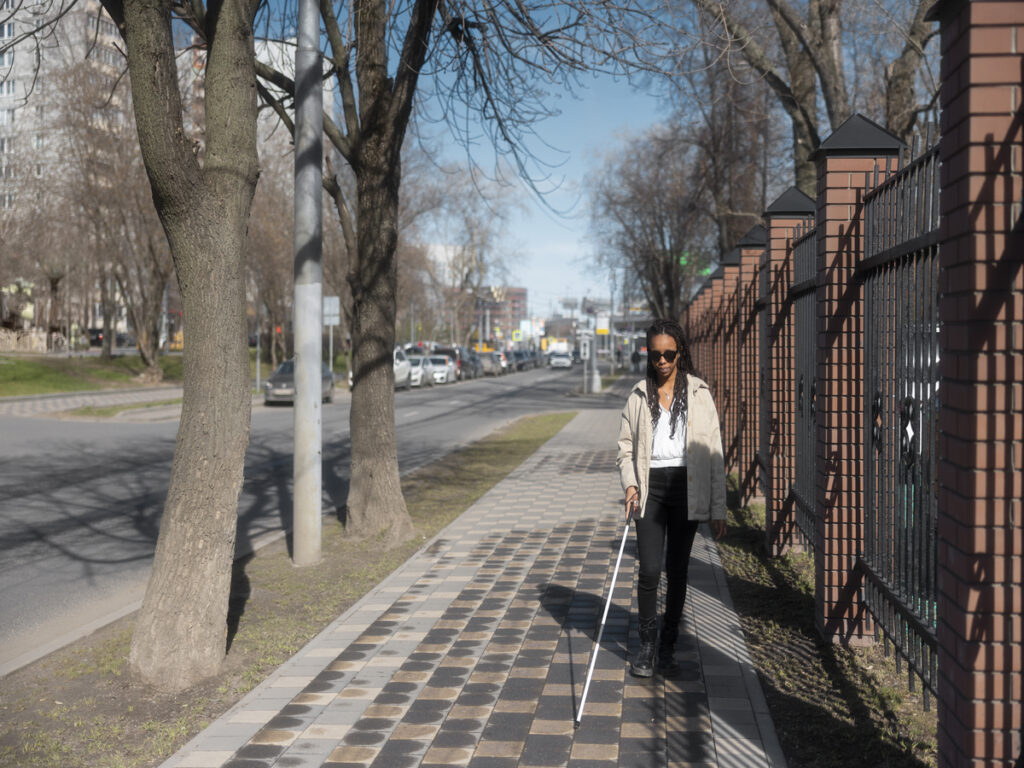
- El uso de bolardos reflexivos o contrastantes aumenta la visibilidad para las personas con discapacidades visuales.
- Los bolardos con clasificación de accidentes que cumplen con los estándares de la industria protegen a los peatones mientras mantienen accesibilidad.
Las inspecciones y el mantenimiento periódicos mantienen sus bolardos conformes y seguros para todos los usuarios..
Encontrarás instalaciones de bolardo accesibles en los parques., escaparate, y áreas de tránsito. Estas instalaciones muestran cómo seguir los estándares de ADA y la industria se crean más seguros, entornos más accesibles para todos.
Requisitos del código y colocación de bolardo ADA
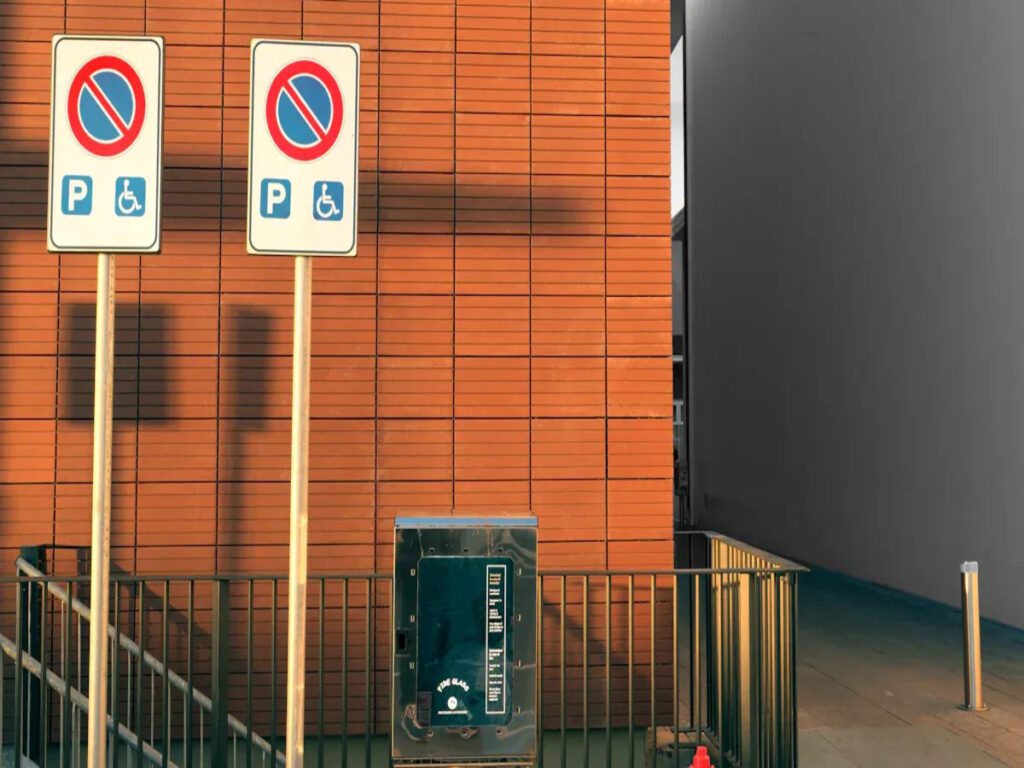
Espacio de bolardas adecuado
Debe seguir las pautas de colocación de bolardo para cumplir con los requisitos de la ADA y garantizar la accesibilidad para todos los usuarios.. Los Estándares ADA para Diseño Accesible requieren un ancho libre mínimo de 36 pulgadas (3 pies) entre bolardos, medido desde el borde exterior de un bolardo hasta el borde exterior del siguiente. Esta distancia mínima asegura que los peatones, incluidos aquellos que usan sillas de ruedas y dispositivos de asistencia, puede moverse libremente a través de rutas accesibles.
La orientación de la industria generalmente recomienda espaciar los bolardos no más de 5 pies separados para evitar el acceso de vehículos no autorizados mientras se mantiene el paso de peatones. Esta cifra se aplica ampliamente en la práctica del diseño de accesibilidad., aunque su autoridad local o las especificaciones del proyecto pueden establecer requisitos diferentes. Medir siempre desde el borde más externo de cada bolard, especialmente si usas fundas o fundas. Para una ubicación óptima cerca de áreas de estacionamiento, posicionamiento de los bolardos aproximadamente 1.5 pies de la acera permite que las puertas del automóvil se abran completamente y mantiene despejados los pasillos de acceso.
Para obtener una guía más detallada sobre el espaciado de dispositivos de seguridad del tráfico, incluyendo bolardos y delineadores, Ver nuestro blog: Cómo determinar el espacio adecuado para los delineadores de tráfico.
| Requisito | Medición | Base |
|---|---|---|
| Espacio libre mínimo | 36 pulgadas (3 pies) | Estándares ADA para diseño accesible |
| Espaciado máximo recomendado | 5 pies | Guía de accesibilidad de la industria |
| Distancia de la acera | Aprox.. 1.5 pies | Mejores prácticas de diseño de accesibilidad |
Requisitos de altura estándar del bolardo y espacio libre de la ADA
La altura y el espacio libre correctos son esenciales para la accesibilidad y la seguridad.. Guía de diseño de accesibilidad, incluido PROWAG, comúnmente especifica alturas de bolardo en el rango de 36 a 48 pulgadas. Este rango está destinado a garantizar que los bolardos sean detectables por los usuarios de bastones y visibles para los peatones sin crear riesgos de tropiezo.. Los requisitos específicos de cada jurisdicción pueden diferir; Confirme con su autoridad local antes de la instalación..
También debe dejar suficiente espacio libre alrededor de cada bolardo.. Según la sección de estándares de la ADA 402, Las rutas accesibles requieren un ancho libre mínimo continuo de 36 pulgadas. Esta norma es la principal referencia de accesibilidad aplicada al espaciado de los bolardos: las filas de bolardos deben mantener al menos 36 pulgadas de paso sin obstáculos a lo largo, ya que constituyen una obstrucción continua en lugar de una restricción puntual. La cifra de 32 pulgadas que a veces aparece en la guía de bolardos se refiere a la excepción limitada de la ADA para restricciones de puntos específicos, como puertas., aplicable para una distancia máxima de 24 Solo pulgadas: no se aplica a instalaciones de bolardos.. Las pautas de accesibilidad de los derechos del público (Prowag) proporciona orientación adicional para la colocación de bolardos en aceras y derechos de paso públicos.
Fuente: Junta de acceso a EE. UU., Capítulo 4: Rutas accesibles
Para obtener orientación sobre consideraciones de altura para dispositivos de seguridad vial de manera más amplia, ver: Por qué 4 Pies es la altura perfecta para los delineadores de tráfico.
Mantener las rutas accesibles libres de riesgos de tropiezo según la ADA
Siempre debe mantener las rutas accesibles abiertas y libres de obstrucciones. La colocación de Ada Bollard nunca debe bloquear los pasillos de acceso, caminos, o entradas. Cuando planifique su instalación, Asegúrese de que cada ruta sea lo suficientemente ancha para sillas de ruedas., caminantes, y otras ayudas de movilidad. Este enfoque respalda el acceso de peatones y cumple con la ADA y los estándares industriales aplicables..
La colocación inadecuada de bolardo que bloquea rutas accesibles puede constituir una violación del Título II o Título III de la ADA, potencialmente resultando en acciones de ejecución o litigios. Revise siempre el plano de su sitio según los estándares actuales de la ADA y consulte a un profesional de accesibilidad calificado cuando el cumplimiento sea incierto..
Nota de seguridad: Las investigaciones indican que los incidentes de vehículos contra edificios causan miles de lesiones anualmente en propiedades comerciales. La colocación adecuada de los bolardos cumple simultáneamente los objetivos de accesibilidad y seguridad de los peatones..
Pasos de instalación de bolardo que cumplen con la ADA
Evaluación del sitio para postes de bolardo ADA y diseño de espaciado
Comience cada instalación de bolardo con una evaluación exhaustiva del sitio para evitar errores costosos y garantizar el cumplimiento desde el principio..
- Evaluar las condiciones del suelo. Verifique el tipo de suelo y el material de la superficie: concreto, asfalto, o suelo desnudo: para determinar la base adecuada y el método de instalación.
- Consulte los servicios públicos subterráneos. Use mapas de servicios públicos o servicios locales para localizar y marcar agua, eléctrico, y líneas de gas antes de perforar o excavar.
- Plan de colocación de Bollard. Medir y marcar cada ubicación, Confirmar que el espaciado cumple con los requisitos de la ADA y no obstruye los caminos peatonales ni el acceso de emergencia..
- Comprender las regulaciones locales y obtener permisos. Investigar los códigos de construcción aplicables, determinar la profundidad de cimentación requerida, y obtener todos los permisos necesarios antes de comenzar a trabajar..
- Verificar el cumplimiento de la accesibilidad. Confirmar que la ubicación planificada proporcione suficiente espacio para sillas de ruedas y ayudas para la movilidad y no obstruya ninguna ruta accesible..
Una evaluación cuidadosa del sitio reduce el riesgo de incumplimiento y costosas retrabajos..
Medición y marcado
La medición y el marcado precisos son esenciales para una instalación conforme.
- Utilice una cinta métrica o un medidor de distancia láser para marcar la ubicación exacta de cada bolardo..
- Confirme que el espacio libre entre los bolardos cumpla con el mínimo de ADA de 36 pulgadas y no excede el máximo recomendado de 5 pies.
- Marque el punto central para cada bollardo con tiza o pintura en aerosol, alineado con el plan de su sitio.
- Verifique la distancia desde la acera y confirme que no haya marcas que obstruyan las entradas., salidas, o rutas de emergencia.
La medición inexacta es una de las causas más comunes de instalaciones no conformes. Siempre verifique las medidas antes de perforar o excavar..
Consejos de instalación
- Utilice el equipo adecuado para el tipo de superficie.. Perforadora para hormigón o asfalto; Excave a la profundidad requerida con base de concreto para suelo desnudo..
- Instale cada bolardo a una altura consistente con las especificaciones de su proyecto., típicamente en el rango de 36 a 48 pulgadas según lo especificado en la guía de diseño de accesibilidad.
- Alinee cada bolardo verticalmente usando un nivel antes de asegurar la base..
- Asegure la base del bolardo con concreto o anclajes aprobados y permita que se cure por completo antes de retirar los soportes..
- Inspeccione cada bolardo después de la instalación para verificar su estabilidad., altura correcta, y espaciado adecuado.
- Limpie el área de cualquier residuo que pueda crear peligro de tropiezo..
Hacer:
- Siga los estándares de la ADA y las pautas locales aplicables en cuanto a espaciado y espacio libre..
- Mantenga abiertas todas las rutas accesibles durante y después de la instalación..
- Utilice materiales de alta visibilidad o cinta reflectante para mayor detectabilidad..
No:
- Omita los requisitos de permiso o ignore los códigos de construcción locales.
- Bloquear pasillos de acceso, rampas, o entradas de edificios.
- Instale bolardos con espacios fuera del rango requerido o recomendado sin consultar a un profesional calificado..
Errores comunes de colocación y espaciado de bolardo según la ADA
Espaciado incorrecto
Los errores de espaciado se encuentran entre los errores de cumplimiento más comunes y con mayores consecuencias.. Los bolardos instalados demasiado juntos bloquean las sillas de ruedas y los dispositivos de movilidad; los bolardos demasiado espaciados no evitan la intrusión de vehículos. El espacio libre mínimo de la ADA es 36 pulgadas. La guía de la industria recomienda un máximo de 5 pies para impedir el acceso del vehículo, aunque los requisitos locales pueden variar. Mida siempre desde el borde exterior de un bolardo hasta el borde exterior del siguiente..
Caminos obstruidos
Los bolardos nunca deben bloquear las entradas., salidas, rutas de emergencia, o el flujo principal de tráfico peatonal. Es posible que las personas que utilizan ayudas para la movilidad no detecten una obstrucción hasta que sea demasiado tarde.
- Colocar bolardos fuera del flujo principal de peatones..
- Evite la colocación cerca de rampas o cortes de aceras..
- Confirme que todos los pasillos de acceso permanezcan sin obstáculos después de la instalación..
Liquidación inadecuada
Los Estándares ADA para Diseño Accesible requieren un ancho mínimo de paso libre para rutas accesibles. Espacio libre insuficiente entre bolardos bloquea sillas de ruedas, crea peligros de tropiezo, y puede constituir una violación directa de la ADA. Siempre verifique las medidas de autorización con las normas actuales de la ADA y los requisitos de su autoridad local antes de finalizar la colocación..
| Error | Impacto |
|---|---|
| Espaciado incorrecto | Bloquea el acceso o permite la intrusión de vehículos |
| Caminos obstruidos | Peligros para peatones y usuarios de ayudas a la movilidad |
| Liquidación inadecuada | Bloquea sillas de ruedas, posible violación de la ADA |
Material y visibilidad para bolardos de ADA
Selección de material
Elegir el material adecuado es fundamental para la seguridad y la durabilidad.. Los bolardos resistentes a impactos utilizan acero, concreto, acero inoxidable, o combinaciones de estos materiales para proporcionar resistencia verificada al impacto del vehículo.. Seleccione bolardos resistentes a choques para ubicaciones que requieran la exclusión de vehículos de áreas peatonales.
| Material | Calificado | Durabilidad | Mantenimiento |
|---|---|---|---|
| Acero | Sí | Alto | Bajo |
| Concreto | Sí | Alto | Medio |
| Plástico | No | Medio | Bajo |
| Acero inoxidable | Sí | Alto | Bajo |
Verifique siempre si su sitio requiere bolardos estándar o con clasificación de choque según la exposición al tráfico y la evaluación de riesgos de seguridad..
Características de alta visibilidad
Las características de alta visibilidad hacen que los bolardos sean detectables para personas con discapacidad visual y reducen el riesgo de accidentes para todos los usuarios.. Las opciones incluyen:
- Cinta reflectante o pintura
- Acabados de colores de alto contraste (amarillo, rojo, o naranja de seguridad)
- Iluminación LED para visibilidad nocturna
- Superficies táctiles para usuarios de bastón.
Las investigaciones indican que los refugios para peatones con bolardos completamente iluminados experimentan menos incidentes de vehículos. La selección de bolardos con características de visibilidad adecuadas respalda tanto los objetivos de accesibilidad de la ADA como la seguridad general de los peatones..
Bolards con calificación de choque y ADA
Cuándo usar bolardos con calificación de choque: Espaciado y colocación típicos de bolardo
Los bolardos resistentes a accidentes son apropiados para lugares con elevado riesgo de intrusión de vehículos.: escaparate, escuelas, plazas publicas, perímetros del estacionamiento, entradas de edificio, y comedores al aire libre. Fijado, desmontable, iluminado, y bolardos automáticos con clasificación de choque están disponibles, cada uno proporciona diferentes niveles de protección y flexibilidad operativa.
| Estadística | Datos |
|---|---|
| Accidentes diarios estimados de vehículos contra edificios (A NOSOTROS) | Aproximadamente 100 por dia |
| Lesiones anuales de los choques de la tienda | Encima 16,000 |
| Muertes anuales por choques de la tienda | Arriba a 2,600 |
| Causa primaria | Error del operador (aprox. 22%) |
Garantizar el cumplimiento de la ADA con bolardos resistentes a accidentes
Los bolardos resistentes a accidentes aún deben cumplir con los requisitos de accesibilidad aplicables. Mantenga el espacio libre mínimo requerido por la ADA entre 36 pulgadas entre unidades y confirme que la ubicación no obstruya ninguna ruta accesible, rampa, o entrada. La altura debe ser consistente con la guía de diseño de accesibilidad para su tipo de proyecto.. Funciones de visibilidad: cinta reflectante, acabados de alto contraste, o iluminación LED: admite detectabilidad para usuarios con discapacidad visual.
Para obtener orientación sobre cómo los productos de seguridad vial contribuyen a entornos accesibles de manera más amplia, ver: Conos de tráfico y cumplimiento de la ADA: Hacer caminos más seguros para todos.
Inspecciones y mantenimiento de cumplimiento de ADA
Lista de verificación de inspección
La inspección periódica es esencial para mantener el cumplimiento y la seguridad continuos..
| Elemento de inspección | Qué verificar | Aprobar / Fallar |
|---|---|---|
| Espaciado | Mínimo 36 pulgadas de espacio libre entre bolardos | |
| Altura | Dentro del rango especificado por el proyecto (normalmente entre 36 y 48 pulgadas) | |
| Espacio libre de la ruta | Sin obstáculos en rutas accesibles. | |
| Condición | Sin daños, corrosión, o componentes sueltos | |
| Visibilidad | Características reflectantes intactas y efectivas. |
Mantenga un registro de inspección fechado para cada sitio.. La documentación respalda la demostración de cumplimiento si su instalación es auditada o cuestionada.
Mantenimiento continuo
El mantenimiento regular protege su inversión y mantiene el cumplimiento de la accesibilidad durante todo el año..
- Limpie cada bolardo con regularidad para eliminar la suciedad y los residuos que reducen la visibilidad..
- Vuelva a aplicar cinta reflectante o pintura cuando se observe deterioro..
- Apriete los pernos e inspeccione los cimientos para verificar la estabilidad..
- Programe reparaciones con prontitud en cualquier unidad dañada; reemplazar los bolardos que no se pueden reparar adecuadamente.
- Actualice su registro de inspección después de cada acción o modificación de mantenimiento..
Lista de verificación de referencia rápida de requisitos de espaciado de bolardo ADA
Colocación de Ada Bollard
- Mínimo 36 pulgadas (3 pies) espacio libre entre bolardos: requisito de las normas ADA para diseño accesible.
- La orientación de la industria recomienda un máximo 5 espacio entre los pies para evitar la intrusión del vehículo.
- Mantener mínimo 32 pulgadas de ancho de paso libre en rutas accesibles.
- Coloque los bolardos aproximadamente 1.5 pies de las aceras donde están adyacentes al estacionamiento.
- Nunca obstruyas las rutas accesibles., rampas, recortes de acera, o entradas de edificios.
Instalación y mantenimiento
- Verifique las condiciones del suelo y marque todas las ubicaciones antes de comenzar la instalación..
- Utilice funciones de alta visibilidad: cinta reflectante, colores de alto contraste, o iluminación LED.
- Inspeccione los bolardos como mínimo dos veces al año para detectar daños., deriva de espaciado, y visibilidad.
- Mantener registros de inspección fechados para cada instalación..
Conclusión
El cumplimiento de la ADA no es una tarea de instalación única: es una obligación continua que va desde la evaluación del sitio hasta la inspección y el mantenimiento regulares.. Los requisitos básicos son sencillos: mantener el espacio libre mínimo exigido por la ADA, mantener las rutas accesibles sin obstáculos, y garantizar que los bolardos sean detectables para usuarios con discapacidad visual.
Cuando esta guía utiliza cifras de la guía de diseño de accesibilidad en lugar del estatuto de la ADA (particularmente rangos de altura y recomendaciones de espacio máximo), esas cifras representan una práctica profesional ampliamente aplicada.. No sustituyen la revisión de los estándares actuales de la ADA para diseño accesible ni la consulta de un profesional de accesibilidad calificado para su proyecto específico..
OPTRAFICO suministros bolardos y delineadores para una variedad de aplicaciones de control de acceso y seguridad de peatones. Contacta con nuestro equipo para discutir las especificaciones del producto o solicitar muestras.
Fuentes
- Estándares ADA para diseño accesible — Departamento de Justicia de EE. UU.
- Pautas de accesibilidad a los derechos de paso públicos (Prowag) — Junta de Acceso de EE. UU.
- ADA.gov — Recurso oficial de la Ley de Estadounidenses con Discapacidades
- Cláusula de obligación general de OSHA — Administración de Seguridad y Salud Ocupacional
Preguntas frecuentes
¿Cuál es el requisito de separación de bollard Ada??
Los estándares de la ADA para el diseño accesible (Sección 402) requieren un ancho libre continuo mínimo de 36 pulgadas para rutas accesibles. Este estándar de ancho de ruta es la principal referencia de accesibilidad que se aplica al espaciado de los bolardos: los bolardos deben colocarse para preservar al menos 36 pulgadas de paso sin obstáculos, medido desde el borde exterior de un bolardo hasta el borde exterior del siguiente.
¿Cómo me aseguro de que los bolardos no bloqueen las señales de estacionamiento que cumplen con ADA??
Verifique la ubicación de cada bolardo antes de la instalación.. Mantenga los bolardos alejados de las señales y confirme que las señales de estacionamiento que cumplen con la ADA permanezcan visibles desde todas las direcciones de aproximación requeridas.. Esto garantiza que los conductores y peatones puedan localizar espacios de estacionamiento accesibles sin obstáculos..
¿OSHA requiere bolardos??
OSHA no exige específicamente la instalación de bolardo, pero requiere que los empleadores protejan a los empleados de los peligros en el lugar de trabajo, incluidos los que plantean los vehículos en movimiento.. Muchas instalaciones instalan bolardos como medida práctica para cumplir con los requisitos de la cláusula de deber general de OSHA para un ambiente de trabajo seguro.. Para las regulaciones actuales de OSHA, consulte el Registro Federal de OSHA.
¿Cuál es la distancia típica entre bolardos en zonas peatonales??
La distancia típica entre bolardos en zonas peatonales oscila entre 3 a 5 pies (aproximadamente 900 mm a 1500 mm) centro a centro. Los Estándares ADA para Diseño Accesible requieren un paso mínimo claro de 36 pulgadas entre bolardos. La guía de la industria recomienda mantener el espacio máximo para 5 pies para evitar la intrusión del vehículo. Aplicaciones específicas: escaparates, zonas de tránsito, zonas escolares: pueden tener requisitos de espacio más estrictos según el código local. Verifique siempre con los estándares aplicables de su jurisdicción antes de la instalación..
¿A qué distancia se deben colocar los bolardos para impedir el acceso de vehículos??
El espaciamiento de los bolardos para impedir el acceso de vehículos normalmente no debe exceder 5 pies (1500milímetros) entre unidades. Este espacio se aplica ampliamente en la práctica de diseño de seguridad para bloquear vehículos de pasajeros estándar y al mismo tiempo mantener el paso de peatones.. Para entornos de mayor amenaza que requieren exclusión de vehículos verificados, consulte a un ingeniero de seguridad: el espacio por sí solo no determina la clasificación de accidentes; La profundidad de la base del bolardo y el método de anclaje son factores igualmente críticos..
¿Cuáles son los requisitos de altura estándar del bolardo??
La altura estándar del bolardo para aplicaciones de seguridad de peatones se especifica comúnmente en el rango de 36 a 48 pulgadas (900mm a 1200 mm). Se hace referencia a esta gama en la guía de diseño de accesibilidad, incluido PROWAG, para garantizar que los bolardos sean detectables por los usuarios de bastones y visibles para los peatones sin crear riesgos de tropiezo.. La ADA define un objeto que sobresale como un peligro de tropiezo si proyecta más de 4 pulgadas en una vía de circulación entre 27 y 80 pulgadas sobre el suelo. Confirme los requisitos de altura con su autoridad local., ya que los códigos específicos de cada jurisdicción pueden diferir.
¿Cuál es la regla de altura de peligro de tropiezo de la ADA para los bolardos??
Según los estándares de la ADA para diseño accesible, objetos que sobresalgan más de 4 pulgadas en un camino de circulación peatonal entre 27 pulgadas y 80 pulgadas sobre el suelo deben ser detectables por los usuarios del bastón, generalmente a través de un elemento continuo montado en la superficie o reduciendo la altura libre debajo 27 pulgadas. Bolardos demasiado estrechos en la base, o montado en alturas dentro de este rango sin el ancho adecuado, puede crear peligros indetectables para peatones con discapacidad visual. Los bolardos deben diseñarse y colocarse de manera que las cañas puedan detectarlas al nivel del suelo..