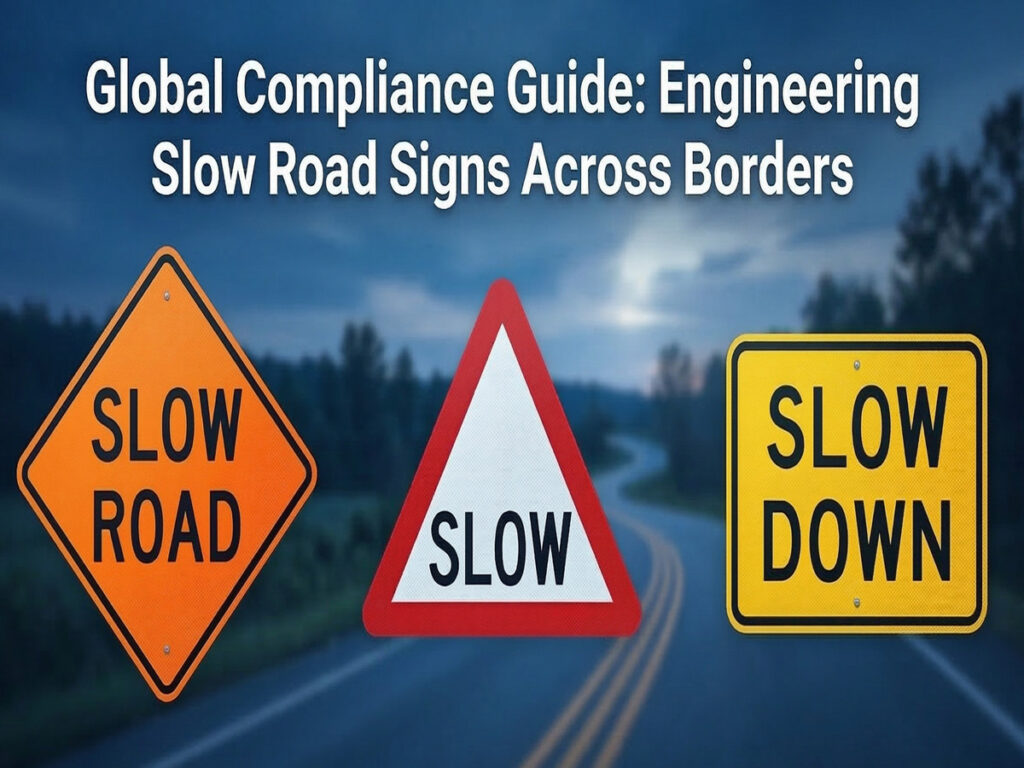
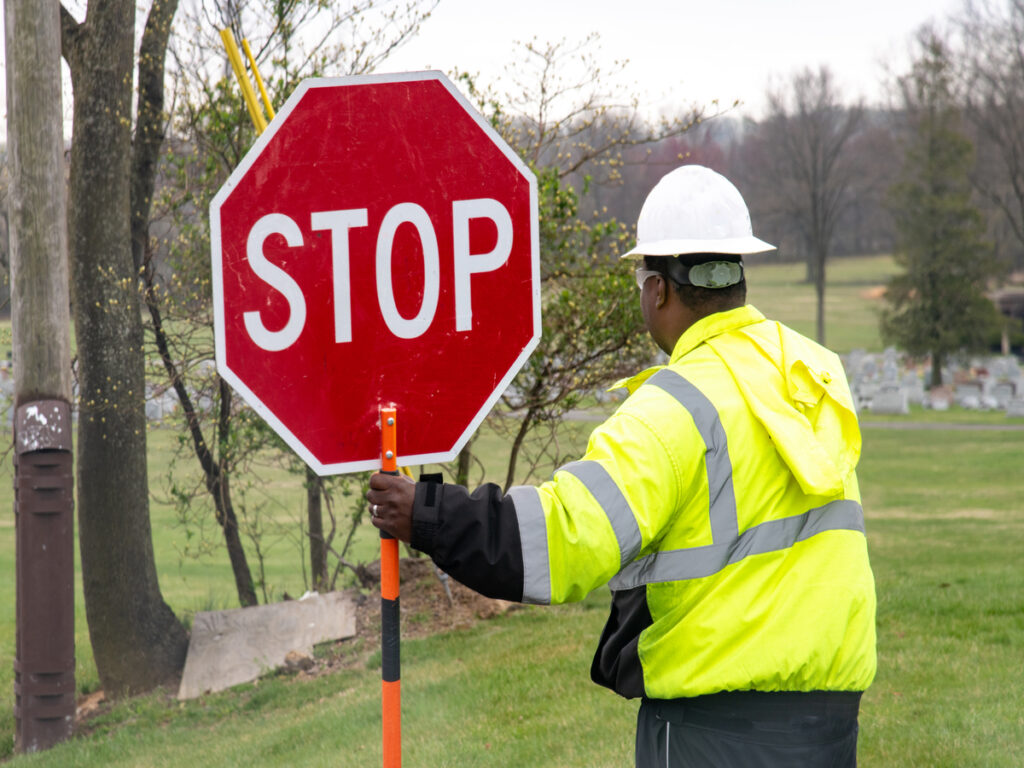
يتعرف معظم السائقين على توقف عن علامة بطيئة فورا, لكن الكثير يسيئون فهم ما يفعله. في منطقة بناء الطرق, هذا ليس مجرد تذكير للإبطاء. إنها أداة للتحكم في حق الطريق في الوقت الفعلي تُستخدم عندما تتوقف قواعد المسار العادية عن العمل مؤقتًا.
تخلق مناطق العمل الظروف التي يحاول تصميم الطرق اليومي تجنبها: الممرات الضيقة, مسارات تحولت, انخفاض مسافة الرؤية, العمال بالقرب من حركة المرور, والمعدات التي تتحرك داخل وخارج طريق السفر. في تلك المواقف, أ توقف البناء علامة بطيئة يعمل كنقطة تحكم حية. ينظم من يدخل شريحة مقيدة, عندما يسمح للمركبات بالمضي قدما, ومتى يجب عليهم الاحتفاظ بها.
للمقاولين وفرق إدارة المرور التي تحتاج إلى متسقة, أجهزة جاهزة للعمل الميداني, إمدادات الأوبترافيك علامات التوقف/البطء مصمم للتحكم النشط في منطقة العمل - وجوه عالية الوضوح, بناء متين للتعامل اليومي المتكرر, وخيارات التكوين التي تدعم إعدادات التحكم في حركة المرور المؤقتة الشائعة.
علامة التوقف البطيئة تعني في منطقة البناء
أ توقف عن علامة بطيئة في بناء الطرق ينقل أحد الأمرين, ويغير كل أمر ما يُسمح للسائقين بفعله في تلك اللحظة.
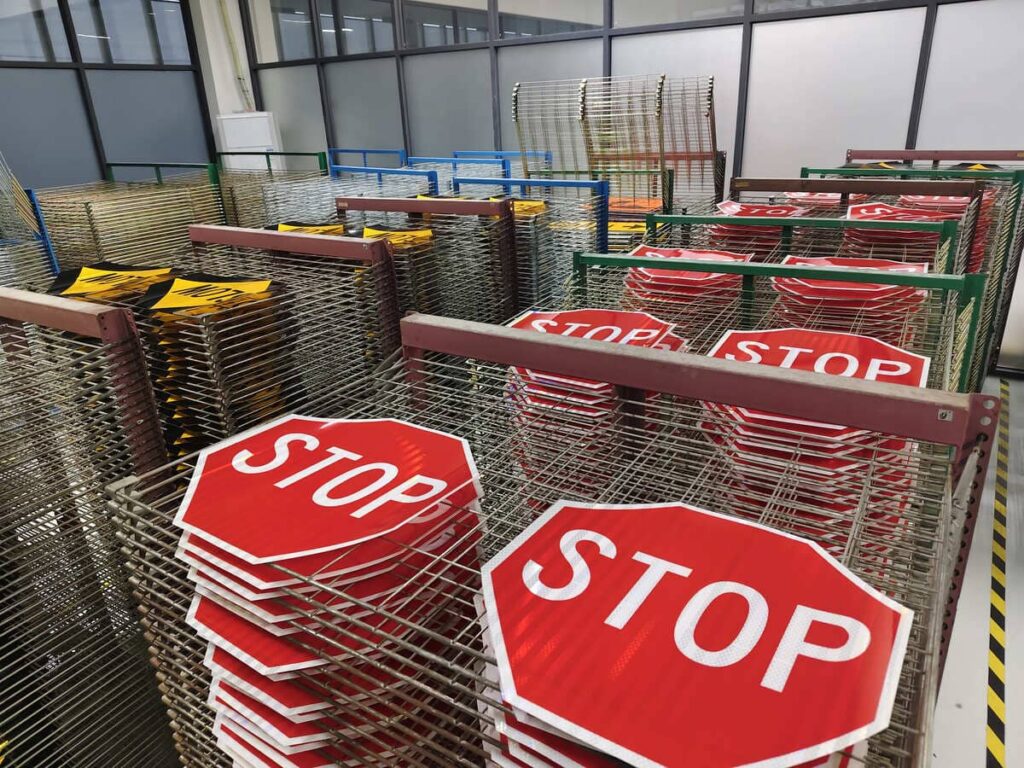
STOP يعني البقاء في وضعك حتى يتم إطلاق سراحك
عندما تظهر العلامة توقف, يجب عليك التوقف والبقاء متوقفًا حتى تتغير التعليمات. من الناحية العملية, يتم استخدام STOP لمنع المركبات من دخول مساحة غير آمنة مؤقتًا أو غير متوفرة - مثل الجزء المشترك ذو المسار الواحد, المنطقة التي تعبر فيها المعدات, أو قسم تعمل فيه أطقم العمل بنشاط بالقرب من مسار السفر.
فكر في STOP كبوابة يمكن التحكم فيها. إنها ليست رسالة عامة "كن حذرًا".. It is a direct instruction intended to eliminate conflicts by keeping vehicles out of the work activity area until conditions allow safe movement.
SLOW means you may proceed under controlled conditions
When the sign shows SLOW, you are being released into the work zone under reduced-speed conditions. SLOW does not mean “resume normal driving.” It means proceed cautiously, الحفاظ على التباعد, and stay prepared for sudden changes—uneven surfaces, حارة التحولات, workers near the edge line, trucks entering or exiting, or unexpected stops ahead.
In many setups, SLOW is used to move traffic through a constrained segment in a predictable pattern. The sign is not trying to achieve the fastest possible throughput. It is trying to ensure steady, حركة خالية من الصراع بينما يكون الطريق في حالة مؤقتة وغير طبيعية.
لماذا يختلف هذا عن علامة التحذير المثبتة على الحامل؟
تعتبر اللافتة المثبتة على حامل مثل علامة الطريق أمامك أو علامة البطيء الثابتة بمثابة جهاز تحذير في المقام الأول. إنه يخبر السائقين بما هو قادم ويشجع على تقليل السرعة مبكرًا. أ وقف إشارة المرور البطيئة يختلف استخدامه للتحكم في المُبلغ لأنه يعين حق الأولوية وينظم الدخول إلى مساحة العمل. ولهذا السبب تتعامل إرشادات MUTCD مع مجداف STOP/SLOW باعتباره جهاز الإشارة اليدوي الأساسي والمفضل وتنص على أن الأعلام يجب أن تقتصر على حالات الطوارئ.
ما هو التحكم في حركة المرور الذي يوقف الإشارات البطيئة التي تتحكم فيها فعليًا في الموقع
المفهوم الأكثر أهمية بسيط: مراقبة حركة المرور توقف العلامات البطيئة استبدال قواعد حق الأولوية العادية مؤقتًا بإجراءات حق الأولوية الخاضعة للرقابة. يتم استخدامها عندما لا يتمكن السائقون من التنظيم الذاتي بأمان باستخدام إشارات المسار العادية.
نقطة قرار مؤقتة بشأن حق الطريق
في الظروف العادية, هندسة الطريق, علامات, والإشارات تخبر السائقين بكيفية التناوب وكيفية الاندماج. في منطقة عمل, يمكن أن تكون هذه الإشارات غير مكتملة, مؤقت, أو التغيير. تصبح نقطة التحكم في التوقف/البطء هي نقطة القرار الواضحة التي تمنع حدوث حركتين غير متوافقتين في نفس الوقت.
وهذا مهم بشكل خاص عندما لا تكون الحركة "الخاطئة" غير مريحة فحسب، بل خطيرة أيضًا - مثل دخول تيارات متعارضة إلى حارة مشتركة, السائقون الذين يدخلون مقطعًا بينما تتحرك المعدات في طريق السفر, أو المركبات التي تقترب من العمال مع قليل من الخلوص الجانبي.
التدفق المتناوب من خلال شريحة مقيدة
أحد الأسباب الشائعة لاستخدام أ توقف البناء علامة بطيئة هو عندما يجب أن يتشارك اتجاهان في نفس المساحة المادية بدورهما. في تلك الظروف, تحتاج منطقة العمل إلى نمط مفروض: يتحرك اتجاه واحد, ثم يحمل; يتحرك الاتجاه الآخر, ثم يحمل. دون هذا التنفيذ, يحاول السائقون إجراء مفاوضات غير رسمية, والذي ينهار بسرعة عندما تكون مسافة الرؤية محدودة أو تتراكم قوائم الانتظار.
هذا هو المكان الذي تكتسب فيه عملية الإيقاف/البطء قيمتها. الجهاز لا يقتصر على "إبطاء سرعة الأشخاص". فهو يمنع الصراع المباشر من خلال التأكد من أن تيارًا واحدًا فقط يشغل الجزء المقيد في المرة الواحدة.
حماية قصيرة, نوافذ شديدة الخطورة
غالبًا ما تكون مناطق العمل بها مخاطر متقطعة وليست ثابتة. قد تحتاج الشاحنة إلى التأرجح على نطاق واسع, قد يعبر اللودر المسار المفتوح, قد يقوم الطاقم بتغيير موضع أجهزة التوجيه, أو قد تعود المعدات إلى مكانها. لا يمكن للعلامة المثبتة على الحامل أن تغير تعليماتها بدقة عندما يبدأ الصراع وينتهي.
يمكن لنقطة التوقف المباشر/التحكم البطيء أن توقف حركة المرور خلال النافذة القصيرة عند وجود الخطر, ثم قم بتحرير حركة المرور بعد ذلك مباشرة. تشرح هذه القدرة - تغيير التعليمات بنفس سرعة تغيير الخطر - سبب استخدام الطريقة حتى عندما تبدو "بسيطة".
لماذا يحمل الشخص علامة توقف البناء البطيئة بدلاً من تركيبها؟
عادة ما تأتي مشكلة الإدراك من التعامل مع الإشارة كشيء بدلاً من التعامل مع الإشارة كوسيلة للتحكم. في العديد من مناطق العمل, الإشارة الثابتة ليست بديلاً مناسبًا لأن المهمة ليست "عرض رسالة". المهمة هي "اتخاذ قرار بشأن حق الأولوية في الوقت الفعلي".
يجب أن تتغير التعليمات مع الظروف الحقيقية
تقوم العلامة المثبتة بتوصيل رسالة واحدة ثابتة. لكن العديد من عمليات العمل تتطلب انتقالات متكررة — إيقاف حركة المرور, الافراج عن مجموعة صغيرة, توقف مرة أخرى, الإصدار مرة أخرى — بناءً على ما يحدث داخل مساحة العمل. الشخص الذي يحمل جهاز التوقف/البطء موجود لأن التعليمات الصحيحة ليست ثابتة.
ولهذا السبب أيضًا يميل السائقون إلى الامتثال بشكل مختلف عندما يكون الشخص حاضرًا. تشير منطقة العمل إلى أن حركة المرور تتم إدارتها بشكل نشط, لا مجرد تحذير.
يجب على شخص ما التأكد من أن المسار خالي بالفعل قبل إطلاقه
A critical difference between warning signs and stop/slow control is verification. A warning sign can encourage you to slow down, but it cannot confirm whether a constrained segment is currently clear. A trained flagger can visually confirm conditions, coordinate with workers, and release traffic only when the path is safe.
This is not a minor operational detail. In narrow work zones, the safety margin is smaller, and the cost of releasing traffic at the wrong moment can be severe.
Standards focus on the method, not just the message
في الولايات المتحدة, OSHA’s construction rule for flaggers states that “signaling by flaggers and the use of flaggers … shall conform to Part 6 of the MUTCD.” The MUTCD (11الطبعة الرابعة) then makes the operating method explicit: مجداف STOP/SLOW هو جهاز الإشارة اليدوية المفضل, بينما الأعلام مخصصة لحالات الطوارئ فقط (انظر الجزء 6, بما في ذلك قسم المجداف STOP/SLOW وإرشادات العلم/وسائل شرح الشكل).
تأثير عملي: تم تصميم العديد من إعدادات منطقة العمل عالية المخاطر حول التحكم النشط في المُخبر; يمكن للعلامة المثبتة على الحامل أن تدعم الاقتراب كتحذير مسبق, ولكنه لا يقوم بالتحكم في حق الطريق في الوقت الفعلي من تلقاء نفسه.
عندما تكون الإشارة المثبتة على الحامل كافية وعندما يتم استخدام التحكم في الإيقاف/البطء
الطريقة النظيفة لفهم الحدود هي التساؤل عما إذا كانت حركة المرور يمكنها التنظيم الذاتي بأمان باستخدام الوضع العادي, قواعد يمكن التنبؤ بها.
حيث تعمل العلامات التحذيرية المثبتة على الحامل بشكل جيد في كثير من الأحيان
غالبًا ما تكون اللافتات المثبتة على الحامل وتوجيه القنوات كافية عندما يكون المسار واضحًا ومستقرًا، حيث يمكن للسائقين رؤية الحالة مبكرًا, ضبط بسلاسة, والمضي قدمًا دون الحاجة إلى اتخاذ قرار بشأن حق الأولوية "منعطف بمنعطف".. تشمل الأمثلة التحولات المباشرة للمسارات, التناقص التدريجي الطويل في حارة مغلقة, أو نشاط العمل الذي يظل منفصلاً عن حركة المرور بالمسافة والحماية.
في تلك الحالات, مشكلة المرور إعلامية في المقام الأول: يحتاج السائقون إلى إنذار مبكر, توجيه واضح, ومساحة كافية للدمج.
حيث يصبح التحكم في التوقف/البطيء هو الخيار الأكثر أمانًا
عادةً ما يتم استخدام التحكم في الإيقاف/البطيء عندما لا تكون القواعد العادية كافية لمنع التعارض. تشمل المحفزات الشائعة:
- شريحة مقيدة يمكن أن يشغلها اتجاه واحد فقط في المرة الواحدة
- مسافة رؤية ضعيفة حيث لا يستطيع السائقون الحكم بشكل موثوق على الحركة القادمة
- نشاط العمل الذي يدخل بشكل متكرر في طريق السفر (معابر المعدات, دعم الشاحنات, تدخلات متقطعة)
- المواقف التي تتغير فيها التعليمات الصحيحة بشكل متكرر أثناء الوردية
في هذه الحالات, إن منطقة العمل لا تطلب من السائقين فقط "توخي الحذر". إنها تقوم بتخصيص حق الأولوية لإبقاء الحركات غير المتوافقة منفصلة في الوقت المناسب.
سياق المعايير الذي يشكل عمليات التوقف/البطء
يمكنك شرح منطق الامتثال دون الاقتباس من صفحات اللوائح. المفتاح هو فهم ما تحاول المعايير تحقيقه: ثابت, سلوك السائق المتوقع في ظل ظروف الطريق غير الطبيعية.
تقوم إدارة السلامة والصحة المهنية بتوجيه الإشارة إلى جزء MUTCD 6
ينص معيار البناء الخاص بإدارة السلامة والصحة المهنية للإشارة على أن الإشارة بواسطة المبلِّغين واستخدام المبلِّغين يجب أن يتوافقا مع جزء MUTCD 6.
وهذا أمر مهم لأنه يضع التحكم في الإيقاف/البطء على أنه أكثر من مجرد تقليد; فهو مرتبط بإطار وطني معترف به لمراقبة حركة المرور.
يؤكد MUTCD على مجداف STOP/SLOW فوق الأعلام
تنص إرشادات MUTCD على أن مجداف STOP/SLOW يجب أن يكون جهاز الإشارة اليدوي الأساسي والمفضل لأنه يوفر توجيهات أكثر إيجابية من الأعلام الحمراء, وينص على أن الأعلام يجب أن يقتصر على حالات الطوارئ.
وهذا تفسير مباشر لسبب ظهور "العلامة الكبيرة" بالشكل الذي تبدو عليه ولماذا يتم استخدامها على نطاق واسع: فهو مصمم لتقليل الغموض في اللحظة التي يخلق فيها الغموض المخاطر.
القصد هو السلوك الذي يمكن التنبؤ به, وليس الحضور المسرحي
منطق المعايير ليس "وضع شخص هناك حتى يشعر السائقون بأنه مراقب". والقصد من ذلك هو إنتاج ردود فعل موحدة - التوقف يعني التوقف, البطيء يعني المضي قدمًا بحذر — بحيث تتحرك حركة المرور عبر منطقة TTC دون تعارضات ودون حدوث مفاجئ, قرارات السائق المرتجلة.
كيف يتم إعداد عمليات التوقف/البطء للعمل بفعالية
حتى عندما يكون الشيء الوحيد الذي يلاحظه السائق هو الإشارة, تعتمد عملية التوقف/البطء التي تتم بشكل جيد على أكثر من ذلك الجهاز الفردي.
الإنذار المسبق يبني الامتثال قبل نقطة المراقبة
يلتزم السائقون بشكل أكثر اتساقًا عندما يتلقون تسلسلاً: تحذير أولا, ثم السيطرة. إشارات التحذير المسبقة وتوجيه التوجيهات تشير إلى أن السائقين الرئيسيين يتوقعون نقطة توقف/بطء للأمام. هذا التوقع يقلل من الكبح في الثانية الأخيرة, تغييرات حارة عدوانية, والازدحام بالقرب من محطة الراية.
وهذا هو أحد أسباب عدم التعامل مع نقطة التحكم في الإيقاف/البطء ككائن مستقل. تعمل اللافتة بشكل أفضل عندما يتم توجيه السائقين إلى السرعة الصحيحة وموضع المسار الصحيح قبل وصولهم إلى "البوابة".
The station must be positioned for safe stopping, not just visibility
A stop/slow control point is effective only when drivers have enough distance to recognize the instruction and stop smoothly. The placement should consider approach speed, sight distance, درجة, and curvature. If drivers discover the STOP instruction too late, they brake hard, compress the queue, and increase rear-end risk—creating a new safety problem outside the work area.
Release patterns matter more than most drivers realize
Stop/slow control is fundamentally about separation in time. When releases are consistent and disciplined, drivers behave more predictably. When releases are erratic, drivers become impatient, creep forward, and attempt to “claim” gaps. يقلل النمط الثابت من تلك السلوكيات ويبقي الجزء المقيد خاليًا للحركة التي لها حق الأولوية.
ما الذي يجب على السائقين فعله عندما يرون إشارة مرور بطيئة؟
يلعب السائقون دورًا أكبر في السلامة في منطقة العمل مما يريد معظم الناس الاعتراف به. تعمل طريقة التوقف/البطء بشكل أفضل عندما يتعامل معها السائقون كنقطة تحكم حقيقية, ليس اقتراحا.
اقترب من نقطة التحكم بشكل صحيح
خفض السرعة في وقت مبكر وبسلاسة. زيادة المسافة التالية. انتبه لأجهزة التوجيه, خطوط حارة مؤقتة, والمركبات التي تدخل منطقة العمل أو تخرج منها. أنت لا تستجيب فقط للعلامة; أنت تدخل منطقة لا يعمل فيها الطريق مؤقتًا وفقًا لافتراضات التصميم العادية.
عندما تظهر العلامة توقف
توقف حيث تم توجيهك وظل متوقفًا. لا تتسلل إلى مساحة العمل. تجنب التوقف بالقرب من السيارة التي أمامك بحيث تقوم بإزالة المخزن المؤقت الخاص بك. إذا كنت تقوم بقطر أو قيادة مركبة أكبر, امنح نفسك مساحة إضافية حتى لا تسد الممرات أو التقاطعات خلفك.
When the sign shows SLOW
تابع بسرعة يمكن التحكم فيها وكن مستعدًا للتوقف مرة أخرى. حافظ على التباعد بين منطقة العمل لأن الفرملة المفاجئة أمر شائع. اتبع توجيه القنوات ولا ترتجل مسارًا حول المخاريط أو الأجهزة, حتى لو بدا الرصيف "مفتوحا". غالبًا ما تحتوي مناطق العمل على مخاطر غير واضحة من مقعد السائق.
خاتمة
أ توقف عن علامة بطيئة في بناء الطرق ليست مجرد رسالة - إنها طريقة للتحكم النشط في حركة المرور تستخدم عندما لا تتمكن قواعد حق الطريق العادية من إدارة هندسة منطقة العمل ونشاطها بشكل آمن. ولهذا السبب غالبًا ما تراه محمولاً باليد: يجب أن تتطابق التعليمات مع الظروف الحقيقية في الوقت الحقيقي, والهدف هو سلوك السائق الذي يمكن التنبؤ به من خلال مقيد, بيئة مؤقتة.
إذا تعامل السائقون مع وقف إشارة المرور البطيئة كنقطة تحكم حية - بطيئة في وقت مبكر, توقف بشكل كامل عندما يُطلب منك ذلك, تابع بحذر عند إطلاق سراحك - تصبح منطقة العمل أكثر أمانًا للجميع: مستخدمي الطريق, أطقم, والمجتمع المحيط.
التعليمات
ماذا تعني علامة التوقف البطيئة في بناء الطرق?
هذا يعني أنك تقترب من نقطة مراقبة نشطة في منطقة مراقبة مرورية مؤقتة. يتطلب STOP منك التوقف وانتظار الإصدار. يسمح لك SLOW بالمضي قدمًا بحذر في ظل ظروف خاضعة للرقابة.
هي علامة التوقف البطيء نفسها كعلامة تحذير بطيئة عادية?
لا. تعتبر علامة SLOW الثابتة بمثابة تحذير في المقام الأول. جهاز الإيقاف/البطيء الذي يستخدمه المُبلغ يعين حق الطريق وينظم الدخول إلى مساحة مقيدة.
لماذا يتم استخدام مجداف STOP/SLOW بدلاً من العلم؟?
تنص إرشادات MUTCD على أن مجداف STOP/SLOW هو جهاز الإشارة اليدوية الأساسي والمفضل لأنه يوفر إرشادات أكثر إيجابية من الأعلام الحمراء, وينص على أن الأعلام يجب أن يقتصر على حالات الطوارئ.
هل إشارة الإيقاف/البطء مرتبطة بمعيار في الولايات المتحدة؟?
نعم. تنص قاعدة إشارات البناء الخاصة بإدارة السلامة والصحة المهنية على أن الإشارات بواسطة المبلِّغين واستخدام المبلِّغين يجب أن تتوافق مع جزء MUTCD 6.