لماذا تقرر لافتات معدات الوقاية الشخصية الخاصة بالصناعة ما إذا كنت قد نجحت أو فشلت في فحص إدارة السلامة والصحة المهنية (OSHA).
استشهدت إدارة السلامة والصحة المهنية بأصحاب العمل 1,665 مرات في السنة المالية 2025 لفشل حماية العين والوجه وحده تحت 29 CFR 1926.102 (مصدر: https://www.schmersalusa.com/company/news/detail/osha-top-10-most-cited-2025). احتل هذا المعيار الفردي المرتبة التاسعة في قائمة إدارة السلامة والصحة المهنية (OSHA). 10 قائمة الأكثر ذكرا. يحمل كل اقتباس الآن عقوبة قصوى قدرها $16,550 لمخالفات جسيمة و $165,514 للانتهاكات المتعمدة أو المتكررة بموجب 2026 الجدول الزمني المعدل حسب التضخم (مصدر: https://www.osha.gov/penalties). علامات معدات الوقاية الشخصية الإلزامية حسب الصناعة يجلسون مباشرة داخل نمط الاقتباس هذا.
يواجه مديرو الصحة والسلامة والبيئة والجودة مسألة امتثال بسيطة ومخادعة: أيّ علامات معدات الوقاية الشخصية الإلزامية حسب الصناعة تنطبق على منشأتهم, وكيف ينبغي تثبيت تلك اللافتات لاجتياز الفحص من المحاولة الأولى? تجمع الإجابة بين اثنين من مفتشي معايير إدارة السلامة والصحة المهنية (OSHA) بشكل روتيني في اقتباس واحد: 29 CFR 1910.132 (اختيار معدات الوقاية الشخصية) و 29 CFR 1910.145 (مواصفات التوقيع). تعامل مع اللافتات باعتبارها فكرة لاحقة للشراء, تفقد التفتيش. تعامل معه كنظام امتثال, مررها.
هذا الدليل يرسم خرائط علامات معدات الوقاية الشخصية الإلزامية حسب الصناعة, يسرد مواصفات التثبيت التي تحدد نتائج الفحص, ويمنح مديري الصحة والسلامة والبيئة والجودة إطارًا للتدقيق مستشهدًا به. للحصول على صورة أوسع على المواد, استراتيجية التنسيب, والمشتريات, يجب على القراء مراجعة الدليل الكامل ل لافتات معدات الوقاية الشخصية المتوافقة مع OSHA قبل تطبيق الإرشادات الخاصة بالصناعة أدناه.
الأساس التنظيمي وراء لافتات معدات الوقاية الشخصية الإلزامية حسب الصناعة
إدارة السلامة والصحة المهنية 29 CFR 1910.132 و 1910.145 — ما يتطلبه كل معيار
قسم 1910.132 يثير الشرط. ويتطلب إجراء تقييم مكتوب للمخاطر, اختيار معدات الوقاية الشخصية, تدريب الموظفين, والتحقق. قسم 1910.145 يحكم العلامات الجسدية نفسها: شكل, لون, كلمات إشارة, والمتانة. معاً, إنهم ينشئون الأساس القانوني لكل علامة إلزامية لمعدات الوقاية الشخصية بواسطة برنامج الصناعة في الولايات المتحدة.
تقع مواقع البناء تحت 29 CFR 1926.200, الذي يعكس 1910.145 ولكنه ينطبق على مناطق العمل قصيرة المدة. كال / إدارة السلامة والصحة المهنية, ميشيغان OSHA, وتقوم السلطات القضائية الأخرى التي تطبق خطة الدولة بفرض قواعد معادلة أو أكثر صرامة.
محاذاة ANSI Z535.2-2017 ولماذا يشير إليها المفتشون
تضع ANSI Z535.2-2017 معيار التصميم المتفق عليه الذي تقبله OSHA باعتباره متوافقًا. تستخدم علامات العمل الإلزامية دائرة زرقاء للسلامة (بانتون 285) مع الرسم التخطيطي الأبيض. تظهر كلمة الإشارة "NOTICE" في التنسيقات المستطيلة. ISO 7010 الصور التوضيحية تلبي متطلبات المنشأة متعددة الجنسيات.
يتحقق المفتشون من ثلاثة أشياء أولاً: دقة كلمة الإشارة, الامتثال الرسم التخطيطي, ودقة اللون. تؤدي الصور التوضيحية ذات اللون الأزرق الباهت أو غير القياسية إلى تشغيل الاستشهادات حتى عندما تكون الرسالة صحيحة.
لمحة سريعة عن رموز علامات معدات الوقاية الشخصية الإلزامية ورموز معدات الوقاية الشخصية المتوافقة
الصور التوضيحية الإلزامية السبعة الأساسية ANSI/ISO تغطي الرأس, عين, أذن, قدم, يُسلِّم, الجهاز التنفسي, وحماية الجسم. يجب أن يفي كل رسم تخطيطي بالنسب المحددة ونسب التباين. يُسمح بإشارات الرمز فقط عندما تكون ISO 7010 تظهر الصور التوضيحية; يظل الرمز زائد النص هو الإعداد الافتراضي للولايات المتحدة. المرافق التي تخدم القوى العاملة الناطقة باللغة الإنجليزية وثنائية اللغة. تشكل رموز علامات معدات الوقاية الشخصية الإلزامية العمود الفقري المرئي لكل برنامج لافتات خاص بالصناعة.
تتضمن حالات فشل رموز معدات الوقاية الشخصية المتوافقة الشائعة الصور التوضيحية القديمة التي تعود إلى حقبة الثمانينات, أيقونات مشوهة نسبيًا, والصور التوضيحية المطبوعة أدناه 1.5:1 عتبة نسبة التباين.
مواصفات التثبيت العامة التي يجب على كل مدير للصحة والسلامة والبيئة والجودة التحقق منها
ارتفاع ارتفاع, عرض المسافة, وحسابات حجم الرسالة
للتأكد من أن علامات السلامة قابلة للتنفيذ, يجب أن تتوافق مواصفاتها مع العوامل البشرية والخدمات اللوجستية الخاصة بالموقع. يوفر ANSI Z535.2 معيارًا للرؤية بناءً على المعايير التالية:
لكي تكون علامة السلامة مقروءة, يجب أن يزيد ارتفاع الحرف بشكل متناسب مع مسافة المشاهدة.
الحد الأدنى لارتفاع الرسالة (بوصة) = مسافة مشاهدة آمنة (قدم)/50
نصيحة احترافية: تفترض هذه الصيغة إضاءة مواتية. للمناطق منخفضة الإضاءة أو تحذيرات المخاطر الحرجة, النظر في زيادة النسبة إلى $1/25$ لضمان هامش أمان أعلى.
مثال: إذا كان العامل يحتاج إلى تحديد أ “الجهد العالي” علامة تحذير من مدخل خليج المستودع 75 القدمين على بعد, سيكون الحساب: 75 قدم / 50 = 1.5 بوصة
العامل الذي يجب أن يقرأ لافتة في 50 تحتاج القدم إلى ارتفاع حرف لا يقل عن 1 بوصة. يعمل خط الوسط المتصاعد القياسي 60 ل 66 بوصة فوق الأرضية النهائية لمناطق المشاة. تتطلب الرافعات الشوكية وممرات المركبات 84 بوصة أو أكثر لمسح خطوط رؤية الكابينة.
| حجم الإشارة | مسافة مشاهدة مقروءة | الاستخدام الشائع |
| 7″ × 10″ | حتى 25 قدم | لافتات خاصة بالمعدات |
| 10″ × 14″ | حتى 50 قدم | علامات دخول المنطقة |
| 14″ × 20″ | حتى 75 قدم | علامات دخول المنشأة |
| 18″ × 24″ | حتى 100 قدم | علامات الفناء والبوابة |
لافتات معدات الوقاية الشخصية عالية الوضوح للمناطق منخفضة الإضاءة - المواصفات المضيئة والعاكسة
تنطبق علامات معدات الوقاية الشخصية عالية الوضوح على المناطق ذات الإضاءة المنخفضة حيث تنخفض الإضاءة المحيطة إلى الأسفل 5 شموع القدم أو حيث يؤدي فقدان الطاقة إلى تداخل الخروج. المساحات المحصورة, مستودعات مبردة, طوابق وقوف السيارات, وعادة ما تكون طرق الخروج في حالات الطوارئ مؤهلة.
يجب أن تتوافق اللافتات الضوئية مع أداء ASTM E2072: الحد الأدنى 30 مكد / م² في 10 دقائق بعد الشحن و 7 مكد / م² في 60 دقائق. تستخدم العلامات العاكسة في مناطق المركبات صفائح منشورية عالية الكثافة ASTM Type IV أو Type V. تعمل الأغطية من النوع الأول من النوع الهندسي فقط للمسافات القصيرة, تطبيقات مضاءة جيدًا.
وضع لافتات معدات الوقاية الشخصية على أساس المخاطر - إطار القرار
يعمل وضع لافتات معدات الوقاية الشخصية على أساس المخاطر على محاذاة كثافة الإشارة مع شدة الخطر, ليست مساحة الأرضية. يستخدم الإطار أربع مناطق التنسيب: دخول المنشأة, انتقال المنطقة, نقطة الخطر, ومعدات محددة. مسارات المشي أطول من 50 تحتاج الأقدام داخل المنطقة التي تتطلب معدات الوقاية الشخصية إلى لافتات تعزيز. يجب على العمال رؤية اللافتة قبل الدخول إلى منطقة الخطر, ليس بعد.
يتحقق المفتشون من خط الرؤية من اتجاه الاقتراب. تفشل اللافتة المثبتة على الجزء الداخلي من المدخل في الاختبار حتى عندما تكون مرئية من داخل الغرفة.
علامات معدات الوقاية الشخصية الإلزامية حسب الصناعة - المتطلبات, التنسيب, والتركيب
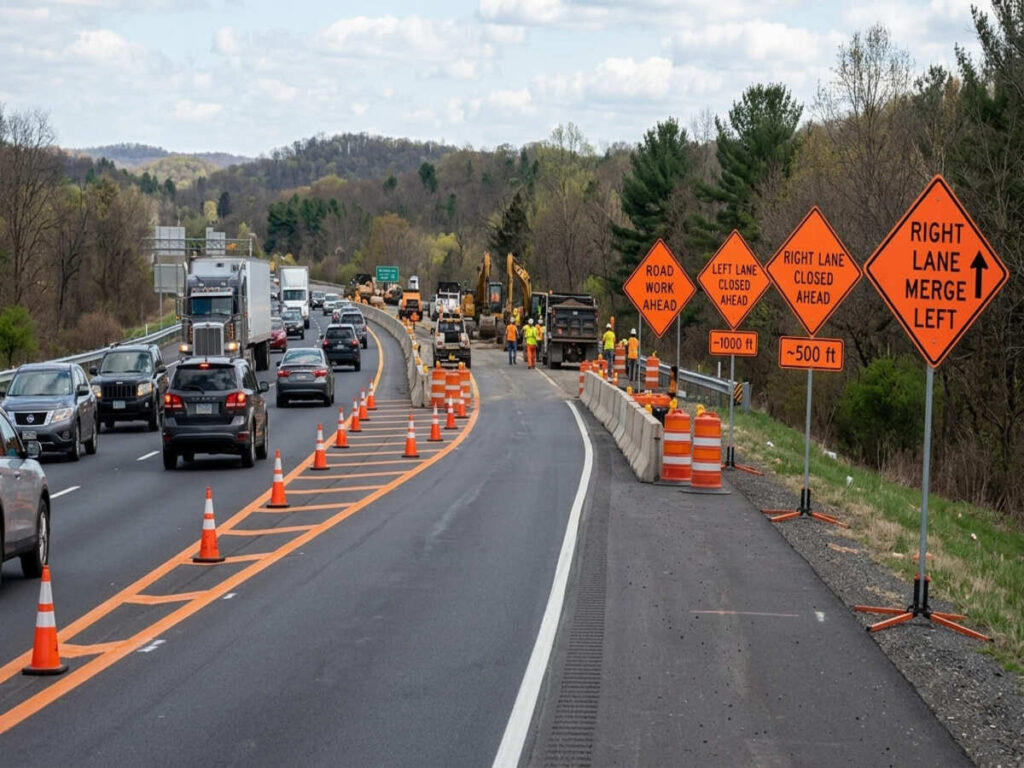
علامات معدات الوقاية الشخصية في موقع البناء - دخول الموقع, مناطق العمل النشطة, ومناطق المعدات المتنقلة
يجب أن تغطي لافتات معدات الوقاية الشخصية في موقع البناء القبعات الصلبة, نظارات السلامة, فصل 2/3 ملابس عالية الوضوح, حماية القدم, والحماية من السقوط أعلاه 6 قدم لكل 29 CFR 1926 الجزء الفرعي ه. تم تسجيل BLS 1,032 وفيات البناء والاستخراج في 2024, مع 370 يسقط, زلات, والرحلات (مصدر: https://www.bls.gov/news.release/cfoi.nr0.htm).
تشمل مواقع الإشارة المطلوبة البوابة المحيطة, نقاط الوصول للسقالات, محيطات الحفر, ونصف قطر تأرجح الرافعة. يجب أن تتحمل الركيزة التعرض للأشعة فوق البنفسجية والطقس: 3 ملم من الألومنيوم أو HDPE 5+ سنوات الخدمة في الهواء الطلق. تتطلب الدعامات المستقلة ثقلًا أو تثبيتًا للمقاومة 90 أحمال الرياح ميلا في الساعة. نمط الاقتباس الأكثر شيوعا: علامة القبعة الصلبة عند البوابة, ولكن لا شيء عند التعرض الأول لخطر السقوط 200 قدم داخل الموقع. البناء هو التطبيق الأكبر حجمًا علامات معدات الوقاية الشخصية الإلزامية حسب الصناعة.
تصنيع لافتات معدات الوقاية الشخصية – أرضيات الإنتاج, خلايا الآلة, ومناطق الصيانة
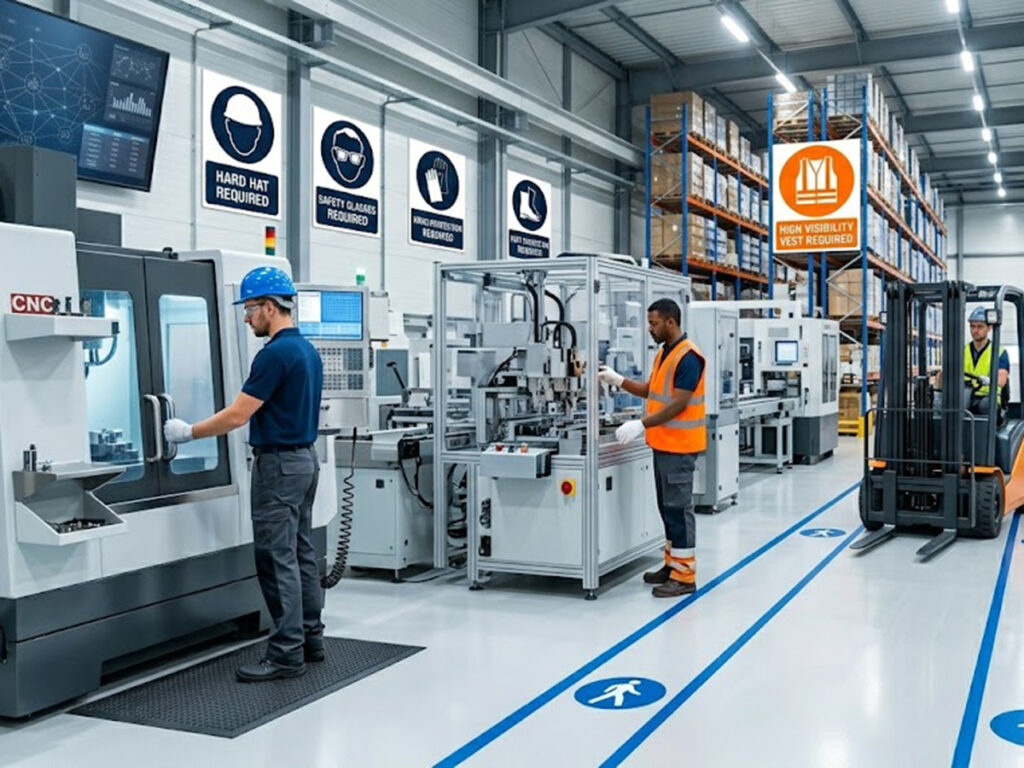
تختلف متطلبات تصنيع لافتات معدات الوقاية الشخصية حسب الخلية. تصبح علامات حماية السمع إلزامية عندما يتجاوز المتوسط المرجح للوقت البالغ 8 ساعات 85 ديسيبل لكل 29 CFR 1910.95. يجب على مديري الصحة والسلامة والبيئة والجودة القياس, لا تقدير, مستويات الديسيبل. يتم تطبيق نظارات السلامة والأحذية ذات المقدمة الفولاذية في معظم طوابق الإنتاج. علامات معدات الوقاية الشخصية الإلزامية تختلف هنا حسب الصناعة عن التخزين لأن خلايا الآلة غالبًا ما تحتاج إلى علامات نقطة التشغيل بالإضافة إلى اللافتات على مستوى المنطقة.
تعمل البيئات الزيتية والمتربة على تدمير اللافتات المثبتة باللاصق فقط في غضون أشهر. الألومنيوم المؤكسد أو البوليستر الرقائقي يعمل بشكل موثوق. غالبًا ما تتطلب مناطق الإغلاق/الإغلاق لافتات مزدوجة لأن معدات الوقاية الشخصية أثناء الصيانة تختلف عن معدات الحماية الشخصية في وضع الإنتاج.
لافتات معدات الوقاية الشخصية في المستودعات - أبواب الرصيف, الأرفف الممرات, وممرات الرافعات الشوكية
تغطي لافتات معدات الوقاية الشخصية في المستودعات الملابس عالية الوضوح, أحذية بمقدمة فولاذية, القبعات الصلبة في مناطق الأرفف, وحماية السمع بالقرب من غرف البطاريات. تمثل الشاحنات الصناعية بالطاقة 1,826 الاستشهادات الخاصة بإدارة السلامة والصحة المهنية في الشؤون المالية 2025, المرتبة الثامنة على القمة 10 قائمة (مصدر: https://Advancedsafetysupply.com/how-to/osha-s-8-most-cited-violation-of-2025-powered-industrial-trucks-1910-178).
تحتاج تقاطعات المشاة والرافعات الشوكية إلى علامات معدات الوقاية الشخصية مقترنة بعلامات أرضية. يجب أن تظهر اللافتات عالية الوضوح لوحدة الإرساء قبل لوحة الإرساء. تتطلب عمليات التخزين البارد التي تقل درجة حرارتها عن 0 درجة فهرنهايت ركائز ذات درجة حرارة منخفضة بسبب فشل الفينيل القياسي. العلامات الثانوية عند 84 بوصة تبقي الرسائل مرئية فوق المنصات المكدسة.
متطلبات لافتات معدات الوقاية الشخصية للرعاية الصحية - غرف المرضى, مجالات الإجراءات, ومناطق العزل
متطلبات لافتات معدات الوقاية الشخصية للرعاية الصحية مستمدة من معيار مسببات الأمراض المنقولة بالدم (29 CFR 1910.1030) والاحتياطات القائمة على انتقال CDC. يجب أن تظل لافتات غرفة العزل مرئية من ممر يبلغ طوله 10 أقدام مع 8.5″ × 11″ الحد الأدنى للأبعاد عند خط الوسط 60 بوصة.
يجب أن تتحمل ركائز العلامة التطهير اليومي بالأمونيوم الرباعي والمبيض. يتفوق البلاستيك المصفح أو البلاستيك الصلب على إدخالات الورق في الأكمام. علامات فئة مرمزة بالألوان - قياسية, اتصال, قطيرة, المحمولة جوا - تطابق اتفاقية CDC. تتطلب بروتوكولات الاستجابة السريعة للاستجابة لتفشي المرض مخزونًا مسبقًا من اللافتات.
لافتات معدات الوقاية الشخصية المخبرية – مناطق المقاعد, أغطية الدخان, والمساحات ذات التصنيف BSL
تتطلب علامات معدات الوقاية الشخصية المخبرية معاطف المختبر, نظارات السلامة أو النظارات الكيميائية, أحذية مغلقة عند الأصابع, والقفازات المقاومة للمواد الكيميائية كحد أدنى. تضيف مساحات BSL-2 وBSL-3 لافتات المخاطر البيولوجية لكل إصدار BMBL السادس. تسرد لافتات الباب الوكيل, مستوى بي إس إل, ومعدات الحماية الشخصية المطلوبة قبل الدخول.
الركائز المقاومة للمواد الكيميائية مهمة بالقرب من تخزين المذيبات. الاكريليك والبولي كربونات تصمد; يتحلل PVC. يقع غسل العين ولافتات الدش في حالات الطوارئ تحتها 29 CFR 1910.151 كشرط منفصل ولكن متجاور.
لافتات معدات الوقاية الشخصية الخاصة بتصنيع الأغذية – مناطق النظافة, مناطق الحساسية, وخطوط الإنتاج الرطبة
تغطي علامات معدات الوقاية الشخصية الخاصة بتصنيع الأغذية شبكات الشعر, حراس اللحية, عباءات, أحذية مقاومة للانزلاق, وحماية السمع على معظم خطوط الإنتاج التي تتجاوز 85 ديسيبل. تحتاج التحولات من منطقة Raw إلى RTE إلى لافتات مخصصة لتغيير معدات الحماية الشخصية. غالبًا ما يستخدم فصل المواد المسببة للحساسية الترميز اللوني لمعدات الوقاية الشخصية المرتبط بحالة الحساسية.
تدمر بيئات الغسيل اللافتات القياسية. ال 316 الفولاذ المقاوم للصدأ وعلامات HDPE ذات الحواف المختومة تبقى على قيد الحياة 1,000+ دورات الصرف الصحي رطل لكل بوصة مربعة. يقوم مفتشو وزارة الزراعة الأمريكية وإدارة الغذاء والدواء الأمريكية بفحص حالة اللافتات جنبًا إلى جنب مع معايير إدارة السلامة والصحة المهنية.
علامات سلامة المصانع الكيميائية – وحدات المعالجة, مزارع الدبابات, ورفوف التحميل
تعكس علامات سلامة المصانع الكيميائية معدات الوقاية الشخصية الخاصة بالعملية: ملابس مقاومة للهب وفقًا لـ NFPA 2112, قفازات مقاومة للمواد الكيميائية, دروع الوجه, وحماية الجهاز التنفسي. تعمل مناطق مراقبة H₂S على ربط لافتات معدات الوقاية الشخصية التنفسية بأجهزة إنذار للكشف عن الغاز.
قسم الفئة الأولى المصنفة 1 والتقسيم 2 تتطلب المناطق أجهزة تركيب غير مسببة للإثارة. يجب أن تستوفي اللافتات المضيئة المواصفات الآمنة بشكل جوهري. تستفيد علامات مزرعة الخزانات من المينا الخزفية أو الألومنيوم المصفح بقطر 2 مل 10+ عمر الخدمة سنة. علامات معدات الوقاية الشخصية الإلزامية وفقًا لمعايير الصناعة، يتم تطبيق الوزن الزائد في البيئات الكيميائية لأن أوضاع الفشل تكون فورية وشديدة.
لافتات معدات الوقاية الشخصية الخاصة بالنفط والغاز — مواقع الآبار, المصافي, والمنصات البحرية
تجمع علامات معدات الوقاية الشخصية الخاصة بالنفط والغاز بين الملابس المقاومة للهب, قبعات صلبة بأشرطة ذقن في المناطق المعرضة للرياح, أجهزة التنفس ذات التصنيف H₂S, والنظارات ذات التأثير. عادةً ما تجمع لافتات الدخول إلى موقع البئر بين متطلبات معدات الوقاية الشخصية وتحذيرات H₂S لكل API RP 49.
تتغير حدود وحدات المصفاة متطلبات معدات الوقاية الشخصية كل مرة 50 ل 100 قدم, القيادة بكثافة لافتات عالية. تحتاج المنشآت البحرية إلى مواد مقاومة لرذاذ الملح تجتاز اختبار ASTM B117 لمدة 1000 ساعة وتقييمات هيكلية 100+ أحمال الرياح ميلا في الساعة. تعتبر التخطيطات ثنائية اللغة أو ثلاثية اللغات قياسية في الحفارات الدولية. بين الجميع علامات معدات الوقاية الشخصية الإلزامية من خلال تطبيقات الصناعة, يتمتع النفط والغاز بأعلى كثافة تسجيل لكل فدان.
بناء برنامج لافتات معدات الوقاية الشخصية الجاهزة للتدقيق
سير عمل رسم خرائط المخاطر للتوقيع المكون من خمس خطوات
- توثيق تقييم المخاطر لكل 29 CFR 1910.132(د).
- قم بتعيين متطلبات معدات الوقاية الشخصية للمناطق المادية.
- تحديد كل نقطة الدخول والانتقال.
- تحديد حجم الإشارة, الركيزة, والتركيب حسب الظروف البيئية.
- جدولة دورات التفتيش والاستبدال.
يحول سير العمل هذا العلامات المتناثرة إلى نظام يمكن الدفاع عنه.
تقتيش, صيانة, ودورات الاستبدال
يجب على مديري الصحة والسلامة والبيئة والجودة إجراء عمليات فحص بصرية ربع سنوية كحد أدنى. تحتاج المناطق شديدة التآكل إلى فحوصات شهرية. تتضمن مشغلات الاستبدال تجاوز انحراف اللون 10% لANSI Z535.2, ركائز متشققة, تقشير صفح, وعدم وضوح الرؤية على مسافة المشاهدة المحددة. يجب أن يغطي الاحتفاظ بالوثائق 3 سنوات لتتناسب مع فترة المراجعة النموذجية لإدارة السلامة والصحة المهنية.
ثنائي اللغة, مقاول, واعتبارات الزوار
معيار إدارة السلامة والصحة المهنية "المفهوم للموظفين" بموجب 1910.132(و)(1) يمتد إلى اللافتات من خلال توقعات التدريب. يجب أن تعطي التخطيطات ثنائية اللغة أهمية متساوية لكلتا اللغتين - يفشل النص الثانوي. تحتاج محطات معدات الوقاية الشخصية للزوار في مكتب الاستقبال أو نقاط التجمع إلى قائمة لافتات مخصصة لمعدات الحماية الشخصية المطلوبة قبل الدخول إلى الموقع. يقوم تأهيل المقاولين بدمج اللافتات في التوجيه, وليس كبديل عنه.
وضع خطة لافتات معدات الوقاية الشخصية الخاصة بالصناعة موضع التنفيذ
علامات معدات الوقاية الشخصية الإلزامية حسب الصناعة تتبع نمطًا واضحًا: تملي الصناعة العلامات التي تحتاجها, تحدد ANSI وOSHA كيفية تثبيتها, ويمتلك مديرو الصحة والسلامة والبيئة والجودة كلا النصفين. يأتي نجاح فحص المرور الأول من مطابقة محتوى اللافتة لتقييم المخاطر ومواصفات التثبيت للبيئة.
يجب على مديري الصحة والسلامة والبيئة والجودة مراجعة منشأتهم وفقًا لقسم الصناعة الذي ينطبق, التحقق من ارتفاعات التركيب ومسافات المشاهدة وفقًا لمواصفات التثبيت العالمية, ودورات فحص الوثائق. علامات معدات الوقاية الشخصية الإلزامية حسب الصناعة ليست مهمة شراء - فهي نظام امتثال يعمل بشكل مستمر.
الأسئلة المتداولة حول علامات معدات الوقاية الشخصية الإلزامية حسب الصناعة
هل علامات معدات الوقاية الشخصية مطلوبة قانونًا من قبل إدارة السلامة والصحة المهنية في جميع الصناعات؟?
نعم, أينما تكون معدات الوقاية الشخصية مطلوبة. أقسام 1910.132 و 1910.145 الجمع بين لإنشاء الالتزام. الصناعات التي تحتوي على لافتات واضحة تشمل البناء, الرعاية الصحية, والمعالجة الكيميائية. جميع الآخرين يقعون تحت بند الواجب العام عند وجود المخاطر.
ما هو اللون والشكل الذي يجب أن تستخدم فيه علامة معدات الوقاية الشخصية الإلزامية?
يحدد ANSI Z535.2-2017 دائرة زرقاء للسلامة مع رسم تخطيطي أبيض لعلامات العمل الإلزامية. تستخدم التنسيقات المستطيلة كلمة الإشارة "NOTICE" مع رأس أزرق آمن ولوحة نصية بيضاء.
إلى أي مدى ينبغي تركيب لافتات معدات الوقاية الشخصية للامتثال لإدارة السلامة والصحة المهنية?
جبل خط الوسط في 60 ل 66 بوصة فوق الأرضية النهائية لمناطق المشاة. تتطلب مناطق مرور المركبات 84 بوصة أو أكثر لمسح خطوط رؤية الكابينة. اضبط لأعلى عندما تحجب المنصات أو المعدات المكدسة خط الرؤية.
كم مرة يجب فحص علامات معدات الوقاية الشخصية واستبدالها؟?
عمليات التفتيش الفصلية هي الحد الأدنى القياسي. استبدال العلامات عند اللون, الوضوح, أو تتحلل الركيزة إلى ما بعد عتبات ANSI Z535.2. يتعرض للأشعة فوق البنفسجية, com.washdown, والبيئات الكيميائية غالبا ما تتطلب الاستبدال السنوي.
هل يجب أن تكون علامات معدات الوقاية الشخصية الإلزامية ثنائية اللغة?
لا تفرض إدارة السلامة والصحة المهنية صراحةً علامات ثنائية اللغة. تتطلب الوكالة أن يكون جميع العمال المتأثرين مفهومين للإبلاغ عن المخاطر. اللافتات ثنائية اللغة هي مسار الامتثال العملي للقوى العاملة غير الناطقة باللغة الإنجليزية.
ما الفرق بين علامة OSHA PPE وعلامة ANSI PPE?
تحدد إدارة السلامة والصحة المهنية المتطلبات القانونية. يحدد ANSI Z535.2 معيار التصميم الذي تقبله OSHA. علامات تلبي مواصفات ANSI Z535.2 الحالية 29 CFR 1910.145. تظل علامات تنسيق OSHA قبل عام 2011 مقبولة ولكن لا ينبغي استخدامها في المنشآت الجديدة.
مراجع
إدارة السلامة والصحة المهنية. عقوبات إدارة السلامة والصحة المهنية. https://www.osha.gov/penalties
إدارة السلامة والصحة المهنية. "29 CFR 1910.145 - مواصفات علامات وعلامات الوقاية من الحوادث. حttps://www.osha.gov/laws-regs/regulations/standardnumber/1910/1910.145
إدارة السلامة والصحة المهنية. "29 CFR 1910.132 — معدات الحماية الشخصية, المتطلبات العامة." https://www.osha.gov/laws-regs/regulations/standardnumber/1910/1910.132
إدارة السلامة والصحة المهنية. "29 CFR 1926.102 - حماية العين والوجه. https://www.osha.gov/laws-regs/regulations/standardnumber/1926/1926.102
نحن. مكتب إحصاءات العمل. "التعداد الوطني للإصابات المهنية المميتة في عام 2024." https://www.bls.gov/news.release/cfoi.nr0.htm
نحن. مكتب إحصاءات العمل. "الإصابات والأمراض في مكان العمل التي أبلغ عنها صاحب العمل, 2024." https://www.bls.gov/news.release/pdf/osh.pdf
أنسي/نيما. "Z535.2-2017 المعيار الوطني الأمريكي لعلامات سلامة البيئة والمرافق." https://webstore.ansi.org/standards/nema/ansiz5352017
مركز السيطرة على الأمراض. "الاحتياطات القائمة على الإرسال." https://www.cdc.gov/infection-control/hcp/basics/transmission-based-precautions.html