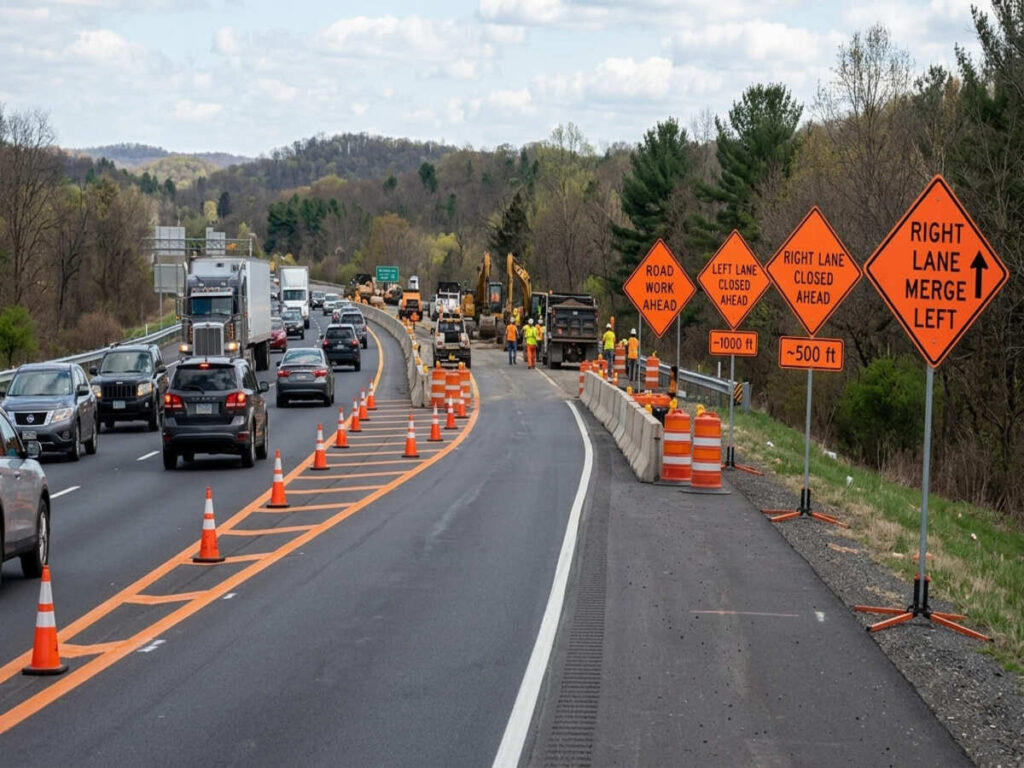
التعامل مع التعقيدات المتعلقة بعطاءات إشارات المرور الحكومية
تعتبر لافتات الطرق السريعة بمثابة أصل متخصص وليس سلعة روتينية. لإدارات النقل (نقطة), علامات الطريق السائبة تشكل العمود الفقري للبنية التحتية للسلامة بين الدول. تؤثر قرارات الشراء على السلامة على الطرق, الامتثال التنظيمي, والصحة المالية على المدى الطويل.
على عكس المشاريع التجارية, تعمل العطاءات الحكومية الخاصة بإشارات المرور ضمن إطار صارم من التفويضات الفنية والقانونية. يجب أن تتماشى كل مرحلة مع معايير السلامة الفيدرالية ومعايير السلامة الخاصة بالولاية. يتطلب هذا التعقيد درجة عالية من البصيرة التقنية من مسؤولي المشتريات والمهندسين على حد سواء.
أساس المشتريات على أساس الأداء
تبدأ الإستراتيجية الناجحة بتقييم المواصفات الفنية. اختيار الركيزة والأغطية العاكسة يحدد طول عمر التثبيت. على سبيل المثال, اختيار الحق مواد علامات الطريق السريع وعمليات التصنيع يؤثر بشكل مباشر على التكلفة الإجمالية للملكية. تضمن هذه المتغيرات الفنية أن الطلبات المجمعة تلبي متطلبات الانعكاس الرجعي طوال فترة خدمتها.
التدقيق الصارم في عمليات الاستحواذ واسعة النطاق
مشهد المشتريات ل علامات الطريق السائبة يتطلب عمليات موافقة متعددة الطبقات. يجب على فرق المشتريات التغلب على العديد من العوائق الحرجة:
- الامتثال الموحد: يعد التحقق وفقًا لمواصفات MUTCD وASTM أمرًا إلزاميًا.
- بروتوكولات الفحص: يجب على المصنعين إثبات قدرتهم على التعامل مع التصنيع بكميات كبيرة دون المساس بالجودة.
- تحليل دورة الحياة: غالبًا ما تعطي العقود الأولوية للمتانة على السعر الأولي لتقليل تكرار الاستبدال.
تميز هذه الفحوصات الصارمة مشاريع البنية التحتية الحكومية عن سير العمل التجاري القياسي. يتطلب النجاح فهمًا عميقًا لكل من العلوم المادية والقانون الإداري.
فهم عملية شراء علامة DOT
تعمل عملية الشراء الخاصة بتوقيع وزارة النقل كنظام حراسة عالي المخاطر. فهو يضمن أن كل مكون على الطريق السريع الفيدرالي أو الخاص بالولاية يفي بحدود السلامة المطلقة. تنتقل هذه العملية من التحقق الصارم من صحة المواد إلى النمذجة المالية التنافسية.
التأهيل المسبق وقائمة المنتجات المؤهلة (QPL)
السمة المميزة لسير العمل هذا هي قائمة المنتجات المؤهلة (QPL) نظام التحقق. يعمل QPL كمرشح تنظيمي إلزامي. فهو يقيد الأهلية بالمصنعين الذين أثبتوا بالفعل قدراتهم التقنية.
البرنامج الوطني لتقييم منتجات النقل (NTPEP) يوفر البيانات لهذه القوائم. لقد اختبر الفنيون الأغطية والركائز العاكسة في ظل الظروف الجوية القاسية لسنوات. فقط المواد التي تحافظ على الانعكاسية العالية والسلامة الهيكلية هي التي يمكنها الدخول.
| عامل المشتريات | تأثير التحقق من QPL |
| أهلية العطاء | يواجه الموردون غير المدرجين في القائمة الاستبعاد الفوري أثناء المراجعة الأولية. |
| التخفيف من المخاطر | المواد المعتمدة مسبقًا تقضي على خطر فشل الإشارة المبكر. |
| التباين الإقليمي | تحتفظ معظم الولايات بقوائم فريدة, مطالبة الشركات المصنعة بالحصول على الموافقات الفردية. |
| ضبط الجودة | حالة QPL تضمن ذلك علامات الطريق السائبة تلبية معايير الأداء المتسقة. |
لموظفي المشتريات, تعد حالة QPL بمثابة شرط أساسي غير قابل للتفاوض. فهو ينقل عبء الإثبات من الوكالة إلى الشركة المصنعة.
من طلب تقديم العروض إلى منح العقد
يعتمد الانتقال من تعريف المتطلبات إلى التنفيذ على طلب تقديم العروض لإشارات المرور أو الدعوة لتقديم العطاءات (IFB). تحدد هذه الوثائق الحدود الفنية واللوجستية للمشروع.
عادةً ما يتطلب طلب تقديم العروض الاحترافي بيانات أداء محددة:
- الدرجات المادية: المتطلبات المحددة للأغطية العاكسة من النوع الرابع أو النوع الحادي عشر.
- معايير التصنيع: سمك دقيق للركيزة ومواصفات طلاء مضادة للكتابة على الجدران.
- المعالم اللوجستية: فترات زمنية ثابتة لأوامر التوقيع واسعة النطاق لتتناسب مع مراحل البناء.
- بروتوكولات التحقق: شهادات المطابقة الإلزامية لكل دفعة إنتاج.
تتبع دورة تقديم العطاءات الخاصة بإشارات المرور الحكومية خطيًا, مسار شفاف لضمان المساءلة المالية:
- إصدار التماس: تقوم الوكالة بنشر طلب تقديم العروض مع الرسومات الفنية التفصيلية.
- التوضيح الفني: يقدم البائعون استفسارات بخصوص انحرافات مادية محددة.
- التقديم والفحص: تقوم الوكالات بمراجعة العطاءات للتأكد من اكتمالها إداريًا وفنيًا.
- تدقيق الامتثال: يتحقق المهندسون من أن المنتجات المقترحة تتوافق مع QPL الحالي.
- التقييم المالي: تقوم الوكالة بتحليل تسعير الوحدة مقابل الميزانية المقررة.
- تنفيذ العقد: يحصل مقدم العرض الفائز على جائزة رسمية على أساس أفضل قيمة أو أقل سعر متوافق.
يمنع هذا النهج المنظم المنتجات دون المستوى المطلوب من دخول سلسلة التوريد. ويحمي الأموال العامة مع الحفاظ على سلامة شبكة النقل الوطنية.
النمذجة المالية الاستراتيجية في عقود اللافتات
تتطلب الإدارة المالية الفعالة في البنية التحتية للطرق السريعة أكثر من مجرد مقارنات بسيطة للأسعار. يجب على مسؤولي المشتريات الموازنة بين النفقات الرأسمالية الفورية وبين المتانة طويلة المدى وتقلبات سوق المواد.
التعاقد على سعر الوحدة للافتات
معيار الصناعة للبنية التحتية واسعة النطاق هو التعاقد على سعر الوحدة للافتات. يحدد هذا النموذج معدلًا ثابتًا لأنواع محددة من الإشارات أو اللقطات المربعة. فهو يوفر لوكالات DOT المرونة اللازمة لتوسيع نطاق الطلبات بناءً على احتياجات المشروع في الوقت الفعلي.
يخدم هذا النموذج ثلاث وظائف إدارية أساسية:
- الموازنة المتوقعة: تسمح معدلات الوحدات الثابتة بالتنبؤ المالي الدقيق عبر دورات الصيانة متعددة السنوات.
- الكفاءة الإدارية: يمكن للوكالات إصدار “أوامر المهمة” مقابل عقد حالي دون إعادة بدء عملية تقديم العطاءات الكاملة.
- التوحيد القياسي: إنه يحفز الشركات المصنعة على تبسيط الإنتاج لأغراض محددة, وحدات SKU كبيرة الحجم.
للتخفيف من المخاطر, العقود الحديثة تدمج شروط تعديل الأسعار. تحمي هذه الشروط كلا من الوكالة والبائع من التقلبات في أسواق المواد الخام. هذه النمذجة الاستباقية ضرورية للدقة حساب 2026 التكلفة الإجمالية لملكية علامات الطرق السريعة, لأنه يضمن توافق عطاءات الوحدة الأولية مع توقعات الصيانة والاستبدال على المدى الطويل. من خلال مراعاة التضخم والمتانة المادية, ويمكن لمسؤولي المشتريات تأمين الاستدامة المالية على مدى عمر الأصول بأكمله.
| نوع المواد | مؤشر السوق النموذجي المستخدم للتعديلات | دور في لافتات الطرق السريعة السائبة |
| الألومنيوم | بورصة لندن للمعادن (بورصة لندن للمعادن) | الركيزة الأساسية للألواح المسطحة والعلامات المبثوقة. |
| فُولاَذ | مؤشر أسعار المنتجين (مؤشر أسعار المنتجين) | ضروري للوظائف المنفصلة والهياكل العلوية. |
| البولي ايثيلين عالي الكثافة | أخبار البلاستيك الراتنجات المقتفي | تستخدم للتحكم المؤقت في حركة المرور والخطوط المحددة. |
يجب على مسؤولي المشتريات اختيار الركائز بناءً على الاحتياجات الخاصة بالموقع, في كثير من الأحيان وزنها فوائد HDPE مقابل. علامات الطريق الألومنيوم لتحسين المتانة ضد قيود الميزانية.
فعالية التكلفة في عمليات الاستحواذ بالجملة
الشراء علامات الطريق السائبة يسمح للوكالات بالاستفادة من وفورات الحجم الكبيرة. يتم تطبيق الخصومات على الحجم عادةً عندما تتجاوز الطلبات حدودًا محددة, مثل 500 وحدات لكل تصميم فردي.
بيانات السوق من وقت مبكر 2026 يشير إلى أن وكالات الدولة غالبًا ما ترى أ 12% ل 15% تخفيض تكاليف الوحدة عند الانتقال من طلبات الدفعات الصغيرة إلى العقود السنوية على مستوى الولاية. على سبيل المثال, مكتب إحصاءات العمل الحالي (مكتب إحصاءات العمل) بيانات الربع الأول من 2026 يوضح أن مؤشر أسعار المنتجين لبناء الطرق السريعة والشوارع يظل حساسًا لتكاليف الطاقة, صنع السائبة, تقوم مشتريات المواد الأولية بتحوط استراتيجي ضد التضخم.
ملاحظة فنية: يجب على مسؤولي المشتريات مراقبة مؤشر أسعار المنتجين “تصنيع اللافتات” (PCU339950339950) للتحقق مما إذا كانت الزيادات في أسعار البائعين تتماشى مع الاتجاهات الاقتصادية الوطنية. (مصدر: https://www.bls.gov/ppi/)
الامتثال التنظيمي ومعايير شراء اللافتات بين الولايات
إن الامتثال للمعايير الوطنية هو الدفاع القانوني الأساسي لأي وزارة نقل. التوحيد يمنع ارتباك السائق ويقلل من مسؤولية الدولة في حالة وقوع حوادث مرورية.
الالتزام بـ MUTCD والرقابة الفيدرالية
الجميع علامات الطريق السائبة يجب أن تمتثل للإدارة الفيدرالية للطرق السريعة (الهيئة الفيدرالية للطرق السريعة (FHWA).) المعايير. الدليل على أجهزة مراقبة حركة المرور الموحدة (Mutcd) بمثابة المخطط القانوني لهذا الامتثال.
تفرض معايير شراء اللافتات بين الولايات عدة مستويات فنية:
- اللون والتباين: يحدد القسم 2A.10 إحداثيات لونية محددة. يجب أن تحافظ اللافتات على هذه الظلال الدقيقة في ظل ظروف النهار والليل لضمان التعرف الفوري على السائق.
- أداء إعادة الانفعال: القسم 2أ.08 يتطلب من الوكالات استخدام طريقة موثقة للحفاظ على وضوح الإشارة. تختلف مستويات الانعكاسية الدنيا حسب الحد الأقصى للسرعة ونوع الإشارة.
- النص والرموز: يفرض القسم 2A.13 استخدام الحروف الهجائية القياسية لإشارات الطرق السريعة. وهذا يضمن أن تظل الخطوط مقروءة بسرعات عالية وفي ظل الظروف الجوية السيئة.
- جودة المواد: غالبًا ما يشير مسؤولو المشتريات إلى ASTM D4956. تصنف هذه المواصفة القياسية الأغطية العاكسة إلى أنواع (مثل النوع الرابع أو الحادي عشر) على أساس كفاءة عودة الضوء.
ويضمن استيفاء هذه المعايير الفيدرالية بقاء اللافتة المصنعة في إحدى الولايات فعالة ويمكن التعرف عليها عبر خطوط الولاية.
الانحرافات على مستوى الدولة والتعديلات الإقليمية
توفر المعايير الفيدرالية الحد الأدنى فقط من خط الأساس. تنفذ العديد من الدول إجراءات صارمة “المواصفات التكميلية” لمواجهة التحديات البيئية أو الجيولوجية المحلية.
| وكالة الدولة | التركيز على الانحراف الإقليمي | مثال تنظيمي محدد |
| Caltrans | ساحلية & المرونة الزلزالية | يتطلب طلاءات متخصصة مضادة للكتابة على الجدران وأجهزة مقاومة لرذاذ الملح (الامتثال ASTM B117) لجميع المنشآت الساحلية. |
| TXDOT | تحميل الرياح العالية | قسم دليل وزارة النقل في تكساس 7 يحدد أنماط الترباس الانفصالية الفريدة التي يمكن تحملها 100+ ميلا في الساعة هبوب الرياح في مناطق الأعاصير. |
| FDOT (فلوريدا) | ارتفاع تدهور الأشعة فوق البنفسجية | ولايات فلوريدا “النوع الرابع أو أعلى” أغطية مع ضمانات ممتدة لمدة 10 سنوات لمكافحة الإشعاع الشمسي المكثف وتلاشي الألوان. |
للمشاريع متعددة الاختصاصات, ويجب على مسؤولي المشتريات التوفيق بين هذه الاختلافات بعناية. يمكن أن يؤدي خطأ واحد في تركيب الأجهزة أو سمك الركيزة إلى رفض العطاءات. ويجب على الوكالات التحقق من ذلك علامات الطريق السائبة تلبية التعديل المحلي الأكثر صرامة ضمن نطاق المشروع. غالبًا ما يؤدي الفشل في القيام بذلك إلى عمليات استبدال ميدانية مكلفة وعدم الامتثال القانوني.
اللوجستية الحرجة: المهلة الزمنية وإدارة سلسلة التوريد
تحدد الإدارة اللوجستية نجاح نشر البنية التحتية على نطاق واسع. حتى التأخير الطفيف في تسليم اللافتات يمكن أن يعطل مشاريع بناء الطرق السريعة بملايين الدولارات. يجب على مسؤولي المشتريات مزامنة جداول التصنيع مع الجداول الزمنية للتركيب الميداني للحفاظ على زخم المشروع.
تقدير المهل الزمنية لطلبات اللافتات واسعة النطاق
يتطلب التنبؤ الدقيق بالمهل الزمنية لأوامر التوقيع واسعة النطاق فهمًا لسلسلة التوريد الصناعية. تعتمد سرعة الإنتاج على توفر ركائز محددة وأفلام عاكسة عالية الأداء.
| عامل | التأثير على الجدول الزمني | التخفيف المهني |
| ندرة المواد | يمكن أن يضيف النقص العالمي في الألومنيوم أو الراتنجات 4-8 أسابيع للإنتاج. | الحفاظ على مخزون استراتيجي من المواد المعتمدة من QPL لعقود الطوارئ. |
| التخصيص | تتطلب الأساطير غير القياسية أو الأبعاد الفريدة تعديلات CAD اليدوية. | استخدم تصميمات MUTCD الموحدة لـ 80% ل علامات الطريق السائبة لتسريع التصنيع. |
| القمم الموسمية | غالبًا ما يؤدي ارتفاع البناء في فصلي الربيع والصيف إلى تشبع قدرة الشركة المصنعة. | إصدار طلبات تقديم العروض خلال فصل الشتاء “في غير موسمها” لتأمين انخفاض الأسعار وفتحات الأولوية. |
لحماية المواعيد النهائية للمشروع, غالبًا ما تستخدم وكالات DOT “فقط في الوقت” استراتيجيات التسليم المرحلية. ويضمن هذا النهج حصول أطقم العمل على دفعات محددة من اللافتات مع اكتمال أجزاء الطريق السريع. يمنع الازدحام في الموقع ويقلل من مخاطر الأضرار المادية في الموقع.
ضمان الجودة (ضمان الجودة) والتفتيش الميداني
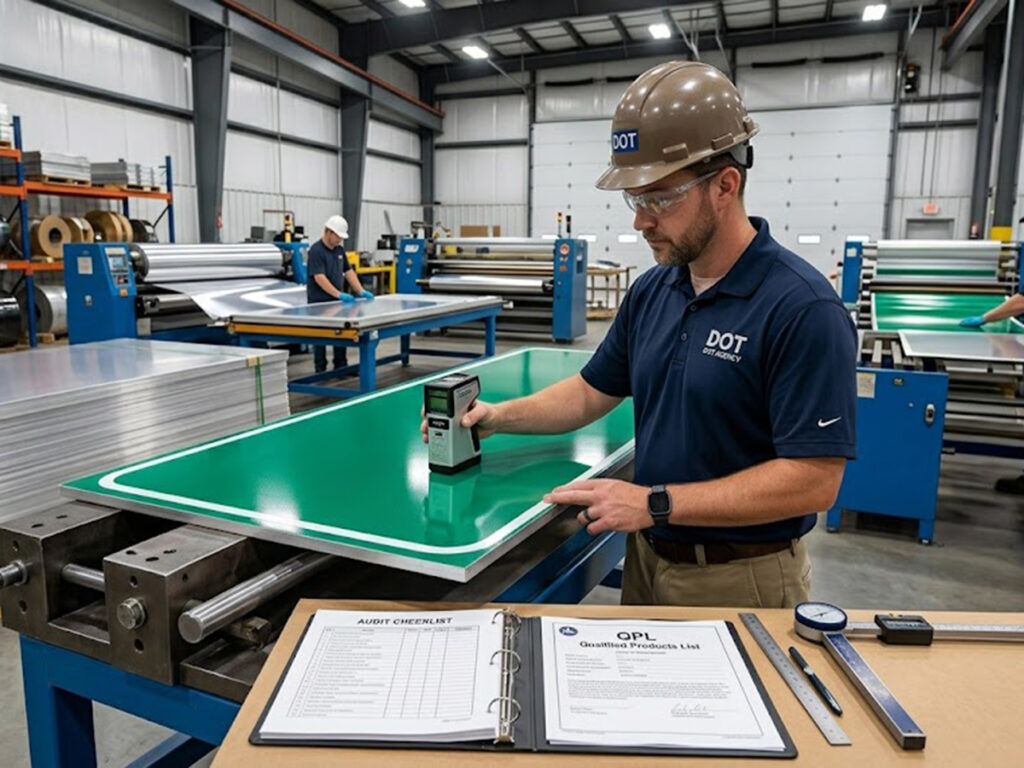
يجب أن تعمل مراقبة الجودة على سد الفجوة بين أرضية المصنع وكتف الطريق السريع. العديد من DOTs تكليف “عمليات تفتيش المصدر.” في هذه العملية, يقوم ممثلو الوكالة بزيارة منشأة التصنيع لتدقيق خط الإنتاج في الوقت الفعلي.
يركز بروتوكول ضمان الجودة الصارم على أربعة معايير فنية مهمة:
- التحقق من الدفعة: يؤكد المفتشون أن أرقام حرارة المواد الخام تتوافق مع تقارير الاختبار المعتمدة.
- عمليات التدقيق الانعكاسية: يستخدم الفنيون مقاييس الانعكاس المحمولة للتأكد من أن الأغطية تلبي الحد الأدنى من ASTM D4956 عبر وجه اللافتة بالكامل.
- سلامة الركيزة: يضمن التحقق من إزالة الأزيز والمعالجة الكيميائية المسبقة أن اللافتة ستقاوم التآكل في البيئات عالية الرطوبة.
- الامتثال لوضع العلامات: يجب أن تحتوي كل علامة على ملصق دعم دائم. يتتبع هذا الملصق تاريخ التصنيع, نوع الأغطية, ومعلومات الضمان للصيانة المستقبلية.
تضمن هذه التدابير التي أثبتت جدواها ميدانيًا أن المنتجات التي يتم تسليمها تلبي جميع التوقعات التنظيمية. من خلال تحديد العيوب في المصدر, تتجنب الوكالات الكابوس اللوجستي المتمثل في العودة غير المتوافقة علامات الطريق السائبة بعد وصولهم إلى موقع العمل.
النقاط الرئيسية لعطاءات البنية التحتية الحكومية الناجحة
وتتطلب مشاريع البنية الأساسية الحديثة إيجاد التوازن بين المسؤولية المالية والكمال الفني. يتوقف نجاح العطاءات الحكومية الخاصة بإشارات المرور على الفهم العميق للتفويضات الفيدرالية والمتغيرات البيئية المحلية. يجب على مسؤولي المشتريات النظر إلى ما هو أبعد من سعر الشراء الأولي لتقييم القيمة الإجمالية لدورة حياة الأصول.
قائمة مرجعية لموظفي المشتريات
إن عملية التدقيق الشاملة تقلل من الاحتكاك الإداري والفشل الميداني. قبل منح العقود علامات الطريق السائبة, يجب على فرق المشتريات التحقق من المعايير الفنية والتشغيلية التالية:
- التحقق من صحة QPL: تأكد من ظهور كل مادة في قائمة المنتجات المؤهلة الحالية الخاصة بالولاية.
- الامتثال MUTCD: التحقق من تصاميم اللافتات, الخطوط, والألوان تتطابق مع أحدث المكملات الغذائية الفيدرالية أو الخاصة بالولاية.
- شهادة المواد: اطلب بيانات اختبار ASTM D4956 للتأكد من أن الأغطية العاكسة تلبي مستويات الأداء المطلوبة.
- القدرة التشغيلية: قم بمراجعة قدرة الشركة المصنعة على تلبية المهل الزمنية لطلبات التوقيع واسعة النطاق خلال مواسم البناء القصوى.
- التوافق الهيكلي: تأكد من أن فتحات التثبيت والأجهزة تتوافق مع معايير شراء اللافتات الحالية بين الولايات.
- الأمن المالي: التأكد من أن مقدم العرض يمتلك القدرة اللازمة على الترابط والتأمين لتغطية مخاطر البنية التحتية واسعة النطاق.
يتيح استخدام مصفوفة تسجيل موحدة للوكالات تصنيف البائعين على أساس الجدارة الفنية بدلاً من مجرد أقل عرض. ويضمن هذا النهج المبني على البيانات قدرة الشركة المصنعة المختارة على تلبية متطلبات مشروع متعدد السنوات.
رؤى استراتيجية لمرونة البنية التحتية
شراء علامات الطريق السائبة لا يزال نظامًا منظمًا للغاية ويتطلب الكثير من الناحية الفنية. يتطلب جسرًا سلسًا بين المواصفات الهندسية, التنبؤ المالي, والخدمات اللوجستية لسلسلة التوريد.
لوكالات DOT, ويعتمد النجاح على المدى الطويل على فرض الامتثال الصارم والحفاظ على دورات العطاءات الشفافة. يؤدي إعطاء الأولوية للمواصفات القائمة على الأداء على التوفير قصير المدى إلى تقليل تكاليف الصيانة المستقبلية. من خلال الاستفادة من الموردين الذين تم التحقق منهم وأطر عمل عملية الشراء المنظمة لتوقيع وزارة النقل, تحمي الوكالات السلامة العامة واستثمارات دافعي الضرائب.
تبدأ شبكة النقل المرنة بجودة عالية, لافتات متوافقة. تضمن المراقبة المستمرة أن هذه الأصول الحيوية تخدم جمهور المسافرين لعقود من الزمن.
الأسئلة المتداولة بخصوص مشتريات DOT Sign
تتناول رؤى الخبراء هذه الاستفسارات الفنية والإجرائية الشائعة بين مسؤولي المشتريات والمهندسين المدنيين الذين يديرون المشروع علامات الطريق السائبة عمليات الاستحواذ.
س: ما هي طرق الشراء الأساسية المستخدمة في لافتات الطرق السريعة على مستوى الولاية?
تستخدم معظم الوكالات أربع طرق شراء أساسية اعتمادًا على حجم المشروع. العطاءات المختومة التنافسية (IFB) هو المعيار للتصنيع بكميات كبيرة حيث يكون السعر هو العامل الحاسم بين مقدمي العروض المتوافقين. طلب العروض (طلب تقديم العروض) يتم استخدامه عندما يتطلب الابتكار الفني أو التصنيع المخصص أ “أفضل قيمة” تقييم. يتم حجز مشتريات المصدر الوحيد للبدائل الطارئة أو أنظمة السلامة الخاصة, بينما تتعامل إجراءات الشراء الصغيرة مع احتياجات الصيانة البسيطة التي تقل عن عتبات الأسعار المحددة.
س: كيف تستخدم الوكالات QPL للتخفيف من المخاطر في عطاءات إشارات المرور الحكومية?
قائمة المنتجات المؤهلة (QPL) بمثابة حاجز ما قبل التصديق. ويضمن أن كل شيء علامات الطريق السائبة الاستفادة من المواد التي تم اختبارها بالفعل من حيث المتانة والانعكاسية. من خلال قصر عملية تقديم العطاءات الخاصة بإشارات المرور الحكومية على البائعين المعتمدين من QPL, تقضي DOTs على خطر فشل المواد المبكر. ينقل هذا البروتوكول عبء اختبار الجودة من الوكالة إلى الشركة المصنعة والمختبرات المستقلة مثل NTPEP.
س: ما هي الخطوات الحاسمة في عملية تقديم العطاءات للبنية التحتية واسعة النطاق?
تتبع عملية تقديم العطاءات عادة خمس مراحل صارمة لضمان الشفافية والامتثال:
- التماس: إصدار طلب تقديم العروض التفصيلي للإشارات المرورية, بما في ذلك الرسومات الفنية.
- مؤتمر ما قبل المزايدة: فترة توضيح حيث يستفسر البائعون عن معايير شراء اللافتات المحددة بين الولايات.
- التقييم الفني: مراجعة شهادات المواد وحالة QPL قبل فتح العطاءات المالية.
- تحليل الأسعار: تقييم التعاقد على سعر الوحدة للافتات لضمان مواءمتها مع ميزانيات الدولة.
- تحديد المسؤولية: فحص نهائي لقدرة مقدم العطاء على الربط والأداء السابق قبل منح العقد.
س: كيف ينبغي لموظفي المشتريات تقدير المهل الزمنية لأوامر التوقيع واسعة النطاق؟?
يجب أن يأخذ التقدير الدقيق للمهل الزمنية لأوامر التوقيع واسعة النطاق في الاعتبار المهل الزمنية المادية, قدرة المصنع, والطفرات الموسمية. تتطلب الطلبات القياسية عادةً من 6 إلى 10 أسابيع; لكن, قد تمتد الألواح المبثوقة المعقدة أو الأساطير المخصصة إلى هذا 12+ أسابيع. غالبًا ما تقوم الوكالات الاستباقية بإنشاء عقود متعددة السنوات معها “عند الطلب” شروط التسليم لتجاوز اختناقات التصنيع الموسمية وضمان توافر المواد لمشاريع السلامة الهامة.
س: ما الذي يحدد الامتثال لمعايير شراء اللافتات بين الولايات?
يتم تعريف الامتثال من خلال الالتزام الصارم بـ MUTCD (دليل على أجهزة مراقبة حركة المرور الموحدة) وتصنيفات المواد المحددة ASTM. يتضمن ذلك تلبية الحد الأدنى من مستويات الانعكاس الرجعي للرؤية الليلية واستخدام ركائز موحدة مثل الألومنيوم 5052-H38. يجب على الوكالات أيضًا التحقق من أن جميع اللافتات تتوافق مع التعديلات البيئية الإقليمية, مثل تقييمات حمل الرياح المحددة أو متطلبات الطلاء المضاد للتآكل للمناطق الساحلية.
مقالات ذات صلة في هذه السلسلة
HDPE مقابل. علامات الطريق السريع الألومنيوم: مقارنة الأداء الفني
كيفية تحديد مواد لافتات الطرق السريعة للمناخات القاسية تحت الصفر
2026 دليل التسعير: حساب التكلفة الإجمالية لملكية لافتات الطرق السريعة
تصميم لافتات الطرق السريعة لنظام ADAS والتعرف على المركبات ذاتية القيادة
دليل كل ولاية على حدة لتصميم علامات الطرق السريعة والامتثال لها
العودة إلى العمود: الدليل الكامل لإشارات الطرق السريعة المخصصة: مواد, التكاليف, والتصنيع
مراجع:
- FHWA - الإصدار الحادي عشر من MUTCD, القسم 2أ.08 & الجدول 2أ-3: الحفاظ على الحد الأدنى من الانعكاسية (الطرق الإلزامية والحد الأدنى من متطلبات الشمعة ل 2026 الامتثال للبنية التحتية): https://mutcd.fhwa.dot.gov/pdfs/11th_Edition/part2a.pdf
- FHWA - الإصدار الحادي عشر من MUTCD, القسم 2أ.10 – 2أ.13: تصميم اللافتة ومواصفات الألوان (معايير الإحداثيات اللونية والحروف الهجائية القياسية لإشارات الطرق السريعة): https://mutcd.fhwa.dot.gov/pdfs/11th_Edition/part2a.pdf
- ASTM الدولية - ASTM D4956: المواصفات القياسية للألواح العاكسة للضوء للتحكم في حركة المرور (تصنيف المواد عالية الكثافة من النوع الرابع والنوع الحادي عشر): https://www.astm.org/d4956-19.html