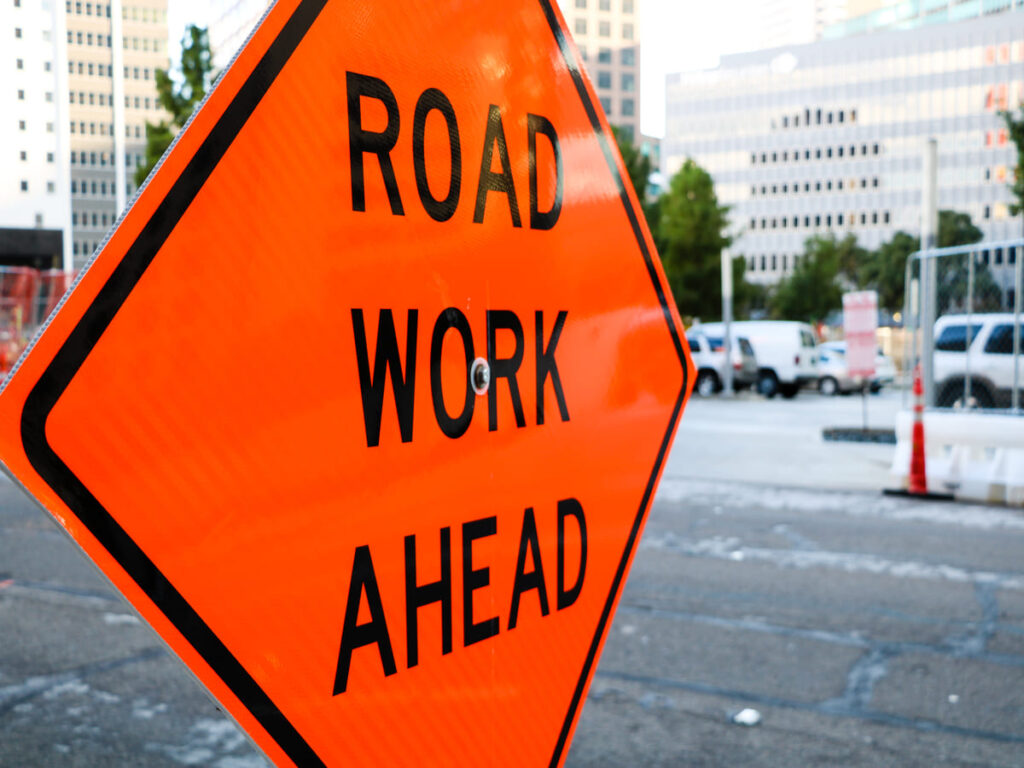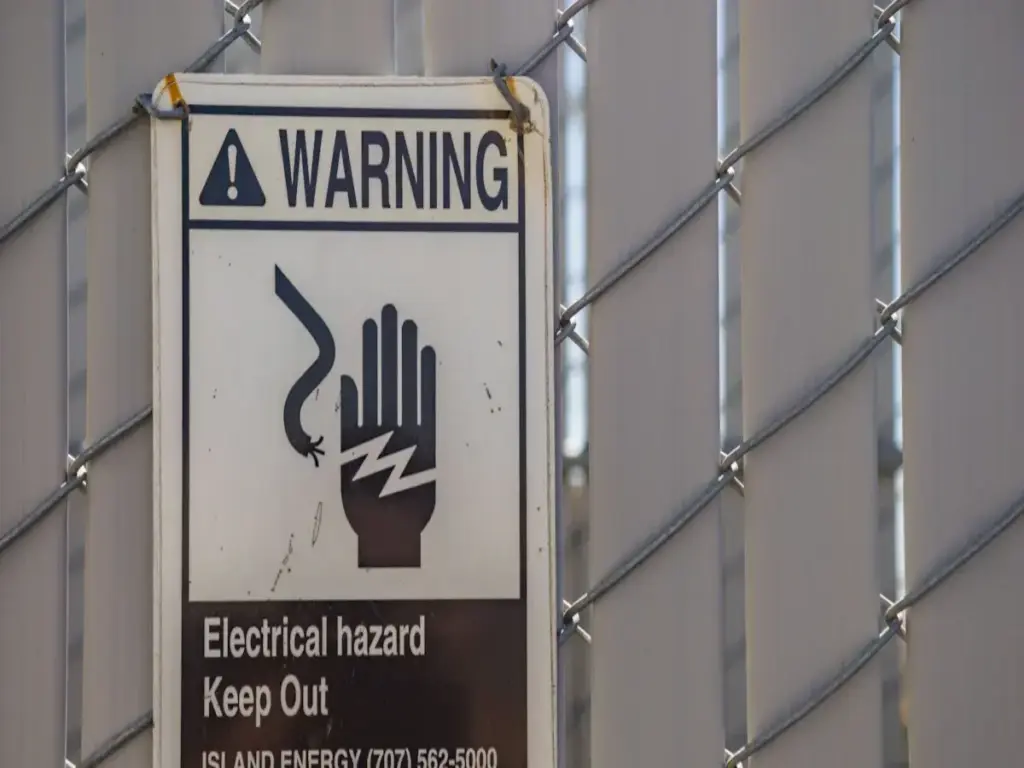
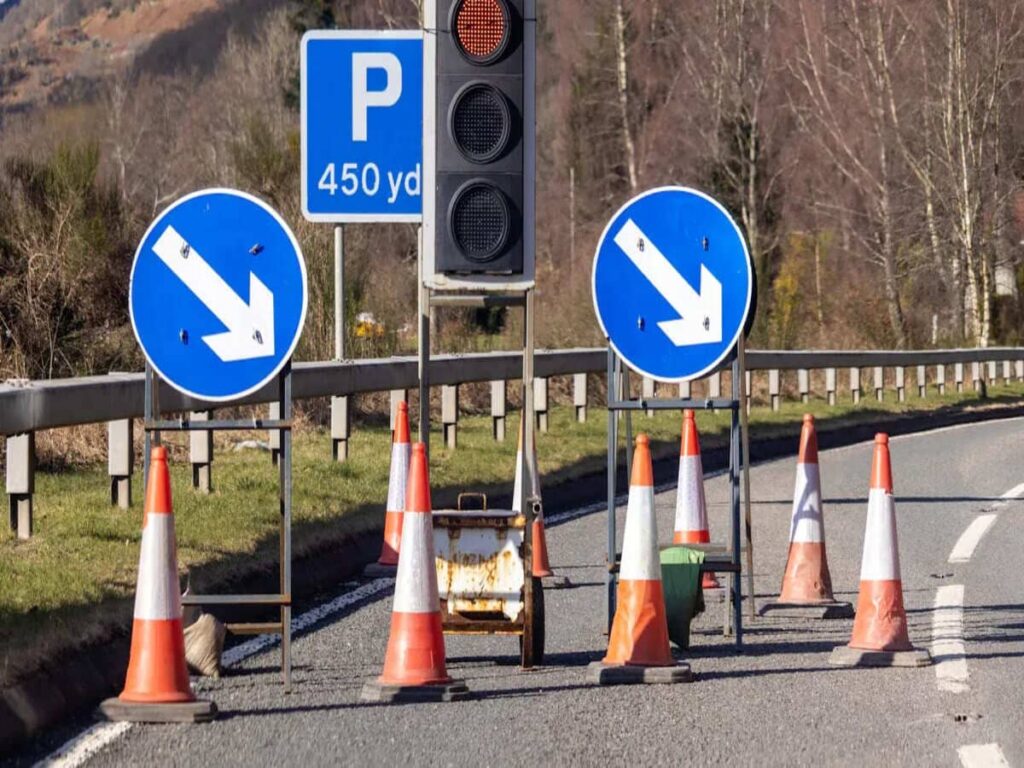
Understanding UK highway road signs is crucial for safe driving. Many accidents occur because drivers miss or misunderstand UK road signs. In 2018, there were 165,100 accident injuries in the UK, highlighting how clear UK highway road signs play a key role in keeping people safe. Recent surveys reveal that 54% of drivers do not always read UK highway road signs or notice speed limits, and 47% of drivers feel unsure about the meaning of certain UK highway road signs. Both drivers and professionals working with UK highway road signs need to be familiar with these signs to ensure safety and compliance.
To enhance road safety and improve compliance, OPTRAFFIC offers high-quality road sign solutions that meet industry standards. By providing durable, clear, and reflective signs, OPTRAFFIC ensures better visibility and understanding for all road users, helping reduce accidents and improve overall traffic flow.
Key Takeaways
- Knowing UK highway road signs helps you drive safely and avoid crashes.
- There are three main types of road signs. These are regulatory, warning, and guide signs. Each type has its own shape and color.
- Drivers should know what each shape and color means. This helps them react fast to road signs.
- Using memory tricks like flashcards and quizzes can help drivers remember road signs.
- Keeping road signs clean and in good shape makes sure everyone can see them and use them well.
Importance of UK Highway Road Signs
Role in Traffic Safety
UK highway road signs are very important for travel. These signs help drivers, cyclists, and walkers know the rules. Road signs guide, warn, and control traffic. Clear signs help people drive safely and avoid crashes.
- Traffic signs help everyone on the road, especially new drivers, learn rules and stay safe.
- Signs show important things like speed limits, stop, and give way.
- Signs need to be clear, easy to read, and always visible. Reflective materials help drivers see signs at night or in bad weather.
- Strong materials keep signs easy to read, even after many years outside.
No-through road signs help control traffic and stop jams. These signs protect special places by keeping cars out. They also lower crash risks on small roads and help keep walkers safe in busy areas. Signs guide cars to main roads and make travel smoother. When people follow signs, roads become safer for everyone.
Relevance for Signage Professionals
Signage professionals have a big job to keep signs working well. They must put each sign in the right spot and keep spaces even. Cleaning and fixing signs often helps them stay easy to see and use. Professionals follow British Standard No 873 for safety and trust.
- National Highways in England, the Welsh Government, the Scottish Government, and the Department for Infrastructure in Northern Ireland set sign rules.
- Local highway groups also help manage signs.
Traffic signs give important information to everyone on the road. Signs help people use roads safely and easily by giving clear directions. Signage professionals help keep roads safe by making sure every sign, from stop to give way, is good quality. Their work helps UK highway road signs do their job and keep roads safe for all.
Types of Road Signs in the UK
Drivers and professionals should know the types of road signs. These signs help people follow rules and stay safe. They also help everyone get where they need to go. There are three main types of road signs. These are regulatory, warning, and guide or directional signs. Each type uses special shapes, colors, and symbols to share information.
Note: The table below shows the official categories of UK highway road signs and what they mean.
| Category | Description |
|---|---|
| Warning Signs | Triangle signs warn drivers about dangers ahead. These dangers can be slippery roads or animals crossing. |
| Instruction Signs | Circle signs tell drivers what they must do or not do. These include speed limits and no entry. |
| Information Signs | Rectangle signs give helpful facts for travel and planning. |
Regulatory Signs and Speed Limits
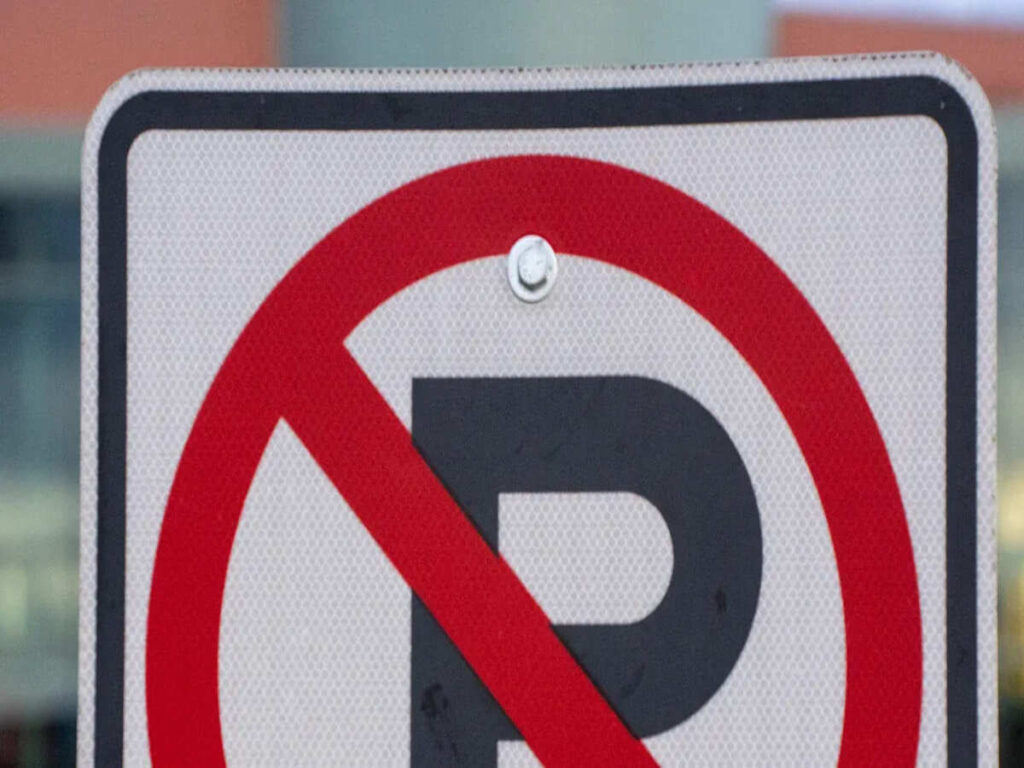
Regulatory signs tell drivers what they must do or not do. These signs use circles with red borders to show rules. The most common regulatory signs are stop, no entry, and give way. These signs help control traffic and keep people safe.
Speed is very important for regulatory signs. The maximum speed limit sign shows the fastest speed allowed. The minimum speed limit sign shows the slowest speed drivers must go. The speed limit zone sign marks where a certain speed limit is used. The national speed limit applies sign shows when the normal speed limit comes back.
Tip: Regulatory signs use clear numbers and symbols. This helps drivers see the speed limit quickly.
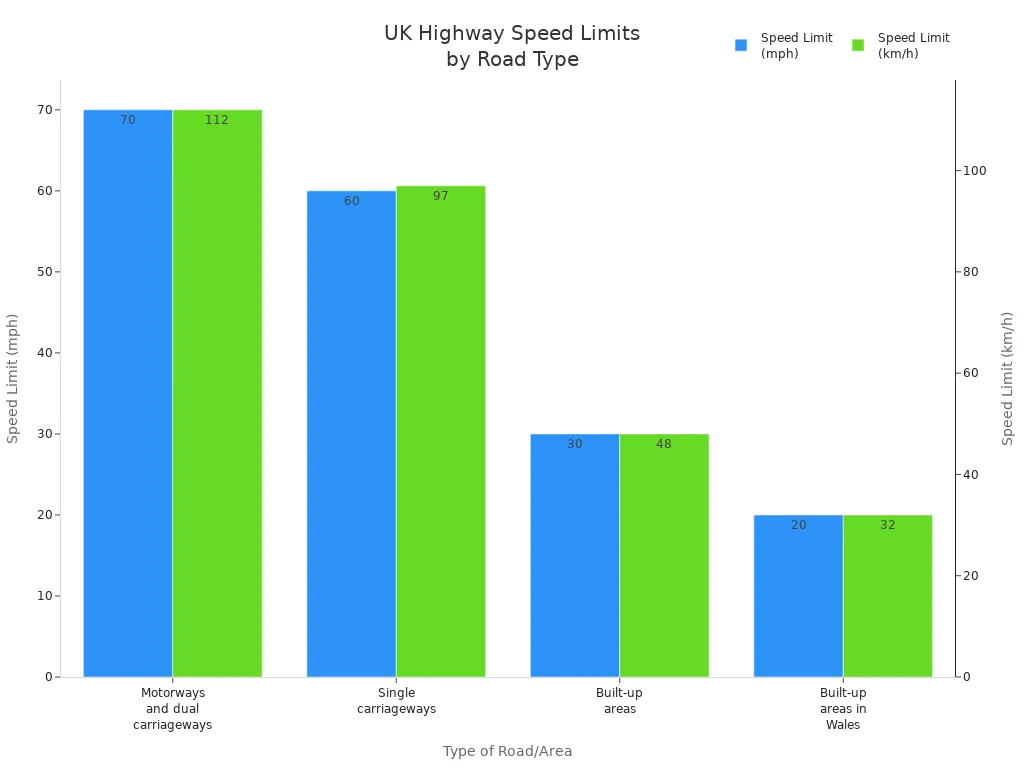
The table below lists the main speed limits for different UK highway road signs:
| Type of Road/Area | Speed Limit (mph) | Speed Limit (km/h) |
|---|---|---|
| Motorways and dual carriageways | 70 | 112 |
| Single carriageways | 60 | 97 |
| Built-up areas | 30 | 48 |
| Built-up areas in Wales | 20 | 32 |
Other important regulatory signs are no stopping, no waiting, and give way to oncoming vehicles. Traffic signs that give orders use circles and clear pictures or words. These types of road signs help drivers follow the law and avoid getting fined.
Warning Signs
Warning signs tell drivers about dangers or changes ahead. These signs use triangles with red borders. Warning signs show things like sharp turns, slippery roads, or animals crossing. Drivers should slow down and pay attention when they see a warning.
Common warning signs on UK highway road signs include:
- Distance to ‘STOP’ line ahead
- Dual carriageway ends
- Road narrows on right
- Slippery road
- Pedestrians in road ahead
- Zebra crossing sign
- Crossroads
- Junction on bend ahead
- Traffic merging from left ahead
- Risk of ice
- Wild animals
- Cycle route ahead
Warning signs often use pictures to show the danger. For example, a bump means the road is uneven. A tram means there is a tram crossing. Some warning signs protect people walking, like school crossing and elderly crossing signs. These types of road signs help drivers get ready for what is coming.
Alert: Always slow down when you see a warning sign. Watch for changes in the road or people crossing.
Guide and Directional Signs
Guide and directional signs help drivers find their way. These signs use rectangles or panels above the road. The signs show directions, distances, and important places. Information signs tell drivers about hospitals, gas stations, and parking.
Guide signs use different colors for different routes. Green signs show main routes. Blue signs show motorways. White signs show local roads. Directional signs help drivers reach cities, junctions, and exits. Parking signs use white backgrounds, even on main roads, so they are easy to see.
- Directional signs help drivers get to places and through routes.
- Information signs show things like hospitals, gas stations, and parking.
- Parking places on main route signs are shown on a white panel for easy finding.
Guide and directional signs help drivers not get lost and save time. These types of road signs make travel easier and safer for everyone on the highway.
Note: Guide signs often use arrows and clear words to show the way. Look for these signs at junctions and exits.
Knowing the types of road signs, their shapes, and what they mean helps everyone use UK highway road signs safely and the right way. These signs help keep roads safe and help people get where they need to go.
Shapes and Colors in UK Highway Code Road Signs
Shapes and colors help drivers know what signs mean fast. The highway code road signs use easy shapes and bright colors. This helps people react quickly. Every shape and color has its own meaning. When drivers see a sign, they know if they need to stop, give way, or watch for people crossing.
Symbolism and Universal Icons
Symbols on signs show important things. Many signs use pictures, not words. These symbols help everyone, even if they do not speak English. For example, a car symbol means vehicles. A bicycle symbol means cyclists. The give way sign is a triangle pointing down. The stop sign is an octagon. Pedestrians are shown on signs for crossing places. The maximum speed limit sign has a number inside a red circle. The minimum speed limit sign has a number inside a blue circle. These icons make signs easy to understand.
| Type of Road User | Description |
|---|---|
| Cars | Shown from the side, front, or back |
| Lorries | May show a weight inside the symbol |
| Buses | Can have the word ‘local’ |
| Motorbikes | Shown with their own symbol |
| Bicycles | Shown with special symbols |
| Pedestrians | Standing or walking symbols |
| Horse Riders | Shown with their own symbol |
| Trams | Shown with unique symbols |
| Tractors | Used less often |
| Caravans | Used on certain signs |
| Horse-drawn Carriages | Used on certain signs |
Shapes: Circles, Triangles, Rectangles
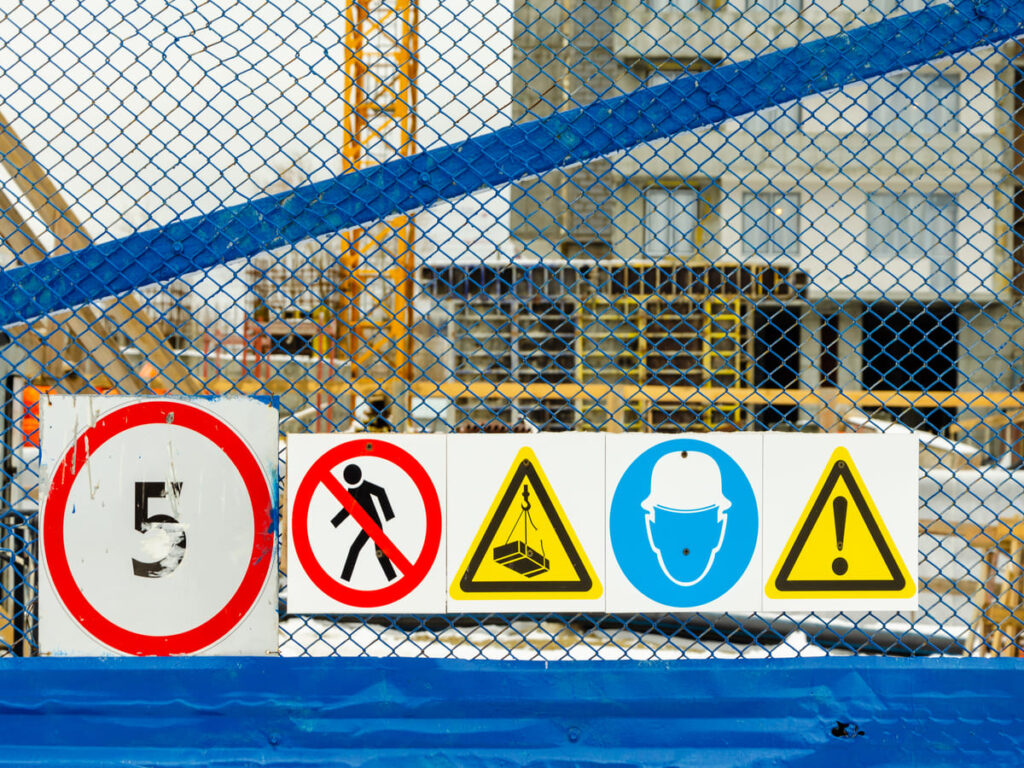
Each sign shape tells drivers what to do. Circles give orders. A red circle means drivers must not do something, like enter or turn. A blue circle means drivers must do something, like follow a minimum speed limit sign. Triangles warn about dangers. These signs point up and have a red border. Rectangles give information. Green rectangles show main routes. Blue rectangles show motorways. White rectangles show local roads and parking. The stop sign is an octagon, which is easy to spot. Diamonds show tram instructions. Pentagons give directions for quick turns.
| Shape | Purpose | Examples |
|---|---|---|
| Circles | Give orders | Red-bordered = prohibitions, Blue = must do, minimum speed limit sign |
| Triangles | Warn of hazards | Point up, red border, give way sign |
| Rectangles | Give information | Blue = motorways, Green = main routes, White = local roads |
| Octagons | Only for stop | Stop sign |
| Diamonds | Tram instructions | Tram crossing |
| Pentagons | Quick turns | Direction signs |
Colors: Red, Yellow, Green, Blue, White
Colors on signs help drivers know what signs mean. Red means danger or do not enter. Drivers must stop when they see red. Yellow gets attention and shows temporary changes, like roadworks or parking rules. Green gives directions on main routes. Blue shows information for motorways and things drivers must do, like the minimum speed limit sign. White is a clear background for instructions and non-main routes. These colors help signs stand out and are easy to read.
| Color | Meaning |
|---|---|
| Red | Means danger, do not enter, or special temporary rules. |
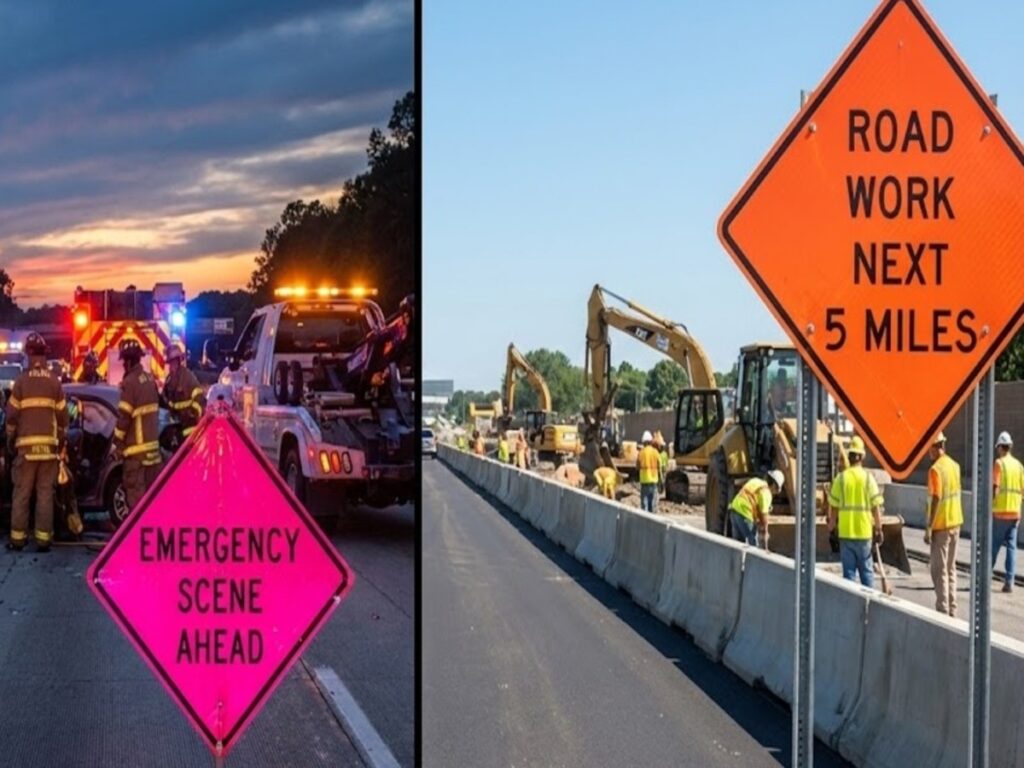
| Yellow | Gets attention, shows parking rules, and temporary directions during roadworks. |
| Green | Gives directions on main routes. |
| Blue | Shows things drivers must do and information for special vehicles. |
| White | Is a clear background and shows instructions for marked bays and non-main routes. |
Tip: Drivers should look for shapes and colors first. This helps them know if they need to stop, give way, or watch for people crossing.
Design Standards for UK Highway Road Signs
Manual for Traffic Signs (MTS)
The Manual for Traffic Signs gives the rules for all signs. The Department for Transport uses this manual to make sure signs are the same everywhere. It explains how to design, put up, and take care of signs. This helps roads stay safe and simple to use. Each chapter talks about a different part of making and using signs.
| Chapter | Focus Area |
|---|---|
| Chapter 6 | Traffic control, like traffic lights and crossings. |
| Chapter 7 | How to design traffic signs, focusing on the sign face. |
| Chapter 8 (part 1) | How to design temporary traffic management for road works. |
| Chapter 8 (part 2) | How to manage temporary traffic arrangements. |
The manual tells how to use shapes, colors, and symbols. It also gives rules for speed and limit signs. These rules help drivers know when to stop or slow down. The manual makes sure every sign is easy to see and read.
Materials and Durability
UK highway road signs are made with strong materials. These materials help signs last for many years. Makers pick materials that can handle rain, sun, and wind. RA1 to R3C materials also help signs stay strong and follow the law. Protective overlay films add a layer that blocks UV rays and dew. These films keep the sign’s message bright and clear.
| Material Type | Description |
|---|---|
| RA1 to R3C Materials | Approved materials for UKCA and EN12899-1 signs, making sure they last and follow the rules. |
| Protective Overlay Films | Make signs stronger against weather like UV and dew, keeping them shiny and easy to read. |
- Protective overlay films help block bad weather.
- Overlaminates help signs last longer and follow the rules.
Signs must be easy to read even after many years. This helps drivers see speed and limit signs in all kinds of weather.
Reflectivity and Visibility
Reflectivity helps drivers see signs at night or in bad weather. Workers use special tools to check the shiny colors on each sign. They make sure the colors look right and are the same everywhere. The results show on a screen with a thumbs up or down for each sign. This makes sure every sign is shiny enough to meet the rules.
| Step | Description |
|---|---|
| 1 | Measure the shiny color values on the sign in a few places while holding the GRX straight and flat. |
| 2 | Check if the shiny colors look right and are even, and measure again if needed. |
| 3 | Results show on a 5-inch color screen, showing if the sign passes with a thumbs up or down. |
Good reflectivity means drivers can see speed and limit signs well, even with headlights on them. Visibility keeps roads safe and helps drivers know when to stop or follow a new limit.
To learn more about how reflective traffic signs contribute to road safety in the UK, check out our blog: Understanding the Role of Reflective Traffic Signs in UK Road Safety.
UK Road Signs vs. International Standards
Differences with US and EU Signs
UK road signs do not look the same as US or EU signs. Every country has its own way to help drivers know what to do. UK signs use clear symbols and easy shapes. US signs use more words and different shapes for the same rule. EU signs follow the Vienna Convention, which uses symbols so people can understand fast.
A table below shows some main differences:
| Unit | US Road Signs | Most Other Countries (including UK) |
|---|---|---|
| Distance | Miles, Feet | Kilometers, Meters |
Other differences are:
- How each sign looks
- Local rules shown on the sign
- Colors used for directions
- Words in the local language, sometimes two languages
- What road markings near the sign mean
The UK uses red octagons for stop, blue circles for must-do actions, and triangles for warnings. US signs use many shapes and often add more words. EU signs use symbols and colors to match the Vienna Convention. All signs tell drivers what to do, but the look changes in each country.
To explore more about the different road sign standards around the world, check out our blog: Understanding Road Safety Sign Standards: MUTCD (USA), AS 1742 (Australia), and Vienna Convention (Europe).
Harmonization and Global Standards
International rules make road signs easier for everyone to understand. The UK uses the Traffic Signs Regulations and General Directions (TSRGD) to keep signs clear and the same everywhere. TSRGD puts similar signs together and gives rules for how to make, place, and care for them. This helps drivers see the same kind of sign in the same way all over the country.
| Aspect | Description |
|---|---|
| Regulation | Traffic Signs Regulations and General Directions (TSRGD) |
| Purpose | Sets standards for traffic sign design, placement, and maintenance in the UK |
| Compliance Importance | Ensures legal requirements are met and keeps sign uniformity nationwide |
| Influence of International Standards | Aligns with the Vienna Convention, focusing on symbols and clarity |
The UK has some problems matching world rules. The country still uses miles and feet, but most others use kilometers and meters. Changing to metric would take a lot of time and money. Australia and Canada changed before. Good design and using shapes, colors, and symbols help drivers know what each sign means. Making signs the same everywhere helps keep travel safe, but each country also needs to follow its own rules.
Trends in UK Road Signage Industry
Digital and Smart Road Signs
The UK road sign industry is changing quickly. New digital and smart signs help drivers and workers stay safe. Intelligent Transportation Systems (ITS) give live updates about traffic and roads. These systems use smart speed signs on highways like the M62, M20, and M23. Operators can change speed limits from far away. They do this to match traffic or weather. This helps make travel safer and smoother.
- Smart speed signs change with traffic flow.
- Reflective materials help drivers see signs at night or in fog.
- ITS gives live updates to help drivers avoid crashes.
The table below shows how digital and smart signs help everyone:
| Feature/Benefit | Description |
|---|---|
| Real-Time Information Sharing | Digital signs give live updates about traffic and weather. |
| Enhanced Visibility | LED lights make signs easy to see in any light. |
| Customizable Messaging | Messages change to match road conditions. |
| Dynamic Speed Limits | Speed limits change with traffic or weather. |
| Improved Safety | Warnings help lower crashes and injuries. |
Sustainability in Signage
Many companies now use eco-friendly materials for signs. Some use bamboo, which does not add CO2 over its life. Others mix bamboo with strong outdoor materials. Companies also use safer options instead of PVC and recycle old signs. Some banners use recycled polyester or materials that break down. Honeycomb boards made from paper and recyclable PET are popular.
- Bamboo and mixed materials help lower carbon footprints.
- Recycled and biodegradable materials make signs better for the planet.
- Companies recycle old signs to help the environment.
Technology Integration
Technology changes how people use and see signs. Smart signs in cities give live updates about traffic, buses, and weather. Dynamic wayfinding uses GPS and RFID to help drivers find the best way. Augmented reality (AR) signs make signs interactive in places like museums.
The table below shows how technology makes signs better:
| Technology | Benefit |
|---|---|
| Smart Signage | Gives live traffic and weather updates |
| Dynamic Wayfinding | Changes routes using GPS and RFID |
| AR Signage | Makes signs fun and interactive |
These trends show the UK road sign industry cares about safety, the planet, and smart technology. Each sign now does more than ever before.
Tips for Learning and Applying UK Highway Road Signs
Memory Aids and Resources
Knowing each sign fast helps drivers stay safe. Many people remember signs by linking them to things they know. For example, a stop sign is a red octagon. This shape is easy to spot. Rhymes and songs help people remember sign facts. Drivers picture traffic scenes to recall what signs mean and how to act.
A table below shows how sign shapes help learning:
| Category | Description |
|---|---|
| Circular Signs | Tell drivers what to do, like speed limits or no entry. Red borders mean you cannot do something. Blue means you must do it. |
| Triangular Signs | Warn about dangers ahead. They have red borders and white backgrounds. |
| Rectangular Signs | Give facts and directions. Colors show the road type. Blue is for motorways. Green is for main routes. |
Tip: Put similar signs in groups and use memory tricks. Practice often so signs become easy to know.
Practical Advice for Drivers
Drivers should look at how each sign is set up. Guide signs list big places first. This helps plan your route. Arrows on signs show directions clearly. This helps drivers choose fast. Knowing how guide and warning signs work together helps with safety.
Some easy steps help drivers use signs:
- Learn shapes and colors first.
- Match signs to places you know.
- Test yourself while driving for practice.
- Watch for common signs like stop, give way, and speed limits.
Drivers who do these steps find signs easier to follow. This helps keep roads safe for everyone. Using these tips, drivers can get better and help make UK highways safer.
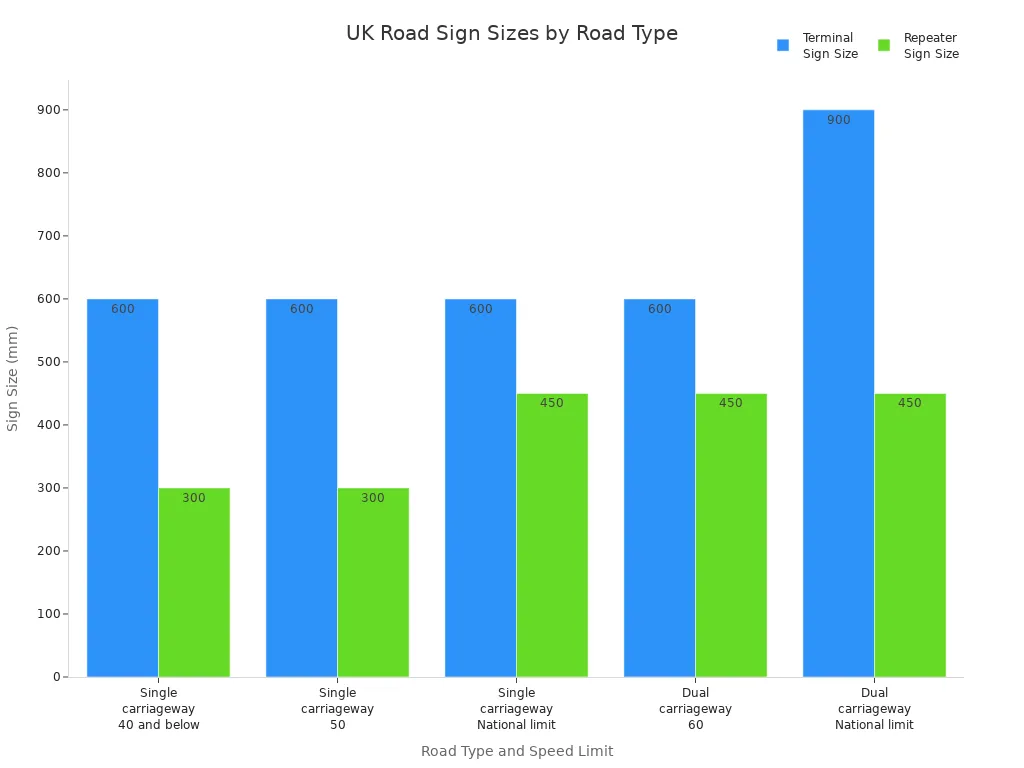
UK highway road signs use simple shapes and colors. These help drivers know what to do. The table below shows sign sizes and speed limits for each road type. This makes signs easy to see and understand.
| Road Type | Speed Limit (mph) | Terminal Sign Size (mm) | Repeater Sign Size (mm) |
|---|---|---|---|
| Single carriageway | 40 and below | 600 | 300 |
| Single carriageway | 50 | 600 | 300 |
| Single carriageway | National limit | 600 | 450 |
| Dual carriageway | 60 | 600 | 450 |
| Dual carriageway | National limit | 900 | 450 |
| Motorway | 60 and above | Up to 1200 | N/A |
Reflective sheeting helps drivers see signs better. Regulated sign size also makes signs safer. By 2025, new digital signs will give live updates. These signs will help drivers more. Knowing UK highway road signs helps drivers travel safely. It also helps workers make signs that follow the rules. Good sign design stops confusion and accidents. This makes roads safer for everyone.
FAQ
What do different shapes of UK road signs mean?
Shapes tell drivers what to do. Circles mean you must follow the rule. Triangles warn about danger ahead. Rectangles give facts or directions. Octagons always mean “stop.” Looking at the shape helps drivers know what action to take.
How can someone remember UK speed limit signs?
Speed limit signs have a red circle and a number inside. The number shows the fastest speed allowed in miles per hour. Drivers can use flashcards or take practice quizzes to remember these signs.
Why do some UK road signs use symbols instead of words?
Symbols help everyone know what the sign means. You do not need to speak English to understand. Universal icons make roads safer for visitors and locals. For example, a bicycle symbol shows a cycle lane.
Are UK road signs reflective at night?
Yes, most UK road signs use shiny materials. These help drivers see signs at night or when the weather is bad. Good reflectivity makes roads safer for all drivers.