Знаки парковки: Руководство для покупателя по соблюдению требований
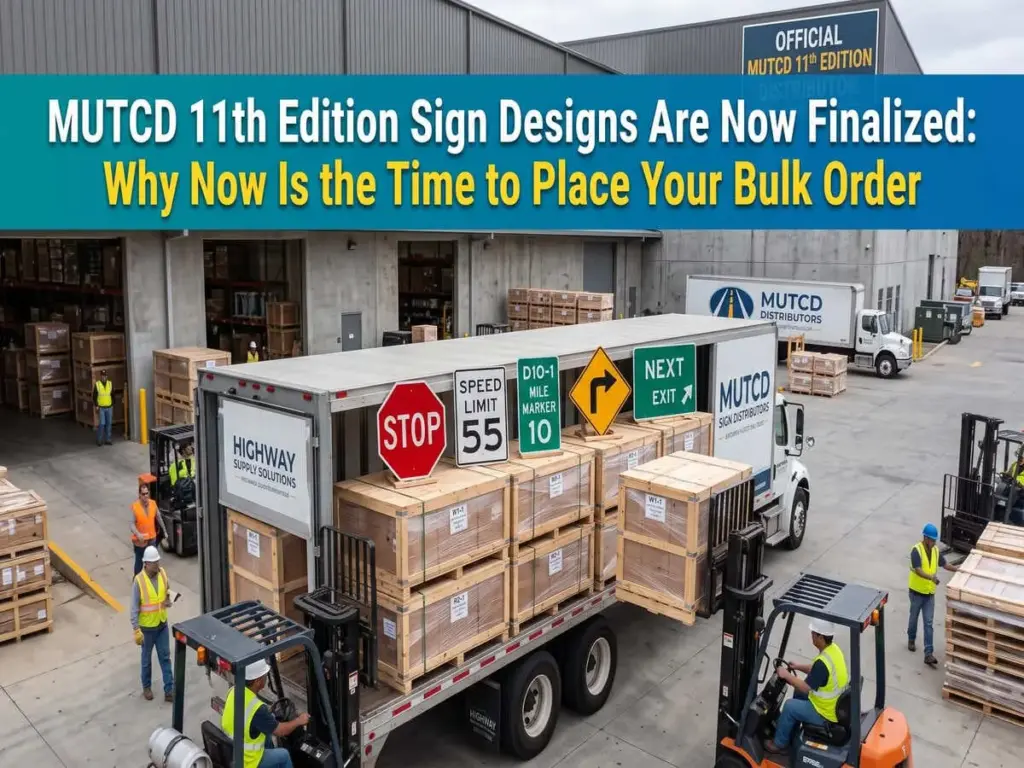
Несоответствующий дорожный знак запрещена парковка не просто создает эстетическую проблему — это создает юридическую ответственность. Федеральная администрация шоссе (FHWA) требует, чтобы все устройства управления дорожным движением на дорогах, открытых для общественного движения, соответствовали Руководству по унифицированным устройствам управления дорожным движением. (Mutcd), теперь в 11-м издании (2023). Владельцы недвижимости, директора объектов, и строительные подрядчики, устанавливающие вывески, выходящие за рамки этих стандартов, рискуют быть аннулированными., Ответственность за спор о буксировке, и нарушения правоприменения.
В этом руководстве описаны все аспекты соответствия коммерческим и нормативным требованиям приложений, запрещающих парковку.: размеры знака, световозвращающие листы, требования к цвету и легенде, характеристики монтажа, и контрольно-пропускные пункты закупок. Он написан специально для лиц, принимающих решения в сфере B2B, ответственных за утверждение соответствия инфраструктуре в коммерческих целях., промышленное, и многофункциональные объекты.
Чем на самом деле регулирует MUTCD и почему это применимо к вашей собственности
Федеральный против. Государственная юрисдикция: Где начинается власть MUTCD
MUTCD имеет федеральную власть под 23 Часть CFR 655 и служит национальной базой, принятой всеми 50 государства. Отдельные штаты могут принимать дополнительные стандарты — Калифорния, Техас, и Флорида публикуют свои собственные поправки к MUTCD, но ни один стандарт штата не может опускаться ниже федерального минимума.. Сотрудники по закупкам, управляющие портфелями объектов недвижимости в нескольких штатах, должны сверяться с применимыми руководствами штатов перед выдачей заказа на покупку..
Как операторы частной собственности попадают под влияние MUTCD
MUTCD напрямую управляет всеми дорогами, открытыми для общественного транспорта.. Для частных парковок, доступных для общественности, федеральный стандарт настоятельно рекомендуется и часто требуется местными постановлениями. Большинство муниципалитетов обуславливают правоприменительные органы по буксировке знаками, соответствующими требованиям MUTCD, что означает несоответствие стандартам. дорожный знак запрещена парковка может сделать буксировку юридически неисполнимой. Для детального анализа обеспечение соблюдения конфиденциально опубликованных ограничений на парковку, включая то, как местные постановления определяют, имеют ли частные вывески юридическую силу, операторам следует обратиться к этому специальному ресурсу.
The 2023 MUTCD, 11-е издание: Ключевые новости, которые должны знать команды по закупкам
В 11-м издании представлены обновленные требования к управлению световозвращающей способностью в соответствии с разделом 2A..08, теперь навязывают документированные графики проверок и замены владельцам знаков, а не только государственным учреждениям. Спецификации закупок написаны заранее 2023 может ссылаться на замененные марки листового материала или устаревшие рекомендации по размерам.. Любая активная программа покупки вывесок должна быть проверена на соответствие текущим стандартам 11-го издания перед следующим циклом заказа..
Декодирование MUTCD, часть 2B: Нормативные стандарты знаков для приложений, запрещающих парковку
MUTCD Раздел 2B.46: Руководящий кодекс для знаков «Парковка запрещена»
Раздел 2B.46 MUTCD является основным нормативным документом для всех дорожный знак запрещена парковка приложения. Он требует наличия красной легенды и рамки на белом световозвращающем фоне., текст в верхнем регистре в стандартных алфавитах FHWA, и специальные конфигурации стрелок для определения границ зон.. В коммерческом контексте применяются три основных обозначения.:
- R7-1 (Парковка запрещена): Используется, когда ограничения применяются в определенные часы или дни — всегда в сочетании с дополнительной панелью ограничения времени..
- Р7-2 (Нет парковки в любое время): Используется для безусловного 24/7 ограничения — правильное обозначение пожарных полос, пути аварийного доступа, и отсеки непрерывного использования.
- Серия R7-200: Дополнительные таблички с настраиваемыми ограничениями по часам и дням, что необходимо для ограниченных по времени зон погрузки в коммерческих центрах доставки..
Цвет, Легенда, и световозвращающие характеристики фона
Таблица 2A-4 MUTCD определяет стандарты цвета для всех нормативных знаков.. Комбинации федерального красного и белого фона должны соответствовать минимальным коэффициентам цветового контраста как при дневном свете, так и в условиях световозвращения в ночное время.. Плоская покраска, несветоотражающие знаки не соответствуют требованиям на любой дороге, открытой для общественного транспорта.. Это не рекомендация — это кодифицированный мандат, имеющий прямые последствия для обеспечения исполнения..
Требования к границам стрелок и зон для коммерческих приложений кампуса
Крупные коммерческие кампусы, промышленные объекты, и логистические парки, состоящие из нескольких зданий, должны использовать стрелки направления, соответствующие требованиям MUTCD, для обозначения начала, продолжение, и конец зон, запрещенных для парковки. Комбинированные знаки, состоящие из легенды и ограничения по времени, разрешены в соответствии с рекомендациями MUTCD.. Операторы в Калифорнии, Техас, и Флориде также следует пересмотреть местные постановления, которые могут налагать дополнительные требования к двуязычным легендам., которые влияют на размер панели.
Матрица размеров коммерческого знака «Парковка запрещена»: Требования к размерам MUTCD в зависимости от применения
Требования к стандартным размерам знаков для обычных дорог и парковок
Стандартный размер знака «Парковка запрещена» для движения на низкой скорости., средах с низкой интенсивностью движения, включая частные наземные парковки и подъездные пути под 25 миль в час — это 12 в х 18 в соответствии с указаниями MUTCD Таблицы 2B-1. Для обычных коммерческих дорог. 25 к 45 ограничения скорости в милях в час, включая периметры торговых центров и подъездные пути к офисному парку, стандарт повышается до 18 в х 24 в. The 18 в х 24 Формат де-факто является стандартом закупок по умолчанию для директоров объектов, управляющих коммерческими объектами смешанного назначения..
Большие требования к знакам отсутствия парковки для коммерческих зон с интенсивным движением транспорта
Большие знаки, запрещающие парковку, определяемые как 24 в х 30 в или больше - станет обязательным для многополосных магистралей, коммерческие коридоры доставки, и входы на промышленные объекты с высокой интенсивностью движения. MUTCD Раздел 2A.11 о размере и читаемости знаков, в сочетании со стандартным инженерным решением, требуются эти размеры для условий с интенсивным движением грузовых автомобилей., ограниченное расстояние обзора, или указанные скорости выше 45 миль в час. Контексты приложений включают логистические центры., подъездные пути к распределительному центру, периметры портовых сооружений, и коммерческие парковочные конструкции высокой плотности.
Стандарты монтажной высоты и бокового зазора
В разделе 2A.18 MUTCD установлена минимальная высота установки 7 футов от земли до нижней части вывески в деловых и жилых районах. На парковках, где нет конфликтов с пешеходами, минимум падает до 5 футов. Боковой зазор требует минимального 2 расстояние в футах от края бордюра до ближнего края знака — спецификация, которая напрямую влияет на закупку стоек и оборудования..
MUTCD Матрица размеров знаков парковки запрещена в зависимости от контекста приложения
| Контекст приложения | Стандартный размер | Листовой материал | Справочник MUTCD |
| Частные наземные парковки (низкая скорость) | 12 через × 18 в | Инженерный класс (НАПРИМЕР) | MUTCD Таблица 2B-1 |
| Коммерческие дороги, 25–45 миль в час (офисные парки, торговые центры) | 18 через × 24 в | Высокоинтенсивные призматические (БЕДРО) | MUTCD Раздел 2A.11 |
| Многополосные магистрали, коммерческие центры доставки | 24 через × 30 в | Высокоинтенсивные призматические (БЕДРО) | MUTCD Раздел 2A.11 |
| Высокоскоростные магистрали ≥ 45 миль в час, промышленные коридоры | 24 через × 30 в или больше | Алмазный класс (Текущий) | MUTCD Раздел 2а.08 |
Источник: MUTCD, 11-е издание (2023), FHWA
Стандарты световозвращения: Выбор подходящей марки листового материала для 24/7 Согласие
Почему для каждого дорожного знака «Парковка запрещена» требуется световозвращающая пленка
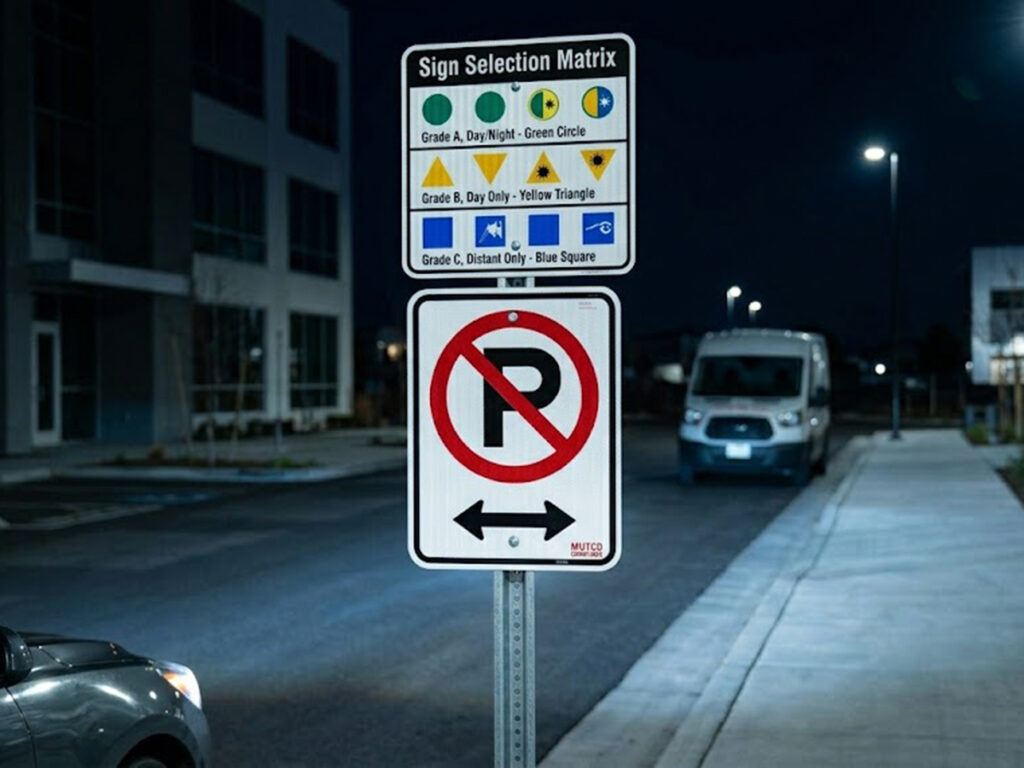
MUTCD Раздел 2а.08 и Окончательное правило FHWA о минимальных стандартах световозвращающей способности устанавливает постоянные требования к световозвращающей способности для всех нормативных знаков.. FHWA 2012 Окончательное правило, которое все еще действует в 11-м издании, устанавливает минимальные значения коэффициентов для знаков серии R7.: белый фон должен сохранять как минимум 7 кд/лк/м² и как минимум красная легенда или рамка 2 CD/LX/M², как указано в ASTM E1709 и MUTCD, таблица 2A-3.. Критическое слово сохраняется — дорожный знак запрещена парковка должен сохранять эти значения на протяжении всего установленного срока службы., не только при первоначальной установке.
Инженерный класс против. Призматический высокоинтенсивный против. Алмазный класс: Руководство по спецификациям
Три класса световозвращающих пленок, признанных MUTCD, применяются в коммерческих целях, запрещающих парковку.:
- Инженерный класс (НАПРИМЕР / Тип i): Соответствует минимальным порогам световозвращения. Подходит для тихоходных, частные участки с контролируемым доступом. Самая низкая стоимость; срок службы 7 к 10 годы. Подходит для внутренних складов или наземных участков, где контроль полиции в ночное время не имеет решающего значения..
- Высокоинтенсивные призматические (БЕДРО / Тип III – IV): Коммерческий стандарт для наружного применения. Доставляет 3 к 4 раз световозвращающая способность EG. Рекомендуется для всех применений, прилегающих к дорогам общего пользования и магистралям.. Срок службы 10 к 12 лет — предпочтительная должность для директоров объектов, управляющих периметром и подъездными дорогами..
- Алмазный класс (Текущий / Тип IX – XI): Самый высокопроизводительный вариант. Обязательная инженерная практика для высокоскоростных магистралей на уровне или выше 45 миль в час и большие знаки «Парковка запрещена» на многополосных коммерческих коридорах. Достижения 7 к 10 раз световозвращающая способность EG; срок службы 12 или более лет.
Сравнение марок световозвращающих пленок
| Листовой материал | Ретрорефлексивность (CD/LX/M²) | Служба срока службы | Лучшее приложение |
| Инженерный класс (НАПРИМЕР / Тип i) | ≥ 7 (белый) | 7–10 лет | Низкая скорость, частные участки с контролируемым доступом |
| Высокоинтенсивные призматические (БЕДРО / Тип III – IV) | 3–4× ЭГ | 10–12 лет | Магистральные дороги, коммерческие периметры |
| Алмазный класс (Текущий / Тип IX – XI) | 7–10× ЭГ | 12+ годы | Высокоскоростные коридоры, промышленные центры |
Источник: ASTM D4956 / Таблица MUTCD 2A-3
Для более глубокого технического изучения коэффициентов производительности призматической пленки., Классификация листов ASTM D4956, и критерии выбора класса отражательной способности для конкретного объекта.
Создание программы управления световозвращающей способностью
MUTCD Раздел 2а.08 требует от крупных операторов недвижимости и государственных учреждений внедрения документированного метода управления световозвращающей способностью. Соответствующие опции включают визуальный осмотр в ночное время., калиброванные измерения ретрорефлектометра в соответствии с минимумами ASTM E1709, график замены ожидаемого срока службы, или программы замены одеял. Команды по закупкам должны рассматривать выбор марки листового покрытия как решение о стоимости жизненного цикла — материалы класса HIP и Diamond сокращают частоту замены и риски ответственности., обеспечивающая более низкую совокупную стоимость владения, чем инженерный класс, в перспективе 15 лет.
Полюс, Почта, и монтажное оборудование: Характеристики соответствия за пределами знака
Требования к опорным стойкам, соответствующим требованиям MUTCD, для дорожных знаков
Раздел 2A.20 MUTCD требует, чтобы знаки, установленные в свободной зоне проезжей части, использовали отрывные или податливые опоры, предназначенные для разрушения при ударе транспортного средства.. Это требование распространяется непосредственно на дорожный знак запрещена парковка установки по периметру парковочных мест, прилегающих к подъездным проходам. Соответствующие типы стоек включают стальной U-образный швеллер плотностью 2 фунта/фута., квадратная стальная труба с сертифицированным отрывным оборудованием, деревянные столбы с указанными размерами. Неотрывные декоративные стойки, распространенные в торговых и многофункциональных комплексах, требуют физического барьера или достаточного сопротивления для достижения соответствия требованиям MUTCD и являются одними из наиболее часто упоминаемых нарушений при проверке коммерческих вывесок..
Однопостовые против. Верхний монтаж для коммерческих площадок с высокой плотностью размещения
Стандартный одностоечный монтаж подходит для большинства наземных парковок.. Для коммерческих парковочных сооружений и крытых зон доставки может потребоваться установка подвесного троса или консольного кронштейна.. Раздел 2A.16 MUTCD регулирует угол установки на криволинейных дорогах., требование, чтобы лица знаков были ориентированы перпендикулярно направлению приближающегося транспорта.. В большинстве юрисдикций для сборок подвесного монтажа требуется согласование строительного проектирования — включите это в проект заранее, чтобы избежать задержек в графике..
Устойчивость к вандализму и характеристики подложки для сред повышенного риска
MUTCD Раздел 2а.06 требует, чтобы лица вывесок оставались чистыми и разборчивыми. Поврежденные или затемненные знаки создают активную обязанность по соблюдению требований по техническому обслуживанию.. Стандартная подложка для перманента дорожный знак запрещена парковка установки это .080-Алюминий. В условиях высокого вандализма может потребоваться использование толстолистовой стали.; прибрежные или агрессивные среды выигрывают от использования подложек из полиэтилена высокой плотности. Ламинирование с защитой от граффити, нанесенное в соответствии со спецификациями производителя, не влияет на световозвращающие характеристики и представляет собой соответствующий требованиям вариант защиты..
Контрольный список соответствия закупок: Как указать MUTCD-совместимые знаки в масштабе
Семь обязательных технических требований для каждого заказа на поставку знака «Парковка запрещена»
- Код обозначения знака (R7-1, Р7-2, или серия R7-200 в зависимости от контекста приложения)
- Размерная спецификация (12 в х 18 в, 18 в х 24 в, или 24 в х 30 в пределах или больше по классификации дорог)
- Класс листового покрытия (НАПРИМЕР, БЕДРО, или DG в зависимости от установленного ограничения скорости и условий окружающего освещения.)
- Материал и толщина подложки (.080 минимум алюминия для постоянной наружной установки)
- Подтверждение использования шрифта FHWA Standard Alphabets — замена шрифтов без засечек не допускается.
- Конфигурация стрелки (никто, однонаправленный, или двустороннее расположение для каждой зоны)
- Спецификация монтажного оборудования (тип отдельного поста, высота монтажа, и боковой зазор)
Критерии квалификации поставщиков: Что проверить перед выдачей заказа на поставку
Прежде чем размещать заказ на дорожный знак, запрещающий парковку, сотрудники по закупкам должны проверить следующее::
- Подтвердите соответствие ASTM D4956. (стандарт световозвращающего покрытия) и АСТМ Д523 (зеркальный блеск для подложки для вывески).
- Убедитесь, что световозвращающая пленка произведена признанными FHWA производителями, такими как 3M или Avery Dennison..
- Запросите документированную сертификацию класса листового проката — одного описания продукта недостаточно..
- Для крупных коммерческих заказов, подтвердить ISO 9001 или эквивалентная сертификация системы менеджмента качества.
Управление многосайтовым портфелем: Стандартизация характеристик коммерческой недвижимости
Команды по закупкам, управляющие портфелями на нескольких объектах, сталкиваются с проблемой различных государственных дополнений MUTCD.. Рекомендуемый подход — создать документ основной спецификации, который соответствует наиболее строгим применимым государственным стандартам в качестве базового уровня предприятия.. Добавьте к этому поэтапный график замены, связанный с отслеживанием срока службы световозвращающей способности для каждого объекта..
Управление вывесками на нескольких объектах? Запросить консультацию по вопросам соответствия создать стандартизированную спецификацию MUTCD для всего вашего портфеля недвижимости.
Приведение вашей программы коммерческих указателей в соответствие со всем спектром стандартов запрета парковки
Соответствие MUTCD для дорожный знак запрещена парковка Программа — это не единовременное решение о покупке, а постоянное оперативное обязательство.. В этом руководстве рассматривается сфера юридической юрисдикции согласно MUTCD, часть 2B., Требования к размерам в зависимости от классификации дорог, выбор марки световозвращающего покрытия, стандарты сборки монтажа, контрольные точки спецификации закупки, и аудит протоколов исправления. Каждый элемент этой структуры имеет прямые последствия для обеспечения соблюдения требований и ответственности для операторов коммерческой недвижимости..
Стоимость полностью совместимого с MUTCD дорожный знак запрещена парковка Программа незначительна по сравнению с воздействием, вызванным одним спором о буксировке, муниципальная цитата, или иск об ответственности за несчастный случай, основанный на несоответствующих обозначениях. Для управляющих недвижимостью, директора объектов, и сотрудники по закупкам, отвечающие за вывески по всем коммерческим портфелям, Оперативное обоснование активного соблюдения требований однозначно.
Лица, принимающие решения, которым нужна более широкая стратегическая основа, охватывающая весь спектр контроля доступа к коммерческой парковке, разграничение зон, и нормативные требования к публикации — должны ссылаться на сквозную Полная система соответствия требованиям к знакам, запрещающим парковку в коммерческих целях для всестороннего обзора того, как отдельные нормативные знаки вписываются в полностью интегрированную программу указателей на объекте..
Часто задаваемые вопросы: Соответствие MUTCD знаку «Парковка запрещена» для коммерческих покупателей
Каков федеральный стандарт размера знака запрещения парковки для коммерческой парковки по сравнению с дорогой общего пользования??
В таблице MUTCD 2B-1 и разделе 2A.11 указаны минимальные размеры в зависимости от применения.. Для частных парковок во дворе, Минимальный стандартный размер знака «Парковка запрещена» составляет 12 в х 18 в. Для обычных дорог общего пользования с заявленной скоростью 25 к 45 миль в час, стандарт 18 в х 24 в. Для многополосных магистралей или дорог со скоростями выше 45 миль в час, инженерное мнение и рекомендации MUTCD направляют как минимум 24 в х 30 в. Директора объектов, управляющие объектами, расположенными между частными участками и дорогами общего пользования, должны указывать более высокий стандарт, применимый к дорогам, по всему периметру, чтобы обеспечить единообразную принудительное исполнение..
Требует ли MUTCD светоотражающих знаков запрета парковки на частной парковке??
Мандат MUTCD на световозвращающую способность в соответствии с разделом 2A.08 непосредственно относится к дорогам, открытым для общественного транспорта. Для частных участков с исключительно контролируемым доступом, федеральный мандат носит технически консультативный характер. Однако, практический ответ на вопрос о соблюдении требований для коммерческих операторов — да — большинство муниципальных постановлений о буксировке обуславливают правоприменение соблюдением требований MUTCD. (световозвращающий) вывески независимо от принадлежности лота. Высокоинтенсивные призматические (БЕДРО) Защитное покрытие является минимально рекомендуемым сортом для всех наружных коммерческих применений, где требуется соблюдение требований в ночное время..
В чем разница между обозначениями R7-1 и R7-2, и что относится к 24/7 ограничение коммерческой загрузки?
Обозначение R7-1 применяется, когда ограничения на парковку не ограничены по времени.. Всегда требуется дополнительная панель ограничения времени/дня из серии R7-200.. Р7-2 (Нет парковки в любое время) обозначение относится к безусловному 24/7 ограничения. Для пожарных полос, пути аварийного доступа, и отсеки для доставки постоянного использования, которые должны всегда оставаться свободными., R7-2 - правильное обозначение. Использование R7-1 без временной панели в 24/7 контекст ограничения представляет собой кодифицированное несоответствие в соответствии с разделом 2B.46 MUTCD..
Как часто коммерческие операторы должны заменять знаки, запрещающие парковку, чтобы обеспечить соответствие требованиям световозвращающей способности MUTCD??
MUTCD Раздел 2а.08 не требует универсального интервала замены, но требует от владельцев знаков внедрить документированный метод управления световозвращающей способностью.. Ожидаемый срок службы, соответствующий отраслевым стандартам, в зависимости от марки листового материала: Инженерный класс — 7 к 10 годы; Призматический высокоинтенсивный — 10 к 12 годы; Бриллиантовый сорт — 12 или более лет. Группы по закупкам должны включать планирование замены в модели затрат жизненного цикла на момент первоначальной спецификации..
Может ли управляющий недвижимостью установить большие знаки, запрещающие парковку, с использованием нестандартных цветов или фирменных шрифтов??
Нет. MUTCD Раздел 2а.06 четко регулирует дизайн всех нормативных знаков. Цвет легенды, цвет фона, шрифт (Стандартные алфавиты FHWA), и границы являются обязательными. Пользовательские цвета или нестандартные шрифты на дорожный знак запрещена парковка не просто создают эстетическое отклонение — они делают знак юридически нерегулируемым., лишение его юридической силы в соответствии с большинством государственных транспортных кодексов. Управляющие недвижимостью должны ограничивать брендинг исключительно ненормативными указателями и указателями направления..
Ссылки
ФХВА — Руководство по однородным устройствам управления движением (Mutcd) 11е издание (2023)
FHWA — Окончательное правило: Минимальные уровни световозвращения дорожных знаков
АСТМ Интернешнл — Д4956: Стандартные спецификации на световозвращающую пленку для контроля дорожного движения
Свод федеральных правил — 23 Часть CFR 655 (Устройства управления дорожным движением)
Калифорнийские суды — Центр самопомощи (Гражданские иски & Споры по поводу буксировки)