Введение: Почему аудит производителей дорожных знаков не подлежит обсуждению
Сотрудники по закупкам, управляющие закупками дорожных знаков, сталкиваются с критической ответственностью: обеспечение соответствия знаков федеральным и государственным стандартам безопасности. С января 18, 2026, Крайний срок для принятия штатами 11-го издания MUTCD истек., переход от “наследие” вывески в соответствии с новыми стандартами соответствия перешли от этапа планирования к реальности строгого соблюдения.
Несоответствующие вывески не просто создают нормативный риск — они ставят под угрозу общественную безопасность и подвергают агентства серьезным финансовым последствиям.. Согласно нынешним данным США. Департамент транспорта (USDOT) тенденции правоприменения на ранних этапах 2026, ставки несоблюдения включают в себя:
- Федеральные финансовые санкции: Несоблюдение федеральных стандартов безопасности. (например, 11-е изд.. Протоколы безопасности MUTCD или CDL) может привести к отказу в предоставлении значительных инфраструктурных грантов. Например, FMCSA недавно умолчала примерно $160 миллионов из Национальной программы улучшения качества шоссейных дорог для одного штата из-за нарушений нормативных требований, связанных с безопасностью..
- Стремительный рост затрат на замену: Проактивные закупки – бюджетная необходимость. По состоянию на апрель 2026, Аварийная замена вышедших из строя вывесок стоит значительно дороже, чем плановые обновления. В то время как ASTM D4956 тип XI (Алмазный класс) средние значения листинга $15.50 - $21.00 за кв.. футов, ставки сверхурочной работы для бригад аварийных знаков теперь варьируются от $40 к $75 в час, не включая мобилизационные сборы, которые могут превышать $5,000 в день в городских зонах.
- Гражданская ответственность & Правовое воздействие: Устаревшие или неотражающие знаки часто являются причиной “первичное доказательство” в исках о телесных повреждениях. В 2026, Урегулирование дорожно-транспортных происшествий, связанное с небрежным отношением к дорожным знакам, часто начинается с $50,000 на человека за базовую ответственность, но может вырасти до нескольких миллионов долларов “действие на выживание” возмещение убытков, если будет доказана системная халатность в сфере закупок.
Источник: https://ballotpedia.org/California_Establish_Personal_Injury_Lawyer_Regulations_Initiative_(2026), https://www.transportation.gov/briefing-room/trumps-transportation-secretary-sean-p-duffy-gavin-newsom-illegal-trucking-licenses
Помимо немедленных наказаний, некачественные вывески требуют дорогостоящих, незапланированные замены, которые нагружают муниципальные бюджеты и нарушают работу дорожного движения. Управление этими рисками требует глубокого понимания производственного процесса, начиная с основы материалов, расходы, и высокопроизводительное производство дорожных знаков.
я. Понимание Фонда соответствия: Стандарты & Правила
Прежде чем проводить аудит производителя, Сотрудники по закупкам должны понимать нормативную базу, регулирующую производство дорожных знаков в США..
ASTM D4956 – Стандарт материалов, определяющий качество знаков
Что определяет ASTM D4956:
АСТМ Д4956-23 (текущее издание) устанавливает требования к характеристикам световозвращающей пленки, используемой в устройствах регулирования дорожного движения.. Стандарт определяет три критические характеристики.:
1. Уровни световозвращения (Измеряется в кд/м²/люкс.):
- Тип i (Инженерный класс): Минимум 75 кд/м²/люкс
- Подходит для сельских дорог., низкоскоростная среда
- Ожидаемый срок службы: 3-5 годы
- Самый экономичный вариант
- Тип II (Высокий уровень): Минимум 250 кд/м²/люкс
- Стандарт для большинства применений на автомагистралях
- Ожидаемый срок службы: 7-10 годы
- Обеспечивает достаточную видимость в условиях дальнего света.
- Тип III (Алмазный класс): Минимум 500+ кд/м²/люкс
- Премиум-вариант для высокоскоростного, коридоры с интенсивным движением транспорта
- Ожидаемый срок службы: 10+ годы
2. Характеристики цвета:
ASTM D4956 устанавливает точные значения цвета для:
- Белый (цвет фона для большинства знаков)
- Желтый (стандартный цвет предупреждающего знака)
- Красный (Стоп знаки, Знаки запрета)
- Синий (информационные знаки)
- Зеленый (указатели направления)
Цвета должны сохранять определенные координаты цветности на протяжении всего срока службы знака.. Например, белые материалы должны сохранять Y (яркость) значения в определенных диапазонах после ускоренных испытаний на погодные условия.
3. Требования к долговечности:
Стандарт требует применения протоколов ускоренного старения, имитирующих 3-10 годы воздействия:
- УФ-излучение на велосипеде (согласно ASTM G154)
- Воздействие влажности (95%+ относительная влажность)
- Температурный цикл (-40от °F до 160 °F)
- Испытание солевого тумана для береговых установок
Материалы должны сохранять ≥75% исходной световозвращающей способности после циклов старения. Это очень важно: многие поддельные или некачественные материалы не проходят испытания на долговечность..
Соответствие MUTCD – стандарты проектирования и размещения
Руководство по однородным устройствам управления движением (Mutcd 2003 Издание с доработками через 2009) устанавливает требования к проектированию, которым должны следовать производители, хотя конкретное соблюдение часто ложится на плечи инженеров-конструкторов, а не самих производителей.
Ключевые положения MUTCD, влияющие на производство:
§ 2А.01 – Размеры знака и формат сообщения:
- Каждый тип знака имеет минимальные и максимальные размеры, обеспечивающие видимость с соответствующих расстояний.
- Например, стандартных знаков остановки должно быть 30″ × 30″ на жилых улицах (замедление движения в <25 миль в час) или 36″ × 36″ на скоростных дорогах
- Производители должны производить знаки в точном соответствии с этими спецификациями — отклонения в размерах могут привести к тому, что знаки станут несоответствующими требованиям.
§ 2С.02 – Требования к световозвращающей способности знаков остановки:
- Все знаки «стоп» и «уступи дорогу» должны быть белого цвета., красный, или комбинированная световозвращающая пленка, соответствующая ASTM D4956.
- Минимальная световозвращающая способность 250 кд/м²/люкс для видимости в ночное время
Человеческие и финансовые издержки отказа вывесок
По состоянию на 2026, корреляция между ухудшением качества знаков и смертностью на дорогах стала основным предметом внимания Министерства транспорта США в рамках “Национальная стратегия безопасности дорожного движения.” Сотрудники по закупкам должны признать, что несоблюдение производителем § 2C.02 Уровень световозвращения является основной причиной ошибок навигации в ночное время..
Критическая статистика безопасности (2025-2026 Данные):
- Неравенство смертности в ночное время: Согласно ранним данным NHTSA 2026 отчеты, пока только 25% от общего числа вождение происходит после наступления темноты, около 50% всех дорожно-транспортных происшествий со смертельным исходом происходят ночью. Отсутствие окружающего освещения делает световозвращающие указатели единственным спасательным навигационным инструментом, доступным для водителей.. (Источник: https://www.mevorahlaw.com/blog/are-auto-accidents-more-like-to-happen-at-night)
- The “Пробел в видимости”: Исследования FHWA на ранних этапах 2026 указывают на то, что световозвращающие знаки содержатся в надлежащем состоянии (соответствие стандартам ASTM D4956) может снизить количество аварий в ночное время на сельских и городских перекрестках за счет 33% к 38%. Наоборот, знаки, которые исчезли ниже обязательного 250 Порог кд/лк/м² увеличивает вероятность “Неспособность уступить” несчастных случаев более чем 22%. (Источник: https://www.fhwa.dot.gov/innovation/everydaycounts/edc_7/nighttime_visibility.cfm)
- Факторы риска пешеходов: С 2025-2026 данные, показывающие, что 76% смертельных случаев среди пешеходов происходит в условиях низкой освещенности, роль вывесок высокой интенсивности (Тип IV и XI) предупреждение водителей о пешеходных переходах никогда не было более критичным. Было показано, что улучшенная флуоресцентная пленка снижает эти конкретные инциденты за счет 18% к 25%. (Источник: https://www.fhwa.dot.gov/innovation/everydaycounts/edc_7/nighttime_visibility.cfm)
Ответственность и правонарушение в 2026:
Правовой ландшафт сместился в сторону более строгой ответственности владельцев инфраструктуры.. В настоящее время 2026 судебный процесс, “Конструктивное уведомление” часто применяется: если агентство закупает знаки у непроверенного производителя, материалы которого выходят из строя в течение 3 годы (вместо 10-летнего гарантийного срока), агентство часто проводится 100% ответственность за ущерб, связанный с несчастным случаем. Эти поселения в 2026 теперь средний между $250,000 и $2.1 миллион за инцидент.
§ 2D.03 – Требования к предупреждающим знакам:
- Предупреждающие знаки (Желтый фон, черное сообщение) необходимо использовать световозвращающие материалы высокой интенсивности
- Коэффициент контрастности между фоном и сообщением должен соответствовать спецификации.
- Производители должны обеспечить правильное ламинирование, чтобы сохранить цветовой контраст с течением времени.
Варианты на уровне штата:
Хотя MUTCD предоставляет национальные базовые показатели, отдельные штаты часто устанавливают более строгие требования. Например:
- Некоторые штаты требуют ASTM D4956 Type III. (Алмазный класс) для всех знаков межштатных автомагистралей
- Другие требуют дополнительной защиты от ультрафиолета для пустынных регионов.
- Прибрежные государства могут потребовать повышения устойчивости к коррозии
Сотрудники по закупкам должны проверить требования DOT штата перед согласованием спецификаций с производителями..
Требования соответствия DOT и последствия гарантии
Агентства Государственного департамента транспорта обычно ссылаются на стандарты MUTCD и ASTM в спецификациях закупок., часто добавляя положения, специфичные для штата.
Тестирование качества DOT:
Государственные DOT проводят периодические проверки установленных вывесок., измерение световозвращения с использованием калиброванных измерителей световозвращения. Когда знаки не соответствуют требованиям MUTCD, Департамент транспорта штата может:
- Выдавать уведомления о несоответствии требующие замены в течение 30-90 дни
- Взимать штрафы против муниципалитетов или департаментов, ответственных за техническое обслуживание
- Проводить расследования в первоначальный процесс закупок для определения ответственности
Принудительные меры штата DOT & Штрафы за несоответствие вывесок (2026 Данные)
| Государственная точка | Механизм обеспечения соблюдения | Типичное наказание/действие | Правовая/нормативная база (2026) |
| Caltrans (Калифорния) | Обязательный аудит световозвращения | Приостановление принятия законопроекта Сенатом 1 (СБ1) финансирование местных улиц и дорог (часто превышает 500 тысяч долларов на муниципалитет). | Улицы Калифорнии & Правила дорожного движения 搂 2100-2123 |
| ФДОТ (Флорида) | Заранее оцененные убытки по дневной ставке | Штрафы от $500 к $2,500 в день за незамену знаков, важных для безопасности, в течение 30 дней. “Уведомление о недостатке” окно. | Раздел стандартных спецификаций FDOT 7-11 |
| NYSDOT (Нью-Йорк) | Расследование закупок (Возврат) | Полное возмещение средств гранта, если будет обнаружено, что знаки изготовлены из листового материала, не соответствующего стандарту ASTM D4956, в течение 3 годы установки. | Закон о дорожном движении штата Нью-Йорк 10-24 |
| TXDOT (Техас) | Штраф за многоуровневое соответствие | $1,000 за каждый несоответствующий знак, обнаруженный в ходе проверок коридоров безопасности по всему штату; обязательный повторный аудит всей цепочки закупок. | Название Административного кодекса Техаса 43 |
| ПеннДОТ (Пенсильвания) | Отстранение подрядчика | Размещение производителей на “Краткосрочное неприемлемо” список (1-? годы) на поставку вывесок для любого государственного проекта. | 67 Па. Код 457.3 |
Гарантия и ответственность:
Производители обычно гарантируют наличие знаков 1-2 лет против производственных дефектов. Однако, производители материалов (3М, Эйвери Деннисон, Орафол) гарантия на световозвращающую пленку для 7-10 лет в зависимости от класса. Когда знаки выходят из строя преждевременно:
- Если неисправность произошла в течение гарантийного срока производителя, ответственность за замену несет производитель знака
- Если неисправность произошла в течение гарантийного срока на материал, ответственность может лежать на изготовителе дорожных знаков, чтобы привлечь к ответственности поставщика материалов.
- Если сбой произошел после истечения срока гарантии, закупающая организация несет стоимость замены
II. Систематический процесс квалификации поставщиков
Квалификация поставщика дорожных знаков требует прохождения последовательных этапов оценки..
Обзор предквалификационной документации
Фаза 1: Проверка сертификатов
Запросите эти документы у потенциальных производителей.:
- Сертификация соответствия ASTM D4956
- Должно быть из признанных испытательных лабораторий. (аккредитация A2LA или эквивалентная)
- Должна быть ссылка на текущее издание (D4956-23 или новее)
- Должно быть датировано прошлым годом 12 месяцы
- Должны быть указаны конкретные названия поставщиков материалов и номера партий партий.
- Государственная производственная лицензия
- Производители дорожных знаков должна быть лицензия в штате(с) где они работают
- Убедитесь, что лицензия находится в хорошем состоянии (обратитесь в государственную лицензионную комиссию)
- Проверьте, существуют ли какие-либо приостановки или нарушения
- Iso 9001 Сертификация (настоятельно рекомендуется)
- Указывает на внешний аудит систем качества.
- Должен включать объем, подтверждающий изготовление дорожных знаков.
- Дата аудита должна быть в прошлом 24 месяцы
- Страховая документация
- Общая ответственность ($1-2 минимум миллион)
- Работники’ компенсация (требуемые государством суммы)
- Страхование ответственности за качество продукции
Фаза 2: Проверка рекомендаций клиентов
Свяжитесь как минимум с тремя рекомендациями, которые покупали подобные вывески в прошлом. 18 месяцы. Просить:
- Были ли знаки доставлены в обещанные сроки??
- Все ли знаки прошли заводские приемочные испытания? (ТОЛСТЫЙ) без дефектов?
- Если были обнаружены дефекты, насколько реагировал производитель на корректирующие действия?
- Возобновил ли эталон отношения с поставщиком??
Аудит производства на месте
Оценка системы менеджмента качества:
Во время визитов на объект, сотрудники по закупкам должны проверить:
- Документация по отслеживанию сырья
- Хранятся ли световозвращающие материалы в специальных, отмеченные области?
- Может ли производитель отслеживать конкретные партии материалов до готовой продукции??
- Сгруппированы ли материалы по типам?, оценка, и статус сертификации?
- Внутрипроизводственный контроль качества
- Наблюдайте за испытательными станциями (измерения световозвращения, проверка цвета)
- Запросить журналы пакетных испытаний, показывающие результаты входящих материалов
- Убедитесь, что измерительное оборудование откалибровано. (Измерители световозвращения следует калибровать каждые 6 месяцы)
- Несоответствующая документация
- Попросите просмотреть журналы качества за прошлые периоды. 3-6 месяцы
- Производитель с ноль несоответствия предполагают неадекватную проверку, не идеальное производство
- Ищите доказательства того, что несоответствия анализируются на предмет первопричины и отслеживаются корректирующие действия.
Iii. Заводские приемочные испытания (ТОЛСТЫЙ) Протоколы
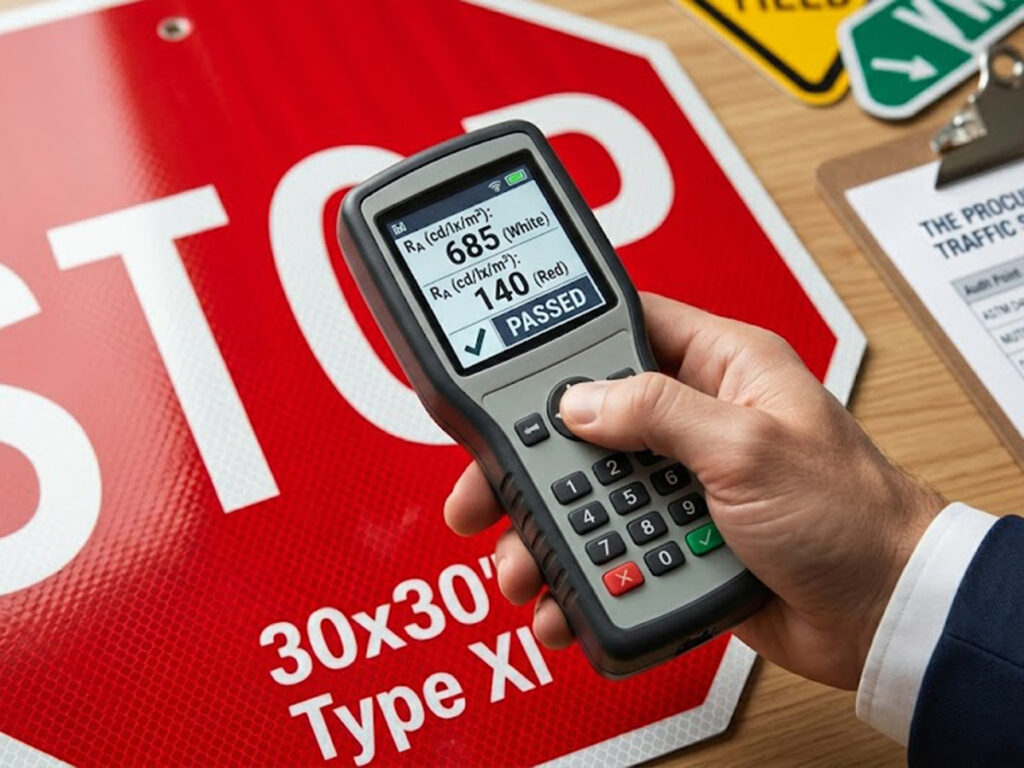
FAT определяет, как проверяется соответствие перед отправкой.. Установите процедуры FAT в письменной форме до начала производства..
Объем и процедуры FAT
Стратегия выборки:
Для заказов на 1-50 знаки: 100% визуальный осмотр + 25% детальное тестирование
Для заказов на 50-200 знаки: 100% визуальный осмотр + 10-15% детальное тестирование
Для заказов >200 знаки: Статистическая выборка согласно ANSI/ASQC Z1.4
Элементы тестирования:
- Критерии визуального контроля
- Поверхностная отделка: Без вмятин, расслаивание, краска потекла
- Выравнивание материала: Световозвращающая пленка расположена правильно
- Размещение крепежа: Болты/заклепки установлены правильно в соответствии со спецификацией.
- Тестирование световозвращения
- Измерьте как минимум 3 места на каждом выбранном знаке
- Используйте калиброванный измеритель световозвращения. (НАПРИМЕР., счетчик LTL-X)
- Результаты должны соответствовать спецификациям ASTM D4956 или превосходить их для используемой марки материала.
- Документируйте все измерения с указанием местоположения и числовых значений.
- Документация
- Отчет FAT, подписанный производителем и представителем закупающей организации.
- Прикрепите фотографии всех дефектов
- Подробно опишите все предметы, не прошедшие проверку, и их расположение. (переделка, замена, приемка с отклонением)
Критерии приемки:
Установите четкие пороговые значения до начала FAT:
- Допуск световозвращения: ±5% или ±10% от минимума спецификации
- Визуальные дефекты: Ничего, кроме косметических дефектов. <0.5 дюймы
- Точность цветопередачи: ±5 единиц цветового различия Delta E
- Размерный допуск: ±1/8 дюйма для размеров знака
IV. Отражающая лист & Проверка материала
Спецификация материала – это то, где качество либо достигает успеха, либо терпит неудачу..
Поиск материалов и проверка гарантии
Одобренные поставщики материалов:
К основным производителям световозвращающих материалов относятся::
- 3М (Скотчлит)
- Эйвери Деннисон (Рефлексит)
- Орафол (Ораковер)
- Никелит (базирующийся в Индии)
Каждый поставщик поддерживает разные гарантийные программы.. Например:
3M Пример гарантии:
- Скотчлит Тип II: 7-Годовая гарантия от потери световозвращающей способности
- Скотчлит Тип III Алмаз: 10-Годовая гарантия
- Гарантия распространяется на дефекты материалов., Не установка или ущерб окружающей среде
Процесс проверки:
Запрос от производителей:
- Заказы на поставку с указанием указанных материалов
- Сертификаты соответствия от поставщиков материалов. (привязка партий партий материалов к результатам испытаний на соответствие ASTM)
- Передача гарантийной документации на материалы (подтверждение того, что производитель дорожных знаков принимает на себя ответственность за выполнение гарантийных обязательств на материалы.)
- Процедуры хранения и обращения, демонстрирующие надлежащее содержание материалов перед использованием.
Красный Флаг:
Производители не могут отследить материалы по конкретным номерам партий., или кто не может предоставить независимые сертификаты испытаний, вероятно использование материалов с серого рынка или от неавторизованных дистрибьюторов, что повышает риск подделки.
V.. Постоянное управление поставщиками & Мониторинг соответствия
Требования к ежегодному аудиту и показатели эффективности
Частота аудита:
- Ежегодные выездные проверки всех активных поставщиков
- Дополнительные проверки, вызванные нарушениями качества, изменения дизайна, или нормативные вопросы
- Аудит, проведенный в течение 30 дни инициирующих событий
Отслеживаемые показатели:
- Коэффициент своевременного принятия FAT: _ % [цель: ≥95%]
- Скорость дефекта: _ дефекты на 1000 знаки
- Уровень гарантийных претензий: _
- Производительность доставки: _ % вовремя
Ожидания по корректирующим действиям:
Когда появляются результаты аудита:
- Пробелы в документации → Корректирующие действия в рамках 2 недели (пересмотр процедуры, обучение, восстановление документов)
- Сбои в контроле качества → Немедленная остановка производства + анализ первопричин + реализация корректирующих действий в рамках 4 недели + проверочный аудит
- Несоблюдение нормативных требований → Немедленная отчетность в DOT штата + комплексный план корректирующих действий + подотчетность на исполнительном уровне
Когда прекратить:
- Фальсифицированные сертификаты или данные испытаний
- Отказ от выполнения корректирующих действий
- Нормативные цитаты или принудительные меры
- Невозможность поддерживать документацию о соответствии ASTM D4956.
VI. Документация & Хранение записей
Необходимые записи для архивирования:
| Тип документа | Срок хранения | Цель |
| Заказы на поставку & контракты | 7 годы | Срок исковой давности |
| Отчеты проверок FAT | Срок службы продукта + 5 годы | Гарантия/претензии по дефектам |
| Отчеты по аудиту поставщиков | 10 годы | Нормативно-правовая экспертиза |
| Сертификаты | 3 минимум лет | Проверка соответствия |
| Записи о корректирующих действиях | 7 годы | Подотчетность & тенденции |
VII. Заключение & Дорожная карта реализации
Сотрудники по закупкам, готовые провести надежный аудит, должны:
- Провести базовый аудит всех текущих поставщиков.
- Разработайте письменные процедуры и контрольные списки аудита.
- Установите объективные критерии оценки поставщиков.
- Создание процедур FAT и документации по критериям приемки.
- Создайте системы хранения данных, организовав записи по поставщикам и годам аудита.
Часто задаваемые вопросы: Аудит и квалификация поставщиков дорожных знаков
1 квартал: Как переход на 11-е издание MUTCD повлияет на текущие контрольные списки проверок производителей дорожных знаков?
Принятие 11-го издания MUTCD в 2026 перевел соответствие с добровольного обновления на строгий мандат по обеспечению соблюдения требований. Надежный контрольный список аудита производителя дорожных знаков теперь должен проверять, что производственное программное и аппаратное обеспечение поставщика откалибровано в соответствии с новыми стандартами разборчивости и световозвращения.. Специалисты по закупкам должны специально проверить поэтапный отказ от использования защитного покрытия типа I на высокоскоростных коридорах и убедиться, что производитель может производить обновленные размеры и символы знаков, требуемые новыми федеральными правилами, чтобы избежать нарушений при производстве знаков, соответствующих требованиям DOT..
Q2: Каковы конкретные риски обхода процесса квалификации поставщика дорожных знаков??
Обход строгого процесса квалификации поставщиков подвергает муниципалитет риску “Конструктивное уведомление” обязанность. В 2026 юридические прецеденты, если агентство не проводит аудит поставщика и знаки выходят из строя в течение трех лет, агентство, а не производитель, часто несет ответственность за ущерб, нанесенный в результате несчастного случая., с расчетами в среднем до $2.1 миллион. Более того, неквалифицированные поставщики часто не имеют возможности отслеживать сырье, это означает, что они не могут доказать, что использовали подлинную пленку, соответствующую стандарту ASTM D4956., что может привести к отзыву федеральных грантов на инфраструктуру.
Q3: Как специалист по закупкам должен проводить проверку гарантии на техническую светоотражающую пленку?
Валидация должна выходить за рамки простого бумажного сертификата.. Аудитор должен проверить “Гарантийная цепочка” путем запроса сертификатов соответствия, которые связывают номера партий конкретных материалов с готовыми знаками.. Потому что высокопроизводительные листы, такие как Type XI (Алмазный класс) несет 10-15 Годовая гарантия, аудитор должен убедиться, что производитель является “авторизованный преобразователь” для таких брендов, как 3M или Avery Dennison. Без этого разрешения, гарантия на материал может быть аннулирована, оставляя местное правительство нести полную стоимость преждевременного выхода из строя и замены.
Q4: Какие конкретно заводские приемочные испытания (ТОЛСТЫЙ) процедуры, необходимые для соответствия DOT?
Для протокола изготовления знаков, соответствующего DOT, требуется двухуровневая FAT.. Первый, 100% необходим визуальный осмотр на предмет расслоения и обработки кромок. Второй, количественное тестирование световозвращения с использованием калиброванного портативного измерителя (как LTL-X) должно выполняться на статистической выборке. Измерения должны проводиться как минимум в трех местах на каждый знак, чтобы обеспечить единообразие.. В 2026, многие DOT теперь требуют, чтобы цифровые журналы этих результатов FAT были отправлены через безопасный портал, прежде чем партия будет разрешена к доставке..
Q5: Почему проверка соответствия ASTM D4956 важна для долгосрочной оптимизации бюджета?
Проверка соответствия ASTM D4956 — единственный способ гарантировать, что знаки достигнут ожидаемого срока службы. 10+ годы. Некачественный или “серый рынок” материалы могут соответствовать первоначальным уровням световозвращения, но не пройти тесты на деградацию под воздействием ультрафиолета в течение 36 месяцы. Поскольку затраты на экстренную замену в 2026 включать ставки специализированной рабочей силы ($40–$75/час) и мобилизационные сборы, превышающие $5,000 в день, покупка знака с проверенной долговечностью значительно снижает общую стоимость владения. (TCO) по сравнению с “самая низкая ставка” несоответствующая альтернатива.
Q6: Что “Красные флаги” во время выездной проверки обосновать прекращение отношений с поставщиком?
Сотрудники по закупкам должны рассмотреть возможность немедленного прекращения или приостановки, если производитель не может предоставить документацию по отслеживанию сырья или если его измерительное оборудование (ретрорефлектометры) отсутствует калибровочная наклейка, выданная не позднее шести месяцев. Другие тревожные сигналы включают обнаружение неопознанных рулонов листового проката в производственной зоне., отсутствие климат-контроля для хранения клеев, или любая история фальсифицированных данных испытаний ASTM D4956.. Любая нормативная цитата из Департамента транспорта штата относительно производства знаков, соответствующих требованиям DOT, также должна вызывать комплексный повторный аудит..
Ссылка
FHWA — MUTCD, 11-е издание, Раздел 2А.08 & Таблица 2А-3: Поддержание минимальной световозвращающей способности (Минимальные требования к канделам для 2026 согласие): https://mutcd.fhwa.dot.gov/pdfs/11th_Edition/part2a.pdf
НАБДД — Факты безопасности дорожного движения 2024-2026 Данные: Анализ смертности в ночное время и факторов видимости (Раннее издание): https://crashstats.nhtsa.dot.gov/#!/PublicationList/82
Кальтранс — 2026 Руководство по соблюдению требований местной помощи: Рекомендации по законопроекту Сената 1 (СБ1) Аудит финансирования и вывесок: https://dot.ca.gov/programs/local-assistance/guidelines-and-procedures
ФДОТ — Стандартные спецификации для строительства дорог и мостов (Январь 2026): Раздел 7-11 Заранее оцененные убытки и соответствие устройств безопасности: https://www.fdot.gov/programmanagement/implemented/specbooks
FHWA — Национальная стратегия безопасности дорожного движения (2026 Обновлять): Целенаправленное улучшение видимости в ночное время и безопасности пешеходов: https://www.transportation.gov/NRSS