Заготовки для вывесок из алюминия составляют основу почти каждого трафика, шоссе, и навигационный знак установлен по всей территории Соединенных Штатов.. Команды по закупкам, производители вывесок, и подрядчики DOT указывают их миллионами каждый год.. Тем не менее, технические решения, стоящие за каждой заготовкой, имеют серьезные последствия для безопасности и финансов..
Ставки резко выросли в 2026. В декабре Федеральное управление автомобильных дорог опубликовало 11-е издание MUTCD. 2023. Штатам теперь грозит январский 18, 2026, срок принятия под 23 Часть CFR 655. Сотрудники по закупкам во всех 50 штаты проверяют запасы и переписывают спецификации заявок.
Это руководство дает покупателям B2B, производители, и дистрибьюторам практическое руководство по алюминиевые заготовки для вывесок. Он охватывает выбор толщины, выбор сплава между 5052-H38 и 6061-T6, Соответствие ASTM B209 и ASTM D4956., Требования MUTCD, индивидуальные варианты изготовления, и оптовые закупки. Цель проста: помогите вашей команде выбрать правильный продукт, эффективно проверять поставщиков ветеринарных услуг, и избежать дорогостоящих ошибок, которые всплывают через шесть месяцев после установки.
Что такое алюминиевые заготовки для вывесок? Определение B2B
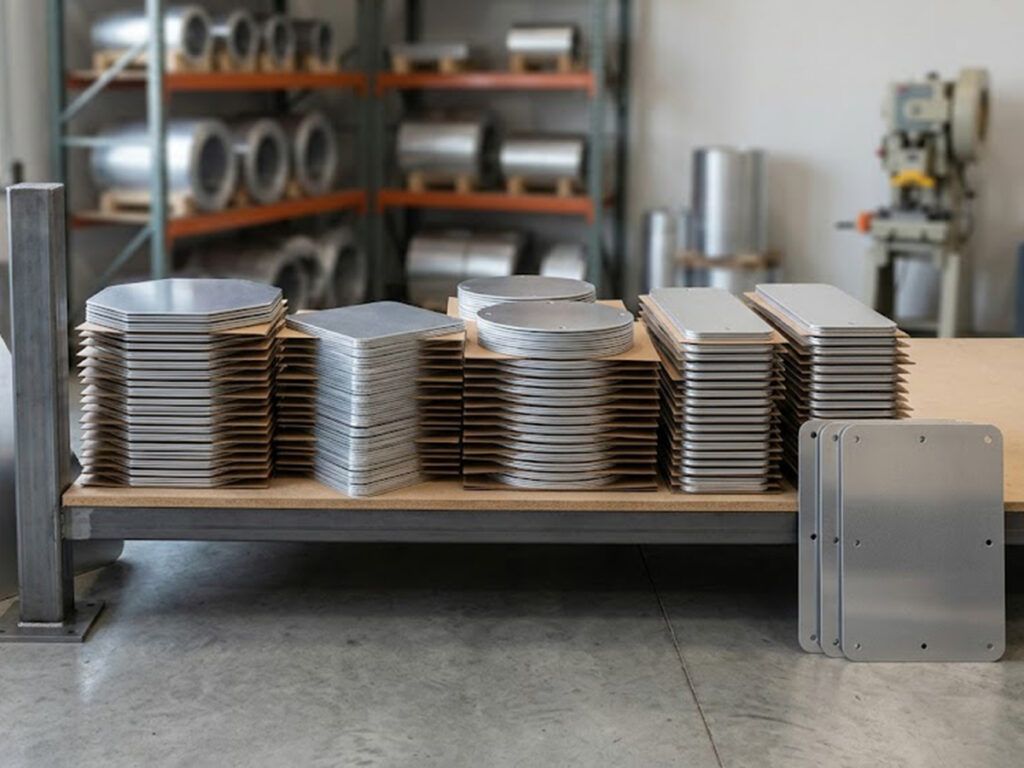
Это плоские алюминиевые подложки, изготовленные в соответствии с отраслевыми спецификациями и поставляемые производителям вывесок., дистрибьюторы, и подрядчики DOT. Каждая заготовка имеет светоотражающую пленку., графика, и монтаж оборудования ниже по течению, чтобы стать готовым дорожным знаком..
Три свойства делают алюминий доминирующим материалом в цепочке поставок дорожных знаков.:
- Устойчивость к коррозии — алюминий образует защитный оксидный слой, который противостоит ржавчине без покраски или покрытия..
- Соотношение прочности и веса — он выдерживает ветровые нагрузки шоссейного уровня, вес которых составляет долю веса стали..
- Пригодность к вторичной переработке — поддержка замкнутого цикла производства в соответствии с политикой экологически чистых закупок..
Эти свойства объясняют, почему спецификации DOT во всех 50 заявляет, что по умолчанию для установки постоянных знаков используется алюминий.
Технические характеристики алюминиевой вывески: Толщина, Измерять & Размеры
Толщина — это первая характеристика, которую должен зафиксировать любой сотрудник по закупкам.. США. промышленность использует десятидюймовые калибры, и четыре толщины покрывают примерно 95% приложений для дорожных знаков.
| Толщина | Общее использование | Типичный диапазон размеров |
| 0.040″ | Небольшая парковка и нормативные знаки | До 18″ × 18″ |
| 0.063″ | Стандартные нормативные и предупреждающие знаки | 18″ × 24″ до 24″ × 30″ |
| 0.080″ | Рабочие зоны для шоссейных дорог и MUTCD | 24″ × 30″ до 48″ × 48″ |
| 0.125″ | Большие указатели и потолочные панели | 48″ × 48″ и выше |
Источник: Федеральное управление шоссе, Руководство по однородным устройствам управления движением, 11е издание.
Он обеспечивает достаточную жесткость против флаттера, вызванного ветром, на знаках до 48 градусов.″ × 48″, оставаясь при этом экономически эффективным для арендованных автопарков большого объема. Радиус угла имеет такое же значение, как и толщина.; конкретно, оптимизированная конфигурация толщины и углового радиуса для устойчивости к ветровым нагрузкам уменьшить концентрацию напряжений и предотвратить растрескивание при повторяющихся воздействиях окружающей среды.
Выбор алюминиевого сплава: 5052-H38 против 6061-T6 для заготовок для знаков
Североамериканская индустрия дорожных знаков стандартизирует сплавы. 5052 в настроении H38. ASTM B209 регулирует как химический состав, так и механические свойства этого сплава.. [2] Алюминиевый лист знакового качества 5052-H38 обеспечивает три измеримых преимущества:
- Высокая формуемость при штамповке углов и обрезке кромок.
- Отличная коррозионная стойкость в морских и противообледенительных средах.
- Гладкий, бездефектная поверхность, надежно соединяющаяся со световозвращающей пленкой
6061-Т6 занимает другую нишу. Он обеспечивает более высокую прочность на разрыв, но меньшую формуемость., и требует анодирования после изготовления, чтобы соответствовать коррозионным характеристикам 5052.. Большинство производителей заготовок для вывесок указывают 6061-T6 только для несущих панелей., кронштейны для столбов, или знаки, подверженные повторяющимся механическим воздействиям.
При выборе между этими материалами, наши комплексные технические анализ 5052-H38 против. 6061-Алюминиевый сплав Т6 для заготовок знаков обеспечивает параллельную разбивку механических свойств и пригодности для применения.
| Свойство | 5052-H38 | 6061-T6 |
| Предел прочности (мин) | 39 кси (270 МПА) | 42 кси (290 МПА) |
| Предел текучести (мин) | 32 кси (220 МПА) | 35 кси (240 МПА) |
| Удлинение | 0.04 | 0.08 |
| Коррозионная стойкость | Отличный | Хороший (требуется лечение) |
| Формируемость | Отличный | Умеренный |
| Типичное использование знака | Стандартные дорожные знаки | Структурный / накладные расходы |
Астм, Mutcd & Стандарты AASHTO, регулирующие алюминиевые заготовки для вывесок
Три органа по стандартизации определяют нормативную базу для алюминиевые заготовки для вывесок в США. приложения для дорожного движения.
ASTM B209 — Спецификация материала
ASTM B209 устанавливает химический состав., предел прочности, предел текучести, и требования к удлинению листов и пластин. Каждый США. завод, производящий алюминий знакового качества, сертифицирует свою продукцию по B209. Спецификации закупок должны требовать сертификации завода для каждой поставки..
MUTCD, 11-е издание — Мандат соответствия
MUTCD регулирует размеры знаков., ретрорефлексивность, и размещение. FHWA опубликовало 11-е издание в декабре. 19, 2023, с федеральной датой вступления в силу в январе 18, 2024 (Источник: https://Catsip.berkeley.edu/news/new-release-11th-edition-mutcd-now-available). Штаты должны соответствовать к январю 18, 2026, под 23 Часть CFR 655. Бюджетные рабочие зоны уже работают по новой редакции.
ASTM D4956 & AASHTO M268 — Световозвращающая пленка
ASTM D4956 классифицирует световозвращающую пленку на типы от I до XI., начиная от бортового листа инженерного класса и заканчивая микропризматическим покрытием алмазного класса.. Тип III — практичный пол для большинства нормативных применений.. Тип IX или Тип XI обычно обслуживают надземные и высокоскоростные дорожные знаки.. AASHTO M268 предлагает параллельную спецификацию, основанную на производительности, используемую многими государственными DOT наряду с D4956..
Совет по закупкам: всегда запрашивайте сертификаты завода, заявления о совместимости листового покрытия, и документы по прослеживаемости партии. Эти записи защищают как ваше агентство, так и поставщика, когда возникают вопросы о работе на местах..
Техническое описание того, что означают эти маркеры качества для одобрения регулирующих органов., обратитесь к нашему руководству по ASTM B206 и его роль в определении качества бланков знаков для MUTCD.
Поверхностная отделка, Предварительная обработка & Индивидуальные варианты изготовления
Каждая заготовка поставляется с одним из трех видов отделки поверхности.:
- Отделка фрезы — голый алюминий, подходит, когда светоотражающая пленка закрывает все лицо
- Химическая предварительная обработка (алодиновое или конверсионное покрытие) — улучшает адгезию чернил, краски, и листовое покрытие
- Анодированный — анодно-оксидный слой для премиальных архитектурных или навигационных приложений.
Для проектов с большим трафиком, химическая предварительная обработка является доминирующим выбором. Пассивирует поверхность и значительно улучшает сцепление с листами ASTM D4956.. Интеграция предварительной обработки и индивидуального сверления на начальном этапе производства обеспечивает оптимизацию подложки для максимальной адгезии листового покрытия и длительного срока службы..
Варианты индивидуального изготовления зависят от производителя., но обычно включают:
- Предварительно просверленные монтажные отверстия (5/16″ или 3/8″ диаметры, 1″ или 1-1/2″ с края)
- Пользовательский радиус угла (3/8″, 1/2″, 1-1/2″)
- Нестандартные размеры для устаревших или международных проектов
- Удаление заусенцев и фасок для более безопасного обращения.
Изготовленные на заказ алюминиевые заготовки для вывесок, которые поставляются предварительно просверленными и обработанными. сократить трудозатраты на изготовление примерно на 20-30% по сравнению с пустым запасом, требующим вторичной обработки — значительный прирост эффективности для крупнообъемных операций B2B..
Алюминиевые заготовки для вывесок оптом: Приобретение, Могил & Сроки выполнения
Оптовая закупка алюминиевые заготовки для вывесок существенно отличается от розничной покупки. Дистрибьюторы и крупные производители сталкиваются с пороговыми значениями минимального заказа, многоуровневое ценообразование, обязательства по срокам выполнения заказа, и логистические ограничения, с которыми никогда не сталкиваются разовые покупатели.
Типичные переменные оптовых закупок
- Могил (Минимальное количество заказа): 500 к 2,000 штук на артикул обычно; Комбинации сплавов и толщин могут иметь отдельные минимумы.
- Многоуровневое ценообразование: Перерывы объема обычно срабатывают в 1,000, 5,000, и 10,000 куски.
- Время выполнения: 2-4 недели для имеющихся на складе спецификаций, 6-10 недели для индивидуальных заказов.
- Логистика: Количество поддонов, контейнерные перевозки, и варианты доставки прямо на стройплощадку.
Контрольный список проверки поставщиков для покупателей B2B
- Iso 9001 сертификация или эквивалентная система качества
- Сертификация завода на каждую партию
- Документация о соответствии ASTM B209 и ASTM B449.
- Рекомендации от DOT штата или федеральных подрядчиков
- Собственные возможности предварительной обработки и отделки
- Производственные мощности для удовлетворения пикового сезонного спроса
The 2026 Крайний срок принятия MUTCD сократил сроки выполнения заказов во всей отрасли. Команды закупок, которые закрепились 2026 контрактов в четвертом квартале 2025 заявленное среднее время выполнения заказа 30-40% короче, чем спотовые заказы, размещенные ранее 2026.
Контроль качества & Проверка алюминиевых заготовок для вывесок
Последовательный протокол входного контроля выявляет дефектные изделия. алюминиевые заготовки для вывесок прежде чем они войдут на вашу производственную линию. Стоимость выявления брака при получении измеряется в центах.; стоимость его улавливания после нанесения покрытия может достигать сотен долларов за единицу..
Контрольный лист проверки для входящего алюминиевые заготовки для вывесок:
- Точность размеров (длина, ширина, толщина в пределах допуска)
- Дефекты поверхности (питтинг, царапины, белая ржавчина, нефтяное загрязнение)
- Качество кромки (без заусенцев, чистый сдвиг, квадратные углы)
- Лук и поворот (плоскостность в пределах ±0,030″ за погонный фут)
- Точность расположения отверстий (если предварительно просверлено)
- Перекрестная ссылка на сертификацию завода по заказу на поставку
Промышленные покупатели, реализующие программы больших объемов работ, сталкиваются с реальными последствиями, когда заготовки выходят из строя в полевых условиях.. Национальный центр обмена информацией по безопасности рабочих зон зафиксировал примерное 101,000+ рабочая зона выходит из строя 2023, в результате чего более 40,000 травмы (Источник: https://workzonesafety.org/work-zone-data/). Несоответствующий или поврежденный знак в таких условиях подвергает подрядчиков как ответственности, так и возврату федерального финансирования..
Заключение: Выбор алюминиевых заготовок для знаков для долгосрочной эксплуатации
Заготовки для вывесок из алюминия сидеть на стыке материаловедения, соответствие нормативным требованиям, и стратегия закупок B2B. Покупатели, которые рассматривают их как стратегическую спецификацию, а не покупку товара, получают реальное конкурентное преимущество.. Они фиксируют соблюдение требований MUTCD перед январскими 2026 крайний срок. Они сокращают производственные отходы за счет правильного выбора сплава и предварительной обработки.. Они строят отношения с поставщиками, которые выдержат следующее десятилетие пересмотра стандартов..
Являетесь ли вы производителем, масштабирующим производство, дистрибьютор, управляющий оборачиваемостью запасов, или подрядчик, осуществляющий поиск рабочих зон, финансируемых из федерального бюджета, право алюминиевые заготовки для вывесок спецификация защищает как производительность вашего проекта, так и вашу прибыль.
Готов к исходному коду алюминиевые заготовки для вывесок для вашего следующего проекта? Свяжитесь с нашей командой по спецификациям B2B для получения оптового предложения и сертификации материалов..
Часто задаваемые вопросы об алюминиевых заготовках для вывесок
Какой калибр бланка лучше всего подходит для использования на шоссе?
0.080″ калибр - США. стандарт для дорожных знаков до 48″ × 48″. Для больших потолочных панелей обычно требуется 0,100″ или 0,125″.
Являются ли алюминиевые заготовки для вывесок нержавеющими??
Они устойчивы к коррозии, не устойчив к ржавчине. Алюминий может развиваться “белая ржавчина” (окисление гидроксида) при длительном воздействии влаги. Предварительная химическая обработка и правильное хранение предотвращают это..
В чем разница между ASTM B209 и ASTM B449??
B209 покрывает сам алюминиевый лист.. B449 охватывает предварительную химическую обработку. (хроматное или нехроматное конверсионное покрытие) нанесено на этот лист для вывесок и декоративного использования.
Как долго служат алюминиевые заготовки для вывесок?
Правильно указано и установлено, сам субстрат может превышать 15 годы. Светоотражающая пленка обычно портится в первую очередь.. Большинство агентств планируют замену по гарантии на защитное покрытие. (7-12 годы, в зависимости от типа).
Можно ли перерабатывать алюминиевые заготовки для вывесок по окончании срока службы??
Да. Алюминий подлежит бесконечной вторичной переработке. Заготовки знаков с истекшим сроком эксплуатации восстанавливают почти нетронутую стоимость лома, поддержка программ круговых закупок.
Ссылки
Федеральное управление шоссе. Руководство по однородным устройствам управления движением (Mutcd), 11е издание. НАС. Департамент транспорта. https://mutcd.fhwa.dot.gov/
Страницы с информацией о безопасности активного транспорта в Калифорнии (Калифорнийский университет в Беркли). Новый выпуск: 11Уже доступно третье издание MUTCD, Декабрь 20, 2023. https://catsip.berkeley.edu/news/new-release-11th-edition-mutcd-now-available
Федеральное управление шоссе. Видимость в ночное время — Знак световозвращения Часто задаваемые вопросы. https://highways.dot.gov/safety/other/visibility/nighttime-visibility-sign-retroreflectivity-frequently-asked-questions
Информация о безопасности национальной рабочей зоны. Данные рабочей зоны, ФАРС НАБДД 2023 Файл годового отчета. https://workzonesafety.org/work-zone-data/
Национальное управление безопасности дорожного движения. Смертность на дорогах снизилась в первом квартале 2025, Июль 2025. https://www.nhtsa.gov/press-releases/traffic-fatalities-decreased-first-quarter-2025