_1794885627_WNo_1600d900.jpg)
Are you looking for a reliable way to improve visibility around roadwork, 건설 현장, or temporary traffic control areas? 신호등 are practical safety devices designed to make traffic cones more noticeable in low-light conditions. With bright LED illumination and steady or flashing light modes, they help drivers and pedestrians recognize potential hazards earlier, giving them more time to respond.
If the answer is yes, then understanding how traffic cone lights work, 어디에 사용되는지, and how to choose and maintain them can help you build a safer traffic control system. From nighttime road maintenance to emergency response areas, the right cone lights improve the visibility of traffic control equipment and help reduce the risk of accidents.
Quick Navigation
트래픽 콘 조명이란 무엇입니까??
정의와 목적
Traffic cone lights are lighting devices fitted to the top of 트래픽 콘 to improve their visibility in dark or poorly lit environments. They are commonly used in temporary traffic control areas, 건설 구역, 도로 유지 관리 프로젝트, 그리고 비상 현장.
Their main purposes include:
- Improving visibility: LED illumination makes traffic cones easier to identify at night and in low-light conditions.
- Warning road users: Flashing lights attract attention and alert drivers to potential hazards or changes in traffic patterns.
- Supporting traffic control: Illuminated cones help mark lane closures, 제한된 지역, and temporary routes.
- Reducing maintenance needs: Energy-efficient LED technology can provide extended operation with suitable batteries or power sources.
By adding lights to traffic cones, road crews can make temporary safety boundaries more noticeable and easier for road users to follow.
구성 요소 및 기능
Traffic cone lights combine a light source, power supply, and mounting structure. The exact design varies by model, but common components include:
| 요소 | 기능 |
|---|---|
| LED 조명 | Provide steady or flashing illumination to improve visibility and attract attention. |
| Housing | Protects internal components from routine outdoor exposure and handling. |
| Battery or Solar Power | Supplies energy for the lighting system, depending on the product design. |
| Mounting Base | Allows the light to attach securely to compatible traffic cones. |
LEDs produce the light signal, while the housing protects the electrical components. The power system determines how the lamp operates and how often it needs recharging or battery replacement. A suitable mounting base helps keep the light in position during normal use.
트래픽 콘과의 호환성
Traffic cone lights are designed to fit different types of traffic cones, but compatibility depends on the mounting design, cone opening, and product dimensions. Some models use universal-style fittings, while others are made for specific cone designs.
구매하기 전에, check the light's mounting diameter, attachment method, and compatibility with your existing cones. A secure fit helps prevent the light from becoming loose or falling during use.
OPT 표시 provides traffic safety products, including safety cones and cone top lights, helping customers source equipment for temporary traffic control applications.
신호등이 안전에 중요한 이유?
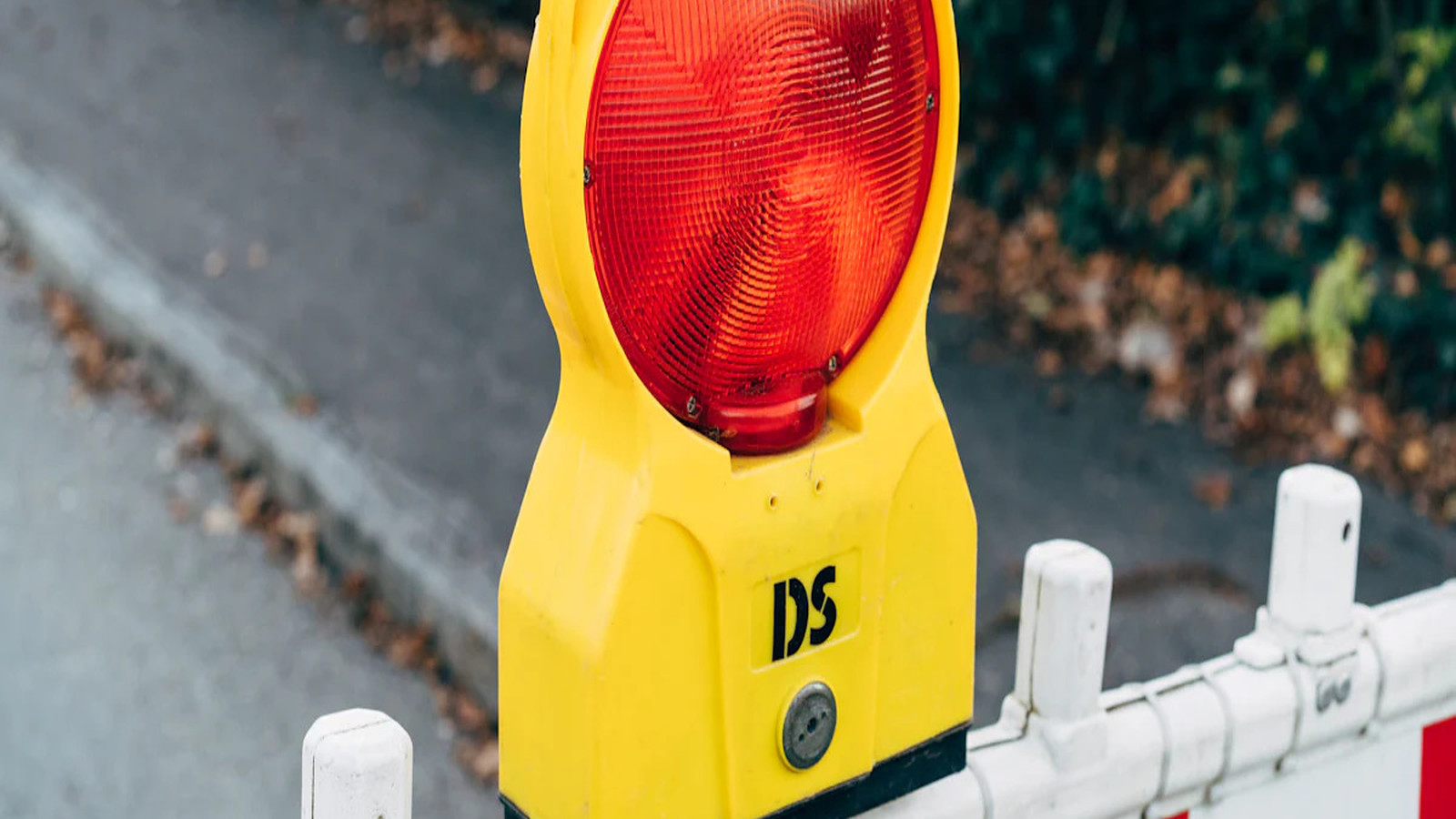
저조도 조건에서의 가시성 향상
Traffic cone lights are particularly useful at night, during early morning work, and in poorly illuminated areas. Their bright LED signals help traffic cones stand out from the surrounding environment, making temporary road boundaries easier to recognize.
This additional visibility is important in construction zones and road maintenance areas, where drivers may need to change lanes, 속도를 줄이다, or avoid equipment and workers. Flashing lights can also help distinguish temporary traffic control points from ordinary roadside objects.
| 안전 혜택 | 설명 |
|---|---|
| Better nighttime visibility | Illuminated cones are easier to identify when natural light is limited. |
| Early hazard awareness | Flashing signals can draw attention to work areas and changing traffic conditions. |
| Clearer traffic guidance | Visible cones help drivers recognize temporary routes and restricted areas. |
악천후에서의 중요성
비, 안개, and snow can reduce visibility and make temporary traffic control equipment harder to see. Traffic cone lights provide an additional visual signal in these conditions, helping road users identify marked areas.
하지만, cone lights should be used together with appropriate reflective cones, 경고 신호, 장벽, and other traffic control measures. Their performance in poor weather depends on light output, product construction, battery condition, and the visibility conditions at the site.
- Use illuminated cones to improve visibility in dark or poorly lit areas.
- Choose outdoor-suitable products for roadwork and exposed environments.
- Combine lights with reflective materials and appropriate warning signs.
고위험 지역의 애플리케이션
Traffic cone lights are commonly used wherever temporary traffic arrangements need to be clearly marked. Typical applications include:
- 고속도로 건설: Marking work zones, 차선 폐쇄, and temporary traffic routes.
- Road maintenance: Making repair areas and roadside equipment more visible.
- Urban work zones: Separating pedestrian pathways from vehicle traffic.
- 비상 대응: Helping establish visible perimeters around accident scenes and emergency operations.
- Events and crowd control: Guiding vehicles and pedestrians through temporary routes.
중요성을 보여주는 실제 시나리오
The following examples show how traffic cone lights can support safer temporary traffic arrangements:
- 야간 건설 프로젝트: Illuminated cones help drivers identify work areas and lane changes when visibility is limited.
- 비상 대응 분야: Flashing lights help mark restricted areas and guide vehicles away from emergency operations.
- Road Maintenance in Poor Weather: Additional illumination makes cones easier to notice when rain or fog reduces visibility.
- 특별 이벤트: Lighted cones help identify temporary vehicle routes, 보행자 경로, 및 접근 제한 구역.
이러한 상황에서, traffic cone lights work as part of a broader traffic safety system. Proper placement and the use of suitable warning equipment remain essential.
Key Features of Traffic Cone Lights
LED 기술 및 밝기
LED technology is widely used in traffic cone lights because it offers efficient energy consumption and reliable illumination. Depending on the model, the light may provide a steady signal, a flashing pattern, or multiple operating modes.
When selecting a product, consider its brightness, visibility range, flashing pattern, and suitability for the intended application. Check the relevant local traffic control requirements rather than assuming that every LED cone light automatically meets a particular safety standard.
내구성과 날씨 저항
Traffic cone lights are often used outdoors, where they may be exposed to rain, 먼지, 햇빛, 온도 변화, 그리고 빈번한 취급. A durable housing and suitable weather protection can help maintain performance during regular use.
When comparing products, check the manufacturer's specifications for water resistance, UV 저항, operating temperature, and housing material. The cone and its base should also be suitable for the surface and environmental conditions where they will be placed.
배터리 수명 및 전원 옵션
The power source affects operating time, 유지보수 빈도, and overall convenience. Common options include replaceable batteries, rechargeable batteries, and solar-assisted designs.
| Power Option | 주요 특성 | 고려사항 |
|---|---|---|
| Replaceable Batteries | Allow batteries to be changed when power runs low. | Check battery type, 교체 빈도, and availability. |
| 충전식 배터리 | Can be recharged and reused. | Consider charging time and charging arrangements. |
| Solar-Powered Options | Use solar energy to support operation. | Performance depends on sunlight exposure and product design. |
Actual operating time varies with battery capacity, LED output, flashing frequency, 온도, and product design. Always refer to the manufacturer's specifications when estimating battery life.
경량 설계 및 간편한 설치
A lightweight design makes traffic cone lights easier to transport, 위치, and remove. Many models are designed for quick attachment to compatible cones, allowing crews to install multiple lights without complicated equipment.
Before use, check that the lamp is properly secured and does not interfere with the cone's stability. A suitable fit helps prevent the light from becoming detached during routine handling or exposure to wind.
신호등의 올바른 사용법
설치 지침
Correct installation helps traffic cone lights remain visible and secure throughout use. Follow these basic steps:
- Check that the light is compatible with the traffic cone before installation.
- Attach the lamp firmly according to the manufacturer's instructions.
- Test the light before placing the cone in the work area.
- Inspect the mounting point and housing for damage before each use.
Proper installation reduces the chance of the light becoming loose and helps maintain a consistent visual warning.
배치 모범 사례
The placement of traffic cones and lights should follow the traffic control plan and applicable local regulations. Consider the road layout, 교통 속도, 시계, work area, and available reaction distance.
- Place cones where drivers can recognize the temporary traffic arrangement in time.
- Use consistent spacing to create a clear and understandable route.
- Position cones on stable surfaces whenever possible.
- Inspect the arrangement after installation and adjust it when site conditions change.
간격 및 높이 고려사항
Cone spacing should be determined by the road environment, 교통 상황, and applicable work-zone guidance. There is no single spacing value suitable for every project.
The height and position of the light should also provide a clear line of sight for approaching drivers and pedestrians. Make sure the lamp is not obstructed by vehicles, 장비, 초목, 아니면 다른 물건.
Maintenance Tips for Traffic Cone Lights
청소 및 관리
흙, 먼지, and road debris can affect the visibility and performance of traffic cone lights. Clean the lamp and cone regularly using methods recommended by the manufacturer.
- Remove dirt and debris from the light housing and lens.
- Check the cone and reflective surfaces for fading or damage.
- Avoid cleaning chemicals that may damage plastic or protective coatings.
- Replace damaged components instead of continuing to use unreliable equipment.
배터리 점검 및 교체
Battery maintenance is important for lights that use replaceable or rechargeable power sources. Inspect the battery compartment periodically and replace or recharge batteries when illumination becomes weak.
- Check the battery compartment for corrosion or moisture.
- Replace batteries according to the manufacturer's recommendations.
- Use the specified battery type and avoid mixing old and new batteries.
- For rechargeable models, follow the recommended charging procedure.
장수를 위한 적절한 보관
When traffic cone lights are not in use, store them in a clean, 마른, and protected area. Remove replaceable batteries if recommended by the manufacturer, and avoid placing heavy equipment on top of the lamps.
Before returning stored lights to service, inspect their housings, lenses, mounting points, and power sources. Testing each light before deployment helps identify problems before the equipment is needed.
How to Choose and Use Traffic Cone Lights
Choosing suitable traffic cone lights involves matching the product to the working environment and traffic control requirements. Consider these three factors:
- Check compatibility: Confirm that the light fits the traffic cones you already use. Review the mounting dimensions and attachment method before ordering.
- Compare visibility and power: Evaluate LED brightness, flashing modes, battery type, and expected operating time. Choose a power option that suits the duration and frequency of your projects.
- Review durability and compliance: Check weather-resistance specifications, product materials, and applicable local traffic safety requirements. Follow the manufacturer's installation and maintenance instructions.
FAQs About Traffic Cone Lights
1. What are traffic cone lights used for?
Traffic cone lights are used to make traffic cones more visible in low-light conditions and temporary traffic control areas. They are commonly deployed at construction sites, 도로 유지 관리 프로젝트, emergency scenes, and event traffic zones.
2. Are traffic cone lights waterproof?
Water resistance varies by product. Some models are designed for outdoor use, but buyers should check the manufacturer's specifications and protection rating before using a light in rainy or wet environments.
3. How long do traffic cone light batteries last?
Battery life depends on battery capacity, LED brightness, flashing frequency, 온도, and operating conditions. Check the product specifications for an estimated runtime and inspect the lights regularly to ensure they remain functional.
결론
Traffic cone lights improve visibility, support temporary traffic control, and help alert road users to potential hazards. By selecting suitable LED lights, installing them correctly, and maintaining their power sources, road crews can make work zones and other high-risk areas easier to identify.
Whether you need lights for road construction, 유지, or emergency applications, choosing compatible and durable traffic safety equipment is essential. OPT 표시 offers traffic safety products, including traffic cones and cone top lights, to support different traffic management needs. Explore its product range to find suitable solutions for your next project.