Smart traffic cones are advanced traffic safety devices that combine traditional warning functions with technologies such as LED 조명, 무선 통신, GPS positioning, and remote monitoring. They help improve work zone visibility, support more efficient 교통 통제, and provide better equipment management.
This guide explores the working principles, key features, benefits, and applications of smart traffic cones. It also explains the main factors to consider when 선택, operating, and maintaining smart traffic cone systems for different road safety and traffic management requirements.
Quick Navigation
- What Is a Smart Traffic Cone?
- How Do Smart Traffic Cones Work?
- 스마트 트래픽 콘의 주요 기능
- 스마트 트래픽 콘의 이점
- Applications of Smart Traffic Cones
- How to Choose the Right Smart Traffic Cone
- Maintenance and Usage Tips
- FAQs About Smart Traffic Cones
- 결론
What Is a Smart Traffic Cone?
Definition and Basic Purpose
A smart traffic cone is an enhanced traffic safety device that combines the physical warning function of a conventional traffic cone with electronic or connected technologies. Depending on its design, it may include LED warning lights, 센서, wireless communication modules, GPS positioning, battery monitoring, or remote-control functions.
Traditional traffic cones primarily rely on their bright colors and reflective surfaces to guide drivers and pedestrians. Smart traffic cones can add active warning signals and, in more advanced systems, provide information about their location, operating status, or surrounding conditions.
Their main purposes include:
- Improving visibility: Integrated LED lights make cones easier to recognize at night and in poorly illuminated work areas.
- Providing active warnings: Flashing or other programmed light patterns can attract attention and help road users identify temporary hazards.
- Supporting remote management: Connected models may allow operators to control lighting or monitor equipment status from a distance.
- Improving location awareness: GPS-enabled designs can help teams identify the position of deployed equipment.
- Supporting intelligent traffic management: Advanced sensor and communication systems may collect or transmit information about road conditions.
Not every product described as a smart traffic cone includes all these functions. Some models focus on enhanced LED warning lights, while more advanced solutions integrate positioning, 의사소통, or monitoring technologies. Buyers should therefore compare the actual specifications rather than relying on the product name alone.
Smart Traffic Cones vs. Traditional Traffic Cones
The main difference between smart and traditional traffic cones is the addition of electronic functions. A conventional cone provides a visible physical boundary, while a smart model may also deliver active lighting, status information, and connected traffic management capabilities.
| 비교 | Traditional Traffic Cone | Smart Traffic Cone |
|---|---|---|
| 시계 | Relies mainly on bright colors and reflective materials. | May include LED illumination and programmable warning patterns. |
| Warning Function | Provides a passive visual warning. | Can provide active visual warnings through electronic lighting. |
| Location Information | Usually requires manual identification and inspection. | GPS-enabled models may report their location. |
| Remote Operation | Generally requires workers to access the cone directly. | Some connected models support remote lighting control or monitoring. |
| Data Communication | Does not normally transmit data. | Advanced models may communicate with monitoring systems or other devices. |
| 유지 | Focuses on physical condition and reflective surfaces. | May also require battery, electronic component, and connection checks. |
A smart traffic cone does not automatically replace traditional traffic control equipment. It is generally used as an additional safety and management tool alongside suitable cones, 손짓, 장벽, and traffic control procedures.
Main Components of a Smart Traffic Cone
The components of a smart traffic cone vary according to its technology level and intended application. A basic illuminated model may contain only an LED light and power supply, while a connected model can include additional electronic modules.
| 요소 | 기능 |
|---|---|
| Traffic Cone Body | Provides the physical warning structure and helps mark temporary traffic boundaries. |
| LED Lighting Module | Produces steady or flashing warning signals to improve visibility. |
| Battery or Power Supply | Provides energy for the lighting, 센서, and other electronic components. |
| Control Module | Manages operating modes and coordinates the functions of connected components. |
| Wireless Communication Module | Allows compatible devices to exchange information with remote systems or other equipment. |
| GPS Module | Provides location information in models designed for positioning and tracking. |
| 센서 | Collect selected information about movement or environmental conditions, 시스템에 따라. |
The traffic cone body and lighting module provide the basic warning function. More advanced electronic components can extend the device’s capabilities, but they also affect cost, power consumption, 유지 보수 요구 사항, and system compatibility.
How Do Smart Traffic Cones Work?
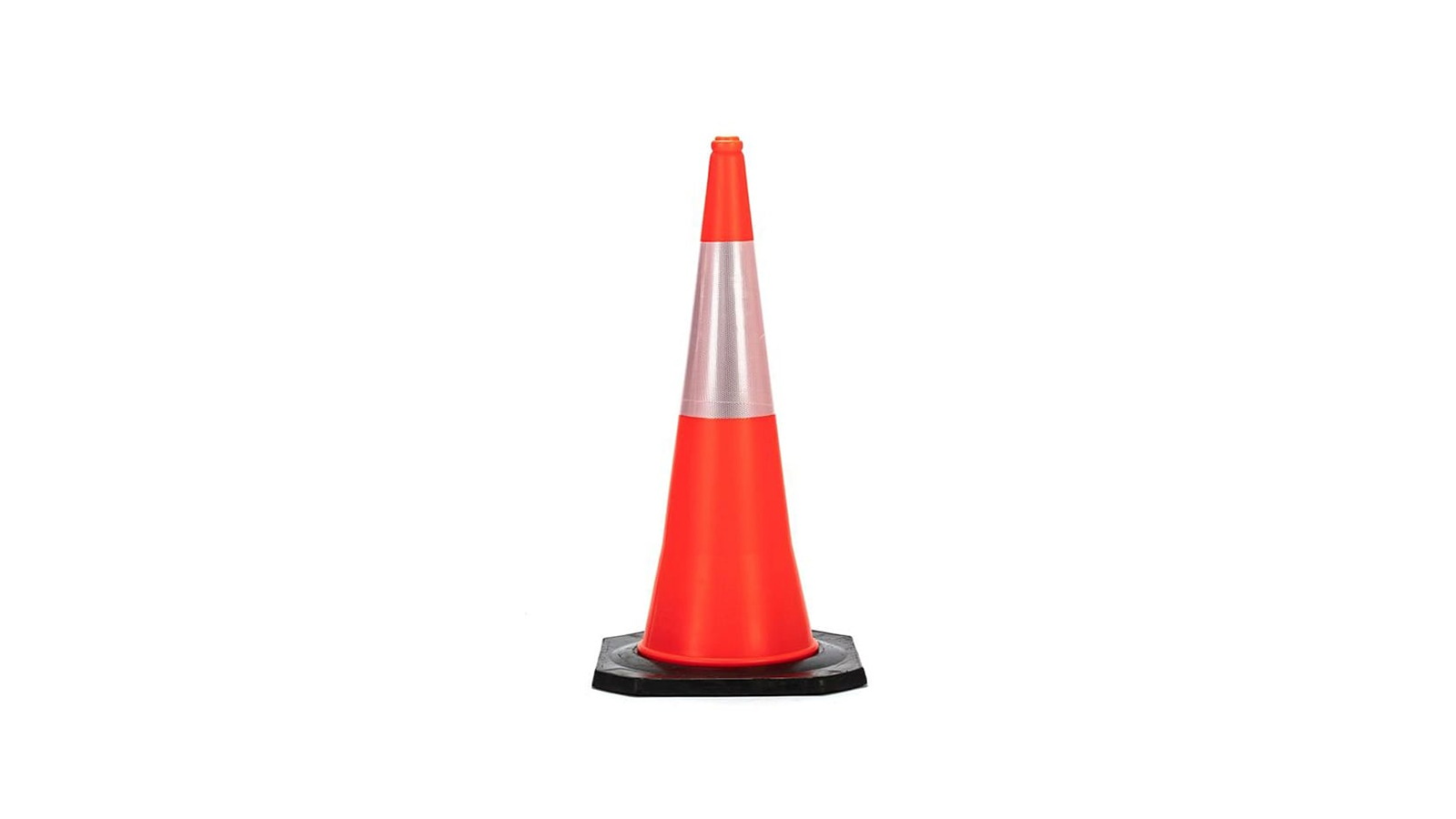
LED Warning and Lighting Operation
The most basic smart traffic cone function is electronic illumination. An internal power source supplies electricity to the LED module, which produces a visible warning signal. 제품에 따라, users may be able to select steady lighting, flashing modes, or other programmed patterns.
LED lighting is useful in nighttime construction, roadside maintenance, and other situations where ordinary reflective surfaces may not provide sufficient visibility on their own. The flashing signal can help attract attention to the cone and make temporary traffic boundaries easier to identify.
Some products use a manual switch, while others support automatic activation or remote operation. The available functions depend on the control system and product configuration.
Wireless Communication and Remote Control
Connected smart traffic cones may use wireless communication to exchange information with a remote controller, 모바일 장치, gateway, or cloud-based platform. This allows authorized personnel to manage selected functions without physically accessing every cone.
예를 들어, a compatible system may allow operators to switch lights on or off, change warning modes, or check the operating status of deployed equipment. This can be particularly useful when many cones are distributed across a large work zone.
Communication range and reliability depend on the wireless technology, antenna design, surrounding obstacles, network coverage, and system configuration. 구매하기 전에, confirm whether the product uses a dedicated remote control, a local wireless connection, or a cloud-connected service.
GPS Positioning and Equipment Tracking
Some advanced smart traffic cones include GPS positioning to help users identify where equipment has been deployed. Location information can be sent to a compatible management platform, allowing supervisors to monitor the distribution of connected devices.
This function can support equipment inventory, deployment management, and recovery after roadwork is completed. It may also help identify whether a cone has moved from its assigned position, provided that the system includes the necessary movement detection and reporting functions.
GPS tracking is not a standard feature of every smart traffic cone. Buyers should check the positioning accuracy, update frequency, communication method, subscription requirements, and platform compatibility before selecting a tracking-enabled model.
Sensor Data Collection and Real-Time Monitoring
More advanced smart traffic cone concepts and systems can incorporate sensors to collect information about movement or surrounding environmental conditions. Depending on the design, sensors may monitor parameters such as temperature, 습기, 압력, or changes in the device’s position.
When combined with a communication module, the collected information can be transmitted to a monitoring platform for review. This creates opportunities for more connected traffic management and can help operators understand conditions in a temporary work area.
The exact data available depends on the sensors installed and the software supporting the system. A product with LED lighting and remote switching should not be assumed to provide environmental monitoring or real-time road condition analysis.
스마트 트래픽 콘의 주요 기능
High-Visibility LED Warning Lights
LED warning lights are among the most recognizable features of smart traffic cones. They provide an active visual signal that can make temporary traffic boundaries easier to notice in low-light environments.
Depending on the model, lighting features may include:
- Steady illumination: Provides continuous light for clearly marking a work area.
- Flashing mode: Produces repeated light signals to attract attention.
- Multiple lighting patterns: Allows users to select different warning modes when supported.
- Remote switching: Enables authorized operators to control lights from a compatible device.
- Energy-efficient operation: LED technology can help reduce power consumption compared with some conventional lighting systems.
When evaluating LED performance, consider brightness, viewing angle, light color, flashing frequency, and visibility under the conditions where the cones will be used. Local traffic control requirements may also specify which warning colors and lighting arrangements are permitted.
GPS Tracking and Location Awareness
GPS tracking can make it easier to manage large numbers of smart traffic cones across multiple work sites. Instead of relying entirely on manual inspections, operators may be able to view the reported locations of connected devices through a compatible platform.
This feature can be useful for:
- Checking the approximate location of deployed cones.
- Managing equipment across multiple construction or maintenance sites.
- Supporting inventory checks and equipment recovery.
- Reviewing reported location changes when movement detection is available.
Actual tracking performance depends on satellite reception, positioning hardware, reporting intervals, and network connectivity. GPS information should be treated as a management aid rather than a substitute for on-site safety inspections.
Wireless Connectivity and Cloud Integration
Wireless connectivity allows smart traffic cones to communicate with compatible control or monitoring systems. Some products use short-range connections for local operation, while others support wider-area communication or cloud-based services.
Cloud-connected systems may provide a central interface for viewing device information, managing selected settings, and reviewing status reports. This can help organizations coordinate equipment across different locations, particularly when they have large or frequently changing work zones.
Before choosing a connected model, review its communication protocol, supported devices, network requirements, software access, data management arrangements, and any recurring service fees.
Battery Life and Power Management
The power system affects how long a smart traffic cone can operate and how frequently it needs maintenance. Basic illuminated models may use replaceable or rechargeable batteries, while some designs may incorporate solar-assisted charging.
| Power Option | 주요 특성 | 고려사항 |
|---|---|---|
| Replaceable Batteries | Allow users to replace depleted batteries when necessary. | Check battery type, replacement cost, and availability. |
| 충전식 배터리 | Can be charged and reused across multiple operating cycles. | Consider charging time, battery capacity, and charging arrangements. |
| Solar-Assisted Power | Uses solar energy to support the power supply in suitable designs. | Performance depends on sunlight exposure, panel capacity, 그리고 기상 조건. |
Smart features such as GPS tracking, 무선 통신, and frequent data transmission may increase power consumption. Actual runtime depends on battery capacity, LED brightness, operating mode, communication frequency, 온도, and the number of active functions. Always refer to the manufacturer’s specifications when estimating operating time.
Durable Construction and Weather Resistance
Smart traffic cones are often deployed outdoors and may be exposed to rain, 먼지, 햇빛, 온도 변화, and repeated handling. A suitable cone body and protective electronic housing help the equipment withstand normal operating conditions.
When comparing products, review the manufacturer’s specifications for:
- Water and dust protection ratings.
- UV resistance and material durability.
- Operating and storage temperature ranges.
- Impact resistance and housing construction.
- Protection of charging ports, switches, and electronic connections.
The durability of the electronic module is just as important as the physical cone body. A product intended for long-term outdoor use should have appropriate protection for its lighting, 배터리, and communication components.
스마트 트래픽 콘의 이점
Improved Road and Work Zone Visibility
One of the main benefits of smart traffic cones is their ability to provide active warning signals. LED illumination can make temporary traffic boundaries more noticeable at night, during early morning work, and in areas with limited ambient lighting.
Better visibility helps drivers and pedestrians recognize lane closures, 작업 영역, and restricted access zones. It can also make it easier for workers to identify the limits of a temporary traffic arrangement.
More Efficient Traffic Control Management
Smart traffic cones with remote control or connected monitoring functions can reduce the need for personnel to access every device individually. Depending on the system, operators may be able to manage lighting modes, check equipment status, or review device locations from a central control point.
This can be valuable when a project involves many cones, several work areas, or frequent changes to temporary traffic arrangements. 하지만, remote functions should support rather than replace on-site supervision and established traffic management procedures.
Better Equipment Monitoring and Accountability
GPS-enabled and connected traffic cones can provide additional information about equipment deployment. A central platform may help organizations review where devices are located and whether selected units are reporting their operating status.
This can support equipment allocation, 재고 관리, and post-project recovery. For contractors and road maintenance teams, better visibility into equipment distribution may also make it easier to plan future deployments.
Support for Connected Traffic Management Systems
Advanced smart traffic cones can form part of a wider intelligent transportation or work zone management system. When compatible devices exchange information with other equipment and software, they can contribute to a more connected view of temporary traffic conditions.
예를 들어, connected devices may share location or status information with a monitoring platform. More advanced sensor-based designs may also transmit selected environmental or movement data. The value of these functions depends on the overall system architecture, data quality, and how operators use the information.
Potential Long-Term Operational Value
Smart traffic cones may require a higher initial investment than conventional cones because of their electronic components and communication functions. 하지만, remote management, reusable power systems, and equipment tracking may provide operational value for organizations with frequent or large-scale deployments.
To assess the overall value, consider the purchase price together with battery replacement, charging, software subscriptions, 유지, 훈련, and expected service life. A connected product is most useful when its additional functions solve a real operational problem.
Applications of Smart Traffic Cones
Highway Construction and Road Maintenance
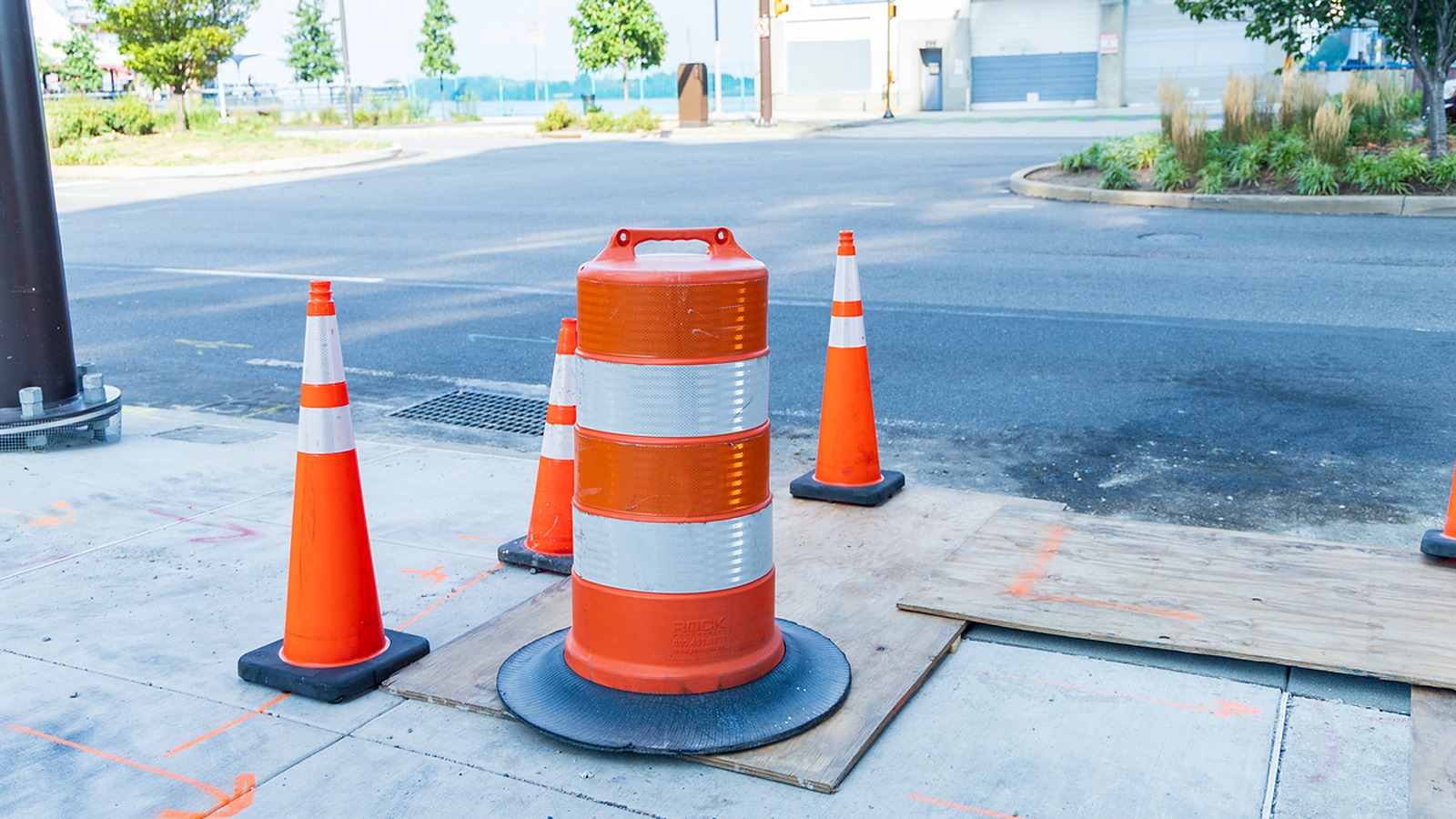
Highway construction and maintenance projects often involve lane closures, changing traffic patterns, 중장비, and workers operating close to moving vehicles. Smart traffic cones can help mark work areas with active warning lights and, where supported, connected monitoring functions.
Typical uses include:
- Marking temporary lane closures and work zone boundaries.
- Improving visibility around nighttime road repairs.
- Supporting the management of cones across large construction areas.
- Monitoring the location of connected equipment when GPS functions are available.
Emergency Response and Incident Management
Emergency response teams need to establish visible and clearly defined areas around accident scenes, 차량 고장, and roadside incidents. Illuminated traffic cones can help identify restricted zones and guide approaching vehicles away from emergency operations.
Where remote-control features are supported, operators may be able to adjust selected warning lights without approaching each cone. This can be useful when traffic conditions or incident boundaries change during an operation.
Urban Traffic and Municipal Operations
City maintenance teams regularly manage temporary traffic arrangements for road repairs, 유틸리티 작업, drainage maintenance, and public infrastructure projects. Smart traffic cones can support these activities by improving visibility and providing additional equipment information.
예를 들어, connected cones may help supervisors monitor equipment distributed across different municipal work sites. LED warning lights can also make temporary pedestrian routes and restricted areas easier to identify in busy urban environments.
이벤트, 주차 공간, and Crowd Management
Large events, temporary parking arrangements, and public gatherings often require flexible traffic control. Smart traffic cones can help mark vehicle routes, 로딩 구역, pedestrian access points, 제한된 지역.
Their lighting functions may be particularly useful during evening events or in parking areas with limited illumination. Connected functions can also support equipment coordination when multiple traffic control points need to be managed.
Smart City and Intelligent Transportation Projects
In smart city projects, traffic control equipment may be integrated with digital platforms that collect and manage information from different devices. Advanced smart traffic cones can contribute to these systems through location reporting, 무선 통신, or sensor data collection.
Possible applications include connected work zone monitoring, temporary traffic arrangement management, and equipment status reporting. These functions require compatible hardware, communication infrastructure, and software integration. A standalone LED cone light does not provide the same capabilities as a fully connected traffic management device.
How to Choose the Right Smart Traffic Cone
Selecting a smart traffic cone requires more than comparing appearance or LED brightness. The right product should match the operating environment, required functions, power arrangements, and traffic control procedures. Consider the following factors before purchasing.
Identify the Required Technology Level
Start by deciding which functions your project actually needs. Not every application requires GPS tracking, cloud connectivity, or environmental sensors.
| Technology Level | Typical Functions | 적절한 응용 프로그램 |
|---|---|---|
| Basic Illuminated Model | LED warning lights and basic operating modes. | Nighttime roadwork, 주차장, and temporary warning zones. |
| Remote-Control Model | Remote switching or lighting mode control. | Work zones where operators need to manage multiple lights. |
| Connected Tracking Model | Wireless communication, GPS positioning, and selected status reporting. | Large projects and equipment management across multiple locations. |
| Advanced Sensor-Based Model | Selected sensor data collection and integration with monitoring platforms. | Specialized connected traffic management and monitoring projects. |
These categories are general purchasing references rather than universal product classifications. Actual features and configurations vary between manufacturers.
Check Visibility and Lighting Performance
LED performance should match the conditions in which the cone will be used. Consider brightness, viewing angle, light color, flashing patterns, and visibility from approaching vehicles and pedestrians.
Also check whether the lighting configuration complies with the traffic control requirements in your region. A product’s visibility features alone do not guarantee that it is approved for every road or work zone application.
Evaluate Communication and Tracking Functions
If you need remote operation or equipment tracking, confirm how the system works before placing an order. Important questions include:
- What wireless communication technology does the product use?
- What is the practical communication range under normal operating conditions?
- Does the product support GPS positioning or only local device communication?
- Is a mobile application, gateway, or cloud platform required?
- Are software access or data services subject to recurring fees?
- Can the system integrate with your existing traffic management equipment?
These details help determine whether the product can work reliably within your existing operational environment.
Compare Power Supply and Operating Time
Consider how long the cones need to operate each day and whether they will be deployed continuously or intermittently. Check battery capacity, estimated runtime, charging time, replacement requirements, and the availability of charging equipment.
For connected models, ask the supplier how GPS reporting, 무선 통신, and other electronic functions affect battery consumption. A product with a long advertised lighting runtime may have a shorter operating period when additional features remain active.
Review Durability, 호환성, 및 규정 준수
The cone body, lighting module, and electronic housing should be suitable for the working environment. Check material quality, 날씨 보호, mounting stability, and resistance to routine handling.
You should also confirm that the product is compatible with your existing cones, 부속품, and management systems. For road applications, review relevant local traffic control regulations and any required product certifications or performance standards.
Maintenance and Usage Tips
Inspect the Cone and Electronic Components
Regular inspection helps identify physical damage and electronic problems before the equipment is deployed. Check the cone body, 베이스, 반사 표면, light housing, mounting points, and visible wiring or connectors.
- 균열을 찾으십시오, 흉한 모습, 또는 느슨한 구성 요소.
- Check that the LED module operates in the selected warning mode.
- Inspect switches, charging ports, 및 보호 커버.
- Confirm that connected functions work when required.
- Remove damaged equipment from service until it has been repaired or replaced.
Maintain Batteries and Charging Systems
Battery condition directly affects the reliability of smart traffic cones. Follow the manufacturer’s charging instructions and avoid using incompatible chargers or batteries.
- Check the battery level before each deployment.
- Recharge equipment according to the recommended charging procedure.
- Inspect battery compartments for corrosion, 수분, 또는 손상.
- Replace batteries that no longer provide reliable operating time.
- Store rechargeable batteries under the conditions specified by the manufacturer.
Check Wireless Connections and Software
Connected smart traffic cones may depend on communication modules, mobile applications, or cloud-based platforms. Periodic checks help confirm that these functions remain available.
- Verify that devices can connect to the designated controller or platform.
- Check whether GPS information is being reported when tracking is required.
- Review software updates and system compatibility.
- Confirm user access permissions and account security.
- Follow the manufacturer’s guidance when troubleshooting connection problems.
Clean and Store Equipment Properly
흙, road debris, and moisture can affect both the visibility and performance of smart traffic cones. Clean the cone body and electronic housing using methods approved by the manufacturer. Avoid abrasive materials or chemicals that may damage plastic surfaces, lenses, or protective coatings.
When the equipment is not in use, store it in a clean, 마른, and protected location. Protect charging ports and electronic components from unnecessary exposure, and avoid stacking heavy equipment on top of the lights or control modules.
Follow a Pre-Deployment Safety Check
Before placing smart traffic cones in a work zone, confirm that they are physically sound and that their required functions are working. Test the lighting, power supply, mounting stability, and communication features where applicable.
Deployment should follow the approved traffic control plan and applicable local regulations. Smart traffic cones are supplementary safety equipment and should be used together with appropriate signs, 장벽, reflective devices, and trained personnel.
FAQs About Smart Traffic Cones
1. What makes a traffic cone smart?
A traffic cone is generally described as smart when it includes electronic or connected functions beyond the basic warning role of a conventional cone. These may include LED lighting, remote control, 무선 통신, GPS 추적, or sensors. The available functions vary by product.
2. Do all smart traffic cones have GPS tracking?
아니요. GPS tracking is available only on models equipped with the required positioning and communication hardware. Some smart traffic cones provide only LED lighting or remote switching, so buyers should check the product specifications before purchasing.
3. Can smart traffic cones be controlled remotely?
Some models support remote operation through a compatible controller, wireless connection, or management platform. Depending on the design, users may be able to switch lights on or off, change lighting modes, or review device status. Remote control is not included in every model.
4. How long can a smart traffic cone operate on one charge?
Operating time depends on battery capacity, LED brightness, flashing frequency, communication activity, 그리고 환경 조건. GPS tracking and frequent wireless data transmission may increase power consumption. Check the manufacturer’s runtime specifications for the actual product configuration.
5. Are smart traffic cones suitable for outdoor use?
Many smart traffic cones are designed for outdoor traffic control applications, but their weather resistance varies. Check the manufacturer’s water and dust protection ratings, operating temperature range, and material specifications before using the product in exposed environments.
6. What is the difference between a smart traffic cone and an LED traffic cone?
An LED traffic cone generally uses electronic lighting to improve visibility. A smart traffic cone may include LED lighting as well as additional functions such as remote control, 무선 통신, GPS positioning, or sensor-based monitoring. The distinction depends on the actual features provided by the product.
7. Where are smart traffic cones commonly used?
Smart traffic cones can be used in highway construction, 도로 유지 보수, 비상 대응, 도시 교통 통제, 이벤트 관리, and selected smart city projects. The required technology level depends on the size and complexity of the application.
결론
Smart traffic cones combine conventional traffic warning functions with technologies such as LED lighting, remote control, GPS positioning, 무선 통신, and sensor-based monitoring. These features can improve work zone visibility, support equipment management, and contribute to more connected traffic control operations. 하지만, not every model includes all available technologies, so buyers should evaluate actual specifications and project requirements carefully.
Whether you need traffic safety equipment for road construction, 유지, 비상 대응, or temporary traffic management, choosing durable and compatible products is essential. OPT 표시 provides traffic safety products, 포함 cone top lights 그리고 교통 콘과 묘사자, to support different temporary traffic control needs. Explore its product range to find suitable equipment for your next project.


