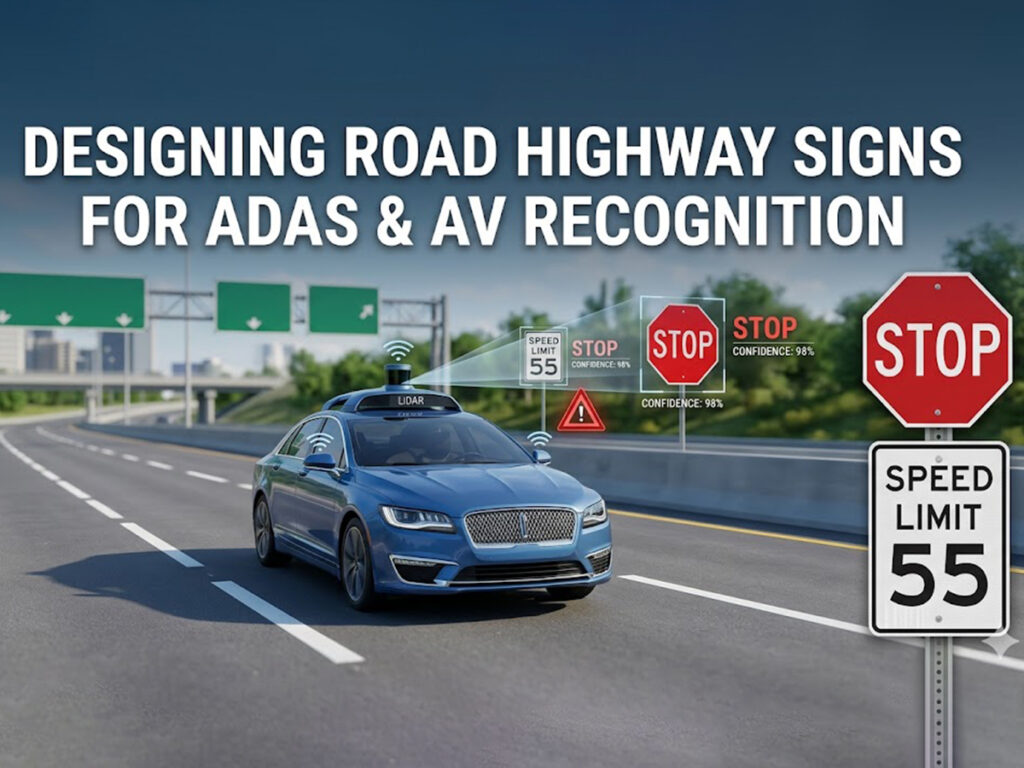
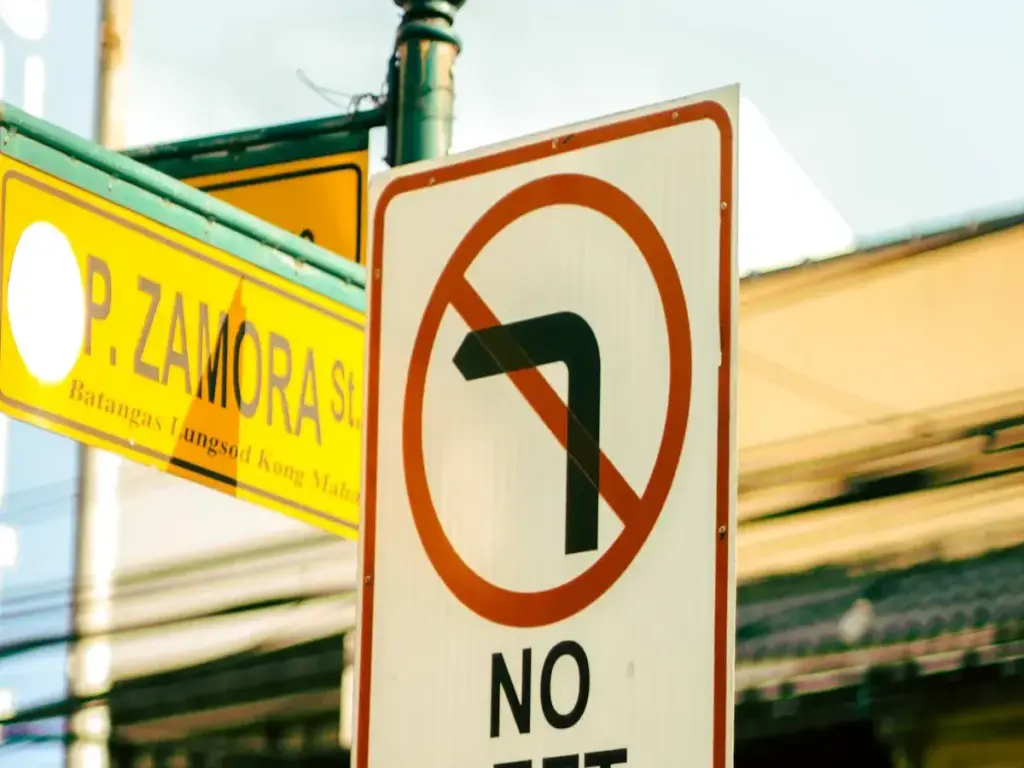
Choosing the right certifications for traffic signs helps businesses avoid expensive mistakes. One company got a big contract because it used certified signs that followed all the rules. This choice let the company finish the job faster. It also showed the company cared about safety. Certified signs make project owners trust the business more. Knowing traffic sign standards keeps projects safe and stops delays.
OPTRAFFIC ensures that all our traffic signs are fully compliant with the highest industry standards, including MUTCD, ISO, EN12966, AS/NZS, and CE marking. Our certified road signs meet stringent safety and legal requirements, giving businesses confidence that their signage is not only effective but also compliant with all necessary standards. With OPTRAFFIC, businesses can be assured that their signs adhere to all required certifications for a safe and efficient project.
Key Takeaways
- Picking certified traffic signs helps businesses follow the law and stay out of trouble.
- Knowing traffic sign standards like MUTCD, AS/NZS 1906, and EN 12966 keeps roads safe and signs working well.
- Always ask for certification papers and lab reports to check if traffic signs are good and safe before you buy them.
- Working with certified suppliers can help you get better service, lower prices, and make your project go well.
- Buying strong, certified signs can help you save money later by needing fewer replacements and making roads safer.
Essential Traffic Sign Standards and Certifications
MUTCD Compliance (U.S.)
The Manual on Uniform Traffic Control Devices sets rules for traffic signs in the United States. All public road projects must follow these rules. MUTCD tells how to put up, design, and size signs. The table below lists the main rules:
| Requirement | Description |
|---|---|
| Installation | Regulatory signs go where the rules apply. |
| Visibility | Signs must be easy to see and read. |
| Retroreflectivity | Signs should reflect light or be lit up. |
| Design | Most signs are rectangles with set shapes and colors. |
| Size | Sizes are listed for different road speeds. |
If you do not follow MUTCD traffic sign standards, big problems can happen. States might lose money for road projects. Contractors or road authorities could get sued if accidents happen because signs do not follow the rules. The table below shows what can go wrong:
| Penalty Type | Description |
|---|---|
| Loss of Federal Aid Funds | States can lose money for roads if they do not follow MUTCD. |
| Increased Tort Liability | Not following rules can lead to lawsuits after accidents. |
| Liability for Road Authorities | Road authorities or contractors can get sued for crashes. |
| Withdrawal of Federal-Aid Funds | Not fixing signs can mean losing federal money. |
AS/NZS 1906 (Australia/New Zealand)
AS/NZS 1906 is the standard for traffic signs in Australia and New Zealand. This certification checks if the signs reflect light and last long. Signs must be easy to see in any weather. The traffic sign standards help keep roads safe by ensuring signs last and remain clear.
EN 12966 (Europe)
EN 12966 is the main rule for variable message signs in Europe. This certification checks if signs are clear, easy to see, and strong. Manufacturers must pass rigorous tests to get certified. EN 12966 signs provide drivers with timely updates and assist in traffic management. The table below shows the main points:
| Evidence Description | Key Points |
|---|---|
| Certification Standards | EN 12966 sets strict rules for clear, strong signs. |
| Testing Procedures | Makers must pass many tests to show they follow the rules. |
| Information Accuracy | Certified signs give real-time updates drivers can trust. |
| Traffic Management | These signs help control traffic and make roads safer. |
ANSI and OSHA Standards
ANSI and OSHA make safety rules for traffic signs in the United States. OSHA standard 1926.200 covers accident prevention signs. The ANSI Z535 series gives safety sign guidelines. ANSI rules are not required, but they help meet OSHA rules and make things safer.
- OSHA standard 1926.200 covers accident prevention signs.
- ANSI Z535 series gives safety sign guidelines.
- ANSI rules are not required but help with OSHA rules.
IMSA Certification
The International Municipal Signal Association certifies people who install and make traffic signs. The steps are:
- Send in the renewal packet or upload education credits.
- Wait about 5-6 weeks for approval.
- Get an invoice by email.
- Pay online, by phone, or by check.
- After payment, you get your certificate and card in 4-6 weeks.
IMSA certification shows installers and makers follow high safety and quality standards.
ISO 9001 Quality Management
ISO 9001 is a worldwide rule for quality management. This certification helps companies make better products and follow rules. Traffic sign makers with ISO 9001 show they care about customers and quality. The rule also helps companies follow laws and build a good name.
- Makes sure companies follow laws and rules.
- Helps customers feel happy.
- Keeps product quality the same.
ISO 9001 is known all over the world. Companies with this certification show they care about quality and being reliable.
CE Marking (Europe)
CE marking is required for traffic signs sold in Europe. This mark indicates that the sign meets health, safety, and environmental regulations. CE marking helps buyers understand that the sign is safe and complies with European laws.
Sedex Ethical Sourcing
Sedex certification helps companies use fair business practices. Makers must treat workers fairly and keep good records. Sedex checks for social and environmental responsibility. The table below shows how Sedex helps:
| Aspect | Description |
|---|---|
| Ethical Business Practices | Makers must treat workers fairly and build trust. |
| Supply Chain Transparency | Good records and checks keep standards high. |
| Social and Environmental Responsibility | Companies lower their impact and use better practices. |
| Risk Mitigation | Checks help find and fix problems. |
| Tools for Risk Management | Insights help companies solve problems early. |
RoHS Environmental Safety
RoHS certification means the product does not have harmful stuff like lead or mercury. This is important for signs with electronics. RoHS helps protect the earth and keeps people safe.
IP Rating for Durability
IP ratings show how well a sign keeps out dust and water. Outdoor signs need high IP ratings to last in bad weather. The table below lists common ratings:
| IP Rating | Description | Suitable for Outdoor Use |
|---|---|---|
| IP65 | Dustproof and protected against water jets | Yes |
| IP66 | Protected against strong water jets | Yes |
| IP67 | Protected against short-term water immersion | Yes |
IP65 signs work well outside. They keep out dust and handle heavy rain.
FHWA Acceptance (U.S.)
The Federal Highway Administration checks and approves traffic signs for big projects. FHWA acceptance means the sign meets federal rules for reflectivity and strength. Many big projects need FHWA-approved signs for safety and rule-following.
Picking certified traffic signs helps businesses follow laws, keep people safe, and finish projects well. Knowing traffic sign rules is important for buyers who want to avoid problems and build trust.
Scope and Application of Traffic Sign Standards
U.S. vs. International Requirements
Traffic sign rules are not the same everywhere. In the United States, MUTCD sets the rules for signs. Europe uses ECMT rules for their signs. Australia follows AS 1742 for traffic signs. Each place has its own way to design signs and measure speed. The table below shows how they are different:
| Aspect | U.S. | Europe | Australia |
|---|---|---|---|
| Regulatory Framework | MUTCD | ECMT rules | AS 1742 |
| Design Philosophy | More text on signs | Use of pictures | Combination of text/images |
| Measurement Systems | Miles per hour (mph) | Kilometers per hour (km/h) | Kilometers per hour (km/h) |
| Font Choices | Clearview | Transport font | AS 1744 |
| Policy and Maintenance | Updates based on crash data | Similarity across countries | Designed for tough weather |
These differences change how companies pick signs for each country.
Regulatory, Warning, and Guide Signs
Traffic sign rules put signs into groups by what they do. Each group has a special job. The table below explains what each type does:
| Type of Sign | Purpose |
|---|---|
| Regulatory | Tells drivers about traffic laws or rules. |
| Warning | Warns drivers about things they might not see right away. |
| Guide | Gives directions, names of places, distances, and services. |
Regulatory signs tell drivers what they must do. Warning signs help drivers watch out for danger. Guide signs show directions and give helpful info.
Public Roads vs. Private Property
Traffic sign rules work differently on public roads and private land. On public roads, signs must follow state and federal rules. On private property, the rules depend on who can go there:
- Traffic laws only work on private land if the public can drive there.
- If only some people can enter, state traffic laws do not count.
- State law says signs on private land, where the public is allowed, must follow state rules.
- Florida Statutes, Section 316.0747, says private groups cannot use traffic signs unless they follow state rules.
- Signs on private land must match the system used by the Department of Transportation if the public can enter.
Tip: Always look at local laws before putting up signs on private land. Following the rules helps you avoid trouble and keeps everyone safe.
Verifying Certification and Documentation
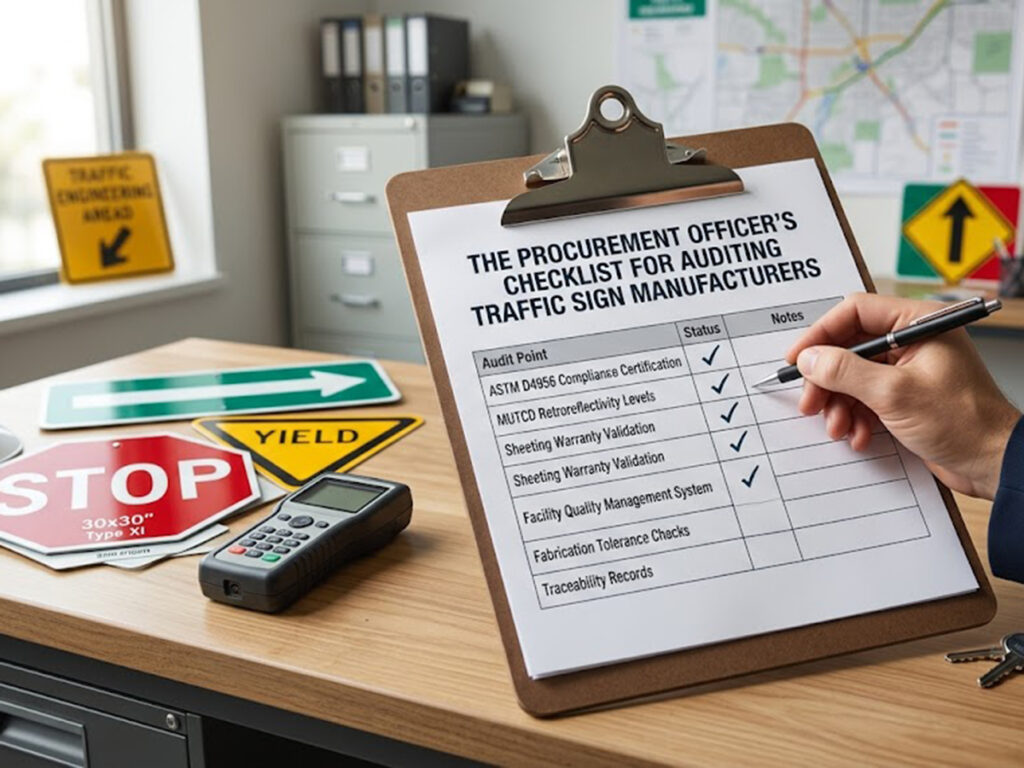
Certification Documents
Buyers should check certification documents before buying traffic signs. These papers show the signs are safe and good quality. Companies give certificates for different places and uses. The table below lists common certification documents and what they mean:
| Certification Type | Description |
|---|---|
| CE marking | Shows the sign follows European safety and health rules. |
| AS1742 standards | Sets rules for signs in Australia and New Zealand. |
| ANSI/NEMA Z535.4-2011 | Proves signs stay visible and strong in tough weather. |
| Manufacturer’s Certificates of Compliance | Confirms signs meet project standards. |
| Independent laboratory testing reports | Checks brightness and strength. |
| Material safety certifications | Makes sure materials are safe and last long. |
| Product traceability documentation | Tracks where materials come from and how quality is checked. |
Tip: Always ask for these documents before you buy. Checking them helps make sure the signs follow all rules and are safe.
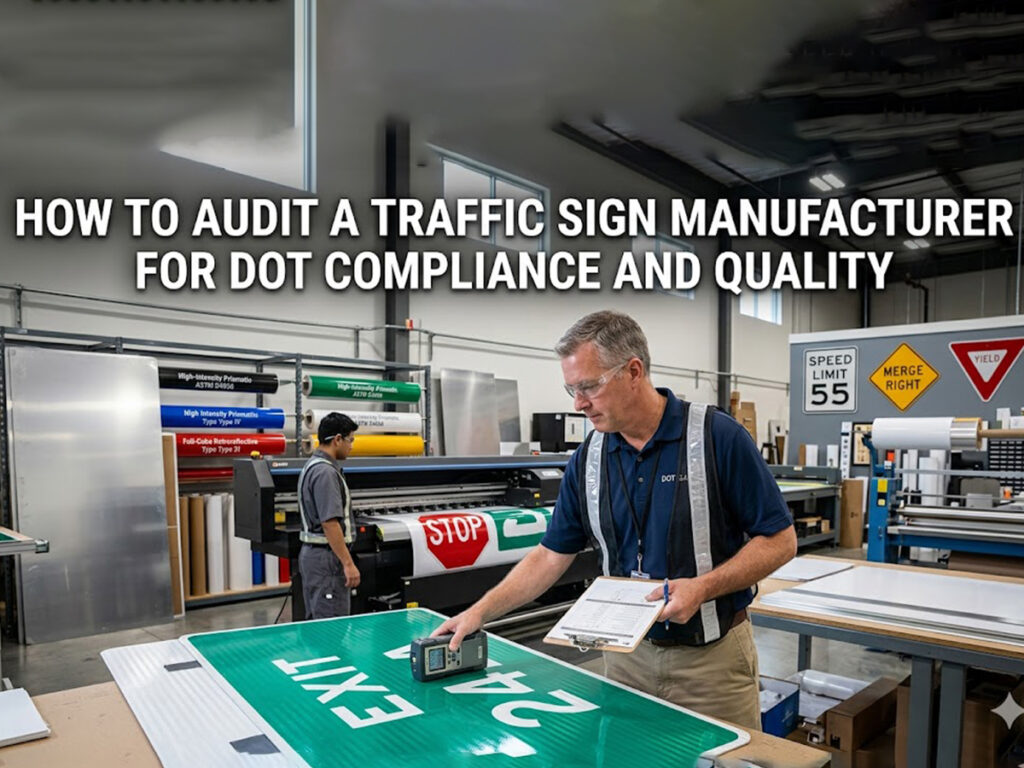
Third-Party Lab Reports
Third-party lab reports give more proof that signs work well. Labs test signs for brightness, strength, and safety. The table below lists important standards and what labs check:
| Standard/Specification | Description |
|---|---|
| DOT-C2 (U.S.) | Checks visibility and strength for U.S. signs. |
| ECE 104R (Europe) | Tests reflectivity for European signs. |
| ISO 13593 | Measures retro reflective materials. |
| Minimum Luminance | At least 300 cd/m² in dark conditions. |
| Minimum Durability | Signs last 10 years in UV tests. |
| Temperature Resistance | Signs work from -40°C to +80°C. |
| Moisture Resistance | Labs check for water damage. |
| Abrasion Resistance | Labs check for scratches and wear. |
Buyers should look at these reports to make sure signs last and stay bright in all weather.
Product Labels and Markings
Product labels and markings help buyers find certified signs fast. Labels show the certification mark, date made, and batch number. These markings help track where the sign came from and if it meets rules. Companies use clear labels to show they follow rules like CE marking or DOT-C2.
Note: Always check product labels for certification marks before putting up signs. This step helps stop mistakes and makes sure you follow the rules.
Supplier Recordkeeping
Suppliers must keep good records to show they follow the rules. They do a few things:
- Take photos of all visitors.
- Give out ID badges.
- Keep a list of visitors in a database.
Visitor records help suppliers follow rules like CTPAT and ITAR. These records show suppliers keep their supply chains safe and check who goes into important areas. Good records help with audits and make buyers trust the supplier.
Business Benefits of Certified Traffic Signs
Legal Compliance and Risk Reduction
Certified traffic signs help companies follow the law. When businesses use signs that meet MUTCD rules, the signs are easy to see and read. Good placement and design stop accidents from happening. These standards protect drivers and workers. They also make lawsuits less likely. If a company does not follow the rules, it can get in trouble after an accident. Using certified signs keeps projects safe and lowers legal risks.
Safety and Accident Prevention
Safety is important on every road project. Certified traffic signs warn drivers about dangers and help guide them. These signs use bright colors and shiny materials. Drivers can see them well, even at night or in bad weather. Good signs stop crashes and keep people safe. When companies use certified signs, they show they care about everyone’s safety.
Social Responsibility and Sustainability
Many companies want to help people and the planet. Certifications like Sedex and RoHS support this goal in different ways:
- Sedex certification helps make supply chains open and fair.
- It checks how suppliers treat workers and the environment.
- SMETA audits look at labor rules, health, safety, and business ethics.
These steps help companies pick signs that are made safely and fairly.
Competitive Advantage
Businesses that use certified traffic signs stand out. Project owners trust companies that follow traffic sign standards. Certified signs show a company cares about quality and safety. This trust helps companies win more jobs and build a good name.
Long-Term Cost Savings
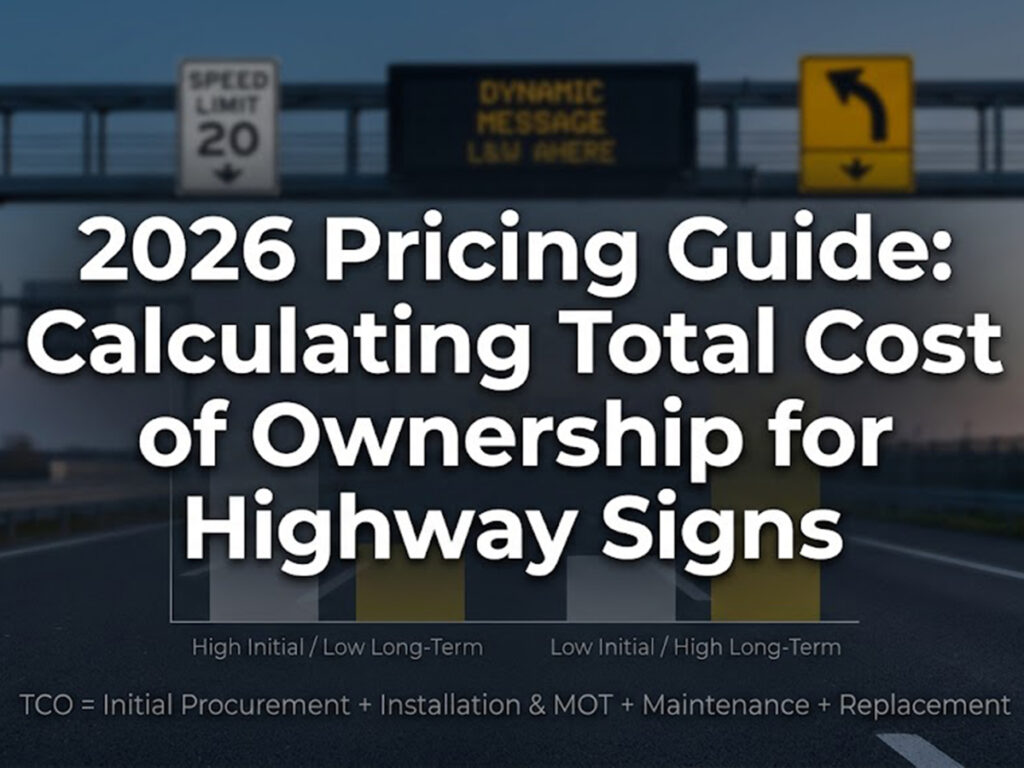
Certified signs save money over time. Good signs last longer. Some signs last up to 15 years. Other signs need to be replaced sooner. Each time a sign is replaced, it costs about $150 to put it in. Picking signs with better materials means fewer replacements and lower costs later.
Tip: Buying certified traffic signs helps companies save money, avoid legal trouble, and keep roads safe.
Sourcing Certified Traffic Signs
Vetting Suppliers
Businesses need to pick suppliers with care when buying certified traffic signs. They should find vendors who sell many products and let you change the signs to fit your needs. Some suppliers use new things like solar-powered signs or IoT features. These can help your project stay modern. Buyers must check if the materials are strong and last a long time. It is smart to look at prices and how much the signs will cost over time. Good suppliers send orders on time and help customers when needed. Companies must make sure the signs have all the needed certifications. Looking at old projects and what other clients say can show if a supplier is honest.
Key criteria for vetting suppliers:
- Product range and customization options
- Technological innovation
- Quality and durability of materials
- Pricing and cost-effectiveness
- Reliable supply chain and delivery
- Customer support and service
- Compliance with certifications
- Track record and references
Tip: Suppliers with more certifications usually give better quality and follow the rules.
Reviewing Traffic Sign Standards
Buyers should look at traffic sign standards before they choose. Signs with high retroreflectivity, like Class 1W sheeting, help drivers see signs from far away. Roads with bright and clear signs have fewer crashes. The National Road Safety Strategy says better signs can save lives.
| Evidence Type | Description |
|---|---|
| Retroreflective Signage | Class 1W retroreflective sheeting helps drivers see signs at night from 90 meters to over 300 meters, which is much farther than Class 2 signage. |
| Accident Reduction | Roads with bright, clear signs had 25% fewer crashes than roads with old, faded signs. |
| National Strategy | The National Road Safety Strategy 2021–2030 says better signs can cut road deaths in half by 2030. |
Note: Checking standards helps buyers pick signs that make roads safer and help finish projects.
Avoiding Non-Compliant Products
Signs that do not follow the rules can cause legal trouble and safety problems. Buyers should always ask for certification papers and lab reports from other companies. Looking at product labels for certification marks helps make sure the signs are right. Companies should not buy from suppliers who cannot show proof or have bad records.
- Always ask for certification papers.
- Check for clear labels and marks on products.
- Do not buy from suppliers who are not open.
Building Supplier Relationships
Good relationships with suppliers help businesses get better help and service. Companies should talk clearly about what they need and what rules to follow. Working with the same supplier for a long time can mean better prices and faster orders. Suppliers who know about certifications help buyers avoid mistakes and keep projects safe.
Trusting certified suppliers helps projects go well and brings success for a long time.
Traffic sign certifications help companies follow the law. They also help keep roads safe for everyone. Certified signs show that a company cares about good quality. They also show the company cares about doing the right thing. Buyers can do a few things to make sure signs are safe:
- Write down all the certifications you need.
- Pick suppliers who have a good history.
- Ask for proof that the signs are certified before you buy.
Tip: Always check every certificate. This makes sure the signs are safe and follow the law.
FAQ
Is OPTRAFFIC a certified traffic sign manufacturer?
Yes, OPTRAFFIC is a certified manufacturer of traffic signs. We comply with a wide range of industry standards, including MUTCD, ISO 9001, EN 12966, AS/NZS 1906, and other essential certifications. Our products meet stringent safety and quality requirements, ensuring that they are both durable and compliant with local and international regulations.
What does MUTCD compliance mean for traffic signs?
MUTCD compliance means the sign follows U.S. national standards. These rules cover design, size, color, and reflectivity. Signs that meet MUTCD help keep roads safe and avoid legal problems.
How can buyers check if a traffic sign is certified?
Buyers can ask for certification documents. They can look for labels or marks on the product. Suppliers often provide lab reports or certificates to prove the sign meets safety standards.
Why do IP ratings matter for outdoor traffic signs?
IP ratings show how well a sign keeps out dust and water. High IP ratings, like IP67, help signs last longer outside. These ratings protect signs from rain, dirt, and harsh weather.
What is the difference between CE marking and RoHS certification?
CE marking shows the sign meets European safety and health rules. RoHS certification means the sign does not have harmful chemicals. Both help buyers choose safe and eco-friendly products.
Can companies use non-certified signs on private property?
Companies can use non-certified signs on private land if the public cannot enter. If the public has access, state laws require certified signs. Certified signs help keep everyone safe and follow local rules.
Can I get custom traffic signs from OPTRAFFIC with the same certifications?
Absolutely! OPTRAFFIC offers fully customizable traffic signs that maintain the same high standards of quality and compliance. Whether you need signs with specific designs, sizes, or materials, we ensure that all custom traffic signs meet the necessary certifications, such as MUTCD, ISO, and others, for your project’s legal and safety requirements.